
The 5 Key Communication Hacks Every Couple Needs to Know


Ready to unlock a happier, more fulfilling relationship? At UltimateLifeHacks, we're dedicated to helping you optimize every aspect of your life. Discover the secrets to effortless efficiency and lasting connection, starting with our groundbreaking article on improving couple communication skills. Learn the 5 key communication hacks every couple needs to know – and prepare to transform your relationship dynamics. Dive in and uncover the simple yet powerful strategies waiting for you.
- Enhance Couple Communication: Understanding the Foundation
- Active Listening: A Cornerstone of Effective Couple Communication
- Effective Communication Techniques for Couples: Expressing Needs Clearly
- Nonverbal Communication in Relationships: The Unspoken Language
- Maintaining Open and Honest Communication: Long-Term Strategies for Couples
-
Frequently Asked Questions
- What are the biggest communication challenges couples face?
- How can I improve my active listening skills with my partner?
- What are some practical tips to improve communication during disagreements?
- How can I communicate my needs and wants more effectively to my partner?
- How can I know if we need professional help to improve our communication?
- Final Reflection: Unlocking Lasting Love Through Communication
- Unlock Deeper Connection: Put These Communication Hacks to the Test!
Enhance Couple Communication: Understanding the Foundation
Effective communication is the bedrock of any strong and healthy relationship. For couples, open, honest, and respectful communication isn't just desirable—it's essential for navigating the inevitable challenges and celebrating the joys that life throws their way. This article delves into five key communication hacks designed to help couples improve their communication skills and foster a deeper connection. We'll explore common communication roadblocks, understand individual communication styles, and set realistic expectations for improvement.
Mastering these hacks can significantly improve your relationship's overall health and happiness, leading to increased intimacy, reduced conflict, and a stronger sense of partnership. Learning to effectively communicate with your partner is an investment in the longevity and well-being of your relationship, ultimately improving your quality of life together. This guide provides practical, actionable steps to improve couple communication skills, helping you build a more fulfilling and connected partnership.
Identifying Communication Roadblocks in Relationships
Many couples unknowingly stumble upon communication roadblocks that hinder their ability to connect meaningfully. These obstacles can manifest in various forms, often stemming from underlying issues or ingrained habits. Let's examine some common culprits:
- Unresolved Conflicts: Lingering disagreements, whether large or small, can create a climate of tension and resentment, making future conversations difficult. Ignoring these issues only exacerbates the problem. Addressing conflict constructively is crucial.
- Different Communication Styles: One partner might be direct and assertive, while the other prefers a more indirect and passive approach. These differences can lead to misunderstandings and frustration if not acknowledged and addressed.
- Lack of Active Listening: Truly hearing and understanding your partner's perspective is paramount. Distractions, interrupting, or formulating your response before they've finished speaking all hinder active listening.
- Negative Communication Patterns: Criticism, contempt, defensiveness, and stonewalling (the "Four Horsemen" of relationship breakdown) are toxic communication patterns that erode trust and intimacy. Identifying and changing these habits is critical.
- Unrealistic Expectations: Expecting your partner to be a mind reader or automatically understand your needs without clear communication sets the stage for disappointment and conflict.
Recognizing Your Communication Style and Your Partner's
Understanding your own communication style and that of your partner is a pivotal step towards improving your interactions. Are you a direct communicator, preferring clear and concise messages? Or do you tend to be more indirect, hinting at your needs rather than stating them explicitly? Your partner may have a completely different style. Consider these examples:
| Communication Style | Characteristics | Potential Challenges |
|---|---|---|
| Assertive | Direct, clear, respectful, expresses needs openly | Can be perceived as aggressive if not done sensitively |
| Passive | Avoids expressing needs, often agrees to avoid conflict | Can lead to resentment and unmet needs |
| Aggressive | Demanding, controlling, dismissive of others' feelings | Damages trust and creates a hostile environment |
| Passive-Aggressive | Indirectly expresses anger or resentment | Creates confusion and makes it difficult to resolve issues |
Recognizing these differences allows you to adapt your approach and communicate more effectively with your partner. For instance, if your partner is passive, you might need to be more patient and draw them out, rather than expecting them to be as direct as you are.
Setting Realistic Expectations for Improved Communication
Improving communication is a journey, not a destination. It requires consistent effort, patience, and a willingness to adapt. It's unrealistic to expect overnight transformations. Instead, set small, achievable goals. For example:
- One mindful conversation per week: Focus on actively listening and expressing your feelings without judgment.
- Scheduling regular check-ins: Dedicate time to discuss your relationship and any concerns.
- Learning conflict resolution techniques: Practice healthy conflict resolution strategies to address disagreements constructively.
- Seeking professional help if needed: A therapist can provide guidance and support in navigating complex communication challenges.
Remember, effective communication is a skill that can be learned and improved upon. By understanding the roadblocks, recognizing your communication styles, and setting realistic expectations, you and your partner can build a stronger, more fulfilling relationship. 🎉
Active Listening: A Cornerstone of Effective Couple Communication
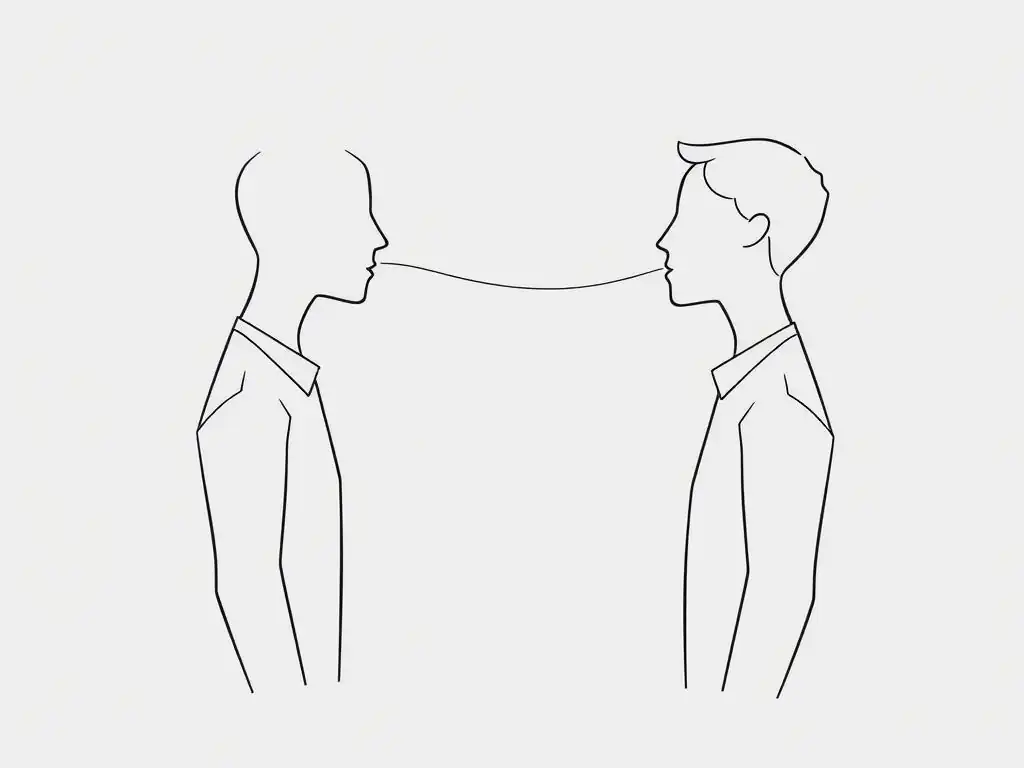
Active listening is more than just hearing your partner's words; it's about truly understanding their perspective, emotions, and needs. Improving couple communication skills hinges on mastering this fundamental skill. It's about creating a safe space where both partners feel heard and valued, fostering empathy and strengthening the bond. This isn't a passive activity; it requires conscious effort and a genuine desire to connect. Many couples struggle with this, often interrupting or formulating their response while their partner is still speaking. Effective communication requires a shift in mindset – from a desire to respond to a desire to truly understand.
Practicing Active Listening Techniques for Better Understanding
To enhance active listening, consciously employ several techniques. First, maintain consistent eye contact. This shows engagement and respect, signaling to your partner that you're fully present. Second, use nonverbal cues like nodding and mirroring body language subtly to demonstrate your attentiveness and understanding. Third, summarize and paraphrase what your partner has said. For example, instead of simply saying "Okay," try "So, it sounds like you're feeling frustrated because of the workload at the office, and you need more support at home."
This shows you're not just hearing words, but grasping the underlying emotions and context. Finally, avoid interrupting. Let your partner finish their thoughts before offering your perspective. This creates a space for genuine dialogue rather than a debate. Consistent practice of these techniques will significantly improve your ability to understand your partner's message, fostering greater intimacy and reducing conflict.
Overcoming Distractions and Focusing on Your Partner
Distractions are the enemy of effective communication. In today's fast-paced world, it's easy to get sidetracked by notifications, chores, or even internal worries. However, if you truly want to improve couple communication skills, you must make a conscious effort to minimize these interruptions. Put away your phone, turn off the TV, and find a quiet space where you can give your partner your undivided attention. This demonstrates respect and prioritization, making your partner feel valued and understood.
Even seemingly small distractions, like checking email while your partner is talking, can significantly diminish their feeling of being heard. Creating a distraction-free environment is a powerful tool for fostering meaningful and productive conversations. Consider establishing designated "communication times" where phones and other distractions are explicitly forbidden. This creates a ritual of focused connection, strengthening your relationship.
Asking Clarifying Questions to Avoid Misunderstandings
Misunderstandings are inevitable, but clarifying questions can significantly reduce their impact. Don't assume you understand your partner's message completely. Instead, ask questions to ensure clarity. For instance, instead of reacting defensively to a perceived criticism, ask, "Can you help me understand what you mean by that?" or "What specifically made you feel that way?"
These open-ended questions encourage your partner to elaborate, revealing the root of their feelings and preventing misinterpretations. Asking clarifying questions also shows your willingness to understand their perspective, fostering empathy and reducing defensiveness. Remember, the goal isn't to win an argument, but to achieve mutual understanding. By actively seeking clarification, you build a foundation of trust and open communication, which are crucial elements for a thriving relationship. Practicing this will lead to more productive conversations and stronger connections.
Effective Communication Techniques for Couples: Expressing Needs Clearly
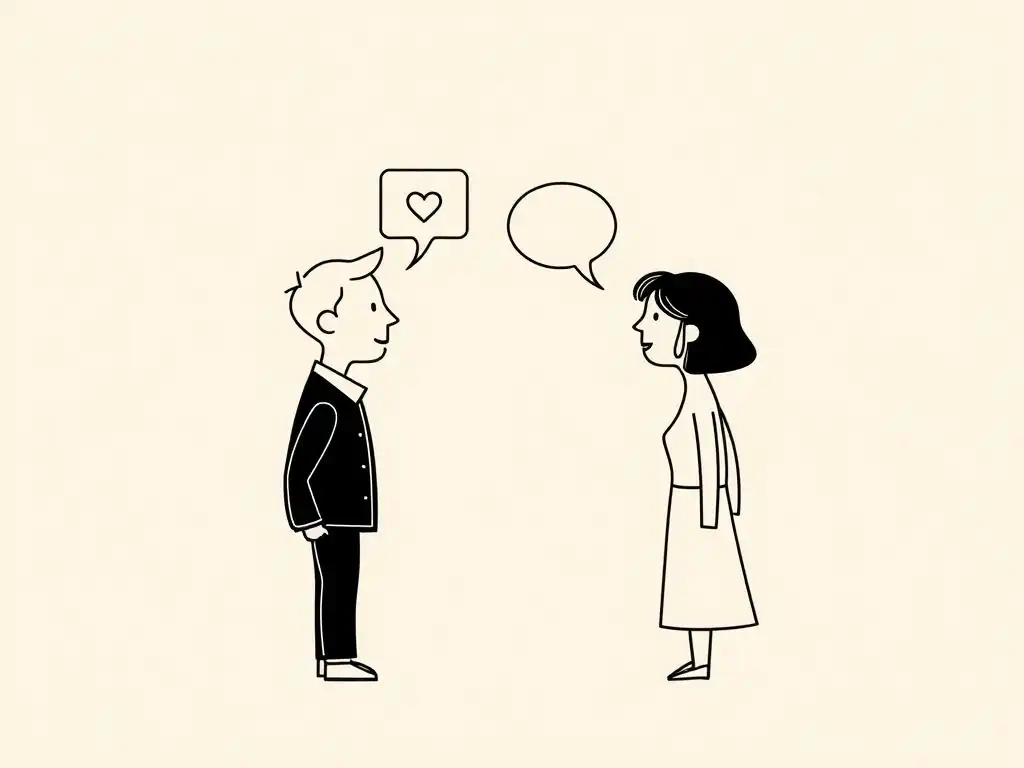
This section focuses on practical strategies to improve couple communication skills, specifically on effectively expressing needs. Open and honest communication is the cornerstone of any strong relationship, and learning to articulate your needs clearly is crucial for fostering understanding and preventing misunderstandings. Improving couple communication skills isn't about magically resolving all conflicts, but rather about creating a safe space for vulnerability and mutual respect. This involves more than just talking; it’s about actively listening and empathetically responding. Let's explore some techniques.
Articulating Your Needs and Feelings with Empathy
Expressing your needs effectively requires more than simply stating what you want. It involves conveying your feelings with empathy, considering your partner's perspective, and aiming for a collaborative solution rather than a confrontation. For example, instead of saying "You never help with the chores!
", a more constructive approach would be: "Honey, I've been feeling overwhelmed lately with all the housework. I know you're busy too, but could we perhaps discuss a more balanced way to share the responsibilities?" Notice the shift from blame ("You never...") to a focus on the speaker's feelings ("I've been feeling overwhelmed...") and a collaborative invitation ("could we perhaps discuss...").
This approach significantly improves couple communication skills by fostering a sense of teamwork rather than antagonism. Remember, empathy is key; try to understand why your partner might be acting in a certain way before responding. This understanding often diffuses tension and opens the door for productive conversation.
Using "I" Statements to Avoid Blame and Accusation
"I" statements are a powerful tool for improving couple communication skills by shifting the focus from blame to personal experience. Instead of using accusatory "you" statements (e.g., "You always leave your clothes on the floor! "), frame your concerns using "I" statements (e.g., "I feel frustrated when I see clothes on the floor because it makes me feel like I'm carrying the burden of housework alone."). This subtle change in phrasing dramatically alters the tone of the conversation. Accusatory language often triggers defensiveness, hindering productive dialogue. "I" statements, on the other hand, allow you to express your feelings without placing blame, making it easier for your partner to listen and respond constructively. They promote a sense of shared responsibility and encourage open communication, vital for improving couple communication skills and strengthening the relationship. Practice using "I" statements regularly – it becomes second nature with time, significantly enhancing your communication skills.
Communicating Constructively During Conflicts
Disagreements are inevitable in any relationship. However, the way you handle conflicts significantly impacts the health of your relationship. Improving couple communication skills during conflicts involves active listening, respectful dialogue, and a commitment to finding mutually acceptable solutions. Avoid interrupting, name-calling, or raising your voice.
Instead, focus on understanding your partner's perspective, even if you don't agree with it. Take breaks if the discussion becomes too heated. Remember, the goal isn't to "win" the argument, but to find a resolution that works for both of you. Consider using a structured approach, such as identifying the core issue, brainstorming solutions, and collaboratively choosing the best option.
This structured approach can greatly improve couple communication skills and transform conflict from a destructive force into an opportunity for growth and understanding. Remember, effective communication during conflict is a skill that improves with practice and conscious effort. The ability to navigate disagreements constructively is a testament to a strong and healthy relationship.
Nonverbal Communication in Relationships: The Unspoken Language
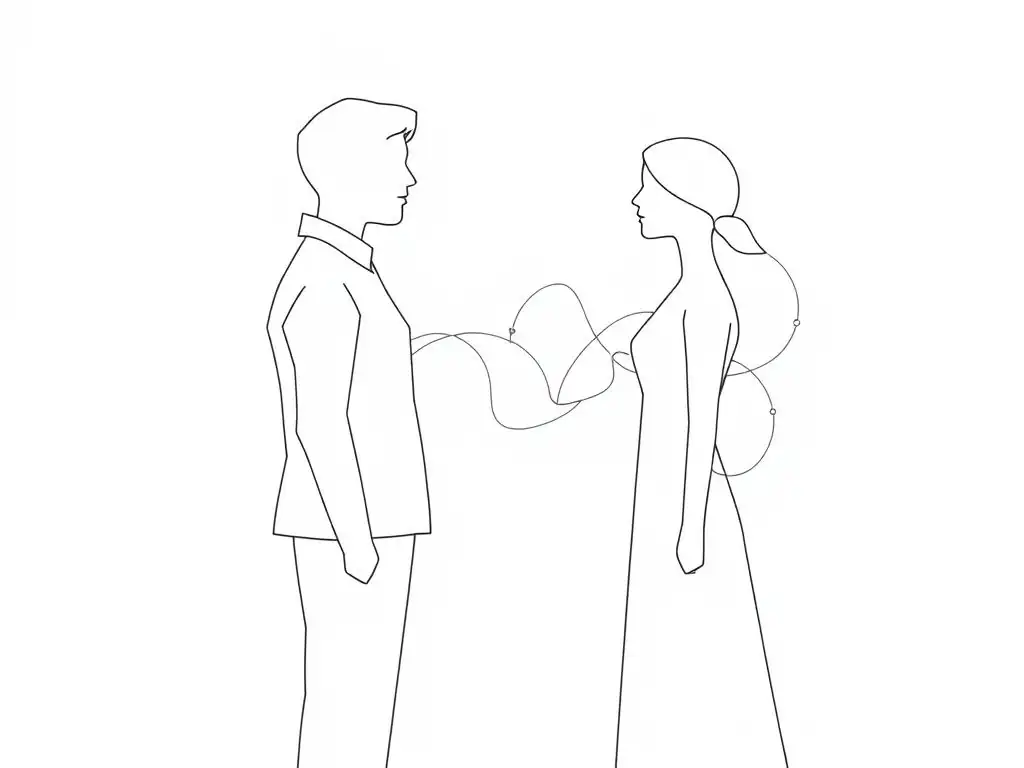
Nonverbal communication, often overlooked, forms the bedrock of a strong and healthy relationship. It's the silent symphony playing beneath the surface of words, powerfully influencing how your message is received and understood. Improving couple communication skills hinges not just on what you say, but how you say it, and what your body language conveys. This section delves into the nuances of nonverbal communication and its profound impact on your relationship's dynamics. Mastering this aspect can significantly improve your connection and resolve conflicts more effectively.
Understanding Body Language and Its Impact on Communication
Body language is a powerful tool, capable of either strengthening or undermining your verbal communication. A simple smile, a gentle touch, or even a subtle shift in posture can communicate volumes. Conversely, crossed arms, averted gaze, or a tense jaw can create barriers and misunderstandings. Consider this example: a partner says "I'm fine," but their shoulders are slumped, their voice is flat, and they avoid eye contact. The nonverbal cues contradict the verbal message, suggesting something else entirely – perhaps hurt, frustration, or resentment. Learning to recognize these discrepancies is crucial for improving couple communication skills and building empathy.
Research consistently shows that a significant portion of communication is nonverbal. Studies estimate this figure to be anywhere from 60% to 90% 1 , highlighting the importance of paying attention to unspoken signals. Ignoring nonverbal cues can lead to misinterpretations, hurt feelings, and ultimately, conflict. By paying closer attention to your partner's body language – their facial expressions, posture, gestures, and tone of voice – you can gain a deeper understanding of their emotional state and respond more effectively. This heightened awareness fosters a more empathetic and connected relationship.
Interpreting Nonverbal Cues Accurately
Accurately interpreting nonverbal cues requires practice and awareness. It's not about reading minds, but rather about observing patterns and contexts. For instance, a furrowed brow might indicate concentration in one situation, but annoyance in another. The key lies in considering the overall context: the setting, the conversation's topic, and your partner's usual behavior.
To improve your ability to interpret nonverbal cues:
- Practice mindful observation: Consciously pay attention to your partner's body language during conversations.
- Consider the context: Don't isolate individual cues; examine them within the broader situation.
- Seek clarification: If you're unsure about a nonverbal cue, ask your partner for clarification. For example, "You seem a little quiet. Is everything alright?"
- Reflect back what you observe: Paraphrase your understanding of their nonverbal cues to ensure accuracy. "It seems like you're feeling frustrated based on your body language. Am I right?"
Remember, accurate interpretation isn't about making assumptions; it's about fostering understanding and encouraging open communication.
Aligning Verbal and Nonverbal Communication for Clarity
The ultimate goal is to ensure congruence between your verbal and nonverbal communication. When your words and actions align, your message is clear, consistent, and trustworthy. This consistency builds trust and strengthens the bond between partners. Incongruence, however, can sow seeds of doubt and confusion.
To achieve alignment:
- Be mindful of your own body language: Ensure your posture, facial expressions, and tone of voice support what you're saying.
- Practice active listening: Pay attention to your partner's nonverbal cues and respond accordingly.
- Use mirroring techniques: Subtly mirroring your partner's body language can foster connection and rapport. (But avoid mimicking excessively, which can feel unnatural).
- Create a safe space for open communication: Encourage honest and vulnerable conversations where both partners feel comfortable expressing themselves.
By consciously working on aligning your verbal and nonverbal communication, you'll significantly improve your ability to connect with your partner on a deeper level, leading to stronger, more fulfilling relationships. This conscious effort to improve couple communication skills will yield significant rewards in the long run, contributing to a more harmonious and loving partnership. Remember, the unspoken language is just as important as the spoken word.
1 Note: The exact percentage of nonverbal communication varies depending on the study and methodology used. This range is provided as a general indication.
Maintaining Open and Honest Communication: Long-Term Strategies for Couples
This section explores practical, long-term strategies for maintaining open and honest communication within a relationship, crucial for improving couple communication skills and fostering a strong, healthy bond. Effective communication isn't a one-time fix; it's an ongoing process requiring consistent effort and adaptation. We'll delve into specific techniques to ensure your communication remains vibrant and supportive throughout your relationship's journey.
Scheduling Regular Check-in Conversations
Establishing a routine for dedicated communication time is paramount. Think of it as preventative maintenance for your relationship. These aren't necessarily about airing grievances; rather, they're opportunities to connect, share updates on your lives, and ensure you're both on the same page. Consider these options:
- Weekly Date Nights: Dedicate a specific evening each week for uninterrupted quality time. This could involve a fancy dinner, a cozy night in, or an engaging activity you both enjoy. The key is to minimize distractions and focus on each other.
- Daily "Check-ins": Even a brief 15-minute conversation before bed or during lunch can make a significant difference. Share highlights of your day, discuss upcoming plans, and simply connect on a personal level.
- Monthly "State of the Union" Meetings: Once a month, dedicate more substantial time (perhaps an hour) to a more in-depth discussion. This is where you can address any lingering concerns, discuss goals, and reaffirm your commitment to each other.
Remember, consistency is key. Scheduling these conversations into your calendar, just like any other important appointment, helps ensure they happen. Flexibility is also important; life happens, and sometimes rescheduling is necessary. The important thing is to prioritize these check-ins and make them a non-negotiable part of your routine. This simple act can significantly improve couple communication skills and prevent minor issues from escalating into major conflicts.
Fostering a Culture of Openness and Honesty in the Relationship
Building a culture of openness and honesty requires conscious effort from both partners. It’s about creating a safe space where vulnerability is embraced, not feared. This involves actively listening to your partner, validating their feelings, and expressing your own emotions honestly and respectfully. Here are some practical steps:
- Active Listening: Truly hearing your partner, understanding their perspective, and responding thoughtfully, rather than just waiting for your turn to speak. This involves paying attention to both verbal and nonverbal cues.
- Empathy and Validation: Making an effort to understand your partner's feelings, even if you don't necessarily agree with them. Validating their emotions shows respect and builds trust.
- "I" Statements: Focusing on expressing your own feelings and needs using "I" statements (e.g., "I feel hurt when...") rather than accusatory "You" statements (e.g., "You always..."). This prevents defensiveness and promotes constructive dialogue.
- Regular Affirmations: Expressing appreciation and love regularly. Small gestures and kind words go a long way in strengthening the bond and fostering a positive communication environment. Saying "I appreciate you" or "I love you" consistently reinforces the importance of your relationship.
Seeking Professional Help When Needed: Couple's Therapy and Counseling
Even the strongest relationships can benefit from professional guidance. If you're struggling to communicate effectively, despite your best efforts, seeking professional help is a sign of strength, not weakness. Couple's therapy provides a neutral space to work through challenges, learn new communication skills, and improve your relationship dynamics.
Consider seeking professional help if:
- You're frequently arguing or engaging in unproductive conflict.
- You feel disconnected or emotionally distant from your partner.
- You're struggling to resolve disagreements or compromises.
- You're experiencing communication patterns that are damaging your relationship.
A skilled therapist can provide tools and techniques to improve couple communication skills, helping you navigate difficult conversations, understand each other's perspectives, and build a stronger, more fulfilling relationship. Remember, seeking help is an investment in your relationship's long-term success and well-being. It's a proactive step toward building a stronger, healthier, and more communicative partnership. Don't hesitate to reach out for support when needed; it's a sign of strength and commitment to your relationship's well-being.
Frequently Asked Questions
What are the biggest communication challenges couples face?
Couples often struggle with misunderstandings, unclear expectations, and lack of active listening. These issues can stem from differing communication styles or unresolved conflicts.
How can I improve my active listening skills with my partner?
Practice truly hearing your partner without interrupting. Focus on understanding their perspective, and reflect back what you've heard to ensure comprehension. Empathy is key.
What are some practical tips to improve communication during disagreements?
Take deep breaths to calm down. Use "I" statements to express your feelings without blaming. Focus on finding solutions rather than assigning blame.
How can I communicate my needs and wants more effectively to my partner?
Be clear and direct about your needs, using specific examples. Choose a calm and private setting for sensitive conversations. Avoid making assumptions about your partner's understanding.
How can I know if we need professional help to improve our communication?
Seek professional help if communication problems persist despite your efforts, causing significant stress or conflict in your relationship. A therapist can provide guided strategies and support.
Final Reflection: Unlocking Lasting Love Through Communication
The ability to communicate effectively isn't just a desirable trait for couples; it's the bedrock upon which lasting, fulfilling relationships are built. Without open, honest, and empathetic communication, even the strongest bonds can crumble under the weight of unspoken resentments and misunderstandings. In today's fast-paced world, where connection often feels fleeting, mastering these essential communication skills is more crucial than ever.
The impact of effective communication extends far beyond the individual couple; it ripples outwards, shaping families, communities, and ultimately, the very fabric of our society. Strong communication skills foster empathy, understanding, and conflict resolution – skills vital for navigating the complexities of modern life. As the great communicator, Carl Rogers, once said: The curious paradox is that when I accept myself just as I am, then I can change.
This acceptance, fostered through open and honest communication, is the key to personal growth within a relationship, and ultimately, to a stronger, more resilient partnership.
Now, consider your own relationships. What small changes can you implement today to foster more open and honest communication? Perhaps it's setting aside dedicated time for uninterrupted conversation, actively listening without interrupting, or simply expressing your appreciation more often. The journey towards better communication is a continuous process, requiring effort and commitment from both partners. But the rewards – a deeper connection, stronger bond, and a more fulfilling relationship – are immeasurable. Embrace the challenge, and watch your love flourish.
Unlock Deeper Connection: Put These Communication Hacks to the Test!
Thank you for exploring these essential communication strategies! We hope you've gained valuable insights to strengthen your relationship. Ready to take the next step?
- Try one new communication technique this week. Choose the strategy that resonated most with you and actively practice it in your daily conversations. Notice the difference it makes!
- Discuss this article with your partner and identify strategies you both found most helpful. Starting a conversation about communication is a significant step!
- Journal about your communication experiences: Reflect on how these strategies have impacted your interactions, noting both positive and negative outcomes. This self-reflection is crucial for continued growth.
What's one small change you can make today to improve communication with your partner?