
Stop Arguing, Start Understanding: Proven Communication Hacks for Couples


Feeling overwhelmed by relationship stress? Tired of the same old arguments? At UltimateLifeHacks, we believe stronger relationships are built, not born. Discover proven strategies to improve couple communication skills and transform your interactions from conflict to connection. Dive into our insightful guide, "Stop Arguing, Start Understanding," and unlock the secrets to a more fulfilling partnership – it's time to build a relationship based on understanding, not frustration.
- Understanding the Root of Poor Couple Communication
- Improve Couple Communication Skills: Active Listening Techniques
- Effective Communication Strategies for Couples
- Conflict Resolution Techniques for Stronger Relationships
- Maintaining Open and Honest Communication Over Time
- Boosting Intimacy Through Effective Communication
- Long-Term Strategies to Improve Couple Communication Skills
-
Frequently Asked Questions
- How can I improve communication with my partner if we constantly argue?
- What are some practical communication hacks for couples?
- Is it important to always agree with my partner?
- How can I handle disagreements more constructively?
- What resources are available to help improve couple communication skills?
- Final Reflection: Bridging the Communication Gap, Building Stronger Bonds
- Unlock Deeper Connection: Start Communicating with Confidence
Understanding the Root of Poor Couple Communication
Effective communication is the bedrock of any strong and healthy relationship, especially romantic partnerships. Poor communication, however, can be a significant predictor of relationship conflict and eventual dissolution. This article delves into proven communication hacks designed to help couples improve their interaction, fostering understanding and strengthening their bond. We’ll explore common communication barriers, identify unhealthy patterns, and highlight the detrimental effects of poor communication, ultimately providing practical strategies to improve couple communication skills and build a more fulfilling relationship.
Learning to communicate effectively isn't just about talking; it's about truly understanding your partner, validating their feelings, and collaboratively navigating life's challenges. This guide offers actionable steps to transform your interactions and cultivate a more connected and loving partnership. Improving couple communication skills is an investment in the long-term health and happiness of your relationship – an investment well worth the effort.
Identifying Communication Barriers in Relationships
Many obstacles can hinder effective communication within a relationship. These barriers often stem from a combination of individual personality traits, past experiences, and learned behaviors. Let's explore some common culprits:
- Differing Communication Styles: Some individuals are naturally more expressive than others. One partner might be a verbal processor, while the other prefers to process thoughts and feelings internally. This difference can lead to misunderstandings if not acknowledged and addressed. For example, one partner might feel unheard because the other doesn't readily articulate their feelings.
- Unresolved Past Conflicts: Lingering resentment or unresolved past conflicts can significantly impact current communication. Past hurts can cloud judgment and make it difficult to approach conversations objectively. These unresolved issues often manifest as defensiveness or avoidance during present-day discussions.
- Assumptions and Misinterpretations: Assuming you know your partner's thoughts and feelings without directly asking can lead to significant misunderstandings. Misinterpretations of nonverbal cues, tone of voice, or body language can further exacerbate communication problems.
- Lack of Active Listening: Truly listening involves more than just hearing the words; it requires paying attention to both verbal and nonverbal cues, reflecting back what you’ve heard, and asking clarifying questions. A lack of active listening often leads to feelings of invalidation and disconnection.
- External Stressors: Work pressures, financial difficulties, or family issues can significantly impact a couple's ability to communicate effectively. Stress can lead to increased irritability, impatience, and a reduced capacity for empathy.
Recognizing Unhealthy Communication Patterns: Passive-Aggression, Stonewalling, Criticism
Certain communication patterns are particularly detrimental to relationships. Identifying and addressing these unhealthy habits is crucial for fostering a healthier dynamic.
- Passive-Aggression: This involves expressing negative feelings indirectly, often through subtle actions rather than open communication. Examples include giving the silent treatment, making sarcastic remarks, or deliberately neglecting responsibilities. Passive-aggression erodes trust and makes it difficult to resolve conflicts constructively.
- Stonewalling: This involves withdrawing from a conversation completely, refusing to engage, or shutting down emotionally. Stonewalling can leave the other partner feeling ignored, unheard, and frustrated, further escalating conflict. It’s often a defensive mechanism employed when someone feels overwhelmed or attacked.
- Criticism: While providing constructive feedback is important, constant criticism, especially personal attacks, is damaging. Criticism often focuses on character flaws rather than specific behaviors, leading to defensiveness and resentment. Focusing on specific behaviors and using "I" statements can help mitigate this problem.
The Impact of Poor Communication on Relationships: Increased Conflict, Emotional Distance, Relationship Dissolution
The consequences of poor communication can be far-reaching and profoundly impact the health and longevity of a relationship.
- Increased Conflict: Ineffective communication fuels conflict. Misunderstandings, unmet needs, and unresolved issues escalate tension, leading to frequent arguments and disagreements. These conflicts can become increasingly damaging over time, eroding the foundation of trust and mutual respect.
- Emotional Distance: When communication breaks down, emotional distance inevitably follows. Partners may feel disconnected, lonely, and unappreciated. This emotional chasm can create a sense of isolation, even when living together.
- Relationship Dissolution: In severe cases, chronic poor communication can lead to relationship dissolution. The inability to resolve conflicts, the persistent lack of understanding, and the growing emotional distance ultimately make it impossible to maintain a healthy and fulfilling partnership. The cumulative effect of unresolved communication issues can create irreparable damage, leading to separation or divorce. 💔
Improve Couple Communication Skills: Active Listening Techniques

Effective communication is the cornerstone of any strong relationship, and for couples, it's paramount. Improving couple communication skills isn't about winning arguments; it's about fostering mutual understanding and connection. One of the most crucial aspects of this is mastering active listening. Active listening goes beyond simply hearing your partner's words; it involves fully engaging with their message, both verbally and nonverbally. This section delves into practical techniques to significantly improve your active listening skills and strengthen your relationship.
Mastering the Art of Active Listening
Active listening is a skill, and like any skill, it requires practice and conscious effort. It's not passive; it's actively participating in the conversation. Here's a breakdown of key techniques:
- Minimize distractions: Put away your phone, turn off the TV, and give your partner your undivided attention. Physical presence is crucial; face them, make eye contact, and show you're fully present. This demonstrates respect and encourages open communication. A simple gesture like putting down your phone can significantly impact the conversation's success.
- Focus on understanding, not responding: Resist the urge to interrupt or formulate your response while your partner is speaking. Instead, concentrate on grasping their message completely before formulating your reply. This prevents misunderstandings and allows for a more thoughtful response.
- Use verbal and nonverbal cues: Nodding, making eye contact, and using verbal affirmations like "I understand," "Go on," or "Tell me more" show your partner that you're engaged and listening attentively. These small cues can greatly enhance the feeling of being heard and understood.
- Summarize and paraphrase: To ensure understanding, periodically summarize or paraphrase what your partner has said. For example, "So, what I'm hearing is that you feel frustrated because..." This confirms your understanding and gives your partner a chance to clarify if needed. This technique is particularly effective in resolving misunderstandings and preventing arguments.
- Ask clarifying questions: Don't hesitate to ask clarifying questions to ensure you fully grasp their perspective. For example, "Can you tell me more about that?" or "What specifically made you feel that way?". Open-ended questions encourage deeper communication and exploration of feelings.
Responding Empathetically: Understanding Your Partner's Perspective
Active listening is only half the battle; responding empathetically is equally crucial for improving couple communication skills. Empathy involves understanding and sharing your partner's feelings, even if you don't necessarily agree with their perspective. This doesn't mean you have to condone their actions; it means acknowledging their emotions and validating their experience.
Consider this scenario: Your partner is upset because they missed a promotion at work. An empathetic response wouldn't be to downplay their feelings ("It's just a job, you'll find another one"), but rather to acknowledge their disappointment ("That sounds really frustrating. I can imagine how disappointed you must feel").
Empathetic responses foster trust and connection. They show your partner that you care about their feelings and are willing to understand their perspective, even if it differs from your own. This creates a safe space for open and honest communication, preventing the escalation of minor disagreements into major conflicts. Remember, the goal isn't to fix the problem immediately, but to validate their feelings and offer support. This approach significantly improves conflict resolution and strengthens the bond between partners. It shows that you value their emotional well-being and are invested in their happiness.
Non-Verbal Communication: Reading Body Language and Tone
Nonverbal communication often speaks louder than words. Improving couple communication skills requires paying close attention to body language and tone of voice. These nonverbal cues can reveal underlying emotions and intentions that words may not fully express.
Observe your partner's body language: Are they making eye contact? Is their posture open and relaxed, or tense and closed off? A slumped posture and averted gaze might indicate sadness or disengagement, while crossed arms could suggest defensiveness. Similarly, tone of voice can convey a wide range of emotions: a sharp tone might suggest anger, while a soft tone could indicate sadness or vulnerability.
Understanding these nonverbal cues allows you to respond more appropriately and effectively. If your partner seems upset, even if they're not explicitly stating it, acknowledging their nonverbal cues shows empathy and encourages them to open up. For instance, saying "You seem a little down; is everything alright?"
can be more effective than ignoring their nonverbal cues and pressing them for a verbal explanation. Paying attention to both verbal and nonverbal communication improves understanding and prevents misinterpretations, ultimately leading to stronger and more fulfilling relationships. Remember, consistent effort and mindful practice are key to mastering these skills and building a stronger, more communicative partnership.
Effective Communication Strategies for Couples
This section delves into practical strategies to significantly improve couple communication skills, fostering deeper understanding and reducing conflict. We'll explore techniques proven to enhance connection and build a stronger, more resilient relationship. Remember, effective communication is not about winning arguments, but about understanding each other's perspectives. Improving couple communication skills is an ongoing process, requiring consistent effort and a willingness to learn and adapt.
Expressing Needs and Wants Clearly and Respectfully
Expressing your needs and wants clearly and respectfully is fundamental to improving couple communication skills. Often, misunderstandings arise not from malice, but from poor articulation. Instead of demanding or criticizing, focus on using positive language and framing your requests as statements of your own feelings and needs.
For example, instead of saying, "You always leave the dishes dirty! ", try, "I feel frustrated when the dishes are left undone because it adds to my workload. Could we work together to establish a system for cleaning up after meals?". Notice the shift from accusatory "you" statements to "I" statements that focus on your own feelings and experience.
This approach fosters a collaborative environment rather than a confrontational one. It's also crucial to be mindful of your tone and body language. Even the most well-phrased request can be misinterpreted if delivered with anger or resentment. Maintaining a calm and respectful demeanor is paramount to effective communication. Consider the impact of non-verbal cues; a soft tone, relaxed posture, and genuine eye contact can significantly improve the reception of your message. Practice active listening – pay attention to your partner's response, and ask clarifying questions to ensure you understand their perspective.
Using "I" Statements to Avoid Blame and Accusation
Mastering the art of "I" statements is a cornerstone of improving couple communication skills. "I" statements shift the focus from blaming your partner to expressing your own feelings and experiences. This technique minimizes defensiveness and encourages a more collaborative dialogue.
Let's illustrate with an example. Instead of saying, "You never listen to me! ", which is accusatory and likely to provoke a defensive response, try, "I feel unheard when I share my thoughts and feelings, and it makes me feel unimportant." This approach focuses on your emotional response without directly blaming your partner.
Here's a table summarizing the difference:
| Statement Type | Example | Impact |
|---|---|---|
| "You" Statement | "You always leave your clothes on the floor!" | Creates defensiveness and conflict. |
| "I" Statement | "I feel frustrated when I see clothes on the floor because it makes the room feel cluttered." | Encourages understanding and collaboration. |
Remember, the goal is not to manipulate or control your partner, but to communicate your needs and feelings effectively. Practice using "I" statements in various scenarios to build this vital communication skill. The more you practice, the more natural and effective it will become. Consistent use of this technique can dramatically improve couple communication skills and foster a more harmonious relationship.
The Power of Validation in Couple Communication
Validating your partner's feelings, even if you don't agree with their perspective, is incredibly powerful in improving couple communication skills. Validation doesn't mean you condone their actions; it means acknowledging and respecting their emotional experience.
Imagine a scenario where your partner is upset about a missed deadline at work. Instead of dismissing their feelings with statements like, "Just get over it," or "It's not a big deal," try, "I can see you're really stressed about this deadline. That sounds incredibly frustrating." This simple act of acknowledging their emotions can significantly de-escalate the situation.
Validating your partner's feelings demonstrates empathy and understanding, fostering a sense of safety and trust. It shows that you care about their emotional well-being and are willing to listen without judgment. This, in turn, encourages them to open up and communicate more freely. It's a crucial element in building a strong and healthy relationship, significantly improving couple communication skills and reducing unnecessary conflict. Remember, effective communication isn't just about expressing yourself; it's also about understanding and validating your partner's feelings. This creates a space for genuine connection and mutual respect.
Setting Healthy Boundaries and Expectations in Relationships
Setting healthy boundaries is crucial for improving couple communication skills and fostering a strong, respectful relationship. It's about defining what you're comfortable with and what you're not, and communicating those limits clearly and respectfully to your partner. This isn't about creating walls, but about protecting your emotional and mental well-being within the relationship. Without clear boundaries, resentment can build, leading to misunderstandings and conflict.
For example, consider a couple where one partner consistently prioritizes work, leaving little time for quality time together. Setting a boundary might involve scheduling dedicated couple time each week, perhaps a date night or a specific time for conversation, ensuring both partners feel valued and heard. This requires open communication about individual needs and expectations, acknowledging that life demands can sometimes interfere. The key is to find a balance that works for both individuals, ensuring neither feels neglected or overburdened.
Establishing clear expectations is equally important. This involves openly discussing your needs, desires, and values within the relationship. Are you both on the same page regarding long-term goals like marriage, children, or career aspirations? What are your expectations regarding household chores, finances, and social activities?
These seemingly mundane aspects of daily life can become significant sources of conflict if left unaddressed. Openly communicating these expectations, and actively listening to your partner's perspective, lays the groundwork for a more harmonious and understanding relationship. Remember, healthy communication isn't about changing your partner; it's about understanding each other's needs and finding ways to meet them where possible.
Ignoring or neglecting boundaries can lead to a gradual erosion of trust and mutual respect. For instance, one partner consistently crossing the boundary of respecting the other's personal space or privacy can lead to feelings of violation and anxiety. This can manifest in passive-aggressive behaviors or open conflict. By proactively establishing and communicating boundaries, couples can prevent these issues from escalating.
It's about creating a safe and secure space for open dialogue and mutual understanding, where both partners feel empowered to express their needs and limits without fear of judgment or reprisal. This strengthens the relationship and improves the overall quality of communication, fostering a healthier and more fulfilling partnership. Regularly revisiting and adjusting these boundaries as the relationship evolves is also key to maintaining a healthy dynamic. Life changes, and so should your understanding of each other's needs.
Conflict Resolution Techniques for Stronger Relationships
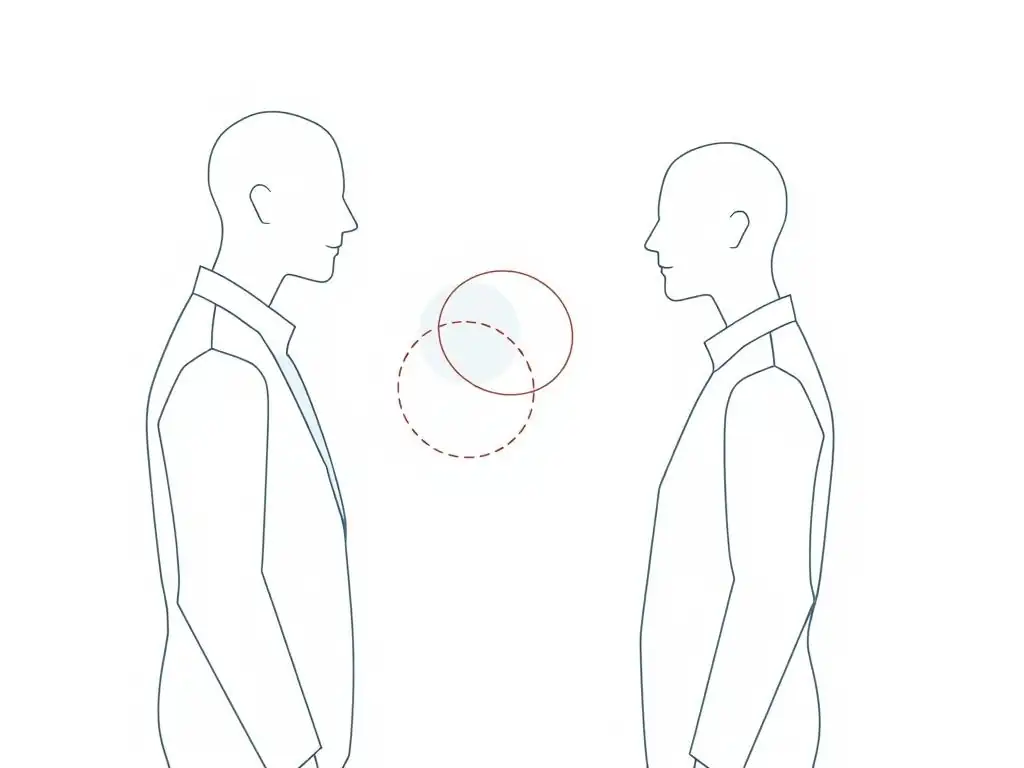
This section delves into practical conflict resolution techniques to improve couple communication skills and foster a healthier, more understanding relationship. Effective conflict resolution isn't about avoiding disagreements—disagreements are inevitable—but about managing them constructively. Learning to navigate conflict effectively is a crucial skill for building a strong and lasting partnership. It's about transforming disagreements from potential sources of friction into opportunities for growth and deeper connection. The key is to shift from arguing to understanding.
Handling Disagreements Constructively: Compromise, Negotiation, Taking Breaks
Improving couple communication skills often hinges on how disagreements are handled. Instead of escalating arguments, focus on constructive approaches. This involves a blend of compromise, negotiation, and knowing when to take a break. Consider these points:
- Compromise: This doesn't mean always getting your way. It involves finding a middle ground that satisfies both partners' needs to a reasonable degree. For example, if one partner wants a quiet night in and the other wants to go out, a compromise might involve a quiet dinner at home followed by a short walk.
- Negotiation: This is a more structured approach than compromise. It involves clearly stating your needs and desires, actively listening to your partner's perspective, and working together to find a solution that meets both parties' interests. Think of it as a collaborative problem-solving process. For instance, if you disagree on a major purchase, negotiate a budget and explore options together.
- Taking Breaks: Sometimes, the heat of the moment prevents productive communication. If a discussion becomes overly heated, it’s perfectly acceptable to take a break. Step away for a short period to cool down, allowing both partners to regain composure before resuming the conversation. This prevents escalating tensions and promotes more rational discussion. Agree on a time to reconvene, perhaps after a walk or a short period of quiet reflection.
Negotiating Compromises and Finding Win-Win Solutions
Negotiating compromises effectively involves skillful communication and a willingness to understand your partner's perspective. Avoid accusatory language and focus on using "I" statements to express your feelings and needs. For instance, instead of saying "You always leave the dishes dirty," try "I feel frustrated when the dishes are left undone, as it adds to my workload."
The goal is to find win-win solutions, where both partners feel heard and respected. This often requires flexibility and a willingness to adjust your expectations. Consider these strategies:
- Active Listening: Truly listen to understand your partner's perspective, rather than just waiting for your turn to speak. Reflect back what you've heard to ensure understanding.
- Empathy: Try to see the situation from your partner's point of view. Understanding their reasoning, even if you don't agree with it, can help you find common ground.
- Identify Shared Goals: Focus on what you both want to achieve in the relationship. This shared vision can help guide your negotiations and facilitate finding solutions that benefit both of you.
Learning to Forgive and Move Forward After Conflicts
Even with the best communication skills, conflicts will occasionally arise. The key is to learn to forgive and move forward. Holding onto resentment only damages the relationship. Forgiveness doesn't mean condoning hurtful behavior; it means releasing the negative emotions associated with the conflict and choosing to focus on rebuilding trust and connection.
Here are some steps to aid in the forgiveness process:
- Acknowledge the Hurt: Allow yourself to feel the emotions associated with the conflict. Suppressing them will only prolong the healing process.
- Communicate Your Feelings: Express your hurt feelings to your partner in a calm and constructive manner. This allows for open communication and mutual understanding.
- Let Go of Resentment: This is the most challenging step. It involves consciously choosing to release the negative emotions and focus on moving forward. This may involve seeking professional help if needed.
- Practice Empathy and Understanding: Try to understand why your partner acted the way they did. This doesn't excuse their behavior, but it can help you to develop compassion and move on. Remember, improving couple communication skills is an ongoing process that requires patience, understanding, and a commitment to working together. The effort you invest in learning these skills will yield significant rewards in the strength and resilience of your relationship. 🤝
Maintaining Open and Honest Communication Over Time
Maintaining open and honest communication isn't a one-time fix; it's an ongoing process requiring consistent effort and adaptation. Think of it like tending a garden – you need to regularly water, weed, and nurture it to ensure it thrives. Failing to do so leads to a wilting relationship, choked by unspoken resentments and misunderstandings. Improving couple communication skills is a journey, not a destination. Let's explore practical strategies to keep those communication channels flowing smoothly.
Scheduling Regular Check-ins for Relationship Maintenance
Regular check-ins are crucial for proactive relationship maintenance. These aren't formal therapy sessions; rather, they're dedicated times to connect and discuss both the big and small things. Think of it as preventative maintenance for your relationship. These check-ins could be weekly date nights, short daily chats before bed, or even a quick text message exchange during the workday. The key is consistency.
Consider these scheduling tips:
- Establish a routine: Choose a specific day and time that works for both partners, making it a non-negotiable part of your week. This shows commitment and prioritization.
- Set a time limit: Prevent check-ins from becoming overwhelming by setting a time limit, like 15-30 minutes. This helps maintain focus and prevents the conversation from straying too far off track.
- Rotate topics: To ensure you cover a broad range of topics, consider rotating the focus each week. One week might be focused on individual accomplishments and challenges, while another focuses on shared goals and concerns.
- Use a structured approach: Consider using a simple framework, like the "State, Feel, Need" method, to encourage clear and concise communication. This involves stating the fact, expressing the emotion associated with it, and then clearly stating one's needs.
Remember, the goal isn't to solve every problem immediately but to create a space for open dialogue and mutual understanding. Even brief, consistent check-ins significantly improve couple communication skills and contribute to a stronger bond.
Creating a Safe Space for Open Dialogue and Vulnerability
A safe space is paramount for honest communication. This means creating an environment where both partners feel comfortable expressing themselves without fear of judgment, criticism, or retaliation. This requires active listening, empathy, and a conscious effort to avoid defensive reactions. Building this type of environment takes time and effort, but the rewards are immeasurable.
Here are some key elements of creating a safe space:
- Active listening: Truly listen to understand, not to respond. Pay attention to both verbal and nonverbal cues. Reflect back what you've heard to ensure understanding.
- Empathy and validation: Try to see things from your partner's perspective, even if you don't agree. Acknowledge their feelings, even if you don't share them. Validation doesn't mean agreement, but it shows you care.
- Non-violent communication: Avoid accusatory language and focus on expressing your own feelings and needs without blaming your partner.
- Establish ground rules: Discuss and agree upon some basic ground rules for communication, such as avoiding interrupting, name-calling, or bringing up past grievances during current conversations.
Creating a safe space is an ongoing process, requiring continuous effort and commitment from both partners. It's a fundamental aspect of improving couple communication skills and fostering a healthy, thriving relationship. Remember, it’s about building trust and mutual respect.
Seeking Professional Help When Needed: Recurring Conflicts, Infidelity, Abuse
Despite best efforts, some couples face challenges that require professional intervention. Recurring conflicts, infidelity, or abuse are serious issues that significantly impact communication and overall relationship health. In these situations, seeking professional help from a therapist or counselor is not a sign of weakness but a proactive step towards healing and building a healthier relationship.
Recognizing when professional help is necessary is crucial:
- Recurring conflicts: If conflicts become frequent, intense, and unresolved, despite attempts at self-improvement, professional guidance can provide tools and strategies for navigating disagreements constructively.
- Infidelity: Infidelity significantly damages trust and requires expert help to rebuild communication and address the underlying issues that contributed to the breach of trust.
- Abuse: Abuse, whether physical, emotional, or verbal, is never acceptable and requires immediate professional intervention. Safety and well-being should be the top priority.
A therapist can provide a neutral, objective space to work through these complex issues, offer coping mechanisms, and guide couples towards healthier communication patterns. Remember, seeking help is a sign of strength and commitment to improving the relationship. Don't hesitate to reach out for support when needed. Your well-being and the health of your relationship are paramount.
Boosting Intimacy Through Effective Communication

Effective communication isn't just about avoiding arguments; it's the cornerstone of a deeply intimate relationship. Improving couple communication skills directly translates to a stronger, more fulfilling connection on all levels. This section explores how open and honest dialogue can significantly boost intimacy, fostering a sense of closeness and understanding that transcends the everyday. We'll explore how this translates to both emotional and physical intimacy.
Strengthening Emotional Connection Through Honest Sharing
Honest sharing is the bedrock of emotional intimacy. It's about vulnerability – allowing your partner to see the real you, flaws and all. This doesn't mean constantly airing grievances; rather, it involves sharing your feelings, fears, hopes, and dreams openly and without judgment. Consider these practical steps:
- Schedule regular "check-in" times: Dedicate specific, uninterrupted time each week to discuss your feelings and experiences. This could be over dinner, a walk, or even during a relaxing bath. The key is consistency.
- Practice active listening: Truly hearing your partner, not just waiting for your turn to speak, is crucial. Reflect back what you've heard to ensure understanding: "So, what I'm hearing is you feel frustrated because..."
- Embrace vulnerability: Sharing your vulnerabilities, even the painful ones, builds trust and deepens connection. It shows your partner you trust them with your true self. This might involve sharing anxieties, insecurities, or past hurts.
- Use "I" statements: Focus on expressing your own feelings rather than blaming your partner. For example, instead of saying "You always make me feel ignored," try "I feel ignored when..." This approach fosters understanding rather than defensiveness.
The impact of consistent, honest sharing is profound. Studies show that couples who communicate openly and honestly report higher levels of relationship satisfaction and emotional intimacy. This improved communication leads to a deeper sense of connection and understanding, strengthening the bond between partners.
Improving Physical Intimacy Through Open Communication
While often overlooked, open communication is vital for a thriving physical intimacy. It's not just about discussing sexual preferences; it's about creating a safe and comfortable space to explore desires, boundaries, and concerns. Many couples struggle with physical intimacy due to unspoken expectations or anxieties. Open communication bridges this gap.
- Discuss your needs and desires openly: Initiate conversations about your sexual preferences, fantasies, and boundaries. Create a space where both partners feel comfortable expressing their desires without fear of judgment or rejection.
- Address any concerns or anxieties: Openly communicating anxieties about body image, performance, or past experiences can remove barriers to intimacy. Addressing these issues head-on fosters trust and understanding.
- Focus on mutual pleasure: Intimacy should be a shared experience, not a performance. Openly discuss what feels good for both of you, ensuring mutual satisfaction. This requires active listening and a willingness to experiment and compromise.
- Prioritize quality time together: Physical intimacy thrives in a context of emotional connection. Prioritizing quality time, free from distractions, creates a more receptive atmosphere for physical closeness.
Open communication around physical intimacy isn't just about enhancing the physical act; it’s about fostering a deeper level of connection and emotional closeness, resulting in a more fulfilling and meaningful sexual experience.
Building Trust and Security Through Transparent Communication
Transparency is the cornerstone of trust in any relationship, and it is paramount for improving couple communication skills. It's about being open and honest, even when it's difficult. This involves sharing information freely, being accountable for your actions, and maintaining honesty in all aspects of the relationship.
- Be accountable for your actions: Take responsibility for your mistakes and apologize sincerely when necessary. Avoiding blame and taking ownership of your actions demonstrates maturity and fosters trust.
- Share your schedules and whereabouts: Openly sharing daily plans and whereabouts reduces suspicion and fosters a sense of security. This doesn't imply a lack of independence but shows a commitment to transparency.
- Communicate openly about finances: Financial transparency is crucial for building trust. Openly discussing finances, budgeting, and shared expenses reduces stress and promotes a sense of partnership.
- Maintain open communication during conflict: Even during disagreements, maintain open and honest communication. Avoid stonewalling or withdrawing; instead, focus on expressing your feelings and working towards a resolution.
Building trust and security through transparent communication is an ongoing process, not a destination. Consistent effort in practicing transparency strengthens the relationship’s foundation, creating a secure and supportive environment for both partners. This cultivates a deeper sense of safety and belonging, leading to a more resilient and fulfilling partnership.
Long-Term Strategies to Improve Couple Communication Skills
This section focuses on sustainable strategies to significantly improve communication within your relationship. Building strong communication isn't a quick fix; it requires consistent effort and a commitment to growth from both partners. These long-term strategies are designed to foster a deeper connection and resolve conflicts constructively, ultimately leading to a more fulfilling and harmonious relationship. Improving couple communication skills is a journey, not a destination.
Cultivating Empathy and Understanding in Your Relationship
Empathy – the ability to understand and share the feelings of another – is the cornerstone of healthy communication. Without it, conversations easily devolve into arguments based on misunderstandings and unmet needs. Cultivating empathy involves actively listening, not just to the words spoken, but also to the underlying emotions. Consider these practical steps:
- Practice active listening: This means focusing entirely on your partner, putting aside distractions, and reflecting back what you hear to ensure understanding. For example, instead of immediately responding, try saying, "So, what I'm hearing is that you feel frustrated because..." This validates their feelings and shows you're truly engaged.
- Identify and label emotions: Learning to identify and name emotions, both your own and your partner's, is crucial. Use emotion words like "sad," "angry," "frustrated," "happy," and "excited" to articulate feelings clearly and avoid ambiguity.
- Step into their shoes: Before reacting, take a moment to consider your partner's perspective. Try to understand their background, experiences, and current circumstances that might be influencing their feelings and actions. This mental exercise promotes a deeper understanding and reduces defensiveness.
- Regular check-ins: Schedule dedicated time for emotional check-ins. Ask open-ended questions like, "How are you feeling today?" or "Is there anything weighing on your mind?" These check-ins create a safe space for sharing feelings and addressing concerns proactively.
The benefits of cultivating empathy are substantial. Studies show that couples who prioritize empathy experience higher levels of relationship satisfaction and are better equipped to navigate conflicts peacefully. Remember, understanding isn't about agreeing; it's about acknowledging and validating each other's feelings. This approach significantly improves couple communication skills and strengthens the overall bond.
Prioritizing Quality Time and Meaningful Conversations
In today's busy world, it's easy to let quality time slip away. However, dedicated time for meaningful conversations is essential for nurturing a strong relationship and improving couple communication skills. This isn't about passively watching TV together; it's about actively engaging with each other.
- Schedule regular date nights: Even a short, focused period of uninterrupted time can make a difference. Plan activities you both enjoy, whether it's a romantic dinner, a walk in the park, or a game night.
- Unplug and disconnect: Put away phones, tablets, and laptops during dedicated couple time. These devices are major distractions that hinder genuine connection.
- Engage in deep conversations: Ask open-ended questions that encourage sharing thoughts, feelings, and experiences. Explore topics beyond the mundane, such as dreams, fears, and values.
- Practice gratitude: Regularly express appreciation for your partner and the things they do. Gratitude fosters positivity and strengthens the emotional bond.
Prioritizing quality time isn't just about spending time together; it's about connecting meaningfully. This intentional effort significantly improves couple communication skills, allowing for deeper understanding and stronger emotional intimacy. Consider incorporating a "no-phone zone" during dinner or creating a weekly ritual of sharing your highlights and lowlights of the week. These small changes can make a big difference.
Continuously Learning and Growing Together
Relationships are dynamic; they evolve and change over time. To maintain strong communication, both partners must commit to continuous learning and growth.
- Read books and articles on communication: There are countless resources available on effective communication techniques, conflict resolution, and building stronger relationships. Learning together can provide a shared framework for improving your interactions.
- Attend workshops or seminars: Consider attending relationship workshops or seminars focused on communication skills. These events offer structured learning and opportunities for practical application.
- Seek professional guidance: If you're struggling to improve your communication on your own, don't hesitate to seek professional help from a therapist or counselor. They can provide personalized guidance and support.
- Reflect and adjust: Regularly reflect on your communication patterns. Identify areas for improvement and work together to implement changes. Be patient and forgiving with yourselves; progress takes time.
Continuous learning and growth are vital to maintaining strong communication skills throughout the lifespan of a relationship. By embracing a mindset of continuous improvement and actively seeking new knowledge and strategies, you can build a stronger, more resilient, and communicative partnership. Remember, investing in your relationship is an investment in yourselves. The effort you put into improving your communication skills will yield rich rewards in terms of relationship satisfaction and overall well-being.
Frequently Asked Questions
How can I improve communication with my partner if we constantly argue?
Start by actively listening without interrupting. Practice empathy and try to understand their perspective, even if you don't agree. Focus on expressing your feelings constructively, using "I" statements.
What are some practical communication hacks for couples?
Schedule regular "check-in" times to discuss your day and any concerns. Learn to identify and address communication patterns that lead to conflict. Consider trying non-violent communication techniques.
Is it important to always agree with my partner?
No, agreement isn't the goal. The aim is to foster mutual understanding and respect, even when you disagree. Focus on finding compromises and solutions that work for both of you.
How can I handle disagreements more constructively?
Take a break if emotions are running high. Clearly state your needs and feelings without blaming your partner. Focus on collaboratively finding solutions, rather than assigning blame.
What resources are available to help improve couple communication skills?
Many online resources, books, and couples counseling options exist. Explore websites like UltimateLifeHacks for practical tips and strategies to improve your communication.
Final Reflection: Bridging the Communication Gap, Building Stronger Bonds
The ability to truly understand your partner, rather than simply winning an argument, is the cornerstone of a thriving relationship. In a world increasingly dominated by instant communication and superficial connections, the art of meaningful dialogue is more crucial than ever. This skill isn't just about avoiding conflict; it's about building a foundation of empathy, trust, and mutual respect that can weather any storm.
The journey towards improved couple communication is a continuous process of learning and self-reflection. It requires a willingness to step outside of our ingrained patterns of interaction and embrace vulnerability. It's about recognizing that understanding isn't about being right, but about seeing the world through your partner's eyes. The most basic of all human needs is the need to understand and be understood.
- Ralph Nichols. This quote underscores the profound impact of effective communication on our emotional well-being and the strength of our relationships. The subtle shifts in perspective and the conscious effort to listen actively, as discussed throughout this article, are not merely techniques; they are investments in the future of your relationship.
Now, consider your own communication style. Are you actively listening, or are you formulating your response while your partner is still speaking? Do you prioritize understanding over being understood? Take the time to reflect on these questions, and commit to implementing even one of the strategies outlined in this article. Start small, practice consistently, and watch as your connection deepens and your relationship flourishes. The journey towards better communication is a rewarding one, leading to a more fulfilling and loving partnership.
Unlock Deeper Connection: Start Communicating with Confidence
Thank you for exploring ways to strengthen your relationship! We hope you discovered practical strategies to improve communication and understanding with your partner. Now, it's time to put these strategies into practice.
- Try one new communication technique this week: Choose the tip that resonated most with you and use it during a conversation. Even small changes can significantly improve your interactions.
- Share this article: Help others build stronger relationships by sharing this information with someone who could benefit from these communication strategies. Let's build a supportive community together!
- Share your thoughts: What's one key change you'll prioritize to improve communication in your relationship based on today's insights?
What small step will you take today to foster a deeper, more meaningful connection with your partner?