
The Art of Compromise: Learn How to Resolve Conflicts Effectively


Feeling overwhelmed by workplace drama? UltimateLifeHacks is your shortcut to a smoother, more productive workday. Discover how to resolve workplace conflicts quickly and efficiently, transforming frustrating situations into opportunities for growth. Learn the art of compromise and unlock the secrets to navigating challenging relationships – your path to a less stressful and more fulfilling professional life starts here. Dive in and uncover the strategies that will change the way you handle conflict forever!
- Understanding Workplace Conflict: Recognizing the Signs and Causes
- Effective Communication Strategies for Conflict Resolution
- Negotiation and Compromise Techniques for Workplace Disputes
- Practical Steps to Resolve Workplace Conflicts Quickly
- Preventing Future Workplace Conflicts
- Mastering the Art of Compromise for Long-Term Success in the Workplace
- Frequently Asked Questions
- Final Reflection: The Enduring Power of Compromise in a Fast-Paced World
- Unlock Your Negotiation Power: Put Compromise into Action
Understanding Workplace Conflict: Recognizing the Signs and Causes
Workplace conflict is an unavoidable reality. It's the friction that arises when differing opinions, personalities, or work styles clash, impacting team dynamics, productivity, and overall morale. This article delves into the art of compromise, providing practical strategies to resolve workplace conflicts quickly and effectively, ultimately fostering a more harmonious and productive work environment.
We'll explore how to identify the root causes of disputes, recognize your own role in escalating conflict, and understand the significant negative impact unresolved issues have on the workplace. Mastering these skills translates directly into improved efficiency, reduced stress, and a more positive work atmosphere – ultimately saving you valuable time and energy. Learning to effectively resolve workplace conflicts quickly is a crucial skill for navigating the complexities of professional life and achieving personal and team success.
Identifying Common Sources of Workplace Disputes
Workplace conflicts stem from a variety of sources, often intertwining and compounding their impact. Understanding these common triggers is the first step towards effective resolution. Some frequent sources of disputes include:
- Personality clashes: Differing communication styles, work ethics, and personal values can lead to friction. For example, a highly detail-oriented individual might clash with a more big-picture thinker, resulting in misunderstandings and frustration.
- Resource scarcity: Competition for limited resources like budget, equipment, or personnel can create tension and conflict. This is particularly prevalent during periods of economic downturn or organizational restructuring.
- Unclear roles and responsibilities: Ambiguity in job descriptions or a lack of clear communication regarding responsibilities can lead to overlapping tasks, duplicated efforts, and ultimately, conflict.
- Poor communication: Misunderstandings, lack of transparency, or ineffective communication channels are major contributors to workplace conflict. Gossip and rumors can also significantly exacerbate existing tensions.
- Unrealistic deadlines and workloads: Excessive pressure and unreasonable expectations can lead to stress, frustration, and conflict among team members. This often manifests as blaming and finger-pointing.
- Lack of trust and respect: A toxic work environment characterized by a lack of trust and mutual respect creates fertile ground for conflict. This can stem from past grievances or a generally negative team dynamic.
Recognizing Your Role in Conflict Escalation
While external factors contribute significantly to workplace disputes, it's crucial to acknowledge your own role in potentially escalating conflict. Self-awareness is a critical component of effective conflict resolution. Consider these points:
- Your communication style: Are you assertive or aggressive? Do you listen actively, or do you interrupt and dismiss others' perspectives? Understanding your communication style allows you to adapt and improve your approach.
- Your emotional responses: How do you react to stressful situations? Do you become defensive, angry, or withdrawn? Managing your emotions is key to de-escalating conflict.
- Your assumptions and biases: Are you making assumptions about others' intentions or motivations? Are you letting your personal biases cloud your judgment? Challenge your assumptions and strive for objectivity.
- Your contribution to the problem: Honestly assess your role in the conflict. Did you contribute to the misunderstanding or escalation? Taking responsibility for your actions is crucial in resolving the issue.
The Impact of Unresolved Conflicts on Productivity and Morale
Leaving workplace conflicts unaddressed has significant consequences. The negative impact ripples through the entire organization, affecting both individual performance and overall team effectiveness. Specifically:
| Negative Impact | Description |
|---|---|
| Reduced Productivity | Unresolved conflicts divert energy and focus away from work, leading to decreased output and missed deadlines. |
| Decreased Morale | A tense and hostile work environment negatively impacts employee satisfaction and job engagement. |
| Increased Absenteeism | Stress and anxiety stemming from unresolved conflicts can lead to increased sick days and employee turnover. |
| Damaged Reputation | Internal conflicts can damage the organization's reputation both internally and externally. |
| Legal Issues | In severe cases, unresolved conflicts can lead to legal disputes and costly litigation. |
Unresolved conflicts create a toxic atmosphere that hinders collaboration, innovation, and overall success. Addressing these issues promptly and effectively is not just beneficial, it's essential for a thriving workplace. The next section will explore practical strategies for resolving conflicts constructively.
Effective Communication Strategies for Conflict Resolution

Effective communication is the bedrock of resolving workplace conflicts quickly. Ignoring or avoiding conflict only allows it to fester and grow, impacting productivity and team morale. Mastering certain communication strategies can significantly reduce the time spent navigating disagreements and foster a more collaborative and positive work environment. This section focuses on practical techniques to improve communication during conflict, ultimately leading to faster and more effective resolutions. We'll explore active listening, assertive communication, and non-violent communication, providing actionable steps to implement these strategies immediately.
Active Listening: A Cornerstone of Conflict Resolution
Active listening goes beyond simply hearing what the other person is saying; it involves truly understanding their perspective. It's about paying attention not just to the words, but also to the nonverbal cues – body language, tone of voice, and emotional expression. This empathetic approach is crucial in resolving workplace conflicts quickly because it demonstrates respect and fosters a sense of being heard. This, in turn, de-escalates tension and creates an environment conducive to finding solutions.
To practice active listening, consider these steps:
- Maintain eye contact: Show you're engaged and attentive.
- Minimize interruptions: Let the other person fully express their thoughts and feelings.
- Paraphrase and summarize: Repeat back what you've heard to ensure understanding ("So, if I understand correctly, you're saying…").
- Ask clarifying questions: Seek further information to gain a deeper comprehension of the situation. Avoid leading questions.
- Reflect emotions: Acknowledge the other person's feelings ("It sounds like you're feeling frustrated").
Consider this scenario: Two colleagues are arguing over project responsibilities. Instead of interrupting or dismissing each other's concerns, active listening allows them to understand the root causes of the conflict – perhaps one feels overburdened, while the other feels undervalued. By actively listening, they can collaboratively find a solution that addresses both concerns, resolving the conflict efficiently and fairly.
This approach transforms a potentially explosive situation into an opportunity for improved teamwork and understanding. The key takeaway here is that active listening isn't just a technique; it's a mindset shift towards empathy and understanding, key to quickly resolving workplace conflicts.
Assertive Communication: Expressing Needs Without Aggression
Assertive communication involves expressing your needs and opinions clearly and respectfully, without being aggressive or passive. It's about finding a balance between expressing yourself and respecting the other person's feelings. In the context of resolving workplace conflicts quickly, assertive communication helps prevent misunderstandings and escalations. It allows individuals to state their concerns directly, while still maintaining a professional and respectful demeanor.
Here's how to practice assertive communication:
- Use "I" statements: Focus on expressing your own feelings and experiences, rather than blaming the other person ("I feel overwhelmed when…" instead of "You always…").
- Be direct and clear: Avoid ambiguity or passive language that could lead to misinterpretations.
- Maintain eye contact and a calm tone: Nonverbal cues communicate confidence and respect.
- Set boundaries: Clearly communicate your limits and expectations.
- Be prepared to compromise: Assertive communication doesn't mean being inflexible; it's about finding mutually acceptable solutions.
For example, if a team member consistently misses deadlines, an assertive approach involves calmly expressing your concerns about the impact on the project, rather than launching into an accusatory tirade. By focusing on the impact of the missed deadlines and proposing solutions collaboratively, the conflict can be addressed constructively and efficiently, leading to a faster resolution and improved team performance. The goal isn't to win the argument, but to find a solution that works for everyone involved.
Non-Violent Communication Techniques for De-escalation
Non-violent communication (NVC), also known as compassionate communication, is a powerful approach for de-escalating conflicts and fostering understanding. It emphasizes empathy and focuses on addressing the needs of all parties involved. It's particularly effective in resolving workplace conflicts quickly because it helps to shift the focus from blame to understanding. By focusing on underlying needs, rather than just surface-level disagreements, NVC helps to find creative and mutually beneficial solutions.
Key elements of NVC include:
- Observing without evaluating: Describe the situation objectively, without adding judgment or interpretation.
- Identifying feelings: Name the emotions you're experiencing, without blaming others.
- Identifying needs: Uncover the underlying needs driving your feelings and actions.
- Making requests: Clearly express what you need from the other person, focusing on positive actions.
Imagine a situation where two departments are clashing over resource allocation. Instead of accusing each other of selfishness, NVC encourages each party to observe the situation, identify their feelings (e.g., frustrated, anxious), pinpoint their needs (e.g., sufficient resources to meet deadlines, fair distribution), and then make clear requests for collaboration and compromise. This approach transforms a potentially hostile exchange into a collaborative problem-solving session, significantly reducing the time and energy spent on conflict resolution.
The emphasis on shared needs and empathetic understanding is instrumental in quickly resolving workplace conflicts and building stronger working relationships. The implementation of NVC fosters a culture of understanding and cooperation, ultimately leading to a more productive and harmonious work environment.
Negotiation and Compromise Techniques for Workplace Disputes
This section delves into practical negotiation and compromise techniques specifically designed to resolve workplace conflicts quickly and efficiently. Successfully navigating disagreements requires a strategic approach, focusing on understanding the other party's perspective and finding mutually beneficial solutions. Remember, the goal is not to "win" the argument, but to collaboratively resolve the issue and maintain a positive working relationship. Effective conflict resolution is a crucial skill for boosting productivity and fostering a harmonious work environment.
Before diving into specific disagreements, it's crucial to identify shared goals and interests. This seemingly simple step is often overlooked, yet it forms the bedrock of successful negotiation. By focusing on what you both want to achieve, you can build a foundation of mutual respect and understanding. For example, even in a conflict about project deadlines, both parties likely share the common goal of successfully completing the project. The disagreement might stem from differing opinions on the method of achieving that goal, not the goal itself.
To effectively identify common ground:
- Active Listening: Truly listen to the other person's perspective without interrupting. Try to understand their concerns and motivations. Use phrases like, "So, if I understand correctly..." to ensure you're on the same page.
- Empathy: Put yourself in their shoes. Try to understand their point of view, even if you don't agree with it. This fosters understanding and builds trust.
- Open Communication: Encourage open and honest communication. Create a safe space for both parties to express their thoughts and feelings without fear of judgment.
- Brainstorming: Collaboratively brainstorm potential solutions that address both parties' needs. This demonstrates a willingness to work together towards a resolution.
Consider this scenario: Two team members, Sarah and John, are in conflict over the allocation of resources for a new project. Sarah believes she needs more budget for her team's portion, while John feels his team is under-resourced. Instead of immediately arguing over the budget, they start by identifying their shared goal: the successful launch of the project. This shared goal provides a foundation for exploring solutions that address both their individual needs.
Exploring Win-Win Solutions: Collaborative Problem-Solving
Once common ground is established, the focus shifts to finding win-win solutions. This means exploring options that satisfy both parties' needs and interests, creating a sense of fairness and mutual benefit. Avoid zero-sum games where one party's gain is another's loss; instead, strive for solutions where both sides feel they've achieved a positive outcome. This approach not only resolves the immediate conflict but also strengthens working relationships.
Effective strategies for collaborative problem-solving include:
- Joint Problem Definition: Clearly define the problem from both perspectives. Ensure that both parties agree on the issue's nature and scope before brainstorming solutions.
- Creative Brainstorming: Generate a wide range of potential solutions, even those that initially seem unrealistic. Quantity over quality at this stage; you can refine options later.
- Objective Evaluation: Evaluate each potential solution based on its feasibility, effectiveness, and impact on both parties. Use objective criteria to avoid biases.
- Compromise and Flexibility: Be willing to compromise and adapt your position based on the discussion. Flexibility is key to achieving a mutually agreeable solution.
For example, in the Sarah and John scenario, a win-win solution might involve re-allocating resources based on a more detailed analysis of each team's actual needs, potentially involving a temporary reallocation with a review after a specific milestone. This allows both teams to feel adequately supported while ensuring the project remains on track.
Making Concessions: The Art of Strategic Compromise
Compromise is an integral part of effective conflict resolution. It doesn't mean surrendering; rather, it involves strategically making concessions to reach a mutually acceptable solution. This requires careful consideration of your priorities, understanding the other party's needs, and being willing to give and take. The key is to make concessions that are meaningful to the other party while minimizing your own losses.
Successful concession-making involves:
- Prioritization: Identify your most important priorities and be willing to compromise on less crucial aspects. This allows for more flexibility during negotiations.
- Gradual Concessions: Avoid making large concessions upfront. Start with smaller concessions and gradually increase them as trust builds and the other party reciprocates.
- Conditional Concessions: Link concessions to specific actions or outcomes. This ensures that concessions are reciprocated and that both parties are committed to the solution.
- Documentation: Document the agreed-upon compromises and solutions to avoid future misunderstandings and ensure accountability.
In the Sarah and John case, Sarah might concede on a less critical budget item to secure additional funding for a more essential resource. Similarly, John might agree to a more detailed reporting process in exchange for Sarah's flexibility on a specific timeline. This reciprocal concession-making leads to a solution that addresses both parties’ concerns and promotes a more collaborative working relationship, ultimately helping to resolve workplace conflicts quickly and effectively.
Practical Steps to Resolve Workplace Conflicts Quickly

This section provides actionable strategies to effectively and swiftly resolve workplace conflicts, minimizing disruption and fostering a more productive environment. We'll explore techniques to navigate disagreements, focusing on quick, efficient resolutions that preserve professional relationships. Remember, the goal isn't to "win" an argument, but to find a mutually acceptable solution that addresses the root cause of the conflict. This approach helps you resolve workplace conflicts quickly and efficiently, saving valuable time and resources.
Defining the Problem Clearly and Concisely
Before attempting any solution, accurately defining the problem is crucial. Vague descriptions often lead to ineffective resolutions. Instead of broad statements like "John is difficult to work with," focus on specific behaviors and their impact. For example, instead, try: "John consistently misses deadlines on our joint projects, causing delays and increased workload for the team." This specificity allows for targeted solutions. Use the "5 Whys" technique to drill down to the root cause. For instance:
- Why are deadlines missed? Because John underestimates the time required.
- Why does John underestimate the time? Because he doesn't adequately plan his tasks.
- Why doesn't he plan adequately? Because he feels overwhelmed by the workload.
- Why does he feel overwhelmed? Because he lacks clear priorities.
- Why does he lack clear priorities? Because project instructions are ambiguous.
This process helps identify the core issue (ambiguous project instructions), enabling a more effective solution than simply addressing the symptom (missed deadlines). Clearly articulating the problem, using concrete examples and avoiding emotional language, is the first step towards a quick and effective resolution. This precise approach to defining the issue is key to resolving workplace conflicts quickly.
Brainstorming Solutions: Generating Multiple Options
Once the problem is clearly defined, brainstorm potential solutions. Involve all parties involved to foster a sense of ownership and collaboration. Encourage creative thinking, even if some ideas seem initially unrealistic. The goal is quantity over quality at this stage. Consider using a structured brainstorming technique like the "SCAMPER" checklist:
- Substitute: Can we substitute a different process or tool?
- Combine: Can we combine tasks or resources?
- Adapt: Can we adapt a solution used in another department?
- Modify: Can we modify existing procedures?
- Put to other uses: Can we repurpose existing resources?
- Eliminate: Can we eliminate unnecessary steps?
- Reverse: Can we reverse the workflow or roles?
For instance, if the core issue is ambiguous project instructions, solutions could include: more detailed project briefs, additional training on project management software, or regular check-in meetings with the project manager. Listing multiple options ensures a wider range of potential solutions to resolve workplace conflicts quickly. The more options generated, the higher the likelihood of finding a suitable resolution.
Evaluating Options: Weighing Pros and Cons of Each Solution
After brainstorming, critically evaluate each potential solution. Create a table to compare the pros and cons of each option:
| Solution | Pros | Cons | Feasibility | Impact on Deadlines | Impact on Team Morale |
|---|---|---|---|---|---|
| Detailed Project Briefs | Clearer instructions, fewer misunderstandings | Requires extra time for preparation, might not address underlying issues | High | Positive | Positive |
| Project Management Software | Improved organization, better tracking of progress | Requires training, potential for increased complexity | Medium | Positive | Positive |
| Regular Check-in Meetings | Improved communication, early problem detection | Requires additional meeting time, may feel micromanaging | High | Positive | Potentially Positive |
| Additional Training for John | Improved skills, increased confidence | Requires time and resources, may not address organizational issues | Medium | Positive | Potentially Positive |
This structured approach allows for a data-driven decision, selecting the solution that best balances benefits and drawbacks. Prioritize solutions that are feasible, have a positive impact on deadlines and team morale, and effectively address the root cause of the conflict. By carefully weighing the pros and cons, you can quickly and effectively resolve workplace conflicts, optimizing efficiency and improving workplace harmony. This systematic evaluation is key to resolving workplace conflicts quickly.
Implementing the Chosen Solution and Monitoring Progress
Once a mutually agreeable solution has been identified during the conflict resolution process, the next crucial step is its effective implementation. This isn't simply about announcing the decision; it requires a structured approach to ensure the solution takes root and produces the desired results. Successful implementation often involves clear communication, assigned responsibilities, and established timelines. For example, if the conflict involved differing work schedules, the implementation might entail a revised schedule clearly outlining each individual's shifts, with confirmation from all parties involved. This avoids future misunderstandings and ensures everyone is on the same page.
Effective monitoring is equally vital. Regular check-ins, perhaps weekly or bi-weekly depending on the complexity of the solution, are necessary to assess progress. These check-ins should not be accusatory but rather collaborative opportunities to address any emerging challenges or roadblocks. It's important to create a safe space for open communication, allowing individuals to voice concerns without fear of reprisal. This ongoing dialogue ensures that the chosen solution remains effective and adaptable to changing circumstances.
For instance, if the solution involved a new workflow, monitoring might involve tracking key performance indicators (KPIs) related to efficiency and productivity to gauge its impact. Adjustments can then be made as needed, preventing the solution from becoming stagnant or ineffective. Remember, flexibility is key; a rigid approach can hinder progress and reignite conflict. The goal is to foster a collaborative and supportive environment where everyone feels heard and valued. 🎉
Documenting Agreements and Outcomes
Thorough documentation is an often-overlooked yet critical aspect of resolving workplace conflicts quickly. A well-maintained record serves as a valuable tool for several reasons. Firstly, it provides a clear and concise summary of the agreed-upon solution, minimizing the risk of future misunderstandings or disputes. This documentation should include the specific terms of the agreement, the responsibilities of each party involved, and the timeline for implementation and monitoring. For example, a written agreement outlining new communication protocols, including frequency and methods, can prevent future conflicts stemming from miscommunication.
Secondly, documenting the outcomes allows for a retrospective analysis of the conflict resolution process. This analysis can identify areas of strength and weakness, informing future conflict resolution strategies. Did the chosen solution achieve its intended goals? Were there unforeseen obstacles?
What adjustments could improve future outcomes? By analyzing past conflicts and their resolutions, organizations can build a more robust and effective conflict management system. This data-driven approach allows for continuous improvement and helps create a more harmonious and productive work environment. 📈 Furthermore, this documentation can be invaluable in addressing future similar conflicts, providing a template or precedent for resolving recurring issues.
Finally, maintaining accurate records can protect the organization from potential legal ramifications in case disputes escalate. A documented agreement serves as evidence of a good-faith effort to resolve the conflict. Therefore, comprehensive documentation is not merely a formality; it's a crucial element in achieving lasting conflict resolution and fostering a healthy workplace culture.
Preventing Future Workplace Conflicts
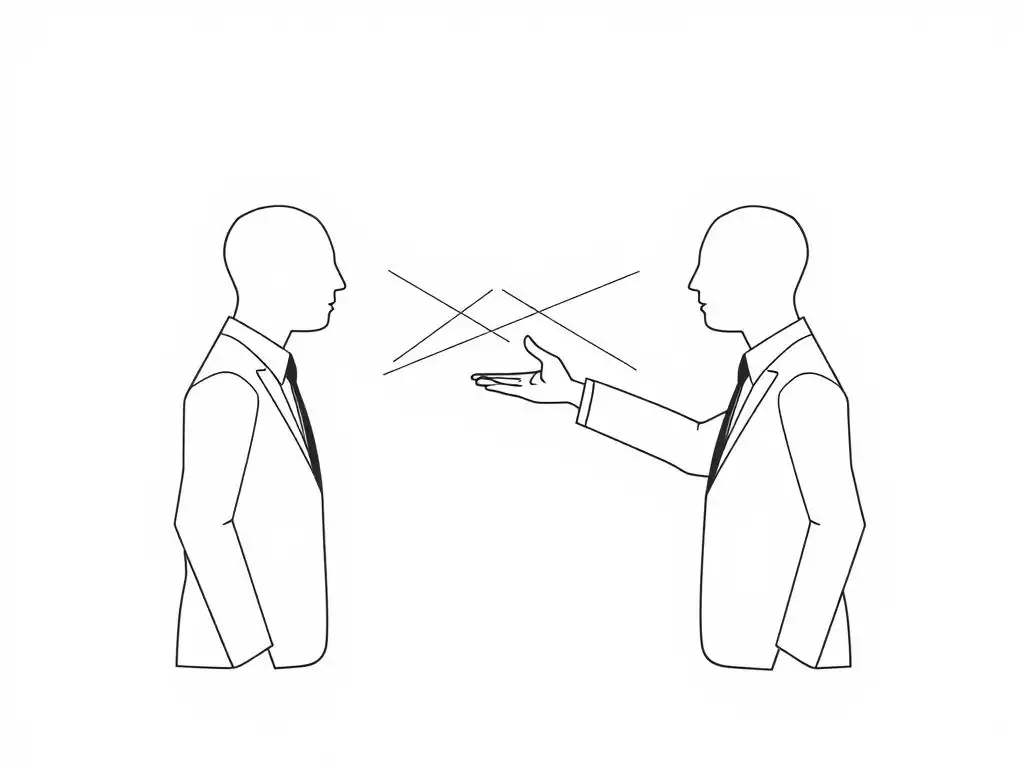
Proactive strategies are crucial for minimizing workplace conflicts and fostering a harmonious work environment. Ignoring potential friction points often leads to larger, more complex issues down the line. Instead of reacting to conflict, focus on preventing it. This proactive approach not only saves time and resources but also significantly boosts team morale and productivity. Resolving workplace conflicts quickly becomes significantly easier when preventative measures are in place.
Establishing Clear Communication Protocols
Effective communication is the cornerstone of any successful workplace. Ambiguity and misunderstandings are breeding grounds for conflict. Implementing clear communication protocols is paramount to resolving workplace conflicts quickly and efficiently. This involves several key elements:
- Regular Team Meetings: Scheduled meetings provide a platform for open dialogue, addressing concerns before they escalate. These meetings should have a structured agenda, allowing for both formal updates and informal discussions. Consider using a time-boxing technique to ensure all topics receive adequate attention without dragging the meeting out.
- Accessible Communication Channels: Employees should have multiple avenues for communication, including email, instant messaging, and project management software. The choice of channel should depend on the urgency and sensitivity of the message. For example, sensitive issues should be addressed through private channels, while quick updates can be shared through instant messaging.
- Clear Roles and Responsibilities: Defining roles and responsibilities upfront minimizes confusion and overlap, reducing the likelihood of conflicts arising from unclear expectations. A well-defined organizational chart and job descriptions are invaluable tools in this regard.
- Feedback Mechanisms: Establish regular feedback loops, both upward and downward. This allows employees to voice concerns, provide suggestions, and receive constructive criticism in a timely and appropriate manner. Anonymous feedback surveys can also be a useful tool for identifying underlying issues.
Promoting a Culture of Respect and Collaboration
A culture of respect and collaboration is essential for preventing conflicts. This isn't simply about having a friendly atmosphere; it's about fostering a workplace where everyone feels valued, heard, and respected. This involves:
- Diversity and Inclusion Initiatives: Creating an inclusive environment where everyone feels comfortable expressing their opinions and perspectives is vital. This requires active efforts to promote diversity and inclusion, addressing biases and promoting understanding. Regular training sessions focusing on unconscious bias can be particularly effective.
- Team-Building Activities: Engaging team-building activities can help foster stronger relationships and improve communication between team members. These activities should be carefully chosen to suit the team's dynamics and preferences.
- Conflict Resolution Workshops: Proactive training empowers employees to handle disagreements constructively, thereby preventing small issues from escalating. These workshops should focus on practical techniques and strategies for conflict management. The focus should be on early intervention and de-escalation tactics.
- Open-Door Policy: Encourage open communication by establishing an open-door policy, making it easy for employees to approach their supervisors or HR with concerns. This requires management to actively listen and address employee concerns promptly and fairly. This creates a sense of trust and psychological safety.
Implementing Conflict Resolution Training Programs
Investing in conflict resolution training programs is a proactive step towards creating a more peaceful and productive workplace. These programs equip employees with the skills and knowledge to manage disagreements effectively and prevent escalation. Effective training should include:
- Conflict Identification and Management: Employees should learn to identify potential conflicts early and utilize appropriate strategies to manage them before they escalate. This includes techniques for active listening, empathy, and assertive communication.
- Negotiation and Mediation Skills: Training should cover negotiation tactics and mediation strategies, allowing employees to find mutually agreeable solutions. Role-playing exercises can be particularly useful in developing these skills.
- Understanding Different Conflict Styles: Employees should be educated on different conflict styles, such as avoiding, accommodating, competing, compromising, and collaborating. Understanding these styles allows individuals to adapt their approach based on the specific situation and the involved parties. This helps them to resolve workplace conflicts quickly and effectively.
- Stress Management Techniques: Workplace stress is often a contributing factor to conflict. Training should include stress management techniques to help employees handle pressure and maintain a calm demeanor during disagreements. This could include mindfulness exercises, breathing techniques, and time management strategies.
This proactive approach to conflict prevention, encompassing clear communication, a culture of respect, and dedicated training, significantly improves the ability to resolve workplace conflicts quickly and efficiently. The focus should always be on creating a positive and productive work environment where disagreements are addressed constructively and collaboratively.
Utilizing Mediation Services When Necessary
Mediation offers a structured approach to resolving workplace conflicts, particularly those that have escalated beyond informal attempts at resolution. A neutral third party, the mediator, facilitates communication and helps disputing parties find common ground. This process is particularly valuable when emotions run high, preventing productive dialogue. The mediator doesn't impose a solution but guides the conversation, helping individuals articulate their needs and concerns in a safe and controlled environment.
Successful mediation results in a mutually agreeable solution, fostering improved working relationships and preventing future conflict. The key to effective mediation lies in selecting a qualified and experienced mediator who understands the dynamics of workplace disputes. They should be skilled in active listening, conflict resolution techniques, and facilitating compromise.
Consider the case of a marketing team and a sales team who were consistently at odds over lead allocation. Informal attempts to address the issue were unsuccessful, leading to decreased productivity and a tense atmosphere. Introducing a trained mediator allowed both teams to express their perspectives without interruption, revealing underlying misunderstandings about the lead generation process.
Through facilitated discussion, the mediator helped them develop a clear and mutually acceptable lead allocation system, resolving the conflict and improving inter-team collaboration. This illustrates the tangible benefits of mediation in preventing future workplace conflicts by addressing root causes and building better communication channels. Investing in mediation services can be a cost-effective strategy for organizations committed to fostering a positive and productive work environment—it's often less expensive than the cost of prolonged conflict, lost productivity, and potential legal battles.
Furthermore, the improved relationships resulting from successful mediation contribute to a more harmonious and efficient workplace. Many organizations proactively include mediation clauses in their employee handbooks, demonstrating a commitment to resolving conflicts constructively.
Mastering the Art of Compromise for Long-Term Success in the Workplace
Compromise, often perceived as a sign of weakness, is actually a cornerstone of effective conflict resolution and a vital skill for achieving long-term success in any workplace. It's not about surrendering; it's about finding mutually acceptable solutions that address the needs of all parties involved. This approach fosters collaboration, reduces stress, and ultimately boosts productivity. Mastering the art of compromise means understanding that it's a win-win strategy, not a zero-sum game.
Successfully resolving workplace conflicts quickly hinges on this understanding. Consider the impact of unresolved conflicts: decreased morale, lost productivity, and even legal battles. By proactively engaging in compromise, you mitigate these risks and pave the way for a more harmonious and productive work environment.
Building Strong Relationships Based on Trust and Understanding
Building strong relationships is paramount to effectively resolving workplace conflicts quickly. Trust and understanding form the bedrock of successful compromise. When individuals feel safe and respected, they are more likely to engage in open communication and seek collaborative solutions. This means actively listening to others' perspectives, even if you disagree. Empathy plays a crucial role; trying to understand the other person's viewpoint, their motivations, and their concerns.
This isn't about agreeing with everything; it's about acknowledging their feelings and perspectives. For example, imagine a disagreement over project deadlines. Instead of immediately dismissing a colleague's concerns about unrealistic timelines, take the time to understand their workload and constraints. This approach fosters a sense of collaboration and mutual respect, making compromise far more attainable. Strong relationships built on trust and understanding are the foundation for a positive and productive workplace culture, allowing you to resolve workplace conflicts quickly and efficiently.
Fostering a Positive and Productive Work Environment
A positive and productive work environment is directly linked to the ability to resolve workplace conflicts quickly. When team members feel valued and respected, they are more likely to approach disagreements constructively. This requires a proactive approach from leadership and management, setting a clear expectation for respectful communication and collaboration.
Implementing clear guidelines for conflict resolution, providing training on effective communication and negotiation skills, and fostering a culture of open dialogue are all key components. Consider the impact of a toxic work environment: increased stress levels, high employee turnover, and a significant decline in productivity. Conversely, a positive environment, where compromise is valued, leads to increased creativity, improved teamwork, and a more engaged workforce.
Statistics show that companies with strong conflict resolution strategies experience significantly higher employee retention rates and improved financial performance. Investing in creating a positive work environment is not just a feel-good initiative; it's a strategic investment in the long-term success of the organization. This directly contributes to the ability to resolve workplace conflicts quickly and effectively.
Enhancing Your Conflict Resolution Skills for Career Advancement
Developing strong conflict resolution skills, including the ability to effectively compromise, is a significant asset for career advancement. Employees who can navigate disagreements constructively are highly valued by employers. These individuals demonstrate maturity, emotional intelligence, and the ability to work effectively within a team. The ability to resolve workplace conflicts quickly showcases problem-solving skills and leadership potential. This skill is transferable across various industries and roles, making it a valuable asset in the competitive job market.
Consider actively seeking opportunities to practice and refine your conflict resolution skills. This could involve participating in mediation training, joining a negotiation workshop, or even volunteering to mediate disagreements amongst colleagues. By continuously developing these skills, you increase your value to your employer and significantly improve your chances of career progression. The ability to resolve workplace conflicts quickly and effectively is a highly sought-after trait that can significantly enhance your career trajectory.
Frequently Asked Questions
How can I quickly resolve a workplace conflict?
The key is calm communication. Focus on understanding the other person's perspective before presenting your own. Seek a mutually agreeable solution, focusing on shared goals.
What if the other person isn't willing to compromise?
Try to reframe the issue to find common ground. If that fails, involve a neutral third party like a manager or HR representative to mediate. Document everything for your records.
Are there specific steps to resolving conflicts effectively?
Yes! Start by clearly defining the problem, then brainstorm solutions together. Evaluate the options, choose one, and agree on next steps. Finally, follow up to ensure the solution is working.
How can I prevent workplace conflicts from escalating?
Address issues promptly before they become larger problems. Encourage open communication and actively listen to your colleagues. Establish clear expectations and guidelines for teamwork.
What role does compromise play in resolving workplace conflict?
Compromise is essential for finding effective solutions. It shows willingness to work together and find a solution that satisfies everyone involved, even if it means making some concessions. Mutual respect is key.
Final Reflection: The Enduring Power of Compromise in a Fast-Paced World
The ability to compromise effectively isn't just a soft skill; it's a crucial survival mechanism in today's rapidly evolving workplaces. Mastering the art of compromise translates directly into increased productivity, stronger team cohesion, and a significantly less stressful work environment. In a world obsessed with speed and efficiency, the seemingly slow process of negotiation and compromise often gets overlooked, yet it remains the most effective path to resolving workplace conflicts quickly.
The impact of unresolved conflict ripples far beyond the immediate participants. It erodes trust, fosters resentment, and ultimately impacts the bottom line. The workplace is a microcosm of society, reflecting the larger societal struggles with communication and understanding. The art of compromise is the art of making a good agreement, not a perfect one.
This quote highlights the realistic approach needed; aiming for perfection often hinders progress and fuels conflict. My own experience in mediating workplace disputes underscores the transformative power of even small compromises in fostering a more collaborative and harmonious atmosphere.
You, the reader, now hold the key to unlocking a more peaceful and productive work life. Consider how you approach conflict in your own professional sphere. Are you willing to step outside your comfort zone, to listen actively, and to find common ground? Embrace the art of compromise, not as a sign of weakness, but as a testament to your strength and your commitment to building positive relationships and achieving shared goals. The journey towards conflict resolution begins with a single, conscious choice – the choice to compromise.
Unlock Your Negotiation Power: Put Compromise into Action
Thank you for exploring the art of compromise! You've gained valuable insights into resolving conflicts peacefully and effectively. Ready to apply this knowledge?
- Embrace mutually beneficial solutions: In your next disagreement, identify shared interests. Writing down your needs and the other person's needs can help facilitate a more harmonious outcome. This is a crucial skill to develop.
- Share this article with someone who could benefit from stronger negotiation skills. Help spread the understanding of compromise as a powerful tool.
- Practice collaborative problem-solving: Approach your next conflict with a collaborative mindset, focusing on finding solutions that benefit everyone involved. Even a small effort can significantly improve the outcome.
What's one small step you can take today to foster better communication and collaboration in your relationships?