
Unlock Relationship Harmony: Conflict Resolution Hacks You Need to Know


Tired of relationship drama draining your energy? At UltimateLifeHacks, we're dedicated to helping you reclaim your time and boost your productivity. Discover how to resolve relationship conflict quickly with our insightful and actionable strategies – learn the secrets to unlocking lasting harmony and building stronger connections. Dive in and transform your relationships today!
- Understanding the Roots of Relationship Conflict
-
Effective Communication Strategies for Conflict Resolution
- Active Listening Techniques for Better Understanding
- Expressing Your Needs and Feelings Clearly and Respectfully
- Non-Violent Communication (NVC) for Constructive Dialogue
- Avoiding Blame and Accusations in Conversations
- Using "I" Statements to Express Feelings and Needs
- Active Listening Techniques for Improved Understanding
- Resolve Relationship Conflict Quickly: Practical Hacks for Immediate De-escalation
- Long-Term Strategies for Preventing Future Conflicts
- Building a Stronger, More Resilient Relationship Through Conflict Resolution
- Frequently Asked Questions
- Final Reflection: Harmonizing Hearts, Building Bridges
- Rediscover Connection: Put Your Harmony Hacks to Work!
Understanding the Roots of Relationship Conflict
Navigating the complexities of relationships is a lifelong journey, filled with moments of joy, understanding, and inevitably, conflict. Disagreements are a natural part of any close relationship, reflecting differing perspectives, unmet needs, and evolving dynamics. However, the way we handle these disagreements significantly impacts the overall health and happiness of our partnerships.
This article explores practical, actionable strategies to resolve relationship conflict quickly and effectively, fostering stronger, more harmonious connections. We’ll delve into identifying common conflict triggers, understanding individual conflict styles, and recognizing the long-term consequences of unresolved issues. Mastering these techniques empowers you to transform disagreements into opportunities for growth and deeper intimacy, ultimately leading to a more fulfilling and resilient relationship.
Learning to resolve relationship conflict quickly isn't about avoiding disagreements—it's about navigating them with grace, empathy, and effective communication. This is crucial for building a strong and lasting relationship. Let's begin by understanding the underlying causes of conflict.
Identifying Common Relationship Conflict Triggers
Many relationship conflicts stem from predictable sources. Identifying these triggers is the first step toward proactive conflict resolution. Common triggers often revolve around unmet expectations, differing communication styles, and unresolved past traumas. For example, financial disagreements are a frequent source of tension, often stemming from differing spending habits or lack of open communication about financial goals.
Similarly, household chores and responsibilities can become a battleground if expectations aren't clearly defined and fairly distributed. Another significant area of conflict arises from differing parenting styles, especially when couples have children. Understanding these common triggers allows you to anticipate potential conflict areas and develop strategies to prevent escalation.
Here's a table summarizing some common relationship conflict triggers:
| Category | Specific Trigger Examples | Impact on Relationship |
|---|---|---|
| Finances | Different spending habits, lack of transparency, debt, saving goals | Stress, resentment, distrust |
| Household Chores | Unequal distribution of tasks, differing standards of cleanliness | Frustration, resentment, feeling undervalued |
| Parenting Styles | Differing approaches to discipline, childcare, education | Conflict, tension, undermining each other's authority |
| Communication | Lack of open communication, differing communication styles | Misunderstandings, frustration, feeling unheard/unseen |
| Personal Space | Need for alone time vs. desire for constant togetherness | Feeling suffocated, resentment, lack of individual identity |
| Intimacy | Differing levels of desire, unmet emotional needs | Distance, resentment, feeling unloved/unappreciated |
Understanding these common triggers is the first step towards building a more harmonious relationship. By proactively addressing these potential areas of conflict, you can significantly reduce the frequency and intensity of disagreements.
Recognizing Your Conflict Style and Your Partner's
Conflict resolution isn't a one-size-fits-all approach. Understanding your own conflict style, as well as your partner's, is crucial for effective communication and resolution. Do you tend to avoid conflict, become aggressive, accommodate your partner's needs, or engage in collaborative problem-solving? Similarly, does your partner prefer direct confrontation, seek compromise, or withdraw during disagreements? Recognizing these differences helps you anticipate potential communication breakdowns and adapt your approach accordingly.
Consider these common conflict styles:
- Avoiding: This style prioritizes avoiding conflict altogether, often leading to unresolved issues and simmering resentment.
- Accommodating: This style prioritizes the other person's needs over one's own, potentially leading to feelings of resentment and unmet needs.
- Competing: This style is characterized by aggression and a focus on winning, often leading to damaged relationships.
- Compromising: This style involves finding a middle ground that satisfies both parties, leading to a more mutually beneficial outcome.
- Collaborating: This style is focused on finding a win-win solution that addresses the needs of both partners.
Understanding your own style and that of your partner allows for more effective communication and conflict resolution. For example, if one partner is an avoider and the other is a competitor, understanding these styles can help them navigate disagreements more constructively.
The Impact of Unresolved Conflict on Relationship Health
Ignoring or avoiding conflict can have significant negative consequences on the health of your relationship. Unresolved issues can lead to resentment, bitterness, and a growing sense of distance between partners. This can manifest in various ways, such as decreased intimacy, increased arguments, and ultimately, relationship breakdown. Chronic conflict, if left unaddressed, can erode trust, damage communication, and negatively impact overall well-being.
The emotional toll of unresolved conflict can be substantial, impacting mental health and contributing to stress, anxiety, and depression. Prioritizing conflict resolution is therefore not just about resolving immediate disagreements; it's about investing in the long-term health and happiness of your relationship. Ignoring these issues will only exacerbate them over time. Proactive conflict resolution is an investment in a healthier, happier future together.
Effective Communication Strategies for Conflict Resolution
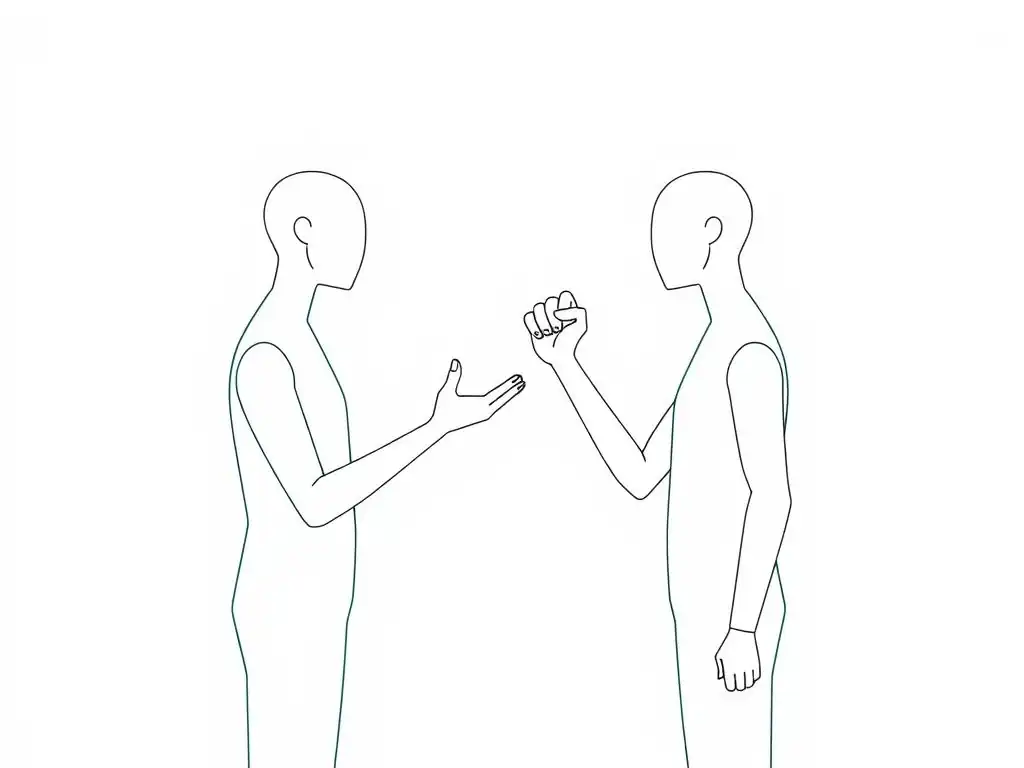
Effective communication is the cornerstone of resolving relationship conflict quickly and maintaining a healthy, harmonious partnership. Misunderstandings and disagreements are inevitable in any relationship, but how you communicate during these times significantly impacts the outcome. This section explores proven communication strategies to navigate conflict constructively and efficiently. Mastering these techniques will empower you to resolve disagreements swiftly and strengthen your bond. We'll delve into active listening, clear expression of needs and feelings, and the principles of Non-Violent Communication (NVC).
Active Listening Techniques for Better Understanding
Active listening goes beyond simply hearing your partner's words; it involves fully understanding their perspective, emotions, and underlying needs. It's about truly hearing them, not just waiting for your turn to speak. To resolve relationship conflict quickly, active listening is paramount.
Several techniques enhance active listening:
- Pay attention: Minimize distractions and focus entirely on your partner. Put down your phone, make eye contact, and show genuine interest.
- Show empathy: Try to understand their feelings, even if you don't agree with their perspective. Use phrases like, "It sounds like you're feeling frustrated," or "I can see why you'd be upset."
- Reflect back: Summarize what you've heard to ensure understanding. For example, "So, if I understand correctly, you're feeling overwhelmed because of [specific situation]?"
- Ask clarifying questions: Don't interrupt, but ask questions to clarify points you don't understand. This shows your engagement and commitment to understanding their perspective.
- Avoid interrupting: Let your partner fully express themselves before responding. Interrupting can escalate conflict and prevent genuine understanding.
Active listening is not passive; it requires conscious effort and genuine engagement. By actively listening, you create a safe space for open communication, fostering trust and paving the way for swift conflict resolution. Studies show that couples who actively listen to each other experience significantly fewer conflicts and higher relationship satisfaction. For example, a study published in the Journal of Family Psychology found that couples who practiced active listening reported a 30% reduction in conflict frequency.
Expressing Your Needs and Feelings Clearly and Respectfully
Clearly expressing your own needs and feelings is just as crucial as understanding your partner's. However, how you express yourself significantly impacts the outcome. Avoid accusatory language or blame. Instead, focus on using "I" statements to communicate your feelings and needs without placing blame.
Here's how to express yourself effectively:
- Use "I" statements: Instead of saying, "You always leave the dishes dirty," try, "I feel frustrated when the dishes are left undone, as it adds to my workload."
- Focus on feelings, not judgments: Instead of saying, "You're so irresponsible," try, "I feel worried when [specific situation] happens because [reason]."
- Be specific: Vague statements are less effective. Instead of saying, "You never help around the house," try, "I feel overwhelmed when I'm responsible for all the chores, especially on [specific days]."
- Maintain a calm tone: Even when upset, try to maintain a calm and respectful tone. Raising your voice or using aggressive language escalates conflict.
- Choose the right time and place: Avoid discussing sensitive issues when you're stressed or rushed. Choose a time when you can both focus and communicate calmly.
Expressing your needs and feelings respectfully fosters mutual understanding and allows for a more constructive conversation. It demonstrates a willingness to communicate openly and honestly, creating a pathway to resolve relationship conflict quickly and effectively.
Non-Violent Communication (NVC) for Constructive Dialogue
Non-Violent Communication (NVC), also known as Compassionate Communication, is a powerful framework for resolving conflicts constructively. It emphasizes empathy, understanding, and meeting each other's needs. NVC helps shift the focus from blame and judgment to understanding the underlying needs driving the behavior. This approach can significantly help resolve relationship conflict quickly.
The four components of NVC are:
- Observations: Separate facts from interpretations. Describe the situation objectively without judgment.
- Feelings: Identify your emotions related to the situation. Use feeling words like sad, angry, frustrated, etc.
- Needs: Identify the underlying needs that are not being met. These are universal human needs like connection, autonomy, understanding, etc.
- Requests: Make clear, specific requests that address the unmet needs. Frame requests as positive actions, not demands.
For instance, instead of saying "You always interrupt me, it's so disrespectful!" (which is judgmental and accusatory), an NVC approach might be: "I noticed you interrupted me three times during our conversation (Observation). This made me feel unheard and frustrated (Feelings) because my need for connection and respect was not met (Needs). Would you be willing to listen without interrupting next time? (Request)"
Practicing NVC requires patience and conscious effort. However, its focus on empathy and clear communication makes it a highly effective tool for resolving relationship conflict quickly and building stronger, healthier relationships. The emphasis on understanding underlying needs, rather than focusing on blame, fosters a collaborative approach to problem-solving.
Avoiding Blame and Accusations in Conversations
Accusations are rarely productive in resolving relationship conflicts. Instead of pointing fingers and using phrases like "You always..." or "You never...", focus on expressing your feelings and needs using "I" statements. For example, instead of saying, "You always leave your dirty dishes in the sink!
", try, "I feel frustrated and overwhelmed when I see dirty dishes piled up; it would really help if we could work together to keep the kitchen clean." This subtle shift in language transforms a confrontational statement into a collaborative request. The goal is to create a safe space for open communication, not to trigger a defensive reaction.
Remember, the aim is not to assign blame but to understand the root cause of the conflict. Blaming shuts down communication; focusing on feelings and needs opens it up. Consider the emotional impact of your words. Even if you feel justified in your anger, accusatory language will likely escalate the argument rather than resolve it. Practice empathy and try to see the situation from your partner's perspective. Understanding their motivations, even if you don't agree with their actions, can significantly improve the conversation's trajectory.
Effective communication involves active listening. This means truly hearing your partner's perspective without interrupting or formulating your response while they're speaking. Show genuine interest in understanding their feelings and concerns. Reflect back what you hear to confirm your understanding: "So, what I'm hearing is that you felt disregarded when I didn't respond to your text message." This demonstrates respect and encourages your partner to open up further.
Active listening helps diffuse tension and creates a more receptive environment for resolving the conflict. It signals that you value their input and are committed to finding a solution together. This collaborative approach is key to resolving conflicts quickly and effectively. By practicing empathy and active listening, you can significantly improve the quality of your conversations and strengthen your relationship.
Using "I" Statements to Express Feelings and Needs
"I" statements are a powerful tool for expressing your feelings without placing blame on your partner. They focus on your own experience and avoid accusatory language, which can be extremely detrimental to a productive conversation. Instead of saying "You made me angry," which is a judgment and puts the blame squarely on your partner, try "I felt angry when...". This subtle change shifts the focus from assigning blame to describing your emotional response to a specific situation.
For example, instead of saying, "You're always late," try, "I feel anxious and insecure when you're late because I worry something has happened to you." This clarifies your feelings and their underlying cause without directly accusing your partner. Remember to be specific about the situation and your feelings. Vague statements like "I feel bad" are less effective than "I felt hurt and disappointed when you forgot our anniversary." The more specific you are, the better your partner will understand your perspective.
The beauty of "I" statements lies in their ability to de-escalate conflict. By focusing on your own emotional experience, you create space for your partner to listen and respond without feeling attacked or defensive. This fosters a more collaborative and constructive dialogue, ultimately leading to a quicker and more effective resolution of the conflict. Moreover, consistent use of "I" statements can cultivate a more empathetic and understanding relationship overall, improving communication beyond just conflict resolution. It shows respect for your partner's feelings and helps create a safer environment for open and honest communication.
Active Listening Techniques for Improved Understanding
Active listening is more than just hearing what your partner says; it's about fully understanding their perspective and making them feel heard. This involves paying close attention to both verbal and nonverbal cues, showing genuine interest, and reflecting back what you’ve heard to ensure comprehension. It's a crucial skill for resolving relationship conflicts quickly and effectively.
One key technique is to maintain eye contact and offer nonverbal cues like nodding to show engagement. Avoid interrupting or formulating your response while your partner is speaking. Focus on truly understanding their message, both the words they use and the emotions they convey. Pay attention to their tone of voice, body language, and facial expressions. These nonverbal cues can often reveal more than words alone.
Once your partner has finished speaking, summarize their points to confirm your understanding. This demonstrates that you were paying attention and encourages further communication. For example, you might say, "So, if I understand correctly, you're feeling frustrated because..." or "It sounds like you're concerned about...".
This reflection process not only clarifies your understanding but also validates your partner's feelings, making them feel heard and respected. By employing these active listening techniques, you'll create a safer environment for open dialogue and contribute significantly to resolving conflicts quickly and effectively. The act of being truly heard can significantly reduce defensiveness and pave the way for a more constructive conversation.
Resolve Relationship Conflict Quickly: Practical Hacks for Immediate De-escalation
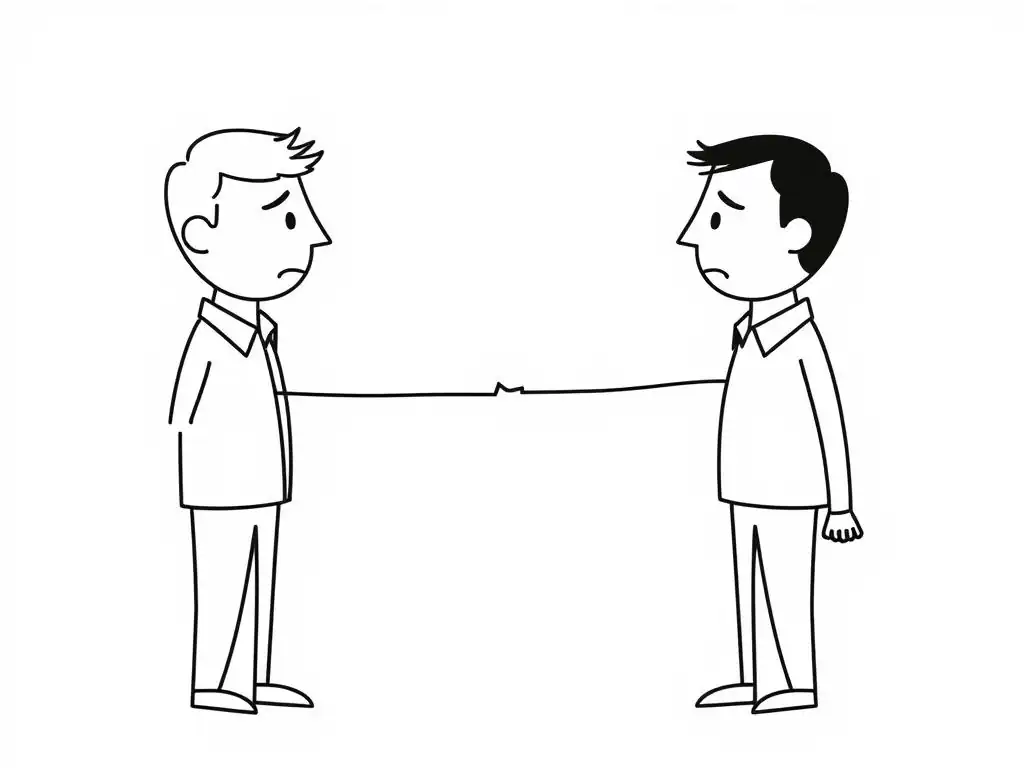
This section focuses on immediately de-escalating conflict in relationships. Learning to quickly diffuse tense situations is crucial for maintaining healthy communication and preventing minor disagreements from escalating into major fights. We'll explore several practical techniques to help you resolve relationship conflict quickly and effectively. The goal isn't to "win" an argument, but to find common ground and restore harmony. Remember, the aim is to resolve conflict, not conquer.
Taking a Break to Cool Down and Regain Perspective
When emotions run high, rational discussion becomes nearly impossible. Taking a break isn't about avoidance; it's about regaining control. A cooling-off period allows both parties to calm down, process their feelings, and approach the conversation with a clearer head. This is vital for resolving relationship conflict quickly because it prevents impulsive reactions and hurtful words that can prolong the conflict.
Consider these steps when taking a break:
- State your need for a break clearly and calmly: Avoid accusatory language. For example, instead of saying "You're making me so angry, I need to leave! ", try "I'm feeling overwhelmed right now. I need a few minutes to calm down before we continue this conversation."
- Set a specific timeframe: Agree on a time limit for the break – 15 minutes, 30 minutes, or an hour. This prevents the break from becoming an indefinite avoidance tactic.
- Engage in calming activities: During the break, engage in activities that help you relax. This could include deep breathing exercises, listening to calming music, going for a walk, or journaling.
- Reframe your perspective: Use the break to reflect on your own contribution to the conflict. Are you overreacting? Is there a different way to approach the issue?
- Return with a commitment to resolution: When you return, emphasize your willingness to work towards a solution.
Using "I" Statements to Avoid Blaming and Defensiveness
Accusatory language ("You always…" or "You never…") instantly puts the other person on the defensive, making it nearly impossible to resolve relationship conflict quickly. Instead, use "I" statements to express your feelings and needs without placing blame. This approach focuses on your own experience, promoting empathy and understanding.
Here's how to construct an "I" statement:
- Start with "I feel…": Clearly state your emotion. Examples: "I feel frustrated," "I feel hurt," "I feel disappointed."
- Describe the specific situation: Explain what happened that triggered your feelings. For example, "…when you didn't follow through on your promise to help with the chores."
- Explain the impact on you: Describe the consequences of the situation. For example, "…because it left me feeling overwhelmed and resentful."
- State your need: Express what you need from the other person. For example, "…I need you to communicate better about your ability to help with household tasks."
Using "I" statements helps shift the focus from blame to understanding, paving the way for quicker and more effective conflict resolution. It promotes a sense of shared responsibility and encourages collaborative problem-solving.
Focusing on the Problem, Not the Person
Attacking the person ("You're lazy," "You're inconsiderate") only escalates the conflict. Instead, focus on the specific problem at hand. This requires separating the behavior from the person's inherent qualities. For example, instead of saying "You're always late," try "I'm concerned about the repeated lateness because it disrupts our plans and makes me feel anxious."
This approach facilitates a more constructive conversation. It allows for a focus on finding solutions rather than engaging in a blame game. By addressing the problem directly, you create space for collaborative problem-solving and a quicker path to resolution. This helps resolve relationship conflict quickly and efficiently by shifting the focus from personal attacks to a mutual quest for solutions. Remember, the goal is to address the issue, not to attack the person's character. This nuanced approach is key to building stronger, more resilient relationships.
Employing Empathy to Understand Your Partner's Point of View
Understanding your partner's perspective is paramount to resolving conflict quickly and effectively. This isn't about agreeing with them; it's about genuinely trying to see the situation through their eyes. Often, arguments escalate because individuals feel unheard and misunderstood. By actively listening and attempting to grasp their emotional state and reasoning, you create a space for productive dialogue.
Consider this: a common source of conflict stems from differing communication styles. One partner might be direct and assertive, while the other prefers a more indirect and subtle approach. Misinterpretations easily arise from this discrepancy. For example, a direct statement might be perceived as aggressive, while a subtle hint might be missed entirely, leading to frustration and resentment. Empathy helps bridge this gap. When you actively listen, focusing not just on the words but also the underlying emotions, you can begin to understand the why behind your partner's communication style and their reactions.
Practicing empathy involves more than just hearing your partner's words. It requires paying attention to their nonverbal cues – their body language, tone of voice, and facial expressions. A slumped posture might indicate sadness or defeat, while clenched fists could signal anger or frustration.
These subtle cues offer invaluable insights into their emotional landscape, allowing you to respond with greater understanding and sensitivity. For instance, if your partner is expressing frustration about a missed deadline at work, recognizing their accompanying stressed body language can help you avoid adding fuel to the fire with a dismissive response. Instead, you can offer support and understanding, focusing on their emotional needs first, before addressing the specifics of the situation.
Remember, empathy isn't a passive activity. It's an active process of trying to understand another person's feelings and perspectives, even if you don't necessarily share them. It requires putting aside your own immediate reactions and making a conscious effort to connect with your partner on an emotional level.
This approach significantly contributes to resolving relationship conflict quickly, paving the way for a more harmonious and understanding relationship. By fostering empathy, you're not only de-escalating immediate conflicts but also building a stronger foundation for future communication and conflict resolution. The ability to understand and validate your partner's feelings, even when you disagree, is a cornerstone of a healthy and lasting relationship.
Long-Term Strategies for Preventing Future Conflicts

This section focuses on proactive measures to minimize relationship conflicts before they escalate. Instead of solely reacting to disagreements, let's explore strategies to cultivate a more harmonious environment. Successfully resolving relationship conflict quickly often hinges on preventing it in the first place. By implementing these long-term strategies, you'll build a stronger, more resilient relationship capable of weathering inevitable disagreements with grace and understanding. Remember, consistent effort is key to fostering a positive and productive relationship dynamic.
Establishing Healthy Communication Boundaries
Effective communication is the bedrock of any strong relationship. However, healthy communication isn't just about talking; it's about how you talk and what you allow. Establishing clear communication boundaries is crucial for resolving relationship conflict quickly and preventing future issues. This involves defining acceptable communication styles, identifying triggers, and setting limits on unacceptable behaviors.
For example, consider establishing a "no phone during dinner" rule to foster quality time and prevent distractions from interfering with meaningful conversations. Another boundary might involve agreeing to take a break from a heated discussion if emotions become overwhelming. This prevents escalation and allows both partners time to calm down before resuming the conversation with a clearer head. This prevents misunderstandings and allows for more productive dialogue.
The key is to collaboratively create boundaries that respect each person's needs and preferences. Openly discussing these boundaries and regularly revisiting them ensures they remain relevant and effective over time. Remember, flexibility and mutual understanding are key components of healthy boundary setting.
Regularly Scheduling Time for Open and Honest Communication
Regularly scheduled "check-in" times are surprisingly effective in preventing larger conflicts. This isn't about interrogating each other; it's about proactively addressing smaller issues before they fester into major problems. These dedicated sessions provide a safe space to discuss concerns, share feelings, and ensure both partners feel heard and understood.
Consider setting aside 15-30 minutes each week for a dedicated conversation, free from distractions. This could be over a cup of coffee, a walk in the park, or even during a relaxing bath. The goal is to create a comfortable and intimate setting. During these sessions, focus on active listening – truly hearing your partner's perspective without interrupting or immediately formulating a response.
Use “I” statements to express your feelings without placing blame, fostering a more collaborative and less defensive atmosphere. Data shows that couples who engage in regular, open communication experience significantly fewer conflicts and higher relationship satisfaction. This proactive approach directly addresses the need to resolve relationship conflict quickly by preventing many conflicts from ever arising.
Identifying and Addressing Underlying Issues
Many conflicts stem from deeper, unresolved issues. These underlying issues might be related to past traumas, unmet needs, or differing values. Addressing these root causes is essential for long-term conflict resolution. Ignoring these underlying issues only leads to recurring conflicts, making resolving relationship conflict quickly a near-impossible task.
For example, consistent arguments about household chores might indicate a deeper imbalance in perceived responsibilities or a feeling of being undervalued. Similarly, recurring disagreements about finances could stem from differing financial priorities or anxieties about security. To effectively address these issues, engage in open and honest discussions, actively listening to each other's perspectives and working together to find mutually agreeable solutions.
This might involve seeking professional guidance from a therapist or counselor, particularly if the underlying issues are complex or deeply rooted. Remember, tackling these root problems directly contributes to a healthier, more harmonious relationship, significantly reducing the frequency and intensity of future conflicts. The ability to swiftly resolve relationship conflict is directly linked to the proactive identification and resolution of these underlying issues.
Seeking Professional Help When Needed: Couples Therapy
Seeking professional guidance is not a sign of weakness but a proactive step towards strengthening your relationship. Couples therapy offers a structured environment to address recurring conflicts and develop healthier communication patterns. A skilled therapist provides a neutral space where both partners can express their feelings and perspectives without interruption or judgment. They facilitate constructive dialogue, helping you identify underlying issues driving the conflicts, such as unmet needs, unresolved past traumas, or differing communication styles.
Many couples find that simply learning effective communication techniques significantly reduces the frequency and intensity of their arguments. A therapist can teach you active listening skills, how to express your needs assertively without blame, and how to navigate disagreements respectfully. They can also help you understand and appreciate each other's perspectives, even when they differ significantly.
This understanding forms the bedrock of a resilient and fulfilling relationship. Remember, the goal isn't necessarily to eliminate conflict entirely – conflict is inevitable in any close relationship – but to learn how to manage it constructively and prevent it from escalating into damaging arguments.
The benefits of couples therapy extend beyond immediate conflict resolution. It equips you with long-term tools for navigating future disagreements. Think of it as an investment in your relationship's future, fostering a stronger bond and greater emotional intimacy. Choosing the right therapist is crucial. Look for someone with experience in your specific challenges, whether it's communication issues, infidelity, financial stress, or family conflicts.
A good therapist will create a safe and supportive environment where you feel comfortable being vulnerable and honest. Don't hesitate to have a consultation with a few therapists before choosing one that feels like the right fit for both of you. Remember, resolving relationship conflict quickly is often aided by proactively seeking professional help, especially when self-help strategies prove insufficient. Investing in your relationship through therapy demonstrates a commitment to its longevity and well-being.
Building a Stronger, More Resilient Relationship Through Conflict Resolution
Conflict is inevitable in any relationship, but how you resolve relationship conflict quickly and effectively determines the strength and longevity of your bond. Addressing disagreements constructively isn't just about avoiding arguments; it's about building a more resilient and deeply connected partnership. This section explores how navigating conflict can actually strengthen your relationship, fostering growth and mutual understanding. Instead of viewing conflict as a destructive force, consider it an opportunity to deepen intimacy and enhance communication.
Successfully navigating disagreements demonstrates emotional maturity and commitment, laying the foundation for a more fulfilling and lasting relationship. The ability to resolve conflict quickly and efficiently is a crucial skill for building a strong and resilient relationship. This skill helps to prevent small issues from escalating into major problems, and it shows each partner a commitment to the relationship’s success.
The Benefits of Effective Conflict Resolution
Effective conflict resolution offers numerous benefits beyond simply avoiding arguments. It cultivates a sense of security and trust within the relationship. When partners feel confident in their ability to address disagreements constructively, it reduces anxiety and fosters a more relaxed atmosphere. This translates to increased intimacy and emotional connection.
Consider this: Couples who effectively resolve conflict report significantly higher levels of relationship satisfaction. Studies show a strong correlation between healthy conflict resolution and increased marital stability. 1 The ability to communicate effectively during disagreements strengthens the bond, demonstrating a willingness to work together and overcome challenges. It's not about winning or losing, but about finding solutions that work for both partners. This collaborative approach builds mutual respect and strengthens the foundation of the relationship. Moreover, resolving conflicts constructively teaches valuable communication and problem-solving skills that extend beyond the relationship itself, benefiting other aspects of life.
Fostering Mutual Respect and Understanding
Resolving conflicts effectively requires a commitment to mutual respect and understanding. It's crucial to actively listen to your partner's perspective, even if you don't agree with it. Empathy is key; try to understand their feelings and motivations, rather than simply focusing on your own. Avoid interrupting or becoming defensive. Instead, create a safe space for open and honest communication.
Think of it like this: Imagine a scenario where one partner is upset about a missed anniversary. Instead of immediately becoming defensive ("But I was so busy! "), the other partner could actively listen, acknowledge the hurt feelings ("I understand you're feeling hurt that I missed our anniversary. That's important to you.
"), and then offer a sincere apology and a plan to make it up. This approach demonstrates respect, empathy, and a commitment to resolving the issue collaboratively, promoting mutual understanding and strengthening the relationship. This process is far more effective than simply dismissing the other person's feelings. The goal is not to win the argument, but to find a solution that respects both perspectives.
Overcoming challenges together strengthens the bond between partners. Successfully navigating conflicts demonstrates resilience and teamwork, building a stronger foundation for the relationship. Each resolved conflict becomes a testament to your ability to work through difficulties as a team. This shared experience fosters a deeper sense of connection and trust.
Consider the analogy of building a house. Each brick represents a challenge overcome, and the mortar binding them together is effective conflict resolution. The more challenges you overcome collaboratively, the stronger and more resilient your "house" (relationship) becomes. Remember, it's not the absence of conflict that defines a strong relationship, but rather the ability to navigate disagreements constructively and emerge stronger on the other side. The process of resolving conflict cultivates a deeper appreciation for each other and strengthens the overall bond. This shared journey through difficulties ultimately deepens the relationship, creating a stronger and more resilient partnership.
1 [Specific information pending: Citation needed for study on conflict resolution and marital stability]
Creating a Culture of Openness and Trust in Your Relationship
Building a strong foundation of openness and trust is paramount to effectively resolving relationship conflicts. Without this bedrock, even minor disagreements can escalate into major battles. Creating this environment isn't a one-time fix; it's an ongoing process requiring consistent effort and commitment from both partners. Think of it as cultivating a garden – you need to nurture it regularly to see it flourish.
One crucial aspect is fostering active listening. This isn't simply hearing your partner's words; it's truly understanding their perspective, emotions, and underlying needs. Practice reflecting back what you've heard to ensure comprehension: "So, what I'm hearing is that you feel frustrated because..." This shows genuine engagement and validates their feelings, creating a safe space for open communication. Remember, even if you don't agree with their viewpoint, acknowledging their feelings is a powerful step towards de-escalation.
Another key element is practicing empathy. Try to see the situation from your partner's point of view, even if it differs significantly from your own. Consider their background, experiences, and current emotional state. Understanding their perspective, even if you don't fully agree, fosters compassion and reduces defensiveness. This doesn't mean you condone their actions, but it does mean acknowledging their feelings and motivations. Empathy helps bridge the gap between opposing viewpoints and promotes understanding.
Regularly expressing appreciation and affection, even during challenging times, is also vital. Small gestures of kindness, such as a thoughtful note, a helping hand, or simply saying "I love you," can significantly strengthen your bond and reinforce the feeling of safety and security needed for open communication. These acts of love and appreciation build resilience against conflict and remind each other of the positive aspects of the relationship. Make it a habit to express your gratitude frequently, focusing on the specific things you appreciate about your partner.
Finally, remember that vulnerability is key. Sharing your own vulnerabilities, fears, and insecurities creates a deeper connection and encourages your partner to do the same. This reciprocal vulnerability builds trust and strengthens the emotional intimacy essential for navigating conflicts constructively. It takes courage to be vulnerable, but the rewards are immeasurable in terms of relationship harmony and conflict resolution. Sharing your true self fosters a sense of acceptance and understanding, making it easier to navigate disagreements.
Frequently Asked Questions
How can I quickly de-escalate a tense situation with my partner?
Take a deep breath and actively listen to your partner's perspective without interruption. Focus on understanding their feelings, not just responding defensively. Then, calmly express your own feelings using "I" statements.
What's the best way to address a recurring conflict?
Identify the root cause of the recurring conflict. Discuss it openly and honestly, focusing on finding a mutually acceptable solution. Consider professional help if needed.
How can I avoid personal attacks during an argument?
Practice active listening and empathy. Remember the goal is to resolve the issue, not to win. Focus on the problem, not on blaming your partner.
My partner shuts down during arguments. How can I handle this?
Give your partner space and time to process their emotions. Later, gently re-engage the conversation, emphasizing your desire to understand their perspective and find a solution.
What if we can't resolve a conflict on our own?
Consider seeking help from a relationship counselor or therapist. A neutral third party can provide guidance and facilitate healthy communication strategies.
Final Reflection: Harmonizing Hearts, Building Bridges
The ability to resolve conflict quickly and effectively isn't just a desirable skill; it's a cornerstone of healthy relationships, both personal and professional. In a world increasingly characterized by rapid communication and instant gratification, the art of navigating disagreements with grace and understanding is more crucial than ever. Our capacity for empathy and constructive dialogue directly impacts our well-being and the strength of our connections.
The journey towards mastering conflict resolution is a continuous one, a lifelong process of learning and self-reflection. It's a journey that requires us to examine our own biases, communication styles, and emotional responses. As we grow in our understanding of ourselves and others, we become better equipped to navigate disagreements with compassion and find mutually beneficial solutions. The most basic of all human needs is the need to understand and be understood.
- Ralph Nichols. This quote underscores the importance of active listening and empathetic understanding in resolving conflict, a core theme explored throughout this article.
Now, consider your own relationships. Reflect on a recent conflict, and ask yourself: How could you have approached the situation differently? What tools or techniques from this article could you have employed to achieve a more positive outcome? Take the first step towards building stronger, more harmonious relationships by consciously implementing these conflict resolution hacks into your daily interactions. The rewards – deeper connections, reduced stress, and increased personal fulfillment – are immeasurable.
Rediscover Connection: Put Your Harmony Hacks to Work!
Thank you for exploring these conflict resolution strategies. We hope you gained valuable insights into building stronger, more harmonious relationships. Now it's time to put your new knowledge into practice.
Here's how to maintain this positive progress:
- Start with one small change: Choose one conflict resolution technique from the article that resonates most with you, and commit to using it in your next challenging conversation. Small steps can lead to significant improvements!
- Share your insights: Discuss what you learned with a friend or family member—starting a conversation can be the first step toward better communication for both of you.
- Reflect and adjust: Jot down your experiences using the chosen technique. What worked well? What could be improved? This reflection will help you refine your approach.
What's one small change you'll make today to strengthen your relationships?