
The Most Common Packing Mistakes (and How to Avoid Them)

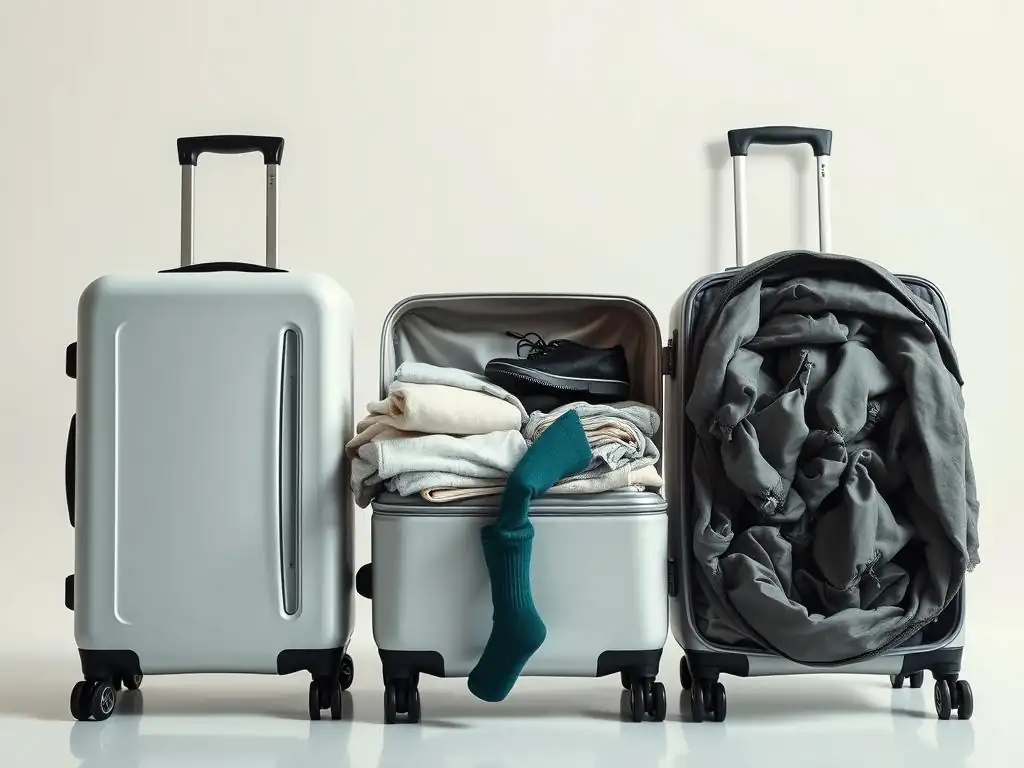
Ready to transform your travel experience? At UltimateLifeHacks, we're dedicated to helping you conquer daily challenges and unlock peak efficiency. This means saying goodbye to stressful travel days! Discover how to avoid common packing mistakes and finally master the art of streamlined packing. Uncover the secrets to effortless travel – your perfectly organized suitcase awaits. Let's get started!
- Understanding the Root of Inefficient Packing: Why We Make Mistakes
-
Avoid Common Packing Mistakes: A Step-by-Step Guide to Efficient Packing
- Step 1: Planning Your Outfits: Creating a Capsule Wardrobe for Seamless Travel
- Step 2: The Power of the Packing List: A Customizable Template for Every Trip
- Step 3: Mastering the Art of Rolling vs. Folding: Techniques for Space Optimization
- Step 4: Utilizing Packing Cubes: Maximizing Space and Organization in Your Suitcase
- Step 5: The Importance of Proper Weight Distribution: Preventing Suitcase Damage and Backaches
- Step 6: Leaving Room for Souvenirs: Strategic Packing for Return Travel
-
Avoid Common Packing Mistakes: Specific Item Strategies
- Packing Clothes Efficiently: Minimizing Wrinkles and Maximizing Space
- Packing Shoes Smartly: Protecting Your Footwear and Avoiding Odor
- Packing Toiletries Wisely: Travel-Sized Containers and TSA Regulations
- Packing Electronics Safely: Protecting Your Devices from Damage
- Packing Medications and Important Documents Securely: Prioritizing Safety and Accessibility
- Packing Valuable Items: Insurance, Secure Storage, and Peace of Mind
- Avoid Common Packing Mistakes: Advanced Packing Strategies for Different Trip Types
- The Ultimate Guide to Avoid Common Packing Mistakes: Conclusion and Actionable Tips
- Frequently Asked Questions
- Final Reflection: Unpacking the Art of Effortless Travel
- Unlock Effortless Travel: Pack Smarter, Not Harder!
Understanding the Root of Inefficient Packing: Why We Make Mistakes
Packing for a trip, whether a weekend getaway or a month-long adventure, can feel like a monumental task. It's easy to fall into the trap of inefficient packing, leading to overstuffed suitcases, forgotten essentials, and unnecessary stress. This article delves into the most common packing mistakes travelers make, providing actionable strategies to streamline your packing process, save valuable time, and ensure a smoother, more enjoyable journey.
We'll explore the reasons behind these mistakes, offering practical solutions and a step-by-step guide to avoid them, ultimately helping you master the art of efficient packing and optimize your travel experience. Learning to avoid common packing mistakes is key to unlocking a more relaxed and enjoyable trip, maximizing your time for what truly matters: experiencing your destination. This guide provides the knowledge and tools to transform your packing from a dreaded chore into a streamlined, efficient process.
Let's unpack (pun intended!) the secrets to seamless travel preparation.
Overpacking: The Biggest Travel Sin and How to Combat It
Overpacking is a pervasive problem. The allure of "just in case" scenarios often leads to suitcases bursting at the seams, resulting in hefty baggage fees, strained backs, and the frustration of navigating crowded airports with cumbersome luggage. But the root cause often lies in a lack of planning and a tendency to overestimate needs.
To combat this, adopt a strategic approach:
- Create a Packing List: This seemingly simple step is incredibly powerful. Write down everything you think you need. Then, ruthlessly edit it. Ask yourself: Can I buy this at my destination? Can I wear this item multiple times? Do I truly need this?
- Choose Versatile Clothing: Opt for neutral-colored clothing items that can be mixed and matched. Consider fabrics that are wrinkle-resistant and easy to care for. A capsule wardrobe is your friend!
- Roll, Don't Fold: Rolling clothes saves space and minimizes wrinkles.
- Utilize Packing Cubes: These ingenious organizers compress clothing and keep your suitcase organized.
- Wear Your Bulkiest Items: Wear your heaviest shoes and jacket on the plane to save space in your luggage.
Remember, you can always buy something if you forget it, but you can't magically shrink your suitcase! By adopting these strategies, you can significantly reduce the weight and volume of your luggage, making your journey far more manageable and enjoyable. The feeling of traveling light is truly liberating! 🎉
Underpacking: The Unexpected Pitfall and Essential Packing List Additions
While overpacking is common, underpacking can be equally problematic. Forgetting essential items can disrupt your trip and cause unnecessary stress. This often stems from rushing the packing process or a false sense of security that you can easily replace missing items.
To avoid this, meticulously review your packing list and consider these additions:
- Essential Medications: Don't forget prescription medications and any over-the-counter remedies you might need.
- Adapters and Chargers: Check the voltage requirements of your destination to ensure your electronics are compatible.
- Toiletries: Pack travel-sized containers to comply with airline regulations. Don't forget essential items like sunscreen and insect repellent.
- Important Documents: Make copies of your passport, driver's license, and other crucial documents and store them separately from the originals.
- A Small First-Aid Kit: Include bandages, antiseptic wipes, pain relievers, and any personal medical necessities.
A well-prepared packing list ensures you have everything you need without unnecessary bulk. A little extra planning goes a long way in preventing unexpected travel disruptions.
Packing the Wrong Items: Identifying Unnecessary Luggage and Smart Alternatives
Often, we pack items that serve little purpose or have easily accessible alternatives. This includes bulky guidebooks, unnecessary electronics, and excessive toiletries.
Let's identify some common culprits and suggest smarter alternatives:
| Unnecessary Item | Smart Alternative | Justification |
|---|---|---|
| Heavy Guidebook | Smartphone with travel apps and offline maps | Saves weight and space, provides updated information. |
| Multiple Pairs of Shoes | Versatile shoes suitable for multiple occasions | Reduces weight and maximizes space. |
| Excessive Toiletries | Travel-sized containers or purchasing at destination | Avoids weight restrictions and saves packing space. |
| Unnecessary Electronics | Streamlining electronics to the essentials | Reduces weight and prevents unnecessary charging complications. |
By carefully considering your packing choices, you can streamline your luggage and ensure a more efficient and enjoyable travel experience. Remember, the goal is to pack smart, not hard! 🧳
Poor Organization: The Impact of Inefficient Packing Strategies
Poor organization is the single biggest culprit behind inefficient packing. Many travelers approach packing as a last-minute scramble, tossing items haphazardly into a suitcase without a plan. This chaotic approach leads to wasted space, wrinkled clothes, and the frustrating search for essential items amidst a jumbled mess. The consequences extend beyond mere inconvenience; inefficient packing can lead to exceeding baggage weight limits, resulting in extra fees at the airport.
It also increases the risk of forgetting crucial items, potentially ruining a trip. Imagine arriving at your destination only to realize you've left your medication or a vital document behind – a scenario directly linked to poor planning and organization. This lack of foresight not only impacts the smooth flow of your trip but also adds unnecessary stress and financial burden.
Consider the alternative: a methodical approach to packing. A well-organized suitcase, meticulously planned beforehand, allows for efficient space utilization. Rolling clothes instead of folding them, for instance, saves space and minimizes wrinkles. Utilizing packing cubes further enhances organization by separating items into distinct categories (e.g., shirts, pants, underwear). This compartmentalization makes finding specific items a breeze, streamlining the unpacking process at your destination.
The time saved is significant, allowing for a more relaxed start to your vacation or business trip. The peace of mind knowing everything is in its place is priceless. Proactive organization translates directly into a smoother, less stressful, and more enjoyable travel experience. By implementing efficient packing strategies, travelers can avoid the pitfalls of poor organization and embrace a more streamlined and enjoyable journey. The investment of time in planning significantly outweighs the stress and potential problems encountered due to poor organization.
Avoid Common Packing Mistakes: A Step-by-Step Guide to Efficient Packing
This section dives deep into the most frequent packing pitfalls and provides actionable strategies to avoid them. Mastering these techniques will significantly improve your travel experience, saving you time, space, and stress. Efficient packing isn't just about fitting everything in; it's about optimizing your luggage for a smooth and enjoyable journey. Let's learn how to avoid common packing mistakes and embrace a streamlined approach to packing.
Step 1: Planning Your Outfits: Creating a Capsule Wardrobe for Seamless Travel
Before even touching your suitcase, planning your outfits is crucial to avoid overpacking. The key is creating a capsule wardrobe: a versatile collection of clothing items that can be mixed and matched to create multiple outfits. This strategy significantly reduces the number of items you need to pack while ensuring you have appropriate attire for every occasion.
Consider your itinerary. What activities are planned? What's the weather forecast? Will you need formal wear, athletic gear, or casual clothing? Answering these questions will help you curate a cohesive wardrobe. For a 7-day trip, aiming for 7 tops, 3-4 bottoms, and 2 pairs of shoes is a good starting point—but always adjust based on your specific needs.
Remember to choose neutral-colored clothing items that can be easily combined. Black, navy, gray, and beige are excellent choices as they allow for maximum versatility. Add a few accent pieces (a colorful scarf, a statement necklace) to inject personality into your outfits without sacrificing space.
Pro Tip: Lay out all your planned outfits before packing. This visual representation helps identify potential gaps or redundancies in your choices, allowing for adjustments before you start packing.
Step 2: The Power of the Packing List: A Customizable Template for Every Trip
A well-structured packing list is your best defense against forgetting essential items. Creating a packing list template that you can customize for each trip is incredibly efficient. This template should include categories for clothing, toiletries, electronics, documents, and any other items relevant to your trip.
Consider using a digital packing list app or a simple spreadsheet. This allows for easy editing and updating. Check off items as you pack them to ensure nothing is missed. For example:
| Category | Item | Quantity | Packed? | Notes |
|---|---|---|---|---|
| Tops | T-shirts | 3 | ☐ | Lightweight, breathable materials |
| Bottoms | Jeans | 1 | ☐ | Dark wash, durable |
| Toiletries | Toothbrush | 1 | ☐ | Travel-sized containers |
| Electronics | Phone Charger | 1 | ☐ | Portable charger recommended |
| Documents | Passport | 1 | ☐ | Make copies and store separately |
Remember to tailor your list to the specific needs of each trip. A backpacking trip will require a different packing list than a business trip. This ensures you only pack what's necessary, avoiding unnecessary weight and bulk.
Step 3: Mastering the Art of Rolling vs. Folding: Techniques for Space Optimization
The age-old debate: rolling versus folding. The optimal method depends on the type of clothing. Rolling is generally more effective for softer items like t-shirts and underwear, as it minimizes wrinkles and saves space. Folding is better suited for structured items like button-down shirts or suits that would crease easily when rolled.
Detailed Rolling Technique
Lay the garment flat. Fold it in half lengthwise. Starting from one end, tightly roll the garment into a compact cylinder. This method compresses clothing and reduces wrinkles.
Effective Folding Technique
Lay the garment flat. Fold it in thirds, then in half. This method is suitable for wrinkle-prone items and helps maintain their shape.
By combining both rolling and folding techniques strategically, you can optimize your packing and maximize space. Remember to place heavier items at the bottom of your suitcase and use packing cubes to further organize and compress your belongings. This method helps avoid common packing mistakes associated with disorganized and inefficient luggage packing. Careful planning and thoughtful packing techniques are key to a smooth and stress-free travel experience. By implementing these steps, you'll master the art of efficient packing and avoid unnecessary baggage hassles.
Step 4: Utilizing Packing Cubes: Maximizing Space and Organization in Your Suitcase
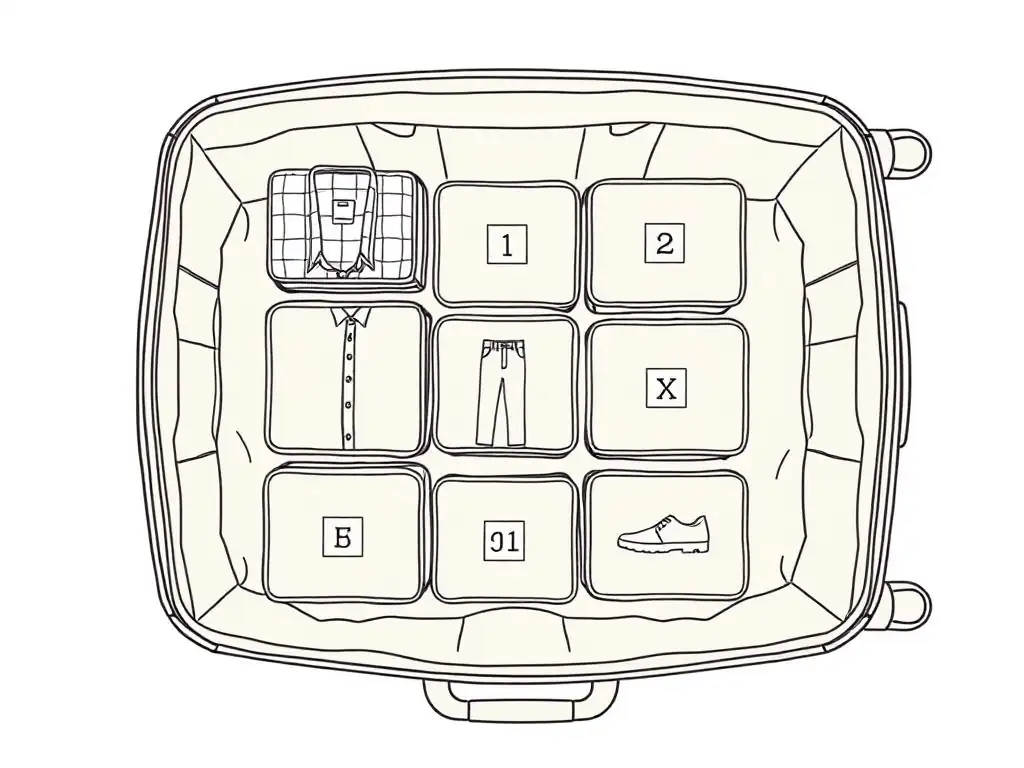
Packing cubes are often overlooked, but they're a game-changer when it comes to avoiding common packing mistakes and maximizing suitcase space. These versatile fabric containers compress clothing, keeping everything neatly organized and preventing wrinkles. Think of them as mini-drawers for your luggage. By using packing cubes, you can efficiently compartmentalize your belongings.
For instance, dedicate one cube to shirts, another to pants, and a smaller one for underwear and socks. This method not only saves space by compressing items but also makes unpacking a breeze. You'll quickly locate what you need without having to rummage through a chaotic pile of clothes. Furthermore, the structure provided by the cubes prevents items from shifting during travel, reducing the chance of wrinkles and keeping your suitcase neatly organized even after a bumpy flight or long car journey.
Investing in a set of different-sized packing cubes allows you to tailor your packing to the size of your suitcase and the length of your trip. Consider using compression cubes for bulky items like sweaters to maximize space even further. This simple addition to your packing strategy will significantly improve your travel experience and help you avoid the frustration of a disorganized and overflowing suitcase.
Step 5: The Importance of Proper Weight Distribution: Preventing Suitcase Damage and Backaches
Proper weight distribution in your suitcase is crucial for both the longevity of your luggage and your physical well-being. Overloading one side can lead to uneven wear and tear, potentially damaging zippers, wheels, or even causing the suitcase to break. Imagine a suitcase heavily laden with shoes and toiletries on one side, while the other side is relatively empty. This imbalance puts immense strain on the structure, increasing the risk of damage.
Moreover, carrying an unevenly packed suitcase can lead to backaches and shoulder pain, especially during long journeys. To avoid this, distribute heavier items evenly throughout your luggage. Place heavier items like shoes and books near the center and bottom of the suitcase, distributing their weight across the base. Then, fill in the remaining space with lighter items.
Think of it like building a sturdy structure – a solid foundation is key. Consider using smaller packing cubes for heavier items to create more manageable units of weight. This way you can better control how the weight is dispersed throughout the suitcase. Remember, prevention is better than cure; proper weight distribution saves you from potential repairs and the discomfort of back pain.
Step 6: Leaving Room for Souvenirs: Strategic Packing for Return Travel
One often-overlooked aspect of packing is leaving sufficient space for souvenirs and purchases made during your trip. Returning home with a suitcase bursting at the seams is not only inconvenient but can also lead to damage to your belongings. To avoid this common packing mistake, plan ahead and estimate how much space you'll need for souvenirs. Consider the type of souvenirs you anticipate buying—are they bulky, fragile, or lightweight?
This will influence how much space you need to allocate. A good strategy is to pack lightly initially, leaving a significant portion of your suitcase empty. This empty space provides a buffer for unexpected purchases and allows for flexible packing upon your return. You might even consider bringing a separate, collapsible bag for additional items.
Packing strategically for the return journey ensures a smoother travel experience and protects your belongings. Remember, your vacation shouldn't be stressful; it should be enjoyable. Planning ahead for the return journey is a small step that contributes to a more relaxed and satisfying travel experience. This forethought can alleviate the stress of trying to cram souvenirs into an already full suitcase.
Avoid Common Packing Mistakes: Specific Item Strategies
This section dives deep into avoiding common packing pitfalls by focusing on specific item categories. We'll explore practical strategies to optimize your packing, ensuring a smooth and stress-free travel experience. Mastering these techniques will help you efficiently pack your bags, minimizing weight and maximizing space, while preventing common problems like wrinkled clothes and smelly shoes. Remember, the key to avoiding common packing mistakes lies in careful planning and strategic packing.
Packing Clothes Efficiently: Minimizing Wrinkles and Maximizing Space
Efficient clothing packing is crucial for avoiding wrinkles and maximizing space in your luggage. Many travelers make the mistake of simply tossing clothes into their bags, resulting in a crumpled mess upon arrival. Here's how to avoid this:
- Rolling vs. Folding: The age-old debate! Rolling your clothes generally saves space and minimizes wrinkles compared to folding, particularly for softer fabrics like t-shirts and jeans. However, for items like suits or delicate blouses, folding carefully is preferable.
- Strategic Placement: Place heavier items at the bottom of your bag and lighter items on top. This helps maintain balance and prevents heavier items from crushing lighter ones. Consider using packing cubes to further compartmentalize and compress your clothing.
- Utilizing Empty Spaces: Stuff socks and underwear into shoes to save space and prevent shoes from getting squashed. Smaller items can also fill gaps between larger items, optimizing space utilization.
- Choosing the Right Fabrics: Opt for wrinkle-resistant fabrics whenever possible. These fabrics are designed to minimize creasing, reducing the need for excessive ironing upon arrival. Consider materials like linen blends or polyester.
- Layer Technique: Layer your clothes strategically. Place wrinkle-prone items between less wrinkle-prone items to act as a cushion. For example, place a t-shirt between a blazer and a shirt.
By implementing these techniques, you'll significantly improve your clothing packing strategy, reducing wrinkles and maximizing space in your luggage. This is a key step in avoiding common packing mistakes and ensuring your trip starts smoothly.
Packing Shoes Smartly: Protecting Your Footwear and Avoiding Odor
Shoes often take up considerable space and can easily damage other items in your luggage if not packed correctly. Additionally, the odor from shoes can permeate your belongings. Here’s how to pack shoes efficiently and minimize these issues:
- Shoe Bags: Always use shoe bags or stuff shoes in plastic bags. This protects your clothes from dirt and prevents the spread of odor.
- Placement: Place shoes at the bottom of your bag or in the outer compartments to protect other clothes from potential damage and dirt.
- Space Optimization: Stuff socks and other small items inside shoes to fill empty space and make the most of your luggage.
- Odor Control: Use odor-absorbing packets or sprinkle baking soda inside your shoes to neutralize any unpleasant smells. Allow shoes to air out before packing.
- Type of Shoe: Consider the type of shoe you're packing. For example, packing delicate heels requires extra care and protection, possibly requiring separate protective bags or wrapping.
Implementing these steps ensures your shoes remain clean, organized, and odor-free, ultimately contributing to a more pleasant and organized travel experience. Avoiding these common packing mistakes related to footwear can make a substantial difference in your overall packing efficiency.
Packing Toiletries Wisely: Travel-Sized Containers and TSA Regulations
Packing toiletries requires careful attention to both size and regulatory compliance. Ignoring these aspects can lead to delays or even confiscation of your items at airport security.
- TSA Regulations: Familiarize yourself with TSA's 3-1-1 rule for liquids, gels, aerosols, and creams. This rule limits each container to 3.4 ounces (100ml) or less, and all containers must fit inside a single, quart-sized, clear, plastic, zip-top bag.
- Travel-Sized Containers: Transfer your toiletries into travel-sized containers to meet TSA regulations and save space. Many brands sell travel-sized versions, or you can purchase reusable containers.
- Leak-Proof Containers: Ensure your containers are leak-proof to prevent spills and potential damage to your other belongings.
- Essential Items: Pack only essential toiletries to minimize weight and space. Consider using solid toiletries, such as shampoo bars, to further reduce weight and the risk of spills.
- Organization: Organize your toiletries within the quart-sized bag for easy access during security checks.
Following these guidelines will ensure a smoother experience at airport security and prevent any unnecessary delays or issues related to your toiletries. This is another important aspect of avoiding common packing mistakes and enjoying a stress-free journey.
Packing Electronics Safely: Protecting Your Devices from Damage
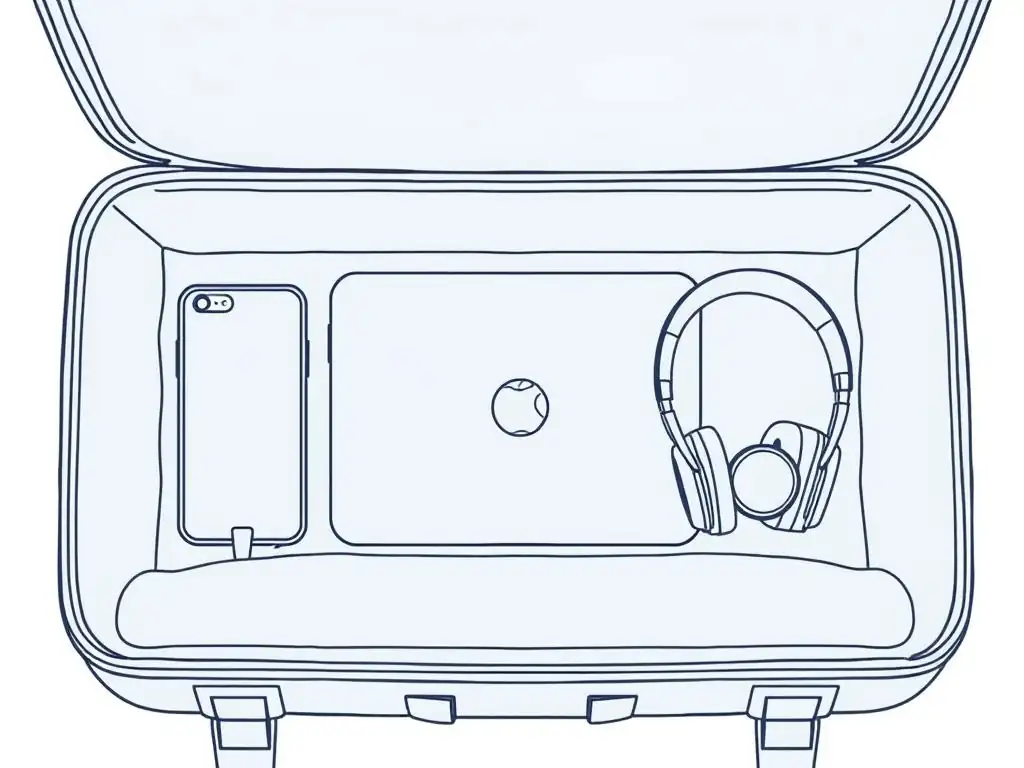
Protecting your electronics during travel is crucial. Many people underestimate the potential for damage, leading to costly repairs or replacements. To avoid common packing mistakes, consider these strategies:
First, utilize original packaging whenever possible. The original boxes often provide superior protection due to their custom-designed inserts. If you no longer have the original packaging, invest in a quality hard-shell case specifically designed for electronics. These cases offer excellent shock absorption and protection from bumps and drops. Don't just toss your devices into a suitcase with other items; this increases the risk of scratches and damage.
Secondly, consider the climate. Extreme temperatures can damage sensitive electronics. If traveling to a region with extreme heat or cold, consider using an insulated bag or case to help regulate the temperature around your devices. This is particularly important for batteries, which can be negatively affected by temperature fluctuations.
Thirdly, remember your chargers and cables. Keep them organized using cable ties or small pouches to prevent tangling and damage. Consider packing them separately from your devices to minimize the risk of accidental damage during transit. For laptops, ensure you pack the power adapter securely and separately to prevent it from being crushed or damaged. Failing to protect chargers can render your electronic devices useless. Always use anti-static bags to further mitigate risks.
Finally, consider using bubble wrap or packing peanuts to add extra cushioning around your devices within their carrying cases. This provides an additional layer of protection against impacts. Remember, a little extra effort in packing your electronics can save you significant expense and frustration later.
Packing Medications and Important Documents Securely: Prioritizing Safety and Accessibility
Packing medications and essential documents requires careful planning and organization to ensure both safety and easy accessibility throughout your trip. Many travelers make the mistake of simply throwing these items into a bag, increasing the risk of loss or damage.
To avoid such problems, always carry essential medications in their original containers, clearly labeled with your name and dosage instructions. If you have multiple medications, consider using a pill organizer to simplify your routine and reduce the chance of mixing them up. Keep your medication in your carry-on bag to ensure you have easy access, especially if you have a connecting flight or experience delays. Remember to check with your airline regarding permitted quantities of liquids.
For important documents like your passport, driver's license, and travel insurance information, consider using a waterproof and tamper-evident bag or pouch. Make copies of all important documents and store them separately from the originals. You could also store digital copies in a secure cloud service or email them to yourself. This redundancy ensures that you have backups in case of loss or theft. Never pack all your essential documents together; keep some copies in a separate location from the originals. This simple precaution can save you immense trouble.
Furthermore, consider notifying your bank and credit card companies of your travel plans to prevent your cards from being blocked due to unusual activity. These simple steps will help ensure that your trip is smooth and stress-free, regardless of any unforeseen circumstances.
Packing Valuable Items: Insurance, Secure Storage, and Peace of Mind
Packing valuable items requires a strategic approach that combines insurance, secure storage, and careful planning to minimize the risk of loss or damage. Many travelers overlook the importance of protecting their valuables, leading to significant financial losses and emotional distress.
Before your trip, consider purchasing travel insurance that covers the loss or damage of your valuables. This insurance policy should provide adequate coverage for items such as jewelry, electronics, and expensive clothing. Ensure you have a detailed inventory of your valuables, including photographs or receipts, as proof of ownership and value. This documentation is crucial if you need to make an insurance claim.
During packing, utilize secure storage options for your valuables. Don't simply throw them into your suitcase. Consider using a lockable bag or case for items like jewelry and electronics. Packing expensive items in your carry-on luggage is generally safer than checking them in. Avoid packing valuables in easily accessible places, such as external pockets of your luggage.
Finally, consider the value of the items you are bringing. Bringing excessively expensive jewelry or electronics on a trip may increase your risk and stress. Evaluate the need for each item and consider leaving non-essential valuables at home. This simple strategy can significantly reduce your risk and improve your peace of mind throughout your travels. Remember, prevention is key when it comes to protecting your valuables.
Avoid Common Packing Mistakes: Advanced Packing Strategies for Different Trip Types
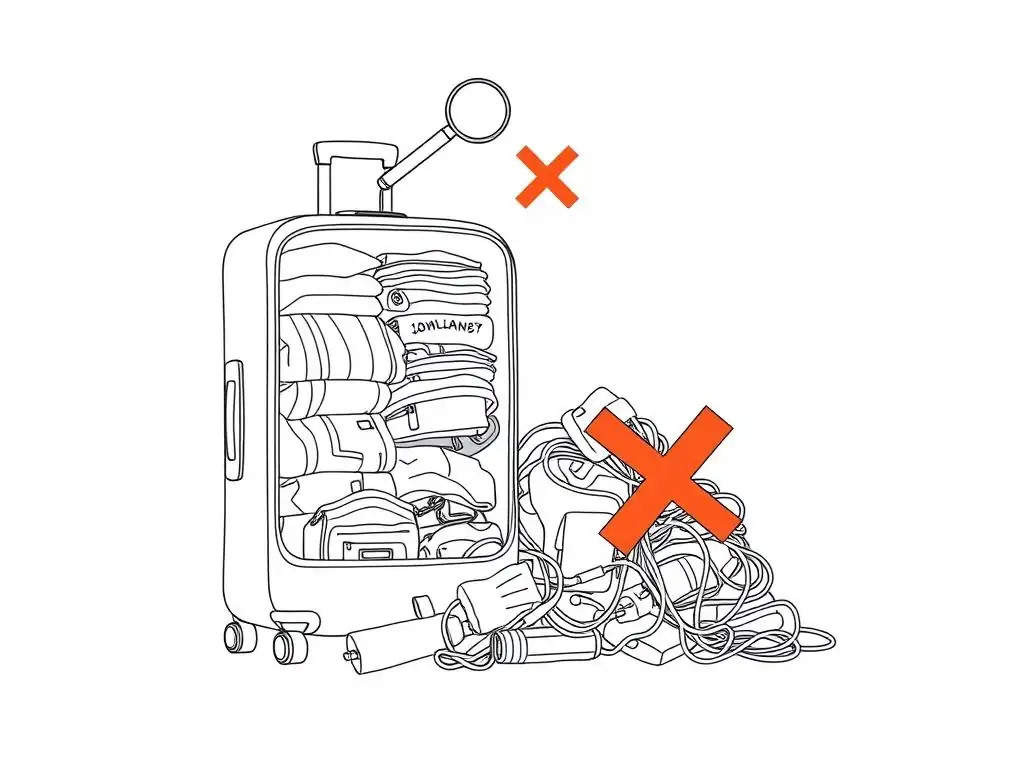
This section delves into the specifics of avoiding common packing mistakes, tailoring strategies to different trip lengths and styles. Successfully avoiding these pitfalls hinges on careful planning and a nuanced understanding of your needs. Mastering these techniques will allow you to pack lighter, smarter, and ultimately, more efficiently, saving you time, stress, and baggage fees. Let's explore how to optimize your packing for various travel scenarios.
Packing for a Weekend Getaway: The Minimalist Approach
Weekend trips demand a minimalist approach. The key is to prioritize versatile items that can be mixed and matched. Avoid the temptation to overpack; you'll likely only need a carry-on bag.
This means selecting neutral-colored clothing items that can be easily combined. Think of a capsule wardrobe: two pairs of pants (one jeans, one more casual), three tops, one light jacket or sweater, and underwear and socks for each day. Don't forget essentials like toiletries (travel-sized is key! ), charging cables, and any necessary medications.
Consider using packing cubes to maximize space and keep your belongings organized. These compressible bags allow you to neatly separate clothes and accessories, preventing wrinkling and making it easier to find what you need. Remember, less is more. A well-planned minimalist packing list for a weekend getaway will significantly reduce stress and allow you to focus on enjoying your trip. For example:
| Item Category | Items | Quantity | Notes |
|---|---|---|---|
| Bottoms | Jeans, Casual Pants | 2 | Choose versatile colors like black or navy. |
| Tops | T-shirts, Blouse | 3 | Opt for breathable fabrics. |
| Outerwear | Light Jacket or Sweater | 1 | Depending on weather conditions. |
| Underwear & Socks | Underwear, Socks | 2 sets | Consider merino wool for odor resistance. |
| Toiletries | Toothbrush, Toothpaste, etc. | Travel Size | Use reusable containers to minimize waste. |
| Accessories | Phone Charger, Wallet | 1 each | Don't forget your essential documents! |
Packing for a Week-Long Vacation: Balancing Essentials and Flexibility
A week-long trip allows for more flexibility, but it's still crucial to avoid overpacking. The strategy here is to balance essential items with options for different activities or weather conditions.
Start by creating a detailed itinerary. This will help you identify specific clothing items needed for planned activities (hiking boots for a day hike, a dress for a fancy dinner, etc.). Remember to check the weather forecast and pack accordingly, layering clothing to adapt to temperature changes.
Utilize laundry facilities if available. This drastically reduces the amount of clothing you need to pack. Focus on versatile items that can be mixed and matched, and consider bringing a small laundry bag to separate dirty clothes. Don't forget to allocate space for souvenirs! Efficient packing for a week-long vacation involves a combination of planning and adaptability. Here's a possible approach:
- Clothing: Pack a mix of versatile tops and bottoms that can be mixed and matched. Choose items that are wrinkle-resistant and easy to care for.
- Shoes: Limit yourself to two or three pairs of shoes, focusing on versatile options like sneakers, sandals, and potentially one dressier pair.
- Toiletries: Use travel-sized containers to save space and comply with airline regulations. Consider solid toiletries to reduce weight and avoid spills.
- Electronics: Bring only essential electronics and chargers. Consider using universal adapters if traveling internationally.
- Documents: Keep important documents like passports, visas, and tickets organized and readily accessible.
Packing for a Long-Term Trip: Strategic Packing for Extended Travel
Packing for an extended trip requires a more strategic approach. The goal is to minimize weight and maximize versatility while ensuring you have everything you need for an extended period.
Consider investing in high-quality, lightweight, and durable clothing. Natural fabrics like merino wool and linen are excellent choices for their breathability and odor resistance. Choose neutral colors that can be easily mixed and matched. Plan to do laundry regularly. Laundry services are generally inexpensive and readily available in most places. This allows you to pack fewer clothes overall.
Utilize compression sacks to minimize the volume of your belongings. These are particularly helpful for bulky items like sweaters and jackets. Organize your belongings efficiently using packing cubes or other organizational tools. A well-organized bag is much easier to manage, especially when you're on the go for an extended period. For long-term travel, consider a versatile backpack as your primary luggage. This will allow you to carry everything you need and be more mobile.
Remember to pack a small first-aid kit with essential medications and supplies. Also, consider bringing a small sewing kit for minor repairs. Efficient packing for long-term travel is not just about what you pack, but also how you organize and manage your belongings throughout your journey. This proactive approach will help you to avoid common packing mistakes and travel more comfortably.
The Ultimate Guide to Avoid Common Packing Mistakes: Conclusion and Actionable Tips
This section summarizes key takeaways from our exploration of common packing pitfalls and offers actionable steps to refine your packing strategy for smoother, more efficient travel. Successfully avoiding common packing mistakes isn't just about fitting everything into your suitcase; it's about optimizing your travel experience from start to finish. By implementing these tips, you'll not only save valuable time and energy, but also reduce stress and improve your overall trip satisfaction. Remember, the goal is to pack smart, not just much.
Reviewing Your Packing List: A Final Checklist Before Departure
Before you even think about zipping up your luggage, a final, meticulous review of your packing list is crucial. This isn't just a cursory glance; it's a systematic check against your itinerary and anticipated activities. Consider these points:
- Weather Conditions: Does your packing list truly reflect the expected weather at each destination? Unexpected rain or extreme heat can derail your trip if you're unprepared. Check the forecast immediately before leaving.
- Activity Level: Are you planning strenuous hikes, relaxing beach days, or a mix of both? Your clothing and gear needs will vary significantly depending on your planned activities.
- Event-Specific Items: Have you included everything necessary for any special events or occasions – formal dinners, conferences, or planned excursions? Don't leave essential items behind due to oversight.
- Redundancy Check: Are there any items you've packed duplicates of? Eliminating unnecessary redundancy saves space and weight. Think critically about what you really need versus what you think you might need.
- Essential Documents: This is often overlooked! Confirm you have all necessary travel documents, including your passport, visas, tickets, and any relevant insurance information. Make copies and keep them separate from the originals.
Adapting Your Packing Strategy: Learning from Experience and Refining Your Technique
Every trip presents an opportunity to refine your packing technique. After each journey, take time to reflect on what worked well and what could be improved. Consider these strategies:
- The "One-In, One-Out" Rule: For every new item you want to add to your packing list for future trips, remove an existing item you rarely or never used. This prevents your luggage from becoming excessively bulky over time.
- The "Capsule Wardrobe" Concept: Investing in versatile clothing items that can be mixed and matched reduces the overall number of outfits you need to pack. Choose neutral colors and fabrics that are easy to care for.
- Utilizing Packing Cubes: These ingenious organizers compress clothing and keep your luggage neatly compartmentalized. They maximize space and prevent wrinkles.
- Digital Documentation: Scan important documents and store them securely in the cloud. This provides a backup in case of loss or damage to your physical copies.
- Feedback Loop: After each trip, write down notes on what you packed, what you used, and what you wish you had packed. This creates a valuable record for future planning and helps you progressively improve your packing efficiency.
The Long-Term Benefits of Efficient Packing: Saving Time, Money, and Stress
Efficient packing transcends the immediate convenience of a well-organized suitcase. The long-term benefits extend to significant savings in time, money, and stress reduction across your travel experiences. Consider these advantages:
- Time Savings: Spending less time packing and unpacking means more time to enjoy your travels. Efficient packing frees up valuable time for relaxation and exploration.
- Cost Savings: Avoiding excess baggage fees is a substantial cost-saver. Airlines often charge hefty penalties for overweight luggage. Smart packing keeps you within weight limits.
- Stress Reduction: Knowing you've packed efficiently minimizes the anxiety associated with travel preparation. The peace of mind is invaluable.
- Improved Organization: Efficient packing fosters overall organization, which positively impacts other aspects of your life beyond travel. The skills translate into improved efficiency in other areas.
- Environmental Impact: Packing lightly contributes to a reduced carbon footprint by minimizing the weight and fuel consumption of your transportation. ✈️🌍
By consistently applying these strategies and regularly reviewing your packing techniques, you'll master the art of efficient packing and transform your travel experience from stressful to seamless. Remember, the journey to mastering the art of "Avoid common packing mistakes" is a continuous process of learning and refinement. Enjoy the journey!
Frequently Asked Questions
What are some common packing mistakes people make?
One common mistake is overpacking. People often bring far more clothes than they need. Another is forgetting essential documents like passports or tickets.
How can I avoid overpacking for my trip?
Create a detailed packing list and stick to it. Lay out everything you think you'll need, then ruthlessly cut it back by at least 25%. Consider versatile clothing items that can be mixed and matched.
What are some essential items I shouldn't forget when packing?
Always pack important documents, medications, and any necessary electronics and chargers. Don't forget comfortable walking shoes and any personal toiletries you require.
How can I protect my belongings during travel?
Use packing cubes to organize your clothes and prevent wrinkles. Consider a locking suitcase for added security. Keep valuable items in your carry-on bag.
What's the best way to organize my suitcase for easy access?
Roll your clothes instead of folding them to save space and minimize wrinkles. Use packing cubes or ziplock bags to separate items by category (e.g., shirts, pants, underwear). Place frequently needed items at the top.
Final Reflection: Unpacking the Art of Effortless Travel
The seemingly simple act of packing a suitcase holds the key to unlocking a truly enjoyable trip. Failing to master this seemingly mundane task can transform a potential adventure into a stressful ordeal, filled with wrinkled clothes, forgotten essentials, and unnecessary weight. This article has highlighted the most common packing pitfalls, offering practical solutions to transform your travel experience.
The impact of efficient packing extends far beyond the confines of the suitcase itself. It influences our overall travel experience, impacting our mood, our energy levels, and even our ability to fully immerse ourselves in new environments. Travel is fatal to prejudice, bigotry, and narrow-mindedness,
wrote Mark Twain, and a well-packed bag can certainly contribute to a more open and receptive mindset, allowing us to fully embrace the journey. The freedom from the frustration of disorganized luggage allows for a greater appreciation of the destination and the experiences it offers.
So, as you prepare for your next adventure, I urge you to consider the lessons learned here. Take a moment to thoughtfully plan your packing strategy, choosing quality over quantity, and prioritizing versatility and functionality. Remember the power of a well-organized bag – it's not just about the clothes you carry, but the experiences you'll create. Embrace the art of effortless travel, and let the journey unfold with ease and grace.
Unlock Effortless Travel: Pack Smarter, Not Harder!
Thank you for learning how to avoid common packing mistakes! You're now ready to conquer the chaos of travel preparation. Ready to put your new skills into action?
- Master the art of minimalist packing: Challenge yourself to pack only essential items on your next trip – you'll be amazed at how much easier travel becomes!
- Share your best packing tips with fellow travelers in the comments below – let's build a supportive community of savvy packers!
- Consider creating a visual packing checklist on your phone – it's a surprisingly effective way to stay organized.
What's the biggest packing mistake you're most excited to overcome?