
Dress Like a Local: Immersive Style Tips for Authentically Experiencing Your Destination

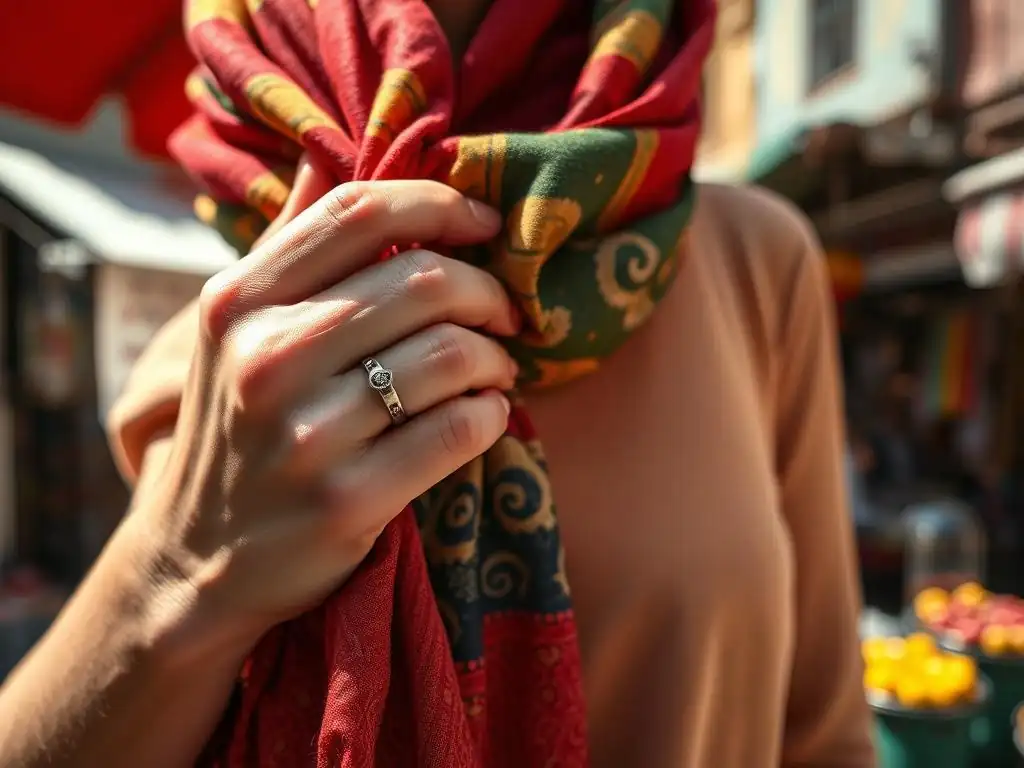
Ready to unlock the secrets to truly experiencing your next destination? Forget tourist traps and embrace authenticity with our expert travel style tips. Discover how mastering the art of "Travel style tips local authenticity" can transform your trips from fleeting snapshots to immersive adventures. Dive in and learn how to dress like a local, seamlessly blending in and uncovering hidden gems along the way. Let's unlock a world of unforgettable travel experiences together!
- Understanding the Importance of Local Style for Authentic Travel
- Researching Local Fashion Trends Before Your Trip
- Packing Strategically for Local Style Integration
- Mastering the Art of Local Style Adaptation
- Practical Tips for Dressing Like a Local: Avoiding Common Mistakes
- Post-Trip Reflection: Enhancing Future Local Style Adventures
-
Frequently Asked Questions
- How can I dress like a local without looking like a tourist?
- What are some key items to pack for achieving a local-inspired travel style?
- How do I find inspiration for local style before my trip?
- Is it necessary to buy clothing at my destination to achieve a local look?
- What if I'm uncomfortable with certain local fashion choices?
- Final Reflection: Beyond the Tourist Trap: Dressing for Deeper Travel Experiences
- Unlock Your Inner Traveler: Dress the Part, Own the Experience!
Understanding the Importance of Local Style for Authentic Travel
Traveling is more than just ticking off destinations on a bucket list; it's about immersing yourself in a new culture, connecting with the local people, and creating truly unforgettable memories. While sightseeing and exploring iconic landmarks are undoubtedly important, a significant aspect often overlooked is the power of dressing like a local. This seemingly small detail can dramatically enhance your travel experience, fostering a deeper connection with your surroundings and leading to more enriching interactions.
This article delves into practical travel style tips focused on achieving local authenticity, helping you navigate the nuances of dressing appropriately and respectfully in various destinations. Mastering the art of blending in through your wardrobe not only elevates your travel aesthetic, but also significantly contributes to a safer and more fulfilling journey. We'll explore strategies to avoid unwanted attention, respect local customs, and ultimately, experience your destination in a more authentic and immersive way.
The goal? To transform your travel style from a tourist's uniform to a passport to truly understanding the heart of your chosen location, all while enhancing your safety and comfort.
Blending In: Why Dressing Like a Local Enhances Your Travel Experience
Adopting a local style isn't about completely transforming your wardrobe; it's about making conscious choices that help you blend in seamlessly. This subtle shift in attire can unlock a world of unexpected benefits. For instance, dressing like a local can significantly improve your interactions with locals. People are more likely to engage with you in a friendly and helpful manner if you're not immediately identifiable as a tourist.
This can lead to more authentic conversations, spontaneous encounters, and a deeper understanding of the local culture. Moreover, blending in helps you avoid becoming a target for petty theft or scams, common pitfalls for easily identifiable tourists. Think about it: a person dressed in local attire is less likely to attract the attention of opportunistic criminals.
Furthermore, understanding and emulating local style allows you to participate more fully in the local scene, from visiting local markets without standing out to feeling confident exploring less-touristy areas. This increased comfort and confidence directly translates to a richer, more immersive travel experience. 👩✈️
Respecting Local Customs Through Appropriate Attire
Respect for local customs is paramount when traveling. Clothing choices often reflect deeply ingrained cultural norms and traditions. Understanding and respecting these nuances is crucial for a positive and respectful travel experience. In some cultures, modesty is highly valued, and revealing clothing might be considered inappropriate or even offensive. Researching the local customs beforehand is essential.
This can involve looking at photographs of locals, reading travel blogs, or even consulting with locals online before your trip. For example, in certain religious sites, covering your shoulders and knees is a sign of respect. Failing to do so could be viewed as disrespectful and might even prevent you from entering certain places. Similarly, understanding appropriate attire for different social settings is vital.
What's acceptable for a casual stroll might be inappropriate for a formal event or a visit to a religious site. A thoughtful approach to your clothing choices demonstrates respect and contributes to a more harmonious and meaningful interaction with the local community. Remember, careful consideration of your attire demonstrates cultural sensitivity and can significantly enhance your experience. 🙏
Avoiding Tourist Traps: Dressing Discreetly for Safety and Security
Dressing discreetly is not just about blending in; it's also a crucial aspect of personal safety and security. By avoiding flashy jewelry, expensive-looking clothing, and overly conspicuous accessories, you reduce the risk of becoming a target for theft or scams. Opting for practical and less ostentatious items is a smart strategy. This doesn't mean sacrificing style; it's about making smart choices that prioritize safety without compromising your personal aesthetic.
Consider using a money belt or other hidden compartments to secure your valuables, further minimizing your risk. Additionally, dressing in a way that doesn't immediately scream "tourist" can deter unwanted attention. This can be particularly important in crowded areas or when traveling alone.
By presenting a less obvious target, you significantly reduce the chances of becoming a victim of crime. Remember, prioritizing safety and security doesn't mean sacrificing style; it's about making conscious and informed decisions to ensure a positive and worry-free travel experience. 🔒
Researching Local Fashion Trends Before Your Trip
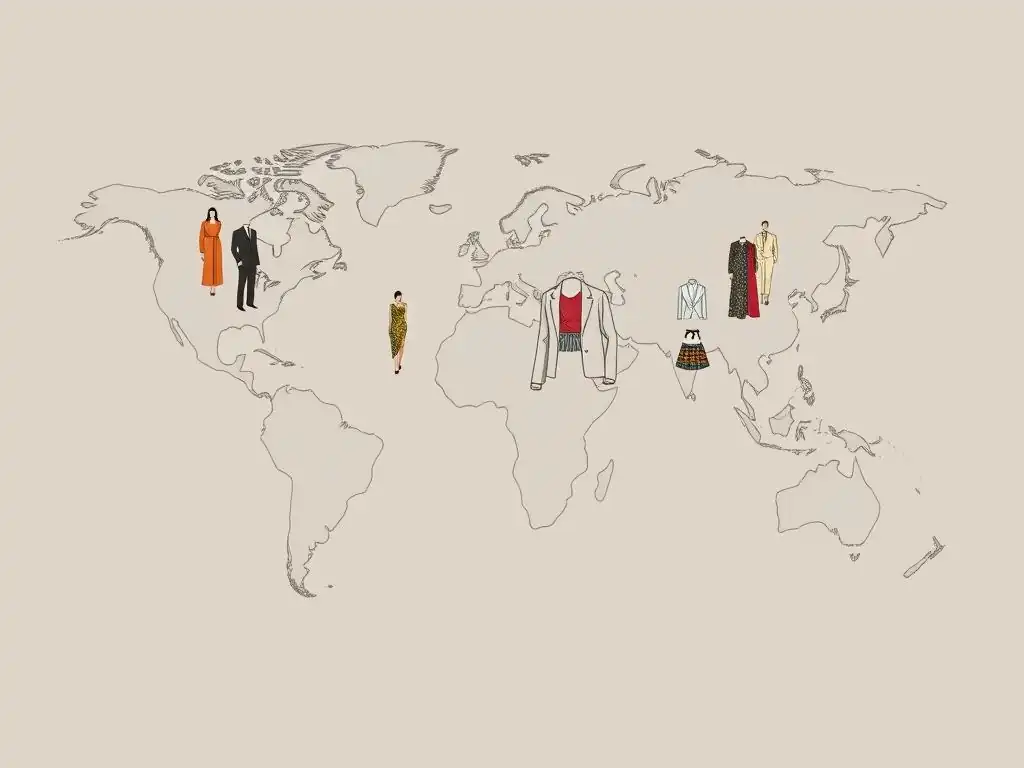
Before embarking on your journey, understanding the local fashion landscape is crucial for achieving authentic travel style. This pre-trip research isn't about copying, but about cultivating a sensitivity to the prevalent aesthetics. By understanding the nuances of local style, you can subtly integrate elements into your wardrobe, enhancing your immersion and minimizing the "tourist" look. This section explores effective methods for conducting this vital pre-trip fashion reconnaissance.
The digital world offers a treasure trove of information for the discerning traveler. Blogs dedicated to travel and fashion often feature specific destination guides, highlighting local styles and providing practical tips. Look for blogs written by locals or long-term expats; their insights are invaluable. Forums dedicated to specific destinations or travel in general can be goldmines of information. Search for threads discussing clothing, appropriate attire for different occasions, and even shopping recommendations. Social media platforms, particularly Instagram and Pinterest, are visually rich resources. Search using relevant hashtags, such as #localstyle[destination name], #[destination name]fashion, or #travelstyle[destination name]. Analyzing photos posted by locals provides a realistic glimpse into everyday style. Remember to be discerning; not every image represents the average style, so look for recurring patterns and trends. Pay attention to details like color palettes, fabrics, and silhouettes to get a holistic understanding of the local aesthetic.
Analyzing Local Photography: Identifying Key Style Elements in Images
Beyond social media, explore professional and amateur photography showcasing the destination. Travel photography books, articles, and even stock photo sites can offer valuable insights. Analyze images carefully, paying close attention to the clothing worn by locals in various settings. Note the prevalent color palettes – are earthy tones favored, or are brighter colors more common?
What fabrics seem to be popular? Are certain silhouettes or styles repeatedly seen? This visual analysis will provide a more nuanced understanding of local fashion trends than simply browsing online stores.
For example, analyzing street photography from a coastal town might reveal a preference for lightweight linen clothing, while images from a mountain region may showcase practical, layered outfits. This visual research provides a foundation for choosing clothing items that blend seamlessly with the local environment, contributing to a more authentic travel experience. It's about observing the vibe – the unspoken style cues that communicate belonging.
Consulting Travel Guides and Local Experts for Fashion Insights
While online resources are plentiful, don't underestimate the value of traditional travel guides and expert advice. Many reputable travel guides now incorporate sections on local culture and customs, often including insights into appropriate attire. Look for guides that go beyond basic recommendations and delve into the subtle nuances of local fashion. If possible, connect with local fashion bloggers, stylists, or even shop owners before your trip.
Their firsthand knowledge can provide invaluable personalized recommendations. Engaging with local experts allows for a deeper understanding of the cultural context behind specific clothing choices, transforming your approach from simple imitation to informed integration. This personalized touch significantly enhances the authenticity of your travel style, fostering a more respectful and immersive experience.
Packing Strategically for Local Style Integration
This section focuses on optimizing your packing strategy to seamlessly integrate with the local style of your destination. Forget bulky suitcases filled with unnecessary items; intelligent packing is key to achieving authentic travel style. The goal is to pack light, versatile clothing that can be mixed and matched to create numerous outfits, allowing you to adapt effortlessly to the local aesthetic without sacrificing your personal style. This approach directly addresses the core of "Travel style tips local authenticity".
Packing Versatile Clothing Items: Maximizing Outfit Combinations
The cornerstone of successful travel packing is versatility. Instead of packing numerous single-use outfits, prioritize items that can be mixed and matched to create a variety of looks. Think of building blocks: a few key pieces that can be combined in different ways.
For example, consider these versatile items:
- Neutral-colored t-shirts: Three to four high-quality, breathable t-shirts in neutral colors (white, black, gray, beige) form a solid foundation.
- Versatile pants/skirts: One pair of versatile pants (e.g., chinos, linen pants) and perhaps a skirt can be styled up or down depending on the occasion.
- Lightweight cardigan or jacket: A light cardigan or jacket offers warmth and can elevate a simple outfit.
- Scarves: Scarves are incredibly versatile. They can add a pop of color, provide warmth, or even be used as a makeshift head covering depending on the culture.
- Comfortable walking shoes: Practicality meets style. Choose comfortable shoes suitable for walking but that also complement your outfits.
By carefully selecting these versatile items, you'll significantly reduce the number of clothes you need to pack while maintaining a wide range of style options. This strategy directly supports the goal of achieving "Travel style tips local authenticity" by allowing for easy adaptation to different situations and local styles.
Choosing Neutral Colors as a Base: Enhancing Style Versatility
Neutral colors are your best friend when packing for travel. They provide a blank canvas that allows you to easily incorporate local elements and accessories without clashing patterns or colors. A wardrobe based on neutral tones offers maximum versatility.
Consider this: a black top can be paired with jeans for a casual daytime look, or with a skirt and statement jewelry for an evening out. Similarly, beige pants can be dressed up or down depending on the shirt and accessories you choose. This adaptability is crucial for effortlessly integrating into the local style while maintaining a polished appearance. The effectiveness of this approach is directly tied to the overall goal of "Travel style tips local authenticity".
Remember to consider the climate. Lighter neutral colors like beige and white are ideal for warm weather, while darker neutrals like navy and charcoal are more suitable for cooler climates.
Incorporating Local Fabrics and Patterns: Adding Authentic Touches
Once you have your neutral base packed, it's time to add some local flair. Instead of packing a lot of clothes, consider purchasing a few key items at your destination. This approach not only adds authenticity to your travel style but also supports local artisans and businesses.
This could include:
- A locally made scarf or shawl: This adds a pop of color and texture, reflecting the local aesthetic.
- A piece of jewelry: Local jewelry often features unique designs and materials that are reflective of the region's culture.
- A traditional garment: Depending on your comfort level and the local customs, incorporating a small traditional element into your outfit can be a great way to show respect and immerse yourself in the culture.
This approach allows you to blend seamlessly with the local style while avoiding the pitfalls of cultural insensitivity. It allows for a more meaningful and respectful travel experience, significantly enhancing the "Travel style tips local authenticity" aspect of your journey. Remember to always be mindful and respectful of local customs and traditions when choosing clothing items.
Mastering the Art of Local Style Adaptation

This section delves into the practical application of understanding local fashion trends to elevate your travel style and achieve authentic immersion. Successfully adapting your personal style requires a keen eye for detail and a respectful approach to cultural nuances. Forget generic tourist attire; we're aiming for seamless integration, allowing you to truly experience your destination like a local. This involves more than just mimicking; it's about absorbing the essence of the place and reflecting it in your choices. Remember, "Travel style tips local authenticity" is all about respecting the local culture while expressing your individuality.
Observing Local Fashion Trends in Real Time: Learning from Observation
Direct observation is your most powerful tool. Don't just focus on the obvious; pay attention to subtle details. Observe how locals layer clothing based on the weather, note the dominant color palettes, and identify recurring fabric choices. Are there specific cuts, silhouettes, or patterns that are prevalent? For instance, in certain regions of Italy, you might notice a preference for linen fabrics and earth tones, while in coastal areas of Thailand, bright colors and flowing fabrics are common.
Analyzing these nuances requires dedicated observation. Spend time in local markets, cafes, and parks, subtly observing the everyday attire of residents. Consider taking discreet notes or even sketching quick outlines of interesting outfits. Avoid overtly staring, of course – respectful observation is key. This process isn't about copying exactly what you see, but about understanding the underlying principles of local style. The goal is to gather inspiration, not to impersonate.
Consider creating a simple log: a notebook or even a digital document where you can record your observations. Include sketches, color swatches (using colored pens or even digital tools), and brief notes on the context in which you saw the outfit (e.g., "young woman in market, wearing bright floral dress and straw hat"). This detailed approach will help you synthesize your findings and translate them into your own travel wardrobe.
Adapting Your Personal Style to Local Norms: Striking a Balance
Blending in doesn't mean sacrificing your personal style entirely. The key is finding a balance between respecting local norms and expressing your individuality. Start by identifying core elements of your personal style that can be easily adapted. For example, if you always incorporate a certain color into your outfits, find analogous colors within the local palette. If you prefer a particular silhouette (e.g., A-line dresses or tailored pants), explore how that silhouette is interpreted locally.
Remember, local norms often vary significantly by region and even within a single city. Larger cities tend to be more cosmopolitan and accepting of diverse styles, while smaller towns or rural areas might adhere more closely to traditional clothing conventions. Researching the specific region you're visiting beforehand can provide valuable insight into local expectations. Consider consulting travel blogs or forums dedicated to the area.
Here's a simple table to help visualize the adaptation process:
| Personal Style Element | Local Adaptation | Example |
|---|---|---|
| Favorite Color (e.g., Teal) | Analogous Local Color (e.g., Olive Green in Tuscany) | Instead of a teal shirt, choose an olive green one. |
| Preferred Silhouette (e.g., Flowy Dresses) | Local Interpretation (e.g., A-line cotton dress in Vietnam) | Opt for a similar silhouette, but in a locally sourced fabric. |
| Go-to Accessory (e.g., Scarf) | Local Equivalent (e.g., Traditional woven shawl in Peru) | Replace your usual scarf with a locally crafted shawl. |
This careful integration allows you to maintain a sense of self while demonstrating cultural sensitivity.
Accessorizing Authentically: Adding Local Flair to Your Outfits
Accessories are your secret weapon for achieving authentic local style without significant wardrobe changes. Local markets are treasure troves of unique accessories that can instantly elevate your outfits. Consider purchasing items like scarves, hats, jewelry, or bags crafted by local artisans. These accessories not only add visual interest but also support local economies and contribute to a more sustainable travel experience.
Choosing locally made accessories allows for a subtle yet impactful way to incorporate local style. For example, a brightly colored woven bracelet from a Mexican market can add a vibrant touch to a simple neutral outfit. Similarly, a traditional woven hat from a Moroccan souk can provide both sun protection and a stylish nod to local culture. Remember to be mindful of the cultural significance of certain accessories before purchasing them – research beforehand to avoid unintentional faux pas.
Beyond purchasing, consider adapting your existing accessories to fit the local context. For example, a simple canvas tote bag can be instantly transformed by adding a locally sourced fabric patch or embellishment. This demonstrates your appreciation for local craftsmanship while adding a personal touch to your travel wardrobe. The key is to be thoughtful and respectful in your choices, aiming for a harmonious blend of personal style and local flair. This careful approach ensures that your travel style genuinely reflects your immersive experience and embodies the spirit of "Travel style tips local authenticity."
Practical Tips for Dressing Like a Local: Avoiding Common Mistakes
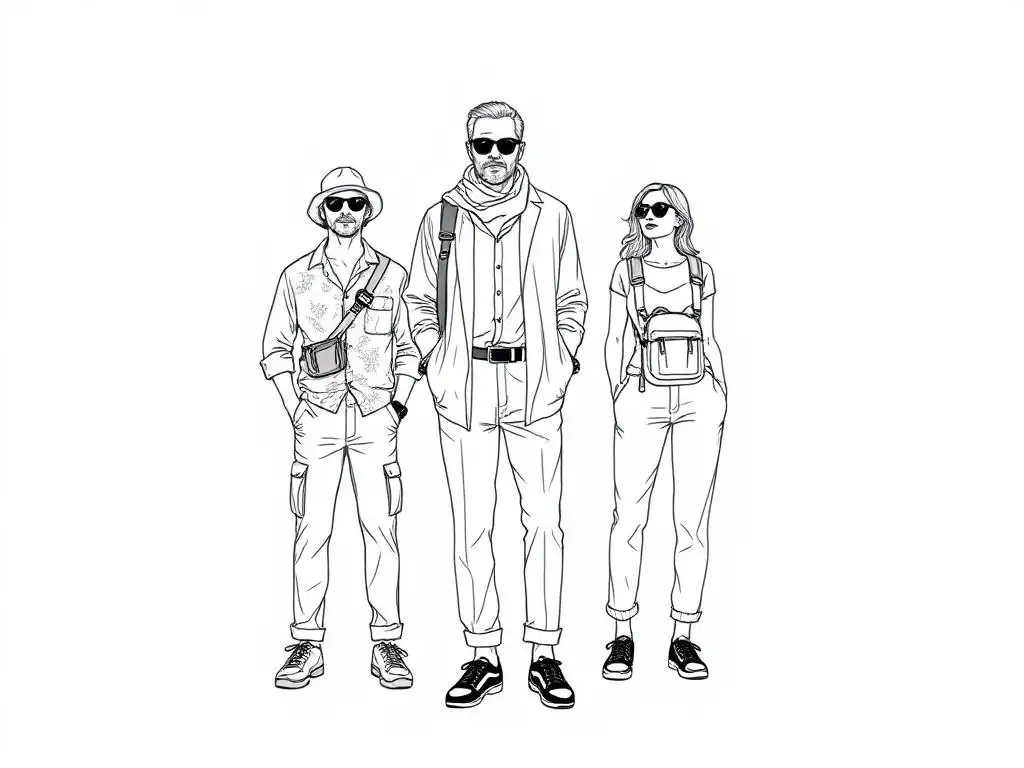
This section dives into practical strategies for achieving authentic travel style, focusing on avoiding common pitfalls that can inadvertently label you as a tourist. Mastering these tips will allow you to blend seamlessly into your surroundings and enhance your travel experience. Remember, the goal is to respect the local culture while expressing your personal style. This isn't about copying exactly; it's about understanding and adapting.
Avoiding Stereotypical Tourist Clothing: Choosing Appropriate Outfits
One of the biggest giveaways of a tourist is wearing clothing clearly associated with tourism. Think bright, logo-heavy t-shirts, overly-branded sportswear, and excessively large backpacks. These scream "tourist" from a mile away. Instead, opt for neutral colors and simple, classic styles. Observe what locals are wearing – are they favoring loose-fitting linen clothing in warm climates? Darker, more layered outfits in colder regions? Mimicking these basic styles provides a great starting point.
Consider the fabric too. Lightweight, breathable fabrics are ideal for warm climates, while wool or cotton blends are better suited for colder destinations. Avoid shiny fabrics which can look out of place in many cultures.
Here's a simple table to illustrate the point:
| Location Type | Tourist Outfit | Local-Inspired Outfit | Reasoning |
|---|---|---|---|
| Tropical Island | Hawaiian shirt, cargo shorts | Linen shirt, lightweight pants | Avoids overly touristy designs, blends in. |
| European City | Baseball cap, branded t-shirt | Simple t-shirt, comfortable jeans | Subdued colors and styles avoid obvious tourist labels. |
| Mountainous Region | Brightly colored fleece jacket | Neutral-colored, layered clothing | More practical and blends better with local attire. |
Remember, a little research goes a long way. Looking at photos of locals in your destination will give you a much better sense of what's appropriate.
Understanding the Importance of Context: Dressing Appropriately for Different Occasions
Just as at home, the appropriate attire varies greatly depending on the occasion. What's acceptable for a casual daytime stroll might be completely inappropriate for a formal dinner or religious site visit. Always be mindful of the context.
For example, visiting a religious site often requires modest clothing – covered shoulders and knees are usually a good rule of thumb. Researching the specific customs of the place you’re visiting is crucial. A quick online search for "[destination] dress code" will yield valuable information.
Conversely, attending a local event or a night out at a restaurant might warrant a slightly more dressed-up look, allowing you to express your personal style more freely while still maintaining a sense of cultural sensitivity. Observe the locals – their clothing choices will offer invaluable insights into the unwritten dress code of the occasion. Remember, when in doubt, err on the side of modesty and respect.
Respecting Religious and Cultural Norms: Dressing Respectfully and Sensitively
Dressing respectfully is paramount when traveling. Showing awareness and sensitivity to local customs demonstrates respect and enhances your experience. This goes beyond avoiding stereotypical tourist attire; it's about understanding the deeper cultural significance of clothing choices.
In some cultures, certain colors or patterns hold specific meanings, while others have strict rules about modesty, especially for women. Researching these nuances beforehand is vital. Failing to do so can be seen as disrespectful and even offensive. For example, certain colors might be associated with mourning in some cultures, while revealing clothing might be considered inappropriate in others.
Remember, your clothing choices are a form of communication. By choosing attire that respects local customs, you show that you value and appreciate the culture you are visiting. This fosters positive interactions and allows for a more immersive and authentic travel experience. This thoughtful approach to travel style tips contributes to a richer and more meaningful journey. 🎁
Post-Trip Reflection: Enhancing Future Local Style Adventures
This section focuses on leveraging the experience gained from your recent trip to refine your approach to local style for future adventures. Successful integration of local style isn't just about mimicking; it's about understanding and respecting cultural nuances. Post-trip reflection is crucial for optimizing this process. By critically analyzing your successes and challenges, you can significantly improve your ability to authentically blend into your chosen destination.
Analyzing Your Travel Style Successes and Challenges
After returning from your trip, take some time for thoughtful introspection. Create a simple journal entry or digital document to record your observations. Consider these key areas:
- What clothing items worked best? Which pieces seamlessly integrated into the local aesthetic? Did any items feel out of place or draw unwanted attention? Detailing specific examples – a particular scarf, a certain type of shoe, or a specific color palette – will be invaluable for future trips. For example, "The linen pants were perfect for the hot climate in Seville, and blended well with the locals' attire."
- What were the biggest challenges? Did you struggle with packing limitations? Did you find yourself constantly adjusting your clothing due to discomfort or inappropriate attire? Did you feel self-conscious about your appearance? Analyzing these challenges is as important as celebrating successes. For instance, "Packing too many 'statement' pieces hindered my ability to adapt to different situations."
- How did your style affect your interactions? Did your clothing choices facilitate positive interactions with locals? Did you feel more comfortable and approachable? Did your clothing choices inadvertently create a barrier? Consider the impact of your style on your overall travel experience. For instance, "Wearing more modest clothing in certain religious sites led to more respectful interactions with the locals."
- What could you have done differently? Based on your reflection, what adjustments could you make for your next trip to improve your ability to seamlessly integrate into the local style? This is where actionable insights are generated. For example, "I will research the local dress code more thoroughly before my next trip and pack accordingly."
Refining Your Packing Strategies for Future Trips
Packing efficiently and strategically is vital for successfully adopting a local style. Analyze your past packing mistakes to refine your strategy for future trips.
| Item Category | Previous Trip (Success/Failure) | Improvements for Next Trip |
|---|---|---|
| Versatile Clothing Items | Success: Linen pants | Pack more versatile items like linen pants and neutral-colored shirts |
| Shoes | Failure: Too many pairs | Limit to 2-3 pairs of comfortable, versatile shoes |
| Accessories | Success: Local scarf | Research local accessories beforehand and pack accordingly |
| Statement Pieces | Failure: Too many | Minimize statement pieces to avoid standing out |
Consider employing these strategies:
- Create a packing checklist: This will help you avoid overpacking and ensure you have all the necessary items. Include specific items based on your previous experiences and analysis.
- Use packing cubes: These will help you organize your clothes and maximize space in your luggage.
- Roll your clothes: Rolling your clothes instead of folding them will save space and prevent wrinkles.
- Choose lightweight fabrics: Lightweight fabrics will be more comfortable in warm climates and will take up less space in your luggage.
Continuously Learning and Adapting Your Approach to Local Style
Mastering local style is an ongoing process. It’s a journey of continuous learning and adaptation. Here's how to keep improving:
- Engage with Local Culture: Go beyond superficial observations. Immerse yourself in local life, attend local events, and interact with locals to gain a deeper understanding of their style and cultural norms.
- Utilize Online Resources: Explore blogs, articles, and social media platforms dedicated to travel style and specific destinations. Pay attention to details like common color palettes, fabrics, and silhouette preferences.
- Seek Feedback: Don't hesitate to ask locals for their opinions on your clothing choices. Their feedback can be invaluable in helping you refine your style and avoid cultural faux pas. Remember, genuine engagement and respect are key. A simple "Is this outfit appropriate for visiting [location]?" can go a long way.
- Document Your Journey: Maintain a detailed travel journal or digital record of your style successes and challenges. This will serve as a valuable reference point for future trips, allowing you to consistently refine your approach to local style and achieve a more authentic and immersive travel experience. ✈️ This iterative process will ensure that your travel style evolves with each adventure, making every trip a more enriching and culturally sensitive experience.
Frequently Asked Questions
How can I dress like a local without looking like a tourist?
Avoid overtly touristy clothing like bright, logo-heavy shirts. Instead, observe the local style and opt for similar neutral colors and silhouettes. Pay attention to fabrics and accessories commonly worn by locals.
What are some key items to pack for achieving a local-inspired travel style?
Pack versatile neutral-colored clothing such as t-shirts, jeans, or skirts. Include a few statement pieces, like a scarf or jewelry, reflective of the local culture. Comfortable walking shoes are essential.
How do I find inspiration for local style before my trip?
Browse local blogs, Instagram accounts, and Pinterest boards to see what locals wear. Watch street style videos or movies set in your destination. Look at photos of people in the area to get a feel for the common style.
Is it necessary to buy clothing at my destination to achieve a local look?
Not necessarily. You can achieve a local look with clothes you already own; focus on adapting your existing wardrobe to the local style. Purchasing a few key accessories at your destination can enhance the look.
What if I'm uncomfortable with certain local fashion choices?
You don't have to completely mimic local style. The goal is subtle integration, not total transformation. Find elements of local style that you are comfortable with and incorporate them into your existing outfits. Prioritize comfort and confidence.
Final Reflection: Beyond the Tourist Trap: Dressing for Deeper Travel Experiences
The way we dress profoundly impacts how we experience a place, shifting us from mere observers to active participants in the local culture. Ignoring this simple truth means missing out on a richer, more authentic travel experience. It's not just about blending in; it's about fostering genuine connection and deeper understanding.
Observing the subtle nuances of local dress—the fabrics, the silhouettes, the colors—revealed a fascinating tapestry of cultural identity and history. Travel is fatal to prejudice, bigotry, and narrow-mindedness,
wrote Mark Twain, and I believe that extends to our approach to clothing while traveling. By consciously choosing to dress respectfully and thoughtfully, we actively challenge our own preconceived notions and open ourselves to a more empathetic understanding of the communities we visit. This isn't about imitation, but about showing respect and appreciation for the unique beauty of each place.
Now, consider your next trip. Will you pack only what's familiar, or will you embrace the opportunity to explore a new style, to learn from the locals, and to express your respect through your clothing choices? Let the clothes you choose be a testament to your commitment to authentic travel, a visual representation of your journey towards deeper understanding and connection. Embrace the transformative power of dressing like a local; it's more than just a style tip; it's a passport to a richer, more meaningful travel experience.
Unlock Your Inner Traveler: Dress the Part, Own the Experience!
Thank you for joining us on this journey into the art of dressing like a local! We hope you've gained valuable insights into seamlessly blending in and enhancing your travel experience. Now it's time to put your newfound knowledge into practice.
- Embrace the local aesthetic: Select three style elements from those we've discussed that appeal to you and incorporate them into your next travel outfit. This will significantly enhance your immersion in the local culture.
- Share your stylish discoveries!: Post a photo on social media showcasing your "local look"—use the hashtag #UltimateLocalStyle and tag @UltimateLifeHacks (imaginary social media handle).
- Explore a new destination with intention!: Before your next trip, research the local fashion beforehand. Plan outfits specifically tailored to your activities to fully immerse yourself in the local culture.
Ready to transform your next vacation from tourist to traveler? Which local style are you most excited to experience?