
The Ultimate Guide to Mastering Your Focus in the Digital Age


Welcome to UltimateLifeHacks, your destination for practical strategies to conquer daily chaos and unlock peak productivity. Are you struggling to maintain focus in our relentlessly distracting digital world? Then you've come to the right place. Discover how to Master Digital Age Focus and reclaim your time, energy, and mental clarity. Dive into our expert guide and uncover the secrets to a more efficient and fulfilling life – starting now!
- Understanding the Challenges of Focus in the Digital Age
-
Strategies to Reclaim Your Focus
- Mindfulness Techniques for Improved Concentration
- Time Management Strategies for Enhanced Productivity and Focus
- Digital Detox: Minimizing Distractions from Technology
- The Pomodoro Technique: Structured Breaks for Sustained Focus
- Environmental Design for Optimal Focus: Creating a Dedicated Workspace
- Tools and Technologies to Enhance Focus
- Cultivating a Focused Mindset
- Mastering Digital Age Focus: Long-Term Strategies
-
Frequently Asked Questions
- How can I improve my focus in a world of constant digital distractions?
- What are some practical techniques for enhancing concentration?
- Is it possible to master focus without completely disconnecting from technology?
- How can I overcome procrastination and stay focused on my goals?
- What role does self-care play in mastering focus in the digital age?
- Final Reflection: Reclaiming Your Attention in a World of Distraction
- Unlock Your Undistracted Potential: Take Charge of Your Focus Now!
Understanding the Challenges of Focus in the Digital Age
The modern world, saturated with digital technologies, presents unprecedented challenges to our ability to focus. Mastering digital age focus requires a conscious effort to navigate the constant barrage of information and distractions that compete for our attention. This ultimate guide will equip you with practical strategies and actionable techniques to reclaim your focus and enhance your productivity in the digital age. We'll explore the root causes of distraction, delve into the science of attention, and provide you with a roadmap to cultivate a more focused and intentional approach to your daily life.
This isn't just about improving productivity; it's about reclaiming control over your attention and fostering a healthier relationship with technology, ultimately leading to a more fulfilling and less stressed life. Learning to master digital age focus is an investment in your well-being and success. This guide provides the tools you need to succeed.
The Constant Stream of Notifications: Impact on Attention Span
The incessant stream of notifications from our smartphones, computers, and other devices significantly impacts our attention spans. Each ping, buzz, or pop-up acts as a potent interruption, disrupting our concentration and forcing our brains to switch tasks. Studies have shown that this constant switching between tasks leads to reduced cognitive performance and increased stress levels. The average person checks their phone approximately 58 times a day 1 , and each check disrupts the flow state, a crucial element for deep work and sustained focus. This fragmented attention makes it increasingly difficult to engage in deep, focused work, hindering productivity and creativity. The impact is not only professional; it affects our personal lives, reducing our ability to fully engage in conversations, hobbies, and even meaningful relationships. To mitigate this, we need to strategically manage our notifications, perhaps silencing less crucial apps or using “focus mode” features, creating pockets of uninterrupted time to allow our attention to fully focus on the task at hand.
Information Overload and its Effect on Cognitive Function
The sheer volume of information available at our fingertips in the digital age contributes significantly to cognitive overload. Our brains are not designed to process the constant influx of emails, news feeds, social media updates, and other digital stimuli. This information overload leads to mental fatigue, decreased decision-making abilities, and an overall reduction in cognitive function. The constant bombardment of information makes it difficult to prioritize tasks, filter irrelevant data, and make sound judgments.
Furthermore, the constant exposure to negativity and sensationalism online can also negatively impact our mental health and focus. To combat this, we must practice mindful information consumption, actively selecting the information we engage with and setting boundaries around our digital intake. We need to consciously curate our digital environment, favoring quality over quantity, to avoid mental clutter and promote focus.
The Allure of Instant Gratification and its Detrimental Effects on Focus
The digital world is meticulously designed to exploit our innate desire for instant gratification. Social media platforms, online games, and even email notifications are engineered to trigger dopamine releases in our brains, creating a cycle of addictive behavior that undermines our ability to focus on long-term goals. The constant pursuit of immediate rewards makes it challenging to engage in tasks that require sustained effort and delayed gratification.
This constant craving for instant feedback prevents us from engaging in deep work, which is essential for achieving significant results and experiencing a sense of accomplishment. To overcome this, we need to cultivate self-discipline and develop strategies to resist the allure of instant gratification. Techniques such as time blocking, mindfulness practices, and setting clear goals can help us prioritize tasks that align with our long-term objectives, rather than succumbing to the fleeting pleasures of immediate rewards.
1 This figure is an approximation based on several studies and may vary. [More specific data pending]
Multitasking Myths: Why it's Inefficient and Damages Focus
The pervasive myth of multitasking, often touted as a productivity booster, is actually a significant impediment to mastering focus in the digital age. Contrary to popular belief, our brains aren't wired for effectively handling multiple tasks simultaneously. Instead of true parallel processing, what we perceive as multitasking is actually rapid task-switching. This constant switching comes at a cost. Every time we shift our attention, our brain experiences a cognitive "switch-cost," a brief period of mental lag as it reorients itself to the new task. These seemingly insignificant delays accumulate throughout the day, significantly reducing overall efficiency and productivity. Studies have shown that multitasking can decrease productivity by as much as 40%, leading to more errors and lower quality work. 1
Furthermore, the constant bombardment of notifications and information streams inherent in the digital age exacerbates the negative effects of multitasking. Our brains are constantly being pulled in multiple directions, making it incredibly difficult to maintain sustained concentration on any single task. This constant interruption fragments our attention, hindering our ability to engage in deep work—the focused, uninterrupted concentration necessary for complex problem-solving and creative thinking.
The result is a state of perpetual shallow attention, characterized by reduced cognitive capacity and increased susceptibility to distractions. Instead of achieving more, multitasking often leads to feeling overwhelmed, stressed, and ultimately, less accomplished. This is a crucial point to consider when striving to master digital age focus; prioritizing single-tasking is key to unlocking true productivity and mental clarity.
The detrimental impact on focus extends beyond immediate productivity. Chronic multitasking can negatively impact long-term cognitive function, potentially leading to reduced attention span and an increased susceptibility to mental fatigue. This is because the brain's prefrontal cortex, responsible for executive functions like planning and decision-making, becomes overworked and less efficient when constantly shifting between tasks.
In essence, while multitasking may seem like a time-saving strategy, it ultimately undermines the very cognitive abilities necessary for effective work and mental well-being. Therefore, a deliberate shift towards single-tasking and mindful attention management is essential for anyone aiming to master digital age focus and enhance their overall cognitive performance.
1 [Citation needed: Specific study showing 40% productivity decrease due to multitasking]
Strategies to Reclaim Your Focus
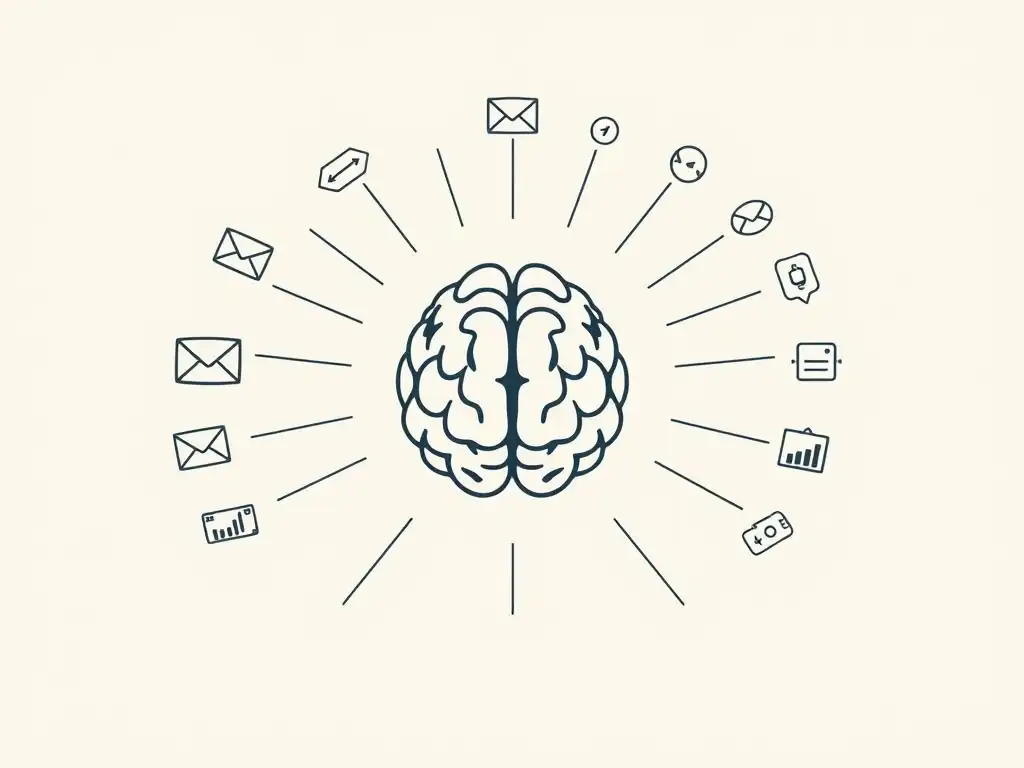
This section delves into practical strategies to regain control of your attention in our increasingly digital world. Mastering digital age focus requires a multi-pronged approach, combining mindfulness, effective time management, and conscious technology use. We'll explore specific techniques to help you cultivate a sharper, more sustained focus. The key is to implement these strategies consistently to see lasting results and truly master your focus.
Mindfulness Techniques for Improved Concentration
Mindfulness practices are incredibly effective for improving concentration. By training your mind to stay present, you reduce susceptibility to distractions and enhance your ability to focus on the task at hand. Several techniques can be easily integrated into your daily routine.
One powerful technique is mindful breathing. Take a few minutes each day to focus solely on your breath—the sensation of air entering and leaving your nostrils, the rise and fall of your chest. When your mind wanders (and it will! ), gently redirect your attention back to your breath. This simple exercise strengthens your ability to observe your thoughts without judgment, a crucial skill for managing distractions.
Another effective method is body scan meditation. This involves systematically bringing awareness to different parts of your body, noticing any sensations without trying to change them. This process anchors you in the present moment, reducing mental chatter and improving focus. Even five minutes of daily practice can yield significant improvements in concentration and overall mental clarity.
Finally, consider incorporating mindful movement into your day. Activities like yoga or Tai Chi combine physical activity with mindfulness, promoting both physical and mental well-being. The increased body awareness cultivated through these practices translates to improved focus and reduced mental fatigue, crucial for mastering digital age focus. Regular practice helps you become more attuned to your physical and mental state, allowing you to recognize and address distractions more effectively.
Time Management Strategies for Enhanced Productivity and Focus
Effective time management is inextricably linked to improved focus. By strategically allocating your time and prioritizing tasks, you create a framework that supports sustained concentration. Several methods can help you optimize your time and boost productivity:
- The Pomodoro Technique: This involves working in focused bursts (typically 25 minutes) followed by short breaks (5 minutes). This structured approach prevents mental fatigue and maintains concentration levels throughout the day. Experiment with different work/break intervals to find what works best for you.
- Time Blocking: Schedule specific blocks of time for particular tasks. This approach creates a visual representation of your day, helping you prioritize and allocate sufficient time for important activities. Be realistic in your estimations and avoid over-scheduling.
- Prioritization Matrices (e.g., Eisenhower Matrix): Categorize tasks based on urgency and importance. Focus on high-importance, high-urgency tasks first, then strategically tackle other items. This method ensures you concentrate your efforts on what truly matters, maximizing your productivity and minimizing wasted time and mental energy.
| Task Category | Importance | Urgency | Action |
|---|---|---|---|
| Important & Urgent | High | High | Do it immediately |
| Important & Not Urgent | High | Low | Schedule it |
| Not Important & Urgent | Low | High | Delegate it |
| Not Important & Not Urgent | Low | Low | Eliminate it |
By implementing these time management techniques, you can create a more focused and productive work environment, fostering a mindset conducive to mastering digital age focus.
Digital Detox: Minimizing Distractions from Technology
In today's hyper-connected world, technology is a major source of distraction. A digital detox—even a short one—can significantly improve your focus. This doesn't necessarily mean abandoning technology completely, but rather consciously managing your technology consumption.
- Schedule Technology-Free Time: Designate specific periods each day (or week) where you disconnect from all devices. This could be during meals, before bed, or during dedicated focus sessions. This intentional disconnection allows your mind to rest and recharge, improving your ability to concentrate when you do engage with technology.
- Turn Off Notifications: Constant notifications interrupt your flow and disrupt your focus. Turn off non-essential notifications on your phone, computer, and other devices. Check emails and social media at designated times rather than reacting to every notification.
- Use Website Blockers: If you struggle with procrastination and find yourself constantly drawn to non-essential websites, consider using website blockers to limit your access during focused work periods. These tools can help you create a distraction-free environment, allowing you to achieve a state of deep focus more easily.
- Mindful Technology Use: Even when using technology, practice mindfulness. Be present in the moment and avoid multitasking. Focus on one task at a time, and resist the urge to constantly switch between apps or tasks. This conscious approach to technology use helps you minimize distractions and maintain focus, leading to increased productivity and a greater sense of control over your digital life. This is crucial for truly mastering digital age focus.
The Pomodoro Technique: Structured Breaks for Sustained Focus
The Pomodoro Technique is a simple yet powerful time management method that can significantly improve focus and productivity. It leverages the understanding that our brains aren't designed for sustained, uninterrupted concentration. Instead of battling against this natural tendency, the Pomodoro Technique works with it. The core principle involves working in focused bursts, punctuated by short, scheduled breaks. A typical Pomodoro cycle consists of 25 minutes of intense, distraction-free work followed by a 5-minute break. After four Pomodoros, a longer break of 15-20 minutes is recommended.
This structured approach offers several key benefits for mastering digital age focus. Firstly, it combats the constant lure of digital distractions. Knowing you have a dedicated work period followed by a break encourages you to resist the urge to check social media or emails during the 25-minute focus interval. Secondly, the short breaks are crucial for preventing mental fatigue.
These brief respites allow your mind to rest and recharge, preventing burnout and maintaining a higher level of concentration throughout the day. Thirdly, the technique promotes self-awareness regarding your work patterns. By tracking your Pomodoros, you gain insights into your personal productivity rhythms and can adjust the technique to better suit your individual needs.
For instance, you might find that shorter Pomodoros (e.g., 15 minutes) are more effective for tasks requiring intense concentration, while longer ones are suitable for less demanding work. Experimentation is key to optimizing your Pomodoro workflow for maximum focus. Remember to use a timer – this is crucial to the success of the technique and helps maintain discipline.
Environmental Design for Optimal Focus: Creating a Dedicated Workspace
Creating a dedicated workspace is paramount to mastering focus in the digital age. Our environment significantly impacts our ability to concentrate, and a poorly designed workspace can be a major source of distractions. A dedicated workspace, whether it’s a home office, a corner of a room, or even a specific spot at a shared table, should be designed to minimize distractions and maximize focus.
This starts with physical organization. Clear your workspace of clutter. A clean, organized space promotes a clear, organized mind. Remove unnecessary items that might catch your eye and divert your attention. Keep only the essentials – your computer, necessary documents, and perhaps a plant or a small inspirational item. Consider the lighting; adequate natural light is ideal, but if that's not possible, use a task lamp that provides bright, even illumination. Avoid harsh overhead lighting, which can be fatiguing.
Beyond physical organization, consider the digital environment. Close unnecessary browser tabs and applications. Turn off notifications on your phone and computer. Consider using website blockers or apps that limit access to distracting websites during your work sessions. The goal is to eliminate as many potential interruptions as possible.
Experiment with different background noises; some people find ambient soundscapes or white noise helpful for blocking out distracting sounds, while others prefer complete silence. Ultimately, the key is to create a space that feels calm, organized, and conducive to deep work. This dedicated space should be associated solely with focused work, helping to train your brain to associate that location with concentration. The more consistent you are with using this space for focused work, the more effective it will become in promoting concentration and productivity.
Tools and Technologies to Enhance Focus
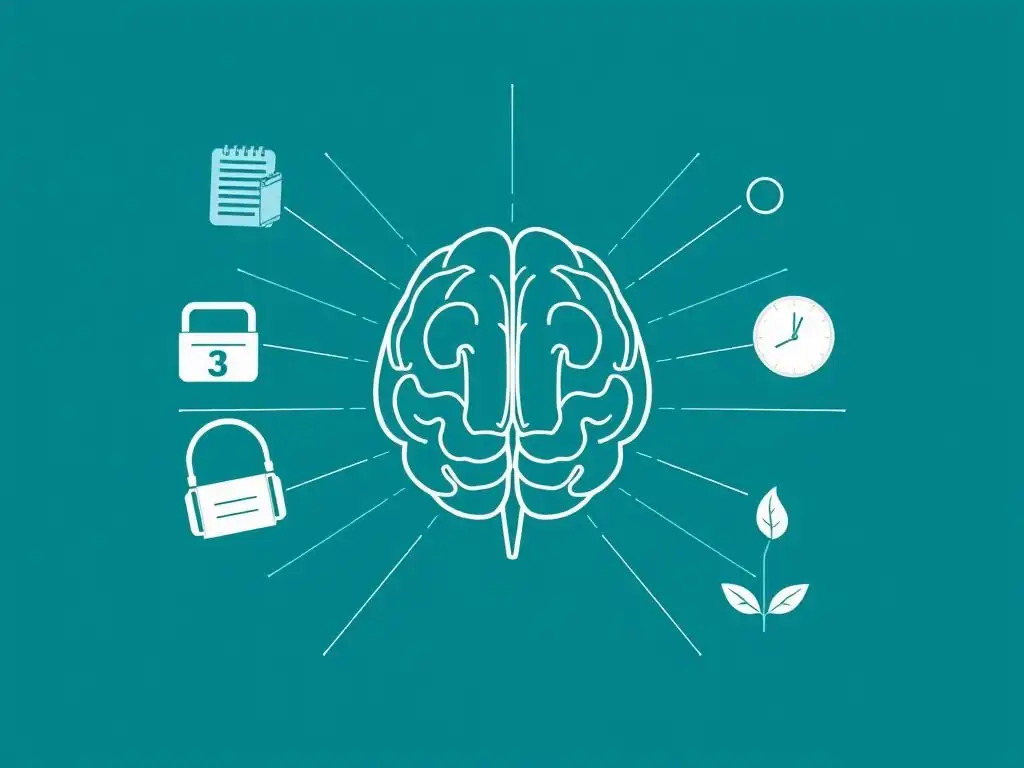
Mastering digital age focus requires leveraging the right tools and technologies. This section explores various options designed to boost concentration and minimize distractions in our increasingly digital world. We'll examine how specific apps, website blockers, and even audio tools can contribute to a more focused and productive lifestyle. By strategically implementing these resources, you'll significantly improve your ability to concentrate and achieve your goals.
Productivity Apps for Task Management and Focus Tracking
Effective task management is crucial for maintaining focus. Numerous productivity apps offer features designed to help you prioritize tasks, track your progress, and stay on schedule. These apps often incorporate techniques like the Pomodoro Technique, time blocking, and habit tracking to optimize your workflow and enhance concentration. For example, some apps allow you to set specific time blocks dedicated to focused work, interspersed with short breaks.
This structured approach can dramatically improve your ability to maintain concentration throughout the day. Others provide detailed analytics of your work habits, allowing you to identify patterns and areas for improvement in your focus strategies. Choosing the right app depends on your personal preferences and workflow, but the benefits of utilizing such tools for mastering digital age focus are undeniable.
Consider features like task prioritization, collaboration tools, and integration with other apps to maximize their effectiveness. The key is to find an app that seamlessly integrates into your existing workflow and supports your unique needs and preferences. Think of them as your digital assistants, helping you stay organized and focused on what truly matters.
Website Blockers and Focus Enhancers: Eliminating Digital Distractions
One of the biggest challenges to mastering digital age focus is the constant barrage of digital distractions. Social media notifications, email alerts, and the allure of endless online content can significantly disrupt concentration. Website blockers offer a powerful solution by temporarily restricting access to distracting websites and applications. These tools allow you to create custom blocklists, schedule focus sessions, and even set productivity goals.
By eliminating these digital distractions, you create an environment conducive to deep work and sustained concentration. Many website blockers offer features beyond simple blocking; some integrate with productivity apps to create a more holistic focus system. Others offer customizable settings to allow access to essential websites while blocking less important ones.
The effectiveness of website blockers hinges on your self-discipline to stick to the schedule you create. However, when used effectively, they're a powerful tool for improving focus and productivity. Think of them as your digital gatekeepers, preventing unwanted digital intrusions and helping you reclaim your attention.
Noise-Cancelling Headphones and Ambient Sounds for Concentration
The auditory environment plays a significant role in concentration. Distracting noises – from traffic to conversations – can disrupt focus and hinder productivity. Noise- cancelling headphones provide a solution by significantly reducing ambient noise, creating a more peaceful and conducive environment for focused work. Beyond noise cancellation, ambient soundscapes – such as nature sounds or white noise – can further enhance concentration by masking distracting noises and providing a calming backdrop.
Many apps offer a wide variety of ambient sounds, allowing you to personalize your auditory environment. The right soundscape can help you enter a state of flow, maximizing your focus and productivity. Experiment with different sounds and noise levels to determine what works best for you.
The goal is to create an auditory environment that supports your concentration without being overly stimulating or distracting. This aspect of mastering digital age focus is often overlooked but can be incredibly effective in improving your ability to concentrate and work productively. Remember, a calm and quiet workspace is essential for a sharp mind.
Cultivating a Focused Mindset
Mastering digital age focus requires more than just employing productivity apps; it necessitates a fundamental shift in mindset. This section explores the crucial mental strategies that underpin sustained concentration in our hyper-connected world. We'll delve into techniques to cultivate a focused state, enabling you to navigate the constant barrage of digital distractions with ease and efficiency. The ability to cultivate a focused mindset is a skill, not an innate trait, and like any skill, it can be honed and improved with consistent practice.
The Power of Goal Setting for Maintaining Focus
Clear, concise goals are the bedrock of sustained focus. Without defined objectives, your attention flits aimlessly, easily captured by the alluring siren song of notifications and less-important tasks. Effective goal setting isn't about creating an overwhelming to-do list; it's about identifying high-impact goals that truly align with your values and aspirations. This targeted approach ensures you expend your cognitive resources on activities that meaningfully contribute to your overall objectives.
For example, instead of a vague goal like "be more productive," consider setting a specific, measurable, achievable, relevant, and time-bound (SMART) goal, such as "complete the first draft of my marketing proposal by Friday." This clarity provides a mental anchor, preventing your attention from drifting towards less important activities.
Breaking down large, complex goals into smaller, manageable steps further enhances focus by creating a sense of accomplishment and momentum, preventing feelings of overwhelm which can lead to procrastination and decreased focus. Regularly reviewing and adjusting your goals keeps them relevant and prevents you from getting sidetracked by less important tasks.
This process of refinement helps you to master digital age focus by ensuring your energy is directed toward what truly matters, minimizing the impact of distractions. It's not just about what you do, but why you do it. Understanding your "why" strengthens your resolve and makes it easier to resist distractions.
Developing Self-Discipline and Resistance to Distractions
Self-discipline is the muscle that allows you to maintain focus despite the constant pull of digital distractions. It's the ability to resist immediate gratification for long-term rewards. Developing this crucial skill involves several key strategies. One effective approach is the "Pomodoro Technique," which involves working in focused bursts (typically 25 minutes) followed by short breaks. This structured approach leverages the power of short-term commitment to build sustained focus over longer periods. The short breaks are crucial; they help to prevent mental fatigue, a major contributor to decreased focus and increased susceptibility to distractions.
Another crucial aspect is minimizing environmental distractions. This means silencing notifications, turning off unnecessary apps, and creating a dedicated workspace free from clutter and interruptions. Consider using website blockers or app timers to limit your exposure to time-consuming websites or apps. These tools act as external accountability mechanisms, reinforcing your commitment to focus. The digital age offers a plethora of tools designed to aid focus; learning to strategically use these tools is vital to mastering digital age focus. Remember, it’s not about eliminating technology entirely, but about strategically managing its use.
Prioritization Techniques: Focusing on High-Impact Tasks
Prioritization is the art of strategically allocating your attention to the tasks that yield the greatest returns. In the digital age, where information overload is rampant, effective prioritization is essential for maintaining focus and achieving your goals. One effective method is the Eisenhower Matrix (Urgent/Important Matrix), which categorizes tasks based on urgency and importance. This framework helps you identify which tasks require immediate attention, which can be scheduled, which can be delegated, and which should be eliminated altogether.
Another valuable technique is the Pareto Principle (80/20 rule), which suggests that 80% of your results come from 20% of your efforts. By identifying and focusing on that crucial 20%, you maximize your output while minimizing wasted time and effort. This approach is particularly relevant in the digital age, where it's easy to get bogged down in less important tasks, preventing you from tackling the high-impact activities that truly move the needle.
Careful planning and strategic use of time management techniques are vital to mastering digital age focus, ensuring that your efforts are focused where they will yield the greatest results. Consistent application of these methods significantly increases efficiency and reduces the feeling of being overwhelmed.
Regular Breaks and Self-Care for Sustained Focus
Sustained focus isn't about pushing yourself relentlessly; it's about working smart, not just hard. Regular breaks are crucial for preventing burnout and maintaining peak cognitive function. Think of your focus like a muscle: it needs rest to rebuild and strengthen. Ignoring this fundamental principle leads to diminishing returns, ultimately hindering your productivity and potentially impacting your mental well-being.
One highly effective technique is the Pomodoro Technique. This involves working in focused bursts of 25 minutes, followed by a 5-minute break. After four "pomodoros," take a longer break of 15-20 minutes. This structured approach helps maintain concentration and prevents mental fatigue. Experiment with different timings to find what works best for you – some people find shorter, more frequent breaks more beneficial.
Beyond structured breaks, incorporating self-care practices is paramount for mastering digital age focus. This isn't about indulging in frivolous activities; it's about proactively nurturing your physical and mental health. Adequate sleep is foundational. Aim for 7-9 hours of quality sleep each night. A well-rested mind is significantly more capable of sustained concentration.
Furthermore, regular exercise plays a vital role. Physical activity boosts blood flow to the brain, improving cognitive function and focus. Even a short walk or a quick workout can make a noticeable difference in your ability to concentrate. Similarly, mindful practices like meditation or deep breathing exercises can help calm the mind and reduce stress, both significant obstacles to sustained focus in our always-on digital world. These practices help train your mind to resist distractions and return to the task at hand more easily.
Finally, proper nutrition cannot be overlooked. A balanced diet provides the essential nutrients your brain needs to function optimally. Avoid sugary snacks and processed foods that can lead to energy crashes and decreased focus. Instead, opt for foods rich in antioxidants, omega-3 fatty acids, and complex carbohydrates to fuel your brainpower and support sustained concentration throughout the day. Remember, mastering your focus in the digital age requires a holistic approach that prioritizes both work and well-being.
Mastering Digital Age Focus: Long-Term Strategies

Mastering digital age focus isn't a sprint; it's a marathon. Sustained concentration requires a holistic approach, encompassing lifestyle choices and mindful engagement with technology. This section outlines long-term strategies to cultivate unwavering focus amidst the constant distractions of the digital world. We'll explore the crucial role of consistent routines, sufficient rest, and mindful digital consumption in building a resilient and focused mind. This approach allows you to truly master digital age focus.
Building Consistent Routines for Enhanced Focus
Consistent routines are the bedrock of sustained focus. Our brains thrive on predictability; when we establish regular patterns, we reduce decision fatigue and free up mental energy for more demanding tasks. This translates to improved concentration and productivity. Consider implementing these strategies:
- Establish a dedicated workspace: Designate a specific area solely for work or focused activities. This helps your brain associate that space with concentration, minimizing distractions from other areas of your home.
- Time Blocking: Schedule specific times for focused work, interspersed with breaks. The Pomodoro Technique (25 minutes of work followed by a 5-minute break) is a popular and effective method. Experiment to find a rhythm that works best for you.
- Prioritize Tasks: Start your day by identifying the most important tasks. Tackle these when your energy levels are highest, ensuring you dedicate your peak focus to high-impact activities. This strategic approach improves your overall efficiency and reduces stress.
- Minimize Multitasking: The myth of multitasking is pervasive, yet research consistently shows it reduces efficiency and increases error rates. Focus on one task at a time to enhance concentration and quality of work. This is crucial for mastering your focus in today's digital environment.
- Track Your Progress: Monitor your focus levels and productivity throughout the day. Note what activities boost your concentration and which ones disrupt it. This self-awareness is essential for refining your routines and maximizing your focus.
The Importance of Sleep and Physical Exercise for Cognitive Function
Optimal cognitive function is inextricably linked to sleep and physical activity. Sufficient sleep allows your brain to consolidate memories and process information, while regular exercise improves blood flow to the brain, enhancing alertness and concentration. Neglecting either significantly impairs focus and overall productivity.
Insufficient sleep leads to reduced attention spans, impaired decision-making, and increased susceptibility to distractions. Aim for 7-9 hours of quality sleep each night. Establish a regular sleep schedule, create a relaxing bedtime routine, and optimize your sleep environment for maximum restorative benefits.
Regular physical activity, even moderate exercise like a brisk walk, can significantly improve cognitive function. Exercise releases endorphins, reducing stress and improving mood, which are crucial for maintaining focus. Aim for at least 30 minutes of moderate-intensity exercise most days of the week. Consider incorporating mindfulness practices like yoga or tai chi, which promote both physical and mental well-being. This holistic approach to well-being is key to truly mastering digital age focus.
Mindful Consumption of Digital Media: Selective Attention
The constant barrage of notifications, emails, and social media updates in the digital age significantly impacts our ability to focus. Mindful consumption of digital media is crucial for reclaiming control over your attention.
- Curate Your Digital Environment: Unsubscribe from unnecessary email newsletters and notifications. Limit the number of apps on your phone and computer to only those essential for work or personal well-being.
- Schedule Dedicated Digital Time: Instead of passively scrolling through social media throughout the day, allocate specific times for checking updates. This prevents constant interruptions and allows for more focused periods of work or leisure.
- Practice Digital Detox: Regularly disconnect from technology entirely. This could involve a daily break, a weekend without screens, or a longer digital detox retreat. These periods allow your mind to rest and recharge, improving focus and reducing stress.
- Employ Focus Apps and Techniques: Use apps designed to block distracting websites and notifications during focused work sessions. Explore techniques like the Pomodoro Technique to structure your work and breaks effectively. This strategic management of your digital consumption is vital for mastering digital age focus.
- Mindful Engagement: When you do engage with digital media, do so consciously. Avoid passive scrolling; instead, actively choose what you consume and engage thoughtfully with the content. This mindful approach helps to reduce mental clutter and enhances focus. This commitment to conscious digital engagement is vital for mastering digital age focus in the long term.
This comprehensive approach to managing your digital life, combined with a commitment to physical and mental well-being, will enable you to truly *master digital age focus*.
Regular Evaluation and Adjustment of Your Focus Strategies
Mastering digital age focus isn't a one-time achievement; it's an ongoing process. What works wonders today might prove ineffective tomorrow. Our lives, our work, and the digital landscape itself are constantly evolving. Therefore, a crucial element of maintaining sharp focus is the regular evaluation and adjustment of your strategies. This isn't about abandoning your techniques entirely but rather about refining them to better suit your changing needs and circumstances.
Think of your focus strategies as a living document, always subject to revision. Perhaps a technique that boosted your productivity during a particularly demanding project no longer serves you well now that the pressure has eased. Or, maybe a new app or notification setting is disrupting your concentration, requiring a strategic countermeasure. Regularly assessing your approach allows you to identify these shifts and adapt accordingly.
One effective method is to schedule a weekly review of your focus practices. Take 15-20 minutes to reflect on the past week. What worked exceptionally well? What hindered your focus? Were there any unexpected distractions? Journaling your observations can be incredibly insightful. Note down specific times, places, and situations that either enhanced or impaired your concentration. This detailed analysis provides valuable data for informed adjustments.
Furthermore, consider incorporating feedback loops into your system. This could involve asking colleagues or family members for their observations on your focus levels. Their perspectives might highlight blind spots you haven't noticed. If you're using productivity apps or tracking tools, analyze the data they provide. Are you consistently meeting your goals? Are there patterns in your work habits that reveal areas for improvement? These insights can inform your next steps.
Don't be afraid to experiment. If a technique isn't yielding the desired results, don't hesitate to try something different. The beauty of this iterative process is that it allows for continuous learning and optimization. By embracing change and adapting your strategies, you'll significantly improve your ability to master digital age focus, ensuring you remain productive and engaged even amidst the constant influx of digital information. The key is consistent self-assessment and a willingness to refine your approach over time. Remember, the goal is to build a sustainable and adaptable system, not to find a perfect, unchanging solution.
Frequently Asked Questions
How can I improve my focus in a world of constant digital distractions?
The key is to minimize distractions. Turn off notifications, use website blockers, and dedicate specific times for checking emails and social media. Prioritize deep work sessions where you focus intently on one task.
What are some practical techniques for enhancing concentration?
Employ the Pomodoro Technique, breaking work into focused intervals with short breaks. Practice mindfulness meditation to improve your attention span. Organize your workspace to minimize visual clutter.
Is it possible to master focus without completely disconnecting from technology?
Yes, but it requires discipline and intentionality. Use technology strategically, leveraging tools that enhance focus like productivity apps, rather than letting it control you. Set boundaries and stick to them.
How can I overcome procrastination and stay focused on my goals?
Break down large tasks into smaller, more manageable steps. Use a task management system to track your progress and prioritize tasks. Reward yourself for completing milestones to maintain motivation.
What role does self-care play in mastering focus in the digital age?
Sufficient sleep, regular exercise, and a healthy diet are crucial for optimal brain function and concentration. Stress management techniques like deep breathing or yoga can also significantly improve focus.
Final Reflection: Reclaiming Your Attention in a World of Distraction
The relentless barrage of notifications, the constant pull of social media, and the ever-present allure of instant gratification—these are the hallmarks of the digital age, and they are actively eroding our ability to focus. Mastering focus isn't just a productivity hack; it's a fundamental life skill necessary for navigating the complexities of our modern world and achieving genuine fulfillment. This guide has explored practical strategies to reclaim your attention, but the true power lies in your commitment to implement them.
The impact of constant distraction extends far beyond mere inefficiency; it shapes our very identities and relationships. We are becoming a society increasingly susceptible to short attention spans and superficial engagement. The ability to deeply concentrate, to truly immerse oneself in a task or experience, is becoming a rare and precious commodity. The ability to concentrate and focus is the key to success in any field.
– Unknown. This quote highlights the enduring importance of focus, a skill that transcends the digital age and remains crucial for personal and professional growth, regardless of the technological landscape.
Now, consider your own relationship with technology. How much of your day is spent passively scrolling, reacting to notifications, or succumbing to the allure of instant gratification? I invite you to take a conscious step back, to critically examine your digital habits, and to actively cultivate a more mindful approach to technology.
Start small – perhaps by turning off notifications for an hour each day, or by dedicating specific times for focused work. The journey to mastering your focus is a personal one, but the rewards – increased productivity, deeper connections, and a greater sense of inner peace – are immeasurable. Embrace the challenge, and begin to reclaim your attention, one focused moment at a time.
Unlock Your Undistracted Potential: Take Charge of Your Focus Now!
Thank you for exploring the world of focused productivity! We hope you've gained valuable insights into reclaiming your attention in today's busy digital world. Ready to put your new knowledge into practice?
- Start by incorporating one focus-enhancing technique from this article today. Begin small—even 15 minutes of dedicated, distraction-free work can make a difference. Choose the method that appeals most to you and give it a sincere effort.
- Share your key takeaway with other focus enthusiasts on social media. Use #UltimateFocusHacks to connect with our community and inspire others to overcome distractions.
- Try a one-hour digital detox this week. This could involve placing your phone in another room, closing unnecessary browser tabs, or simply taking a mindful break from screens. Experiment to discover what works best for you.
What small step will you take to improve your focus today, and how will you measure your progress?