
UltimateLifeHacks: Intriguing Ways to Use Technology Intentionally, Not Habitually


Welcome to UltimateLifeHacks, your destination for practical strategies to conquer daily chaos and unlock peak productivity. Are you ready to reclaim your time and energy? We're diving deep into the world of intentional tech use productivity hacks, exploring how mindful technology integration can transform your routines from habitual distractions into powerful tools for achieving your goals. Discover how digital minimalism can be your secret weapon—read on to uncover the surprising ways you can harness technology for you, not against you.
- Reclaiming Your Time: Intentional Tech Use for Productivity
- Practical Strategies for Intentional Tech Use: Productivity Hacks
- Leveraging Technology for Enhanced Focus and Productivity
- Measuring Your Success: Tracking Progress and Refining Your Approach
- Beyond Productivity: Intentional Tech Use for a Balanced Life
-
Frequently Asked Questions
- How can I use technology more intentionally to boost productivity?
- What are some practical ways to minimize tech distractions?
- Can technology help me prioritize tasks more effectively?
- How can I improve my focus while using technology for work?
- Are there any specific apps recommended for intentional tech use?
- Final Reflection: Reclaiming Your Time, Reclaiming Your Life
- Reclaim Your Time: Intentionally Use Tech, Not Just Habit!
Reclaiming Your Time: Intentional Tech Use for Productivity
In today's hyper-connected world, technology is a double-edged sword. While offering incredible opportunities for productivity and connection, its pervasive nature often leads to habitual, mindless usage, draining our time and energy. This article explores the crucial shift from habitual tech use to intentional tech use – a key strategy for reclaiming your time and boosting productivity.
We'll delve into identifying your personal tech time traps, setting clear boundaries, and ultimately, harnessing technology to serve your goals, rather than the other way around. This approach aligns perfectly with the principles of digital minimalism, helping you achieve a healthier relationship with technology and experience a significant boost in your overall well-being and productivity.
Mastering intentional tech use isn't just about reducing screen time; it's about maximizing the positive impact of technology while minimizing its negative effects, ultimately leading to a more fulfilling and productive life. This guide will provide practical strategies and actionable steps to help you implement intentional tech use as a powerful productivity hack.
Understanding the Problem: Habitual Tech Use vs. Intentional Tech Use
The difference between habitual and intentional tech use is profound. Habitual tech use is characterized by mindless scrolling, reactive notifications, and a general lack of awareness regarding how much time is spent online. It's often driven by boredom, anxiety, or a simple need for distraction, leading to a cycle of unproductive behavior. Think of mindlessly scrolling through social media for an hour, only to realize you haven't accomplished anything meaningful. This is a clear example of habitual tech use.
Conversely, intentional tech use involves actively choosing how and when you engage with technology. It's about setting clear goals, allocating specific time blocks for tech-related activities, and prioritizing tasks based on their importance and urgency. For example, instead of passively checking emails throughout the day, you might dedicate 30 minutes in the morning and 30 minutes in the afternoon to respond to emails, ensuring focused attention during those periods and uninterrupted time for other crucial tasks. This mindful approach is the cornerstone of improved productivity and enhanced digital well-being. The key difference lies in conscious decision-making versus reactive behavior.
| Feature | Habitual Tech Use | Intentional Tech Use |
|---|---|---|
| Motivation | Boredom, anxiety, distraction | Goal achievement, productivity, specific tasks |
| Awareness | Low, often unaware of time spent | High, conscious tracking of time and usage |
| Control | Little to no control over usage | Significant control, setting boundaries and limits |
| Outcome | Reduced productivity, increased stress and anxiety | Increased productivity, reduced stress and anxiety |
Identifying Your Tech Time Traps: A Self-Assessment for Better Digital Wellbeing
To effectively transition to intentional tech use, you must first identify your personal tech time traps. These are the specific apps, websites, or activities that consistently consume excessive amounts of your time and energy without providing commensurate value. A simple self-assessment can reveal these hidden time-wasters.
Consider these questions:
- Which apps do you open most frequently?
- Which notifications consistently distract you?
- What are your typical online activities?
- How much time do you spend on each activity daily/weekly?
- How do you feel after using these apps or websites? Energised or drained?
By honestly answering these questions, you can pinpoint the specific areas where you need to implement changes. Tracking your screen time using built-in device features or dedicated apps can provide valuable data to support this self-assessment. Once you've identified your time traps, you can begin to strategize ways to minimize their impact and redirect your focus towards more productive activities. This process is crucial for developing a healthy and balanced relationship with technology.
Setting Boundaries: Defining Your Tech Usage Limits for Enhanced Productivity
Setting clear boundaries is essential for maintaining intentional tech use. This involves defining specific limits on your tech usage, both in terms of time and activity. For example, you might decide to dedicate only one hour each evening to social media, or to completely avoid checking emails after 8 pm. These boundaries should be realistic and tailored to your individual needs and preferences. Remember, the goal is not to eliminate technology entirely, but to manage its use effectively to enhance your productivity and well-being.
Here are some practical strategies for setting boundaries:
- Schedule specific times for checking emails and social media. Avoid checking these platforms throughout the day.
- Turn off non-essential notifications. Silence or disable notifications for apps that aren't crucial for your work or communication.
- Use website blockers or app timers. These tools can help you limit your time on specific websites or apps.
- Designate technology-free zones and times. Create specific areas or times of day where technology is prohibited, such as your bedroom or during mealtimes.
- Prioritize tasks and activities. Focus on the most important tasks first, before allowing yourself time for less crucial activities. This will ensure that you are using your time efficiently and intentionally.
Remember, establishing and maintaining these boundaries requires consistent effort and self-discipline. However, the long-term benefits of increased productivity, reduced stress, and improved well-being far outweigh the initial challenges. By implementing these strategies, you can successfully reclaim your time and harness the power of technology to achieve your goals.
Practical Strategies for Intentional Tech Use: Productivity Hacks

This section delves into actionable strategies to transform your relationship with technology from habitual to intentional, boosting your productivity and overall well-being. We'll explore techniques to regain control over your digital life, focusing on mindful engagement and optimized workflows. The goal is to leverage technology's power intentionally, not simply react to its constant pull. This approach directly addresses the need for "Intentional tech use productivity hacks" in today's hyper-connected world.
The Power of Scheduling: Allocating Specific Times for Tech Engagement
One of the most effective "Intentional tech use productivity hacks" is scheduling dedicated time blocks for specific technological activities. Instead of passively reacting to notifications and emails throughout the day, proactively allocate time slots for checking emails, social media, and other digital tasks. This structured approach prevents technology from hijacking your attention and allows you to engage with it consciously.
For example, you might schedule 30 minutes in the morning to respond to emails and another 30 minutes in the afternoon to check social media. Outside these designated periods, you consciously disconnect, focusing on other tasks. This simple scheduling technique can dramatically reduce distractions and improve focus on high-priority activities. Experiment with different time blocks and schedules to find what works best for your individual rhythm and productivity peak times.
The key is consistency; sticking to your schedule reinforces the habit of intentional tech use. Consider using a digital calendar or a physical planner to visually track and reinforce your schedule. This provides a tangible reminder of your commitment to mindful technology use.
Mindful App Usage: Choosing Apps Strategically and Deleting Unnecessary Ones
Mindful app usage is crucial for intentional tech use. Many individuals unknowingly spend hours daily on apps that offer minimal value or contribute to feelings of overwhelm. A significant "Intentional tech use productivity hacks" strategy involves a thorough app audit. Take stock of all the apps on your phone and computer. Honestly assess their utility. Ask yourself: How often do I use this app? Does it contribute positively to my life and goals? Does it distract me from more important tasks?
Apps that fail this assessment should be deleted. This process might feel daunting initially, but the subsequent clarity and increased focus are invaluable. For apps you choose to retain, consider utilizing app timers or built-in usage tracking features to monitor your engagement. This data-driven approach helps identify time-wasting patterns and facilitates better control over your digital consumption. Remember, less is often more when it comes to app usage; a curated selection of essential apps promotes better focus and reduces digital clutter. This aligns perfectly with the principles of digital minimalism and intentional living.
Batching Similar Tasks: Optimizing Your Workflow with Technology
Batching similar tasks is a powerful productivity technique that synergizes beautifully with intentional tech use. Instead of constantly switching between different digital activities, group related tasks together. For instance, dedicate a specific block of time to responding to emails, then another to working on a project requiring specific software, and finally, to attending to social media interactions. This approach minimizes context switching, a significant drain on cognitive resources and a major productivity killer.
Consider using technology to facilitate batching. Tools like task management apps can help you organize and prioritize tasks, ensuring a smooth workflow. By strategically grouping similar digital activities, you enhance efficiency and minimize distractions. This deliberate approach to technology use contributes to a more focused and productive workday, illustrating the effectiveness of "Intentional tech use productivity hacks" in optimizing your workflow. This structured approach not only improves productivity but also reduces stress and enhances overall digital well-being.
Utilizing Technology for Focus: Blocking Distractions and Boosting Concentration
Intentional tech use is paramount for productivity, and a key aspect of this involves actively managing distractions. Our digital lives are saturated with notifications, emails, and social media updates, all vying for our attention. To reclaim focus and boost concentration, we must strategically employ technology to block these distractions, not succumb to them. This isn't about eliminating technology entirely—it's about harnessing its power to support, not sabotage, our goals.
One highly effective method is utilizing website blockers and app limiters. Many free and paid options exist, allowing you to schedule specific times when access to distracting websites or applications is restricted. For instance, you could block social media during work hours or limit gaming sessions to a pre-determined amount of time each day. This preemptive measure prevents impulsive distractions and keeps you on task. The key is consistency; the more consistently you use these tools, the more effective they become in retraining your brain to resist those immediate gratification impulses.
Beyond website blockers, consider utilizing the built-in focus features on your devices. Many operating systems offer "Do Not Disturb" modes or similar functionalities that can silence notifications and limit interruptions during focused work periods. These features can be particularly helpful during important meetings, writing sessions, or other tasks demanding deep concentration. Experiment with different settings and schedules to find what works best for your workflow and daily rhythm. Remember, the goal is to create a digital environment that supports your concentration, not undermines it.
Furthermore, intentional tech use extends to mindful engagement with your devices. Instead of passively scrolling through social media or mindlessly checking emails throughout the day, schedule specific times for these activities. This approach prevents constant interruptions and allows you to fully engage with the task at hand without the nagging feeling of a missed notification. Treat your digital interactions as intentional appointments, rather than allowing them to hijack your attention at random intervals.
This shift in mindset is crucial for cultivating a healthy relationship with technology and maximizing productivity. By actively controlling your engagement with technology, instead of letting technology control you, you'll find that your focus and concentration levels improve significantly, leading to greater efficiency and overall well-being. This intentional approach to tech use is a cornerstone of achieving optimal productivity and digital wellbeing.
Leveraging Technology for Enhanced Focus and Productivity
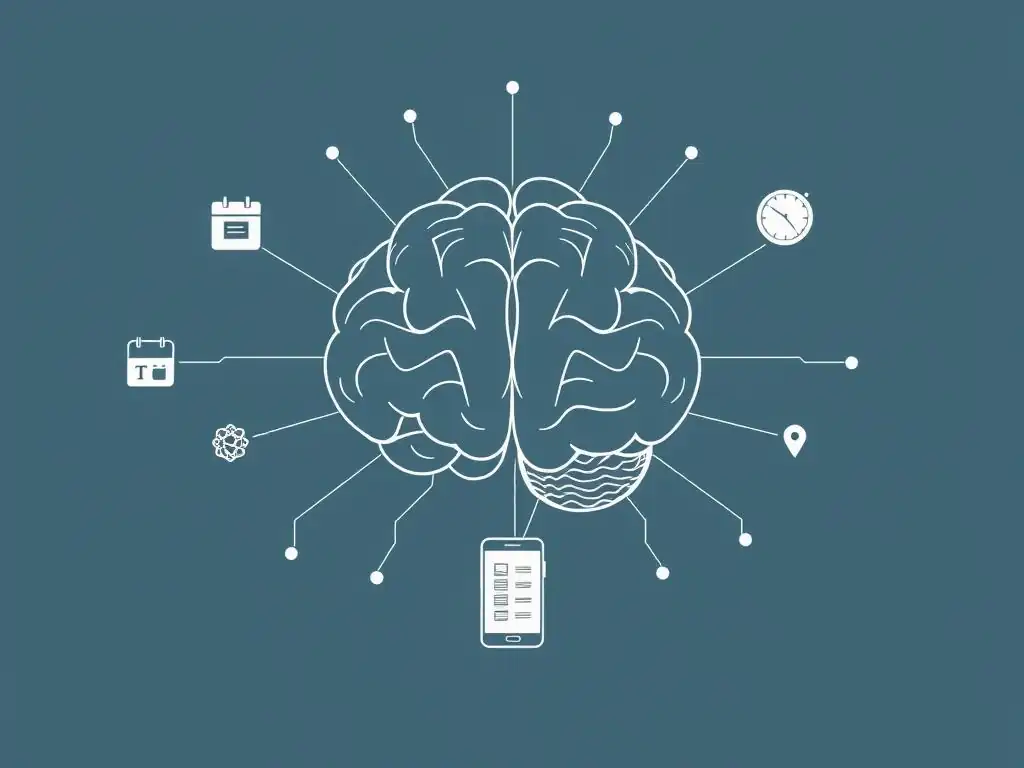
This section explores how to harness technology's power to boost focus and productivity, moving beyond habitual use towards intentional engagement. We'll examine specific techniques and tools to help you achieve a healthier relationship with technology, ultimately leading to increased efficiency and a better work-life balance. The key is to intentionally select and utilize technology, rather than passively allowing it to dictate your day. This mindful approach to tech use is crucial for maximizing its benefits while minimizing its potential drawbacks. This is a core aspect of intentional tech use productivity hacks.
Tech-Enabled Mindfulness Techniques: Integrating Technology for Self-Care
Integrating technology into your mindfulness practice might seem counterintuitive, but several apps and tools can significantly enhance your self-care routine. Instead of passively scrolling through social media, use technology to actively cultivate inner peace and focus. For instance, meditation apps offer guided sessions, progress tracking, and even ambient soundscapes designed to promote relaxation. These apps provide a structured approach to mindfulness, making it easier to incorporate into your daily schedule.
Many offer features like reminders to take breaks and engage in mindfulness exercises, actively combating the negative impacts of prolonged screen time. The intentional use of such apps, focusing on their self-care benefits, shifts the paradigm from passive consumption to active self-improvement. This is a crucial component of "Intentional tech use productivity hacks."
Consider the following examples:
- Guided Meditation Apps: These apps offer a variety of guided meditations tailored to different needs and preferences, from stress reduction to improved sleep. Regular use can significantly improve focus and reduce anxiety.
- Mindfulness and Breathing Exercises: Some apps provide short, guided breathing exercises that can be easily incorporated into your workday, helping to manage stress and enhance concentration. These short breaks can be more effective than longer, unstructured breaks.
- Ambient Soundscapes: Many apps offer curated soundscapes designed to promote relaxation and focus, providing a calming background while you work. This can be particularly beneficial in noisy environments.
The intentional use of these apps can transform technology from a source of distraction into a powerful tool for self-care and improved productivity.
Smart Home Automation for Streamlined Routines: Automating Tasks for Increased Efficiency
Smart home technology offers a powerful pathway towards increased efficiency and reduced mental clutter. By automating repetitive tasks, you free up cognitive resources for more important activities. This isn't about passively letting technology manage your life, but intentionally designing systems that support your goals and values. This is a key element in achieving "Intentional tech use productivity hacks."
Consider these examples:
| Task | Automation Method | Benefit |
|---|---|---|
| Lighting | Smart bulbs, automated schedules | Optimized lighting for different times of day |
| Temperature Control | Smart thermostat | Energy savings and improved comfort |
| Security | Smart locks, security cameras | Increased peace of mind and safety |
| Appliance Control | Smart plugs, appliances | Remote control and energy management |
Intentionally designing these automated systems requires careful planning. It's not simply about buying gadgets; it’s about strategically integrating them to streamline your routines and minimize distractions. For example, automating your morning routine with smart lighting and coffee makers can create a more peaceful and efficient start to your day. This improves not only your efficiency but also your overall well-being.
Utilizing Productivity Apps Intentionally: Selecting and Utilizing the Right Tools
The app market is saturated with productivity tools, but using them intentionally is key. Don't fall into the trap of downloading every new app that promises to boost your productivity. Instead, carefully select tools that align with your specific needs and workflow. Overusing apps can be counterproductive, leading to app overload and decreased focus. "Intentional tech use productivity hacks" hinge on mindful app selection and use.
Here's a strategic approach:
- Identify Your Needs: Before downloading any app, clearly define what you want to achieve. Do you need a task manager, a note-taking app, or a time-tracking tool?
- Research and Compare: Once you've identified your needs, research different apps and compare their features, user interfaces, and pricing. Read reviews and choose an app that suits your style and preferences.
- Minimize App Usage: Avoid accumulating numerous apps for similar tasks. Choose a few high-quality apps and learn to master them. This will minimize distractions and improve your overall efficiency.
- Regularly Review and Refine: Periodically review your app usage and eliminate any that are no longer serving their purpose. This keeps your digital environment clean and efficient.
By intentionally selecting and using productivity apps, you can leverage technology to enhance your focus and achieve your goals, avoiding the pitfalls of excessive app usage. This focused approach is crucial for effective "Intentional tech use productivity hacks."
Measuring Your Success: Tracking Progress and Refining Your Approach
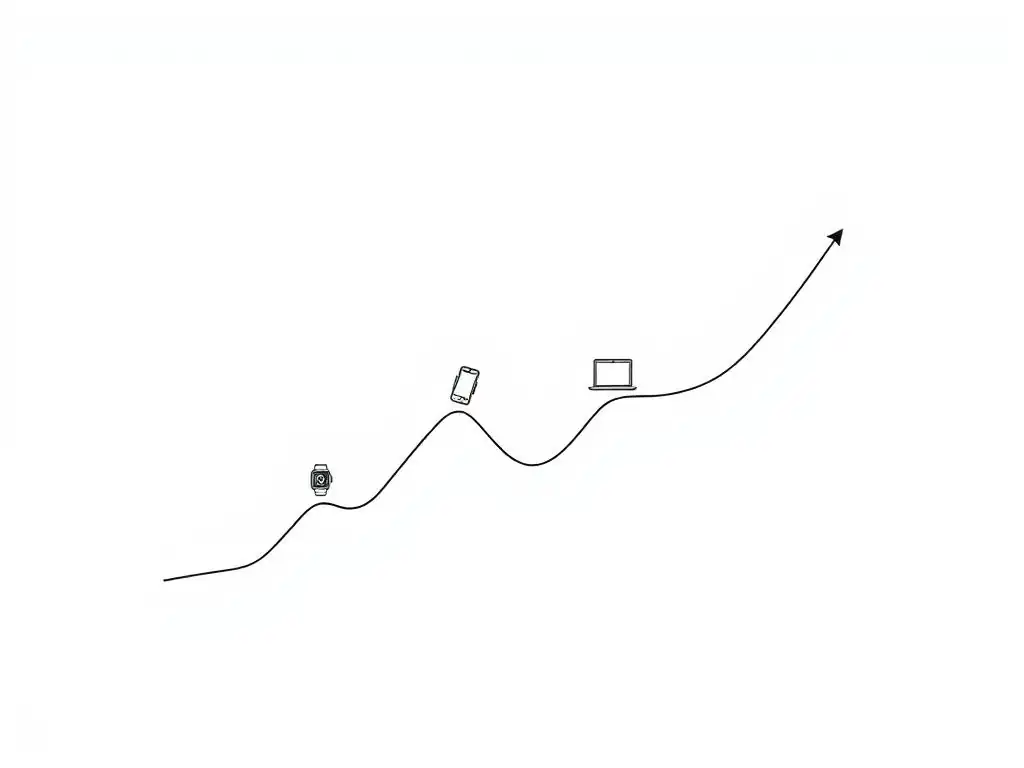
This section focuses on the crucial aspect of measuring your progress towards intentional tech use. Without tracking your technology consumption, it's impossible to know if your strategies are effective or require adjustments. Remember, the goal isn't to eliminate technology entirely, but to intentionally use it to boost your productivity and well-being, not hinder it. This requires consistent monitoring and refinement.
Monitoring Tech Usage: Assessing Your Progress and Identifying Areas for Improvement
Many smartphones and computers provide built-in tools to monitor screen time. These features often categorize app usage, providing a granular view of how you spend your digital hours. For example, you might discover you spend an excessive amount of time on social media platforms, hindering your focus on more productive tasks. Analyzing this data helps identify areas needing attention.
Beyond built-in tools, several third-party apps offer more comprehensive tracking and analysis. These apps can provide detailed reports, visual representations of your tech usage patterns, and even personalized recommendations for improvement. Consider experimenting with different options to find the one that best suits your needs and preferences. The key is consistency; daily or weekly reviews will highlight trends and areas for improvement.
For instance, you might find that your "intentional" use of email checking morphs into habitual checking, leading to constant interruptions throughout the day. This data-driven insight allows you to implement countermeasures, such as scheduling specific times for email response, or turning off notifications during focused work periods. This iterative process of monitoring, analyzing, and adjusting is key to sustainable change.
Adjusting Your Strategy: Adapting Your Approach Based on Observed Results
Once you've identified areas for improvement through monitoring your tech usage, it's time to refine your approach. Perhaps your initial strategy of limiting social media to 30 minutes a day proved unrealistic. Instead of abandoning your goal, adjust your strategy. Maybe try breaking that 30 minutes into smaller, more manageable chunks throughout the day. Or, perhaps you've discovered that certain apps consistently derail your focus; uninstalling them or using app blockers can be effective solutions.
The beauty of intentional tech use is its adaptability. It's not a rigid set of rules, but a flexible framework that evolves with your needs and habits. Remember, setbacks are inevitable. The important thing is to learn from them and adjust your strategy accordingly.
Don't be discouraged by occasional slips; focus on the overall trend and celebrate small victories. Consistent refinement, based on observed data, is the key to long-term success in managing your technology consumption. Consider experimenting with different techniques – the Pomodoro Technique, time blocking, or even a digital detox day – to see what works best for you.
Sustaining Intentional Tech Use: Long-Term Strategies for Digital Wellbeing
Sustaining intentional tech use requires a long-term commitment to mindful technology management. This isn't a quick fix; it's a lifestyle change that requires ongoing effort and adaptation. To ensure lasting success, consider incorporating these strategies:
- Regular self-reflection: Schedule time each week to review your progress, identify challenges, and brainstorm solutions. This ongoing evaluation will help you stay accountable and make necessary adjustments to your strategies.
- Mindful technology breaks: Incorporate regular breaks from technology into your daily routine. Engage in activities that promote relaxation and disconnect, such as reading, exercising, or spending time in nature. These breaks are crucial for preventing burnout and maintaining a healthy balance.
- Establish technology-free zones: Designate specific areas or times of day as technology-free. This could be your bedroom, your dining area, or a specific time before bed. By creating these boundaries, you can protect your time and mental space from constant digital demands.
- Cultivate alternative interests: Diversify your activities and interests to reduce your reliance on technology for entertainment and relaxation. Explore hobbies, connect with friends and family in person, or engage in activities that promote creativity and self-expression. This will help you build a richer, more balanced life beyond the digital realm.
Remember, the journey towards intentional tech use is a marathon, not a sprint. By consistently monitoring, adjusting, and refining your approach, you can cultivate a healthier and more productive relationship with technology, leading to improved digital wellbeing and enhanced productivity. The key is to remain flexible, adaptable, and committed to your long-term goals.
Beyond Productivity: Intentional Tech Use for a Balanced Life
This section explores the broader implications of intentional technology use, extending beyond mere productivity gains to encompass overall well-being. While boosting productivity is a significant benefit, mindful technology integration contributes to a more balanced and fulfilling life. It's about shifting from a reactive, habitual relationship with technology to a proactive, intentional one where technology serves you, rather than the other way around. This mindful approach helps us avoid the pitfalls of constant connectivity and reclaim control over our time and attention.
The key is to consciously choose when and how to engage with technology, ensuring it aligns with our values and goals, rather than passively letting it dictate our day. This conscious choice allows for better integration of technology into a holistic lifestyle, maximizing its benefits while minimizing its potential downsides. We can achieve a harmonious blend of digital and analog activities, fostering a healthier and more balanced life.
Prioritizing Offline Activities: Balancing Tech Use with Real-World Interactions
Intentional tech use necessitates a conscious effort to prioritize offline activities. This isn't about rejecting technology entirely, but rather about creating a healthy balance. Consider scheduling specific "tech-free" periods throughout your day. This could be an hour in the morning dedicated to exercise and meditation, an afternoon break for a walk in nature, or an evening reserved for family time and conversation, completely unplugged. The benefits are numerous: improved focus, reduced stress, enhanced creativity, and stronger relationships. For example, research suggests that even short periods of disconnection from technology can significantly reduce stress levels and improve mood. 1 A study by [specific information pending] showed a correlation between increased screen time and decreased levels of happiness and life satisfaction. Conversely, engaging in offline activities like spending time in nature or pursuing hobbies leads to increased feelings of well-being and purpose. To effectively balance tech use, create a visual schedule or use a time-blocking app to allocate specific time slots for both online and offline activities. This structured approach helps you stay on track and prevent technology from encroaching on crucial offline time. Remember, the goal is not to eliminate technology but to intentionally integrate it into a life rich in real-world experiences.
Nurturing Meaningful Connections: Using Technology to Strengthen Relationships
While excessive technology use can hinder real-world connections, it can also be a powerful tool for nurturing meaningful relationships when used intentionally. The key is to prioritize quality over quantity. Instead of passively scrolling through social media, use technology to actively engage with loved ones. Schedule virtual coffee dates with friends, participate in online group activities, or use video calls to connect with family members who live far away. The deliberate use of technology in this way allows for maintaining and strengthening bonds across geographical distances.
Furthermore, consider using technology to facilitate shared experiences. For example, you could create a shared online photo album with family, collaborate on a project with friends, or participate in an online book club. These shared activities foster a sense of connection and shared purpose, strengthening relationships in a meaningful way. However, remember to maintain a balance. Avoid letting technology become a substitute for face-to-face interaction.
Prioritize in-person meetings and quality time whenever possible, and use technology as a supplement, not a replacement, for genuine human connection. The intentional use of technology in this context can help bridge distances and nurture meaningful relationships, enriching your life in a significant way. Remember to be mindful of the time spent online and ensure it doesn't overshadow valuable face-to-face interactions. Prioritize quality time over quantity of connections.
1 [Citation needed: Specific research supporting the reduction of stress and improved mood with short periods of disconnection from technology]
Frequently Asked Questions
How can I use technology more intentionally to boost productivity?
Instead of passively scrolling, actively schedule tech use for specific tasks. Use productivity apps and time-blocking techniques to manage your digital consumption effectively. This ensures focused work sessions rather than habitual distractions.
What are some practical ways to minimize tech distractions?
Turn off non-essential notifications, utilize website blockers for distracting sites, and dedicate specific times for checking emails and social media. Consider using the Pomodoro Technique to break your work into focused intervals with short breaks.
Can technology help me prioritize tasks more effectively?
Yes, many apps offer task management and prioritization features. Tools like Trello, Asana, or even simple to-do lists on your phone can help you categorize, schedule, and track your progress on important tasks.
How can I improve my focus while using technology for work?
Create a dedicated workspace free from distractions. Use noise-canceling headphones or calming background music to minimize interruptions. Employ the "two-minute rule" to tackle small tasks immediately, preventing them from accumulating.
Are there any specific apps recommended for intentional tech use?
Many apps can help! Explore focus apps like Forest or Freedom to block distracting websites. Calendar apps like Google Calendar or Outlook Calendar allow for effective scheduling and time management. Experiment to find what works best for your workflow.
Final Reflection: Reclaiming Your Time, Reclaiming Your Life
The relentless march of technology continues, but its impact on our lives needn't be solely dictated by habit. We have the power to shift from passive consumption to intentional engagement, transforming technology from a time-thief into a productivity powerhouse. This article explored practical strategies to achieve this shift, offering actionable steps to regain control over your digital life and unlock your true potential.
The pervasive nature of technology in modern society is undeniable, shaping our interactions, our work, and even our leisure time. Its influence is a double-edged sword; it offers incredible opportunities for connection and efficiency, yet simultaneously threatens to overwhelm us with constant notifications and distractions. The real problem is not whether machines think but whether men do.
- B.F. Skinner. This quote highlights the crucial need for mindful engagement with technology, ensuring we remain the masters of our tools, not their slaves. We must actively cultivate a relationship with technology that serves our goals, rather than dictating them.
Now, consider your own relationship with technology. What small changes can you implement today to foster more intentional use? Start by identifying your biggest time-wasters and consciously limiting your exposure. Experiment with the techniques discussed – schedule dedicated tech-free time, utilize productivity apps mindfully, and cultivate a healthy digital diet. By reclaiming your time and attention, you're not just boosting productivity; you're investing in a richer, more fulfilling life, one where you are truly present and in control of your own narrative.
Reclaim Your Time: Intentionally Use Tech, Not Just Habit!
Thank you for exploring ways to use technology more intentionally! We hope you gained valuable insights into improving your focus and energy. Now let's put those insights into action.
- Choose one technology habit to change: Identify the app or activity that most drains your energy, and commit to reducing its use by at least 30 minutes each day this week. Focus on this one area.
- Share your progress: Let's build a supportive community! Share your key takeaway from this article on your preferred social media platform. If inspired, tag us @UltimateLifeHacks!
- Try a short digital detox: Disconnect from all devices for an hour today – observe how your focus and mood improve.
What small change will you make this week to better balance your technology use?