
Time Management and the GTD Method: Get Things Done with Ease


Welcome to UltimateLifeHacks, your portal to a more efficient and fulfilling life! Are you overwhelmed by your to-do list? Discover how to conquer your tasks and reclaim your time with our insightful guide on GTD method time management tips. We'll reveal the secrets to effortlessly managing your workload and achieving peak productivity. Ready to unlock your potential and experience the power of streamlined efficiency? Dive in and learn how to Get Things Done with ease!
- Understanding the GTD Method for Enhanced Time Management
-
GTD Method Time Management Tips: Practical Application
- Step-by-Step Guide to Setting Up Your GTD System
- Mastering the Art of Task Capture: Tools and Techniques
- Clarifying Tasks: Defining Next Actions and Project Breakdown
- Organizing Your Tasks: Choosing the Right GTD Tools and Systems (e.g., digital vs. paper)
- Prioritizing Tasks Effectively with the GTD Method
- The Power of Regular Review in GTD Time Management
- Overcoming Common Challenges with GTD Time Management
- Advanced GTD Techniques for Optimal Time Management
-
Frequently Asked Questions
- What is the GTD method, and how does it relate to time management?
- How can I effectively use the GTD method to improve my productivity?
- What are some key tools or apps that can support the GTD methodology?
- Is the GTD method suitable for everyone, or are there specific personality types it works best for?
- How long does it typically take to see results from implementing the GTD method?
- Final Reflection: Mastering Time, Mastering Life
- Unlock Your Productivity: Master Your Time, Master Your Life
Understanding the GTD Method for Enhanced Time Management
The relentless pace of modern life often leaves us feeling overwhelmed and struggling to manage our time effectively. Juggling work deadlines, personal commitments, and unexpected events can lead to stress, missed opportunities, and a general sense of being perpetually behind. Effective time management is no longer a luxury; it's a necessity for navigating the complexities of daily life and achieving our goals.
This article delves into the Getting Things Done (GTD) methodology, a powerful and proven system for conquering your to-do list and reclaiming control of your time. We'll explore the core principles of GTD, break down its workflow, and highlight the significant benefits it offers for improved time management and overall productivity.
By understanding and implementing the GTD method, you can transform your approach to task management, reducing stress and significantly increasing your efficiency. This guide provides practical, actionable "GTD method time management tips" to help you get things done with ease and achieve a greater sense of accomplishment.
What is the GTD Methodology and its Core Principles?
The Getting Things Done (GTD) methodology, developed by David Allen, is a comprehensive approach to personal productivity that emphasizes capturing, clarifying, organizing, reflecting, and engaging with tasks. Its core principle revolves around the idea of getting everything out of your head and into a trusted system. This frees up mental space, reduces stress, and allows for clearer thinking and decision-making. GTD isn't just about creating to-do lists; it's about establishing a reliable system that helps you manage all your commitments, big or small, effectively.
The key principles of GTD include:
- Capture: Write down everything that demands your attention – emails, ideas, appointments, projects, etc. Use a central system (physical or digital) to ensure nothing slips through the cracks.
- Clarify: Review each captured item and decide what it is, what needs to be done, and if it requires further action. This involves breaking down larger projects into smaller, manageable steps.
- Organize: Categorize your tasks based on context (e.g., @home, @office, @computer) or project. This allows you to quickly identify what you can work on based on your current situation.
- Reflect: Regularly review your system (weekly is recommended) to ensure everything is up-to-date and to adjust your priorities as needed. This crucial step keeps you aligned with your goals.
- Engage: Based on your context and energy levels, select the next actions to work on. This involves consciously choosing what to focus on to maximize your productivity.
The GTD Workflow: Capturing, Clarifying, Organizing, Reflecting, Engaging
The GTD workflow is a cyclical process that ensures all your tasks are managed effectively. Let's examine each stage in detail:
- Capturing: This involves using various tools to collect all your commitments. This might include a notebook, a digital note-taking app, or even a simple voice recorder. The goal is to get everything out of your head and into your system. Think of it as a brain dump!
- Clarifying: Once captured, each item needs to be clarified. Ask yourself: Is this actionable? If yes, what is the next physical action? If no, is it trash, something to incubate (for later consideration), or something to reference?
- Organizing: Organize your clarified actions into lists based on context (where you can do the task) or project (what it contributes to). This could involve separate lists for "errands," "@computer," "calls to make," and specific project lists.
- Reflecting: Regular review is crucial to stay on track. Weekly reviews help you reassess priorities, update your lists, and ensure your system remains effective. This process involves reviewing your inbox, project lists, calendar, and waiting-for lists.
- Engaging: Finally, based on your current context (location, tools available, energy levels), choose what to work on from your organized lists. This ensures you're working on the most relevant tasks at the optimal time. This mindful selection prevents feeling overwhelmed.
Benefits of Implementing GTD for Improved Time Management & Productivity
Implementing the GTD method offers numerous benefits for improved time management and overall productivity:
- Reduced Stress: Knowing that everything is captured and organized in a reliable system significantly reduces mental clutter and stress. You’re not constantly worrying about forgetting things.
- Increased Focus: By clarifying your tasks and prioritizing actions, you can focus your energy on what truly matters, improving concentration and efficiency.
- Improved Organization: GTD provides a clear structure for managing your commitments, leading to better organization and a greater sense of control.
- Enhanced Productivity: By working on the right tasks at the right time, you maximize your output and accomplish more in less time.
- Clearer Thinking: A clutter-free mind allows for clearer thinking and more effective decision-making. The GTD system helps you free up your mental space for creative problem-solving and strategic planning.
The GTD method is not a quick fix, but a system that requires consistent effort and adaptation. However, the rewards—reduced stress, increased productivity, and a greater sense of control over your time—make it a worthwhile investment in yourself and your well-being. By embracing these "GTD method time management tips," you can significantly improve your ability to manage your time and achieve your goals.
GTD Method Time Management Tips: Practical Application
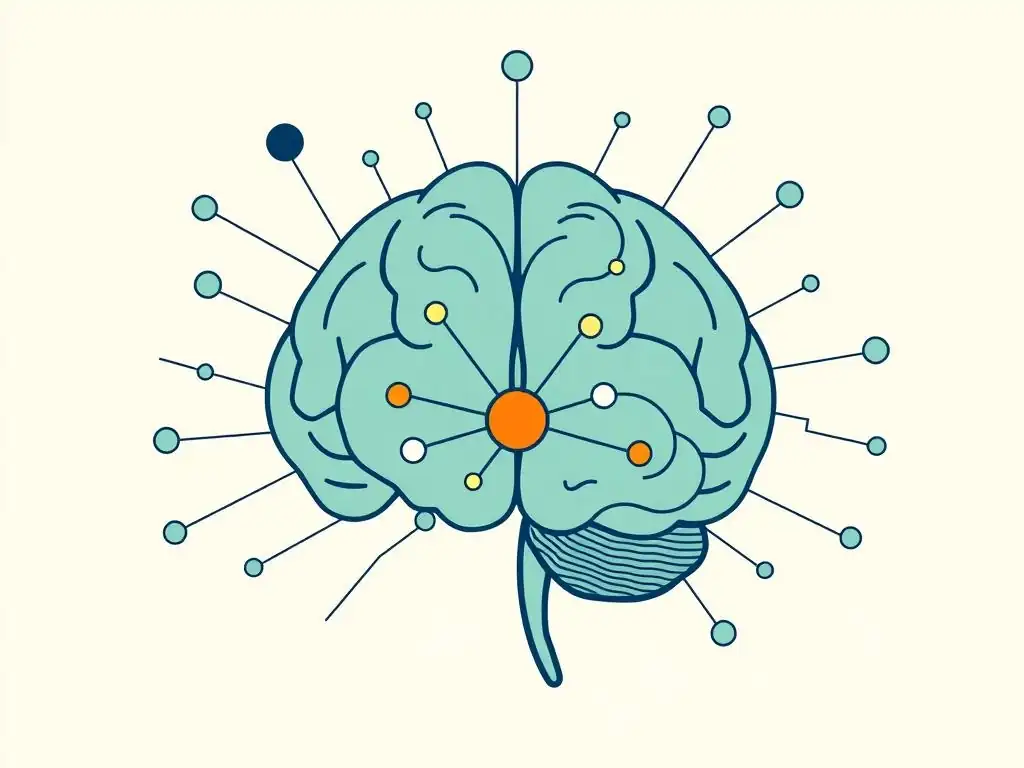
This section dives deep into the practical application of the Getting Things Done (GTD) methodology for improved time management. We'll explore how to effectively implement GTD, focusing on actionable steps and strategies to optimize your workflow and reduce stress. The GTD method, when applied correctly, offers a powerful framework for conquering your to-do list and achieving greater productivity. This isn't just about theoretical concepts; we'll cover concrete examples and techniques you can use immediately.
Step-by-Step Guide to Setting Up Your GTD System
Implementing the GTD method requires a structured approach. Think of it as building a robust system, not just adopting a single technique. Here's a step-by-step guide to get you started:
- Empty Your Mind: The first crucial step is to capture everything on your mind – every task, project, idea, and commitment. Use a notebook, digital note-taking app, or even voice recording. Don't filter; just get it all out. This "brain dump" is essential for clearing mental clutter and creating a clear starting point. Think of it as decluttering your mental workspace.
- Process Your Inbox: Now, review your captured items. For each item, ask yourself: Is it actionable? If not (e.g., a reference article), file it appropriately. If it is actionable, decide if it's a single action or part of a larger project.
- Organize into Projects: Group related actions into projects. A project is anything that requires more than one step to complete. For example, "Plan summer vacation" is a project encompassing multiple tasks like booking flights, researching hotels, and packing. Clearly defining projects provides structure and focus.
- Define Next Actions: For each project, identify the very next physical action required. Keep it concrete and specific. Instead of "Work on presentation," write "Create presentation outline." This eliminates ambiguity and makes tasks easier to tackle.
- Contextualize Your Tasks: Categorize your next actions based on context: @Home, @Work, @Computer, @Phone, etc. This allows you to efficiently batch similar tasks, maximizing your productivity during specific times or locations. For instance, you can group all "@Computer" tasks for a focused work session.
- Review Regularly: The GTD system isn't a set-it-and-forget-it solution. Regular reviews (weekly is recommended) are crucial for maintaining the system's effectiveness. This involves reviewing your project lists, next actions, and calendars to ensure everything remains organized and up-to-date. This consistent review helps prevent tasks from falling through the cracks.
Mastering the Art of Task Capture: Tools and Techniques
Effective task capture is the bedrock of the GTD method. Without a reliable system for capturing tasks, the entire methodology crumbles. Here are some tools and techniques to help you master this critical step:
- Digital Note-Taking Apps: Evernote, OneNote, Google Keep, and Bear are popular choices offering features like tagging, searching, and syncing across devices. These allow for easy task capture anytime, anywhere.
- Dedicated Task Management Apps: Todoist, Any.do, and TickTick provide more structured task management features, including project organization, prioritization, and reminders. They often integrate with calendars and other productivity tools.
- Voice Recording: For those who prefer hands-free task capture, voice recording apps are invaluable. Dictate your tasks quickly and easily, especially during meetings or when multitasking.
- Physical Notebook and Pen: The simplicity of pen and paper shouldn't be overlooked. A dedicated notebook allows for quick note-taking and brainstorming, offering a tangible and immediate method for capturing ideas and tasks. Many find the physical act of writing enhances memory retention.
Clarifying Tasks: Defining Next Actions and Project Breakdown
Defining clear and concise next actions is paramount to successful GTD implementation. Vague tasks lead to procrastination and inefficiency. Let's examine how to break down projects and define actionable next steps:
- Project Breakdown: Take a complex project and break it down into smaller, manageable tasks. For example, the project "Write a novel" can be broken down into tasks like "Create chapter outline," "Write chapter 1," "Edit chapter 1," and so on. This makes the daunting project feel less overwhelming.
- Next Action Clarity: Each task should have a clear and specific next action. Instead of "Plan marketing campaign," define precise next actions like "Research target audience," "Create campaign budget," or "Draft social media posts." This level of specificity prevents ambiguity and procrastination.
- Actionable Verbs: Always start your next actions with an action verb. This ensures clarity and makes the task immediately actionable. For instance, "Schedule meeting with client" is clearer than "Client meeting."
- Time Estimation (Optional): While not strictly required, estimating the time needed for each task can aid in prioritization and scheduling. This helps you allocate time effectively and avoid over-scheduling.
The GTD method, with its emphasis on capturing, clarifying, and organizing tasks, provides a powerful framework for effective time management. By consistently applying these tips and techniques, you can significantly improve your productivity and reduce the stress often associated with overwhelming to-do lists. Remember, consistent practice and regular review are key to mastering the GTD method and reaping its benefits.
Organizing Your Tasks: Choosing the Right GTD Tools and Systems (e.g., digital vs. paper)
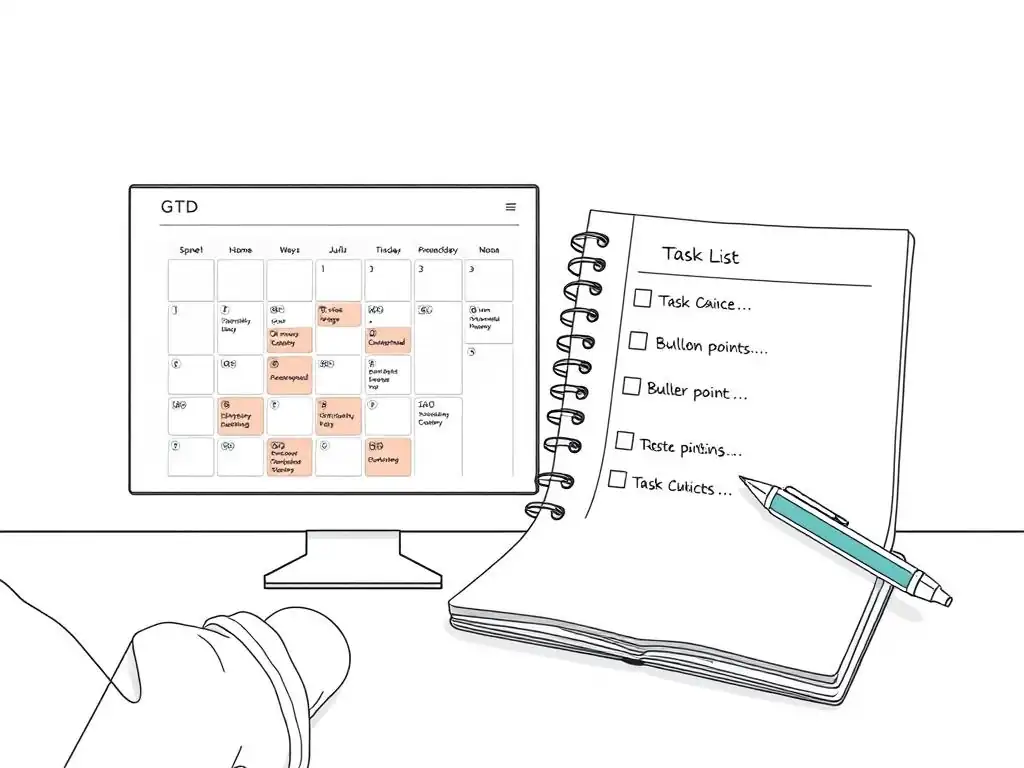
The effectiveness of the GTD method hinges significantly on your ability to capture and organize tasks efficiently. Choosing the right tools and systems—whether digital or paper-based—is crucial for seamless workflow. Many successful GTD practitioners find a hybrid approach works best, leveraging the strengths of both digital and analog systems.
For instance, a digital system like Todoist or OmniFocus excels at managing large volumes of tasks, offering features like sub-tasks, reminders, and project organization. These apps provide a centralized location for all your commitments, facilitating easy review and prioritization. However, some individuals find the constant interaction with screens distracting. The constant notifications and the lure of other applications can disrupt focus and decrease productivity.
Conversely, a paper-based system, perhaps using a simple notebook and a filing system, offers a tactile and less distracting alternative. The act of physically writing down tasks can be surprisingly grounding and aid memory retention for some. However, managing a large number of tasks on paper can become cumbersome, and the lack of automated reminders might lead to missed deadlines.
A hybrid approach combines the best of both worlds. For example, you could use a digital tool for larger projects and recurring tasks, while employing a notebook for quick capture of fleeting ideas and tasks that require less formal management. This allows you to leverage the strengths of each system while mitigating their weaknesses.
The key is to find a system that aligns with your personal preferences and working style, maximizing your efficiency and minimizing friction in your workflow. Experimentation is key to finding the perfect balance for your GTD journey. Don't be afraid to try different combinations of digital and analog tools until you discover the perfect fit.
Prioritizing Tasks Effectively with the GTD Method
Effective prioritization is the cornerstone of successful GTD time management. Simply capturing tasks isn't enough; you must strategically prioritize them to maximize your impact and avoid feeling overwhelmed. The GTD method doesn't prescribe a single prioritization technique, recognizing that individual needs and contexts vary. However, several effective strategies can be integrated into your GTD workflow.
One common approach involves using a simple prioritization matrix, often represented as a four-quadrant grid. Tasks are categorized based on urgency and importance. Urgent and important tasks receive immediate attention, while important but not urgent tasks are scheduled for later. Urgent but unimportant tasks are delegated or eliminated if possible, while unimportant and not urgent tasks are simply discarded. This matrix helps to focus your energy on high-impact activities.
Another effective strategy is to prioritize based on context. This involves grouping tasks based on where you'll be performing them (e.g., "at home," "at the office," "on the phone"). This contextual prioritization minimizes wasted time by grouping related tasks together. Imagine grouping all your phone calls together instead of scattering them throughout your day.
Furthermore, consider using a scoring system. Assign numerical values to tasks based on their importance and the impact they'll have on your goals. This quantitative approach provides a clear ranking, allowing you to focus on the highest-scoring items first. This numerical approach can be particularly useful when dealing with a large number of tasks. Remember that flexibility is key; adapt your prioritization method as needed to suit the demands of your day and the nature of your tasks.
The Power of Regular Review in GTD Time Management
Regular review is often overlooked but is arguably the most critical aspect of successful GTD time management. It's the process that keeps your system functioning smoothly and prevents tasks from falling through the cracks. Without regular review, your carefully organized system can quickly become cluttered and ineffective, defeating the purpose of implementing GTD in the first place.
The frequency of your review depends on your individual needs and workload. Many GTD practitioners recommend a daily review, taking 5-15 minutes at the end of each day to process new tasks, review existing ones, and plan for the following day. This daily review ensures that you're always on top of your commitments and prevents tasks from slipping through the cracks. A weekly review is also crucial, providing a broader perspective on your progress and allowing you to make adjustments to your plans as necessary. This weekly overview helps you identify any bottlenecks or areas needing attention.
During your review, you should address several key areas. First, capture any new tasks or ideas that have surfaced since your last review. Second, process all existing tasks, deciding on the next action required for each one. Third, review your calendar and projects, ensuring everything is aligned with your goals.
Finally, plan for the upcoming day or week, scheduling tasks based on your priorities and available time. This systematic review process ensures that you remain organized, focused, and in control of your workload, maximizing the effectiveness of your GTD time management strategy. Consistently scheduling these reviews is essential for long-term success with the GTD method.
Overcoming Common Challenges with GTD Time Management
The GTD (Getting Things Done) method, while incredibly effective for many, presents certain hurdles. Successfully implementing GTD requires addressing potential obstacles proactively. This section focuses on common challenges and provides actionable strategies to overcome them, ultimately maximizing your GTD time management experience. Mastering these aspects is key to reaping the full benefits of this powerful productivity system. Remember, consistent application and adaptation are crucial for long-term success with the GTD method time management tips.
Dealing with Overwhelm and Information Overload
One of the biggest challenges with GTD, ironically, is the initial feeling of overwhelm. The process of capturing everything can seem daunting. The key is to break it down. Instead of trying to process everything at once, dedicate short, focused bursts of time – perhaps 15-20 minutes – to your inbox processing. This prevents information overload and allows for manageable chunks of work.
Furthermore, regular reviews are vital. Weekly reviews, for example, allow you to assess your projects, next actions, and contexts, ensuring nothing falls through the cracks. This prevents the accumulation of tasks and keeps you feeling in control. Don't forget the power of delegation. If possible, delegate tasks that can be handled by others, freeing up your time and mental energy. This is a crucial GTD method time management tip often overlooked.
Consider using visual aids like Kanban boards or digital task management tools to gain a clear overview of your workflow. This visual representation helps to combat the feeling of being swamped and provides a sense of accomplishment as you move tasks through the system. Remember, the goal isn't to eliminate overwhelm entirely, but to manage it effectively.
Maintaining Momentum and Avoiding Procrastination with GTD
Maintaining momentum with GTD requires discipline and a strategic approach. Procrastination often stems from unclear next actions or a lack of prioritization. To combat this, ensure your next actions are concrete and actionable. Instead of "Plan marketing campaign," write "Draft email to marketing agency outlining campaign goals." This clarity eliminates ambiguity and reduces the mental friction associated with starting a task.
Prioritization is paramount. Employing methods like the Eisenhower Matrix (urgent/important) can help you focus on high-impact tasks first. Break down larger projects into smaller, more manageable steps. This creates a sense of accomplishment as you complete each step, fueling your motivation to continue. Celebrate small wins! Recognizing and acknowledging your progress reinforces positive habits and helps maintain momentum.
Timeboxing is another effective technique. Allocate specific time slots for working on particular tasks. This creates structure and reduces the likelihood of procrastination. If you find yourself consistently procrastinating on a specific type of task, examine the underlying cause. Is it a lack of clarity, a fear of failure, or something else? Addressing the root cause is crucial for long-term success with your GTD method time management tips.
Adapting GTD to Your Personal Workflow and Preferences
The beauty of GTD lies in its adaptability. While the core principles remain consistent, the implementation can be tailored to your individual needs and preferences. Don't feel constrained by rigid adherence to a specific methodology. Experiment with different tools and techniques to find what works best for you.
For instance, some people prefer analog methods (paper planners, notebooks), while others thrive with digital tools (task management apps, note-taking software). The choice depends on your personal style and preferences. Don't be afraid to modify the system to fit your unique workflow. Perhaps you need more frequent reviews or a different prioritization method. The key is to find a balance between structure and flexibility.
Regularly assess your GTD implementation. Are you finding it effective? Are there areas for improvement? Don't hesitate to adjust your approach based on your experiences. The GTD method is a journey, not a destination. Continuous refinement and adaptation are key to long-term success and optimization of your personal productivity system, ensuring you harness the full potential of GTD method time management tips.
Troubleshooting Common GTD Implementation Issues
Implementing the Getting Things Done (GTD) method, while incredibly effective for many, often presents unique challenges. Successfully navigating these hurdles is crucial for reaping the full benefits of this powerful time management system. Many individuals find themselves struggling with specific aspects, leading to frustration and ultimately abandoning the system altogether. However, with a proactive approach and a willingness to adapt, these obstacles can be overcome.
One common issue is overwhelm. The initial step of capturing everything can feel daunting. The sheer volume of tasks, projects, and ideas can be paralyzing. To combat this, break down the capturing process into smaller, manageable chunks. Instead of attempting to brain-dump everything at once, dedicate 15-20 minutes each day to capturing tasks. This prevents feeling overwhelmed and allows for a more focused and effective capture session. Consider using a timer to stay on track and avoid getting sidetracked. Prioritize capturing the most pressing items first, creating a sense of accomplishment that motivates you to continue.
Another frequent problem is lack of context. Simply listing tasks isn't enough; each task needs the appropriate context. This includes identifying the next physical action required, the project it belongs to, and any relevant information. Without sufficient context, tasks remain vague and difficult to prioritize or execute. This lack of clarity often leads to procrastination and missed deadlines. To address this, use a robust task management system that allows for detailed notes and tagging. Employ consistent naming conventions for projects and tasks to maintain organizational clarity. Regularly review your system to ensure all tasks have the necessary context.
Maintaining a consistent workflow is also a significant hurdle. GTD requires regular review and processing of your tasks, which many find difficult to maintain consistently. Life's inevitable interruptions can disrupt the flow, making it challenging to stay on top of things. To overcome this, schedule dedicated time for reviewing and processing your tasks.
Treat these sessions like any other important appointment – block them out in your calendar and protect that time. Experiment with different review frequencies (daily, weekly, monthly) to find what works best for your workflow. Remember, consistency is key to success with GTD. Don't get discouraged by missed reviews; simply pick up where you left off and maintain a regular schedule moving forward.
Finally, many struggle with perfectionism. The desire to perfectly organize and categorize every task can lead to analysis paralysis, hindering progress. Remember that GTD is a system for getting things done, not a system for achieving perfect organization. Perfection is the enemy of progress. Embrace imperfection, focus on actionable steps, and don't get bogged down in minutiae.
Strive for "good enough" rather than "perfect." This allows for faster processing and prevents getting stuck in endless refinement of tasks and projects. Regularly review your system to identify areas for improvement, but don't let the pursuit of perfection impede your productivity. The goal is to streamline your workflow, not create an overly complex system.
Advanced GTD Techniques for Optimal Time Management
This section delves into advanced strategies within the GTD (Getting Things Done) methodology to supercharge your time management skills. We'll move beyond the basics, exploring techniques to refine your workflow and maximize productivity. Mastering these advanced techniques will transform your GTD system from a helpful tool into a powerful engine for achieving your goals. Remember, the core principle of GTD remains consistent: capture everything, clarify what needs to be done, organize it, reflect on your progress, and engage. However, the how can be significantly enhanced.
Integrating GTD with other Productivity Methods
Many find the GTD method incredibly effective, but integrating it with other productivity systems can create a synergistic effect. For instance, combining GTD with the Pomodoro Technique can significantly improve focus and time management. The Pomodoro Technique involves working in focused bursts (typically 25 minutes) followed by short breaks. By using your GTD next actions list to guide your Pomodoro sessions, you ensure you're always working on the most important tasks. This structured approach minimizes procrastination and maximizes the effectiveness of your work sprints.
Another powerful combination is GTD and the Eisenhower Matrix (Urgent/Important Matrix). This matrix helps prioritize tasks based on urgency and importance. By categorizing your GTD next actions using the Eisenhower Matrix, you can effectively focus on high-impact activities, delegating or eliminating less important tasks. This ensures you're spending your time on what truly matters, aligning perfectly with the GTD philosophy of focusing on what you can control.
Consider this example: You have a long list of next actions in your GTD system. Using the Eisenhower Matrix, you can quickly identify which tasks are urgent and important (requiring immediate attention), which are important but not urgent (scheduling for later), which are urgent but not important (delegating or eliminating), and which are neither urgent nor important (eliminating). This structured approach allows for better prioritization within the GTD framework, optimizing your time allocation.
Utilizing GTD for Long-Term Goal Setting and Achievement
While GTD excels at managing daily tasks, its power extends to long-term goal setting and achievement. The key is to break down large, overarching goals into smaller, manageable next actions. Instead of viewing a goal like "Write a novel" as an insurmountable task, GTD encourages you to define smaller, actionable steps: "Write chapter one, outline chapter two, research setting details," etc. Each of these becomes a concrete next action within your GTD system.
Regular reviews are crucial here. During your weekly review, assess your progress on long-term goals. Are you on track? Do you need to adjust your next actions? Do you need to break down tasks further? This iterative process ensures that you're consistently moving towards your larger objectives, preventing them from becoming overwhelming or neglected. This proactive approach ensures that your long-term aspirations are not just aspirations, but actively pursued and achievable objectives.
Measuring Your Success with GTD: Tracking Progress and Improvement
How do you know if your GTD system is truly working for you? Tracking progress is essential. While there's no single "right" way to measure success, several methods can be employed. One simple approach is to track the number of next actions completed each week. This provides a quantitative measure of your productivity. However, it's important to consider qualitative aspects as well. Are you feeling less stressed? Are you more focused? Are you achieving your goals more consistently?
Another effective method is to use a GTD progress tracker. This could be a simple spreadsheet, a dedicated app, or even a journal where you note your accomplishments and areas for improvement. Regularly reviewing your progress tracker allows you to identify patterns, celebrate successes, and adjust your system as needed.
Remember, the GTD method is a system, and like any system, it requires ongoing refinement to optimize its effectiveness for your specific needs and context. Continuous evaluation and adaptation are key to maximizing the benefits of the GTD method for long-term time management success. This iterative process of tracking, reviewing, and adjusting is a crucial element of the GTD method's power.
Frequently Asked Questions
What is the GTD method, and how does it relate to time management?
The GTD (Getting Things Done) method is a time management system focused on capturing, clarifying, organizing, reflecting on, and engaging with all of your tasks and projects. It helps you clear your mind and focus on what truly matters by systematizing your workflow.
How can I effectively use the GTD method to improve my productivity?
By consistently capturing all your tasks, clarifying next actions, and organizing them into actionable lists, you'll avoid mental clutter and procrastination. Regular review and reflection are key to staying on top of your commitments.
What are some key tools or apps that can support the GTD methodology?
Many digital tools can help manage GTD workflows, such as task management apps like Todoist, Any.do, or Notion. Even simple tools like a notebook and pen can be effective for capturing initial tasks.
Is the GTD method suitable for everyone, or are there specific personality types it works best for?
While GTD benefits many, its effectiveness depends on consistent effort and self-discipline. Individuals who thrive on organization and structure might find it particularly beneficial, but with adaptation, it can work for most.
How long does it typically take to see results from implementing the GTD method?
The timeframe varies, depending on your initial workload and commitment level. You might see initial improvements within a week, but full integration and optimization may take several weeks or even months of consistent practice.
Final Reflection: Mastering Time, Mastering Life
The relentless pace of modern life demands efficient time management, and the GTD method offers a powerful framework to navigate this complexity. Its principles of capturing, clarifying, organizing, reflecting, and engaging aren't just productivity hacks; they're a philosophy for reclaiming control over your time and, ultimately, your life. This isn't just about ticking boxes; it's about living intentionally.
The GTD method's impact extends far beyond increased productivity; it fosters a sense of calm and clarity that permeates all aspects of life. By externalizing our to-do lists and systematically processing our commitments, we free our minds from the constant burden of remembering, allowing space for creativity, innovation, and genuine connection. As David Allen, the creator of GTD, famously stated: Your mind is for having ideas, not holding them.
This simple yet profound statement encapsulates the transformative power of the GTD methodology, shifting the focus from frantic task completion to mindful action.
You now possess the tools to implement the GTD method and experience its transformative effects. Don't just read about it; do it. Start small, experiment with different techniques, and find what works best for you. Embrace the iterative nature of the process, constantly refining your system to better suit your evolving needs. Remember, mastering time management isn't a destination; it's a journey of continuous learning and self-improvement. The reward? A life lived more fully, intentionally, and with a newfound sense of ease and accomplishment.
Unlock Your Productivity: Master Your Time, Master Your Life
Thank you for exploring effective time management techniques! We hope you discovered practical strategies to boost your productivity and reduce stress. Now it's time to apply what you've learned.
- Start with one project: Choose a single area of your life—work, personal life, or a hobby—and apply these time management principles. Break it down into manageable steps and begin completing tasks.
- Share your successes: Which task are you most eager to tackle using these new methods? Share your experience in the comments below and inspire others!
- Continue learning: Explore the wealth of online resources available on effective time management. Look for podcasts, videos, or in-depth articles to further enhance your understanding and master these valuable skills.
Ready to transform your overwhelming to-do list into a manageable one? What's your first step towards reclaiming your time and conquering your inbox?