
Tech Detox SOS: UltimateLifeHacks' Emergency Guide to Reclaiming Your Life


Feeling overwhelmed by the constant digital demands on your time? Are you ready to reclaim your life and rediscover a sense of calm? At UltimateLifeHacks, we understand the struggle. That's why we've created this essential Tech Detox life hacks guide, packed with practical strategies and proven techniques to help you break free from the digital grip and achieve a healthier, more balanced lifestyle. Dive in and discover the secrets to a more fulfilling life, one tech-free moment at a time.
- Understanding Your Tech Overload: Recognizing the Signs of Digital Burnout
-
Tech Detox Life Hacks Guide: Practical Steps to Reclaim Your Time
- Step 1: Digital Declutter - Purging Unnecessary Apps and Subscriptions
- Step 2: Setting Boundaries - Defining Tech-Free Zones and Time Blocks
- Step 3: Scheduling Offline Activities - Prioritizing Real-World Interactions
- Step 4: Finding Healthy Replacements - Exploring Offline Hobbies and Interests
- Step 5: Mindful Tech Use - Consciously Choosing When and How to Engage with Technology
- Advanced Tech Detox Strategies for Long-Term Success
- Maintaining Your Tech Detox: Long-Term Strategies and Relapse Prevention
- Your Tech Detox Success Story: Tracking Progress and Celebrating Milestones
- Frequently Asked Questions
- Final Reflection: Reclaiming Your Life, One Digital Detox at a Time
- Rediscover Your Focus: Take Control of Your Tech Consumption
Understanding Your Tech Overload: Recognizing the Signs of Digital Burnout
Are you feeling overwhelmed by the constant barrage of notifications, emails, and social media updates? Do you find yourself endlessly scrolling through your phone, even when you know you should be doing something else? If so, you might be experiencing digital burnout – a state of exhaustion and disengagement caused by excessive technology use.
This comprehensive guide, part of UltimateLifeHacks' series on Tech Detox Strategies, will provide you with practical, actionable steps to reclaim your life from the grip of technology. We'll explore the signs of digital burnout, assess your current tech usage, and offer a range of effective tech detox life hacks to help you regain control and improve your overall well-being.
This guide is your emergency lifeline to a healthier, more balanced relationship with technology, ultimately leading to increased productivity and a more fulfilling life. We'll equip you with the tools and strategies needed to navigate the complexities of modern digital life and create a sustainable tech-life balance.
Identifying Tech Addiction Symptoms: Are You Spending Too Much Time Online?
Many of us use technology daily, but crossing the line into addiction is a subtle process. Recognizing the symptoms is the first step towards recovery. Are you experiencing any of the following?
- Neglecting responsibilities: Do you consistently prioritize checking social media or responding to emails over completing work tasks, spending time with loved ones, or engaging in self-care?
- Withdrawal symptoms: Do you feel anxious, irritable, or restless when you're unable to access your devices?
- Lying about usage: Do you downplay or hide your technology usage from others?
- Unsuccessful attempts to cut back: Have you tried to reduce your screen time but found yourself unable to stick to your goals?
- Ignoring physical needs: Do you frequently ignore hunger, thirst, or the need for sleep to continue using your devices?
- Relationship strain: Has your technology use negatively impacted your relationships with family and friends?
If you answered "yes" to several of these questions, it’s crucial to take steps to address your tech usage. Remember, acknowledging the problem is the first step towards finding a solution. We'll explore practical solutions in the following sections.
The Impact of Constant Connectivity: Stress, Sleep Deprivation, and Reduced Productivity
The constant buzz of notifications and the pressure to stay connected can significantly impact your mental and physical health. Studies show a strong correlation between excessive technology use and increased stress levels, sleep disturbances, and decreased productivity.
The following table summarizes some key negative impacts:
| Impact Category | Specific Effects |
|---|---|
| Stress & Anxiety | Increased cortisol levels, feelings of overwhelm, difficulty concentrating |
| Sleep Deprivation | Difficulty falling asleep, poor sleep quality, daytime fatigue |
| Reduced Productivity | Decreased focus, impaired cognitive function, procrastination, task switching issues |
| Physical Health | Eye strain, headaches, neck pain, carpal tunnel syndrome |
| Mental Health | Depression, anxiety, social isolation, feelings of inadequacy |
This constant connectivity creates a cycle of stimulation and reward that can be difficult to break. Understanding these consequences is critical to motivating change and prioritizing a healthier relationship with technology.
Assessing Your Current Tech Usage: A Realistic Evaluation of Screen Time
Before you can implement a tech detox, you need a clear picture of your current technology use. This involves honestly assessing how much time you spend on different devices and apps. Many smartphones and computers offer built-in screen time tracking features. Alternatively, you can use dedicated apps designed to monitor your digital habits.
Consider tracking your usage for a week to gain a realistic understanding. Pay attention not only to the total time spent but also to when you use technology most frequently. Are there specific times of day or situations where you tend to reach for your phone or computer? This awareness is crucial for identifying triggers and developing effective strategies to manage your screen time. This self-assessment is a foundational step towards building a healthier relationship with technology. Remember, accurate data is essential for creating a personalized and effective tech detox plan.
Tech Detox Life Hacks Guide: Practical Steps to Reclaim Your Time

This section provides a practical, step-by-step guide to implementing a tech detox, offering actionable strategies to reclaim your time and mental energy. We'll explore effective techniques to minimize digital distractions and cultivate a healthier relationship with technology. This guide focuses on practical application, providing concrete examples to help you navigate your personal tech detox journey.
Step 1: Digital Declutter - Purging Unnecessary Apps and Subscriptions
The first step in a successful tech detox is often the most impactful: decluttering your digital space. Think of it as a spring cleaning for your phone and computer. Many apps and subscriptions subtly drain your time and attention, even when you aren't actively using them. A thorough purge can significantly reduce digital clutter and free up mental space.
Start by reviewing your smartphone apps. Be honest: how many haven't you used in the last month? Three months? Delete those immediately. Don't worry about losing access permanently; you can always redownload them if you need them later. This simple act alone can drastically reduce notifications and the temptation to passively scroll.
Next, tackle your subscriptions. Many streaming services, online magazines, and other subscriptions accumulate over time, leading to monthly charges you might not even remember authorizing. Review each one. Are you actively using it? Does the benefit outweigh the cost (both financially and in terms of time)? Cancel anything that’s no longer serving you. You might be surprised how much money—and time—you reclaim.
Here's a helpful table to guide your digital decluttering:
| App/Subscription | Last Used | Purpose | Keep? | Action |
|---|---|---|---|---|
| Social Media App A | 3 months ago | Casual browsing | No | Delete |
| Streaming Service X | Weekly | Watching shows | Yes | Keep |
| News App Y | Daily | News updates | Yes | Keep (Consider limiting usage) |
| Gaming App Z | 2 weeks ago | Occasional gaming | No | Delete |
| Unused Subscription A | Never | Forgot I had it | No | Cancel |
Remember, this isn't about eliminating technology entirely, but about regaining control and prioritizing what truly matters. A cleaner digital environment fosters a calmer, more focused mindset.
Step 2: Setting Boundaries - Defining Tech-Free Zones and Time Blocks
Once you've decluttered your digital space, the next crucial step is setting clear boundaries around your technology use. This involves creating tech-free zones and scheduling specific tech-free time blocks. These boundaries help you consciously manage your technology consumption rather than letting it passively consume your time.
Consider designating specific areas in your home as tech-free zones. This could be your bedroom, dining room, or even a particular corner of your living room. By consciously avoiding technology in these areas, you create spaces for relaxation, connection, and focused activities. Removing your phone from the bedroom, for example, can significantly improve sleep quality.
In addition to tech-free zones, schedule specific tech-free time blocks. This might involve setting aside an hour each evening for reading, spending time with loved ones, or engaging in a hobby. It could also mean scheduling a full day each week as a digital sabbath. Consistency is key here; the more you stick to your schedule, the easier it becomes to manage your technology usage.
Experiment with different strategies to find what works best for you. For example:
- Tech-free mornings: Start your day without checking emails or social media.
- Designated phone-free hours: Set aside specific times each day to disconnect completely.
- "No phone at the dinner table" rule: Encourage mindful conversation and connection.
Remember to communicate these boundaries to your family and friends. Their understanding and support will be invaluable in your tech detox journey. This proactive approach helps you maintain control and prevents technology from encroaching on your personal time.
Step 3: Scheduling Offline Activities - Prioritizing Real-World Interactions
The final, and perhaps most rewarding, step is actively scheduling offline activities that enrich your life and counterbalance screen time. This isn't just about reducing screen time; it's about replacing it with fulfilling, engaging activities that nourish your well-being.
Consider activities that promote physical health, mental clarity, and social connection. This could include:
- Regular exercise: Going for walks, joining a gym, or participating in a team sport.
- Creative pursuits: Painting, writing, playing music, or engaging in other hobbies.
- Social connections: Spending quality time with friends and family, attending social events, or volunteering in your community.
- Mindfulness practices: Meditation, yoga, or spending time in nature.
Scheduling these activities, just as you would schedule meetings or appointments, is crucial. Treat them as non-negotiable commitments to your well-being. By proactively planning your offline time, you ensure that it doesn't get squeezed out by unexpected technology demands or passive screen time.
For instance, you might schedule a weekly hike with friends, a monthly book club meeting, or daily meditation sessions. The key is to find activities you genuinely enjoy and that contribute to your overall well-being. This proactive approach helps you create a balanced life where technology plays a supporting role, not the leading one. This proactive, mindful approach is crucial for long-term success in your tech detox journey. Remember, the goal is a sustainable, healthy relationship with technology, not its complete elimination.
Step 4: Finding Healthy Replacements - Exploring Offline Hobbies and Interests
Reclaiming your time from technology isn't just about reducing screen time; it's about replacing it with fulfilling activities. A successful tech detox involves actively cultivating offline hobbies and interests that bring joy, relaxation, and a sense of accomplishment. This prevents the void left by technology from being filled with boredom, leading to a relapse. Think about activities you genuinely enjoyed before technology consumed so much of your time. Did you love painting? Reading? Playing a musical instrument? Gardening? Perhaps you've always wanted to learn pottery, join a book club, or take up hiking.
The key is to choose activities that genuinely resonate with you and offer a sense of purpose. Don't force yourself into hobbies you don't enjoy; the goal is to find enriching alternatives, not add more stress to your life. Start small. Perhaps dedicate just 30 minutes a day to a new hobby.
As you find yourself enjoying these activities more, you'll naturally spend less time on your devices. Consider joining a local community group or club related to your chosen hobby. This not only provides a structured environment for engagement but also offers social interaction and a sense of belonging, further reducing the appeal of isolating screen time.
Remember, the goal is to create a balanced and fulfilling life, one where technology plays a supportive, not dominant, role. Experiment, explore, and discover the joys of the offline world! This is a crucial component of any effective tech detox life hacks guide.
Step 5: Mindful Tech Use - Consciously Choosing When and How to Engage with Technology
Even with a successful tech detox, complete abstinence from technology isn't always realistic or desirable. The key is to cultivate mindful tech use—consciously choosing when and how you engage with technology, rather than letting it passively consume your time and attention. This transition from reactive to proactive technology engagement is a powerful tech detox life hack.
This means setting clear boundaries and sticking to them. For instance, you might decide to check your email only twice a day, at specific times, rather than constantly checking for notifications. Or you might designate specific times for social media, limiting your usage to short, pre-determined periods.
Consider using apps that help you track your screen time and set usage limits. Many smartphones and computers come with built-in features for this purpose, or you can download specialized apps. These tools provide valuable insights into your technology usage patterns, helping you identify areas where you can make improvements. Furthermore, actively cultivate awareness of your technology usage triggers.
Are you reaching for your phone out of boredom? Stress? Loneliness? Identifying these triggers allows you to develop healthier coping mechanisms.
Instead of reaching for your phone, try taking a walk, meditating, or talking to a friend. Remember, technology should serve you, not the other way around. By practicing mindful technology use, you can integrate technology into your life in a healthy and balanced way, without allowing it to control your time and attention. This conscious approach is a cornerstone of any effective tech detox life hacks guide, offering a sustainable way to manage technology rather than eliminating it completely.
Advanced Tech Detox Strategies for Long-Term Success

This section delves into sophisticated techniques to maintain a sustained tech detox, moving beyond simple screen-time reduction to a holistic approach to digital well-being. We'll explore strategies that go beyond simply reducing screen time and instead focus on reclaiming your time and attention. This guide provides actionable steps to integrate a tech detox into your lifestyle for long-term success, fostering a healthier relationship with technology. Remember, the goal isn't to eliminate technology entirely, but to regain control over its influence on your life.
Minimizing Notifications: Taming the Constant Alerts and Distractions
The relentless barrage of notifications is a major culprit in our digital distraction epidemic. Constant pings, buzzes, and vibrations hijack our attention, fragmenting our focus and disrupting our workflow. To effectively minimize these interruptions and reclaim your mental space, consider these practical steps:
- Categorize and Prioritize: Not all notifications are created equal. Identify which apps truly require immediate attention (e.g., essential work communication) and which can be silenced or significantly reduced.
- Turn Off Non-Essential Notifications: Most apps default to sending notifications for every little thing. Actively review each app's notification settings and disable all but the most critical ones. For social media, consider turning off notifications entirely, checking updates at designated times instead.
- Use "Do Not Disturb" Mode: Utilize the built-in "Do Not Disturb" or focus mode on your devices. Schedule specific times for this mode to be active, such as during deep work sessions or before bedtime. This creates protected blocks of time free from digital interruptions.
- Batch Process Notifications: Instead of reacting to each notification as it arrives, dedicate specific times throughout the day to check and respond to messages and updates. This prevents constant context switching and promotes deeper concentration.
- Explore Notification Management Apps: Several apps are designed specifically to manage and filter notifications. These can help you customize rules and create personalized notification profiles for different times of day or activities.
Utilizing Productivity Apps Strategically: Tools to Enhance Focus, Not Distract
Ironically, many productivity apps can contribute to digital overload if not used judiciously. The key is to select and utilize these tools strategically, enhancing your focus rather than distracting you further. Here's how:
| App Type | Potential Benefits | Potential Drawbacks | Strategic Use |
|---|---|---|---|
| Task Management | Improved organization, prioritization, time tracking | Can lead to over-scheduling, increased stress | Use for essential tasks only; avoid micromanagement |
| Focus/Pomodoro Timer | Enhanced concentration, structured work sessions | Can feel restrictive if not used flexibly | Integrate into your existing workflow naturally |
| Website Blockers | Elimination of distracting websites | Can be overly restrictive if not customized well | Use for specific periods needing intense focus |
| Note-Taking Apps | Streamlined note-taking, improved organization | Can become cluttered if not regularly organized | Use for specific projects; regularly archive notes |
Remember to choose apps carefully, based on your specific needs and workflow. Avoid downloading every productivity app that catches your eye; focus on a few that you can genuinely integrate into your daily routine.
Creating a Tech-Free Evening Routine: Preparing for a Restful Night's Sleep
A tech-free evening routine is crucial for promoting better sleep and overall well-being. The blue light emitted from screens interferes with melatonin production, making it harder to fall asleep and impacting sleep quality. Here's how to cultivate a relaxing, tech-free wind-down period:
- Establish a Consistent Bedtime: Regular sleep patterns regulate your body's natural sleep-wake cycle. Aim for a consistent bedtime and wake-up time, even on weekends, to optimize sleep quality.
- Create a Relaxing Pre-Sleep Ritual: Engage in calming activities like reading a physical book, taking a warm bath, listening to calming music, or practicing gentle yoga or stretching. These activities help signal to your body that it's time to wind down.
- Designate a "Tech-Free Zone": Keep electronic devices out of your bedroom. This creates a sanctuary for sleep and relaxation, free from digital distractions. Charge your phone outside your bedroom to prevent nighttime use.
- Dim the Lights: Reduce exposure to bright light in the hour or two before bed. This helps your body naturally produce melatonin, promoting sleep.
- Mindful Breathing Exercises: Practice deep, slow breathing exercises to calm your mind and body before sleep. This can help reduce stress and improve sleep quality. Even 5-10 minutes can make a significant difference. 😴
By implementing these advanced strategies, you can move beyond a temporary tech detox and cultivate a long-term, sustainable relationship with technology, one that prioritizes your well-being and productivity. Remember that consistency is key – small, incremental changes over time lead to significant improvements in your digital well-being.
Building a Support System: Finding Accountability and Encouragement
Successfully navigating a tech detox requires more than willpower; it demands a strong support system. Building a network of accountability and encouragement is crucial for long-term success. This isn't about judgment; it's about creating a positive environment where you can share your struggles, celebrate your victories, and receive the support you need to stay on track.
One effective strategy is to confide in a close friend or family member. Share your goals, explain your reasons for undertaking a tech detox, and ask for their understanding and support. Having someone who understands your journey can make a world of difference when faced with temptation. Regular check-ins, even brief ones, can help maintain momentum and provide a much-needed boost during challenging periods. Consider scheduling weekly calls or texts to discuss your progress and address any setbacks. Remember, vulnerability is strength in this context; openly sharing your struggles fosters deeper connection and strengthens your support network.
Another powerful approach is to find a tech detox buddy. This could be a friend, colleague, or even someone you meet online through a support group or forum dedicated to digital wellbeing. Having someone else going through the same process creates a sense of shared experience and mutual accountability. You can encourage each other, share tips, and celebrate milestones together.
The shared journey minimizes feelings of isolation, a common obstacle in tech detox. This shared experience can be incredibly motivating and help you stay committed to your goals, even when faced with challenges. Consider setting shared goals, like limiting social media use to specific times or completely abstaining for a set period.
Furthermore, consider joining online or in-person support groups. These communities offer a wealth of resources, shared experiences, and a sense of belonging. Connecting with like-minded individuals allows you to learn from others' successes and failures, receive practical advice, and discover new strategies to manage your tech usage.
The collective experience and shared understanding within such groups can be incredibly empowering and provide a vital sense of community during your tech detox. The supportive atmosphere helps combat feelings of isolation and provides a safe space to express challenges and celebrate achievements. Look for groups focused on digital minimalism, mindful technology use, or general well-being; many offer valuable resources and support networks.
Finally, don't underestimate the power of professional support. If you're struggling to manage your tech use independently, consider seeking help from a therapist or counselor specializing in technology addiction or digital wellbeing. They can provide personalized guidance, coping mechanisms, and support to help you overcome challenges and develop healthy technology habits. A professional can provide a structured approach to address underlying issues that may contribute to excessive tech use. This professional support complements the personal support network, providing a holistic approach to tech detox.
Maintaining Your Tech Detox: Long-Term Strategies and Relapse Prevention
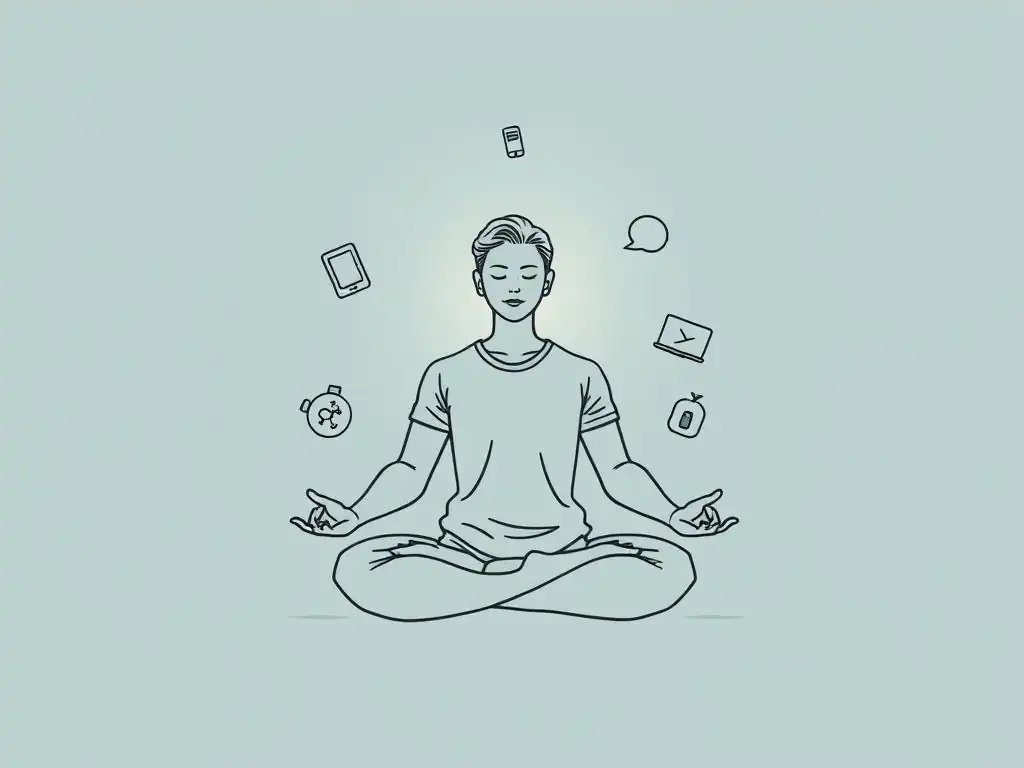
Maintaining a successful tech detox isn't a sprint; it's a marathon. The initial days might feel challenging, but establishing long-term strategies is crucial for preventing relapse and reaping the sustained benefits of a healthier relationship with technology. This section focuses on practical techniques to ensure your tech detox becomes a sustainable lifestyle change, rather than a temporary fix. We'll explore relapse prevention, lifestyle integration, and the lasting rewards of a tech-free life.
Identifying Triggers and Avoiding Relapse: Strategies for Staying on Track
Relapses are common, especially during the initial phases of a tech detox. Understanding your personal triggers is the first step toward avoiding them. Common triggers include boredom, stress, loneliness, and the ingrained habit of reaching for your phone. To effectively combat these, consider the following strategies:
- Identify your personal triggers: Keep a journal for a week, noting down the times you feel the urge to use your devices and what situations precede these urges. Are you stressed after work? Bored on the commute? Lonely in the evenings? Pinpointing these patterns is key.
- Develop alternative coping mechanisms: For each trigger identified, brainstorm healthy alternatives. Instead of scrolling through social media when stressed, try deep breathing exercises, meditation, or a short walk. If boredom strikes, pick up a book, listen to music, or engage in a hobby.
- Create a structured schedule: A well-structured day leaves less room for impulsive technology use. Schedule specific times for checking emails or engaging with social media, limiting these activities to designated periods rather than allowing them to consume your entire day. This proactive approach reduces the likelihood of spontaneous tech binges.
- Utilize technology blockers: Apps and browser extensions can temporarily restrict access to specific websites or apps, providing a digital safety net during vulnerable moments. These tools can be particularly useful when you're trying to break ingrained habits.
- Seek support: Share your tech detox goals with friends or family, and ask for their support. Having an accountability partner can significantly improve your chances of success. Consider joining online communities dedicated to digital minimalism; shared experiences can be incredibly helpful.
Integrating Tech Detox into Your Lifestyle: Making it a Sustainable Habit
Integrating a tech detox into your daily life requires conscious effort and a willingness to adapt your routines. It's not about eliminating technology entirely, but rather about cultivating a mindful and balanced relationship with it. Consider these strategies for long-term success:
- Establish tech-free zones: Designate specific areas in your home, such as your bedroom or dining room, as technology-free zones. This helps create boundaries and promotes relaxation and deeper connections with those around you.
- Schedule regular digital downtime: Integrate regular periods of disconnection into your weekly routine. This could involve a tech-free evening, a weekend without your phone, or even a full digital sabbath.
- Cultivate non-digital hobbies: Replace screen time with engaging activities that nurture your mind, body, and soul. Explore hobbies like reading, painting, gardening, playing a musical instrument, or spending time in nature. This shift in focus makes tech detox less of a deprivation and more of a positive lifestyle enhancement.
- Prioritize real-life connections: Reconnect with loved ones through meaningful interactions, rather than relying on digital communication. Schedule regular in-person meetings with friends and family.
- Embrace mindfulness and meditation: Practicing mindfulness helps you become more aware of your impulses and reactions to technology. Regular meditation can improve self-control and reduce stress, making it easier to resist the urge to pick up your phone.
The Benefits of a Tech-Free Life: Improved Mental Health and Wellbeing
The benefits of a tech detox extend far beyond simply reducing screen time. A mindful approach to technology use contributes significantly to improved mental health and overall wellbeing. The reduction in digital distractions fosters deeper self-awareness, reduces stress and anxiety, and enhances creativity and productivity.
- Reduced stress and anxiety: Constant notifications and the pressure to stay connected can significantly increase stress levels. A tech detox allows your mind to rest and recover, leading to reduced anxiety and improved mental clarity.
- Improved sleep quality: The blue light emitted from screens interferes with melatonin production, disrupting your sleep cycle. Reducing screen time before bed improves sleep quality, leading to increased energy and focus during the day.
- Enhanced focus and concentration: Constant digital distractions fragment attention and impair concentration. A tech detox allows your mind to focus on tasks without interruption, improving productivity and cognitive function. You’ll experience a marked improvement in your ability to concentrate on tasks, leading to greater efficiency and accomplishment.
- Increased self-awareness and mindfulness: Disconnecting from technology allows you to turn your attention inward, fostering self-reflection and self-awareness. This increased introspection can lead to a better understanding of your thoughts, feelings, and behaviors. You'll find yourself more attuned to your own needs and emotions.
- Stronger relationships: Reducing screen time allows you to prioritize real-life connections, strengthening relationships with family and friends. Face-to-face interactions foster deeper bonds and a sense of belonging.
This guide provides a framework for a successful and sustained tech detox. Remember, it's a journey, not a destination. Be patient with yourself, celebrate your successes, and don't be afraid to seek support when needed. The rewards of a healthier relationship with technology are well worth the effort. Enjoy the journey to a more balanced and fulfilling life!
Your Tech Detox Success Story: Tracking Progress and Celebrating Milestones
Embarking on a tech detox journey is a significant personal commitment, demanding both discipline and self-awareness. A crucial element often overlooked is the process of tracking your progress and celebrating your achievements. This isn't just about numbers; it's about acknowledging your dedication and building a positive reinforcement loop that sustains your momentum. Ignoring this aspect risks burnout and relapse. This section provides practical strategies to monitor your screen time effectively and reward yourself for the progress made.
Monitoring Your Screen Time: Tools and Techniques for Progress Tracking
Accurate tracking is the cornerstone of a successful tech detox. Numerous tools exist to help you monitor your digital engagement, offering insights into your usage patterns. Some devices provide built-in screen time tracking features, while dedicated apps offer more granular data and customization. Understanding where your time is going is just as important as how much time you're spending.
For example, you might find that you spend significantly more time on social media apps than you initially realized. This realization alone can be a powerful motivator for change. Alternatively, you might discover that your email checking habits are far more frequent than you anticipated, leading to a more conscious approach to email management.
Consider these approaches to effective screen time monitoring:
- Built-in OS Features: Both iOS and Android operating systems offer built-in screen time tracking features. These provide a basic overview of your daily and weekly app usage. They can highlight time-consuming apps, enabling you to prioritize your digital interactions.
- Dedicated Apps: Several apps are specifically designed for detailed screen time monitoring. These often categorize your usage by app, website, or even specific activities within apps, offering a much more comprehensive understanding of your digital habits. Some even provide insightful visualizations of your data.
- Manual Logging: While less convenient, manually logging your screen time using a journal or spreadsheet can be surprisingly effective. This hands-on approach fosters mindfulness about your technology usage, enhancing your awareness and promoting intentional engagement. This method allows for deeper reflection on why you are spending time on specific apps or websites.
The key is to find a method that fits your lifestyle and preferences. Consistency is more important than the specific tool you choose. Regular review of your tracking data will reveal patterns and provide valuable insights into your tech consumption habits, paving the way for more effective strategies.
Rewarding Yourself for Success: Celebrating Achievements and Maintaining Motivation
A successful tech detox isn't solely about reducing screen time; it's also about replacing that time with activities that enrich your life. Integrating rewards into your strategy is crucial for maintaining motivation and celebrating your progress. These rewards should be intrinsically valuable, aligned with your personal goals, and avoid falling back into excessive technology use.
Instead of rewarding yourself with more screen time, consider these alternatives:
- Experiential Rewards: Plan engaging activities that foster personal growth, relaxation, or connection. This could include spending time in nature, pursuing a hobby, connecting with loved ones, or engaging in physical activity. These rewards help create positive associations with your tech detox journey.
- Self-Care Rewards: Prioritize activities that nourish your well-being. This could include a relaxing bath, reading a book, meditating, or listening to music. These acts of self-care reinforce the positive impact of your tech detox.
- Goal-Based Rewards: Set specific milestones, such as reducing screen time by a certain percentage or abstaining from technology for a set period. Upon achieving these milestones, reward yourself with something meaningful and enjoyable, reinforcing positive behavior.
Remember, your tech detox journey is a marathon, not a sprint. Celebrate small victories along the way. Acknowledge and appreciate your efforts, no matter how small. This positive reinforcement is crucial to maintaining your momentum and achieving lasting change. By tracking your progress and rewarding yourself appropriately, you build a sustainable path towards a healthier relationship with technology. The ultimate reward? A life reclaimed, filled with intentionality and genuine connection.
Frequently Asked Questions
What is a tech detox, and why should I consider one?
A tech detox is a period where you consciously reduce or eliminate your use of technology. It helps reduce stress, improve sleep, and increase focus by disconnecting from the constant stimulation of devices.
How long should a tech detox last?
The ideal duration depends on your needs and goals. Start with a short period, perhaps a day or a weekend, and gradually increase the length as you become more comfortable. Listen to your body and adjust accordingly.
What are some practical tech detox life hacks?
Establish tech-free zones in your home (e.g., bedroom). Schedule specific times for technology use. Replace screen time with activities like reading, exercising, or spending time in nature. Utilize tools like website blockers.
Are there any apps that can help with a tech detox?
Yes, many apps help track usage, limit access to certain apps, and even block distracting websites. Research apps like Freedom, Forest, or Offtime to find one that suits your needs. Experiment to discover what works best for you.
What if I experience withdrawal symptoms during a tech detox?
It's normal to experience some withdrawal symptoms like anxiety or irritability. Acknowledge these feelings, practice mindfulness, and engage in relaxing activities. Remember your goals and focus on the positive benefits of disconnecting.
Final Reflection: Reclaiming Your Life, One Digital Detox at a Time
The relentless pace of modern technology demands a conscious counterbalance; our well-being hinges on our ability to disconnect and reconnect with ourselves and the world around us. The digital age offers incredible opportunities, but its constant demands can leave us feeling overwhelmed, anxious, and disconnected from what truly matters. This guide has explored practical strategies to navigate this digital deluge, offering a lifeline in the face of overwhelming connectivity.
The pervasive influence of technology on our lives is undeniable, shaping our relationships, our work, and even our sense of self. It's a double-edged sword, offering incredible convenience and connection, yet simultaneously threatening to erode our mental and emotional health. The greatest danger for most of us is not that our aim is too high and we miss it, but that it is too low and we reach it.
- Michelangelo. This quote resonates deeply because it highlights the importance of setting meaningful goals beyond the fleeting distractions of our devices, goals that nourish our souls and contribute to a richer, more fulfilling existence.
Now, consider your own relationship with technology. What aspects of your digital life drain your energy and diminish your joy? What small, manageable steps can you take today to reclaim your time, attention, and peace of mind? Begin by identifying one area where you can implement a simple tech detox strategy – perhaps a technology-free hour each day, or a digital Sabbath once a week. Embrace the power of mindful disconnection, and watch as you rediscover the beauty of presence, the joy of genuine connection, and the profound peace that comes from a life intentionally lived.
Rediscover Your Focus: Take Control of Your Tech Consumption
Thanks for exploring our Tech Detox guide! We hope you found helpful advice on reclaiming your time and energy. Now let's put that knowledge into practice.
- Prioritize digital decluttering: Begin with a single app or social media platform you want to use less, and create a realistic usage schedule. Even reducing your time by 30 minutes a day can significantly improve your well-being!
- Explore mindful alternatives: Replace screen time with activities that truly refresh you – perhaps a walk in nature, pursuing a creative hobby, or connecting with friends and family.
- Share your tech detox journey: Inspire others! Share your experiences and tips on social media using #TechDetoxChallenge.
Ready to feel more present and in control? What's the first small step you'll take today to start your tech detox?