
DIY Your Way to a Better Life: Practical Solutions for a More Efficient You

Ready to unlock a world of effortless efficiency? At UltimateLifeHacks, we're dedicated to simplifying your life with practical solutions. Discover the power of DIY life hacks efficiency tips – ingenious, easy-to-implement strategies that will transform your daily routine. Intrigued? Dive in and uncover the secrets to reclaiming your time and boosting your productivity. Let's build a better, more efficient you, together!
- Boosting Efficiency with Simple DIY Life Hacks
- Time-Saving DIY Life Hacks for Daily Routines
- DIY Projects to Enhance Productivity and Focus
- Cost-Effective DIY Life Hacks for Efficiency
- DIY Life Hacks for Sustainable Living and Efficiency
- Mastering DIY Life Hacks: Tips and Tricks for Success
-
Frequently Asked Questions
- What are some easy DIY life hacks for improving home efficiency?
- How can DIY projects save me time in my daily routine?
- Where can I find inspiration for DIY life hacks to boost efficiency?
- Are DIY life hacks really cost-effective compared to buying pre-made solutions?
- What are some essential tools needed for basic DIY life hacks focused on efficiency?
- Final Reflection: The Enduring Power of Self-Made Solutions
- Unlock Your Efficiency Potential: Take Action Today!
Boosting Efficiency with Simple DIY Life Hacks
Are you overwhelmed by daily tasks and struggling to find time for the things you love? Do you feel like your life is constantly cluttered, both physically and mentally? Then you've come to the right place!
This article explores the power of DIY life hacks to boost your efficiency and reclaim your time. We'll delve into practical, creative solutions that require minimal effort and expense, transforming your home and daily routines into streamlined systems designed for maximum productivity. We'll cover everything from clever organization techniques to ingenious upcycling projects, all focused on helping you achieve a more efficient and fulfilling life.
Mastering these DIY life hacks isn't just about saving money; it's about cultivating a mindset of resourcefulness and proactively tackling everyday challenges – a key component of enhancing your overall efficiency and well-being. This guide will equip you with the knowledge and inspiration to implement these DIY efficiency tips and experience the transformative power of a more organized and productive life. Let's dive into the world of creative problem-solving and unlock your potential!
DIY Organization Hacks for a Clutter-Free Home
A clutter-free home is a clutter-free mind. This is a fundamental principle of productivity, and DIY organization hacks can play a significant role in achieving this. One simple yet effective method is to repurpose everyday items into clever storage solutions. For example, old tin cans can be painted and used to store pens, pencils, or kitchen utensils. Similarly, repurposed shoe boxes, decorated with colorful paper or fabric, can be stacked neatly on shelves to store smaller items.
The key is to utilize vertical space effectively. Consider installing shelves in unused corners or above doorways to maximize storage potential. Another impactful technique involves implementing the "one in, one out" rule. For every new item you bring into your home, commit to removing a similar item. This prevents clutter from accumulating and keeps your space organized.
Don't underestimate the power of regular decluttering sessions! Set aside 15-30 minutes each week to tidy up and discard unnecessary items. This prevents small messes from snowballing into larger organizational challenges, saving you significant time and stress in the long run. Remember, consistent effort is crucial for maintaining a clutter-free environment. The initial investment of time in implementing these DIY organization hacks will yield long-term benefits in terms of increased efficiency and reduced stress levels.
Upcycling Old Items: Creative DIY Projects for Efficiency
Upcycling transforms discarded items into useful tools, contributing both to environmental sustainability and personal efficiency. Consider transforming old jars into spice racks, or repurposing old t-shirts into reusable shopping bags. These are not only eco-friendly but also save you money and improve your daily routines. For instance, an old ladder can be easily converted into a unique bookshelf, providing additional storage space while adding a touch of rustic charm to your home.
Similarly, pallets can be repurposed into stylish shelves or even a garden bed, showcasing creativity while simultaneously solving storage and organizational problems. The possibilities are truly endless. By thinking creatively, you can find countless ways to upcycle old items and improve your efficiency.
This approach not only reduces waste but also fosters a sense of accomplishment and resourcefulness, leading to a more sustainable and productive lifestyle. Furthermore, the process itself can be incredibly therapeutic and satisfying. This makes upcycling a win-win situation, enhancing both efficiency and personal well-being.
Smart Storage Solutions: DIY Organization for Maximum Efficiency
Creating smart storage solutions is crucial for maximizing efficiency. This goes beyond simply storing items; it’s about creating a system that allows for easy access and retrieval. One effective technique is to utilize clear containers for storage. This allows you to see the contents at a glance, eliminating the time wasted searching for specific items.
Labeling your containers further enhances this efficiency. Consider using a color-coding system to categorize items, making it even faster to locate what you need. Another smart storage solution involves building a vertical file system using repurposed cardboard boxes or magazine holders. This is especially useful for organizing documents, receipts, or craft supplies.
Remember to regularly review your storage system and make adjustments as needed. This ensures that your system remains efficient and effective in the long run. The goal is to create a system that is intuitive and easy to maintain, minimizing the time spent on organizing and maximizing the time spent on more important tasks. By strategically implementing these DIY storage solutions, you can significantly improve your overall efficiency and create a more organized and productive environment.
Time-Saving DIY Life Hacks for Daily Routines
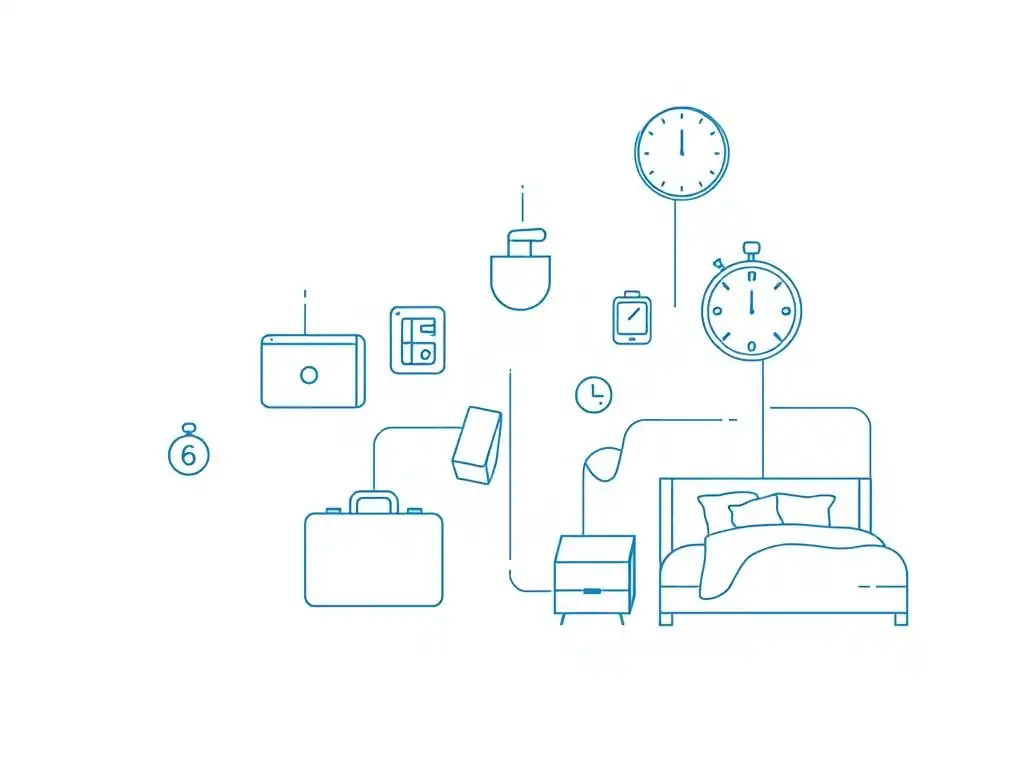
This section explores practical, DIY solutions designed to boost your efficiency and reclaim valuable time in your daily routines. We'll focus on simple, cost-effective hacks that require minimal effort but yield significant results in terms of time saved and overall productivity. Implementing these DIY life hacks can significantly improve your quality of life, reducing stress and freeing up time for activities you truly enjoy.
Remember, even small changes can accumulate into substantial time savings over the course of a week, month, or year. The key is consistent application and a willingness to experiment with what works best for your specific needs.
DIY Kitchen Organization for Faster Meal Prep
Meal preparation often consumes a significant chunk of our daily time. However, with some clever DIY organization, you can dramatically reduce this time investment. Consider these strategies to streamline your kitchen workflow and enjoy quicker, more efficient meal prep:
- Repurpose spice racks: Instead of scattering spices across countertops, utilize a repurposed spice rack to neatly organize them. This instantly improves visibility and access, saving precious seconds during cooking. You can even label each spice with a permanent marker for easy identification.
- Magnetic spice strips: Another excellent solution for spice organization involves attaching magnetic strips to the inside of a cabinet door and using magnetic spice containers. This keeps spices readily accessible and prevents clutter on the counter.
- DIY drawer dividers: Kitchen drawers often become chaotic messes. Creating DIY drawer dividers using cardboard, repurposed plastic containers, or even repurposed wooden craft pieces can dramatically improve organization and access to utensils and cooking tools. This simple DIY project can save you minutes each day spent searching for items.
- Label everything: Clear labeling is crucial for efficient kitchen organization. Label containers, shelves, and drawers to instantly know where everything is located. This reduces time spent searching and makes it easier for others to assist in the kitchen.
Implementing these simple DIY kitchen organization solutions can collectively save you 15-30 minutes per day on meal preparation, translating into significant time savings over a week.
Streamlining Your Morning Routine with DIY Solutions
A chaotic morning routine can set a negative tone for the entire day. These DIY solutions offer a path to a more efficient and less stressful start to your day:
- DIY command center: Create a centralized command center using a corkboard, whiteboard, or even a repurposed frame. Use this to organize your daily schedule, to-do lists, and important reminders. This centralized system eliminates the need to search for scattered notes and schedules.
- Prepare outfits the night before: This simple yet highly effective hack eliminates morning decision fatigue and saves valuable time. Lay out your clothes, shoes, and accessories the night before to ensure a smooth and quick morning routine.
- Overnight oats: Prepare overnight oats the night before to save time on breakfast preparation. Simply combine oats, milk (dairy or non-dairy), chia seeds, and your favorite toppings in a jar or container. Refrigerate overnight and enjoy a quick and healthy breakfast in the morning.
These DIY solutions can collectively save you 10-15 minutes each morning, significantly improving your mood and productivity for the rest of the day. The cumulative effect over a week is substantial.
DIY Laundry Hacks for Increased Efficiency
Laundry is a never-ending chore, but these DIY life hacks can streamline the process:
- DIY laundry detergent: Making your own laundry detergent is not only cost-effective but also environmentally friendly. Numerous online recipes offer various options, allowing you to customize your detergent to your preferences. This also reduces packaging waste.
- Sort laundry strategically: Designate specific laundry baskets for different types of clothing (whites, colors, delicates) to streamline the sorting process. This prevents the need to constantly sort through clothes before washing.
- Optimize your washing machine: Learn your washing machine's optimal settings for different fabrics to improve efficiency and reduce washing time. Avoid overfilling the machine to ensure proper cleaning.
- Fold and put away immediately: This simple habit prevents laundry from piling up and makes putting away the clean clothes a much quicker process.
These DIY laundry hacks can collectively reduce the time spent on laundry by 10-15%, depending on the frequency of laundry and the size of your household. This translates into freeing up time that can be used for more productive or enjoyable activities. Remember, even small improvements in efficiency can have a significant impact on your overall productivity and well-being.
DIY Projects to Enhance Productivity and Focus
This section explores practical, budget-friendly DIY projects designed to boost your productivity and improve focus. We'll delve into specific, actionable steps to transform your environment and workflow, maximizing efficiency using readily available materials. Remember, even small changes can significantly impact your daily output and overall well-being. The core concept here is leveraging the power of "DIY life hacks efficiency tips" to create a personalized productivity powerhouse.
Creating a Personalized Workspace with DIY Upgrades
A well-organized and personalized workspace is crucial for maintaining focus and maximizing productivity. Instead of purchasing expensive organizers, consider these DIY upgrades:
- DIY Cable Management: Tame unruly cables with repurposed cardboard tubes, binder clips, or even colorful zip ties. Strategically routing cables not only improves aesthetics but also prevents frustrating tangles and saves valuable time. Experiment with different methods to find what works best for your desk setup. For example, you could use a repurposed shoe organizer hung on the back of your desk to hold charging cables neatly.
- DIY Desk Organizer: Transform old jars, tins, or even repurposed wooden crates into stylish and functional desk organizers. Label each container to keep things neat and easily accessible. This simple DIY project can significantly improve your workflow by keeping frequently used items within arm's reach. Consider using chalkboard paint on the jars for easy labeling and updating.
- DIY Standing Desk Converter: If you spend long hours sitting, consider a DIY standing desk converter. You can create a simple one using a sturdy box, a piece of plywood, and some anti-slip material. This inexpensive alternative to a commercial standing desk converter is a great way to incorporate more movement into your workday and combat the negative effects of prolonged sitting. Remember to prioritize ergonomics and adjust the height for optimal comfort.
DIY Noise-Cancelling Solutions for Improved Concentration
Distracting noises can significantly hinder productivity. While professional noise-canceling headphones are expensive, several DIY solutions can effectively reduce unwanted sounds:
- DIY Sound Dampening Panels: Using recycled materials like egg cartons, fabric scraps, and acoustic foam (if available), you can create sound-absorbing panels to hang on your walls. This simple DIY project can remarkably reduce echo and external noise, creating a more conducive environment for focused work. Experiment with different materials and layering techniques to optimize noise reduction. Remember to securely attach the panels to avoid accidents.
- DIY White Noise Machine: Create a calming white noise ambiance using readily available resources. A simple fan, a running water tap (carefully controlled! ), or even a dedicated white noise app on your phone can effectively mask distracting background sounds. The goal is to create a consistent, soothing background sound that masks disruptive noises without being overly distracting itself.
- Strategic Room Placement: If possible, reposition your workspace away from noisy areas like kitchens, hallways, or busy streets. Even a slight change in location can significantly reduce noise levels and improve concentration. Consider using heavy curtains or blinds to further dampen external sounds.
DIY Tools and Gadgets for Enhanced Productivity
There are numerous DIY tools and gadgets that can enhance your productivity. Here are a few ideas:
- DIY Pomodoro Timer: A simple timer is the cornerstone of the Pomodoro Technique. Instead of relying on apps, create a visual timer using a readily available kitchen timer, or even design a simple one using cardboard and a rotating hand-drawn dial. This hands-on approach adds a tactile element to your productivity system.
- DIY Keyboard Shortcut Cheat Sheet: Create a quick-reference guide for frequently used keyboard shortcuts. This can significantly speed up your workflow and reduce the time spent searching for commands. Laminate the cheat sheet for durability and place it conveniently near your workspace.
- DIY Task Management Board: Using a corkboard, whiteboard, or even a large sheet of paper, create a visual task management system. This allows you to track your progress, prioritize tasks, and maintain a clear overview of your workload. Use colorful sticky notes or index cards to categorize tasks and track their status. This is a highly visual and effective way to manage your to-do list and promotes a sense of accomplishment as you complete tasks and move them off the board. Consider adding a reward system to incentivize task completion.
Cost-Effective DIY Life Hacks for Efficiency
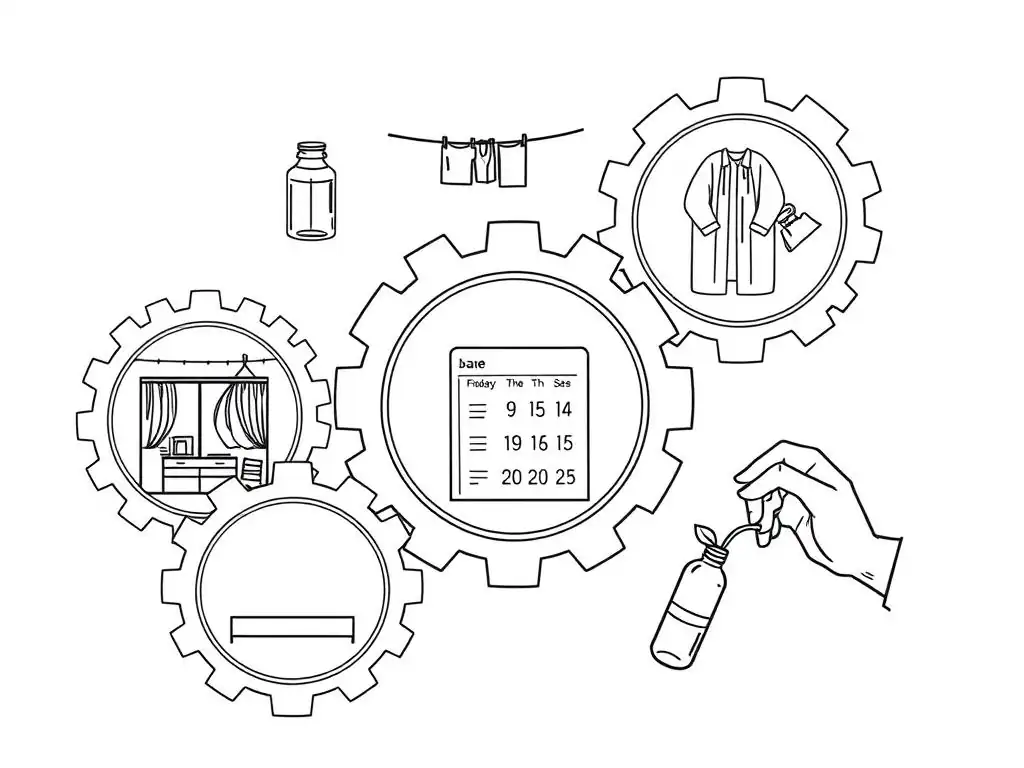
This section explores how embracing DIY projects can significantly boost your efficiency while simultaneously saving money. We'll delve into specific examples demonstrating the practical application of DIY life hacks, focusing on budget-friendly solutions and maximizing resource utilization. The core concept revolves around repurposing existing items and creating your own cleaning supplies and home maintenance solutions, all contributing to a more efficient and cost-effective lifestyle. This approach aligns perfectly with the "DIY life hacks efficiency tips" keyword, showcasing how resourcefulness translates to tangible improvements in daily life.
Repurposing Everyday Items: Budget-Friendly DIY Solutions
Repurposing common household items is a cornerstone of efficient and cost-effective DIY. Instead of discarding items, consider their potential for transformation. For instance, old t-shirts can be easily converted into reusable cleaning cloths, eliminating the need for constantly buying disposable wipes. This simple swap reduces waste and saves money in the long run.
Similarly, empty glass jars can be repurposed as storage containers for spices, bathroom essentials, or even craft supplies, creating organized and visually appealing storage solutions. Think outside the box! A sturdy cardboard box could become a surprisingly effective organizer for your garage or under-sink storage, keeping everything neatly arranged and easily accessible.
The possibilities are endless, limited only by your creativity and a willingness to explore the potential hidden within everyday objects. The key is to assess your existing possessions before purchasing new items, considering how they can be adapted to meet your current needs. This mindful approach is a powerful tool for enhancing both efficiency and savings.
DIY Cleaning Products: Eco-Friendly and Efficient
Making your own cleaning products is not only cost-effective but also contributes to a more eco-friendly lifestyle. Commercial cleaning products often contain harsh chemicals that can be harmful to the environment and your health. DIY alternatives, using readily available ingredients like baking soda, vinegar, and lemon juice, are gentler, more affordable, and just as effective.
For instance, a simple mixture of baking soda and vinegar can create a powerful cleaning paste for tackling stubborn stains in the kitchen or bathroom. Lemon juice, with its natural bleaching properties, can be used to clean and disinfect surfaces. These DIY cleaning solutions are not only environmentally friendly but also reduce the clutter of numerous store-bought bottles, contributing to a more organized and efficient cleaning routine.
Consider creating a cleaning caddy with your homemade solutions, pre-portioned and ready to use – this simplifies the cleaning process and saves time. Remember to label your containers clearly for easy identification. This approach aligns with the "DIY life hacks efficiency tips" keyword by highlighting the cost savings and environmental benefits alongside the increased efficiency of a simplified cleaning system.
Saving Money with DIY Home Repairs and Maintenance
Minor home repairs and maintenance tasks are often surprisingly simple to handle yourself, saving you significant costs on professional services. Learning basic skills like patching drywall, fixing leaky faucets, or unclogging drains can significantly reduce expenses over time. YouTube tutorials and online guides provide readily available instruction for a wide range of repairs.
For example, repairing a leaky faucet often involves simply replacing a worn-out washer – a relatively inexpensive and straightforward procedure that can prevent water wastage and costly plumbing bills. Similarly, patching a small hole in drywall requires minimal tools and materials, and numerous online resources guide you through the process step-by-step. By tackling these smaller tasks yourself, you not only save money but also gain a sense of accomplishment and self-reliance.
This approach directly contributes to a more efficient and cost-effective home management strategy, perfectly embodying the core theme of "DIY life hacks efficiency tips." Investing time in learning these basic skills pays dividends in both cost savings and enhanced self-sufficiency.
DIY Life Hacks for Sustainable Living and Efficiency

This section explores how embracing DIY projects can significantly boost your sustainability efforts and improve your overall efficiency. We'll delve into practical, actionable DIY life hacks focusing on waste reduction, energy conservation, and resource optimization – all while aligning with the principles of "DIY life hacks efficiency tips." The goal is to show you how simple, creative solutions can lead to a more eco-friendly and productive lifestyle.
DIY Composting and Recycling Solutions
Composting and recycling are cornerstones of sustainable living, and DIY methods can make these processes more efficient and personalized. Instead of relying solely on municipal services, you can create your own composting system tailored to your needs and waste generation. This not only reduces your environmental footprint but also provides nutrient-rich compost for your garden, further enhancing your self-sufficiency.
Consider building a simple three-bin composting system using readily available materials like pallets or repurposed containers. One bin holds fresh organic waste, the second houses the composting material undergoing decomposition, and the third stores finished compost ready for use. Regular turning and moisture management are crucial for effective composting. Remember to avoid adding meat, dairy, or oily foods to prevent attracting pests.
Recycling can also be improved with DIY solutions. For instance, create designated bins for different recyclable materials (paper, plastic, glass, metal) within your home to streamline the sorting process. This minimizes contamination and maximizes the efficiency of your recycling efforts. You can even craft attractive and functional recycling bins from repurposed materials like old crates or jars, adding a touch of personalized style to your eco-conscious endeavors. This aligns perfectly with the concept of "DIY life hacks efficiency tips" by optimizing your recycling system.
Furthermore, explore innovative DIY recycling projects. For example, you can repurpose glass jars into storage containers, transforming waste into useful items. Old t-shirts can be cut into reusable cleaning cloths, reducing your reliance on disposable paper towels. These small changes collectively contribute to a significant decrease in waste.
Reducing Waste with DIY Projects
Minimizing waste is a key element of efficient living, and DIY projects offer numerous opportunities to achieve this. By creating your own products instead of buying pre-made ones, you can reduce packaging and transportation waste, directly impacting your carbon footprint. This is a prime example of how "DIY life hacks efficiency tips" translate into tangible environmental benefits.
Consider making your own cleaning solutions using natural ingredients like vinegar, baking soda, and essential oils. Not only are these solutions often more effective than commercially produced cleaners, but they also eliminate the need for plastic bottles and harmful chemicals. Similarly, you can craft homemade beauty products like lotions, scrubs, and lip balms, reducing your reliance on mass-produced items filled with potentially harmful ingredients and excessive packaging.
The creation of reusable alternatives to disposable items also plays a vital role in waste reduction. For example, sewing your own reusable shopping bags from old fabrics is a simple yet impactful project. Similarly, creating beeswax food wraps offers a sustainable and eco-friendly alternative to plastic wrap. These projects are not only economical but also contribute substantially to minimizing your waste output. This actively supports your commitment to "DIY life hacks efficiency tips."
Energy-Saving DIY Projects for Home Efficiency
Improving home energy efficiency is crucial for both cost savings and environmental responsibility. Numerous DIY projects can significantly reduce your energy consumption and lower your utility bills, aligning perfectly with the principles of "DIY life hacks efficiency tips."
Simple projects like weatherstripping windows and doors can dramatically reduce drafts and heat loss. This involves using caulk or weatherstripping tape to seal gaps and cracks around windows and doors, preventing cold air from entering during winter and hot air from escaping in summer. Investing a little time in this project can lead to significant energy savings over time.
Another effective DIY project is installing low-flow showerheads and faucet aerators. These simple upgrades can significantly reduce water and energy consumption without compromising water pressure or functionality. The money saved on your utility bills will quickly offset the initial cost of these components. These practical examples demonstrate how "DIY life hacks efficiency tips" can directly impact your energy usage and financial well-being.
Furthermore, consider creating your own energy-efficient lighting solutions by switching to LED bulbs. While not strictly a DIY project in the construction sense, the act of choosing and installing LED bulbs is a proactive step towards energy conservation and falls under the umbrella of practical DIY life hacks for efficiency. The long-term energy savings and reduced carbon footprint make this a worthwhile endeavor. This practical approach to "DIY life hacks efficiency tips" directly contributes to a more sustainable and cost-effective lifestyle.
Mastering DIY Life Hacks: Tips and Tricks for Success
This section delves into the practical aspects of successfully implementing DIY life hacks, focusing on techniques to maximize efficiency and minimize frustration. We'll explore essential tools, meticulous planning, and strategies for overcoming common obstacles. Remember, the core of effective DIY lies in thoughtful preparation and proactive problem-solving. This approach will transform your DIY projects from daunting tasks into rewarding experiences, boosting your productivity and enhancing your daily life.
Essential Tools and Materials for DIY Projects
Having the right tools and materials significantly impacts the efficiency and success of any DIY project. A well-stocked toolbox isn't just about having the latest gadgets; it's about having the right tools for the job. This reduces time wasted searching for substitutes and minimizes the risk of damaging materials or causing injury.
Let's consider a common scenario: repairing a leaky faucet. Instead of fumbling with a mismatched set of screwdrivers, having a complete set – including Phillips and flathead in various sizes – ensures a smooth, quick repair. Similarly, having the correct size wrench avoids stripping bolts, a common DIY frustration.
Beyond hand tools, consider the importance of quality materials. Using cheap, inferior materials often leads to quicker wear and tear, rendering your efforts ineffective and potentially necessitating a costly redo. Prioritizing durable, high-quality materials is an investment in long-term efficiency and satisfaction.
Here’s a sample checklist for a basic DIY toolkit:
| Tool Category | Essential Tools | Desirable Additions |
|---|---|---|
| Screwdrivers | Phillips head (various sizes), Flathead (various sizes) | Security bits, magnetic tip screwdriver |
| Wrenches | Adjustable wrench, socket wrench set | Torque wrench |
| Measuring Tools | Tape measure, level | Digital caliper, protractor |
| Cutting Tools | Utility knife, wire cutters | Hacksaw, jigsaw |
| Other | Hammer, pliers, safety glasses, work gloves | Drill, electric screwdriver, multimeter |
This list is not exhaustive, and the specific tools you need will vary depending on the project. However, investing in a well-organized, comprehensive toolkit will significantly improve your DIY efficiency and reduce the likelihood of encountering unexpected setbacks. Remember, a stitch in time saves nine – and the same applies to having the right tools at hand!
Planning and Preparation for Efficient DIY
Efficient DIY isn't just about execution; it's fundamentally about preparation. Thorough planning significantly reduces errors, wasted materials, and overall project time. Before starting any project, take the time to meticulously plan every step. This involves several key stages:
- Defining the scope: Clearly articulate your project goals. What exactly are you trying to achieve? Setting clear, measurable objectives helps maintain focus and prevents scope creep.
- Gathering information: Research your project thoroughly. Watch tutorials, read instructions, and consult experts if needed. This reduces uncertainty and helps anticipate potential problems.
- Creating a checklist: Break down the project into smaller, manageable tasks. This creates a clear roadmap and allows for better time management. Use a checklist to track your progress and ensure nothing is overlooked.
- Gathering materials: Make a comprehensive list of all materials needed and acquire them before starting the project. This eliminates interruptions and ensures a smooth workflow. Consider purchasing slightly more materials than you anticipate needing to account for potential errors or unforeseen circumstances.
- Preparing the workspace: Organize your workspace to maximize efficiency. Ensure you have adequate lighting, ventilation, and enough room to work comfortably. A cluttered workspace leads to wasted time and increased frustration.
Following these steps transforms DIY from a potentially chaotic endeavor into a structured, manageable process. This systematic approach drastically improves efficiency and reduces the likelihood of encountering unexpected complications, leading to a more satisfying and productive experience. Remember, "measure twice, cut once" is more than just a proverb; it's a foundational principle of efficient DIY.
Troubleshooting Common DIY Challenges
Even with meticulous planning, DIY projects can encounter unforeseen challenges. Knowing how to troubleshoot common problems effectively is key to maintaining efficiency. Here are some typical issues and effective solutions:
- Broken tools: Always have backup tools or know where to source replacements quickly. A broken drill bit can halt progress entirely. Having spares minimizes downtime.
- Missing materials: Always double-check your materials list before starting. If you discover a missing item mid-project, it creates a significant delay.
- Unexpected complications: Sometimes, projects reveal hidden problems – a rotted floorboard, a faulty wire, etc. Having a plan B, or at least the knowledge to research solutions quickly, is crucial for maintaining momentum.
- Lack of skills: Don't hesitate to seek help from experienced DIYers or professionals if you encounter a problem beyond your skill level. Attempting a complex repair without adequate knowledge can lead to more significant damage.
Proactive problem-solving is crucial. By anticipating potential challenges and having contingency plans in place, you can significantly minimize disruptions and maintain efficient progress throughout your DIY projects. Remember, even experienced DIYers encounter obstacles; it's how you handle them that determines your success. Embrace the learning process, and remember that every challenge presents an opportunity to improve your skills and refine your approach. This iterative process is key to mastering DIY and achieving greater efficiency in all your endeavors.
Frequently Asked Questions
What are some easy DIY life hacks for improving home efficiency?
Simple solutions include upcycling old jars into storage containers, using tension rods to create extra closet space, and repurposing old t-shirts into cleaning rags. These reduce waste and improve organization.
How can DIY projects save me time in my daily routine?
Creating customized organizational systems (like spice racks or drawer dividers) prevents daily searching for items. Automating tasks with simple DIY timers or organizers also frees up valuable time.
Where can I find inspiration for DIY life hacks to boost efficiency?
Websites like UltimateLifeHacks, Pinterest, and YouTube are great resources. Search for "DIY organization, "time-saving hacks," or "productivity DIY" for tons of ideas.
Are DIY life hacks really cost-effective compared to buying pre-made solutions?
Yes, absolutely! Many DIY projects use recycled materials or inexpensive items, significantly reducing the overall cost compared to purchasing pre-made alternatives. You save money and gain a sense of accomplishment.
What are some essential tools needed for basic DIY life hacks focused on efficiency?
A basic toolkit including a screwdriver set, measuring tape, scissors, hot glue gun, and some basic hand tools will cover most simple projects. Remember safety first!
Final Reflection: The Enduring Power of Self-Made Solutions
The pursuit of efficiency isn't just a trend; it's a fundamental human desire to maximize our potential and create a life we truly love. In a world constantly demanding more of our time and energy, the ability to streamline our processes and optimize our routines becomes increasingly crucial. This article has explored practical, DIY solutions to enhance various aspects of daily life, proving that significant improvements are often within our reach, requiring only a little ingenuity and effort.
The impact of embracing a DIY mindset extends far beyond mere time management; it fosters a sense of empowerment and self-reliance. It's about reclaiming control over our environment and our lives, shaping them to better suit our needs and aspirations. This resonates deeply with me, as I've personally experienced the transformative power of small, intentional changes. The greatest discovery of all time is that a person can change his future by merely changing his attitude.
– Oprah Winfrey. This quote perfectly encapsulates the spirit of this article – that by taking proactive steps, however small, we can significantly alter the trajectory of our lives.
Now, I invite you to consider the areas in your own life where a DIY approach could yield significant benefits. Perhaps it's streamlining your morning routine, organizing your workspace, or finding creative solutions to recurring challenges. Don't underestimate the power of small, consistent actions. Embrace the spirit of ingenuity, experiment with new ideas, and watch as you build a more efficient, fulfilling, and truly your own life, one DIY project at a time.
Unlock Your Efficiency Potential: Take Action Today!
Thank you for exploring practical solutions for a more efficient life! We hope you discovered valuable insights to boost your productivity and well-being. Now, let's put those ideas into action.
- Prioritize one key takeaway from this article: Identify the area where even a small improvement would significantly impact your day. Schedule time to address it this week.
- Share your chosen focus and initial strategies with our community in the comments below. Let's inspire each other!
- Reward yourself upon completion—a relaxing bath, a favorite podcast, or a treat. Celebrate your progress!
What impactful change will you implement first to boost your efficiency this week, and why?