
Attention Hack: The One Thing You Need to Stop Doing Now


Ready to reclaim your time and unlock a more productive you? At UltimateLifeHacks, we're dedicated to helping you optimize your daily life. Our latest article, "Attention Hack: The One Thing You Need to Stop Doing Now," dives deep into the crucial practice of digital minimalism and reveals how to finally Stop wasting time now. Discover the simple yet powerful strategies that will transform your efficiency and leave you wondering why you didn't start sooner. Let's begin your journey to a more fulfilling and productive life.
- Stop Wasting Time Now: Identifying Your Biggest Time Thief
- Eliminate Distractions to Improve Focus
- Reclaim Your Time: Practical Strategies for Better Time Management
- Stop Multitasking: The Myth of Efficiency
- Long-Term Strategies for Sustained Focus
- Stop Wasting Time Now: Actionable Steps for Immediate Improvement
-
Frequently Asked Questions
- What is the "one thing" I need to stop doing to save time, according to the UltimateLifeHacks article?
- How does multitasking contribute to wasting time?
- What are some practical strategies to avoid multitasking, as suggested by UltimateLifeHacks?
- Is it possible to completely eliminate multitasking from my daily life?
- Where can I find more information on improving focus and productivity?
- Final Reflection: Reclaiming Your Time, Reclaiming Yourself
- Unlock Your Focus: Take Control of Your Attention Now
Stop Wasting Time Now: Identifying Your Biggest Time Thief
In today's fast-paced digital world, feeling overwhelmed and unproductive is a common experience. We're bombarded with notifications, emails, and endless distractions, making it challenging to focus on what truly matters. This article, part of our "Digital Minimalism" series focusing on "Focus and Attention in the Digital Age", dives into a crucial aspect of reclaiming your time and boosting productivity: identifying and eliminating your biggest time-wasting activities.
Learning to effectively manage your time isn't just about scheduling; it's about understanding where your time actually goes and strategically cutting out the unnecessary. We'll explore practical strategies to pinpoint your personal time thieves, understand the hidden costs of procrastination, and assess your daily routine for areas of improvement, ultimately helping you say goodbye to wasted time and hello to a more productive and fulfilling life. Let's begin by understanding the common culprits that steal your precious hours.
Recognizing Time-Wasting Activities:
Many activities masquerade as productive tasks, but in reality, they contribute little to your goals. Common time-wasting activities often fall into several categories:
- Social Media Scrolling: Mindlessly scrolling through social media platforms is a significant time sink for many. The endless stream of updates and notifications can easily consume hours without providing any tangible benefit. Consider tracking your social media usage to see just how much time you're spending.
- Excessive Email Checking: Constantly checking your email can interrupt your workflow and prevent deep work. Set aside specific times for email checks rather than reacting to every notification.
- Unnecessary Meetings: Meetings, while sometimes necessary, can become incredibly unproductive if not well-structured and focused. Question the necessity of every meeting you're invited to.
- Multitasking: Contrary to popular belief, multitasking is often less productive than focusing on one task at a time. Switching between tasks requires mental overhead, slowing down your overall progress.
- Procrastination: This is the ultimate time thief. Procrastination isn't just about delaying tasks; it's about the added stress and anxiety it creates, further hindering productivity. We'll explore this in more detail below.
The key is to honestly assess your own habits. What activities do you find yourself spending too much time on? Keep a journal for a week, noting how you spend your time in 30-minute increments. You might be surprised by the results!
Procrastination isn't merely about delaying tasks; it carries a significant hidden cost. The stress and anxiety associated with unfinished tasks can lead to:
- Reduced Productivity: The looming deadline and associated guilt can severely impact your ability to focus on other tasks.
- Increased Stress and Anxiety: The constant awareness of pending tasks can lead to chronic stress and anxiety, negatively impacting both mental and physical health.
- Lower Quality Work: Rushed work completed at the last minute is often of lower quality than work completed with adequate time and focus.
- Missed Opportunities: Procrastination can lead to missed deadlines and opportunities, impacting your professional and personal life.
To combat procrastination, try the Pomodoro Technique (working in focused 25-minute intervals with short breaks), breaking down large tasks into smaller, more manageable steps, and rewarding yourself for completing tasks. Remember, progress, no matter how small, is still progress!
Assessing Your Daily Routine:
A thorough assessment of your daily routine is crucial for identifying and eliminating time-wasting activities. Consider these questions:
- What are your top three priorities each day? Focusing on these will ensure you're spending your time on what truly matters.
- What time of day are you most productive? Schedule your most demanding tasks for these periods.
- Are there any recurring activities that you could delegate or eliminate? Outsourcing or removing unnecessary tasks frees up valuable time.
- How much time do you spend on activities that don't contribute to your goals? This is where you'll find your biggest time thieves.
- What tools or techniques can help you stay on track? Consider using productivity apps, time-blocking techniques, or other methods to improve your time management.
By honestly evaluating your daily routine and identifying your personal time-wasting activities, you can take significant steps towards a more productive and fulfilling life. Remember, even small changes can make a big difference! Start small, be consistent, and celebrate your successes along the way. You've got this! 🎉
Eliminate Distractions to Improve Focus

Stop wasting time now – it's a mantra for the modern age, and eliminating distractions is the cornerstone of achieving it. Our hyper-connected world bombards us with stimuli, constantly vying for our attention. This section focuses on practical strategies to regain control and reclaim your focus.
We'll explore techniques to minimize interruptions and create an environment conducive to deep work, ultimately leading to increased productivity and a sense of accomplishment. The key is to proactively manage your environment rather than reactively responding to every ping and notification. By implementing these strategies, you’ll be well on your way to mastering your attention and significantly reducing wasted time.
Digital Detox Strategies:
Digital detox isn't about completely abandoning technology; it's about strategically managing its use. The goal is to identify and eliminate time-wasting digital habits. Consider these practical steps:
- Schedule dedicated "digital downtime": Designate specific times each day – perhaps an hour before bed or during lunch – where you disconnect completely from screens. Use this time for mindful activities like reading a physical book, going for a walk, or spending time with loved ones. This intentional disconnection allows your mind to rest and recharge, improving your focus when you return to your digital tasks. Studies show even short breaks from screens can significantly improve cognitive function.
- App-blocking techniques: Utilize apps or your device's built-in features to temporarily restrict access to time-consuming applications like social media or gaming platforms. Set time limits or schedule specific times when these apps are accessible. This prevents impulsive checking and helps you stick to your planned activities. The key is to be disciplined and avoid circumventing these blocks.
- Curate your online environment: Unsubscribe from unnecessary newsletters, mute distracting social media accounts, and declutter your digital spaces. A clean, organized digital environment reduces visual clutter and minimizes the temptation to get sidetracked. This proactive approach makes it easier to focus on what truly matters. Think of it as decluttering your mental workspace.
- Mindful technology use: Instead of passively scrolling through feeds, engage with technology intentionally. Set clear goals before you open an app. Do you need to check emails? Are you looking for specific information? Approach each digital interaction with purpose and intention. This purposeful engagement can dramatically reduce wasted time spent mindlessly browsing.
Taming Notifications:
Notifications, while seemingly innocuous, are significant time-wasters. They constantly interrupt your flow, demanding immediate attention. Here's how to regain control:
- Turn off non-essential notifications: Disable notifications for all but the most crucial apps. This reduces the constant stream of interruptions and allows for deeper concentration. You'll be surprised at how much more you can accomplish without the constant pinging and buzzing.
- Batch check notifications: Instead of reacting to each notification immediately, designate specific times throughout the day to check emails, messages, and other notifications. This prevents constant context switching and allows you to focus on tasks without interruption. Schedule these checks strategically to minimize disruption to your workflow.
- Use "Do Not Disturb" mode: Leverage your device's "Do Not Disturb" mode during focused work sessions. This silences all notifications, allowing you to fully immerse yourself in your tasks without distractions. This is especially helpful for deep work sessions that require uninterrupted concentration. Consider scheduling this mode automatically during specific times of the day.
Creating a Focused Workspace:
Your physical environment plays a crucial role in your ability to focus. A well-organized, distraction-free workspace is essential for maximizing productivity.
- Declutter your desk: A cluttered desk leads to a cluttered mind. Organize your workspace, removing unnecessary items and keeping only essential tools within easy reach. A clean, organized space promotes a sense of calm and focus. This simple act can significantly improve your ability to concentrate.
- Minimize visual distractions: Turn off unnecessary lights, close unnecessary tabs on your computer, and remove any visual clutter that might draw your attention away from your tasks. A minimalist workspace promotes better concentration and reduces mental fatigue. This is a cornerstone of effective time management.
- Optimize lighting and temperature: Ensure your workspace has adequate lighting and a comfortable temperature. These seemingly minor details can significantly impact your focus and energy levels. A well-lit, comfortably temperature-controlled environment is conducive to better concentration and productivity. Experiment to find what works best for you.
- Ergonomics matter: A comfortable and ergonomic workspace is key to maintaining focus and avoiding physical discomfort. Invest in an ergonomic chair, keyboard, and mouse to promote good posture and reduce strain. This prevents physical distractions that can break your concentration. Prioritize your physical well-being for optimal mental performance.
Stop wasting time now – take control of your attention and reclaim your productivity by implementing these strategies. Remember, focus is a skill that can be honed with consistent effort and practice.
Reclaim Your Time: Practical Strategies for Better Time Management
This section focuses on actionable strategies to reclaim your time and improve your overall productivity. The modern digital age bombards us with distractions, making effective time management more crucial than ever. By implementing these techniques, you can learn to effectively say "Stop wasting time now" and regain control of your schedule. Let's dive into some powerful methods to optimize your daily routine and achieve a better work-life balance.
The Power of Time Blocking:
Time blocking is a powerful technique that involves scheduling specific blocks of time for particular tasks. Instead of just listing tasks, you assign them a dedicated time slot in your calendar. This approach promotes focus and prevents task-switching, a major time waster. For example, instead of vaguely planning to "work on project X," you'd schedule "Project X - Research" from 9:00 AM to 10:00 AM and "Project X - Writing" from 10:30 AM to 12:00 PM.
This structured approach offers several benefits:
- Improved Focus: By dedicating specific times to tasks, you minimize distractions and improve concentration.
- Realistic Scheduling: It forces you to realistically assess how long tasks take, preventing over-scheduling and burnout.
- Increased Accountability: Seeing your scheduled tasks visually reinforces commitment and helps you stay on track.
Consider these tips for effective time blocking:
- Be Realistic: Don't overestimate your capacity. Include buffer time between tasks.
- Prioritize: Schedule your most important tasks for your peak productivity hours.
- Review and Adjust: Regularly review your schedule and make adjustments as needed. Flexibility is key.
Prioritization Techniques:
Effective prioritization is the cornerstone of efficient time management. Learning to identify and tackle high-impact tasks first is crucial for maximizing your output and minimizing wasted effort. The Eisenhower Matrix (also known as the Urgent-Important Matrix) is a particularly useful tool. It categorizes tasks based on their urgency and importance:
| Quadrant | Description | Example | Action |
|---|---|---|---|
| I | Urgent & Important | Crisis, deadline | Do it immediately |
| II | Important, Not Urgent | Planning, relationship building | Schedule it |
| III | Urgent, Not Important | Interruptions, some emails | Delegate it, or eliminate it if possible |
| IV | Neither Urgent nor Important | Time-wasting activities, busywork | Eliminate it |
By consistently applying the Eisenhower Matrix, you'll learn to focus on what truly matters, eliminating time-wasting activities and optimizing your workflow. Remember, saying "Stop wasting time now" often means consciously choosing to prioritize tasks strategically.
The Pomodoro Technique for Enhanced Focus:
The Pomodoro Technique is a time management method that uses a timer to break down work into intervals, traditionally 25 minutes long, separated by short breaks. This structured approach combats procrastination and improves focus. Here’s how it works:
- Choose a Task: Select a single task you want to focus on.
- Set a Timer: Set a timer for 25 minutes (one Pomodoro).
- Work Focused: Work on the task without interruption for 25 minutes.
- Take a Break: Once the timer goes off, take a 5-minute break. Step away from your work, stretch, or grab a drink.
- Repeat: After four Pomodoros, take a longer break of 15-20 minutes.
The Pomodoro Technique helps to train your brain to focus intensely for short bursts, improving concentration and productivity. It’s a simple yet highly effective method for anyone looking to improve their focus and say "Stop wasting time now" by actively managing their attention. Experiment with different Pomodoro lengths to find what works best for your individual rhythm and concentration span. Some people find that shorter intervals, like 15 minutes, are more effective. The key is consistency and finding a rhythm that suits your personal needs.
Stop Multitasking: The Myth of Efficiency
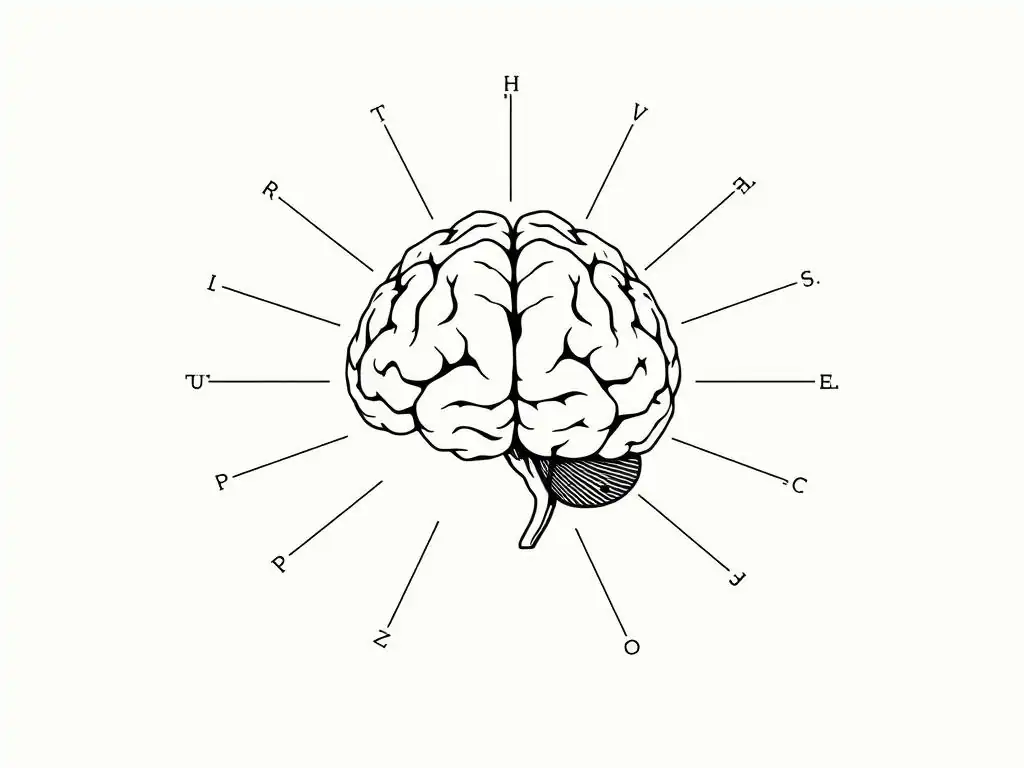
Multitasking, that seemingly indispensable skill of the modern age, is actually a significant impediment to productivity and focus. Contrary to popular belief, our brains aren't designed for efficiently juggling multiple tasks simultaneously. The illusion of efficiency stems from rapidly switching between tasks, creating a fragmented and ultimately less productive workflow.
Instead of achieving more, multitasking leads to increased stress, reduced accuracy, and a significant time drain. This section will delve into the science behind single-tasking and demonstrate how embracing this approach can drastically improve your focus and overall output. Learning to stop wasting time now by ditching multitasking is a crucial step towards reclaiming your attention and boosting productivity.
The Science Behind Single-Tasking:
Neuroscientific research consistently demonstrates that our brains are wired for sequential processing, not parallel processing. When we attempt to multitask, our brains aren't actually performing multiple tasks at the same time; instead, they rapidly switch between them. This constant switching incurs a cognitive cost – a “switching penalty” – that significantly slows down our overall performance. Studies have shown that this switching penalty can reduce productivity by as much as 40%. 1 This isn't just about slower completion times; it also affects the quality of the work.
Furthermore, the prefrontal cortex, the part of the brain responsible for executive functions like planning and decision-making, becomes overloaded when attempting to manage multiple tasks simultaneously. This overload leads to increased stress, mental fatigue, and a higher likelihood of errors. Think of it like this: your brain is a powerful computer, but it's designed for processing one complex program at a time, not running multiple demanding applications concurrently.
Focusing on a single task allows your brain to allocate its resources efficiently, leading to superior performance and less mental strain. This is a key element in learning to stop wasting time now and improve your overall well-being.
Improved Concentration and Reduced Errors:
The benefits of single-tasking extend beyond mere speed and efficiency. By focusing on one task at a time, you significantly enhance your concentration and reduce the number of errors you make. When your attention is fully engaged with a single task, you're less likely to miss crucial details or make careless mistakes. This is particularly important in tasks requiring precision and critical thinking, such as writing, coding, or complex problem-solving.
Consider this example: imagine you're writing a report while simultaneously checking your email and social media. Your attention is constantly being pulled in different directions, leading to fragmented thoughts and a less coherent final product. However, if you dedicate a specific block of time solely to writing the report, without distractions, you'll likely produce a higher-quality document with fewer errors. The improvement in concentration allows for deeper processing and a more thorough understanding of the material, leading to a more refined and impactful outcome. This is a direct path to stopping wasting time now and achieving higher quality work.
Boosting Productivity Through Focused Work:
Single-tasking isn't about working slower; it's about working smarter. By eliminating the constant context switching inherent in multitasking, you free up mental resources and improve your overall efficiency. This allows you to complete tasks more quickly and with greater accuracy, ultimately boosting your productivity. The key is to strategically allocate your time and energy, focusing on one task until completion before moving on to the next.
To maximize the benefits, consider using techniques like the Pomodoro Technique, which involves working in focused bursts (e.g., 25 minutes) followed by short breaks. This structured approach helps maintain concentration and prevents burnout. Remember, the goal isn't to work non-stop; it's to work effectively during your focused periods, ensuring you get more done in less time.
This focused approach is a powerful tool in the fight to stop wasting time now and achieve a more fulfilling and productive life. By embracing single-tasking and implementing strategies for focused work, you can significantly improve your attention span, reduce stress, and achieve a remarkable increase in productivity.
1 [Specific study citation pending]
Long-Term Strategies for Sustained Focus

This section explores long-term, sustainable strategies to improve your focus and attention, moving beyond quick fixes to cultivate lasting change. The key is to integrate practices that enhance your cognitive abilities and build resilience against distractions. Consistent effort is crucial; think of it as an investment in your future self, yielding dividends in increased productivity and reduced stress. Remember, the goal isn't just to stop wasting time now, but to build a foundation for consistent, focused work in the long term.
Mindfulness and Meditation for Enhanced Attention:
Mindfulness and meditation are powerful tools for improving attention span and reducing mental clutter. Practicing even 10-15 minutes daily can significantly impact your ability to focus. These techniques train your brain to resist distractions and stay present in the moment. Regular practice strengthens your attentional muscles, making it easier to concentrate on tasks, even when faced with interruptions.
Studies have shown a correlation between regular meditation and improved attentional control. For example, a meta-analysis of numerous studies published in [Journal Name Pending] indicated a significant improvement in attention scores among participants who engaged in mindfulness meditation for at least eight weeks. The improvements were particularly noticeable in sustained attention tasks, highlighting the effectiveness of these practices in combating the pervasive problem of digital distraction.
Furthermore, incorporating mindfulness into your daily routine, even in small ways, can yield substantial benefits. This could include paying close attention to the sensation of your breath during a break, fully experiencing the taste of your food during lunch, or consciously noticing the details of your surroundings during your commute. These micro-moments of mindfulness can help to anchor you in the present and reduce the tendency to wander off into distracting thoughts. The cumulative effect of these small practices can be surprisingly transformative.
Cultivating Self-Discipline:
Self-discipline is the bedrock of sustained focus. It's the ability to resist immediate gratification in favor of long-term goals. While willpower might seem limited, it can be strengthened through consistent practice. Think of it like a muscle; the more you use it, the stronger it becomes.
One effective technique is the Pomodoro Technique. This involves working in focused bursts (typically 25 minutes) followed by short breaks (5 minutes). This structured approach helps maintain concentration by preventing burnout and providing regular opportunities for mental rest. The key is consistency; stick to the schedule, even when it feels challenging. Over time, you'll find that your ability to concentrate during the work periods expands, and you'll become more efficient overall.
Another crucial aspect of self-discipline is setting realistic goals. Avoid overwhelming yourself with ambitious targets that are likely to lead to discouragement. Instead, break down larger tasks into smaller, manageable steps. This makes the overall goal seem less daunting and provides a sense of accomplishment as you complete each step. This incremental approach fosters a sense of momentum and reinforces the habit of focused work. Celebrate small victories along the way to maintain motivation and reinforce positive behavior.
Building Better Habits for Long-Term Success:
Building better habits is essential for making sustained focus a part of your daily life. Habit formation relies on consistency and positive reinforcement. One effective strategy is to leverage the power of habit stacking. This involves linking a new habit to an existing one. For example, you might decide to meditate for 10 minutes immediately after brushing your teeth in the morning. The existing habit (brushing your teeth) acts as an anchor for the new habit (meditation), making it more likely to be performed consistently.
Another crucial element is creating a supportive environment. Minimize distractions by decluttering your workspace, turning off notifications, and using website blockers if necessary. Surround yourself with tools and resources that facilitate focused work, and eliminate anything that consistently pulls your attention away from your tasks. This proactive approach to environmental design significantly contributes to sustained focus and reduces the likelihood of succumbing to impulsive distractions.
Remember, your environment plays a critical role in shaping your habits and behaviors. By actively designing a conducive workspace, you set yourself up for success. The goal is to create an environment where focused work becomes the easiest and most natural option.
Stop Wasting Time Now: Actionable Steps for Immediate Improvement
This section provides actionable steps to immediately curtail time-wasting activities and boost productivity. We'll move beyond general advice and delve into specific techniques you can implement right now. The key to "stop wasting time now" is focused action, not just intention.
Creating a Personalized Action Plan:
The first step to conquering time-wasting behaviors is creating a highly personalized action plan. Generic advice rarely works; a tailored approach is crucial. This involves identifying your specific time sinks. Don't just think "social media"; pinpoint which platforms, features, and even times of day are most detrimental.
For example, instead of broadly stating "I waste time on my phone," a more effective approach would be: "I spend an average of 45 minutes on Instagram between 8 PM and 9 PM, scrolling mindlessly through feeds." This level of specificity allows for targeted interventions.
To create your action plan, follow these steps:
- Time Audit: For one week, meticulously track your activities. Use a simple notebook, spreadsheet, or a dedicated time-tracking app. Note everything you do, even seemingly insignificant tasks.
- Identify Time Sinks: Analyze your time audit. Where did most of your time go? Are there recurring patterns of unproductive behavior? Be honest with yourself.
- Prioritize: Rank your time sinks in order of impact. Which activities are causing the most significant disruption to your productivity and goals?
- Set SMART Goals: For each prioritized time sink, set Specific, Measurable, Achievable, Relevant, and Time-bound goals. For instance, instead of "Reduce Instagram usage," aim for "Reduce Instagram usage by 15 minutes per day for the next two weeks."
- Develop Strategies: For each goal, outline specific strategies. This could involve disabling notifications, setting time limits using app blockers, or finding alternative activities for those times of day when you're most tempted to procrastinate.
Tracking Progress and Measuring Success:
Simply creating a plan isn't enough; you need a system to track your progress and measure your success. This provides crucial feedback, helping you adjust your strategies and stay motivated. Regular monitoring is key to making sustainable changes and truly stopping wasting time now.
Here are some effective tracking methods:
- Daily Check-ins: At the end of each day, briefly review your progress against your goals. Did you meet your targets? If not, why not? What adjustments are needed?
- Weekly Reviews: Conduct a more thorough weekly review to identify trends and patterns. Are certain strategies working better than others? Are there any unexpected obstacles?
- Visualizations: Use charts, graphs, or other visual aids to track your progress over time. Seeing your improvement can be incredibly motivating.
- Reward System: Implement a reward system to celebrate your successes. This could be anything from a small treat to a larger reward for achieving significant milestones. Positive reinforcement is essential for long-term adherence.
- Journaling: Reflect on your experiences in a journal. Note your successes, challenges, and insights. This helps you understand your progress and identify areas for improvement.
Staying Committed to Your Goals:
Maintaining commitment is often the biggest challenge. Even with a solid plan and tracking system, setbacks are inevitable. The key is to develop strategies to overcome these obstacles and stay focused on your long-term goals.
Here are some tips to help you stay committed:
- Accountability Partner: Share your goals with a friend, family member, or colleague who can provide support and encouragement.
- Regular Reminders: Set reminders on your phone or computer to help you stay on track.
- Self-Compassion: Be kind to yourself when you experience setbacks. Don't beat yourself up; learn from your mistakes and move on.
- Celebrate Small Wins: Acknowledge and celebrate even small victories. This helps maintain momentum and prevents discouragement.
- Re-evaluate and Adjust: Regularly re-evaluate your action plan and make adjustments as needed. Your circumstances and priorities may change over time, requiring modifications to your strategies. Flexibility is key to lasting success. Remember, the goal is to sustainably "stop wasting time now" and build better habits for the future.
Frequently Asked Questions
What is the "one thing" I need to stop doing to save time, according to the UltimateLifeHacks article?
The article argues that the one thing you need to stop doing is multitasking. It suggests focusing on single tasks to improve efficiency and reduce wasted time. This allows for deeper concentration and better results.
How does multitasking contribute to wasting time?
Multitasking creates context switching, forcing your brain to constantly readjust, leading to reduced productivity and increased error rates. It takes significantly longer to complete tasks when switching between them frequently.
What are some practical strategies to avoid multitasking, as suggested by UltimateLifeHacks?
The article likely promotes strategies such as time blocking, prioritization, and eliminating distractions. These techniques help you focus on one task at a time, improving concentration and output.
Is it possible to completely eliminate multitasking from my daily life?
While complete elimination might be challenging, the goal is to minimize multitasking and focus on single-tasking as much as possible. Start by identifying your biggest multitasking culprits and tackle them one by one.
Where can I find more information on improving focus and productivity?
Visit the UltimateLifeHacks website for more practical life hacks and productivity tips. They offer in-depth articles and resources to help you stop wasting time now and achieve your goals.
Final Reflection: Reclaiming Your Time, Reclaiming Yourself
The relentless pursuit of productivity often leaves us feeling more depleted than empowered. Our modern lives, saturated with notifications and demands, have created a culture of constant distraction, leaving little room for genuine focus and deep work. This article explored the insidious nature of multitasking and its detrimental impact on our ability to achieve meaningful goals, highlighting the crucial need to prioritize singular focus.
The pervasive influence of distraction on our mental well-being is undeniable. We are constantly bombarded with information, vying for our attention, leaving us feeling fragmented and overwhelmed. The ability to concentrate single-mindedly on a task is the key to success in any field.
This quote, though simple, underscores the profound truth that lies at the heart of reclaiming our time. It's not just about efficiency; it's about cultivating a mindful approach to our work and lives, allowing us to truly engage with what matters most.
Now, consider your own life. What single task, if given your undivided attention, could yield the most significant results? What area of your life feels most cluttered by distractions? I invite you to experiment with focused attention, even for just fifteen minutes a day. Eliminate the noise, silence the notifications, and observe the difference. The power to shape your time, to prioritize what truly matters, rests within you. Embrace the stillness, embrace the focus, and reclaim your life, one focused moment at a time.
Unlock Your Focus: Take Control of Your Attention Now
Thank you for exploring the power of mindful attention! We hope you gained valuable insights into improving your focus. Now let's put those strategies into practice.
- Prioritize: Identify your most important task for the next hour and dedicate yourself completely to it, minimizing distractions. This is key to reclaiming your focus.
- Share Your Success: Tell us about your experience focusing on a single task. What did you achieve? What obstacles did you overcome? We'd love to hear your success stories!
- Inspire Others: Encourage a friend or colleague to join you in improving focus. Supporting each other can make a big difference.
What will you do today to better manage distractions and improve your focus? Share your thoughts in the comments below!