
Is Social Media Stealing Your Life? Reclaim It with a Tech Detox


Feeling overwhelmed by the constant notifications and endless scroll? Are you ready to reclaim your time and boost your productivity? On UltimateLifeHacks, we delve into the power of digital minimalism and explore how a social media detox productivity plan can revolutionize your daily routine. Discover practical strategies to break free from the digital grip and unlock a more focused, fulfilling life. Let's dive in and uncover the secrets to reclaiming your time!
-
Understanding the Social Media Trap: Impacts on Productivity and Wellbeing
- The Hidden Time Sinks of Social Media: How Much Time Are You Really Losing?
- Social Media's Impact on Focus and Attention Span: The Science Behind Distraction
- The Mental Health Toll of Excessive Social Media Use: Anxiety, Depression, and Low Self-Esteem
- Recognizing Your Social Media Addiction: Signs and Symptoms to Watch Out For
-
Planning Your Social Media Detox for Enhanced Productivity
- Setting Realistic Goals for Your Tech Detox: Start Small and Build Momentum
- Choosing Your Detox Duration: Short-Term vs. Long-Term Strategies for Social Media Detox
- Identifying Your Social Media Triggers: Understanding Your Usage Patterns
- Creating a Social Media Detox Plan: A Step-by-Step Guide for Beginners
-
Practical Strategies for a Successful Social Media Detox
- Minimizing Social Media Notifications: Mastering the Art of Digital Silence
- Deleting Time-Wasting Apps: A Clean Slate for Improved Focus and Productivity
- Utilizing App Blockers and Time Management Tools: Reclaiming Your Time
- Finding Healthy Alternatives to Social Media: Engaging in More Productive Activities
- Re-evaluating Your Relationship with Technology: A Holistic Approach to Digital Wellbeing
- Maintaining Your Productivity After Your Social Media Detox
-
The Benefits of a Social Media Detox: Reclaiming Your Time and Energy
- Increased Productivity and Efficiency: Focus on Your Goals
- Improved Mental Clarity and Reduced Stress: The Power of Digital Minimalism
- Enhanced Sleep Quality and Physical Health: The Unexpected Benefits of a Tech Detox
- Stronger Relationships and Deeper Connections: Real-Life Interactions Over Digital Ones
- Frequently Asked Questions
- Final Reflection: Reclaiming Your Time, Reclaiming Your Life
- Reclaim Your Time: Start Your Digital Detox Today
Are you feeling overwhelmed, constantly checking your phone, and struggling to focus on tasks? You're not alone. In today's hyper-connected world, social media platforms are designed to be incredibly engaging, often at the expense of our productivity and overall well-being.
This article delves into the insidious ways social media can steal your time and mental energy, ultimately hindering your ability to achieve your goals and enjoy a fulfilling life. We'll explore the hidden time drains, the detrimental effects on focus, and the negative impact on mental health, equipping you with the knowledge and strategies to reclaim your time and cultivate a healthier relationship with technology through a social media detox focused on boosting your productivity. This is crucial for anyone striving for a more balanced and productive life, especially in our increasingly digital age.
Learning to recognize and mitigate the negative impacts of social media is a key step towards achieving a more fulfilling and efficient life. Let's explore how to reclaim your time and energy, starting with a deeper understanding of the problem.
Many underestimate the sheer amount of time they spend passively scrolling through social media feeds. It's easy to lose track of minutes, which quickly accumulate into hours each week. Think about it: checking notifications, endlessly browsing pictures, engaging in fleeting comments – these seemingly insignificant actions add up dramatically. Consider this: a recent study showed that the average user spends [specific information pending] hours per day on social media. 1 This translates to [specific information pending] hours per week, and a staggering [specific information pending] hours per year. That's equivalent to [specific information pending] full work weeks lost annually! To gain a clearer picture of your own social media consumption, try tracking your usage for a week using your phone's built-in screen time features or dedicated apps. You might be surprised by the results. This awareness is the first step in reclaiming your valuable time. The data will reveal how much time you could be investing in more fulfilling activities – pursuing hobbies, spending time with loved ones, or working towards your personal and professional goals.
The constant stream of notifications, updates, and visually stimulating content on social media platforms directly impacts our ability to focus and maintain attention. Our brains are wired to respond to novelty and reward, and social media platforms expertly exploit this. Each notification triggers a dopamine release, creating a cycle of intermittent reinforcement that keeps us hooked and constantly seeking more stimulation. This constant interruption fragments our attention, making it harder to concentrate on complex tasks and reducing our overall productivity. Studies have shown a correlation between increased social media use and reduced attention span, making it more challenging to complete tasks efficiently and effectively. 2 The constant switching between tasks, triggered by the endless stream of notifications, further exacerbates this issue, hindering deep work and creative thinking. This constant state of distraction negatively impacts our ability to achieve flow state, a crucial element for peak performance and satisfaction.
Beyond the impact on productivity, excessive social media use significantly impacts mental health. The curated, often unrealistic, portrayals of others' lives can lead to feelings of inadequacy, low self-esteem, and social comparison. The constant pressure to present a perfect online persona can be incredibly stressful and contribute to anxiety. Furthermore, exposure to negative content, such as cyberbullying or news about global crises, can contribute to feelings of helplessness and depression. Studies have linked high social media usage to increased rates of anxiety, depression, and loneliness. 3 The fear of missing out (FOMO) is also a significant factor, driving individuals to constantly check their feeds, leading to a cycle of anxiety and dissatisfaction. Prioritizing a social media detox can significantly alleviate these pressures, allowing for a more balanced and positive mental state. This allows for a conscious effort to focus on self-care and cultivate genuine connections in the offline world.
1 [Citation needed] 2 [Citation needed] 3 [Citation needed]
Social media, while offering connection and entertainment, can easily morph into an addiction that significantly impacts productivity and overall well-being. Recognizing the signs of this addiction is the crucial first step towards reclaiming your time and mental space. It's not about demonizing social media entirely; it's about achieving a healthy balance. Many individuals find themselves entangled in a cycle of compulsive checking, notifications, and endless scrolling, often without realizing the extent of the problem.
One key indicator is the amount of time spent on these platforms. Are you consistently exceeding your intended time limits, finding yourself on Instagram, Facebook, or TikTok for hours each day? Do you find yourself checking these apps even when you're busy or have other commitments? This excessive engagement, often at the expense of more important tasks, is a strong symptom.
Beyond sheer time consumption, consider the emotional impact. Do you experience feelings of anxiety, irritability, or even withdrawal symptoms when you're unable to access social media? This dependence mirrors other addictive behaviors, highlighting the potential for a serious problem. The constant need for validation through likes, comments, and shares can lead to a precarious reliance on external approval, affecting self-esteem and mental health.
Furthermore, observe the impact on your daily routines. Are you consistently neglecting responsibilities – work, studies, personal relationships – in favor of social media engagement? Are you sacrificing sleep, meals, or exercise to scroll through feeds? These behavioral shifts signal a potential addiction, disrupting your daily rhythm and overall productivity. A social media detox can help you regain control and establish healthier habits.
Another telltale sign is the feeling of guilt or shame after extended periods of social media use. Do you repeatedly promise yourself to limit your usage, only to find yourself back in the same cycle? This cycle of self-recrimination underscores the addictive nature of the behavior. Recognizing these patterns is essential for initiating a successful social media detox and improving your overall productivity. The goal isn't complete abstinence, but rather mindful and controlled usage.

This section focuses on strategically planning your social media detox to maximize its impact on your productivity. A well-planned detox isn't just about abstaining; it's about consciously rebuilding your relationship with technology to enhance your well-being and efficiency. We'll explore setting realistic goals, choosing a suitable detox duration, and identifying your personal social media triggers. Remember, the goal is to reclaim your time and focus, boosting your overall productivity and reducing feelings of overwhelm.
Setting Realistic Goals for Your Tech Detox: Start Small and Build Momentum
Don't try to overhaul your entire digital life overnight. A successful social media detox for productivity improvement begins with small, achievable goals. Instead of aiming for a complete abstinence from all social platforms immediately, consider a phased approach. For example, you might start by limiting your daily social media usage to 30 minutes, focusing on specific platforms like Instagram or TikTok that consume the most of your time. This approach allows you to gradually reduce your reliance on social media without feeling deprived or overwhelmed.
After a week of that 30-minute limit, you might then reduce it further to 15 minutes, or eliminate one platform entirely. The key is to track your progress and celebrate your successes. Use a journal, a productivity app, or even a simple spreadsheet to monitor your usage. Seeing tangible progress will motivate you to continue building momentum and achieving even more ambitious goals. Remember, consistency is key to long-term success with a social media detox. Small, consistent changes are far more effective than drastic, unsustainable measures.
The optimal duration of your social media detox depends heavily on your individual needs and goals. A short-term detox, lasting a few days or a week, can be incredibly effective for resetting your habits and gaining a fresh perspective. This can be particularly useful if you're feeling overwhelmed or burnt out. It allows you to take a break, recharge, and return with renewed focus and intention. This is a great strategy to break the cycle of mindless scrolling.
A long-term detox, spanning several weeks or even months, is a more significant commitment, but can lead to more profound changes in your relationship with technology. This approach is ideal if you're looking to make substantial changes to your digital habits and cultivate a more mindful approach to technology use. It allows you to explore alternative activities, discover new hobbies, and strengthen your focus. However, a long-term detox requires careful planning and a strong commitment to your goals.
The choice between a short-term and long-term detox is a personal one. Consider your current level of social media dependence, your available time, and your desired outcome when making your decision. There's no right or wrong answer; the most effective strategy is the one you can consistently adhere to.
Understanding why you use social media is crucial for a successful detox. Identifying your triggers – the situations, emotions, or thoughts that lead you to reach for your phone – is the first step towards breaking the cycle. Are you using social media to procrastinate? To escape boredom? To seek validation? To stay updated on current events? Understanding your motivations will help you develop strategies to manage your usage effectively.
Consider keeping a log for a few days, noting down each time you use social media, the platform you used, and the reason behind it. This simple exercise can reveal surprising patterns. You might discover you’re using social media as a coping mechanism for stress, loneliness, or even just idle moments. Once you've identified your triggers, you can develop coping mechanisms.
For example, if you reach for your phone when you’re bored, try engaging in a different activity instead, such as reading, exercising, or spending time with loved ones. If stress is your trigger, explore relaxation techniques such as meditation or deep breathing. By proactively addressing your triggers, you can significantly reduce your reliance on social media and improve your overall productivity. This mindful approach is key to a sustainable and effective social media detox.
Embarking on a social media detox can feel daunting, but with a structured plan, it becomes manageable and even enjoyable. This step-by-step guide provides a practical framework for beginners to successfully navigate their detox journey and experience the benefits of improved focus and productivity. The key is to start small and gradually increase the duration and intensity of your detox as you feel comfortable. Remember, consistency is more important than intensity. A short, consistent detox is far more effective than an intense, unsustainable one.
First, define your goals. What do you hope to achieve with this detox? Increased productivity? More free time? Reduced stress? Clearly articulating your aims will provide motivation and a benchmark for measuring success. For example, you might aim to reduce your daily social media usage by 50%, or to dedicate that time to a new hobby like reading or exercising. Writing down these goals and keeping them visible will significantly improve adherence to your plan.
Next, choose your platforms and timeframe. Don't try to quit everything at once. Identify the social media platforms that consume the most of your time and energy, and focus on reducing your usage of those first. Start with a short detox period, perhaps a single day or a weekend, to test the waters and gauge your ability to manage the cravings. Gradually increase the duration as you feel more confident and experience the positive effects. A realistic approach is key to maintaining momentum and avoiding burnout.
Then, prepare for withdrawal. Social media withdrawal can present itself in various ways, from restlessness and boredom to anxiety and even irritability. Anticipating these symptoms and planning ways to cope with them is crucial. Prepare engaging alternatives. This could include setting up a new routine, rediscovering hobbies, spending more time outdoors, or engaging in activities that promote mindfulness and relaxation like meditation or yoga. Having a plan B for when cravings hit will significantly increase your chances of success.
Finally, track your progress and celebrate milestones. Use a journal or a productivity app to monitor your social media usage and note any changes in your mood, energy levels, and productivity. Celebrating your achievements, no matter how small, will boost your morale and reinforce positive behavior. Acknowledge your progress and reward yourself for sticking to your plan. This positive reinforcement is vital in forming new, healthier habits. Remember that setbacks are normal – the key is to learn from them and keep moving forward. Your social media detox journey is a process, not a race.
This section provides actionable steps to minimize social media's grip on your daily life and boost your productivity. We'll explore techniques to reduce distractions, reclaim your time, and cultivate a healthier relationship with technology. Remember, a successful social media detox isn't about complete abstinence; it's about regaining control and prioritizing what truly matters. The key to effective social media detox productivity is mindful engagement, not elimination.
The constant barrage of notifications from social media platforms is a major productivity drain. These pings and alerts hijack your attention, interrupting your workflow and fostering a state of reactive rather than proactive engagement. To reclaim your focus, consider these strategies:
- Turn off all non-essential notifications: This includes likes, comments, shares, and even direct messages unless they are from crucial contacts. Most social media platforms allow granular control over notification settings. Take the time to customize them to your needs. For example, you can choose to receive only notifications from certain groups or individuals.
- Schedule specific times for checking social media: Rather than passively reacting to notifications, actively decide when you'll engage with social media. Treat it like any other appointment. Perhaps you'll allocate 30 minutes in the morning and 30 minutes in the evening. Sticking to this schedule helps avoid aimless scrolling throughout the day.
- Use the "Do Not Disturb" mode: Many smartphones offer a "Do Not Disturb" mode that silences all notifications during specified periods or when your phone is locked. This is a powerful tool for creating focused work sessions free from digital interruptions. Experiment with different settings to find what works best for your productivity rhythms.
- Remove social media apps from your phone's home screen: This simple act can significantly reduce impulsive checking. If the apps aren't readily accessible, you're less likely to be tempted to open them. This subtle change can have a surprisingly large impact on your overall social media consumption.
Consider the time saved by reducing social media interruptions. Even small gains in concentration can dramatically increase your daily output. Think about how much more you could accomplish with just an extra hour of focused work each day.
Deleting Time-Wasting Apps: A Clean Slate for Improved Focus and Productivity
Sometimes, the most effective way to improve your productivity is to remove the sources of distraction altogether. Deleting time-wasting apps from your phone and computer can create a more intentional and focused digital environment.
- Identify your time-wasting apps: Honestly assess which apps consistently pull you away from your work or other important tasks. Don't be afraid to acknowledge the apps that consume your time, even if they are enjoyable.
- Uninstall unnecessary apps: Once you've identified the culprits, delete them. This isn't about permanent removal necessarily; you can always reinstall them later if you need to. But the act of deleting them creates a mental and physical distance that can be beneficial.
- Create a "digital declutter" routine: Regularly review your apps and uninstall those you haven't used in a while. This prevents the accumulation of unused apps that can still subtly distract you.
- Use alternative methods: If you rely on certain apps for specific functions, find alternative methods that are less distracting. For example, instead of using a social media app for news, try a dedicated news aggregator.
The feeling of a cleaner digital space can be incredibly liberating. You'll find yourself with more mental space to focus on the tasks that truly matter, leading to improved productivity and a greater sense of accomplishment. This clean slate allows for a more intentional and mindful approach to technology.
Utilizing App Blockers and Time Management Tools: Reclaiming Your Time
For a more structured approach to limiting social media use, consider leveraging app blockers and time management tools. These tools provide external accountability and help you build healthy digital habits.
| Tool Type | Example Tools | Benefits |
|---|---|---|
| App Blockers | Freedom, Cold Turkey, AppBlock | Prevents access to distracting apps during specified times |
| Time Management | Forest, Toggl Track, RescueTime | Tracks time spent on apps, helps identify time sinks, promotes mindful usage |
These tools offer various features, from simple timers to sophisticated scheduling systems. Experiment with different options to find what best suits your needs and workflow. Remember, the goal is not to eliminate social media entirely, but to regain control over your time and attention.
The benefits of using such tools extend beyond social media; they promote better time management in all aspects of life. By strategically using these tools, you can achieve a better balance between your online and offline lives, leading to improved productivity and overall well-being. This structured approach to managing your digital life can significantly improve your social media detox productivity.
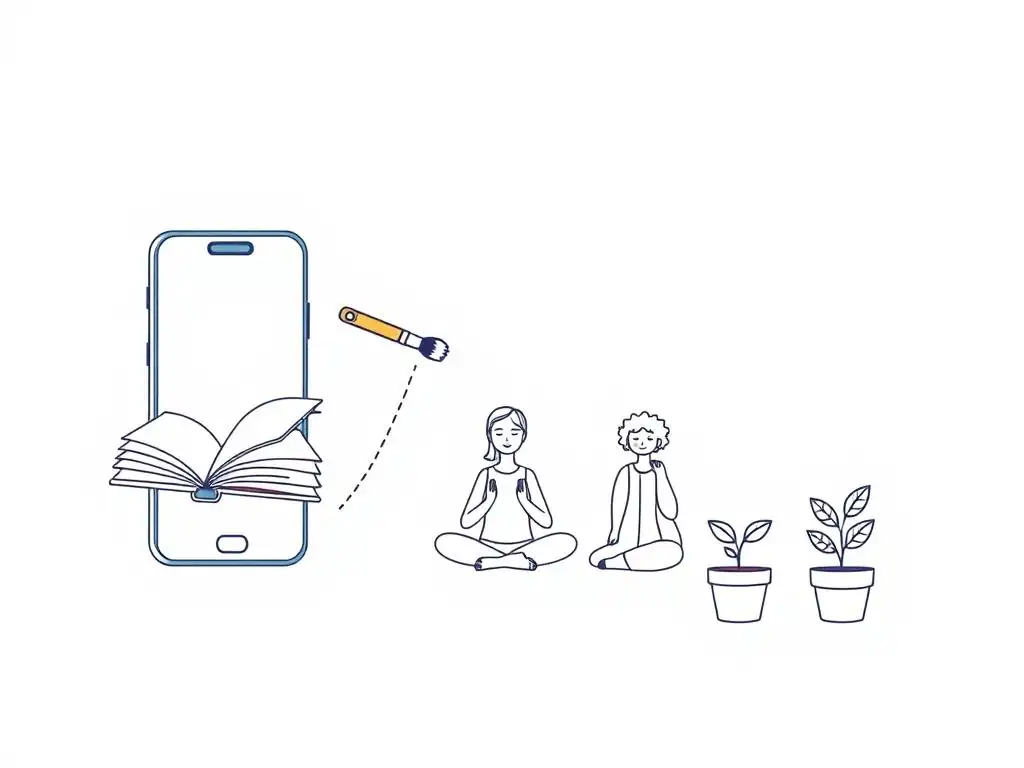
Embarking on a social media detox for improved productivity necessitates identifying fulfilling alternatives. Simply deleting apps isn't enough; you need to replace the time spent scrolling with activities that nourish your mind and body. Consider these options:
- Rediscover hobbies: Dust off that old guitar, start painting again, or delve back into that captivating book series you abandoned. Hobbies offer a sense of accomplishment and personal growth, directly contrasting the often-empty feeling after hours spent on social media. For example, dedicating an hour previously spent on Instagram to practicing calligraphy can lead to tangible progress and a sense of satisfaction.
- Engage in physical activity: Exercise is a powerful antidote to digital fatigue. A brisk walk, a yoga session, or a trip to the gym not only improves physical health but also boosts mental clarity and reduces stress – all significant benefits often overshadowed by the fleeting gratification of social media engagement. Studies show that regular exercise significantly enhances focus and concentration, key elements in boosting productivity.
- Connect with people in person: Social media often replaces genuine human connection. Schedule time for meaningful interactions with friends and family. A face-to-face conversation fosters deeper relationships and provides a sense of belonging that scrolling through feeds simply cannot replicate. This can be as simple as scheduling a weekly coffee date or a monthly game night.
- Learn a new skill: Dedicate your newfound free time to personal development. Learn a new language, take an online course, or explore a subject that has always fascinated you. Investing in yourself boosts self-esteem and opens doors to new opportunities, far exceeding the superficial rewards offered by social media. Consider learning coding, mastering a new musical instrument, or even starting a small business.
Re-evaluating Your Relationship with Technology: A Holistic Approach to Digital Wellbeing
A successful social media detox is not just about abstaining; it's about cultivating a healthier relationship with technology overall. This requires a holistic approach that addresses the underlying reasons for over-reliance on social media.
- Identify your triggers: Understanding why you turn to social media is crucial. Are you seeking validation, escaping boredom, or avoiding difficult emotions? Once you identify these triggers, you can develop coping mechanisms that don't involve your phone. Journaling can be a powerful tool for self-reflection and identifying these patterns.
- Set boundaries: Establish clear boundaries for technology use. Designate specific times for checking emails or social media and stick to them. Consider using app blockers or time-management apps to enforce these limits. Even scheduling specific times for checking emails can dramatically reduce distractions and improve focus during work hours.
- Practice mindfulness: Mindfulness techniques, such as meditation, can help you become more aware of your impulses and break the cycle of compulsive social media use. Regular mindfulness practices can increase self-awareness and help you recognize when you're reaching for your phone out of habit rather than need.
- Prioritize sleep: Sufficient sleep is essential for both physical and mental wellbeing. The blue light emitted from screens can disrupt sleep patterns, exacerbating the negative effects of excessive social media use. Creating a relaxing pre-sleep routine, free from screens, is crucial for achieving restful sleep and improving overall productivity. This might involve reading a physical book or taking a warm bath.
By adopting these strategies, you can not only reduce your social media consumption but also cultivate a more balanced and fulfilling relationship with technology, significantly boosting your productivity and overall well-being. Remember, a successful digital detox is a journey, not a destination; be patient with yourself and celebrate your progress along the way.

This section focuses on strategies to sustain the productivity gains achieved during and after a social media detox. Successfully navigating a tech detox requires more than just abstaining; it necessitates establishing new, healthier habits to prevent a relapse and maintain long-term productivity improvements. The key is to consciously rebuild your relationship with technology, prioritizing focus and mindful engagement.
Relapse is a common hurdle in any detox journey, and social media detox is no exception. The allure of instant gratification and constant connection can be powerful. To prevent this, proactive strategies are crucial. One effective method is to gradually reintroduce social media, if desired, rather than diving back in headfirst. Start with short, scheduled sessions, focusing on specific, pre-determined tasks, such as checking in with family or engaging with a professional network. Avoid aimless scrolling.
Another vital strategy is to replace the time spent on social media with activities that enhance productivity and well-being. This could involve dedicating that time to pursuing hobbies, engaging in physical activity, connecting with people in person, or focusing on personal projects. Consider scheduling these activities in your calendar, just as you might schedule meetings or appointments. This proactive approach helps solidify new, healthier habits.
Furthermore, establishing strong boundaries is paramount. This includes setting specific times for checking social media, using app blockers or website restriction tools to limit access during focused work periods, and consciously choosing to disconnect during crucial times, such as meals or family time. Remember, technology should serve you, not control you.
Building a Balanced Digital Life: Integrating Technology Mindfully
A successful social media detox isn't about completely abandoning technology; it's about fostering a balanced relationship with it. This involves integrating technology mindfully into your life, using it as a tool to enhance productivity and connection rather than a source of distraction and anxiety.
Consider the concept of "digital minimalism". This philosophy advocates for intentional technology use, focusing on quality over quantity. Instead of passively consuming content, actively choose what applications and platforms serve your goals and well-being. Regularly review your app usage and delete those that no longer add value to your life.
Another critical aspect is developing strong self-awareness. Pay attention to how different technologies affect your mood, energy levels, and productivity. Recognize your triggers and develop coping mechanisms to manage your technology use proactively. This self-reflection is crucial for long-term success. For example, if you notice that checking social media before bed negatively impacts your sleep, consciously avoid it during that time.
Finally, prioritize real-life connections. Cultivate meaningful relationships offline, engaging in activities that foster genuine human interaction. This helps create a richer, more fulfilling life, reducing reliance on virtual connections for validation and social interaction.
Recognizing the early warning signs of social media relapse is crucial for timely intervention. These signs can manifest subtly, initially as increased cravings or a growing sense of unease when disconnected. However, they can escalate to significant time wastage and a negative impact on productivity and mood.
Some common signs include increased feelings of anxiety or restlessness when not checking social media, experiencing difficulty focusing on tasks, spending excessive time scrolling even when intending to do something else, and neglecting real-life responsibilities or relationships. These signs might be accompanied by increased irritability or feelings of inadequacy.
If you notice any of these patterns, immediate intervention is necessary. This could involve revisiting the strategies mentioned earlier: re-establishing boundaries, utilizing app blockers, or engaging in activities that promote well-being. Remember that relapse is not failure; it's an opportunity to learn, adjust your strategies, and recommit to a healthier digital life. Don't hesitate to seek support from friends, family, or professionals if needed. The key is to acknowledge the signs early and take proactive steps to address them before they spiral out of control, ensuring sustained social media detox productivity.
Seeking Support: Communities and Resources for Digital Minimalism
Maintaining a social media detox, and embracing digital minimalism more broadly, can feel isolating at times. The constant barrage of notifications and the pervasive nature of social media in modern life means that stepping away requires conscious effort and often, support. Fortunately, numerous communities and resources exist to help you navigate this transition and maintain your productivity throughout the process. These communities offer a crucial sense of belonging, providing a space to share experiences, challenges, and successes with like-minded individuals.
One of the most significant benefits of joining such communities is the access to practical advice and strategies. Members often share their personal journeys, offering tips and tricks for overcoming common obstacles. For instance, you might learn about effective techniques for managing cravings for social media, strategies for resisting the urge to check notifications, or alternative ways to stay connected with friends and family without relying on digital platforms. These shared experiences can be incredibly valuable in staying motivated and on track.
Beyond practical advice, these communities foster a sense of accountability. Knowing that you're part of a group striving towards similar goals can significantly increase your commitment to your social media detox. The shared understanding and mutual support create a powerful environment for positive reinforcement and encouragement. You'll find individuals who understand the struggles you're facing, and who can offer words of encouragement when you feel tempted to relapse.
Furthermore, many resources beyond online communities offer guidance and support. Books, podcasts, and workshops dedicated to digital minimalism and mindful technology use provide valuable insights and practical frameworks. These resources often delve deeper into the psychological aspects of technology addiction and offer evidence-based strategies for managing your digital consumption. They can help you understand the underlying reasons for your social media usage and develop healthier relationships with technology. This deeper understanding is crucial for long-term success in your social media detox and maintaining enhanced productivity.
Remember, embarking on a social media detox is a journey, not a race. There will be moments of challenge and temptation. By actively seeking support from communities and resources dedicated to digital minimalism, you can significantly increase your chances of success and enjoy the enhanced productivity and improved well-being that comes with a more balanced digital life.
The collective wisdom and shared experiences within these communities provide invaluable support in navigating the complexities of a world increasingly dominated by technology. Don't hesitate to reach out and connect – you're not alone in this journey towards a more mindful and productive existence.
A social media detox offers a powerful pathway to reclaiming your time and energy, fostering a more balanced and fulfilling life. Many underestimate the sheer amount of time passively spent scrolling through feeds, reacting to notifications, and engaging in endless comparison. By consciously disconnecting, you unlock significant opportunities for personal growth and improved well-being.
This isn't about completely abandoning social media; it's about regaining control and consciously choosing when and how you engage. The benefits extend far beyond simply freeing up minutes in your day; they impact your overall productivity, mental clarity, and physical health. This section delves into the specific advantages you can expect from a strategic social media detox, paving the way for enhanced productivity and a more balanced digital life.
Increased Productivity and Efficiency: Focus on Your Goals
Stepping away from the constant barrage of social media notifications allows for a significant boost in productivity and efficiency. Studies show that even brief periods of social media use can disrupt concentration and reduce cognitive function. Think about it: how many times have you started a task, only to be sidetracked by a notification prompting you to check the latest post? This constant interruption fragments your attention span, making it harder to maintain focus on high-priority tasks.
A social media detox combats this by creating a space for uninterrupted work. You'll find it easier to concentrate, complete projects more quickly, and ultimately achieve your goals more efficiently. Consider this example: a student dedicating an hour to studying before logging on to social media will likely achieve significantly more than one who checks their feed every few minutes. The difference isn't just about the time spent scrolling; it's about the cognitive overhead of constantly switching between tasks.
The result? Increased productivity and a greater sense of accomplishment. This translates to more free time, better time management, and a feeling of being in control of your schedule, rather than being at the mercy of the digital world. Implementing time-blocking techniques alongside your social media detox can further amplify these productivity gains.
Improved Mental Clarity and Reduced Stress: The Power of Digital Minimalism
The constant stream of information, curated perfection, and social comparisons found on social media can significantly impact your mental well-being. The pressure to maintain an online persona, coupled with exposure to negative or triggering content, can lead to increased stress, anxiety, and feelings of inadequacy. A social media detox provides a much-needed break from this relentless stimulation, allowing your mind to rest and regain its clarity.
By reducing your exposure to these triggers, you'll experience a noticeable improvement in mental clarity. You'll find it easier to focus, make decisions, and process information without the constant distraction and emotional overload of social media. This improved mental clarity extends to enhanced creativity and problem-solving abilities. The reduction in stress is equally significant.
The feeling of being "always on" can be incredibly draining, leading to burnout and impacting overall happiness. Digital minimalism, a philosophy that encourages intentional technology use, directly supports this mental restoration. Embracing a more mindful approach to technology use will lead to a more peaceful and balanced mental state.
Enhanced Sleep Quality and Physical Health: The Unexpected Benefits of a Tech Detox
The blue light emitted from screens interferes with melatonin production, a hormone crucial for regulating sleep. Regular exposure to this blue light before bedtime can disrupt your sleep cycle, leading to poor sleep quality and daytime fatigue. A social media detox, by limiting your screen time before bed, directly addresses this issue. Many people report significantly improved sleep quality after reducing their social media consumption, leading to increased energy levels and improved overall mood throughout the day.
Furthermore, a reduction in screen time often translates to increased physical activity. When you're not glued to your phone, you're more likely to engage in activities that promote physical health, such as going for walks, exercising, or spending time outdoors. This increased physical activity complements the improved sleep quality, leading to a synergistic effect on your overall well-being.
The reduction in stress and improved mental clarity also contribute to better physical health, creating a positive feedback loop where enhanced mental well-being supports improved physical health, and vice versa. This holistic approach to well-being is a significant benefit often overlooked when considering the advantages of a social media detox. The results speak for themselves: better sleep, more energy, and a healthier lifestyle.
Stronger Relationships and Deeper Connections: Real-Life Interactions Over Digital Ones
Stepping away from the constant scroll allows for a rediscovery of genuine human connection. We often mistake the fleeting likes and comments on social media for meaningful interaction. A social media detox forces us to prioritize face-to-face communication, leading to richer, more fulfilling relationships. Think about it: how often do you truly connect with loved ones when your phone is constantly vying for your attention?
A social media detox fosters deeper conversations, more genuine empathy, and a stronger sense of belonging within your existing relationships. The quality time spent with family and friends becomes significantly more meaningful, replacing superficial digital interactions with the warmth of real-life engagement. This shift isn't just about quantity; it's about the quality of your connections, leading to improved mental wellbeing and a stronger sense of community. Many people report feeling closer to their families and friends after a detox, noticing a significant improvement in the quality of their interactions.
The absence of the digital distraction allows for a more present and attentive experience, fostering a deeper understanding and appreciation for the people in your life. This improved connection translates to better communication, stronger bonds, and a more supportive social network, all crucial components of a balanced and fulfilling life. The increased time available allows for spontaneous activities and shared experiences that strengthen relationships organically, rather than through the mediated lens of social media.
For example, consider a family dinner. Before a detox, phones might be scattered on the table, each member scrolling through their feeds, resulting in a fragmented, disconnected experience. After a detox, the same dinner becomes an opportunity for genuine conversation, sharing of stories, and strengthening family bonds. This applies to friendships as well.
Instead of exchanging quick messages, you might find yourself scheduling in-person meetups, leading to more meaningful exchanges and a deeper sense of camaraderie. The positive impact on relationships is undeniable, making a social media detox a worthwhile investment in your personal well-being and social life. The enhanced quality of interactions far outweighs the quantity of superficial digital engagements. This leads to a more satisfying and genuinely connected social life, a crucial aspect of overall happiness and well-being.
Frequently Asked Questions
A social media detox involves temporarily abstaining from using social media platforms. This allows you to regain control of your time and focus on other aspects of your life. The duration can vary from a few hours to several weeks.
By reducing distractions, a detox allows for increased focus and concentration. This leads to improved work efficiency and the completion of tasks more quickly. You'll find you have more time for meaningful activities.
Beyond productivity, a detox can improve your mental health by reducing comparison and anxiety. It also allows you to reconnect with the real world and strengthen relationships with people in your physical surroundings. You may experience less stress and improved sleep.
Begin by identifying your triggers and setting realistic goals. Gradually reduce your usage or schedule specific times for social media. Use apps to limit access or delete apps from your phone entirely. Find alternative activities to fill your time.
Withdrawal symptoms are common and can include feelings of anxiety, boredom, or restlessness. It's important to be patient and persistent. Engage in activities you enjoy and remember your goals. Consider seeking support from friends or family.
Final Reflection: Reclaiming Your Time, Reclaiming Your Life
The relentless scroll of social media has become a pervasive force in modern life, subtly yet powerfully impacting our productivity, mental well-being, and overall sense of self. We've explored the insidious ways algorithms hijack our attention, the addictive nature of constant notifications, and the often-unrealistic portrayals of life that fuel comparison and dissatisfaction. But understanding the problem is only half the battle; reclaiming our time and attention requires conscious action.
The impact of social media on our collective consciousness is undeniable. We've witnessed a shift in how we connect, communicate, and even perceive reality. The constant pressure to curate a perfect online persona, the fear of missing out (FOMO), and the overwhelming influx of information contribute to a pervasive sense of anxiety and dissatisfaction. The real problem is not whether machines think but whether men do.
- B.F. Skinner. This quote, while seemingly unrelated at first glance, highlights the crucial point: we must regain our capacity for critical thinking and conscious decision-making in the face of technological influence. We need to actively choose how we engage with technology, rather than passively allowing it to dictate our lives.
You hold the power to redefine your relationship with technology. Consider this article not as a condemnation of social media, but as a roadmap to a more intentional and fulfilling life. Take a moment to reflect on your own digital habits. What aspects of social media drain your energy and time? What positive changes can you implement, even in small ways, to reclaim your focus and prioritize your well-being? Start small, experiment with mindful disconnection, and discover the profound benefits of a tech detox. The journey to a more balanced and productive life begins with a single, conscious choice.
Reclaim Your Time: Start Your Digital Detox Today
Thank you for exploring the impact of social media on your life! We hope this article offered valuable insights into regaining control of your time and energy. Now, let's put that knowledge into practice.
Here are a few ways to begin reclaiming your life:
- Commit to a 24-hour digital detox this weekend. Unplug completely and rediscover the simple pleasures of life—reading a book, taking a walk, or spending quality time with loved ones. This is the crucial first step toward a more balanced life.
- Practice mindful social media usage. Instead of passively scrolling, set specific time limits for each platform and engage in intentional interactions.
- Share your detox experience! Tell us (and others) about your journey by leaving a comment below—let's build a supportive community focused on digital well-being.
What small step will you take today to prioritize what truly matters in your life?