
UltimateLifeHacks' Guide: 5 Surprisingly Effective Ways to Reduce Stress Instantly


Welcome to UltimateLifeHacks, your destination for practical tips and tricks to master your daily life! Feeling overwhelmed? Discover five surprisingly effective ways to achieve instant stress reduction – techniques so simple, you'll wonder why you haven't tried them before. Dive into our Healthy Lifestyle Hacks section and unlock the secrets to a calmer, more productive you. Ready to reclaim your time and energy? Let's get started!
- Instant Stress Reduction Techniques: A Quick Guide to Calming Down
- Quick Stress Relief Methods: 5 Powerful Techniques
- Maintaining a Healthy Lifestyle: Long-Term Stress Management Strategies
-
Frequently Asked Questions
- What are some quick ways to reduce stress instantly?
- How effective are these instant stress reduction techniques?
- Are there any side effects to using these techniques?
- Can these techniques replace professional help for chronic stress?
- Where can I learn more about these instant stress reduction techniques?
- Final Reflection: Unlocking Inner Calm: The Power of Instant Stress Reduction
- Unlock Your Inner Calm: Start Reducing Stress Today
Instant Stress Reduction Techniques: A Quick Guide to Calming Down
Feeling overwhelmed? Stress creeping into your day? This guide provides five surprisingly effective ways to reduce stress instantly, helping you regain control and improve your overall well-being. We'll explore the science behind stress and how to identify your personal triggers, equipping you with practical techniques you can implement immediately to alleviate anxiety and promote a calmer, more productive you.
Mastering these instant stress reduction techniques will significantly improve your daily life, boosting productivity and enhancing your mental health. Learning to manage stress effectively is a crucial component of maintaining a healthy lifestyle, and these simple yet powerful techniques are your key to unlocking a more peaceful and balanced existence. This guide focuses on practical, evidence-based methods for achieving instant stress reduction, perfect for busy individuals seeking quick and effective solutions.
Understanding the Physiology of the Stress Response
Stress isn't just a feeling; it's a complex physiological response. When faced with a perceived threat (a looming deadline, a conflict, etc. ), your body kicks into "fight-or-flight" mode. This involves the release of hormones like cortisol and adrenaline, increasing your heart rate, blood pressure, and muscle tension.
Understanding this process is the first step to managing it. These physiological changes, while designed to protect you in immediate danger, can become detrimental when chronically activated by everyday stressors. Prolonged exposure to these stress hormones can lead to various health problems, emphasizing the importance of effective stress management strategies. Learning to recognize the physical signs of your body's stress response—rapid heartbeat, shallow breathing, muscle tension—allows you to proactively implement calming techniques before stress escalates.
Identifying Personal Stress Triggers
Before you can effectively manage stress, you need to identify your personal triggers. What situations, people, or thoughts consistently lead to feelings of overwhelm or anxiety? Keeping a stress journal can be incredibly helpful. For a week, note down situations that caused you stress, along with the associated physical and emotional responses. This detailed record will reveal patterns and highlight your specific stress triggers. Examples of common stress triggers include:
- Work-related pressures: Unrealistic deadlines, heavy workload, difficult colleagues.
- Relationship issues: Conflicts with family, friends, or romantic partners.
- Financial worries: Debt, job insecurity, unexpected expenses.
- Health concerns: Personal health issues or the health of loved ones.
- Lack of sleep: Insufficient rest significantly exacerbates stress levels.
By pinpointing your individual triggers, you can develop personalized strategies to mitigate their impact and prevent stress from spiraling out of control. This self-awareness is crucial for building resilience and maintaining a healthy lifestyle. Remember that identifying these triggers is an ongoing process; what stresses you today might not stress you tomorrow. Regular self-reflection is key to adapting your stress management techniques over time.
Quick Stress Relief Methods: 5 Powerful Techniques
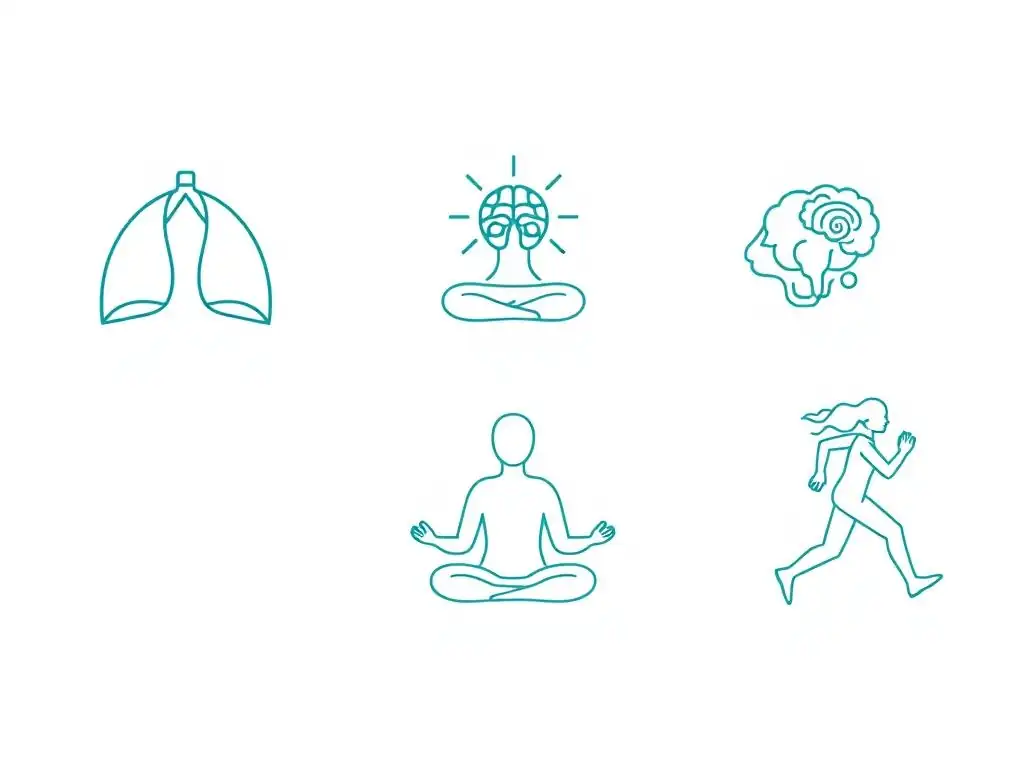
This section delves into five surprisingly effective methods for achieving instant stress reduction. These techniques are designed to be implemented quickly and easily, offering immediate relief from the pressures of daily life. They are particularly useful for managing acute stress responses, helping you regain composure and focus when needed. Remember, consistent practice enhances their effectiveness. These techniques are valuable tools in your arsenal for managing "instant stress reduction techniques".
Deep Breathing Exercises for Immediate Stress Reduction
Deep breathing exercises are a cornerstone of instant stress reduction. When stressed, our breathing becomes shallow and rapid, exacerbating anxiety. Deep, controlled breaths activate the parasympathetic nervous system, slowing heart rate and promoting relaxation.
Several techniques exist, but the box breathing method is particularly effective. It involves inhaling for a count of four, holding for four, exhaling for four, and holding again for four. Repeat this cycle several times. This rhythmic breathing pattern helps calm the mind and body, providing a sense of control amidst chaos. For optimal results, focus on the sensation of your breath entering and leaving your body.
Notice the rise and fall of your chest or abdomen. This mindful awareness further enhances the relaxation response. Try this simple exercise during a stressful meeting or before a demanding task. You'll be surprised how quickly your stress levels diminish. This practice is a powerful tool in your toolkit for "instant stress reduction techniques".
Progressive Muscle Relaxation Technique
Progressive muscle relaxation (PMR) is a somatic technique that involves systematically tensing and releasing different muscle groups in your body. This process increases awareness of physical tension and helps release it. By focusing on physical sensations, you redirect your attention away from anxious thoughts, promoting a sense of calm.
The process typically begins with the toes, progressively moving upwards through the body. You tense a muscle group for a few seconds, holding the tension, then releasing it completely. Pay close attention to the contrast between tension and relaxation. This heightened awareness allows you to identify areas of chronic tension you may not have previously noticed. Regular PMR practice can significantly reduce overall muscle tension and improve sleep quality, contributing to better stress management. It's a valuable addition to your arsenal of "instant stress reduction techniques". Even a five-minute session can make a noticeable difference.
Mindfulness Meditation for Stress Management
Mindfulness meditation involves focusing your attention on the present moment without judgment. This practice helps to quiet the mental chatter that often fuels stress and anxiety. By observing your thoughts and sensations without getting carried away by them, you create mental space and reduce reactivity.
There are various mindfulness meditation techniques, but a simple starting point is to focus on your breath. Notice the sensation of each inhale and exhale. When your mind wanders (which it inevitably will), gently redirect your attention back to your breath. This continuous redirection strengthens your ability to focus and manage distractions, a crucial skill for stress reduction. Even short, 5-10 minute sessions can have a profound impact on your ability to handle stress effectively. This contributes significantly to achieving "instant stress reduction techniques". Regular practice enhances your ability to stay grounded and centered, even in challenging situations.
Quick Burst Exercise for Stress Relief
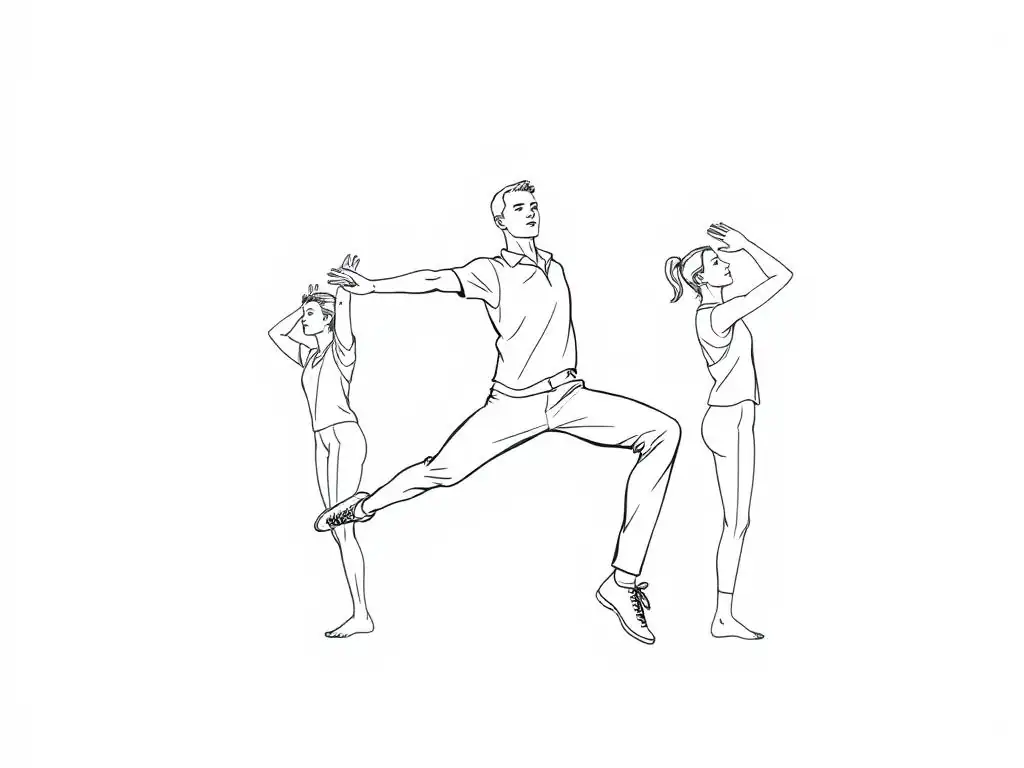
Engaging in quick bursts of physical activity is a surprisingly effective instant stress reduction technique. When stress hormones surge, your body tenses up. Counteracting this physical manifestation of stress with movement can significantly alleviate those feelings. Think of it as a mini-workout designed to interrupt the stress response cycle. Instead of a long, strenuous workout which might feel overwhelming when already stressed, opt for shorter, high-intensity intervals.
A simple 5-minute routine can make a world of difference. This could involve jumping jacks, high knees, burpees, or even just a brisk walk around the block. The key is to get your heart rate up and your blood flowing. This increased blood flow helps to deliver oxygen to your brain, improving focus and reducing feelings of anxiety.
Furthermore, exercise releases endorphins, natural mood boosters that combat stress and promote a sense of well-being. Even something as simple as a few minutes of stretching can significantly improve your physical and mental state. Remember to focus on your breathing during these exercises, inhaling deeply and exhaling slowly to further enhance the calming effect. Regular incorporation of these quick bursts of exercise into your daily routine can lead to a significant reduction in overall stress levels and improved mental clarity.
Aromatherapy for Stress Reduction
Aromatherapy, the therapeutic use of essential oils, offers a powerful and readily accessible method for instant stress reduction. Certain scents have been scientifically shown to impact our mood and emotional state, triggering relaxation responses in the brain. Lavender, for instance, is renowned for its calming properties.
Its scent has been linked to reduced heart rate and blood pressure, two key indicators of stress. Other beneficial essential oils for stress relief include chamomile, bergamot, and sandalwood. These oils can be diffused using an aromatherapy diffuser, added to a warm bath, or even applied topically (after dilution with a carrier oil like jojoba or almond oil).
The mechanism behind aromatherapy's stress-reducing effects involves the olfactory system. When you inhale the aroma of an essential oil, the scent molecules travel to the olfactory bulb in your brain, which is directly connected to the limbic system – the emotional center of the brain. This direct connection allows the scent to influence your emotional state almost immediately. Experiment with different essential oils to find what works best for you.
Keep in mind that the effectiveness of aromatherapy can vary from person to person, but its accessibility and ease of use make it a valuable tool in your arsenal of instant stress reduction techniques. Remember to always use high-quality, pure essential oils and follow any safety precautions suggested on the product label. Creating a relaxing environment with soft lighting and calming music can further enhance the benefits of aromatherapy.
Maintaining a Healthy Lifestyle: Long-Term Stress Management Strategies
While the article focuses on instant stress reduction techniques, it's crucial to understand that sustained well-being requires a holistic approach to stress management. Implementing long-term strategies significantly reduces the frequency and intensity of stressful episodes, preventing burnout and promoting overall health. This section explores key lifestyle adjustments that contribute to lasting stress resilience.
These practices, while not offering immediate relief like the techniques discussed elsewhere, act as preventative measures and build a stronger foundation for better mental and physical health. Think of them as investing in your future self, equipping you to handle stress more effectively over the long term. This is key for effective and lasting instant stress reduction techniques implementation.
Incorporating Regular Exercise
Regular physical activity is a cornerstone of stress management. Exercise isn't just about physical fitness; it's a powerful tool for mental well-being. Studies consistently demonstrate a strong correlation between regular exercise and reduced stress levels. The benefits are multifaceted:
- Endorphin Release: Physical activity stimulates the release of endorphins, natural mood boosters that have analgesic and stress-reducing effects. This is a natural, chemical pathway to improved mood and reduced anxiety. Think of endorphins as your body's built-in stress-busters.
- Improved Sleep Quality: Regular exercise can significantly improve sleep quality, a crucial factor in stress management. Better sleep leads to increased energy levels and improved cognitive function, making you better equipped to handle daily stressors.
- Reduced Muscle Tension: Physical activity helps to relieve muscle tension, a common physical manifestation of stress. Regular stretching and exercise can alleviate this tension, promoting a sense of relaxation and reducing physical discomfort associated with stress.
The type and intensity of exercise are less important than consistency. Aim for at least 150 minutes of moderate-intensity aerobic activity or 75 minutes of vigorous-intensity aerobic activity per week, spread throughout the week. Even short bursts of activity throughout the day can make a difference. Consider incorporating activities you enjoy, such as brisk walking, swimming, cycling, or dancing, to ensure adherence.
Prioritizing Sleep Hygiene
Sleep deprivation exacerbates stress, while sufficient sleep enhances our ability to cope with stressors. Prioritizing sleep hygiene is therefore vital for long-term stress management. This involves establishing a consistent sleep schedule, creating a relaxing bedtime routine, and optimizing your sleep environment.
- Consistent Sleep Schedule: Going to bed and waking up around the same time each day, even on weekends, regulates your body's natural sleep-wake cycle (circadian rhythm), improving sleep quality.
- Relaxing Bedtime Routine: Engage in calming activities before bed, such as reading a book, taking a warm bath, or listening to relaxing music. Avoid screen time at least an hour before bed, as the blue light emitted from electronic devices can interfere with sleep.
- Optimizing Your Sleep Environment: Ensure your bedroom is dark, quiet, and cool. A comfortable mattress and pillows are also essential for a restful night's sleep.
Aim for 7-9 hours of quality sleep per night. If you struggle with insomnia or other sleep disorders, consult a healthcare professional. Prioritizing sleep is a fundamental aspect of effective instant stress reduction techniques, as a well-rested mind is better equipped to handle stress effectively.
The Importance of a Balanced Diet
Nutrition plays a crucial role in stress management. A balanced diet provides your body with the nutrients it needs to function optimally, enhancing your ability to cope with stress.
- Nutrient-Rich Foods: Focus on consuming nutrient-rich foods, such as fruits, vegetables, whole grains, and lean proteins. These foods provide essential vitamins and minerals that support your body's stress response.
- Limit Processed Foods, Sugar, and Caffeine: Processed foods, sugary drinks, and excessive caffeine can exacerbate stress and anxiety. Limiting your intake of these substances can significantly improve your mood and energy levels.
- Hydration: Dehydration can worsen stress symptoms. Ensure you drink plenty of water throughout the day.
A healthy diet provides the foundational support necessary for effective coping mechanisms and resilience to stress. It's a long-term investment in your overall well-being, complementing the immediate stress reduction strategies for comprehensive stress management. A balanced diet is crucial for the long-term success of any instant stress reduction techniques.
Holistic Stress Management Techniques
Holistic stress management approaches emphasize the interconnectedness of mind, body, and spirit in achieving overall well-being. Unlike quick fixes, these techniques aim to cultivate long-term resilience against stress. They often involve a combination of practices designed to promote balance and harmony within the individual. This holistic perspective recognizes that stress isn't just a mental or emotional issue; it manifests physically and can impact our spiritual well-being. Ignoring any of these aspects leaves us vulnerable to recurring stress.
One cornerstone of holistic stress management is mindfulness meditation. Regular practice, even for just a few minutes daily, can significantly reduce stress levels. Studies have shown that mindfulness helps regulate the body's stress response, lowering cortisol (the stress hormone) and promoting a sense of calm. The technique involves focusing on the present moment, observing thoughts and feelings without judgment, and gently redirecting attention back to the breath or a chosen focal point when the mind wanders. This cultivates a greater awareness of bodily sensations and emotional states, equipping individuals with tools to manage stressful situations more effectively.
Beyond meditation, yoga offers a powerful blend of physical postures, breathing techniques (pranayama), and meditation. The physical postures improve flexibility, strength, and balance, while the breathing exercises help regulate the nervous system. The meditative aspect fosters mental clarity and emotional regulation. Regular yoga practice can significantly reduce stress hormones, improve sleep quality, and boost overall mood. Many different styles of yoga exist, from gentle restorative practices to more vigorous vinyasa flows, allowing individuals to find a style that suits their physical capabilities and preferences. The consistent practice is key to experiencing the stress-reducing benefits.
Another vital component of holistic stress management is nourishing the body with healthy foods. A balanced diet rich in fruits, vegetables, whole grains, and lean protein provides the essential nutrients needed to support physical and mental well-being. Conversely, a diet high in processed foods, sugar, and unhealthy fats can exacerbate stress and contribute to feelings of anxiety and fatigue. Prioritizing whole, unprocessed foods, staying hydrated, and limiting caffeine and alcohol intake are crucial steps toward building resilience against stress. Consider incorporating stress-reducing foods like dark chocolate (in moderation! ), berries, and leafy greens into your diet.
Finally, spending time in nature provides a powerful antidote to stress. Studies have demonstrated that exposure to natural environments reduces cortisol levels, lowers blood pressure, and improves mood. Even a short walk in a park or a few minutes spent observing the natural world can have a significant impact on stress levels.
Engaging in activities like gardening, hiking, or simply sitting under a tree can foster a sense of peace and tranquility, helping to restore balance and reduce feelings of overwhelm. Prioritizing regular time outdoors is an easily accessible yet highly effective holistic stress management strategy. The key is consistent engagement, not just occasional outings.
Frequently Asked Questions
What are some quick ways to reduce stress instantly?
Several instant stress reduction techniques exist. Try deep breathing exercises, progressive muscle relaxation, or listening to calming music. These methods can quickly calm your nervous system.
How effective are these instant stress reduction techniques?
The effectiveness varies depending on the individual and the situation. However, many people find these techniques provide significant relief from stress and anxiety within minutes. Consistency is key to maximizing their benefits.
Are there any side effects to using these techniques?
Generally, these techniques have no side effects. However, if you experience any discomfort, stop and consult a healthcare professional. They're generally safe and easy to implement.
Can these techniques replace professional help for chronic stress?
No, these techniques are supplementary and shouldn't replace professional help for chronic stress or anxiety disorders. They can be valuable tools alongside therapy or medication.
Where can I learn more about these instant stress reduction techniques?
You can find more information online through reputable sources, books on stress management, or by consulting with a therapist or other healthcare professional. UltimateLifeHacks offers many additional resources to explore.
Final Reflection: Unlocking Inner Calm: The Power of Instant Stress Reduction
The relentless pace of modern life demands readily available tools for managing stress, and the techniques explored in this guide offer precisely that: immediate, accessible pathways to inner calm. Ignoring the pervasive impact of chronic stress is no longer an option; our mental and physical well-being depends on cultivating effective coping mechanisms. The ability to quickly de-stress isn't a luxury, it's a necessity.
The exploration of these five techniques has underscored for me the profound interconnectedness between our minds and bodies. The simple act of deep breathing, for instance, can trigger a cascade of physiological changes, shifting us from a state of fight-or-flight to one of relaxation. The time to repair the roof is when the sun is shining.
– John F. Kennedy. This quote resonates deeply because proactive stress management, like preventative home maintenance, prevents small issues from escalating into overwhelming crises. We must actively cultivate these practices, not just when stress hits, but as a consistent part of our self-care routine.
Now, consider how you can integrate these instant stress reduction techniques into your daily life. Perhaps dedicate five minutes each morning to mindful breathing, or keep a small, comforting object nearby to touch when anxiety arises. Remember, the power to find peace amidst chaos lies within you. Embrace these tools, experiment with what works best for you, and cultivate a resilient spirit capable of navigating life's inevitable challenges with grace and composure. Your well-being is worth the effort.
Unlock Your Inner Calm: Start Reducing Stress Today
Thanks for exploring our guide on stress reduction! We hope you found some surprisingly effective techniques to help manage daily pressures. Ready to put these strategies into action?
- Prioritize self-care: Schedule at least 15 minutes today for a relaxing activity – a warm bath, reading, or listening to calming music, for example. This is key to a less stressful life.
- Share your stress-relief strategies: Tell a friend or family member about your favorite technique from this article. Sharing your discoveries can reinforce new habits and inspire others.
- Practice mindfulness: Take five deep breaths right now, focusing on your breath. This simple act can significantly improve your day.
What small change will you make first to reduce your stress levels?