
The LittleKnown Trick to Effortlessly Drink More Water Daily

Ready to unlock the secret to effortlessly boosting your hydration and feeling amazing? At UltimateLifeHacks, we're dedicated to providing practical solutions for a more efficient and fulfilling life. Discover the little-known trick that will make drinking more water daily a breeze, transforming your health and energy levels. Dive into our "Healthy Lifestyle Hacks" category and learn how to easily incorporate this simple yet powerful change into your routine. Find out more about " Drink more water easily daily" – your journey to a healthier, happier you starts now!
- Understanding the Importance of Daily Hydration
- Why You Struggle to Drink Enough Water (and How to Overcome It)
- The Little-Known Trick: The Power of Habit Stacking for Hydration
- Advanced Strategies to Boost Your Water Intake
- Maintaining Your New Hydration Habit for Long-Term Success
- Frequently Asked Questions
- Final Reflection: The Ripple Effect of Hydration
- Unlock Your Hydration Potential Today!
Understanding the Importance of Daily Hydration
Staying adequately hydrated is crucial for overall well-being and peak performance, yet it's a surprisingly common oversight in our busy lives. This article unveils a little-known trick to effortlessly increase your daily water intake, helping you achieve optimal health and productivity. We'll explore the profound benefits of proper hydration, the detrimental effects of dehydration, and provide a simple method for calculating your individual daily water requirements.
Learning to drink more water easily daily is not just about quenching thirst; it's about investing in your physical and mental health, boosting energy levels, and improving your overall quality of life. This guide provides practical strategies and actionable advice to make hydration a seamless part of your daily routine, ultimately helping you drink more water easily daily. Let's dive in and discover how simple changes can lead to significant improvements in your health and well-being.
The Benefits of Adequate Water Intake for Your Health
Adequate water intake offers a wide array of benefits impacting nearly every system in your body. From the most obvious – quenching thirst – to less apparent advantages, the positive effects are numerous. Sufficient hydration supports:
- Improved physical performance: Water is essential for optimal muscle function and helps regulate body temperature during exercise, preventing overheating and fatigue. Studies show that even mild dehydration can significantly impair athletic performance. 1
- Enhanced cognitive function: Dehydration can lead to decreased concentration, memory problems, and impaired cognitive abilities. Maintaining proper hydration is crucial for maintaining mental sharpness and focus throughout the day.
- Weight management: Water can help you feel full, reducing overall calorie intake. It also plays a crucial role in metabolic processes, assisting in efficient calorie burning.
- Healthy skin: Water helps maintain skin elasticity and hydration, contributing to a healthier and more radiant complexion. Dehydration can lead to dryness, wrinkles, and other skin problems.
- Improved digestion: Water aids in digestion by softening stools and preventing constipation. It's essential for the proper functioning of the digestive system.
- Kidney function: Water helps flush out waste products from the kidneys, preventing the buildup of toxins and maintaining healthy kidney function.
- Reduced risk of certain diseases: Studies suggest a link between adequate hydration and a reduced risk of certain chronic diseases, including kidney stones and urinary tract infections. Further research is ongoing to explore the full scope of these potential benefits.
Dehydration Symptoms and Their Impact on Daily Performance
Recognizing the signs of dehydration is crucial for proactively addressing water intake. While severe dehydration requires immediate medical attention, even mild dehydration can significantly impact daily life. Common symptoms include:
- Fatigue and lethargy: Feeling constantly tired and lacking energy is a primary indicator of dehydration.
- Headaches and dizziness: Dehydration can cause headaches, particularly migraines, and dizziness, impacting concentration and productivity.
- Dry mouth and skin: Dryness in the mouth and skin are clear signs that your body needs more water.
- Dark-colored urine: The color of your urine is a good indicator of hydration levels. Dark yellow or amber urine suggests dehydration, while pale yellow or clear urine indicates adequate hydration.
- Muscle cramps: Dehydration can lead to muscle cramps and spasms, especially during or after physical activity.
Ignoring these symptoms can lead to decreased productivity at work or school, reduced athletic performance, and an overall decline in well-being. Proactive hydration is key to preventing these issues and maintaining peak performance throughout the day.
How Much Water Should You Really Be Drinking Each Day? Calculating Your Daily Water Needs
There's no one-size-fits-all answer to how much water you should drink daily. Individual needs vary based on factors like activity level, climate, and overall health. However, a general guideline is to aim for at least eight 8-ounce glasses of water per day. A more precise calculation involves considering several factors:
- Body weight: A common recommendation is to drink half your body weight in ounces of water. For example, a 150-pound person should aim for approximately 75 ounces of water daily.
- Activity level: Individuals engaging in strenuous physical activity require significantly more water than those with sedentary lifestyles. Increase your water intake proportionally to your activity level.
- Climate: Hot and humid climates require increased water intake to compensate for fluid loss through sweating.
- Overall health: Certain medical conditions may require adjusted water intake. Consult your doctor for personalized recommendations if you have any underlying health concerns.
Remember, these are guidelines, and individual needs may vary. Pay attention to your body's signals, and adjust your water intake accordingly. The key is to listen to your body and prioritize consistent hydration throughout the day. By incorporating the little-known trick detailed in the following sections, you'll find maintaining adequate hydration surprisingly easy and rewarding.
1 [Specific study reference pending]
Why You Struggle to Drink Enough Water (and How to Overcome It)
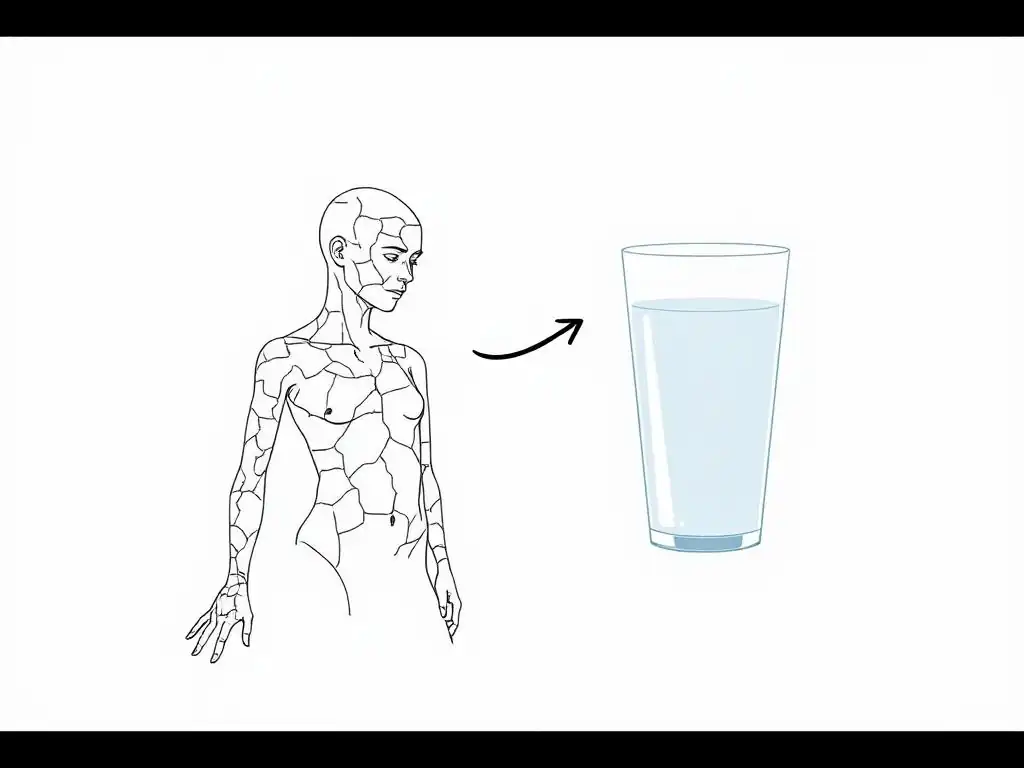
Many people find it challenging to consistently drink the recommended amount of water daily. It's not necessarily a lack of willpower; often, it's a combination of overlooked obstacles and ingrained habits. This section delves into the common reasons why maintaining adequate hydration proves difficult and provides practical strategies to overcome these hurdles. Successfully tackling these challenges will significantly improve your ability to drink more water easily daily, leading to better health and well-being. Understanding the root causes is the first step towards achieving consistent hydration.
Common Barriers to Sufficient Water Consumption
Several factors contribute to inadequate water intake. These barriers can be broadly categorized into lifestyle factors, environmental influences, and individual preferences. Let's examine some key obstacles:
- Busy Schedules: A hectic lifestyle often leaves little time for mindful hydration. Between work, family commitments, and other obligations, remembering to drink water frequently can be challenging. This is exacerbated by the fact that thirst isn't always a reliable indicator of dehydration, especially in busy periods.
- Lack of Access to Water: Not always having water readily available can significantly impact consumption. Forgetting to refill your water bottle or not having a water fountain nearby makes it harder to stay hydrated throughout the day.
- Taste Preferences: Plain water can be perceived as bland or boring by some. This leads many to opt for sugary drinks, juices, or other beverages that provide temporary satisfaction but contribute to dehydration in the long run.
- Forgetting to Drink: Simply forgetting to drink water is a common problem. Our minds are often occupied with other tasks, causing us to overlook this fundamental need. This is especially true for those who don't experience strong thirst signals.
- Discomfort: Some individuals may experience discomfort, such as frequent bathroom trips, which can lead them to restrict their water intake. However, this is often a temporary adjustment as the body adapts to increased hydration.
Identifying Your Personal Water Intake Challenges
Pinpointing your specific challenges is crucial for developing an effective hydration strategy. Consider these questions to identify your personal barriers:
- How often do you forget to drink water? Are there specific times of day when you consistently neglect your hydration?
- What are your typical daily activities, and how might they interfere with your water intake? Do you have long periods without access to water?
- Do you dislike the taste of plain water? If so, what flavors or additions might make it more appealing?
- Do you experience any discomfort associated with drinking more water? If so, what is the nature of this discomfort? Consulting a healthcare professional may be beneficial.
- Do you have a system in place to remind yourself to drink water? This could involve using a water tracking app, setting alarms, or leaving water bottles in strategic locations.
| Challenge Category | Example Challenges | Solutions |
|---|---|---|
| Lifestyle | Busy schedule, lack of time | Schedule specific water breaks, use a reminder app |
| Environmental | Lack of access to water, inconvenient water fountains | Carry a reusable water bottle, keep water at your workspace |
| Taste Preference | Dislike of plain water | Add fruits, herbs, or flavor enhancers |
| Forgetfulness | Simply forgetting to drink | Set reminders, use a water tracking app |
The Psychology of Hydration: Forming Positive Habits
Successfully increasing your daily water intake involves understanding and leveraging the psychology of habit formation. It's not just about knowing you should drink more water; it's about making it a routine. Here are key psychological principles to consider:
- Make it Visible: Keep water bottles prominently displayed – at your desk, in your car, and by your bed. Visual reminders are powerful cues for drinking.
- Habit Stacking: Link drinking water to existing habits. For example, drink a glass of water every time you brush your teeth or before each meal.
- Positive Reinforcement: Reward yourself for reaching your daily water goals. This could be as simple as enjoying a healthy snack or taking a short break.
- Goal Setting: Set realistic, achievable goals, gradually increasing your water intake over time. Don't try to drastically change your habits overnight. Start small and build momentum.
- Mindfulness: Pay attention to your body's signals. Listen to your thirst cues and drink water proactively, not just when you feel severely thirsty. This proactive approach is crucial for maintaining optimal hydration levels throughout the day. Practicing mindfulness around hydration can transform it from a chore into a self-care ritual.
By addressing the underlying reasons for insufficient water consumption and implementing these psychological strategies, you can effectively and easily increase your daily water intake, leading to improved health and overall well-being. Remember that consistency is key; small, sustainable changes will yield lasting results. 🍹
The Little-Known Trick: The Power of Habit Stacking for Hydration
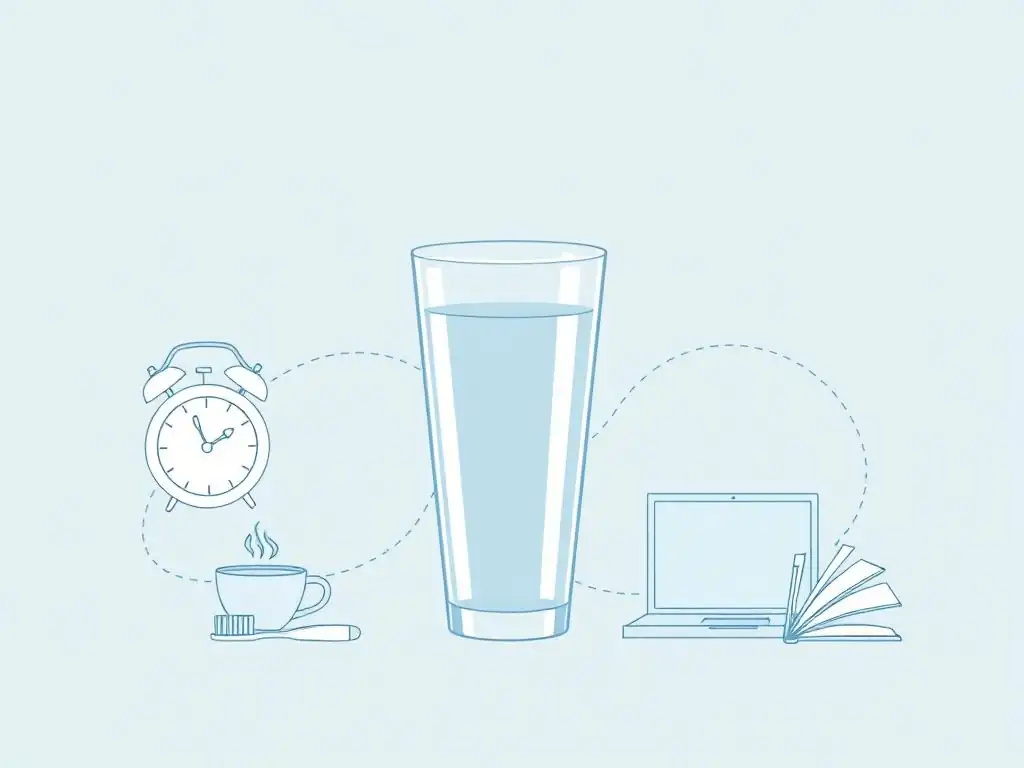
This section explores the surprisingly effective technique of habit stacking as a solution to the common problem of inadequate daily water intake. Many people struggle to consistently drink enough water, often citing forgetfulness or a lack of motivation. Habit stacking offers a clever workaround, leveraging existing routines to effortlessly integrate the crucial habit of hydration into your daily life.
By associating water consumption with already established behaviors, you can bypass willpower and make drinking more water a seamless part of your day. This method addresses the core issue of forgetting to drink water, a key barrier for many individuals striving to improve their daily water intake. We'll examine how to effectively implement habit stacking for optimal hydration and provide practical examples to get you started on your journey to effortlessly drinking more water daily.
What is Habit Stacking?
Habit stacking is a powerful behavioral technique where you link a new habit to an existing one. Instead of relying solely on willpower, you piggyback the new habit onto an already ingrained behavior. This leverages the power of association; your brain automatically triggers the new habit once the existing one is completed. The formula is simple: [Existing Habit] + [New Habit] = [New Habit Becomes Automatic]
Think of it like this: you already brush your teeth every morning (existing habit). Now, you add drinking a glass of water immediately after brushing (new habit). Over time, drinking that water becomes automatic, just like brushing your teeth. The key to successful habit stacking lies in choosing an existing habit that you perform consistently and without fail.
The more ingrained the existing habit, the more effective the stacking process will be. This method subtly shifts your focus from remembering to drink water to automatically drinking water, making the process effortless and sustainable. This simple yet effective method transforms the challenge of increased water intake from a conscious effort into an unconscious routine, ultimately helping you drink more water easily daily.
Implementing Habit Stacking for Increased Water Intake: Step-by-Step Guide
Successfully implementing habit stacking for increased hydration requires a strategic approach. Here's a step-by-step guide:
- Identify Your Existing Habits: List your daily routines. Consider both morning and evening routines, as well as any habits throughout the day. Examples include waking up, brushing your teeth, making coffee, eating lunch, checking emails, or ending your workday. The more consistent the habit, the better.
- Choose the Right Existing Habit: Select one or two existing habits that are consistently performed and ideally have a natural flow to the next action. Avoid choosing habits performed sporadically or under stressful circumstances.
- Select Your New Habit (Water Intake): Decide how much water you'll drink each time. Start small, perhaps with a single glass (8 ounces), to avoid feeling overwhelmed. Gradually increase the amount as you become more comfortable. Consider various hydration methods: a full glass, a few sips from a water bottle, or even adding a hydrating food to the routine.
- Create Your Habit Stack: Combine your existing habit with your new hydration habit. For example: "After I brush my teeth (existing habit), I will drink a glass of water (new habit)." Write this down to solidify the connection.
- Track Your Progress: Use a journal, habit tracker app, or even a simple calendar to monitor your progress. This helps reinforce the habit and identify any areas for improvement. Tracking provides valuable feedback and keeps you motivated to continue the process. This monitoring helps you drink more water easily daily.
- Be Patient and Persistent: Building new habits takes time. Don't get discouraged if you miss a day or two. Simply get back on track and continue with your habit stack. Consistency is key to long-term success. Remember, you're building an automatic response, not forcing willpower.
- Adjust and Refine: If a particular habit stack isn't working, try a different existing habit. Experiment to find the combination that best suits your lifestyle and preferences. This iterative process allows for personalization and optimization for your individual needs.
Examples of Effective Habit Stacks for Daily Hydration
Here are some examples of habit stacks you can implement to effortlessly increase your daily water intake:
| Existing Habit | New Habit | Notes |
|---|---|---|
| Waking Up | Drink a large glass of water | Start your day hydrated; consider adding lemon for extra flavor. |
| Brushing Teeth | Drink a glass of water | Simple and easy to integrate into your morning routine. |
| Making Coffee/Tea | Drink a glass of water alongside your beverage | Balances caffeine intake with hydration. |
| Eating Lunch | Drink a glass of water with your meal | Improves digestion and overall hydration throughout the day. |
| Sitting Down to Work/Studying | Keep a water bottle nearby and sip regularly | Promotes consistent hydration throughout focused periods. |
| Ending Workday | Drink a large glass of water before dinner | Replenishes fluids lost during the day. |
| Before Bed | Drink a glass of water (but not too much!) | Avoid overhydration before sleep, but still benefit from pre-sleep hydration. |
Remember to adjust these examples to fit your personal routines and preferences. The key is consistency and finding a system that works for you to drink more water easily daily. Experiment with different combinations until you find the perfect habit stacks that seamlessly integrate hydration into your daily life. By utilizing these strategies, you can achieve your daily hydration goals effortlessly and make drinking more water a sustainable part of your healthy lifestyle.
Choosing the Right Habit Stack for Your Lifestyle
Successfully integrating more water into your daily routine using habit stacking hinges on choosing a pre-existing habit that you already perform consistently. This is crucial; if your chosen anchor habit is unreliable, your water-drinking habit will suffer as well. Consider habits you do every day, without fail, ideally multiple times a day. These could include brushing your teeth, taking your medication, making coffee, or even checking your phone first thing in the morning.
The key is to select an anchor habit that's immediately followed by a period of relatively low-level activity. If your chosen habit is followed by a frantic rush out the door, you're unlikely to remember to drink your water. A more successful pairing might be finishing your morning meditation (anchor habit) and then drinking a glass of water (new habit). The transition should be smooth and natural, not jarring or disruptive to your existing flow.
For example, if your morning routine involves making coffee, you could stack your water-drinking habit directly after. The association between the two actions strengthens over time, making it a subconscious part of your routine. This is far more effective than setting a reminder on your phone, which can easily be ignored or forgotten in the daily hustle. Experiment with different anchor habits to find the perfect fit for your unique lifestyle. What works for one person may not work for another.
The goal is to create a seamless integration, a chain reaction of positive habits. Don't be afraid to try several different combinations until you find what sticks. Consistency is key to making this habit-stacking method work for you. Consider keeping a small water bottle near the location where you perform your anchor habit to make it even easier.
Advanced Strategies to Boost Your Water Intake
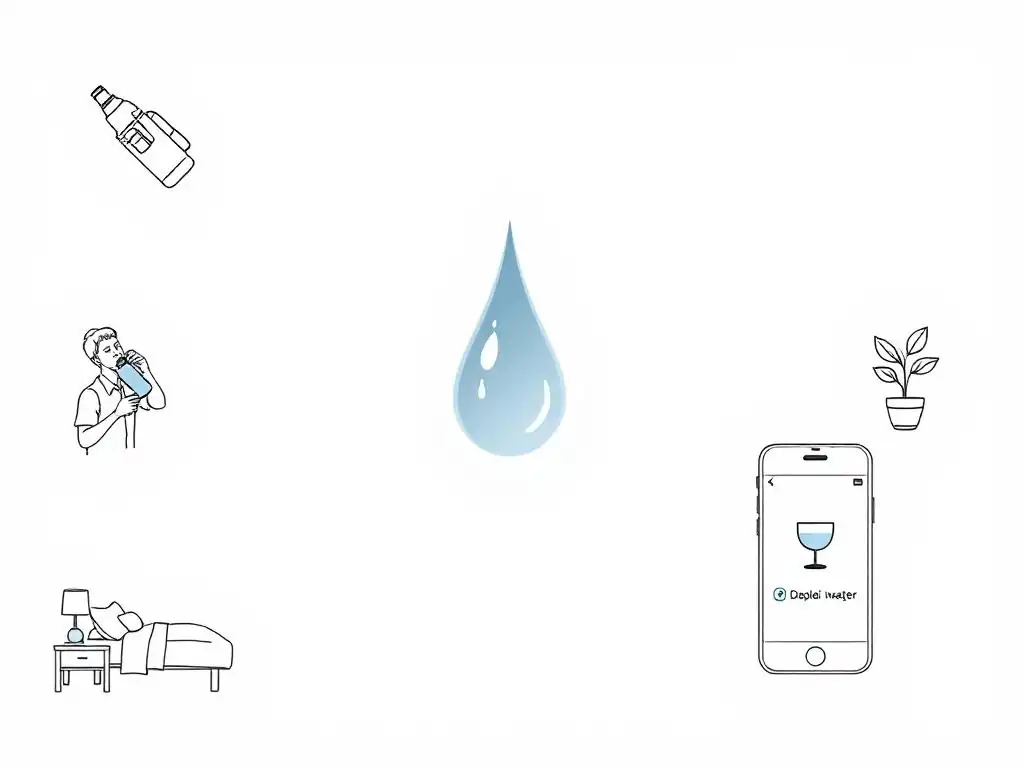
This section delves into sophisticated techniques to seamlessly integrate increased water consumption into your daily routine. We'll move beyond basic advice and explore strategies that actively encourage hydration, making it effortless and even enjoyable. Remember, consistently drinking more water easily daily is key to overall well-being. Let's explore some advanced tactics.
Infusing Your Water with Flavor: Delicious and Healthy Options
Plain water can sometimes feel bland, leading to decreased consumption. However, infusing your water with natural flavors can dramatically improve its appeal, making it a refreshing and enjoyable beverage you'll actively seek out. This is a simple yet powerful technique to drink more water easily daily.
Here are some delicious and healthy options:
- Citrus Burst: Slices of lemon, lime, orange, or grapefruit add a zesty kick and a vibrant color. Experiment with different combinations for unique flavor profiles. The Vitamin C boost is an added bonus!
- Berry Bliss: Berries like strawberries, raspberries, and blueberries infuse a sweet and slightly tart flavor. Their antioxidants contribute to your overall health.
- Cucumber Cooler: Cucumber slices impart a refreshing coolness and subtle sweetness. It’s a perfect choice for a hot day.
- Herbal Infusion: Add sprigs of mint, basil, or rosemary for a subtly aromatic and invigorating experience. These herbs offer additional health benefits.
- Spicy Kick: A thin slice of ginger or a few chili flakes can add a surprising and warming element, perfect for colder months.
Consider preparing your infused water the night before to allow the flavors to fully develop. You can store it in a reusable water bottle in the refrigerator for easy access throughout the day. This proactive approach ensures you're always ready to drink more water easily daily.
Setting Reminders and Utilizing Technology to Stay Hydrated
Technology offers powerful tools to help you build healthy habits, including consistent hydration. Smartphones and dedicated apps can provide timely reminders throughout the day, encouraging you to drink more water easily daily. The key is to choose a method that seamlessly integrates into your existing routine.
Here's how you can leverage technology:
- Utilize built-in reminder apps: Most smartphones have built-in calendar and reminder functions. Set multiple reminders throughout your workday and even during evenings. Experiment with different intervals to find what works best for you.
- Explore hydration apps: Several apps are specifically designed to track your water intake and provide personalized reminders. Many also offer progress tracking and motivational features.
- Smart water bottles: Some water bottles now incorporate technology to track your consumption and send reminders directly to your phone. This provides a hands-free, automated approach to staying hydrated.
- Link reminders to existing habits: Tie your water intake reminders to already established routines. For instance, set a reminder to drink water every time you check your email or before you start a meeting. This creates a strong association, making hydration a habitual part of your day.
Remember, consistency is key. Experiment with different reminder strategies and apps to find the system that best suits your lifestyle and helps you drink more water easily daily. The goal is to make it a subconscious habit, rather than a conscious effort.
Making Water Conveniently Accessible Throughout Your Day
Accessibility plays a crucial role in consistent hydration. If water is readily available, you're far more likely to drink it. Strategic placement of water bottles and glasses throughout your home and workplace can significantly impact your daily water intake, helping you drink more water easily daily.
Here are some practical tips:
- Keep a water bottle at your desk: Having a water bottle constantly within arm's reach at work encourages frequent sips throughout the day.
- Place water bottles strategically at home: Keep water bottles in the bedroom, living room, and kitchen. This ensures water is always readily available, regardless of your location.
- Use a large water pitcher: A large water pitcher in the fridge serves as a visual cue and makes it easy to refill your glass.
- Carry a reusable water bottle: A reusable water bottle is perfect for carrying water with you when you're out and about. Choose one that is durable and easy to clean.
By strategically placing water throughout your environment, you create a supportive ecosystem that naturally encourages increased water consumption. This passive approach makes drinking more water easily daily a seamless part of your routine, rather than a chore. Remember, small changes can lead to significant improvements in your overall hydration levels.
Tracking Your Water Intake: Apps and Methods for Monitoring Progress
Staying hydrated is crucial, but simply aiming to drink more water isn't always effective. Many find that tracking their water intake significantly improves their consistency and helps them understand their daily hydration needs. Several methods exist to monitor your progress, each with its own advantages and disadvantages.
One popular approach is using dedicated hydration tracking apps. These apps, available on both iOS and Android platforms, offer a variety of features. Some allow you to set personalized daily goals based on your weight, activity level, and climate. Others incorporate reminders to drink water at regular intervals throughout the day.
Many apps also visually represent your progress with charts and graphs, making it easy to see how well you're doing and identify areas for improvement. Furthermore, some apps integrate with other health and fitness apps, providing a holistic view of your overall well-being. However, remember that app accuracy depends on the user's diligent input, and relying solely on technology might not be as effective as a more mindful approach.
Beyond apps, simpler methods exist for those preferring a less tech-heavy approach. A classic method is using a water bottle with markings indicating fluid ounces or milliliters. This provides a visual representation of your daily goal and allows for easy tracking throughout the day.
You can also keep a notebook or use a simple spreadsheet to manually log your water consumption. This manual approach requires more discipline but can be surprisingly effective for those who prefer a tactile and less automated system. The key is consistency—whether you use an app or a notebook, regular tracking is essential to establish a pattern and improve your hydration habits.
Finally, consider incorporating visual cues into your daily routine. For example, placing your water bottle prominently on your desk or bedside table serves as a constant reminder to drink. Similarly, setting reminders on your phone or smartwatch, independent of a dedicated hydration app, can be a useful strategy. Experiment with different techniques to find the method that best suits your lifestyle and preferences. The most effective tracking method is the one you'll consistently use. Remember, the goal is not just to drink more water, but to build a sustainable habit that benefits your health in the long term.
Maintaining Your New Hydration Habit for Long-Term Success
Successfully integrating increased water intake into your daily routine isn't a sprint; it's a marathon. Consistency is key to reaping the long-term benefits of proper hydration. This section focuses on strategies to maintain your improved water consumption habits over the long haul, ensuring you continue to drink more water easily daily.
Overcoming Plateaus and Maintaining Motivation
Hitting a plateau in your water intake is common. After the initial enthusiasm fades, maintaining the momentum can be challenging. Here's how to overcome those hurdles and stay motivated:
- Identify your triggers: Are there specific times of day or situations where you forget to drink water? Understanding these triggers is the first step to proactively addressing them. Perhaps you consistently forget in the afternoon. Try setting a reminder on your phone at 2 PM.
- Vary your routine: If you've fallen into a monotonous routine of drinking water, shake things up! Experiment with different water bottles, infusing your water with fruits or herbs, or trying sparkling water as a refreshing alternative. This will help stave off boredom and keep you engaged in the process. Remember, drinking more water easily daily is about finding a sustainable method that suits your lifestyle.
- Track your progress visually: Use a water tracking app, a physical chart, or even a simple sticker chart to monitor your daily water intake. Seeing your progress visually can be incredibly motivating and help you stay on track. Seeing those stickers accumulate is rewarding!
- Reward yourself (healthily!): Celebrate milestones with healthy rewards, like a relaxing bath, a new book, or a guilt-free treat. Avoid rewarding yourself with sugary drinks or unhealthy foods, which would defeat the purpose.
Adjusting Your Strategy Based on Your Progress and Needs
Your hydration needs may vary depending on factors like weather, activity level, and overall health. Therefore, a rigid approach might not always be effective. Flexibility is crucial for long-term success in drinking more water easily daily.
Here's how to adapt your strategy:
- Listen to your body: Pay attention to your thirst cues. While aiming for a specific daily intake is important, don't ignore your body's signals. If you feel thirsty, drink water!
- Adjust intake based on activity: On days with increased physical activity, you'll need to increase your water intake to compensate for fluid loss through sweat. Keep an extra water bottle handy for workouts or outdoor activities.
- Consider your climate: In hotter climates or during heatwaves, you'll need to drink more water to stay hydrated. Proactively increase your water consumption during these times to prevent dehydration.
- Monitor your urine color: The color of your urine is a good indicator of your hydration level. Pale yellow or clear urine suggests adequate hydration, while dark yellow indicates dehydration.
Celebrating Your Success and Recognizing Your Achievements
Celebrating your accomplishments is crucial for maintaining motivation and reinforcing positive habits. Acknowledge your progress and reward yourself for your hard work.
- Set realistic goals: Start with achievable goals and gradually increase your daily water intake as you become more comfortable. Don't try to drastically increase your water intake overnight.
- Track your non-scale victories: Focus on the positive changes you've experienced, such as improved energy levels, clearer skin, or better digestion. These non-scale victories are just as important as hitting specific water intake targets.
- Share your success: Tell your friends and family about your achievement. Sharing your success with others can boost your confidence and provide encouragement. Their support can make a big difference!
- Remember your "why": Reflect on the reasons why you wanted to increase your water intake in the first place. Remembering your initial motivations can help you stay focused and committed to your goal. This constant reinforcement is vital for long-term drinking more water easily daily. The benefits far outweigh the initial effort.
Frequently Asked Questions
How can I remember to drink water throughout the day?
Set reminders on your phone or use a water tracking app. Visual cues, like placing a water bottle on your desk, also help. Consistency is key.
What are some creative ways to make drinking water more appealing?
Add fruit slices, herbs (like mint or cucumber), or a squeeze of lemon to your water. Experiment with flavored water drops for variety.
Is it true that drinking too much water can be harmful?
Yes, overhydration is possible, though rare. Listen to your body; don't force yourself to drink beyond your thirst. Consult a doctor if you have concerns.
How much water should I aim to drink daily?
The recommended daily intake varies, but a general guideline is half your body weight in ounces. Adjust based on activity level and climate. Pay attention to your body's signals.
What are the benefits of increasing my daily water intake?
Increased water intake can improve energy levels, skin health, and cognitive function. It also aids in digestion and helps your body function optimally.
Final Reflection: The Ripple Effect of Hydration
The simple act of drinking more water isn't just about quenching thirst; it's a foundational pillar of overall well-being, impacting everything from energy levels and cognitive function to skin health and even mood. This seemingly small change can have a profound and positive ripple effect on our daily lives, far exceeding the immediate sensation of refreshment.
The journey to consistent hydration is a personal one, a testament to our commitment to self-care. It's about recognizing the subtle cues our bodies give us and responding with mindful action. The body is your temple. Keep it pure and clean for the soul to reside in.
This quote highlights the interconnectedness of physical and mental well-being, a connection often overlooked in our fast-paced lives. By prioritizing hydration, we're not just fulfilling a physiological need, but also nurturing a deeper sense of self-respect and awareness.
Now, consider your own hydration habits. Are you truly listening to your body's signals? Are you proactively incorporating strategies to make drinking more water a seamless part of your daily routine? I encourage you to take this reflection as a starting point, to experiment with the techniques discussed in this article, and to discover the transformative power of consistent hydration. Embrace the journey towards a healthier, more energized, and more vibrant you – one sip at a time.
Unlock Your Hydration Potential Today!
Thank you for exploring simple ways to boost your daily water intake! We hope you found these tips insightful and empowering. Ready to feel the difference?
- Start your day hydrated: Begin with a large glass of water. Add a slice of lemon or cucumber to enhance the flavor and make it more enjoyable.
- Track your progress: Use a water bottle with markers to help you stay on track and reach your daily goal. You'll be surprised how quickly you can achieve it!
- Share your success: Inspire others to prioritize hydration. Share these simple tips with your friends and family.
What small change can you make today to effortlessly increase your water consumption?