
Fuel Your Hustle: The Busy Person's Guide to Effortless Healthy Eating

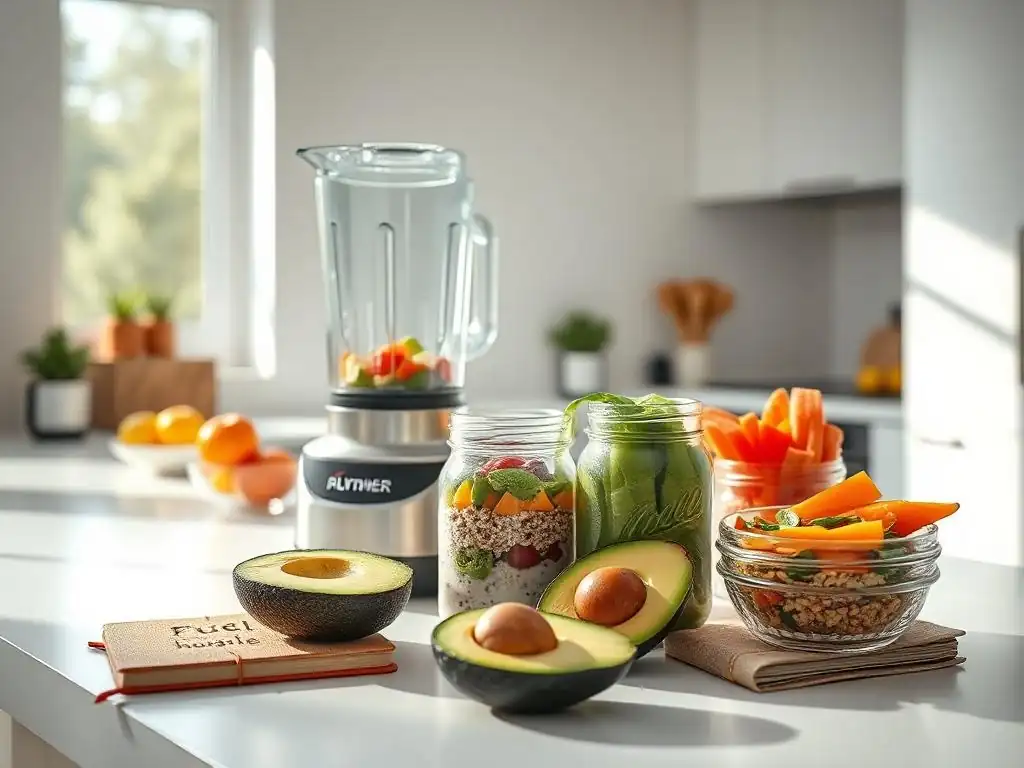
Feeling overwhelmed by the demands of your busy life? It doesn't have to be a constant struggle. At UltimateLifeHacks, we're dedicated to providing you with practical, actionable strategies to conquer your daily challenges and unlock a more efficient, fulfilling lifestyle. Discover our Busy Person Healthy Eating Guide, designed to help you nourish your body without sacrificing precious time. Ready to fuel your hustle the smart way? Let's dive in!
- The Busy Person's Dilemma: Time vs. Nutrition
- Strategies for Effortless Healthy Eating on a Tight Schedule
- Time-Saving Healthy Eating Hacks for the Busy Professional
- Building a Sustainable Healthy Eating Routine
- Nourishing Your Body, Fueling Your Hustle: The Long-Term Benefits
- Resources for Busy People Seeking Healthy Eating Solutions
- Frequently Asked Questions
- Final Reflection: Cultivating Wellness Amidst the Chaos
- Unlock Your Energy: Start Eating Better Today!
The Busy Person's Dilemma: Time vs. Nutrition
The modern world demands a lot from us. Juggling work deadlines, family commitments, social life, and personal pursuits often leaves little time for what truly matters: our well-being. And when it comes to well-being, nutrition plays a pivotal role.
This guide, "Fuel Your Hustle: The Busy Person's Guide to Effortless Healthy Eating," is designed to address the common challenge faced by busy professionals and individuals: how to maintain a healthy and nutritious diet without sacrificing precious time and energy. We'll explore practical strategies and actionable tips to help you navigate the complexities of healthy eating while managing a demanding schedule. This guide provides a roadmap to effortless healthy eating, empowering you to prioritize your nutrition without adding extra stress to your already busy life.
We'll tackle the common obstacles, provide effective solutions, and ultimately help you fuel your hustle with the energy you need to thrive. This is your comprehensive guide to optimizing your nutrition even when time seems to be your biggest enemy – a busy person's healthy eating guide, meticulously designed to make a real difference in your life.
Juggling Work, Life, and Healthy Eating: The Common Struggle
Many busy individuals find themselves trapped in a cycle of convenience. Long work hours, coupled with family obligations and social commitments, often lead to relying on quick, processed meals that lack essential nutrients. This isn't just a matter of occasional indulgence; it’s a pervasive issue impacting long-term health and productivity. The constant pressure to "do it all" often results in neglecting the fundamental need for proper nutrition.
This leads to a vicious cycle: poor nutrition results in decreased energy levels, reduced focus, and increased stress, which in turn, makes it even harder to prioritize healthy eating habits. Breaking this cycle requires a strategic and realistic approach, acknowledging the constraints of a busy lifestyle while implementing sustainable solutions. We’ll explore practical strategies that fit seamlessly into your daily routine, making healthy eating not an added burden, but a natural part of your lifestyle.
Lack of Time: The Biggest Obstacle to Healthy Eating for Busy Professionals
The most frequently cited reason for unhealthy eating habits among busy professionals is simply a lack of time. Preparing healthy meals from scratch often seems like a monumental task, especially after a long day at work. Grocery shopping, meal prepping, and cooking can feel like insurmountable obstacles when time is already stretched thin.
This often leads to reliance on quick fixes like takeout, fast food, or processed convenience meals, which are often high in calories, unhealthy fats, and added sugars, and low in essential nutrients. This section will address this challenge head-on, providing time-saving strategies and practical tips to make healthy eating a manageable part of your busy schedule. We'll explore techniques like meal prepping, batch cooking, and utilizing convenient, yet nutritious, food options.
The Impact of Poor Diet on Productivity and Well-being
The consequences of consistently neglecting proper nutrition extend far beyond occasional fatigue. A poor diet can significantly impact productivity and overall well-being. Studies have shown a direct correlation between nutrition and cognitive function, with inadequate nutrient intake leading to reduced concentration, impaired memory, and decreased mental clarity.
Furthermore, poor dietary choices can contribute to chronic health issues, such as obesity, heart disease, and type 2 diabetes, ultimately affecting your long-term health and quality of life. This section will delve into the specific ways poor nutrition affects productivity and well-being, providing compelling evidence of the importance of prioritizing healthy eating habits, even within a demanding schedule. We'll discuss the tangible benefits of improved nutrition on energy levels, focus, mood, and overall health, highlighting the long-term value of investing in your well-being.
Strategies for Effortless Healthy Eating on a Tight Schedule
This section dives deep into practical strategies designed to help busy individuals maintain a healthy diet without sacrificing precious time. We'll explore efficient meal planning, smart grocery shopping techniques, and quick, nutritious recipe ideas to fuel your hustle without the fuss. This guide focuses on actionable steps, providing you with the tools to incorporate healthy eating into even the most demanding schedules. The key is to make healthy choices easy choices, minimizing decision fatigue and maximizing nutritional intake.
Meal Prep Magic: Planning and Preparing Your Meals Ahead
Meal prepping is the cornerstone of effortless healthy eating for busy people. It's about strategically allocating a small block of time each week (even just a couple of hours on a weekend) to prepare components of your meals in advance. This drastically reduces the time you spend cooking during the week, preventing you from resorting to unhealthy takeout options due to time constraints.
Think about it this way: Instead of cooking a full dinner every night, you can prepare several elements – roasted vegetables, cooked grains (quinoa, brown rice), grilled chicken or fish – on Sunday. Then, throughout the week, assembling your meals becomes a simple process of combining these pre-made components.
Here's a sample meal prep plan:
| Day | Breakfast | Lunch | Dinner |
|---|---|---|---|
| Sunday | Overnight oats (prepared Sat night) | Quinoa salad with grilled chicken | Roasted chicken and vegetables |
| Monday | Overnight oats | Leftover quinoa salad | Leftover chicken and vegetables |
| Tuesday | Yogurt with berries | Leftover chicken and vegetables | Quick stir-fry with pre-cut veggies |
| Wednesday | Smoothie | Salad with pre-cooked beans | Leftover stir-fry |
| Thursday | Scrambled eggs with whole-wheat toast | Leftover salad | Tuna salad sandwich on whole wheat |
| Friday | Breakfast burrito (prepped on Sunday) | Leftover tuna salad | Pizza with whole-wheat crust and veggies |
Remember to consider your dietary needs and preferences when planning your meals. Variety is key to prevent boredom and ensure you're getting a wide range of nutrients. Don't be afraid to experiment and find what works best for you! The goal is to create a system that is sustainable and enjoyable. Even small amounts of meal prepping can make a significant difference.
Smart Grocery Shopping: Choosing Healthy Options Quickly and Efficiently
Efficient grocery shopping is crucial for successful healthy eating. Avoid aimless wandering through the aisles; instead, plan your shopping trip with a detailed list based on your meal prep plan. This prevents impulse buys of unhealthy processed foods and saves you valuable time.
Here are some time-saving tips for smart grocery shopping:
- Shop the perimeter: Most fresh produce, lean proteins, and dairy products are located around the outer edges of the supermarket. This is where you'll find the bulk of your healthy ingredients.
- Utilize pre-cut vegetables: While slightly more expensive, pre-cut vegetables can be a lifesaver on busy weeknights. They eliminate the chopping time, making it easier to prepare quick and healthy meals.
- Buy frozen fruits and vegetables: Frozen produce is often just as nutritious as fresh and is a great option for convenience.
- Choose whole grains: Opt for whole-wheat bread, brown rice, quinoa, and oats over refined grains for added fiber and nutrients.
- Read labels carefully: Pay attention to serving sizes, calories, added sugars, and sodium content.
By employing these strategies, you can navigate the grocery store efficiently, selecting nutritious options without spending excessive time. Remember to stick to your list to avoid unnecessary purchases and maintain focus on your healthy eating goals.
Quick and Healthy Recipe Ideas for Busy Weeknights
Even with meal prepping, there will be nights when you need a quick and healthy meal solution. Here are a few ideas for recipes that take minimal time to prepare:
- Sheet pan dinners: Toss your favorite vegetables (broccoli, bell peppers, onions) and protein (chicken, sausage, tofu) with olive oil, herbs, and spices, and roast on a sheet pan for a complete and easy meal.
- One-pot pasta: Combine pasta, vegetables, and broth in a single pot and simmer until cooked through for a simple and satisfying meal.
- Salads with protein: Pre-cooked chicken, fish, beans, or lentils can quickly be added to a base of greens, vegetables, and a healthy dressing for a nutritious and filling salad.
- Breakfast for dinner: Scrambled eggs with whole-wheat toast and avocado is a quick, easy, and protein-packed meal option.
- Soup: A hearty lentil soup or vegetable soup can be made in advance and reheated for a quick and nutritious meal.
These are just a few examples; countless quick and healthy recipes are available online. The key is to find recipes that align with your taste preferences and dietary needs, and that can be prepared quickly and easily on busy weeknights. Remember, consistency is key; even small changes in your eating habits can lead to significant improvements in your overall health and well-being.
Utilizing Leftovers Creatively: Minimizing Food Waste and Maximizing Time
Repurposing leftovers is a cornerstone of efficient and healthy eating for busy individuals. It significantly reduces food waste, a major contributor to both environmental impact and financial strain. More importantly, it saves you precious time by eliminating the need for extensive daily meal prep. Instead of viewing leftovers as yesterday's dinner, consider them as building blocks for exciting new culinary creations.
For instance, leftover roasted chicken can be transformed into a quick chicken salad sandwich for lunch the next day, or shredded and added to a hearty soup or pasta dish. Similarly, extra rice can be incorporated into fried rice, rice bowls, or even as a base for a delicious stuffed pepper recipe. Leftover vegetables, often the most challenging to reuse, can be easily blended into smoothies, added to omelets, or roasted again with different spices for a completely new flavor profile.
The key is to think outside the box. Don't limit yourself to simply reheating the previous night's meal. Experiment with different textures and flavors. A simple Google search for "[leftover ingredient] recipes" will yield a surprising number of creative ideas. Consider investing in airtight containers to properly store leftovers, ensuring their freshness and extending their usability.
Proper storage not only prevents spoilage but also makes it easier to quickly identify and utilize leftovers when time is short. Planning your meals ahead of time and considering what can be easily repurposed can significantly reduce food waste and save you time and money in the long run. This approach empowers busy individuals to maintain a healthy diet without sacrificing convenience or increasing their workload. The savings add up—both financially and in time saved.
Time-Saving Healthy Eating Hacks for the Busy Professional
Juggling a demanding career, family responsibilities, and social life leaves little time for elaborate meal preparation. However, maintaining a healthy diet is crucial for sustained energy and productivity. This section outlines practical strategies for busy professionals to effortlessly incorporate nutritious meals into their hectic schedules, effectively optimizing their "busy person healthy eating guide." We'll explore methods that minimize cooking time without sacrificing nutritional value or flavor. These time-saving hacks are designed to fuel your hustle and keep you feeling your best, even amidst the chaos of a busy lifestyle.
Batch Cooking Techniques: Preparing Large Quantities Efficiently
Batch cooking is a cornerstone of efficient healthy eating for busy individuals. By preparing large quantities of food on one day, you can significantly reduce the time spent cooking throughout the week. This strategy is particularly effective for staple items like grains, legumes, and roasted vegetables.
Imagine spending a single Sunday afternoon preparing a large batch of quinoa, roasted sweet potatoes, and a hearty lentil soup. These components can then be combined in various ways throughout the week, creating diverse and nutritious meals with minimal effort. For instance:
- Monday: Quinoa bowl with roasted sweet potatoes and chickpeas.
- Tuesday: Lentil soup with a side of whole-wheat bread.
- Wednesday: Leftover lentil soup with a quick salad.
- Thursday: Quinoa salad with roasted sweet potatoes, feta cheese, and a lemon vinaigrette.
- Friday: Sweet potato and black bean burritos using leftover quinoa.
This approach not only saves time but also reduces food waste and ensures you always have healthy options readily available. Consider using portion-sized containers to easily grab and go, further streamlining your meal prep routine. The key is planning your menu in advance and utilizing your freezer effectively.
One-Pan Meals: Simplifying Cooking with Minimal Cleanup
One-pan meals are a godsend for busy professionals. They minimize cleanup by requiring only one pan or baking sheet, significantly reducing post-meal stress. These meals are incredibly versatile and can be adapted to suit various dietary preferences and tastes.
For example, a simple sheet pan dinner could include chicken breast, broccoli florets, and sliced bell peppers, all seasoned with herbs and spices and roasted until tender. The cleanup is minimal – simply rinse the pan! Other variations could include:
- Salmon with asparagus and cherry tomatoes.
- Sausage and vegetable skewers.
- Sheet pan nachos with various toppings.
The possibilities are endless. The key to successful one-pan meals is proper seasoning and even cooking. Ensure all ingredients are cut into similar sizes to ensure even cooking times. Experiment with different flavor combinations to keep your meals exciting and avoid monotony. Remember, a well-planned one-pan meal is a powerful tool in your busy person healthy eating guide.
Utilizing Frozen Fruits and Vegetables: Convenience Without Compromising Nutrition
Frozen fruits and vegetables are often overlooked, but they represent a fantastic resource for busy individuals seeking nutritious meals without the hassle of frequent grocery shopping. Contrary to popular belief, frozen produce is often flash-frozen at its peak ripeness, preserving essential vitamins and minerals.
Using frozen produce can drastically reduce preparation time. For example, adding a handful of frozen berries to your morning oatmeal takes seconds, instantly boosting its nutritional value and flavor. Similarly, frozen spinach can be easily added to smoothies, omelets, or pasta dishes.
Consider stocking your freezer with a variety of frozen fruits and vegetables for easy incorporation into your meals. This ensures you always have healthy ingredients on hand, even when your schedule is tight. Remember to check the nutrition labels to compare different brands and make informed choices. This simple strategy can significantly enhance the efficiency and nutritional value of your “busy person healthy eating guide”. The convenience and nutritional benefits make frozen produce an invaluable asset in your arsenal of time-saving healthy eating hacks.
Embrace Quick-Cooking Grains and Proteins: Speedy and Nutritious Choices
Choosing the right ingredients is paramount when you're short on time. Forget lengthy cooking processes; embrace quick-cooking grains and proteins that can be prepared in minutes. This strategy is a cornerstone of any successful "busy person healthy eating guide."
Think quinoa, which cooks in about 15 minutes and boasts a complete protein profile, along with essential vitamins and minerals. Alternatively, consider pre-cooked lentils or canned beans – rinsing them thoroughly removes excess sodium – offering a fantastic source of fiber and protein with minimal effort. For protein, lean meats like chicken breast or fish fillets, particularly those that are pre-cut or sold in convenient portions, are excellent options.
They cook rapidly, and you can easily incorporate them into salads, stir-fries, or quick wraps. Don't underestimate the power of eggs either; they're a complete protein, quick to cook, and incredibly versatile. Scrambled eggs with whole-wheat toast, a quick omelet with vegetables, or even a hard-boiled egg for a protein-packed snack are all excellent choices for the time-constrained individual.
Planning your meals around these quick-cooking options will drastically reduce your cooking time without compromising nutritional value. For instance, preparing a large batch of quinoa on a Sunday can provide a base for several quick lunches or dinners throughout the week. Similarly, roasting a large tray of chicken breast can yield several portions for salads, wraps, or quick bowls.
This "batch cooking" method is a game-changer for busy professionals seeking to maintain a healthy diet. The key is to think ahead and prepare ingredients in advance, minimizing the time spent cooking each day. Remember, even small changes in your food choices can make a significant difference in your overall health and well-being, especially when you’re navigating a demanding work schedule.
Prioritizing quick, nutritious options is a crucial step in creating a sustainable and effective "busy person healthy eating guide." The time saved can be reinvested in other aspects of your life, boosting both productivity and overall wellness.
Building a Sustainable Healthy Eating Routine
This section focuses on establishing a practical and long-term approach to healthy eating for busy individuals. We'll move beyond quick fixes and delve into strategies that integrate seamlessly into your demanding schedule. The key is to build a system, not just adopt a diet. This system should be flexible enough to adapt to unexpected events and robust enough to withstand the inevitable setbacks. Remember, consistency, not perfection, is the ultimate goal for achieving sustainable healthy eating habits. This guide will help you build a personalized, effective system that aligns with your "busy person" lifestyle.
Setting Realistic Goals and Expectations: Avoiding Overwhelm
Jumping into a completely overhauled diet overnight is a recipe for disaster, especially for busy professionals. Instead of drastic changes, focus on small, incremental improvements. For example, instead of aiming for five servings of fruits and vegetables daily immediately, start with one or two extra servings per day. Gradually increase this number as you build the habit. Setting achievable goals prevents feelings of overwhelm and fosters a sense of accomplishment, encouraging continued progress.
Consider these examples:
- Instead of: Eliminating all processed foods immediately.
- Try: Gradually replacing one processed snack per day with a healthier alternative, like fruit or nuts.
- Instead of: Preparing all meals from scratch every day.
- Try: Preparing one or two healthy meals on the weekend for easy grab-and-go options during the week.
Think of it as a marathon, not a sprint. Small, consistent steps lead to significant, long-term changes. Remember, progress, not perfection, is key! 📈
Tracking Progress and Celebrating Small Victories: Maintaining Motivation
Tracking your progress is crucial for maintaining motivation and identifying areas needing adjustment. A simple food journal, a mobile app, or even a spreadsheet can help monitor your food intake, exercise, and overall well-being. Don't just focus on what you're eating; also note how you feel throughout the day. This helps you connect your food choices with your energy levels and overall mood.
Celebrating small wins is equally important. Did you manage to eat three servings of vegetables this week? Did you successfully resist that afternoon candy craving? Acknowledge and reward yourself for these achievements. These small victories fuel your motivation and reinforce positive behaviors. Consider a reward system that aligns with your healthy lifestyle goals – perhaps a relaxing bath, a new workout outfit, or a healthy treat you've been looking forward to. Positive reinforcement is a powerful tool for building lasting habits. 🎉
Identifying and Addressing Personal Challenges: Overcoming Obstacles
Everyone faces unique challenges when trying to maintain a healthy eating routine. Identifying and proactively addressing these obstacles is essential for long-term success. Common hurdles include time constraints, lack of access to healthy food options, emotional eating, and social pressures.
Let's explore some solutions:
| Challenge | Solution |
|---|---|
| Time Constraints | Meal prepping, utilizing quick and healthy recipes, using a slow cooker. |
| Lack of Healthy Options | Planning ahead, stocking your pantry and fridge with healthy choices, choosing healthy options when eating out. |
| Emotional Eating | Identifying triggers, practicing mindfulness, finding healthy coping mechanisms. |
| Social Pressures | Communicating your goals to friends and family, choosing healthy options when socializing, finding supportive social circles. |
By acknowledging these challenges and developing personalized strategies, you'll build resilience and increase your chances of achieving your healthy eating goals. Remember, consistency is key, and setbacks are a normal part of the process. Don't give up! 💪
Creating a Supportive Environment: Enlisting Help and Accountability
Building a sustainable healthy eating routine isn't solely about willpower; it's about building a supportive ecosystem around you. This means actively seeking help and establishing accountability mechanisms to keep you on track, especially during those hectic days when your resolve might waver. One effective strategy is to involve your family or housemates.
If everyone is eating healthier meals, it becomes easier to maintain your own healthy eating habits. Preparing meals together can be a fun family activity, and it ensures that everyone is eating nutritious food. This shared experience fosters a sense of collective responsibility and makes healthy eating a more enjoyable, less solitary endeavor.
Consider enlisting the help of a personal chef or meal-prep service, if your budget allows. These services can significantly reduce the time and effort required for grocery shopping and cooking, freeing up valuable time for other priorities. They can also help you create a meal plan that adheres to your dietary needs and preferences, ensuring that you're consuming balanced and nutritious meals consistently. If professional help isn't feasible, explore community resources, such as local farmers' markets or co-ops, to source fresh, healthy ingredients efficiently. These often offer bulk buying options, making healthy eating more cost-effective.
Accountability is another crucial element. This could involve sharing your healthy eating goals with a friend or family member who will check in on your progress. Regular check-ins provide motivation and encourage you to stay committed to your plan. Alternatively, consider joining an online community or support group focused on healthy eating.
Connecting with like-minded individuals can provide encouragement, share tips, and create a sense of camaraderie, making the journey less daunting. The shared experience of overcoming challenges together can be incredibly motivating and help you stay accountable. Remember, building a supportive network is key to long-term success in establishing a sustainable healthy eating routine. Don't hesitate to reach out and leverage the support of others – it can make all the difference.
Nourishing Your Body, Fueling Your Hustle: The Long-Term Benefits
This section explores the profound impact of prioritizing healthy eating, even with a busy schedule. We're not talking about restrictive diets or hours spent in the kitchen; instead, we focus on sustainable strategies that deliver significant long-term advantages for the busy professional. Consistent healthy eating isn't just about weight management; it's a powerful investment in your overall well-being and productivity.
The benefits extend far beyond the immediate feeling of fullness, impacting various aspects of your life, from energy levels to cognitive function. This section will delve into these crucial benefits, providing you with concrete reasons to make healthy eating a non-negotiable part of your daily routine. This busy person healthy eating guide focuses on practical, achievable changes.
Improved Energy Levels and Enhanced Productivity
Sustained energy is crucial for navigating a demanding schedule. Poor dietary choices often lead to energy crashes, hindering productivity and leading to feelings of burnout. Conversely, a diet rich in whole, unprocessed foods provides a steady release of energy, preventing those mid-afternoon slumps. This translates directly to increased productivity and a more consistent output throughout the day.
For example, consider the difference between a breakfast of sugary cereal and one consisting of oatmeal with berries and nuts. The cereal provides a quick sugar rush followed by a sharp decline in energy, while the oatmeal offers sustained energy release due to its complex carbohydrates and fiber content. This difference can significantly impact your ability to focus and complete tasks effectively.
Studies have shown a strong correlation between nutrient-rich diets and improved work performance. Employees who prioritize healthy eating habits often report higher levels of energy, better concentration, and reduced fatigue. This isn't just anecdotal; it's backed by scientific research demonstrating the direct link between nutrition and cognitive function. Investing in your nutrition is, therefore, an investment in your professional success. This busy person healthy eating guide helps you make that investment efficiently.
Boosting Your Immune System and Reducing Illness
A robust immune system is your first line of defense against illness, a critical factor for maintaining productivity and avoiding costly sick days. A diet lacking in essential vitamins and minerals weakens your immune response, making you more susceptible to colds, flu, and other infections. Conversely, a balanced diet rich in fruits, vegetables, and whole grains strengthens your immune system, reducing your risk of falling ill.
The benefits are clear: fewer sick days translate to increased productivity and a more consistent work output. Consider the impact of even a single day of illness on your schedule – missed deadlines, postponed meetings, and a backlog of tasks. By prioritizing a healthy diet, you actively minimize these disruptions and maintain a more consistent workflow. This proactive approach to health is a key element of this busy person healthy eating guide, emphasizing prevention over cure.
Here's a simple example: Vitamin C, abundant in citrus fruits and berries, is a powerful antioxidant known for its immune-boosting properties. Regular consumption of vitamin C-rich foods can significantly reduce the duration and severity of common colds. Similarly, zinc, found in nuts and legumes, plays a critical role in immune function. Incorporating these nutrient-rich foods into your daily diet is a simple yet effective way to bolster your immune defenses.
Maintaining sharp focus and optimal cognitive function is paramount, especially in today's fast-paced world. Poor nutrition can significantly impair cognitive abilities, leading to difficulties with concentration, memory, and decision-making. A diet devoid of essential nutrients can negatively impact brain function, resulting in decreased productivity and impaired performance.
Conversely, a healthy diet rich in brain-boosting nutrients can enhance cognitive function, leading to improved focus, memory retention, and faster processing speeds. This translates to increased efficiency, better problem-solving skills, and an overall improvement in cognitive performance. This busy person healthy eating guide provides practical strategies for maximizing your brainpower through nutrition.
For instance, omega-3 fatty acids, found in fatty fish like salmon and tuna, are crucial for brain health and cognitive function. Regular consumption of omega-3s has been linked to improved memory, attention span, and overall cognitive performance. Similarly, antioxidants found in colorful fruits and vegetables protect brain cells from damage and support optimal cognitive function. Prioritizing these nutrient-rich foods is an investment in your mental acuity and overall productivity. The benefits are undeniable, making a healthy diet a crucial component of a successful and fulfilling life.
Long-Term Health and Well-being: Investing in Yourself
Prioritizing healthy eating, even amidst a busy schedule, is an investment in your long-term health and well-being. It's not just about fleeting energy boosts; it's about building a foundation for a healthier, more vibrant future. Consistent consumption of nutrient-rich foods strengthens your immune system, reducing the frequency and severity of illnesses. This translates to fewer sick days and more productive time spent pursuing your goals. Think of it as preventative maintenance for your most valuable asset – yourself.
Furthermore, a diet rich in fruits, vegetables, and whole grains significantly reduces your risk of developing chronic diseases such as heart disease, type 2 diabetes, and certain types of cancer. These conditions not only impact your physical health but can also severely limit your ability to work and enjoy life to the fullest. By making conscious food choices today, you're actively mitigating the risk of these debilitating conditions later in life. This proactive approach contributes to a higher quality of life, allowing you to maintain energy levels and pursue your passions for years to come.
The benefits extend beyond the purely physical. Studies have shown a strong correlation between diet and mental well-being. Nutritious food provides the brain with the essential nutrients it needs to function optimally, improving cognitive function, mood, and overall mental clarity.
This improved mental state directly impacts your productivity and ability to handle stress effectively, making healthy eating a crucial component of a successful and fulfilling life. Investing in your health through mindful eating is not an expense; it's a strategic move toward a more productive, happier, and healthier you. The long-term rewards far outweigh the initial effort required to establish healthy eating habits.
Resources for Busy People Seeking Healthy Eating Solutions
This section provides a curated list of resources designed to simplify healthy eating for busy individuals. We understand that juggling work, family, and personal life leaves little time for complex meal preparation and meticulous nutrition planning. Therefore, we've compiled a selection of apps, websites, and books to help you seamlessly integrate healthy eating into your already demanding schedule. This "Busy person healthy eating guide" section focuses on practical tools and resources to make healthy eating effortless.
Recommended Apps for Meal Planning and Recipe Discovery
Finding time to plan meals and discover healthy recipes can feel overwhelming. Fortunately, several apps are designed to streamline this process. These apps offer features like automated meal planning based on dietary preferences, personalized recipe recommendations, grocery list generation, and even integration with grocery delivery services. This saves valuable time and eliminates the mental burden of daily meal decisions.
Here are a few examples of apps catering to different needs and preferences:
- App A: This app excels in providing customized meal plans based on dietary restrictions (e.g., vegetarian, vegan, gluten-free, keto) and calorie goals. It boasts a large and diverse recipe database, regularly updated with new options. It also offers features like macro tracking and progress monitoring.
- App B: This app focuses on quick and easy recipes, perfect for busy weeknights. Its interface is user-friendly, and the recipes are categorized by cooking time, ingredients, and dietary needs. A unique feature is its ability to suggest recipes based on ingredients you already have in your pantry.
- App C: This app prioritizes healthy eating on a budget. It features budget-friendly recipes, provides tips on reducing food waste, and allows users to track their grocery spending. It also integrates with loyalty programs from various grocery stores.
The selection of the "best" app depends on individual needs and preferences. Consider factors such as dietary restrictions, desired level of customization, and budget when making your choice. Many apps offer free versions with limited features, allowing you to test them before committing to a paid subscription.
Links to Quick and Easy Healthy Recipe Websites
Beyond dedicated apps, numerous websites provide a treasure trove of quick and easy healthy recipes. These websites often categorize recipes by preparation time, dietary requirements, and cuisine type, making it easy to find something that suits your taste and schedule. Many websites also include helpful features like nutritional information, step-by-step instructions with photos, and user reviews.
Consider exploring websites that specialize in:
- 30-minute meals: These websites focus exclusively on recipes that can be prepared in under 30 minutes, perfect for busy weeknights.
- One-pot or sheet pan meals: These recipes minimize cleanup time, a significant advantage for those short on time.
- Meal prepping: These websites offer recipes and strategies for preparing meals in advance, ensuring healthy options are readily available throughout the week.
Remember to always check the source's credibility and ensure recipes adhere to your dietary needs and preferences. Reading user reviews can also help you identify reliable and delicious options.
Helpful Books and Resources on Healthy Eating
While apps and websites are invaluable for quick recipe access, books offer a more in-depth understanding of healthy eating principles and strategies. These resources provide valuable context and guidance that can help you make informed decisions about your diet and lifestyle.
Consider exploring books that focus on:
- Intuitive eating: These books guide you towards a mindful approach to eating, helping you connect with your body's hunger and fullness cues.
- Mindful eating: These resources emphasize the importance of slowing down, paying attention to your food, and savoring each bite.
- Practical nutrition guides: These books provide actionable advice and easy-to-follow plans for improving your diet, often tailored to specific needs and goals.
Investing in a good book on healthy eating can be a valuable long-term investment in your well-being. Look for books written by registered dietitians or other qualified professionals to ensure accurate and reliable information. Remember to choose a book that resonates with your personality and learning style. The best "Busy person healthy eating guide" is one that you actually use!
Frequently Asked Questions
How can I eat healthy when I'm always short on time?
Prioritize quick and easy meals. Prepare large batches of food on the weekend to have healthy options readily available throughout the week. Utilize pre-cut vegetables and frozen fruits to save time on prep.
What are some healthy, quick meal ideas for busy people?
Consider overnight oats, smoothies, salads with pre-cooked protein, or leftovers repurposed into new meals. Focus on nutrient-dense foods that require minimal cooking time.
Is it really possible to maintain a healthy diet while traveling for work?
Yes! Pack healthy snacks like nuts, fruit, and protein bars. Choose hotels with healthy breakfast options or opt for quick and healthy restaurant choices like salads or grilled fish.
How can I incorporate more fruits and vegetables into my busy schedule?
Keep a bowl of fruit visible at home and work. Add veggies to your eggs in the morning or have a large salad for lunch. Consider smoothie packs for a quick nutrient boost.
What if I don't have time to cook at all?
Utilize meal delivery services that offer healthy options. Explore pre-prepared meal kits that require minimal cooking time. Plan your meals ahead to minimize decision fatigue and ensure you always have healthy choices.
Final Reflection: Cultivating Wellness Amidst the Chaos
The relentless pace of modern life often leaves healthy eating as the first casualty, but nourishing your body shouldn't be a luxury—it's a necessity. This guide has explored practical strategies for busy individuals to prioritize their well-being without sacrificing their schedules. We've debunked the myth that healthy eating requires hours of meal prepping and endless grocery shopping, offering instead a roadmap to sustainable, effortless nutrition.
The impact of prioritizing self-care, even in small ways, is profound. It ripples outwards, affecting not only our physical health but also our mental clarity, energy levels, and overall sense of well-being. Take care of your body. It's the only place you have to live.
– Jim Rohn. This quote encapsulates the core message of this guide: investing in your health is an investment in your life, regardless of how busy you are. The shift from viewing healthy eating as a chore to seeing it as self-care is crucial for long-term success.
Now, consider your own life. What small, manageable changes can you implement today to integrate healthier eating habits into your routine? Perhaps it's prepping a batch of overnight oats on Sunday, or committing to a 15-minute walk during your lunch break. Start small, celebrate your successes, and remember that progress, not perfection, is the key. Embrace the journey towards a healthier, more energized you – it's a journey worth taking, no matter how busy you are.
Unlock Your Energy: Start Eating Better Today!
Thank you for exploring healthier eating strategies! We hope you've found practical ways to nourish your body with delicious and nutritious food. Now let's put your newfound knowledge into action.
- Plan a week of healthy meals: Take 15 minutes today to plan your breakfasts, lunches, and dinners for the next week. This will help you make conscious choices and avoid unhealthy impulse decisions.
- Share your key learning: What's one thing you learned today that will significantly improve your eating habits? Share your thoughts in the comments below—you might inspire others!
- Invite a friend to join you: Find a friend to support you on your journey to healthy eating. Encourage each other and celebrate your successes!
Ready to embrace a healthier, more energetic you? What's your first step towards effortless healthy eating?