
How to Remove Mildew Stains from Fabrics and Surfaces

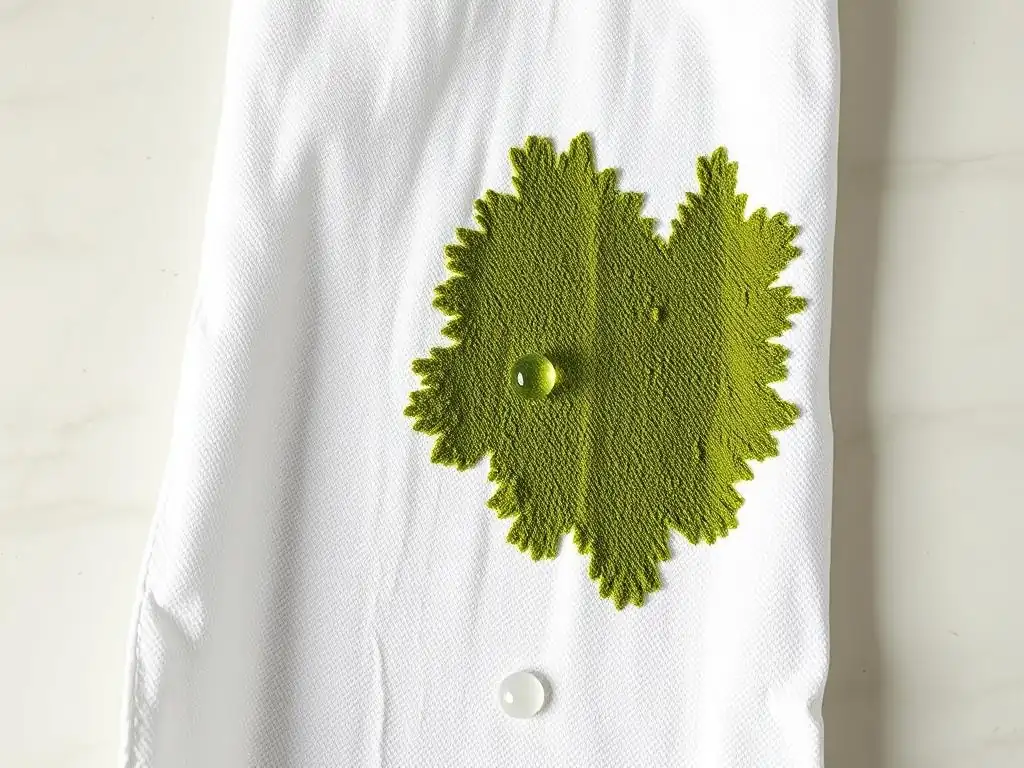
Ready to conquer clutter and reclaim your time? Welcome to UltimateLifeHacks, your go-to resource for practical tips and tricks to streamline your life. We're diving deep into the world of DIY solutions today, tackling a common household headache: how to effectively remove mildew stains. Discover the secrets to a cleaner, more efficient you – let's get started!
- Understanding Mildew and its Impact on Fabrics and Surfaces
- Effective Mildew Stain Removal Techniques for Fabrics
- Eliminating Mildew from Various Surfaces
- Choosing the Right Cleaning Products for Mildew Removal
- Post-Cleaning Care and Prevention
- Advanced Mildew Removal Techniques for Severe Cases
- Frequently Asked Questions
- Final Reflection: The Enduring Battle Against Mildew and the Power of Prevention
- Conquer Mildew: Reclaim Your Sparkling Surfaces!
Understanding Mildew and its Impact on Fabrics and Surfaces
Mildew, a type of fungus, is a common household problem that thrives in damp, dark environments. It's more than just an unsightly blemish; mildew significantly impacts both the aesthetic appeal and structural integrity of fabrics and surfaces, potentially posing health risks. This comprehensive guide will equip you with the knowledge and practical steps to effectively remove mildew stains, understand the underlying causes, and implement preventative measures to keep your home mildew-free.
We'll explore effective strategies to remove mildew stains from various materials, ensuring your fabrics and surfaces remain clean, healthy, and looking their best. Learning to effectively remove mildew stains is a crucial home maintenance skill, saving you money on replacements and protecting your family's health. This article focuses on practical, actionable steps to tackle mildew, offering a solution to the persistent problem of "Remove mildew stains effectively."
Identifying Mildew: Recognizing the Signs of Mildew Growth
Mildew manifests in various ways, making early detection crucial. Often appearing as discolored patches, mildew can range in color from white or gray to black or even green. The texture can vary depending on the surface and the type of mildew; it might be powdery, fuzzy, or slimy. It's essential to differentiate mildew from other stains. While mildew typically has a musty odor, this isn't always present, especially in its early stages. Regular inspection of high-humidity areas such as bathrooms, kitchens, and basements is vital. Pay close attention to areas with poor ventilation, dampness, or water leaks.
Here's a table summarizing common mildew indicators:
| Indicator | Description | Severity |
|---|---|---|
| Color | White, gray, black, green, brown | Varies |
| Texture | Powdery, fuzzy, slimy | Varies |
| Odor | Musty (not always present) | Varies |
| Location | Damp, poorly ventilated areas (bathrooms, kitchens) | High risk |
| Surface Impact | Discoloration, texture change, potential damage | Varies |
Early identification is key to preventing further spread and extensive damage. A small mildew spot is much easier to treat than a large, ingrained infestation. Remember to always wear appropriate protective gear, such as gloves and a mask, when inspecting or cleaning mildew.
The Dangers of Mildew: Health Risks and Material Damage
Mildew isn't just an aesthetic problem; it poses several health risks, particularly for those with respiratory conditions like asthma or allergies. Inhaling mildew spores can trigger allergic reactions, leading to symptoms such as sneezing, coughing, itchy eyes, and skin irritation. In severe cases, prolonged exposure can contribute to more serious respiratory problems. Furthermore, certain types of mildew can produce mycotoxins, harmful substances that can cause nausea, headaches, and other health issues.
The damage extends beyond health concerns; mildew can also degrade fabrics and surfaces. It weakens fibers, leading to discoloration, structural damage, and ultimately, the need for replacement. This can be costly, especially for expensive fabrics or building materials. Understanding these risks underscores the importance of prompt mildew removal and prevention.
Preventing Mildew: Proactive Measures for a Mildew-Free Home
Preventing mildew is far easier and less costly than dealing with a full-blown infestation. Proactive measures significantly reduce the risk of mildew growth and the associated problems. These measures include:
- Improving Ventilation: Ensuring adequate airflow in moisture-prone areas like bathrooms and kitchens is crucial. Use exhaust fans during and after showers or cooking.
- Reducing Humidity: Dehumidifiers can significantly lower humidity levels, especially in basements or damp areas. Regularly cleaning up spills and leaks prevents moisture buildup.
- Regular Cleaning: Regularly cleaning surfaces with appropriate cleaning solutions helps prevent mildew from taking hold.
- Prompt Leak Repair: Addressing any leaks promptly is vital. Standing water provides the ideal breeding ground for mildew.
- Proper Storage: Store items properly, allowing for good airflow to prevent mildew growth on stored fabrics and other items.
By implementing these preventative measures, you can create a hostile environment for mildew, safeguarding your home, belongings, and health. Remember, prevention is the most effective and economical way to deal with mildew. Regular maintenance and attention to detail significantly reduce the likelihood of future infestations.
Effective Mildew Stain Removal Techniques for Fabrics
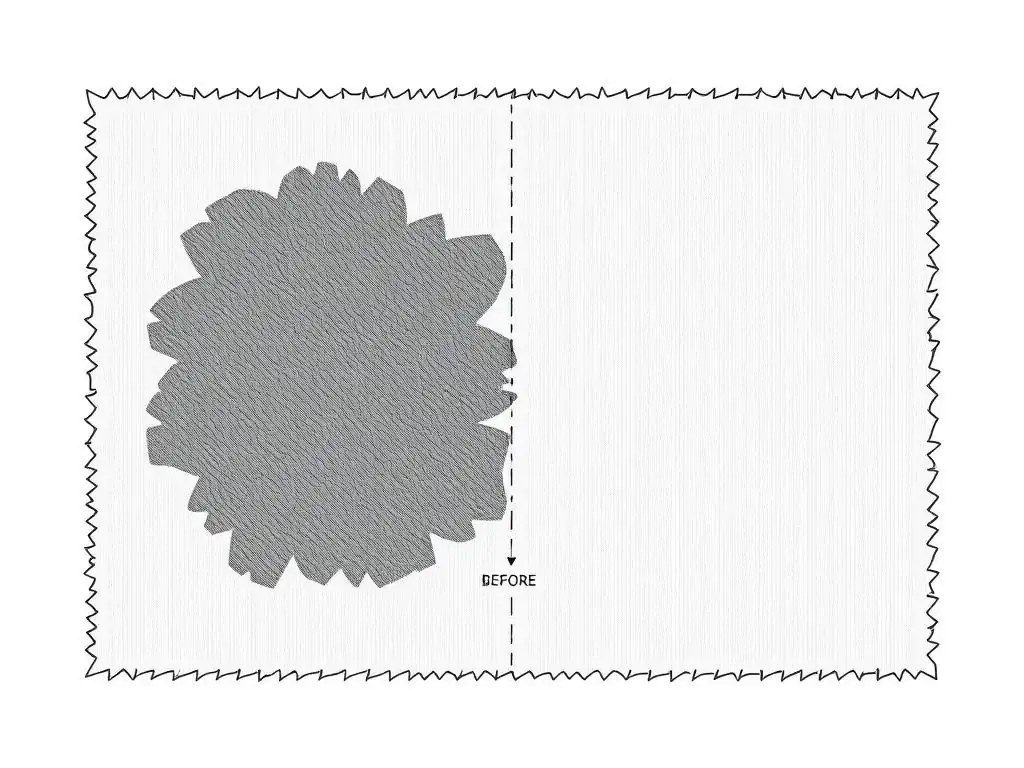
Mildew, that unwelcome guest manifesting as unsightly stains and musty odors, can be effectively removed from fabrics with the right approach. The key to successful mildew stain removal lies in prompt action and the careful selection of cleaning methods appropriate for the fabric type. Ignoring mildew stains allows them to set deeply, making complete removal increasingly difficult. This section details proven techniques to remove mildew stains effectively, restoring your fabrics to their former glory. Remember, always test any cleaning solution on an inconspicuous area first to check for colorfastness and potential damage.
Removing Mildew from Clothes and Garments: A Step-by-Step Guide
Tackling mildew on clothes and garments requires a methodical approach. Here's a step-by-step guide to effectively remove mildew stains from various fabrics:
- Preparation is Key: Before starting, air out the garment thoroughly to remove excess moisture. This step helps prevent the spread of mildew and makes cleaning more effective. For heavily soiled items, pre-treating with a mild detergent solution can be beneficial.
- Gentle Cleaning for Everyday Fabrics: For cotton, linen, and other durable fabrics, a solution of warm water and laundry detergent is often sufficient. Submerge the affected area in the solution, gently agitating the fabric for several minutes. Then, launder as usual, checking the garment carefully after drying. Persistent stains might require repeating this process.
- Bleach (Use with Caution!): For white or colorfast fabrics, a diluted bleach solution (always follow the product instructions) can be effective. However, bleach can damage delicate fabrics and cause discoloration, so proceed with extreme caution and test it on a hidden area first. Never mix bleach with ammonia or other cleaning agents.
- Drying is Crucial: After cleaning, ensure the garment is thoroughly dried. Residual moisture can encourage mildew regrowth. Air drying is preferable, but if using a machine dryer, select a low heat setting.
- Prevention is Better than Cure: To prevent future mildew growth, store clothes in a dry, well-ventilated area. Avoid overcrowding closets and drawers, allowing for proper air circulation.
Treating Mildew on Delicate Fabrics: Gentle Cleaning Methods
Delicate fabrics like silk, wool, and lace require more gentle handling to avoid damage. Harsh chemicals and aggressive scrubbing can easily ruin these materials. Here are some effective yet gentle methods:
- Spot Cleaning with Mild Detergent: For small mildew stains, gently dab the affected area with a solution of mild detergent and cool water using a soft cloth or sponge. Avoid rubbing vigorously, as this can spread the stain or damage the fibers. Rinse thoroughly with cool water and air dry.
- Vinegar Solution: White vinegar is a natural and effective mildew remover. Dilute white vinegar with equal parts water and gently apply the solution to the stain using a soft cloth. Allow it to sit for a few minutes before rinsing with cool water and air drying. This method is particularly effective for removing mildew odor.
- Baking Soda Paste: Create a paste of baking soda and water. Apply a thin layer to the mildew stain, let it sit for about 30 minutes, and then gently scrub with a soft brush. Rinse thoroughly with cool water and air dry. This is a gentle abrasive that can help lift the stain without damaging delicate fibers.
- Professional Cleaning: For valuable or extremely delicate items, it's best to consult a professional dry cleaner experienced in handling mildew stains. They possess the expertise and specialized cleaning agents to remove stains safely and effectively.
Dealing with Stubborn Mildew Stains on Fabrics: Advanced Techniques
Some mildew stains prove stubbornly resistant to initial cleaning attempts. For these persistent issues, more aggressive techniques may be necessary:
- Oxygen Bleach: Oxygen bleach is a gentler alternative to chlorine bleach, effective on a wider range of fabrics. Follow product instructions carefully, ensuring the solution is properly diluted. Soak the affected area for several hours or overnight, then launder as usual.
- Enzyme Cleaners: Enzyme cleaners are specifically formulated to break down organic matter, including mildew. These are often effective on stubborn stains and are generally safe for use on various fabrics. Always check the product label for specific instructions and fabric compatibility.
- Combination Approach: Sometimes, a combination of methods yields the best results. For instance, pre-treating with an enzyme cleaner followed by a soak in oxygen bleach can effectively remove even the most stubborn mildew stains.
- Sunlight: Believe it or not, sunlight can be a powerful ally in mildew stain removal. After treating the stain with a cleaning solution, lay the garment flat in direct sunlight to help bleach the stain naturally. This method is effective but requires patience and suitable weather conditions.
Remember, patience and persistence are key when dealing with stubborn mildew stains. By carefully selecting the appropriate technique and following the instructions diligently, you can effectively remove mildew stains and restore your fabrics to their pristine condition. Always prioritize fabric safety and test any cleaning solution on an inconspicuous area before applying it to the entire garment.
Removing Mildew from Cotton Fabrics
Cotton, a highly absorbent and readily available fabric, is unfortunately also quite susceptible to mildew growth. Successfully removing mildew stains from cotton requires a gentle yet effective approach. The key is to act quickly; the longer mildew sits, the deeper it penetrates the fibers, making complete removal more challenging.
For early-stage mildew, a simple solution of warm water and mild detergent often suffices. Gently scrub the affected area with a soft-bristled brush, then rinse thoroughly with clean water. Allow the garment to air dry completely in direct sunlight, as the UV rays help to further bleach out the stain. For persistent mildew, a paste of baking soda and water can be applied to the stain, left to sit for an hour or two, then scrubbed and rinsed. This method is effective due to baking soda's mild abrasive and deodorizing properties. Remember to always test any cleaning solution on an inconspicuous area of the fabric first to avoid damage. For heavily stained items, consider using a color-safe oxygen bleach, following the product instructions carefully. This should be done in a well-ventilated area, as oxygen bleach can release fumes. Proper ventilation is crucial for removing mildew stains effectively from any fabric.
Removing Mildew from Linen Fabrics
Linen, known for its breathability and luxurious drape, shares cotton's vulnerability to mildew. However, its delicate nature requires a more cautious approach to stain removal. Aggressive scrubbing can damage the fibers, leaving the fabric weakened and potentially ruining the garment.
Start by carefully brushing away any loose mildew with a soft brush. Then, prepare a solution of lukewarm water and a mild, pH-neutral detergent. Gently sponge the affected area, avoiding harsh rubbing. Rinse thoroughly with clean water and blot gently with a clean towel to absorb excess moisture. Air drying in a well-ventilated, shaded area is preferred over direct sunlight, which can potentially fade the linen's color.
For stubborn stains, a diluted solution of white vinegar can be applied; the acidity helps to break down the mildew. Again, test this on a hidden area first. Remember, patience is key when dealing with linen; gentle persistence yields better results than forceful scrubbing. Avoid using harsh chemicals or bleach, as these can severely damage the delicate linen fibers. Properly removing mildew stains effectively from linen requires careful attention to the fabric's delicate nature.
Removing Mildew from Silk Fabrics
Silk, a delicate and luxurious fiber, requires the most gentle handling when dealing with mildew stains. Its sensitive nature necessitates a cautious approach to avoid irreversible damage. Unlike cotton and linen, harsh scrubbing or strong chemicals are strictly prohibited.
The first step involves gently brushing off any loose mildew. Then, prepare a solution of extremely diluted mild detergent in cool water. Using a soft cloth or sponge, dab (do not rub) the affected area. Rinse thoroughly with cool water, again using a gentle dabbing motion. Finally, roll the silk garment in a clean towel to absorb excess moisture; avoid wringing or twisting, which can distort the fabric. Allow the silk to air dry flat in a shaded area away from direct sunlight and heat. For persistent stains, consider seeking professional dry cleaning services; they have specialized techniques and solutions to remove mildew stains effectively from delicate fabrics like silk without causing damage. Remember, prevention is key with silk; proper storage in a cool, dry, and well-ventilated area is crucial to prevent mildew growth. Using a garment bag and cedar chips can further help prevent mildew in the first place.
Eliminating Mildew from Various Surfaces
Mildew, that unwelcome guest manifesting as unsightly stains and musty odors, is a common household problem, particularly in damp environments. Successfully removing mildew stains effectively requires a targeted approach tailored to the affected surface. Ignoring mildew can lead to structural damage and potential health issues, emphasizing the importance of prompt and appropriate cleaning.
This section details effective strategies for tackling mildew on various surfaces, ensuring your home remains fresh and clean. We'll explore solutions ranging from simple household ingredients to more specialized cleaning products, always prioritizing safety and efficacy. Remember to always test any cleaning solution on an inconspicuous area first to check for discoloration or damage.
Removing Mildew from Walls and Ceiling: Effective Cleaning Solutions
Mildew on walls and ceilings often indicates a moisture problem that needs addressing beyond simple cleaning. Before you start cleaning, identify and fix the source of moisture – a leaky pipe, poor ventilation, or condensation. For small mildew spots, a simple solution of warm water and white vinegar (a ratio of 1:1) often suffices. Apply the solution with a spray bottle, let it sit for 15-20 minutes, then scrub gently with a soft brush or sponge.
Rinse thoroughly with clean water and allow the area to air dry completely. For larger or more stubborn stains, consider using a commercial mildew remover specifically designed for walls and ceilings. Always follow the manufacturer's instructions carefully. Remember to wear protective gloves and eye protection during cleaning.
Persistent or extensive mildew may necessitate professional help to address the underlying moisture issue and ensure complete removal. Proper ventilation is key to preventing mildew recurrence; consider using exhaust fans in bathrooms and kitchens and ensuring adequate airflow throughout your home. Regular cleaning and maintenance are crucial in preventing mildew build-up and the need for intensive cleaning procedures.
Cleaning Mildew from Shower Curtains and Tiles: A Comprehensive Approach
Shower curtains and tiles are prime locations for mildew growth due to the consistently damp environment. Regular cleaning is essential to prevent mildew from taking hold. For shower curtains, machine washing is often the most effective method. Check the care label for specific instructions; many curtains can be machine washed in cold water with a mild detergent. Adding a cup of white vinegar to the wash cycle can enhance cleaning power.
For stubborn mildew stains, consider pre-soaking the curtain in a solution of bleach and water (following the bleach manufacturer's dilution instructions carefully) before washing. For tiles, a solution of baking soda and water can effectively remove mildew. Make a paste, apply it to the affected areas, let it sit for 30 minutes, then scrub with a stiff brush. Rinse thoroughly and dry completely.
For more stubborn mildew, a commercial tile cleaner designed for mildew removal may be necessary. Regularly cleaning your shower with a diluted bleach solution (again, following the instructions carefully) can help prevent mildew from building up. Ensure your shower has adequate ventilation to help prevent moisture build-up, a major contributor to mildew growth. Remember to always prioritize safety by wearing protective gear when using cleaning solutions containing bleach.
Eradicating Mildew from Upholstery and Furniture: Safe and Effective Methods
Removing mildew from upholstery and furniture requires a gentler approach than for hard surfaces. Always test any cleaning solution on a hidden area first to avoid damaging the fabric. For minor mildew stains, a solution of mild detergent and water can be effective. Apply the solution with a soft cloth, gently blot (do not rub), and then blot with a clean, damp cloth to remove the cleaning solution.
Allow the area to air dry completely. For more stubborn stains, consider using a professional upholstery cleaner specifically designed for mildew removal. Follow the manufacturer's instructions carefully. For delicate fabrics, professional cleaning is often recommended to avoid damage.
Regular vacuuming and airing out of upholstered furniture can help prevent mildew growth. Avoid placing furniture directly against damp walls or in poorly ventilated areas. Proper ventilation and humidity control are key to preventing mildew in your home, protecting your furniture and maintaining a healthy living environment. Remember, prevention is always better than cure; regular cleaning and maintenance are vital in preserving the condition of your upholstery and preventing costly repairs or replacements.
Mildew Removal from Wood Surfaces: Protecting and Restoring Wood Finishes
Mildew on wood surfaces is a common problem, especially in humid environments or areas with poor ventilation. The porous nature of wood makes it susceptible to mildew growth, which not only affects its aesthetic appeal but can also damage the underlying wood structure if left untreated. Successfully removing mildew from wood requires a gentle approach to avoid further damage to the finish. Harsh chemicals can strip away the finish, leaving the wood vulnerable.
The first step in removing mildew from wood is to identify the type of finish. Is it painted, stained, varnished, or sealed with another protective layer? This will significantly influence your cleaning method. For example, a delicate antique piece with a fragile finish will require a much gentler approach than a pressure-treated deck.
For painted wood, a solution of mild detergent and water is usually sufficient. Mix a small amount of dish soap into a bucket of warm water. Gently scrub the affected area with a soft-bristled brush, avoiding excessive scrubbing that could damage the paint.
Rinse thoroughly with clean water and allow the surface to air dry completely. For stubborn mildew stains, a solution of bleach and water (1 part bleach to 10 parts water) can be used, but always test this in an inconspicuous area first to ensure it doesn't damage the paint. Remember to wear protective gloves and eye protection when working with bleach.
Stained wood requires a more cautious approach. Avoid using bleach, as it can lighten or remove the stain. Instead, try a solution of white vinegar and water (equal parts). Apply the solution to the mildew-affected area and let it sit for 15-20 minutes before gently scrubbing with a soft brush. Rinse thoroughly with clean water and allow to air dry. For more persistent stains, a commercial mildew remover specifically designed for wood can be used, but always follow the manufacturer's instructions carefully.
Varnished or sealed wood is generally more resistant to mildew, but it's still crucial to address the problem promptly. Begin by cleaning the surface with a mild detergent and water solution as described above. For stubborn stains, you can try a paste of baking soda and water, applying it to the affected area and letting it sit for a few hours before scrubbing gently. Again, always test any cleaning solution in an inconspicuous area first.
After removing the mildew, it's essential to protect the wood from future infestations. Ensure proper ventilation in the area, reducing humidity levels. Regularly cleaning and maintaining the wood surface can also help prevent mildew growth. Consider applying a wood sealant or protective coating to further shield the wood from moisture and mildew.
Following these steps will help you effectively remove mildew stains from wood surfaces while preserving their beauty and integrity. Remember, prevention is key in the battle against mildew! Regular cleaning and maintenance are crucial for keeping your wooden surfaces looking their best and free from unsightly mildew stains. This careful approach ensures your wooden furniture and structural elements remain beautiful and functional for years to come.
Choosing the Right Cleaning Products for Mildew Removal
Effectively removing mildew stains requires selecting the appropriate cleaning product based on the surface material and the severity of the stain. Choosing the wrong product can damage delicate fabrics or leave behind unwanted residue. Understanding the properties of different cleaning agents is crucial for achieving optimal results and preventing further mildew growth. This section will guide you through selecting the best cleaning solution for your specific mildew problem, helping you remove mildew stains effectively. We'll explore various options, from bleach-based solutions to natural and commercial alternatives, empowering you to tackle mildew with confidence.
Bleach-Based Solutions for Mildew Removal: Safety Precautions and Application
Bleach is a powerful disinfectant known for its effectiveness in killing mildew and removing its stains. However, it's crucial to use bleach cautiously, as it can damage certain fabrics and surfaces. Always test the bleach solution on an inconspicuous area first to ensure it doesn't cause discoloration or damage. When using bleach-based solutions to remove mildew stains effectively, remember these key safety precautions:
- Ventilation: Always work in a well-ventilated area. Open windows and doors to allow fresh air circulation, reducing your exposure to bleach fumes. Consider using a respirator mask for added protection, especially in poorly ventilated spaces.
- Protective Gear: Wear rubber gloves to protect your hands from the harsh chemicals in bleach. Eye protection is also recommended, as bleach splashes can irritate the eyes.
- Dilution: Never use bleach undiluted. Always follow the manufacturer's instructions for dilution ratios. Generally, a solution of one part bleach to ten parts water is sufficient for most mildew removal tasks.
- Application: Apply the bleach solution directly to the mildew stain, ensuring complete saturation. Allow it to sit for the recommended time (usually 15-30 minutes), then scrub gently with a brush or sponge. Rinse thoroughly with clean water afterward.
Remember, bleach is not suitable for all fabrics. Avoid using it on wool, silk, or other delicate materials. Always check the care label before applying any bleach-based solution. Improper use can lead to fabric damage and discoloration, so careful application is key to removing mildew stains effectively and safely.
Natural Mildew Removers: Eco-Friendly Alternatives
For those seeking eco-friendly options, several natural mildew removers offer effective cleaning power without harsh chemicals. These alternatives are gentler on the environment and are often suitable for use on a wider range of surfaces and fabrics. Some popular choices include:
- White Vinegar: A versatile household staple, white vinegar's acidity effectively kills mildew and helps remove stains. Dilute white vinegar with equal parts water and apply it to the affected area. Let it sit for 30 minutes to an hour before scrubbing and rinsing.
- Baking Soda: Baking soda acts as a mild abrasive, helping to scrub away mildew stains. Make a paste of baking soda and water, apply it to the stain, let it dry, and then scrub it off.
- Tea Tree Oil: This essential oil possesses potent antifungal properties. Dilute a few drops of tea tree oil in water and apply it to the mildew stain. Allow it to sit for some time before rinsing. Note that tea tree oil has a strong scent.
While these natural remedies are generally safe, always test them on a small, inconspicuous area first. The effectiveness of natural mildew removers might vary depending on the severity of the stain and the type of surface. For stubborn mildew stains, you might need to repeat the application or consider a stronger solution. However, their gentle nature makes them a great choice for delicate fabrics and surfaces. Removing mildew stains effectively with natural methods requires patience and may involve repeated applications.
Commercial Mildew Cleaners: Choosing the Right Product for the Job
The market offers a wide array of commercial mildew cleaners formulated for various surfaces and stain severities. These products often contain powerful cleaning agents that effectively remove mildew and prevent its recurrence. When choosing a commercial mildew cleaner, consider the following factors:
- Surface Type: Select a cleaner specifically designed for the surface you're treating. Products formulated for fabrics will differ from those designed for bathroom tiles or grout. Using the wrong product can lead to damage or ineffective cleaning.
- Stain Severity: For stubborn or heavily ingrained mildew stains, opt for a stronger cleaner with powerful bleaching agents. For lighter stains, a milder cleaner might suffice.
- Safety Precautions: Always read and follow the manufacturer's instructions carefully. Pay attention to safety precautions, including ventilation requirements and protective gear recommendations. Some commercial cleaners contain harsh chemicals that require careful handling.
Comparing different commercial products, paying close attention to their ingredients and intended uses, is crucial for effective mildew stain removal. Choosing the right product for the specific job ensures optimal results while minimizing risks. Remember that even with commercial cleaners, testing on a hidden area is always recommended before widespread application. This ensures you avoid unintended damage or discoloration. Removing mildew stains effectively often involves a combination of appropriate product selection and diligent application.
DIY Mildew Cleaning Solutions: Cost-Effective and Effective Recipes
Removing mildew stains effectively doesn't always require expensive commercial products. Many effective solutions can be made at home using common household ingredients. These DIY methods are not only budget-friendly but also often gentler on fabrics and surfaces than harsh chemicals. Remember to always test any cleaning solution on an inconspicuous area first to ensure it doesn't damage the material.
One popular and highly effective DIY mildew remover is a simple solution of white vinegar and water. Mix equal parts white vinegar and water in a spray bottle. Generously apply the solution to the mildew-stained area, allowing it to sit for at least 30 minutes, or even longer for stubborn stains. Then, scrub gently with a soft brush or sponge and rinse thoroughly with clean water.
The acetic acid in vinegar is a natural disinfectant that effectively breaks down mildew spores. This method works well on various surfaces, including grout, shower curtains, and some fabrics. For particularly stubborn mildew, you might need to repeat the process.
Another effective and readily available option is a baking soda paste. Combine baking soda with just enough water to create a thick paste. Apply this paste directly to the mildew stain, letting it sit for several hours or overnight. Then, scrub gently and rinse thoroughly.
Baking soda's abrasive nature helps lift the stain, while its mildly alkaline properties neutralize the mildew. This method is particularly suitable for delicate fabrics and porous surfaces where harsher chemicals might be too damaging. The paste can also be used as a preventative measure; applying a thin layer to mildew-prone areas can help inhibit future growth.
For tougher mildew stains, a combination of hydrogen peroxide and baking soda can be surprisingly effective. Mix approximately 3% hydrogen peroxide (the kind you can find at most drugstores) with baking soda to form a paste. Apply the paste to the mildew, let it sit for 30-60 minutes, and then scrub and rinse. Hydrogen peroxide acts as a bleaching agent, effectively lightening mildew stains.
However, it's crucial to use caution, as hydrogen peroxide can bleach certain fabrics or materials, so always test it in an inconspicuous area first. This solution is best suited for non-porous surfaces and durable fabrics. Remember to wear gloves when handling hydrogen peroxide.
Finally, a simple solution of tea tree oil and water can offer a natural and effective approach to mildew removal. While less abrasive than other methods, tea tree oil possesses potent antifungal properties. Dilute a few drops of tea tree oil in a spray bottle filled with water. Apply to the mildew-stained area, let it sit for a few hours, and then scrub and rinse thoroughly.
This method is gentler on fabrics and surfaces, making it ideal for delicate items. However, it might require multiple applications for particularly stubborn stains. Always test in an inconspicuous area first to ensure it won't discolor your material. Remember that removing mildew stains effectively often requires patience and persistence; multiple applications might be necessary depending on the severity of the stain and the material being cleaned.
Post-Cleaning Care and Prevention
After successfully removing mildew stains, proper post-cleaning care is crucial to prevent recurrence and protect your fabrics and surfaces. This involves more than just wiping things down; it's about creating an environment where mildew struggles to thrive. Ignoring this step significantly increases the likelihood of mildew reappearing, undoing all your hard work. Let's explore the key elements of effective post-cleaning care.
Drying Fabrics and Surfaces Thoroughly After Mildew Removal
Thorough drying is the single most important step in preventing mildew regrowth. Mildew thrives in damp, dark environments. Leaving even slightly damp fabrics or surfaces provides the perfect breeding ground for its return. This is especially true for porous materials like fabrics, grout, and wood.
- Fabrics: After cleaning, immediately remove any excess moisture by gently squeezing or blotting the fabric. Avoid harsh wringing, which can damage delicate materials. Then, lay the fabric flat in a well-ventilated area, ideally in direct sunlight, to air dry completely. Using a fan can accelerate the drying process. For thicker items, consider flipping them halfway through to ensure even drying. Remember, completely dry means no lingering dampness—even a slight moisture level can encourage mildew growth.
- Surfaces: For hard surfaces like tiles, countertops, or walls, use absorbent cloths or paper towels to remove excess moisture. Then, allow the surface to air dry completely. Again, direct sunlight and fans are your allies. Ventilation is key; ensure adequate airflow to prevent moisture buildup. Regularly inspect the area for any signs of remaining moisture.
Maintaining a Mildew-Free Environment: Long-Term Prevention Strategies
Preventing mildew requires a proactive approach that focuses on controlling moisture and improving ventilation. This isn't a one-time fix; it's an ongoing commitment to maintaining a mildew-resistant environment.
Proactive mildew prevention involves several strategies:
- Ventilation: Ensure adequate ventilation in areas prone to moisture buildup, such as bathrooms and kitchens. Use exhaust fans during and after showers or cooking. Open windows whenever possible to allow fresh air circulation. Poor ventilation is a major contributor to mildew growth, so addressing this is paramount in your strategy to remove mildew stains effectively.
- Moisture Control: Address any sources of leaks or excessive moisture promptly. Repair leaky pipes, faucets, or roofs immediately. Use dehumidifiers in damp areas to reduce humidity levels. Regularly inspect areas for signs of water damage, such as discoloration or musty odors. These are early warning signs that need immediate attention.
- Cleaning Regularly: Regular cleaning prevents mildew from taking hold in the first place. Clean surfaces frequently, especially in high-moisture areas, using appropriate cleaning solutions. This is a fundamental aspect of effectively removing mildew stains and keeping them away.
When to Call a Professional: Recognizing the Limits of DIY Mildew Removal
While many mildew problems can be addressed with DIY solutions, some situations require professional intervention. Knowing when to call a professional is crucial to avoid further damage and ensure a successful outcome. Here are some scenarios where professional help is advisable:
- Extensive Mildew Infestation: If mildew covers a large area or has penetrated deeply into materials, DIY methods might be insufficient. Professional mold remediation specialists possess the expertise and equipment to handle extensive infestations safely and effectively. They can also identify and address the underlying causes of the problem.
- Health Concerns: If you suspect a mold allergy or have experienced health problems associated with mildew exposure, professional assessment is crucial. Professionals can conduct thorough testing and implement appropriate remediation strategies to mitigate health risks. This is especially vital for those with respiratory issues or compromised immune systems.
- Hidden Mildew: If you suspect mildew is hidden behind walls or under flooring, professional inspection is necessary. They have the tools and knowledge to locate and address hidden mildew issues, preventing future problems. Ignoring hidden mildew can lead to more significant and costly damage down the line.
Remember, safety is paramount. If you are unsure about tackling a mildew problem yourself, it's always best to consult a professional. They can provide expert advice and ensure the issue is resolved correctly and safely. This proactive approach to effectively removing mildew stains will safeguard your home and your health.
Advanced Mildew Removal Techniques for Severe Cases
This section focuses on tackling persistent mildew infestations that resist standard cleaning methods. We'll explore aggressive approaches for removing deeply embedded mildew, particularly black mildew, and techniques for hard-to-reach areas. Remember, safety is paramount; always wear appropriate protective gear, including gloves, eye protection, and a respirator, when dealing with mildew removal, especially with strong chemicals. Effective mildew removal often requires a multi-pronged approach.
Dealing with Black Mildew Stains: Aggressive Cleaning Methods
Black mildew stains represent a significant challenge, often indicating a more serious underlying moisture problem. Standard cleaning solutions may prove ineffective. For these stubborn stains, you may need to escalate to stronger cleaning agents. One effective method involves using a solution of bleach and water. However, always test this solution in an inconspicuous area first to check for colorfastness. A typical ratio is one part bleach to ten parts water. Apply the solution liberally to the affected area, allowing it to sit for 15-20 minutes before scrubbing gently with a stiff-bristled brush. Rinse thoroughly with clean water afterward.
Another option is using a commercial mildew remover designed for tough stains. These products often contain powerful oxidizing agents that can break down mildew spores. Always follow the manufacturer's instructions carefully, as these products can be harsh. Remember that even with these aggressive methods, multiple applications might be necessary to completely eradicate black mildew stains. Persistent black mildew might signal a larger issue, such as a leak or poor ventilation. Addressing the root cause is crucial to prevent recurrence. Failure to completely remove black mildew can lead to health problems, so thoroughness is key.
Mildew Removal in Hard-to-Reach Areas: Specialized Tools and Techniques
Mildew often thrives in hard-to-reach areas like grout lines, corners, and crevices. Standard cleaning tools often fall short in these situations. To remove mildew effectively from these tricky spots, you'll need specialized tools and techniques.
A small, stiff-bristled brush, perhaps a grout brush or a detailing brush, is essential for scrubbing grout lines and tight spaces. For larger areas with intricate designs or textures, consider using a steam cleaner. The high-temperature steam effectively kills mildew spores and loosens the stain, making it easier to remove. Alternatively, a power washer (with caution and appropriate nozzle) can be effective for exterior surfaces but should be avoided on delicate fabrics or materials.
For extremely inaccessible areas, consider using a long-handled brush or a specialized cleaning tool designed for reaching awkward spots. Remember to always protect surrounding areas with masking tape or plastic sheeting to avoid accidental damage or staining. Thorough cleaning and drying are essential in these hard-to-reach locations to prevent future mildew growth. Regular preventative maintenance in these areas is also crucial for long-term mildew control.
Restoring Damaged Fabrics and Surfaces After Mildew Removal: Repair and Restoration Tips
After successfully removing mildew stains, you might find that the affected area needs further attention. Mildew can weaken fabrics and discolor surfaces, requiring some repair or restoration.
For fabrics, consider spot cleaning with a mild detergent followed by thorough rinsing. If the fabric is severely damaged, professional cleaning or repair might be necessary. For heavily stained or weakened areas, patching or replacing the fabric might be the only effective solution. This is especially true for delicate fabrics or items of sentimental value.
On surfaces like walls or wood, you might need to sand down the affected area to remove any discoloration or rough patches. After sanding, repaint or refinish the surface to restore its original appearance. For porous surfaces like wood, consider applying a mildew-resistant sealant to prevent future growth. Regular inspection and prompt attention to any signs of mildew are vital for preventing extensive damage and the need for costly repairs. Remember, prevention is always better than cure when it comes to mildew.
Frequently Asked Questions
What is mildew and how does it cause stains?
Mildew is a type of fungus that thrives in damp, dark places. It produces stains through its growth and the release of pigments. These stains appear as dark spots, often black, green, or gray.
Can I remove mildew stains from all fabrics?
While many mildew stains are removable, the effectiveness depends on the fabric type and the stain's age. Some delicate fabrics may be damaged by cleaning solutions, so always test in an inconspicuous area first.
What are the best cleaning solutions for mildew stains?
Effective solutions include bleach, white vinegar, and commercial mildew stain removers. The choice depends on the surface and fabric type; always follow product instructions carefully.
How can I prevent mildew stains from reappearing?
Proper ventilation and reducing moisture are key. This includes using dehumidifiers, ensuring good airflow, and promptly cleaning up spills. Regular cleaning also helps prevent mildew growth.
What should I do if the mildew stain is particularly stubborn?
For persistent stains, consider repeating the cleaning process or using a stronger solution (following safety precautions). In some cases, professional cleaning may be necessary, especially for valuable items.
Final Reflection: The Enduring Battle Against Mildew and the Power of Prevention
The pervasive presence of mildew in our homes, from damp basements to forgotten shower curtains, is a constant battle against unseen enemies. Effective mildew removal isn't just about aesthetics; it's about safeguarding our health and preserving the integrity of our belongings. Ignoring mildew invites further damage and potential health risks, making proactive cleaning and prevention crucial.
The fight against mildew is a timeless one, woven into the fabric of our domestic lives. From the earliest days of homes built from natural materials to our modern, climate-controlled environments, the struggle to keep mold and mildew at bay has remained a constant. A clean house is a happy house,
a common saying reflects the deep-seated connection between cleanliness and well-being, and the fight against mildew is a key component of that cleanliness. This simple truth underscores the importance of the knowledge and techniques shared in this article, ensuring that we can maintain healthy and comfortable living spaces.
Now, consider your own home. What hidden corners might harbor unseen mildew? Take a moment to inspect those damp areas, armed with the knowledge gained here. Don't just react to mildew; prevent it. By implementing the cleaning strategies and preventative measures discussed, you can transform your home into a healthier, more vibrant space, free from the unsightly and potentially harmful effects of mildew. Let's make the fight against mildew a winning battle, one clean surface at a time.
Conquer Mildew: Reclaim Your Sparkling Surfaces!
Thanks for joining us in tackling those tough mildew stains! You've learned how to restore the shine to your fabrics and surfaces. Ready to put your new skills to the test?
- Tackle your biggest mildew problem first: Is it that shower curtain, the patio cushions, or perhaps a favorite tablecloth? Focus on that item first and enjoy the immediate results!
- Share your before-and-after photos on social media! Inspire your friends and family with your sparkling success and encourage them to fight mildew too!
- Consider creating a cleaning kit specifically for mildew—keep your supplies organized and ready for the next outbreak.
So, what's the first mildew problem you'll conquer?