
Home Maintenance Checklist: A Simple Way to Keep Your Home Safe

Ready to unlock a world of effortless efficiency and transform your daily life? At UltimateLifeHacks, we're dedicated to providing you with the practical tools and simple strategies you need to conquer your to-do list and reclaim your time. But first, let's tackle something crucial: your home's safety. Discover our comprehensive Home Safety Maintenance Checklist, a simple yet powerful guide to ensuring peace of mind and preventing potential disasters. Dive in and learn how to proactively protect what matters most – your home and family.
- Essential Home Safety Inspection: A Room-by-Room Guide
- Exterior Home Maintenance for Safety and Security
- Electrical System Safety Check: Preventing Electrical Hazards
- Plumbing System Safety: Preventing Leaks and Water Damage
- Seasonal Home Maintenance Checklist for Enhanced Safety
- Creating Your Personalized Home Safety Maintenance Schedule
- Resources for Further Home Safety Improvement
- Frequently Asked Questions
- Final Reflection: Building a Fortress of Safety, One Checklist at a Time
- Ready to Tackle Your Home's To-Do List?
Essential Home Safety Inspection: A Room-by-Room Guide
Maintaining a safe home environment is crucial for the well-being of you and your family. This comprehensive home safety maintenance checklist provides a practical, room-by-room guide to help you identify and address potential hazards, ultimately preventing accidents and ensuring peace of mind. Regular inspections, even simple ones, can significantly reduce the risk of fires, falls, leaks, and other common household incidents.
This guide focuses on proactive measures, empowering you to take control of your home's safety and improve your overall quality of life. We'll cover essential checks for the kitchen, bathroom, bedrooms, and other key areas, providing actionable steps you can take immediately.
By following this checklist, you'll not only enhance your home safety but also gain a sense of accomplishment knowing you're actively contributing to a secure and comfortable living space. Remember, a little preventative maintenance goes a long way in protecting your most valuable asset – your home and your family.
Kitchen Safety Checklist: Preventing Fires and Accidents
The kitchen is often the heart of the home, but it's also a place where accidents can easily occur. A thorough kitchen safety inspection should be a regular part of your home maintenance routine. Here's what to check:
- Appliances: Inspect all appliances (oven, stovetop, microwave, dishwasher, refrigerator) for any signs of damage, malfunction, or unusual noises. Ensure cords are not frayed or damaged. Clean vents regularly to prevent grease buildup and fire hazards. Pay close attention to the functionality of your smoke detectors, testing them monthly and replacing batteries as needed. Consider installing a fire extinguisher specifically designed for kitchen fires (Class K).
- Storage: Properly store flammable materials like cleaning supplies and cooking oils away from heat sources. Organize your pantry to prevent items from falling and causing injuries. Check expiration dates on food items and dispose of expired products regularly. Ensure all cabinets and drawers are securely closed to prevent accidents.
- Countertops: Keep countertops clear of clutter to prevent falls and ensure easy movement in the kitchen. Clean up spills immediately to avoid slips and falls. Use non-slip mats near the sink or stovetop if needed.
- Plumbing: Regularly check for leaks under the sink and around the dishwasher. Address any leaks promptly to prevent water damage and potential mold growth.
- Electrical Outlets: Inspect electrical outlets for any damage. Avoid overloading outlets with multiple appliances.
Bathroom Safety Inspection: Preventing Leaks and Falls
Bathrooms are another area prone to accidents. Preventing falls and addressing potential water damage are key aspects of bathroom safety. Here's a detailed checklist:
- Flooring: Ensure the bathroom floor is dry and free of clutter. Use non-slip mats if necessary, particularly inside the shower or tub. Regularly inspect the floor tiles for any cracks or damage.
- Plumbing: Check for leaks around the toilet, sink, and shower/tub. Address any leaks promptly to prevent water damage and mold growth. Check the water pressure and ensure proper drainage.
- Fixtures: Make sure all fixtures (toilet, sink, showerhead) are securely fastened and functioning correctly. Repair or replace any damaged or loose fixtures immediately.
- Electrical: Inspect electrical outlets and appliances for any signs of damage or water exposure. Avoid using electrical appliances near water. Ensure proper ventilation to prevent moisture buildup.
- Medication Storage: Store medications securely and out of reach of children.
Bedroom Safety: Fire Prevention and Security Measures
Bedrooms are where we spend a significant portion of our time, making their safety a priority. Focus on fire prevention and security measures:
- Fire Safety: Ensure smoke detectors are functioning correctly and test them monthly. Keep flammable materials (such as bedding, curtains, and rugs) away from heat sources. Develop and practice a fire escape plan with your family. Keep a fire extinguisher readily accessible.
- Security: Install and test smoke and carbon monoxide detectors regularly. Ensure windows and doors are securely locked, especially at night. Consider installing security systems for added protection. Keep valuable items secured in a safe or other secure location.
- Electrical Safety: Inspect electrical cords for any damage and avoid overloading outlets. Ensure proper ventilation to prevent overheating.
- Clutter Management: Keep the bedroom free of clutter to prevent tripping hazards and ensure easy movement in case of an emergency. Regularly check under the bed and in closets for any potential hazards.
- Furniture Safety: Ensure that heavy furniture is securely anchored to the walls to prevent tipping. This is especially important for dressers and bookcases.
This room-by-room checklist provides a strong foundation for maintaining a safe home environment. Remember, regular inspections are key to preventing accidents and ensuring the well-being of your family. Remember to adapt this checklist to your specific needs and home circumstances.
Living Room Safety: Preventing Trips and Falls
The living room, often the heart of the home, can also be a haven for tripping hazards. A thorough home safety maintenance checklist should prioritize this area. Clutter is the biggest culprit; stray toys, throw blankets, and carelessly placed magazines all contribute to an increased risk of falls, especially for children and the elderly. Regular decluttering is paramount. Consider implementing designated storage solutions for toys and games, using baskets or storage ottomans to keep items organized and out of walkways. This simple step significantly reduces the likelihood of accidents.
Furthermore, consider the placement of furniture. Ensure that furniture isn't blocking walkways or doorways, leaving ample space for easy movement. Loose rugs are another significant hazard. Secure them with rug grippers or double-sided tape to prevent slipping. If possible, opt for rugs with non-slip backing. Regularly inspect flooring for loose boards or uneven surfaces that could cause trips and falls.
Repairing or replacing damaged flooring is crucial for maintaining a safe living environment. Finally, good lighting is essential. Ensure that the living room is well-lit, especially in the evenings, to prevent accidental falls in low-light conditions. Consider adding nightlights or motion-sensor lights in areas prone to shadows. A proactive approach to living room safety enhances the overall home safety maintenance checklist.
Garage Safety: Preventing Fires and Carbon Monoxide Poisoning
The garage, often overlooked in home safety maintenance checklists, presents unique risks. Proper storage of flammable materials is critical. Keep gasoline, paint thinner, and other volatile substances in properly sealed containers in a designated, well-ventilated area, away from ignition sources. Never store flammable materials near a water heater or furnace. Regularly inspect electrical cords and appliances for damage. Frayed cords pose a significant fire hazard and should be replaced immediately. Ensure that all electrical outlets are properly grounded and that no overloaded circuits exist. Overloading circuits is a common cause of electrical fires.
Carbon monoxide poisoning is another serious concern in garages. Carbon monoxide is a colorless, odorless gas produced by the combustion of fuels like gasoline and propane. Ensure that all gas-powered appliances, including lawnmowers and generators, are properly ventilated and used only in well-ventilated areas. Install a carbon monoxide detector in the garage and test it regularly. This simple yet critical step can save lives.
Moreover, maintain your garage door opener regularly. A malfunctioning opener can present a safety hazard, potentially trapping someone inside. Regular lubrication and inspection of the opener's components are essential. Addressing these issues makes a significant contribution to a comprehensive home safety maintenance checklist. Remember, a safe garage contributes significantly to the overall safety of your home.
Exterior Home Maintenance for Safety and Security
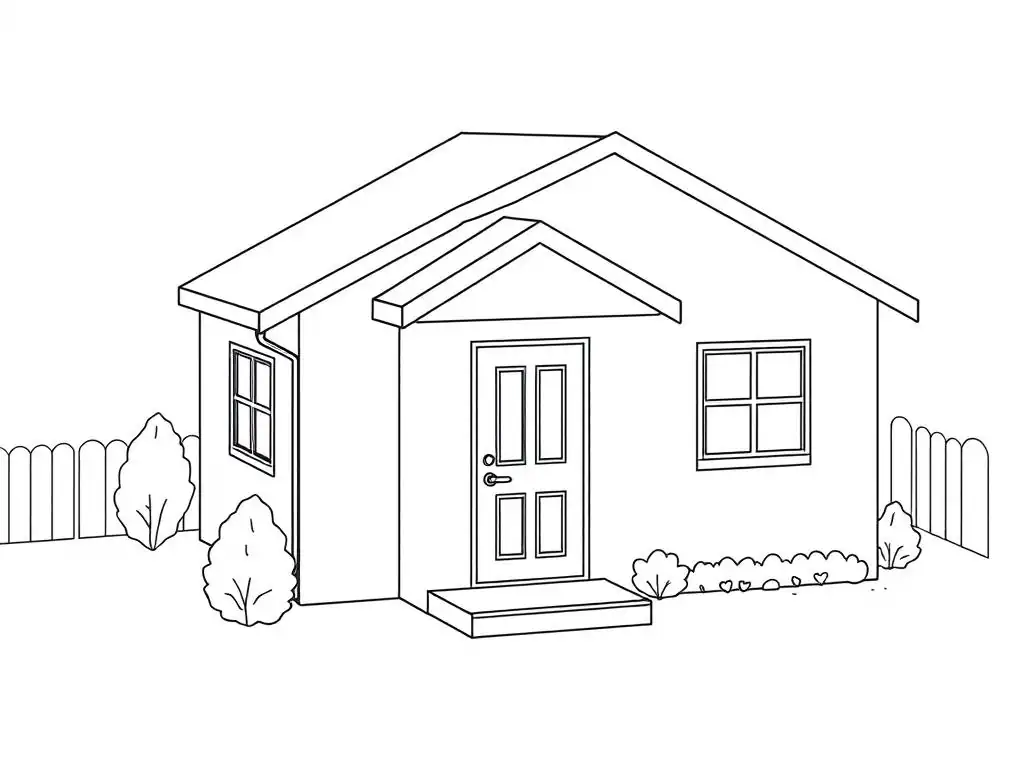
Maintaining the exterior of your home is crucial for both its longevity and your safety. A well-maintained exterior prevents costly repairs, improves curb appeal, and significantly reduces the risk of accidents or security breaches. This section focuses on key exterior checks you should perform regularly as part of your comprehensive home safety maintenance checklist. Remember, proactive maintenance is far cheaper and less stressful than reactive repairs.
Roof Inspection: Identifying Potential Hazards
Regular roof inspections are paramount for home safety. A damaged roof can lead to leaks, structural damage, and even collapse in severe cases. The frequency of inspections depends on your climate and roofing material; however, at least a yearly inspection is recommended. During your inspection, look for:
- Missing or damaged shingles: These create vulnerabilities to water penetration, leading to mold, rot, and structural weakening. Note the location and extent of any damage for professional assessment.
- Cracked or loose flashing: Flashing is the metal material around chimneys, vents, and skylights. Damage here is a major source of leaks. Examine carefully for cracks, rust, or loose seals.
- Sagging or uneven areas: This could indicate underlying structural problems or damage from accumulated weight (snow, debris). Immediate professional attention is needed if you observe significant sagging.
- Debris buildup: Leaves, branches, and other debris can clog gutters, damage shingles, and create a breeding ground for pests. Regularly remove debris to prevent this.
- Signs of pest infestation: Look for evidence of birds, squirrels, or other animals nesting on or in your roof. Their activity can cause significant damage.
Remember to prioritize safety during your inspection. Never climb onto a damaged or unstable roof. If you are uncomfortable inspecting your roof yourself, hire a qualified professional for a thorough assessment. A small investment in professional inspection can save you thousands in future repairs.
Gutter Cleaning: Preventing Water Damage and Pest Infestations
Clean gutters are essential for preventing water damage and pest infestations. Clogged gutters can lead to overflowing water, which can damage your foundation, siding, and landscaping. Standing water also attracts mosquitoes and other pests. Cleaning your gutters should be done at least twice a year, in spring and autumn. Consider these points:
- Debris removal: Use a trowel or gutter scoop to remove leaves, twigs, and other debris. A garden hose can be helpful to flush out stubborn clogs. Wear appropriate safety gloves during this process.
- Inspection for damage: While cleaning, check the gutters for cracks, holes, or loose sections. Repair or replace damaged sections as needed.
- Downpipe inspection: Ensure that downspouts are clear and directing water away from your foundation. Blocked downspouts can cause water to pool near your house, leading to foundation problems.
- Safety precautions: Use a sturdy ladder and always have someone spot you. Never overreach or attempt to clean gutters in inclement weather.
Exterior Wall Inspection: Detecting Cracks and Damage
Your exterior walls are the first line of defense against the elements. Regular inspection can help prevent costly repairs and maintain your home's structural integrity. During your inspection, look for:
- Cracks in the walls: Small cracks might be cosmetic, but larger cracks could indicate structural problems. Note the size, location, and depth of any cracks.
- Loose or damaged siding: Check for loose, damaged, or missing siding pieces. Repair or replace as needed to prevent water damage and pest infestation.
- Signs of water damage: Look for stains, discoloration, or bubbling paint, which could indicate water penetration.
- Foundation issues: Inspect the foundation for cracks, settling, or other signs of damage. Foundation problems can compromise the structural integrity of your entire home.
- Damaged caulking: Caulking seals gaps and cracks, preventing water and air infiltration. Check for gaps or damaged caulking around windows, doors, and other areas. Repair or replace as needed.
Regular exterior maintenance is a proactive approach to home safety. By consistently addressing these key areas, you significantly reduce the risk of costly repairs and ensure the safety and security of your home for years to come. Remember, a little preventative maintenance goes a long way!
Foundation Check: Identifying Structural Issues
Regular foundation checks are crucial for home safety and longevity. A compromised foundation can lead to significant structural problems, posing safety risks to your family. Cracks, settling, and water damage are common indicators of foundation issues. Cracks, particularly large or widening ones, should be cause for immediate concern. They can indicate shifting soil or foundation settling, potentially leading to instability. These cracks might appear vertically, horizontally, or diagonally, and their location can offer clues about the underlying problem. For instance, cracks around windows or doors might signal settling, while diagonal cracks could suggest more serious foundation problems.
Water damage is another significant concern. Look for signs of water stains, dampness, or efflorescence (a white, powdery substance) on the foundation walls. These can indicate water infiltration, which can weaken the foundation over time and create conditions conducive to mold growth, a serious health hazard. Persistent dampness can also lead to the deterioration of foundation materials, potentially compromising structural integrity. Addressing water damage promptly is essential to preventing further damage and ensuring home safety.
It's important to note that identifying foundation problems requires a keen eye and, in many cases, professional expertise. While you can perform a visual inspection yourself, consulting a structural engineer or foundation repair specialist is recommended if you discover any significant cracks, settling, or water damage. These professionals possess the knowledge and tools to accurately assess the extent of the damage and recommend appropriate repairs.
Neglecting foundation problems can lead to costly repairs down the line and potentially compromise the structural integrity of your home, putting your family at risk. Regular inspections, preferably annually, are a proactive approach to ensuring the stability and safety of your home's foundation.
Landscaping and Yard Safety: Preventing Trips and Falls
Maintaining a safe and well-maintained landscape is essential for preventing accidents and injuries. Overgrown shrubs, uneven paving, and poorly lit areas can create tripping hazards, especially at night. Regular trimming of shrubs and bushes, keeping them away from walkways and steps, is vital. Overgrown vegetation can obscure visibility, making it difficult to see potential hazards like uneven pavement or steps. This is especially critical for children and elderly individuals who may be more susceptible to falls.
Uneven paving stones or cracked sidewalks can also cause serious falls. Regularly inspect your walkways, patios, and driveways for loose or broken paving stones, and repair or replace them promptly. A simple solution might involve refilling gaps with appropriate filler or replacing damaged stones entirely, ensuring a smooth and level surface. This proactive approach prevents accidents caused by uneven surfaces and helps maintain a safe environment for everyone.
Adequate lighting is another crucial aspect of yard safety. Poorly lit areas, particularly walkways and steps, can significantly increase the risk of falls, especially at night. Installing motion-sensor lights or pathway lighting can dramatically improve visibility and reduce the risk of accidents. Consider using brighter bulbs in existing outdoor lights to ensure sufficient illumination.
Effective lighting enhances visibility, allowing individuals to clearly see potential hazards and navigate safely. A well-lit yard not only enhances safety but also improves the overall aesthetic appeal of your property. Regular maintenance of your landscaping, coupled with adequate lighting, creates a safe and inviting outdoor space for you and your family.
Electrical System Safety Check: Preventing Electrical Hazards
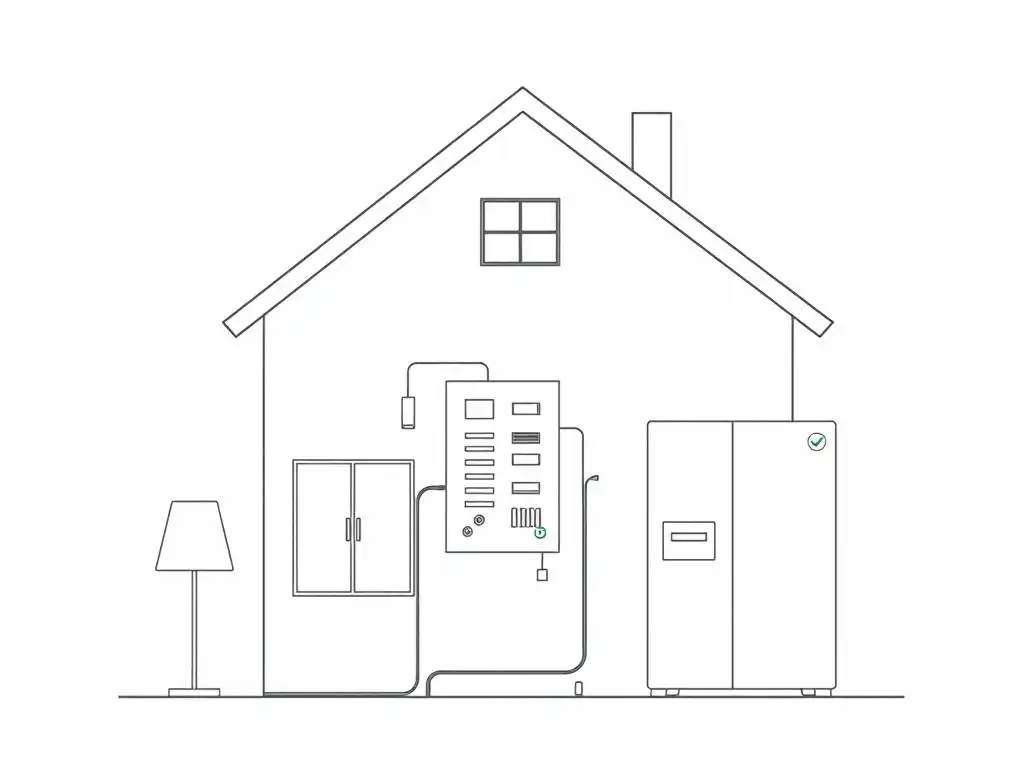
Maintaining a safe electrical system is crucial for home safety. Neglecting regular checks can lead to significant risks, including electrical fires, shocks, and equipment malfunctions. This section focuses on practical steps to ensure your home's electrical system is functioning optimally and safely. A proactive approach to electrical safety is far more effective than reactive repairs after a problem arises. Remember, even seemingly minor electrical issues can escalate into major hazards. This checklist prioritizes preventative maintenance for enhanced home safety.
Inspecting Wiring and Outlets: Identifying Potential Problems
Regularly inspecting your home's wiring and outlets is paramount for preventing electrical hazards. Look for any signs of damage, such as frayed wires, loose connections, or outlets that are hot to the touch. These are clear indicators of potential problems that need immediate attention. Pay close attention to areas with high traffic or moisture, like kitchens and bathrooms, as these are prone to wear and tear.
A visual inspection is the first step. Check for:
- Frayed or damaged cords: Replace any cords showing signs of wear. Don't attempt to repair them yourself; this is a job best left to qualified electricians.
- Overloaded outlets: Avoid plugging too many appliances into a single outlet. Use power strips judiciously and ensure they are not overloaded. Consider upgrading to outlets with more capacity if needed.
- Loose outlets: Tighten any loose outlets. If they remain loose after tightening, it's a sign of a deeper problem requiring professional help.
- Burning smell: A burning smell emanating from an outlet or appliance is a serious warning sign and requires immediate action. Turn off the power and contact an electrician immediately.
Remember, the presence of any of these issues warrants a closer look and potentially professional intervention. Ignoring these problems increases the risk of electrical fires and shocks. Regular, diligent inspections are a key component of a comprehensive home safety maintenance checklist.
Testing Smoke Detectors and Carbon Monoxide Detectors: Ensuring Functionality
While not directly part of the electrical system, smoke and carbon monoxide detectors rely on electricity to function effectively, making them a crucial part of your overall electrical safety plan. These life-saving devices are essential for early warning in case of fire or carbon monoxide leaks. Regular testing is not just recommended; it's vital.
Testing procedures vary slightly depending on the model, but most detectors have a test button. Pressing this button should trigger the alarm. If it doesn't sound, replace the batteries immediately. If the alarm still doesn't work after replacing the batteries, the detector itself may be faulty and needs replacing.
- Frequency: Test your smoke and carbon monoxide detectors at least monthly. Change batteries annually, or as recommended by the manufacturer.
- Placement: Ensure detectors are strategically placed throughout your home, according to manufacturer recommendations. Common areas include hallways, bedrooms, and near sleeping areas.
- Interconnected systems: Consider installing interconnected smoke detectors. If one detects smoke, they all sound, providing a more comprehensive early warning system.
Checking GFCI Outlets: Preventing Electrical Shocks
Ground Fault Circuit Interrupters (GFCIs) are designed to protect against electrical shocks. These specialized outlets are commonly found in kitchens, bathrooms, and other areas where water is present. GFCIs detect imbalances in electrical current and quickly shut off power to prevent shocks. Regular testing ensures they are working correctly.
Testing a GFCI is simple: Most GFCIs have a "Test" and "Reset" button. Pressing the "Test" button should trip the GFCI, cutting off power. Then, press the "Reset" button to restore power. If the GFCI fails to trip or reset, it needs to be replaced.
Don't attempt to repair a faulty GFCI yourself. This is a job for a qualified electrician. Regular testing of GFCIs is a crucial element of a comprehensive home safety maintenance checklist, significantly reducing the risk of electrical shocks, especially in high-risk areas. Remember, a functioning GFCI is a critical safety feature, protecting you and your family from potentially life-threatening electrical hazards.
Plumbing System Safety: Preventing Leaks and Water Damage
Maintaining a safe and functional plumbing system is crucial for home safety and preventing costly water damage. Regular inspections and preventative maintenance are key to avoiding unexpected plumbing emergencies. This section focuses on practical steps you can take to ensure your plumbing system remains in top condition, minimizing risks and maximizing longevity. Ignoring even minor plumbing issues can lead to significant problems down the line, impacting both your home's structural integrity and your wallet. A proactive approach to plumbing maintenance is a cornerstone of effective home safety.
Checking for Leaks: Identifying and Repairing Leaks
Identifying leaks early is paramount to preventing extensive water damage. A small, seemingly insignificant leak can quickly escalate into a major problem, leading to mold growth, structural damage, and hefty repair bills. Regularly inspect areas prone to leaks, such as under sinks, around toilets, and near pipes. Listen for unusual sounds like dripping or hissing, and visually check for any signs of moisture or water stains.
Consider using a simple method to detect hidden leaks: Check your water meter reading at one point in the day, then again several hours later without using any water. If the meter reading has changed, you likely have a hidden leak somewhere in your plumbing system. This requires immediate attention from a qualified plumber.
When repairing minor leaks, such as a dripping faucet, ensure you have the right tools and understand the repair process. Sometimes, a simple tightening of a nut or replacing a worn-out washer can resolve the issue. However, for more complex repairs, it's best to call a professional plumber to avoid causing further damage. Remember that safety should always be prioritized; if you are uncomfortable performing any repairs yourself, don't hesitate to seek professional help.
Inspecting Pipes and Faucets: Preventing Water Damage
Regular visual inspection of your pipes and faucets is an essential part of preventative home maintenance. Look for signs of corrosion, cracks, or loose connections. Corrosion can weaken pipes over time, increasing the risk of leaks and bursts. Pay close attention to pipes located in hard-to-reach areas, such as within walls or under floors, as these are often overlooked. If you notice any signs of damage, address them immediately to avoid more significant problems.
For faucets, check for leaks around the base and handles. Tighten any loose connections and replace worn-out washers or O-rings as needed. Regular lubrication of faucet handles can prevent them from seizing up and causing leaks. A simple preventative measure like this can save you from a costly repair in the future. Remember to turn off the water supply before making any repairs to faucets or pipes to prevent flooding.
The frequency of these inspections should be tailored to your home's age and the condition of your plumbing system. Older homes may require more frequent checks than newer ones. A good rule of thumb is to perform a thorough inspection at least twice a year, or more frequently if you notice any unusual signs.
Testing Water Heater: Ensuring Safe Operation
Your water heater is a critical component of your home's plumbing system, and regular maintenance is essential for both safety and efficiency. A malfunctioning water heater can lead to leaks, scalding, and even fire hazards. Regularly check the pressure relief valve to ensure it's functioning correctly. This valve is designed to release excess pressure and prevent the tank from exploding. If the valve is stuck or leaking, it needs to be replaced immediately by a qualified professional.
Furthermore, inspect the water heater for any signs of rust or corrosion on the tank's exterior. Corrosion can weaken the tank and increase the risk of leaks. If you notice any signs of significant rust or damage, it's advisable to replace the water heater to prevent potential safety hazards. Check the anode rod periodically. The anode rod is a sacrificial rod that helps prevent corrosion inside the tank. Its condition should be checked and replaced as needed, usually every few years. This helps extend the lifespan of your water heater and prevents premature failure.
Finally, monitor the water temperature. The temperature should be set to a safe level, typically around 120°F (49°C), to prevent scalding. Higher temperatures increase the risk of burns, particularly for children and the elderly. Regularly checking and adjusting the temperature setting ensures the safety of all household members. Remember, a well-maintained water heater is a safer water heater.
Seasonal Home Maintenance Checklist for Enhanced Safety
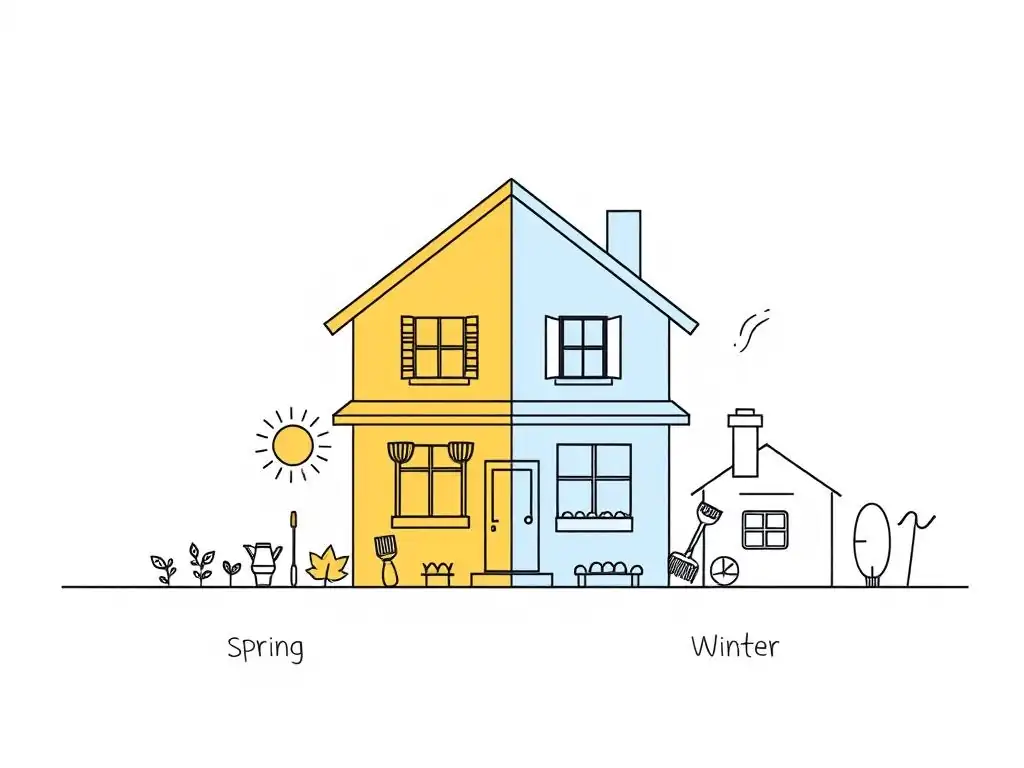
Maintaining a safe home environment isn't a one-time task; it's an ongoing process that requires consistent attention throughout the year. A seasonal approach helps break down the workload and ensures you address specific safety concerns as they arise. This checklist focuses on preventative home maintenance, directly impacting your home safety and peace of mind. Remember, proactive maintenance is far cheaper and less stressful than emergency repairs!
Spring Home Safety Checklist: Preparing for Warmer Weather
Spring brings warmer temperatures and increased outdoor activity, presenting unique home safety challenges. This checklist focuses on preventing issues associated with the transition from winter to spring.
After the long winter months, your home might need some TLC. Let's start with the exterior:
- Gutter Cleaning: 🧹 Clear clogged gutters and downspouts to prevent water damage to your foundation and roof. Standing water can attract pests and increase the risk of mold growth, both compromising your home's structural integrity and potentially impacting your family's health. Consider using a gutter scoop for easier cleaning and protection from heights.
- Roof Inspection: 🏠 Check your roof for any damage caused by winter storms, such as missing shingles or damaged flashing. Addressing these issues promptly prevents leaks and further damage. If you're uncomfortable inspecting your roof yourself, it's best to hire a professional.
- Window and Door Checks: 🪟 Inspect windows and doors for drafts or cracks. Repair or replace damaged seals to improve energy efficiency and prevent unwanted intrusions. Lubricate hinges and locks for smooth operation.
- Deck and Patio Safety: 🪑 Inspect your deck and patio for loose boards, damaged railings, or other hazards. Tighten loose screws or replace damaged components before the warmer weather encourages outdoor gatherings.
Now, let's look at the interior:
- Smoke Detector & Carbon Monoxide Detector Tests: 🚨 Test all smoke detectors and carbon monoxide detectors and replace batteries as needed. These are crucial safety devices that can save lives. Ensure they're strategically placed throughout your home, as per manufacturer guidelines.
- Appliance Maintenance: ⚙️ Clean and inspect major appliances like your oven, refrigerator, and washing machine. Check for any leaks or malfunctions. Preventative maintenance will extend the life of your appliances and reduce the risk of fire or other hazards. For example, cleaning out the lint trap in your dryer is a vital safety precaution.
- Spring Cleaning: 🧽 A thorough spring cleaning helps identify potential hazards you might have missed during the winter months. Pay attention to areas prone to dust and moisture buildup, such as basements and bathrooms.
Summer brings extreme heat, increasing the risk of heatstroke and other heat-related illnesses. This checklist focuses on preventing heat-related issues in your home and ensuring your family's safety.
- Air Conditioning Maintenance: ❄️ Ensure your air conditioning unit is functioning properly. Schedule a professional inspection and cleaning to prevent malfunctions and ensure efficient cooling. Regular filter changes are also vital for optimal performance and air quality. A malfunctioning AC unit can lead to overheating, especially for vulnerable individuals.
- Outdoor Safety: ☀️ Take precautions against heatstroke, especially for outdoor activities. Stay hydrated and limit strenuous activities during the hottest parts of the day. Ensure adequate shade and ventilation in outdoor spaces.
- Electrical Safety: ⚡️ With increased use of appliances and electronics during summer, regularly check electrical outlets and cords for damage. Avoid overloading circuits and ensure proper ventilation around electronics to prevent overheating.
- Pool Safety (If Applicable): 🏊♀️ If you have a pool, ensure it's properly fenced and secured to prevent accidental drownings. Regularly check the pool equipment and ensure proper functioning of safety features.
Autumn Home Safety Checklist: Preparing for Colder Weather
Autumn marks the transition to colder weather, bringing its own set of home safety concerns. This checklist focuses on preparing your home for the winter months and preventing issues associated with colder temperatures and potential storms.
- Exterior Prep: 🍂 Clear leaves and debris from gutters, roofs, and around the foundation of your house. Accumulated debris can cause water damage, block downspouts, and create hazards.
- Window and Door Sealing: 🌬️ Seal any gaps or cracks around windows and doors to prevent drafts and heat loss. Caulk or weather stripping can significantly improve energy efficiency and reduce heating costs. This also helps prevent moisture intrusion, which can lead to mold growth.
- Heating System Inspection: 🔥 Have your heating system inspected and serviced by a professional. Ensure proper ventilation and functionality to prevent carbon monoxide leaks and potential fire hazards. Regular maintenance is crucial for efficient and safe heating.
- Chimney Cleaning (If Applicable): 🧹 If you have a fireplace or wood-burning stove, have your chimney cleaned and inspected to prevent chimney fires. Creosote buildup is a significant fire hazard. Professional cleaning ensures safety and efficient operation.
- Emergency Kit Preparation: 🧰 Assemble a comprehensive emergency kit, including flashlights, batteries, blankets, non-perishable food, and water. Prepare for potential power outages or severe weather events.
By consistently following these seasonal home safety checklists, you'll significantly reduce the risk of accidents and damage to your property, ensuring a safer and more comfortable home environment throughout the year. Remember, prevention is always better than cure!
Winter Home Safety Checklist: Preventing Winter Damage
Winter presents unique challenges to home safety. Freezing temperatures, snow, and ice can cause significant damage and create hazardous conditions. A proactive approach to winter home maintenance is crucial for preventing costly repairs and ensuring the safety of your family. This checklist focuses on key areas to inspect and maintain during the colder months to mitigate winter-related risks.
One of the most critical aspects of winter home safety is preventing frozen pipes. Frozen pipes can burst, leading to significant water damage and expensive repairs. To prevent this, ensure your pipes are properly insulated, particularly those in exterior walls, attics, and crawl spaces.
Consider letting cold water drip from faucets served by exposed pipes, especially overnight. If you're leaving your home for an extended period during winter, it's advisable to shut off the water supply to your home and drain the pipes completely. This requires some understanding of your home's plumbing system, and if you're not comfortable doing it yourself, calling a plumber is a smart investment in preventing costly damage.
Another major concern during winter is snow and ice accumulation. Heavy snowfall can place significant weight on your roof, potentially causing structural damage. Regularly clear snow from your roof, paying particular attention to areas prone to ice dams. Ice dams, which form when melting snow refreezes at the edge of the roof, can cause water to back up under your shingles, leading to leaks and potentially mold growth.
Using a roof rake is a safer alternative to climbing onto your roof, but if you must go up, always use appropriate safety equipment. Additionally, keep walkways and driveways clear of snow and ice to prevent slips and falls, a common cause of winter injuries. Using ice melt strategically, rather than just liberally applying it, is essential for both safety and environmental reasons.
Finally, checking your heating system is paramount to ensuring both comfort and safety. Before the onset of winter, have your furnace professionally inspected and serviced. This preventative maintenance can identify potential issues, like cracks in the heat exchanger, which can be dangerous. Ensure that all carbon monoxide (CO) detectors are functioning correctly and replace batteries as needed. CO is a deadly, odorless gas, and early detection is crucial.
Regularly check your heating system for unusual noises or smells, and promptly address any concerns with a qualified technician. Remember, a well-maintained heating system is key to a warm and safe winter. Neglecting these precautions can lead to discomfort, property damage, and even serious health risks. A proactive approach to winter home maintenance significantly reduces these risks.
Creating Your Personalized Home Safety Maintenance Schedule
This section focuses on building a personalized home safety maintenance schedule tailored to your specific needs and home characteristics. A generic checklist won't suffice; a truly effective schedule considers your home's age, construction, climate, and your family's lifestyle. Ignoring these factors can lead to overlooking crucial safety aspects. Remember, proactive home safety maintenance is key to preventing accidents and costly repairs.
Prioritizing Home Maintenance Tasks: Focusing on High-Risk Areas
Identifying high-risk areas within your home is paramount. This involves a thorough inspection, considering factors that could lead to accidents or damage. For example, older homes might require more frequent inspections of electrical wiring and plumbing than newer ones. Similarly, homes in areas prone to extreme weather require more attention to roof and foundation maintenance.
Consider these high-risk areas and their associated maintenance tasks:
- Electrical System: Regularly check for frayed wires, overloaded circuits, and malfunctioning outlets. Testing GFCI outlets is crucial for bathroom and kitchen safety. Consider scheduling professional electrical inspections every few years, especially in older homes. This is a critical aspect of your home safety maintenance checklist.
- Plumbing System: Inspect pipes for leaks, corrosion, and water damage. Address any dripping faucets promptly to prevent water waste and potential mold growth. Consider a yearly professional plumbing inspection to catch potential issues early. Proactive plumbing maintenance minimizes the risk of water damage, a significant home safety hazard.
- Roof and Gutters: Regularly check for missing or damaged shingles, clogged gutters, and signs of leaks. Proper gutter maintenance prevents water damage to your home's foundation and walls. A damaged roof is a major home safety concern.
| High-Risk Area | Maintenance Task | Frequency | Notes |
|---|---|---|---|
| Electrical System | Check wiring, outlets, GFCI outlets | Monthly | Professional inspection every 3-5 years |
| Plumbing System | Inspect pipes, faucets, toilets | Monthly | Professional inspection annually |
| Roof and Gutters | Check for damage, clean gutters | Bi-annually | Professional inspection after severe weather events |
| Smoke & Carbon Detectors | Test batteries, check functionality | Monthly | Replace detectors every 10 years |
| Security System | Test alarms, check sensors | Weekly | Regular maintenance ensures optimal home security and safety |
Remember, a thorough home safety maintenance checklist should be customized to your specific environment.
Developing a Regular Maintenance Schedule: Ensuring Consistent Safety Checks
Once you've identified high-risk areas, creating a regular maintenance schedule is crucial. This doesn't have to be overly complex; a simple calendar or spreadsheet can work wonders. The key is consistency.
Consider a tiered approach:
- Daily Checks: Quick visual inspections for obvious hazards (e.g., spills, obstructions).
- Weekly Checks: More thorough checks of specific systems (e.g., testing smoke detectors, checking for leaks).
- Monthly Checks: Comprehensive checks of all major systems (e.g., electrical outlets, plumbing).
- Biannual Checks: More in-depth inspections, possibly involving professional assistance (e.g., roof inspection, chimney cleaning).
- Annual Checks: Complete home safety inspection, potentially engaging a professional home inspector.
Regular and consistent home safety maintenance is an investment in your family's well-being and property value. Don't underestimate the importance of a well-structured schedule. A proactive approach is always better than a reactive one when it comes to home safety. This consistent approach is a core component of a robust home safety maintenance checklist.
Utilizing Home Maintenance Apps and Tools: Streamlining Your Process
Numerous apps and tools can help streamline your home safety maintenance process. These range from simple checklist apps to sophisticated platforms that integrate with smart home devices. These tools can send reminders, track maintenance tasks, and even provide helpful tips and advice.
Choosing the right tool depends on your individual needs and preferences. Some popular features to look for include:
- Customizable Checklists: The ability to create and personalize checklists tailored to your specific needs.
- Reminder System: Automated reminders to ensure you stay on schedule.
- Task Management: The ability to track completed and pending tasks.
- Photo/Video Upload: The option to document maintenance activities with photos or videos.
- Integration with Smart Home Devices: Connectivity with smart home devices for automated monitoring and alerts.
Using technology can significantly improve your home safety maintenance efficiency. Remember, the goal is to make the process as easy and manageable as possible, encouraging consistent upkeep. Employing these tools is a smart strategy for bolstering your home safety maintenance checklist's effectiveness.
Resources for Further Home Safety Improvement
This section expands on readily available resources to bolster your home safety beyond the basic checklist. We'll explore both tangible tools and readily accessible online information to help you elevate your home's safety profile. Remember, proactive maintenance is key to preventing accidents and ensuring a secure living environment. A well-maintained home is a safe home, contributing significantly to peace of mind and family well-being. Investing in these resources is an investment in your family's safety and security.
Recommended Tools and Equipment for Home Maintenance
Having the right tools on hand drastically improves the efficiency and safety of home maintenance tasks. Investing in quality equipment not only makes the job easier but also reduces the risk of accidents caused by faulty or inadequate tools. Here's a breakdown of essential tools for various home safety checks:
- Basic Hand Tools: A well-stocked toolbox should include a hammer, screwdrivers (Phillips and flathead), pliers (needle-nose and slip-joint), adjustable wrench, tape measure, level, and utility knife. These are fundamental for minor repairs and inspections.
- Electrical Testing Tools: A non-contact voltage tester is crucial for checking electrical outlets and appliances before any work. A multimeter allows for more precise voltage, current, and resistance measurements. Never attempt electrical work without proper safety precautions and knowledge.
- Plumbing Tools: A basin wrench, adjustable wrench, plumber's putty, and a pipe wrench are helpful for addressing minor plumbing issues. Remember to turn off the water supply before working on any plumbing fixtures.
- Ladder: A sturdy, appropriately sized ladder is indispensable for reaching higher areas for inspections and repairs. Always ensure the ladder is properly secured before climbing.
- Safety Gear: This is paramount. Include safety glasses, work gloves, and a dust mask to protect yourself from potential hazards during maintenance.
| Tool Category | Specific Tool Examples | Importance | Safety Considerations |
|---|---|---|---|
| Hand Tools | Hammer, Screwdrivers, Pliers, Wrench | Essential for general repairs and inspections | Use appropriate tools for the task; avoid damaged tools |
| Electrical Testing | Voltage Tester, Multimeter | Crucial for safe electrical work | Never touch live wires; always de-energize circuits |
| Plumbing Tools | Basin Wrench, Pipe Wrench, Plumber's Putty | Necessary for addressing plumbing issues | Turn off water supply before working |
| Safety Gear | Safety Glasses, Gloves, Dust Mask | Protects against injuries and hazards | Always wear appropriate safety gear for the task |
Remember to always consult professional help for tasks beyond your skill level. Improper repairs can lead to more significant problems and safety risks. A small investment in the right tools can prevent costly repairs down the line and ensure your home remains a safe and secure haven.
Online Resources for Home Safety Tips and Advice
The internet offers a wealth of information on home safety. However, it's crucial to discern credible sources from unreliable ones. Reputable organizations and government agencies provide excellent guidance on home safety maintenance. Look for resources that offer detailed instructions, visual aids, and emphasize safety precautions. Here are some areas to explore online:
- Government Agencies: Many government agencies offer free resources and publications on home safety, covering topics from fire prevention to electrical safety. These resources often provide comprehensive checklists and guidelines tailored to specific regions and building codes.
- Home Improvement Websites and Blogs: Numerous reputable websites and blogs offer detailed articles and videos on home maintenance, often with step-by-step instructions and visual demonstrations. However, always verify the credibility of the source before following any instructions. Look for sites with expert contributors and a focus on accuracy and safety.
- Insurance Companies: Insurance companies often provide valuable resources on home safety, highlighting common hazards and offering preventive measures to reduce the risk of accidents and claims. This information is often geared towards minimizing risks, leading to safer practices.
- Home Safety Checklists: Searching for "home safety checklist" will yield many printable checklists that you can customize to fit your specific needs and home. These checklists can be helpful in organizing your maintenance tasks and ensuring you don't miss crucial steps.
Remember to critically evaluate any information found online. Prioritize sources from recognized experts and organizations. A well-informed approach to home safety maintenance, combined with the use of reliable resources, significantly contributes to a safer and more secure home environment. The proactive approach to home safety is a continuous process of learning and improvement.
Frequently Asked Questions
What is a home safety maintenance checklist?
A home safety maintenance checklist is a simple, organized list of tasks to regularly perform to prevent accidents and maintain the safety of your home and family. It helps you stay on top of crucial home maintenance.
How often should I review my home safety checklist?
Ideally, review your checklist at least once a year, or more frequently depending on your home's age and condition. Consider seasonal checks for items like heating and cooling systems.
What are some crucial items to include on my home safety checklist?
Essential items include checking smoke and carbon monoxide detectors, inspecting electrical wiring and appliances, ensuring proper functioning of fire extinguishers, and assessing the condition of your roof and gutters.
Where can I find a sample home safety maintenance checklist?
You can find many free templates online, including on websites like UltimateLifeHacks. Look for checklists tailored to your specific needs and climate. Remember to customize it for your home.
Why is regular home safety maintenance important?
Regular maintenance is crucial for preventing accidents, saving money on potential repairs, and extending the lifespan of your home. It ultimately helps create a safer and more comfortable living environment for you and your family.
Final Reflection: Building a Fortress of Safety, One Checklist at a Time
Maintaining a safe home isn't just about ticking boxes; it's about building a sanctuary for yourself and your loved ones. A proactive approach to home safety, as outlined in this checklist, is not merely a chore, but an investment in peace of mind and long-term well-being. The seemingly small tasks detailed within contribute significantly to a larger sense of security and resilience within the familiar walls of your home.
The impact of consistent home maintenance extends far beyond the immediate. It fosters a sense of responsibility and control over our environment, empowering us to actively participate in our own safety and security. The best way to predict the future is to create it,
and this holds true for home safety. By proactively addressing potential hazards, we shape a future free from preventable accidents and anxieties. This proactive approach isn't just about avoiding problems; it's about cultivating a sense of calm and confidence in the space we call home.
Now, consider your own home. What small step can you take today to enhance your safety? Perhaps it's checking your smoke detectors, securing a loose railing, or finally addressing that leaky faucet. Don't underestimate the power of these seemingly minor actions; they are the building blocks of a safer, more secure, and ultimately, more fulfilling home life. Take the time, make the effort, and reap the rewards of a home that truly protects and nurtures you.
Ready to Tackle Your Home's To-Do List?
Thank you for learning about simple home maintenance! We hope you feel empowered to keep your home safe and functional. Ready to put your new knowledge to use?
- Prioritize one small maintenance task this week. Even 15 minutes of focused effort can make a big difference. For example, check your smoke detectors, tighten a loose doorknob, or lubricate a squeaky hinge.
- Share this checklist with a friend or family member—home safety is a team effort! Consider starting a helpful maintenance group chat to share ideas and support each other.
- Explore other articles on UltimateLifeHacks.org for more helpful tips and tricks to improve your home. We have many more resources available!
What's one small thing you'll do today to improve your home's safety and functionality?