
Maximize Your Home's Lifespan: The Ultimate Seasonal Maintenance Checklist


Ready to unlock the secrets to a smoother, more efficient life? At UltimateLifeHacks, we're dedicated to providing you with practical strategies to conquer your daily grind. This month, we're tackling a crucial aspect of homeownership: seasonal maintenance. Discover our comprehensive Seasonal Home Maintenance Checklist – your key to preventing costly repairs and maximizing your home's lifespan. Dive in and learn how to effortlessly maintain your home throughout the year, saving you time, money, and countless headaches!
-
Spring Home Maintenance Checklist: Prepare for Warmer Weather
- Spring Cleaning and Deep Cleaning Your Home: A Step-by-Step Guide
- Inspecting and Cleaning Gutters and Downspouts: Preventing Water Damage
- Preparing Your Lawn and Garden for Spring: Essential Tasks and Tips
- Checking and Maintaining Your HVAC System: Ensuring Efficient Cooling
- Inspecting and Cleaning Outdoor Furniture and Grills: Getting Ready for Summer
-
Summer Home Maintenance Checklist: Beat the Heat
- Protecting Your Home from Summer Storms: Preventative Measures and Repairs
- Maintaining Your Air Conditioning System: Tips for Energy Efficiency
- Watering Your Lawn and Garden Effectively: Saving Water and Keeping Plants Healthy
- Checking for Pests and Insects: Prevention and Treatment Strategies
- Pool Maintenance and Safety: Keeping Your Pool Clean and Safe
-
Fall Home Maintenance Checklist: Preparing for Winter
- Preparing Your Home for Cooler Temperatures: Insulation and Sealing
- Cleaning and Storing Outdoor Furniture and Equipment: Protecting Your Investments
- Winterizing Your Sprinkler System and Outdoor Plumbing: Preventing Damage
- Inspecting and Cleaning Gutters and Downspouts (Fall Check): Preventing Clogs and Ice Buildup
- Preparing Your HVAC System for Winter: Ensuring Efficient Heating
-
Winter Home Maintenance Checklist: Surviving the Cold
- Protecting Your Pipes from Freezing: Preventative Measures and Emergency Repairs
- Maintaining Your Heating System: Ensuring Warmth and Efficiency
- Checking for Drafts and Leaks: Improving Home Insulation and Energy Efficiency
- Snow Removal and Ice Management: Keeping Your Property Safe and Accessible
- Regularly Inspecting Your Roof for Damage: Preventing Leaks and Water Damage
-
Year-Round Home Maintenance Tips for a Longer-Lasting Home
- Regular Home Inspections: Identifying Potential Problems Early
- Basic Home Repairs and Maintenance: Simple DIY Tasks
- Utilizing Professional Home Maintenance Services: When to Call for Help
- Creating a Home Maintenance Schedule: Staying on Top of Tasks
- Investing in Quality Home Materials and Appliances: Building a Durable Home
-
Frequently Asked Questions
- What is a seasonal home maintenance checklist, and why is it important?
- How often should I check my checklist?
- What are some essential tasks included in a seasonal home maintenance checklist?
- How can I create my own seasonal home maintenance checklist?
- Where can I find more detailed information about seasonal home maintenance?
- Final Reflection: Building a Legacy, One Season at a Time
- Unlock Your Home's Full Potential: Take Action Now!
Spring Home Maintenance Checklist: Prepare for Warmer Weather
Maintaining your home isn't just about aesthetics; it's a crucial investment in its longevity and your peace of mind. Regular seasonal maintenance significantly extends the lifespan of your property, prevents costly repairs down the line, and ultimately saves you time and money. This comprehensive guide provides a seasonal home maintenance checklist, focusing on practical, actionable steps to keep your home in top shape throughout the year. We'll delve into the specific tasks required for each season, empowering you to become your own home maintenance expert and significantly improve the value and comfort of your living space.
This checklist is designed to help you proactively address potential issues before they escalate, ensuring your home remains a haven of comfort and efficiency. Remember, a little preventative care goes a long way! Let's dive into the first season: Spring!
Spring Cleaning and Deep Cleaning Your Home: A Step-by-Step Guide
Spring cleaning is more than just tidying up; it's a thorough deep clean to banish winter's grime and prepare your home for warmer weather. This involves more than just dusting and vacuuming. Think of it as a complete refresh, tackling often-overlooked areas. Let's break it down step-by-step:
- Step 1: Declutter: Before you even start cleaning, declutter each room. Donate, sell, or discard unwanted items. This makes the cleaning process much more efficient.
- Step 2: Top-to-Bottom Cleaning: Begin with the highest points of each room (ceilings, light fixtures, crown molding) and work your way down. This prevents dust and debris from falling onto already-cleaned surfaces.
- Step 3: Deep Clean Key Areas: Pay special attention to often-overlooked areas like baseboards, window tracks, and behind appliances. Use appropriate cleaning solutions for different surfaces.
- Step 4: Wash Windows and Curtains: Clean windows inside and out for improved natural light and visibility. Wash or dry clean curtains and blinds to remove accumulated dust and allergens.
- Step 5: Clean Upholstery: Vacuum and spot clean upholstered furniture and carpets. Consider professional cleaning for carpets and rugs for a truly deep clean.
- Step 6: Air it Out: Open windows and doors to let in fresh air and sunlight, eliminating lingering odors and improving indoor air quality.
This systematic approach ensures a thorough spring cleaning, leaving your home feeling refreshed and revitalized. Remember to use appropriate cleaning supplies and safety precautions throughout the process. Don't forget to tackle those hard-to-reach places! A sparkling clean home is a happy home. 🧼
Inspecting and Cleaning Gutters and Downspouts: Preventing Water Damage
Clogged gutters and downspouts are a major source of water damage, leading to foundation problems, basement leaks, and even structural issues. Spring is the ideal time to inspect and clean them, removing debris accumulated over the winter. Here’s what you need to do:
- Visual Inspection: Carefully inspect your gutters and downspouts for any damage, such as cracks, holes, or loose sections.
- Debris Removal: Use a ladder (safely!) and appropriate tools (gloves, a trowel, and a bucket) to remove leaves, twigs, and other debris from your gutters. A gutter scoop can make this task much easier.
- Downspout Check: Ensure downspouts are clear and directing water away from the foundation. Consider extending downspouts further away from the house if necessary.
- Repair and Replacement: Repair or replace any damaged sections of gutters or downspouts promptly. Ignoring damage can lead to significant water damage.
- Flush with Water: Once cleaned, flush your gutters and downspouts with water to ensure proper drainage.
Regular gutter and downspout maintenance prevents costly repairs and protects your home's structural integrity. Remember safety first when using a ladder; consider professional help if you are uncomfortable with heights. Preventing water damage is a crucial part of seasonal home maintenance. 💧
Preparing Your Lawn and Garden for Spring: Essential Tasks and Tips
As the weather warms up, your lawn and garden need attention to thrive. Spring preparation sets the stage for a beautiful and healthy outdoor space all summer long.
- Lawn Care: Rake up any winter debris, such as dead leaves and twigs. Aerate your lawn to improve drainage and nutrient uptake. Fertilize your lawn with a spring-specific fertilizer to promote healthy growth. Consider overseeding bare patches to fill in any thinning areas.
- Garden Preparation: Prepare garden beds by removing weeds, adding compost or other organic matter to improve soil quality, and planting spring flowers and vegetables. Check your sprinkler system and make any necessary repairs.
- Pest and Disease Control: Inspect plants for signs of pests or diseases and take appropriate action to prevent infestations or outbreaks.
- Pruning: Prune shrubs and trees as needed to remove dead or damaged branches and promote healthy growth.
Taking care of your lawn and garden in spring ensures a vibrant and healthy outdoor oasis for the warmer months. Remember to research the specific needs of your plants and adjust your approach accordingly. A well-maintained garden adds significant curb appeal and enjoyment to your home. 🌱
Checking and Maintaining Your HVAC System: Ensuring Efficient Cooling
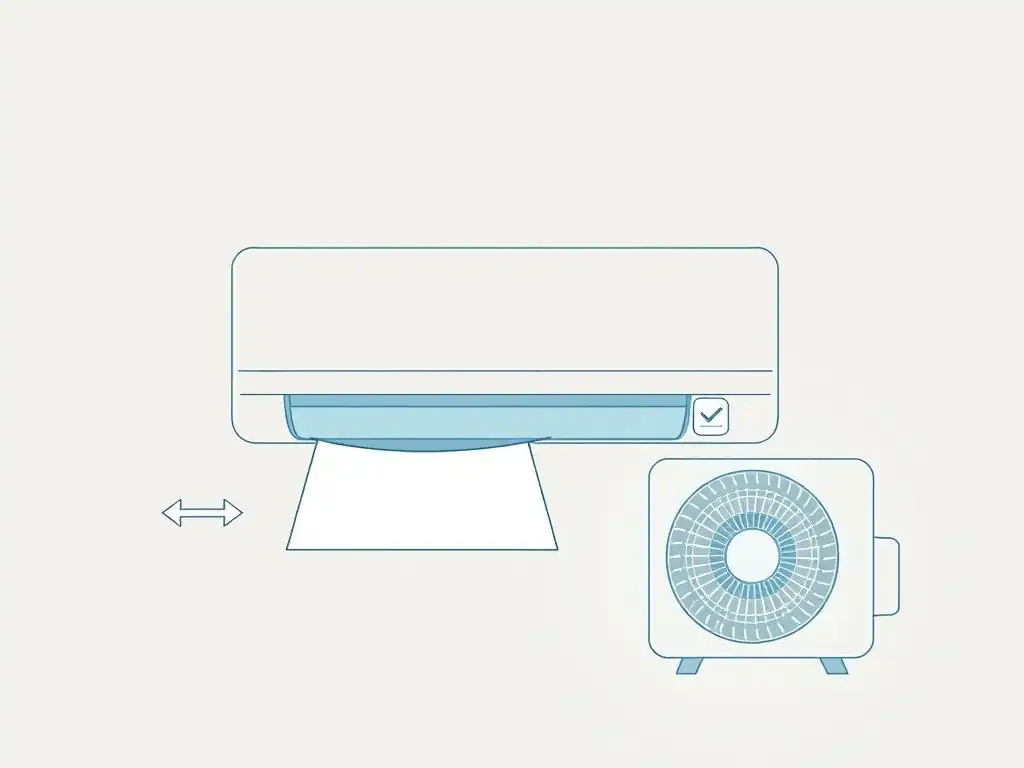
Spring is the perfect time to prepare your HVAC system for the hot summer months ahead. A well-maintained system operates more efficiently, saving you money on energy bills and preventing costly repairs down the line. Before the temperatures soar, a thorough inspection is crucial. This involves checking the air filter – replacing it if it's dirty or clogged – as a clogged filter restricts airflow, forcing your system to work harder and potentially reducing its lifespan. You should also examine the outdoor unit for any debris, such as leaves or twigs, that might obstruct airflow.
Clearing away any obstructions ensures optimal performance. Furthermore, inspect the unit for any signs of damage, such as loose wiring or refrigerant leaks. While you might be able to identify some minor issues yourself, it's always best to schedule a professional inspection and tune-up. A professional can identify potential problems early, preventing major breakdowns during the peak summer season. They can also check the refrigerant levels and ensure your system is operating at peak efficiency.
Don't forget to check your thermostat as well, ensuring it's accurately calibrated and functioning correctly. A malfunctioning thermostat can lead to inconsistent temperatures and increased energy consumption. Remember, proactive HVAC maintenance is key to a cool and comfortable summer, and a significant step towards extending the lifespan of your entire system. Regular maintenance not only saves money but also contributes to a healthier indoor environment.
Inspecting and Cleaning Outdoor Furniture and Grills: Getting Ready for Summer
With warmer weather comes more time spent outdoors. To make the most of those sunny days, spring cleaning your outdoor furniture and grill is essential. Start by thoroughly cleaning your patio furniture. Depending on the material, this might involve using a mild soap and water solution, a pressure washer (for more stubborn dirt), or specialized cleaning products for specific materials like wicker or teak. Pay close attention to cushions, which often accumulate dirt and mildew over the winter months. Remove cushions and spot-clean any stains.
If possible, air them out in the sun to help eliminate lingering odors and moisture. For grills, a thorough cleaning is crucial for both safety and flavor. Start by turning off the gas supply and allowing the grill to cool completely. Use a grill brush to remove any burnt food residue from the grates. Then, remove the grates and clean them with soap and water or a specialized grill cleaner.
Don't forget to clean the inside of the grill body as well, removing any grease or debris that might have accumulated. After cleaning, consider applying a protective coating to your outdoor furniture to protect it from the elements and prolong its lifespan. For grills, ensure all parts are properly reassembled and that the gas supply is functioning correctly before use. By taking the time to inspect and clean your outdoor furniture and grills in the spring, you'll ensure they're ready for countless summer gatherings and barbecues, extending their useful lives and enhancing your enjoyment of the warmer weather. Remember, proper cleaning prevents rust and damage, ensuring years of use from your outdoor equipment.
Summer Home Maintenance Checklist: Beat the Heat
Summer brings sunshine, longer days, and… potential home maintenance headaches. This checklist focuses on proactive steps to protect your home from the unique challenges of the warmer months, ensuring its longevity and preserving its value. A well-maintained home during summer translates to fewer costly repairs down the line, saving you both time and money. Let's dive into the key areas needing attention.
Protecting Your Home from Summer Storms: Preventative Measures and Repairs
Summer storms can bring intense rainfall, high winds, and even hail, posing significant risks to your home's structure and integrity. Proactive measures are crucial. Start by inspecting your roof for loose or missing shingles. Look for any signs of damage, such as cracks or curling shingles. Consider investing in professional roof inspections every few years, especially in areas prone to severe weather. This preventative maintenance can significantly reduce the risk of costly repairs later.
Next, check your gutters and downspouts. Clogged gutters can lead to water damage to your foundation and roof. Clear any debris and ensure water flows freely away from your home. Consider installing gutter guards to minimize future clogs. This simple task can prevent significant damage from overflowing gutters during heavy summer rains.
Furthermore, trim trees and shrubs around your house. Overgrown vegetation can damage your roof and siding during strong winds. Maintaining a safe distance between your home and surrounding plants is a critical preventative measure. Regular pruning also improves the overall aesthetics of your property.
Finally, inspect your windows and doors for any air leaks or gaps. These can allow moisture to enter your home, leading to mold and mildew growth. Seal any cracks or gaps with appropriate caulk or weather stripping. This simple step improves energy efficiency and protects your home's interior. Remember, a proactive approach to storm preparation is key to protecting your investment. ⛈️
Maintaining Your Air Conditioning System: Tips for Energy Efficiency
Your air conditioning system is your lifeline during summer's scorching heat. Keeping it in top condition is essential for both comfort and energy efficiency. Regular maintenance can significantly extend the life of your AC unit and lower your energy bills. Start by changing or cleaning your air filters monthly. Dirty filters restrict airflow, forcing your system to work harder and consume more energy. This simple act can dramatically improve efficiency.
Next, schedule a professional AC inspection and tune-up. A technician can identify potential problems early on, preventing costly breakdowns and ensuring optimal performance. This is a worthwhile investment that pays for itself through improved efficiency and longevity of your system. Regular maintenance also helps prevent unexpected repairs during peak summer demand.
Additionally, consider using a programmable thermostat to optimize your cooling schedule. Setting the temperature higher when you're away or asleep can significantly reduce energy consumption without compromising your comfort. This simple adjustment can result in substantial savings on your energy bill throughout the summer months. Smart thermostats offer even more advanced control and energy-saving features. Remember, a well-maintained AC system is crucial for both comfort and cost savings. ☀️
Watering Your Lawn and Garden Effectively: Saving Water and Keeping Plants Healthy
Summer's heat puts a strain on your lawn and garden. Efficient watering is crucial for maintaining a healthy landscape while conserving water. Avoid watering during the hottest part of the day, as much of the water evaporates before reaching the roots. Early morning or evening watering is significantly more effective.
Next, consider investing in a rain barrel to collect rainwater for your garden. This sustainable practice reduces your reliance on municipal water and saves money on your water bill. Rainwater is also naturally better for plants than treated tap water.
Furthermore, use a soaker hose or drip irrigation system instead of sprinklers. These methods deliver water directly to the roots, minimizing evaporation and ensuring your plants receive the hydration they need. This targeted approach reduces water waste and promotes healthier plant growth. Proper watering techniques are essential for a thriving lawn and garden, while also conserving a precious resource. 💧
Checking for Pests and Insects: Prevention and Treatment Strategies
Summer's warmth brings unwelcome guests: pests and insects. Proactive prevention is key to minimizing infestations and protecting your home's structure. Regularly inspect your home's exterior, paying close attention to areas where insects might nest, such as cracks in the foundation, gaps around windows and doors, and under eaves. Look for signs of termite activity, such as mud tubes or discarded wings. Ant trails are another common indicator of an infestation.
Effective pest control requires a multi-pronged approach. Begin by sealing any entry points you discover. Caulk cracks in the foundation, repair damaged screens, and ensure weather stripping around doors and windows is intact. This preventative measure significantly reduces the likelihood of infestations.
For existing infestations, you can consider using natural pest control methods like diatomaceous earth or insecticidal soaps. These are less harmful to the environment and pets compared to harsh chemical pesticides. However, for severe infestations or if you're dealing with termites, it's crucial to contact a professional pest control service. They possess the expertise and equipment to effectively eliminate the problem and prevent future infestations.
Remember, early detection is crucial; addressing pest problems quickly prevents larger, more costly issues down the line. Regular inspections, even once a month, can save you significant time, money and stress. Think of it as a small investment that protects a large asset – your home! 🐜
Pool Maintenance and Safety: Keeping Your Pool Clean and Safe
Summertime often means pool time! Maintaining a clean and safe pool is crucial for both enjoyment and health. Regular cleaning is paramount. This includes skimming the surface to remove leaves and debris, vacuuming the pool floor and walls, and brushing the sides to remove algae. Check your pool's water chemistry regularly using a test kit. Maintain proper levels of chlorine, pH, and alkalinity to prevent algae growth and ensure the water is safe for swimming. A balanced chemical environment is essential for preventing irritation and keeping your pool sparkling.
Pool safety should be a top priority, especially if children are using the pool. Ensure you have appropriate safety measures in place, such as a fence surrounding the pool area with a self-closing and self-latching gate. Consider installing pool alarms to alert you if someone enters the pool unexpectedly. Never leave children unattended near the pool, and always supervise them while swimming.
Regularly inspect the pool's equipment, including the pump, filter, and lights, to ensure they are functioning correctly and safely. Proper maintenance not only keeps your pool clean and inviting but also prevents accidents and ensures a safe and enjoyable swimming experience for everyone. 🏊♀️ Remember, a little preventative maintenance goes a long way in ensuring a safe and enjoyable summer by the pool.
Fall Home Maintenance Checklist: Preparing for Winter
This section details essential tasks for preparing your home for the colder months, ensuring its longevity and preventing costly repairs. A well-maintained home not only enhances comfort but also adds value and peace of mind. This checklist focuses on proactive measures to protect your investment and improve energy efficiency, saving you money on utility bills throughout the winter. Remember, consistent seasonal home maintenance is key to maximizing your home's lifespan.
Preparing Your Home for Cooler Temperatures: Insulation and Sealing
As temperatures drop, your home's insulation and sealing become crucial for maintaining a comfortable indoor environment and preventing energy loss. Proper insulation significantly reduces heating costs and improves energy efficiency. Consider the following steps:
- Inspect and Repair Caulking and Weatherstripping: Walk around your home's exterior, paying close attention to windows, doors, and any cracks or gaps. Replace any damaged or deteriorated caulking and weatherstripping. This simple task can dramatically reduce drafts and heat loss. For example, a poorly sealed window can lose up to 20% of your home's heat.
- Check Attic and Crawl Space Insulation: Adequate insulation in these areas is vital for maintaining consistent indoor temperatures. If your insulation is insufficient or damaged, consider adding more to reach the recommended R-value for your region. This can be a significant investment, but the long-term energy savings can quickly offset the initial cost. You could even consider using spray foam insulation for better sealing and energy efficiency.
- Inspect and Clean Gutters and Downspouts: Clogged gutters can lead to water damage and ice dams in winter. Clear away leaves, debris, and any blockages to ensure proper water drainage away from your home's foundation. This preventative maintenance helps to protect your home's structure and prevent costly repairs down the line. Consider investing in gutter guards to minimize future cleaning needs.
Cleaning and Storing Outdoor Furniture and Equipment: Protecting Your Investments
Protecting your outdoor furniture and equipment from the harsh winter elements is essential for extending their lifespan. Neglecting this step can lead to damage, rust, and premature deterioration. Here's a step-by-step guide:
- Thorough Cleaning: Before storing, thoroughly clean all outdoor furniture, grills, and tools. Remove dirt, grime, and any debris. For metal items, consider using a rust preventative spray. For wooden furniture, consider applying a protective sealant to prevent cracking and moisture damage.
- Proper Storage: Store all items in a dry, protected area, such as a garage, shed, or basement. Use covers or tarps to further protect them from moisture and dust. If storing items outdoors, elevate them off the ground to prevent moisture buildup.
- Inventory and Maintenance: Take this opportunity to inventory your items and perform any necessary maintenance, such as sharpening tools, replacing worn-out parts, or repairing minor damage. This proactive approach ensures everything is in good working order for the next season. Consider creating a labeled storage system for easy retrieval in the spring.
Winterizing Your Sprinkler System and Outdoor Plumbing: Preventing Damage
Winterizing your sprinkler system and outdoor plumbing is crucial to prevent costly damage from freezing temperatures. Ignoring this step can lead to burst pipes, which can cause significant water damage and expensive repairs.
- Draining the Sprinkler System: This involves turning off the main water supply to the system and then opening valves and draincocks to allow water to drain completely from the pipes. Consult your system's manual for specific instructions. Failing to drain the system properly can lead to frozen and burst pipes. The damage could easily cost thousands of dollars to repair.
- Protecting Outdoor Faucets: Covering outdoor faucets with insulation sleeves or foam covers prevents freezing and protects the pipes from damage. Leaving faucets exposed can result in frozen and burst pipes. Consider using a frost-proof faucet for added protection.
- Insulating Exposed Pipes: For pipes located in unheated areas, such as garages or crawl spaces, consider adding insulation to prevent freezing. Use pipe insulation sleeves or heat tape to wrap exposed pipes, ensuring the pipes are protected from freezing temperatures and reducing the risk of damage. This is a simple, yet highly effective preventative measure.
Inspecting and Cleaning Gutters and Downspouts (Fall Check): Preventing Clogs and Ice Buildup
Fall is the perfect time to tackle gutter and downspout maintenance, a crucial aspect of your seasonal home maintenance checklist. Leaves, twigs, and other debris accumulate throughout the year, creating potential problems during the winter months. Clogged gutters can lead to water overflow, causing damage to your roof, foundation, and landscaping. More seriously, ice dams can form when water backs up and freezes, potentially causing significant structural damage to your roof. This is why a thorough inspection and cleaning are essential preventative measures.
Begin by carefully inspecting your gutters from the ground and, if safely accessible, from a ladder. Look for any obvious blockages, such as large clumps of leaves or nests. Note any areas where the gutters are sagging or damaged, requiring repair or replacement. Once you've identified problem areas, it's time for the cleaning.
You can use a trowel or a specialized gutter cleaning tool to remove debris. For particularly stubborn clogs, a garden hose with a nozzle can help flush out the remaining material. Remember safety first! Always use a sturdy ladder and consider using a safety harness if working at significant heights.
Don't forget to clean out the downspouts as well, ensuring water flows freely away from your foundation. Regular gutter cleaning, ideally twice a year (spring and fall), is a simple yet highly effective way to protect your home from costly water damage and prolong its lifespan. This small effort significantly contributes to a comprehensive seasonal home maintenance checklist.
Preparing Your HVAC System for Winter: Ensuring Efficient Heating
As temperatures drop, your HVAC system becomes your primary defense against the cold. Preparing your heating system for winter is a critical part of your seasonal home maintenance checklist, ensuring efficient operation and preventing costly breakdowns. A well-maintained system not only keeps you warm and comfortable but also saves you money on energy bills. Neglecting this crucial step can lead to increased energy consumption and potential malfunctions during the coldest months.
Start by checking your furnace filter. A dirty filter restricts airflow, reducing efficiency and potentially damaging your system. Replace it with a clean filter, ideally a high-efficiency particulate air (HEPA) filter for optimal performance. Next, inspect your furnace for any visible damage or signs of wear and tear.
Look for loose connections, cracks in the casing, or any unusual noises during operation. If you notice anything concerning, it's best to call a qualified HVAC technician for a professional inspection and service. While you're at it, don't forget your heat pump or other heating systems.
Scheduling a professional inspection and tune-up is a proactive approach to identifying and addressing potential issues before they escalate into costly repairs. This proactive maintenance significantly contributes to a comprehensive seasonal home maintenance checklist, ensuring your home stays warm and your heating system functions optimally throughout the winter. Regular maintenance is key to maximizing the lifespan of your HVAC system and avoiding unexpected winter heating emergencies.
Winter Home Maintenance Checklist: Surviving the Cold
Winter presents unique challenges to homeowners. A proactive approach to seasonal home maintenance is crucial for preventing costly repairs and ensuring a comfortable, safe living environment throughout the colder months. This checklist focuses on key areas requiring attention during winter, helping you maximize your home's lifespan and minimize unexpected issues. Proper winterization is key to avoiding expensive and inconvenient problems down the line. This section will cover essential preventative measures and emergency repair strategies.
Protecting Your Pipes from Freezing: Preventative Measures and Emergency Repairs
Frozen pipes are a common and costly winter problem. Preventing this damage is far easier (and cheaper!) than dealing with the aftermath. Here's a breakdown of preventative measures and what to do if disaster strikes:
- Preventative Measures:
- Insulate exposed pipes: Use pipe insulation sleeves or foam insulation to protect pipes located in unheated areas like basements, attics, or crawl spaces. Pay particular attention to pipes near exterior walls.
- Let cold water drip: Allow a slow trickle of water to run from faucets served by exposed pipes. This constant flow prevents water from stagnating and freezing.
- Keep garage doors closed: If you have water pipes in your garage, keeping the door closed helps maintain a slightly warmer temperature.
- Seal air leaks: Caulk and weatherstrip any gaps or cracks around windows and doors to prevent cold air from entering and chilling pipes.
- Emergency Repairs:
- Locate the main water shut-off valve: Knowing where this valve is located is crucial in the event of a burst pipe. This allows you to quickly shut off the water supply and minimize water damage.
- Thaw frozen pipes carefully: Never use a blowtorch or open flame to thaw pipes. Use a hairdryer, heating pad, or towels soaked in warm water, applying heat gradually. Monitor the pipe's temperature to avoid sudden changes that could cause damage.
- Call a plumber: If you are unable to thaw the pipes yourself or suspect significant damage, contact a qualified plumber immediately. Early intervention can prevent extensive water damage and costly repairs.
Maintaining Your Heating System: Ensuring Warmth and Efficiency
Your heating system works overtime during winter. Regular maintenance ensures efficient operation, prevents breakdowns, and contributes to your home's overall energy efficiency. Here are some crucial steps:
- Schedule a professional inspection: A yearly inspection by a qualified HVAC technician is highly recommended. This allows for early detection of potential problems and ensures your system is operating safely and efficiently. This preventative maintenance can save you money on energy bills in the long run.
- Change or clean air filters: Dirty air filters restrict airflow, reducing heating efficiency and potentially damaging your system. Change filters according to the manufacturer's recommendations, typically every 1-3 months depending on usage and filter type.
- Check and clean vents: Ensure all heating vents are clear of obstructions. Blocked vents restrict airflow and reduce heating effectiveness.
- Bleed radiators (if applicable): If your home has a radiator heating system, bleeding the radiators to remove trapped air will improve their heating efficiency. This is a simple DIY task, but if unsure, consult a professional.
Checking for Drafts and Leaks: Improving Home Insulation and Energy Efficiency
Drafts and air leaks can significantly impact your home's energy efficiency and comfort during winter. Identifying and sealing these leaks is a simple yet highly effective way to reduce energy costs and improve indoor comfort.
- Inspect windows and doors: Check for gaps or cracks around windows and doors. Use caulk or weatherstripping to seal these areas, preventing cold air from entering and warm air from escaping.
- Examine attic and basement insulation: Adequate insulation is crucial for maintaining a comfortable indoor temperature. Check for any gaps or areas where insulation is lacking and add more as needed. Consider professional insulation assessment for optimal effectiveness.
- Seal gaps around pipes and electrical outlets: Small gaps around pipes and electrical outlets can allow cold air to seep into your home. Use caulk or expanding foam to seal these openings.
- Use draft stoppers: Place draft stoppers at the base of doors and windows to block drafts and improve insulation. These are inexpensive and readily available. Consider making your own for a fun DIY project!
Remember, regular seasonal home maintenance is an investment in your home’s longevity and your comfort. By addressing these key areas, you can significantly reduce the risk of costly repairs and ensure a warm, comfortable, and energy-efficient home throughout the winter months. Don't forget to consult a professional for any tasks you are unsure about. Happy winterizing! 🏠❄️
Snow Removal and Ice Management: Keeping Your Property Safe and Accessible
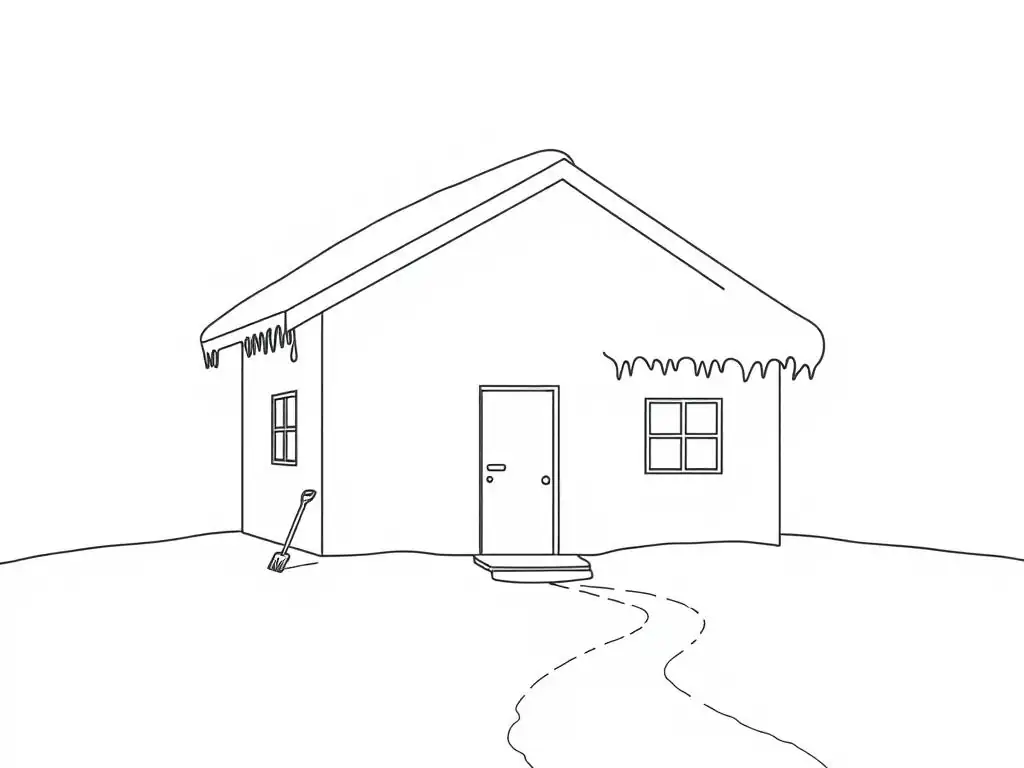
Winter weather can bring significant challenges to homeowners, and snow and ice are among the most prominent. Effective snow removal and ice management aren't just about aesthetics; they're crucial for safety and preventing costly damage to your property. Neglecting these tasks can lead to slips, falls, and injuries, as well as structural damage to your home's foundation, walkways, and driveway.
Regular snow removal is paramount. Aim to clear snow after every snowfall, focusing on walkways, driveways, and steps first. Use a snow shovel or snow blower, being mindful of your physical capabilities to avoid overexertion. For larger properties, consider hiring a professional snow removal service. Remember to clear snow away from vents and other exterior openings to ensure proper ventilation and prevent carbon monoxide buildup.
Ice management is equally important. After clearing snow, apply a de-icing agent such as rock salt or calcium chloride to prevent ice formation. However, use these products judiciously, as excessive application can damage plants and concrete. Consider using sand or kitty litter as a safer, less corrosive alternative, especially in areas where pets or children might walk.
For icy patches that are difficult to treat, consider using ice melt products designed for specific surfaces like wood or stone. Remember to always follow the manufacturer's instructions for safe and effective use. Regularly checking for ice buildup, especially on steps and walkways, is essential to prevent accidents.
A proactive approach to snow removal and ice management significantly contributes to a safer and more enjoyable winter season, protecting your family and preserving your property's value. Don't underestimate the importance of this seasonal task in your overall home maintenance strategy. Prioritize safety and act accordingly.
Regularly Inspecting Your Roof for Damage: Preventing Leaks and Water Damage
Your roof is your home's first line of defense against the elements, and winter's harsh conditions can significantly impact its integrity. Regular roof inspections are crucial for early detection of potential problems, preventing costly repairs and significant damage down the line. Winter's combination of snow, ice, and freezing temperatures can cause significant wear and tear, leading to leaks, water damage, and even structural compromise if left unaddressed.
During winter, focus your inspection on areas particularly vulnerable to damage. Look for missing or damaged shingles, signs of ice dams (ridges of ice that form along the edges of the roof), and any signs of leaks or water stains in the attic or ceilings. If you're not comfortable inspecting your roof yourself, consider hiring a qualified roofing professional.
They possess the necessary equipment and expertise to conduct a thorough inspection, identifying potential problems before they escalate. Pay close attention to the flashing around chimneys, vents, and skylights – these areas are prone to leaks, especially during periods of heavy snowfall or rainfall.
Regular inspections, ideally performed every few weeks during the winter months, are a proactive approach to preventing costly repairs and ensuring your home's structural integrity. Addressing minor issues promptly can save you significant time and money in the long run. Early detection of problems, such as a small leak, allows for a timely and less expensive repair compared to waiting for the problem to worsen and cause extensive water damage.
Remember, a well-maintained roof is a crucial component of a safe and comfortable home, especially during the challenging winter months. Make roof inspection a regular part of your seasonal home maintenance checklist. The peace of mind is invaluable.
Year-Round Home Maintenance Tips for a Longer-Lasting Home
This section focuses on proactive home maintenance strategies that extend beyond the seasonal checklist, contributing to the longevity and value of your property. Consistent effort throughout the year significantly reduces the likelihood of major, costly repairs down the line. Think of it as preventative medicine for your house! By incorporating these year-round practices into your routine, you’ll not only save money but also enjoy a more comfortable and secure living environment.
Regular Home Inspections: Identifying Potential Problems Early
Regular inspections are the cornerstone of preventative home maintenance. A thorough, systematic approach allows you to catch small issues before they escalate into significant problems. This proactive strategy can save you substantial time and money in the long run. Consider these inspection points:
- Monthly: Check for leaks under sinks and around toilets; inspect appliances for unusual noises or malfunctions; examine walls and ceilings for cracks or water stains; test smoke and carbon monoxide detectors. A simple walk-through, taking note of anything unusual, is incredibly effective.
- Quarterly: Inspect the exterior of your home, looking for damaged siding, loose shingles, or overgrown vegetation that could damage the structure. Check gutters and downspouts for clogs and ensure proper drainage. Examine windows and doors for drafts or air leaks.
- Annually: A more comprehensive inspection might be beneficial, potentially involving a professional home inspector. This thorough review covers major systems like your HVAC, plumbing, and electrical systems. Documenting these inspections helps track changes and predict future maintenance needs.
Consider using a simple checklist or a dedicated home maintenance app to track your inspections and record any necessary repairs. A digital record provides a valuable history of your home's maintenance, useful for insurance purposes and future reference. Remember, early detection is key to preventing costly repairs! A small crack in your foundation, for example, is far easier (and cheaper) to repair than a major structural issue caused by years of neglect.
Basic Home Repairs and Maintenance: Simple DIY Tasks
Many minor home repairs are easily manageable with basic DIY skills. Empowering yourself with these skills not only saves money on professional services but also fosters a sense of accomplishment and control over your home's upkeep. Here are some examples:
- Caulking: Regularly inspect and recaulk around bathtubs, sinks, and windows to prevent water damage. This is a simple task that significantly improves your home's water resistance.
- Cleaning Gutters: Clearing clogged gutters prevents water damage to your roof and foundation. This is crucial for preventing costly repairs, especially in areas with heavy rainfall.
- Tightening Loose Screws: Over time, screws in cabinets, doors, and other fixtures can loosen. Regularly tightening them prevents damage and improves functionality.
- Replacing Faucet Washers: A dripping faucet is not only annoying but also wastes water and can lead to higher utility bills. Replacing a washer is a relatively simple plumbing repair that anyone can learn.
This list isn't exhaustive, but it highlights the types of straightforward tasks that can significantly impact your home's longevity. Remember to always prioritize safety and consult online resources or instructional videos if you're unsure about a particular repair. The initial investment of time learning these skills pays off handsomely in the long run.
Utilizing Professional Home Maintenance Services: When to Call for Help
While many tasks are DIY-friendly, some require the expertise of qualified professionals. Knowing when to call for help is crucial for ensuring the safety and integrity of your home. Here are some scenarios where professional assistance is recommended:
| Task | Reason for Professional Help |
|---|---|
| Roof Repairs | Complex repairs, safety concerns associated with heights, specialized materials and techniques. |
| Electrical Work | Safety hazards associated with electrical work; compliance with electrical codes. |
| Plumbing Repairs (major) | Extensive plumbing issues, potential for water damage; expertise required for complex systems. |
| HVAC System Maintenance & Repairs | Requires specialized tools and knowledge; ensures optimal efficiency and safety of the system. |
| Foundation Issues | Structural integrity concerns; requires expert assessment and remediation. |
| Pest Control | Effective pest control requires specialized knowledge and products. |
Don't hesitate to seek professional assistance when dealing with tasks beyond your skillset. The cost of professional services is often far less than the cost of repairing damage caused by improper DIY attempts. Remember, your home is a significant investment; protecting it requires a balanced approach of DIY skills and professional expertise. Prioritizing safety and ensuring proper execution of repairs are paramount to extending your home's lifespan.
Creating a Home Maintenance Schedule: Staying on Top of Tasks
Creating a comprehensive home maintenance schedule is crucial for maximizing your home's lifespan. A proactive approach prevents small issues from escalating into costly repairs. Instead of reacting to problems as they arise, a well-structured schedule allows for preventative maintenance, significantly extending the life of your home's components. Think of it as a regular health checkup for your house!
Consider using a digital calendar or a dedicated home maintenance planner. These tools allow you to set reminders for specific tasks, ensuring you stay on track. A simple spreadsheet can also work wonders. Categorize tasks by season (spring cleaning, fall preparations) or by system (plumbing, electrical, HVAC).
Remember to be realistic. Don't overload your schedule with tasks you can't realistically accomplish. Start small, focusing on the most critical aspects first. Gradually add more tasks as you become more comfortable with the routine. For example, you might start with a monthly check of your smoke detectors and a quarterly inspection of your gutters, then add more involved tasks like cleaning your dryer vent semi-annually.
Regularly reviewing and updating your schedule is also essential. As your home ages and your needs change, you may need to adjust the frequency of certain tasks or add new ones. This iterative process ensures your maintenance schedule remains effective and relevant. Don't be afraid to tailor it to your specific home and lifestyle. A personalized schedule is far more effective than a generic one. The key is consistency and adaptation.
Investing in Quality Home Materials and Appliances: Building a Durable Home
The initial investment in high-quality materials and appliances significantly impacts your home's longevity. While cheaper options might seem appealing upfront, they often require more frequent repairs and replacements, ultimately costing more in the long run. Think of it as an investment in peace of mind and avoiding costly emergency repairs.
When building or renovating, prioritize durable materials. For example, choosing weather-resistant exterior paint can prevent premature deterioration and the need for frequent repainting. Similarly, investing in high-quality roofing materials can protect your home from water damage and extend its lifespan considerably. Consider the long-term cost-benefit analysis when making these choices; a slightly higher initial expense can save you thousands in the future.
Appliances are another critical area. Opting for energy-efficient, well-built appliances can reduce your energy bills and decrease the likelihood of breakdowns. Look for appliances with strong warranties and positive reviews, indicating their reliability and durability. Researching brands known for their longevity can save you significant headaches and expenses down the line. Remember to always follow the manufacturer's recommended maintenance schedule to further extend the life of your appliances. This often involves simple tasks like cleaning filters or lubricating moving parts. A little preventative care goes a long way.
Frequently Asked Questions
What is a seasonal home maintenance checklist, and why is it important?
A seasonal home maintenance checklist is a plan to perform specific tasks around your home based on the time of year. It's crucial for preventing costly repairs, extending your home's lifespan, and improving its efficiency. This ensures your home stays in top shape year-round.
How often should I check my checklist?
Ideally, you should review and update your checklist at the beginning of each season (spring, summer, fall, winter). This allows you to proactively address any potential issues before they become major problems. You can also create a reminder system for specific tasks.
What are some essential tasks included in a seasonal home maintenance checklist?
Essential tasks vary by season, but common items include cleaning gutters (fall), inspecting your roof (spring and fall), checking for leaks (all seasons), testing smoke and carbon monoxide detectors (at least twice a year), and winterizing outdoor faucets (fall).
How can I create my own seasonal home maintenance checklist?
Start by listing tasks based on the season and your specific home needs. Consider factors like your climate and the age of your home. You can find many templates online to get you started, and customize it as needed to create a personalized schedule.
Where can I find more detailed information about seasonal home maintenance?
UltimateLifeHacks provides comprehensive guides on practical home maintenance tips to optimize your daily routines and save you time and money. Explore our articles and resources for in-depth seasonal checklists tailored to maximize your home's lifespan.
Final Reflection: Building a Legacy, One Season at a Time
The meticulous care we invest in our homes directly reflects the value we place on our lives and the lives of those who share them. A well-maintained home isn't just about aesthetics; it's about creating a safe, comfortable, and enduring sanctuary—a legacy built season by season. Ignoring seasonal maintenance is not just neglecting a property; it's neglecting the potential for long-term well-being and financial security.
The impact of consistent seasonal upkeep extends far beyond the immediate gratification of a pristine home. It's about preventing costly repairs down the line, ensuring the structural integrity of our shelter, and fostering a sense of pride and accomplishment in our ability to nurture something lasting. As the old adage goes, A stitch in time saves nine.
This couldn't be truer when it comes to home maintenance. The small acts of care we perform each season accumulate into a significant contribution to the overall lifespan and value of our homes, creating a positive ripple effect for generations to come.
Now, consider your own home. What small step can you take today to contribute to its longevity? Perhaps it's cleaning the gutters, inspecting the foundation, or simply scheduling a professional inspection. Remember, the journey to a thriving home is a continuous one, marked by mindful attention and proactive care. Embrace the seasonal rhythm of maintenance, not as a chore, but as an opportunity to invest in your well-being, your family's future, and the enduring legacy of your home.
Unlock Your Home's Full Potential: Take Action Now!
Thank you for reviewing our seasonal home maintenance checklist! You're now equipped to keep your home in top condition for years to come. Let's put that knowledge to work.
- Prioritize your most urgent task: Based on your current climate and home's specific needs, identify the most pressing item from the checklist and tackle it this week.
- Share your progress (and any challenges): Let us know on social media what you're working on and any unexpected problems you encounter—you might be surprised at who can offer helpful advice!
- Download our free printable checklist: Download a PDF version for easy year-round reference. (Link available [insert link here]).
Ready to improve your home maintenance routine? What's the first item from the checklist you'll address?