
Workplace Zen: Productivity Hacks for a Calm and Focused Environment


Ready to transform your workday from chaotic to calm? At UltimateLifeHacks, we're dedicated to helping you conquer your to-do list without sacrificing your sanity. Discover the secrets to achieving peak productivity with our latest article on Calm workplace productivity hacks. Learn how to cultivate a focused environment and unlock your full potential—it's time to reclaim your peace of mind and boost your efficiency. Let's dive in!
- Creating a Serene Workspace for Enhanced Productivity
- Mindfulness Techniques for a Calm Workplace
- Time Management Strategies for a Stress-Free Workplace
- Digital Wellbeing and Productivity
- Cultivating a Positive and Supportive Work Environment
- Maintaining a Calm Workplace: Long-Term Strategies
- Frequently Asked Questions
- Final Reflection: Cultivating Calm in the Chaos of Work
- Unleash Your Inner Zen Master: Boost Productivity Today!
Creating a Serene Workspace for Enhanced Productivity
Achieving peak productivity isn't just about working harder; it's about working smarter and in an environment that fosters focus and calm. A chaotic workspace often translates to a chaotic mind, hindering your ability to concentrate and complete tasks efficiently. This article explores practical, actionable "calm workplace productivity hacks" designed to transform your work environment into a sanctuary of productivity.
We'll delve into strategies for decluttering, optimizing ergonomics, and harnessing the power of sound to create a workspace that promotes both focus and well-being. By implementing these techniques, you'll discover how a serene workspace can significantly boost your overall efficiency and reduce stress, leading to a more fulfilling and productive workday. Let's cultivate a workplace that nurtures both your mind and your output.
Decluttering Your Desk for Peak Performance: A Step-by-Step Guide
A cluttered desk often mirrors a cluttered mind. Before implementing any other productivity hacks, tackling desk clutter is paramount. This isn't just about tidying; it's about creating a space that supports your workflow. Follow these steps for a transformative decluttering experience:
- The Purge: Begin by removing everything from your desk. Yes, everything. This allows for a fresh perspective and prevents you from simply rearranging existing chaos.
- Categorize and Sort: Divide the items into four categories: Keep, Donate/Sell, Trash, and Relocate (items that belong elsewhere).
- The Keep Pile: For the items you're keeping, consider their utility. Do you genuinely use them regularly? If not, reconsider their placement on your desk. Prioritize essential tools and frequently used materials.
- Strategic Organization: Once you've purged unnecessary items, organize the remaining items strategically. Use desk organizers, trays, and drawers to keep things neat and easily accessible. Consider vertical storage solutions to maximize space.
- Regular Maintenance: The key to maintaining a clutter-free desk is consistent effort. Dedicate a few minutes at the end of each day to tidy up and put things back in their place. This prevents clutter from accumulating and overwhelming you.
Implementing this systematic approach will not only improve the visual appeal of your workspace but also enhance your cognitive function and reduce stress, leading to improved focus and productivity. Think of it as a daily reset for your mind. 🧘♀️
Optimizing Your Workspace Ergonomics for Comfort and Focus
Ergonomics plays a crucial role in workplace productivity and well-being. Poor posture and uncomfortable seating can lead to physical discomfort, fatigue, and decreased concentration. Optimizing your workspace ergonomics is an investment in your long-term health and productivity.
Consider these key aspects:
- Chair: Invest in an ergonomic chair that provides adequate lumbar support and adjustability. Your chair should allow you to sit with your feet flat on the floor and your back straight.
- Monitor Placement: Position your monitor at arm's length and slightly below eye level to prevent neck strain. Avoid glare by adjusting the monitor's brightness and position relative to windows.
- Keyboard and Mouse: Place your keyboard and mouse at a comfortable distance to avoid reaching or straining. Consider an ergonomic keyboard and mouse to further reduce strain.
- Lighting: Ensure adequate lighting to prevent eye strain. Natural light is ideal, but supplemental lighting may be necessary. Avoid harsh overhead lighting.
- Regular Breaks: Take regular breaks to stretch and move around. This helps prevent stiffness and fatigue, promoting better posture and focus.
By prioritizing ergonomic principles, you’ll create a workspace that supports your physical well-being, reducing discomfort and boosting your ability to maintain focus throughout the workday. Remember, a comfortable workspace is a productive workspace. 🧑💻
The Power of Ambient Sounds and Calming Music for Productivity
The soundscape of your workspace significantly impacts your concentration and mood. While complete silence might not be ideal for everyone, the right auditory environment can enhance focus and reduce stress.
- Ambient Sounds: Consider using ambient sounds like nature sounds (rain, ocean waves), white noise, or brown noise to mask distracting noises and create a more calming atmosphere. Many apps and websites offer a wide variety of ambient soundscapes.
- Calming Music: Instrumental music, especially classical or ambient music, can be highly effective in promoting focus and reducing stress. Choose music without lyrics to avoid distraction. Experiment to find what works best for you. Classical music, in particular, has been shown to improve cognitive function in some studies.
- Noise-Cancelling Headphones: If you work in a noisy environment, noise-cancelling headphones can be a game-changer, providing a much-needed barrier against distracting sounds.
Remember, the goal is to create a soundscape that enhances your concentration without being distracting or overwhelming. Experiment with different sounds and music to find what best suits your individual preferences and working style. 🎧
Mindfulness Techniques for a Calm Workplace
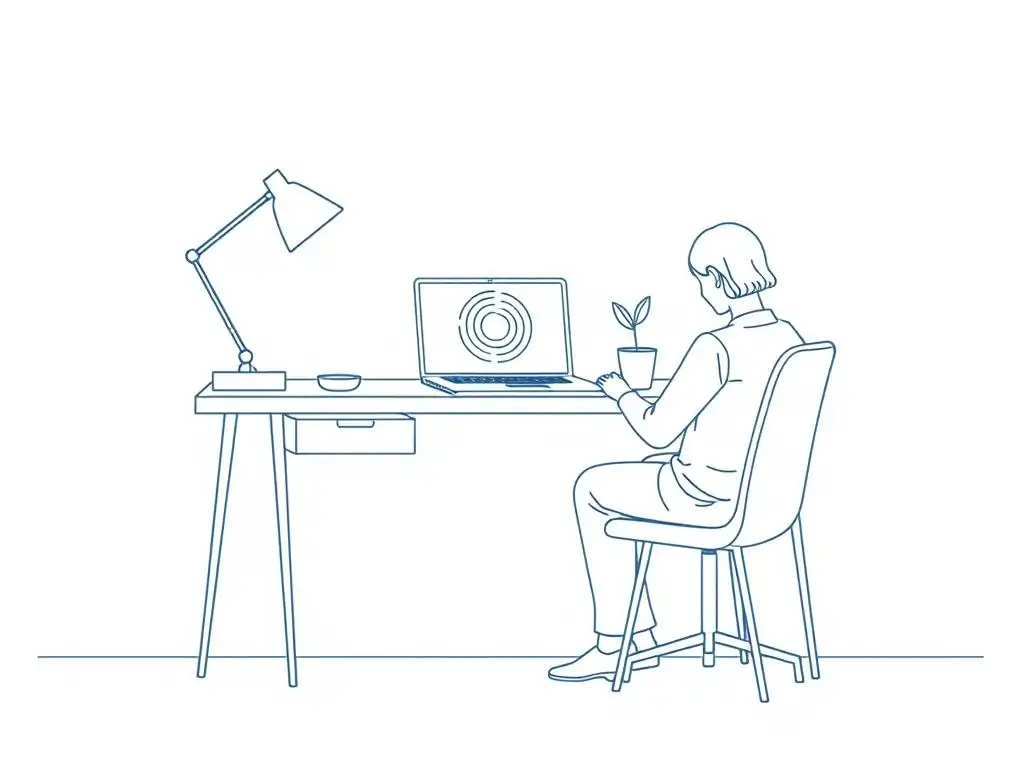
This section explores practical mindfulness techniques to cultivate a calmer, more productive work environment. We'll delve into specific strategies you can readily integrate into your workday, transforming your experience from stressful to serene, boosting your overall productivity and well-being. The key is to understand that even small, consistent efforts can yield significant results in achieving a calm workplace and improved productivity.
These techniques are designed to help you manage stress, enhance focus, and ultimately, achieve a better work-life balance. Remember, the goal is to foster a sense of calm amidst the demands of your workday, not to eliminate challenges entirely.
Incorporating Short Meditation Breaks Throughout Your Day
Even brief meditation sessions can significantly impact your stress levels and focus. Instead of viewing meditation as a luxury, consider it a vital tool for optimizing your workday. Start with just 5-10 minutes, twice a day. Find a quiet space, even if it's just your cubicle, close your eyes, and focus on your breath. Notice the sensation of the air entering and leaving your nostrils.
When your mind wanders (and it will! ), gently redirect your attention back to your breath. Consistency is key; aim for daily practice to experience the cumulative benefits. You can use guided meditation apps for support, especially when starting. The aim isn't to empty your mind, but to cultivate present moment awareness, reducing mental clutter and promoting a clearer, calmer state.
Here's a sample schedule you could try:
| Time of Day | Activity | Duration | Benefits |
|---|---|---|---|
| Mid-morning (10:30 am) | 5-minute guided meditation | 5 min | Increased focus, reduced mid-morning slump |
| Mid-afternoon (2:30 pm) | 5-minute breathing exercise | 5 min | Stress reduction, improved energy levels |
Over time, you might find that even shorter bursts of mindfulness, like a minute or two of focused breathing, can be effective in managing stress and improving concentration.
Practicing Deep Breathing Exercises to Reduce Stress and Anxiety
Deep breathing is a simple yet powerful technique for calming your nervous system. When faced with a stressful situation, take a few moments to consciously focus on your breath. Try the "box breathing" technique: inhale slowly for a count of four, hold for four, exhale slowly for four, and hold for four. Repeat this cycle several times. This technique helps regulate your heart rate and blood pressure, promoting a sense of calm.
Another effective exercise is the 4-7-8 technique: Inhale deeply through your nose for a count of four, hold your breath for a count of seven, and exhale slowly through your mouth for a count of eight. Repeat this several times. This technique is particularly useful for managing anxiety.
Remember, the key is to focus on the physical sensation of your breath, allowing yourself to fully experience the process. The more you practice, the more readily you'll be able to access this calming technique in moments of stress. Integrating deep breathing into your daily routine, even during short breaks, can make a tangible difference in your overall stress levels and workplace productivity.
Mindfulness Techniques to Improve Focus and Concentration at Work
Mindfulness isn't just about relaxation; it's also a powerful tool for enhancing focus. By cultivating present moment awareness, you can reduce distractions and improve your ability to concentrate on the task at hand. One effective technique is to practice "single-tasking." Instead of juggling multiple tasks simultaneously, focus your attention completely on one task until it's completed. This approach not only improves your efficiency but also reduces mental fatigue. Minimize interruptions by turning off notifications, closing unnecessary tabs, and letting colleagues know when you need uninterrupted time.
Another technique is to incorporate short mindfulness breaks between tasks. Take a few minutes to simply observe your surroundings without judgment. Notice the sounds, sights, and sensations around you. This brief mental reset can help you approach your next task with renewed focus and clarity.
Furthermore, incorporating regular physical activity, even short walks throughout the day, can significantly improve focus and concentration by increasing blood flow to the brain. By practicing these techniques, you can create a more focused and productive work environment, enhancing both efficiency and overall job satisfaction. The goal is to make mindfulness a regular part of your workday, not an occasional practice. The cumulative effect of these changes will be a noticeable increase in calm workplace productivity hacks.
Time Management Strategies for a Stress-Free Workplace
Effective time management is the cornerstone of a calm and productive workplace. Feeling overwhelmed is often a direct result of poor time management, leading to stress and decreased efficiency. Implementing strategic time management techniques can significantly reduce workplace stress and boost your productivity. This section explores several powerful strategies to help you regain control of your workday and cultivate a more peaceful work environment. Mastering these techniques will transform your approach to "calm workplace productivity hacks."
Prioritizing Tasks Effectively Using the Eisenhower Matrix
The Eisenhower Matrix, also known as the Urgent-Important Matrix, is a simple yet powerful tool for prioritizing tasks. It categorizes tasks based on their urgency and importance, helping you focus your energy on what truly matters. This method directly addresses the common problem of feeling overwhelmed by a long to-do list.
The matrix is visualized as a 2x2 grid:
| Important | Not Important | |
|---|---|---|
| Urgent | Do First | Delegate |
| Not Urgent | Schedule | Eliminate |
Let's illustrate with examples:
- Urgent and Important (Do First): Meeting a critical deadline for a major client project. This demands immediate attention.
- Important but Not Urgent (Schedule): Planning for next quarter's marketing campaign. This requires proactive planning but isn't immediately time-sensitive.
- Urgent but Not Important (Delegate): Responding to non-essential emails or attending a less crucial meeting. These tasks can often be delegated to free up your time.
- Not Urgent and Not Important (Eliminate): Checking social media constantly or engaging in unproductive gossip. These activities should be minimized or eliminated entirely.
By consistently applying the Eisenhower Matrix, you'll learn to filter distractions and focus on high-impact activities, leading to a calmer and more productive workflow. This is a core component of achieving "calm workplace productivity hacks."
Mastering the Pomodoro Technique for Enhanced Focus
The Pomodoro Technique is a time management method that breaks down work into intervals, typically 25 minutes of focused work followed by a 5-minute break. After four "pomodoros," a longer break of 15-20 minutes is recommended. This structured approach combats procrastination and promotes sustained focus. It's a highly effective technique for improving concentration and preventing burnout – key elements of achieving a calm workplace.
The beauty of the Pomodoro Technique lies in its simplicity and effectiveness. It leverages the power of short bursts of intense concentration, punctuated by regular breaks to prevent mental fatigue. This cyclical approach allows for consistent productivity without the feeling of being constantly "on." Many find that using a timer, either physical or digital, enhances the experience. This consistent structure contributes significantly to "calm workplace productivity hacks."
Setting Realistic Goals and Breaking Down Large Projects
Feeling overwhelmed often stems from tackling overly ambitious goals. Breaking down large projects into smaller, more manageable tasks is crucial for maintaining a sense of calm and control. This approach prevents the feeling of being swamped and fosters a sense of accomplishment as you complete each smaller goal. This is a fundamental aspect of achieving "calm workplace productivity hacks."
For example, instead of aiming to "complete the marketing plan," break it down into smaller, actionable steps:
- Research target audience (1 day)
- Develop marketing strategy (2 days)
- Create content calendar (1 day)
- Design marketing materials (3 days)
- Implement marketing campaign (5 days)
This detailed breakdown makes the overall project less daunting and provides a clear roadmap to follow. Regularly reviewing your progress and adjusting your schedule as needed will further enhance your ability to maintain a calm and productive work environment. Remember to celebrate each milestone achieved; this positive reinforcement contributes significantly to sustained motivation and a calmer work experience.
Digital Wellbeing and Productivity
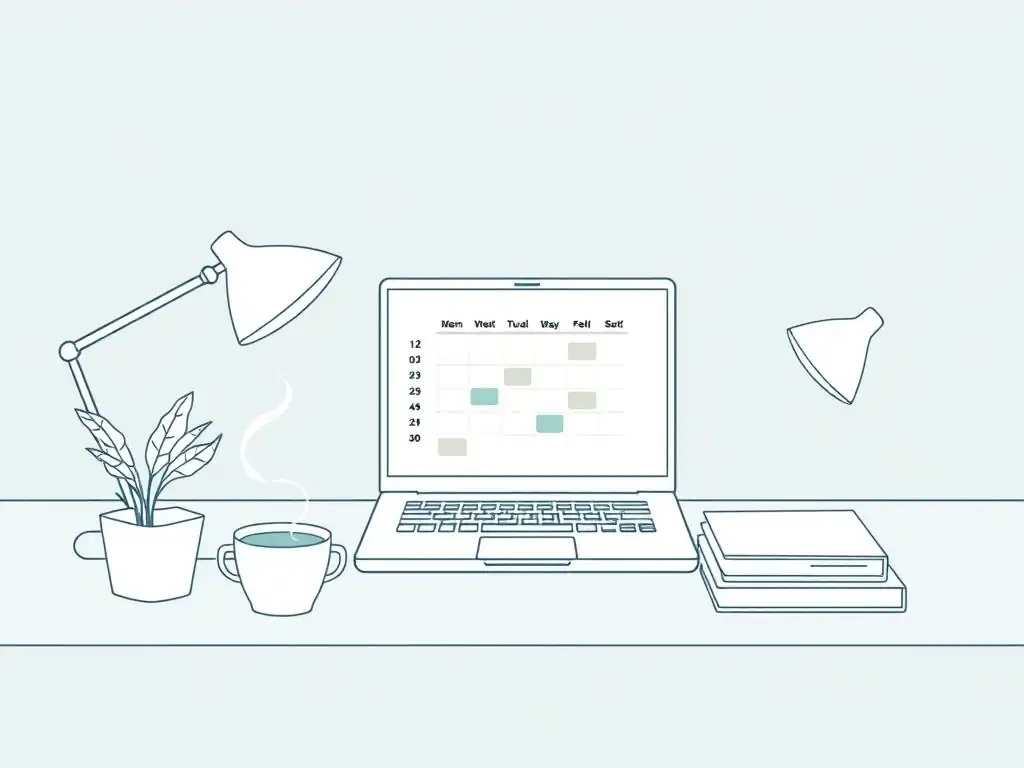
This section explores the crucial intersection of digital wellbeing and workplace productivity. Maintaining a calm and focused work environment necessitates mindful management of technology, a key contributor to both stress and efficiency. We'll delve into practical strategies to harness technology for productivity while mitigating its potential downsides. Effective strategies for achieving "Calm workplace productivity hacks" often begin with a conscious effort to control our digital interactions.
Smartphones and social media, while offering undeniable connectivity, are significant sources of workplace distraction. The constant stream of notifications, updates, and the irresistible urge to check feeds disrupt concentration and reduce overall productivity. The average worker experiences approximately 2.1 interruptions per minute from digital devices, significantly impacting their ability to maintain focus on tasks. 1 To counter this, consider these strategies:
- Turn off non-essential notifications: Silence or disable notifications from social media apps, email, and other non-work-related applications during focused work periods. Consider using "Do Not Disturb" modes on your phone and computer.
- Designate specific "check-in" times: Instead of constantly checking your phone, schedule specific times throughout the day to review messages and social media. This creates boundaries and prevents reactive responses to notifications.
- Utilize website blockers: Apps and browser extensions that block access to distracting websites and social media platforms can be invaluable in maintaining focus. These tools enforce self-imposed limitations, preventing impulsive checks.
- Keep your phone out of sight: The simple act of placing your phone in a drawer or another inaccessible location can significantly reduce the temptation to check it. Visual barriers are effective in minimizing impulsive actions.
- Create a dedicated workspace: A designated workspace free from personal devices and distractions can significantly improve concentration and reduce stress. This physical separation reinforces mental boundaries.
Utilizing Productivity Apps and Tools for Enhanced Workflow
Fortunately, technology also offers powerful tools to enhance productivity and foster a calmer work environment. Many applications are designed to streamline workflows, manage tasks, and improve focus. Strategic use of these tools can significantly contribute to achieving “Calm workplace productivity hacks."
| App Category | Example Apps | Benefits |
|---|---|---|
| Task Management | Todoist, Asana, Trello | Organize tasks, prioritize activities, track progress, reduce mental clutter. |
| Time Management | Focus To-Do, Forest, Freedom | Improve focus, manage time effectively, minimize procrastination. |
| Note-Taking & Collaboration | Evernote, OneNote, Google Docs, Notion | Centralize information, collaborate effectively, reduce reliance on email. |
| Communication | Slack, Microsoft Teams | Streamline communication, reduce email overload, improve team collaboration. |
Choosing the right tools depends on individual preferences and work styles. Experiment with different applications to find those that best suit your needs and enhance your workflow. Remember that the goal is to simplify your digital experience, not to add to the complexity.
Setting Boundaries Between Work and Personal Life for Better Balance
Blurring the lines between work and personal life is a major contributor to stress and reduced productivity. Creating clear boundaries is essential for maintaining a calm and balanced work environment. This is particularly critical in today's remote work landscape where the physical separation between work and home is often absent.
- Establish a dedicated workspace: Even if working from home, designate a specific area for work that is separate from relaxation and leisure spaces. This helps mentally separate work and personal time.
- Set clear working hours: Establish a consistent work schedule and stick to it as much as possible. This helps to avoid working excessive hours and maintain a healthy work-life balance.
- Take regular breaks: Short, regular breaks throughout the workday are crucial for preventing burnout and maintaining focus. Use these breaks to step away from your workspace and engage in relaxing activities.
- Disconnect after work: Establish a clear end-of-workday ritual, such as shutting down your computer and putting away work materials. Resist the urge to check emails or work-related messages after hours.
- Prioritize self-care: Engage in activities that promote relaxation and wellbeing outside of work hours. This could include exercise, hobbies, spending time with loved ones, or simply relaxing.
By implementing these strategies, you can create a more balanced and productive work environment, contributing significantly to overall wellbeing and reducing stress. Remember that achieving "Calm workplace productivity hacks" is an ongoing process of refinement and adjustment.
1 [Specific information pending: Source for interruption statistic]
Cultivating a Positive and Supportive Work Environment
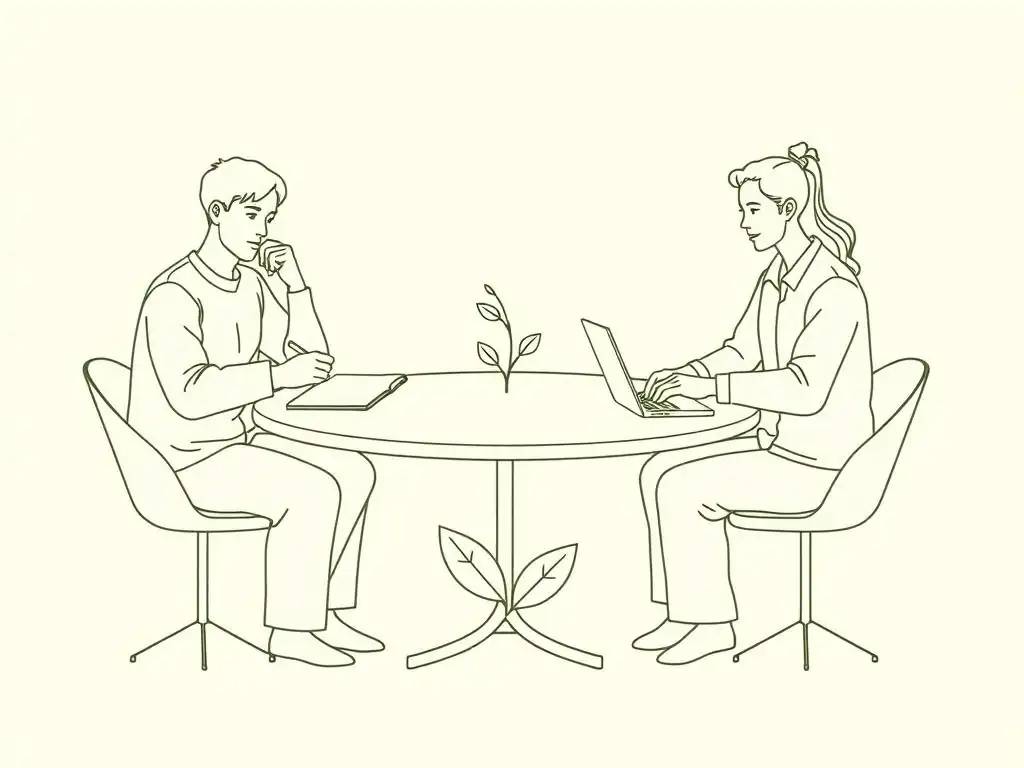
Creating a calm and productive workplace isn't just about individual techniques; it's significantly influenced by the overall atmosphere. A positive and supportive environment fosters collaboration, reduces stress, and ultimately boosts productivity. This section explores practical strategies for cultivating such an environment, focusing on building strong relationships and effective communication, alongside prioritizing self-care. Remember, a calm workplace is a productive workplace, and a key component of achieving this is fostering a sense of teamwork and mutual respect. This directly addresses the core need for "calm workplace productivity hacks".
Building Positive Relationships with Colleagues for a Harmonious Atmosphere
Positive relationships are the bedrock of a harmonious workplace. Building these relationships requires conscious effort and a proactive approach. Small gestures, such as offering help to a struggling colleague or simply acknowledging their efforts with a genuine compliment, can significantly improve workplace dynamics. Regular informal interactions, like team lunches or coffee breaks, can also foster a sense of camaraderie and mutual understanding. Consider implementing team-building activities – even short, informal ones – to encourage collaboration and improve communication. These activities can range from quick brainstorming sessions to collaborative problem-solving exercises. Data shows that teams with strong positive relationships report significantly higher levels of job satisfaction and productivity. 1
Furthermore, actively listening to colleagues' concerns and perspectives is crucial. Showing empathy and understanding, even when disagreements arise, helps to diffuse tension and build trust. Remember, conflict is inevitable, but how you handle it defines the overall atmosphere. A culture of open communication and mutual respect is far more conducive to a calm and productive work environment than one characterized by avoidance or aggression. This directly contributes to finding "calm workplace productivity hacks" by fostering a supportive atmosphere.
Communicating Effectively to Reduce Workplace Conflicts
Effective communication is paramount in preventing and resolving workplace conflicts. Clear, concise, and respectful communication minimizes misunderstandings and fosters a collaborative environment. This means actively listening to others, expressing your thoughts and feelings clearly, and ensuring that your message is understood. Avoid using accusatory or judgmental language, opting instead for "I" statements that focus on your own perspective and feelings. For example, instead of saying "You always interrupt me," try "I feel unheard when I'm interrupted."
Implementing clear communication protocols can further enhance productivity. This could include regular team meetings, using project management tools for task assignments and updates, or establishing clear channels for feedback and conflict resolution. Regular check-ins with colleagues, even brief ones, can help identify potential problems early on, preventing them from escalating into major conflicts.
Studies consistently demonstrate that improved communication directly correlates with reduced workplace stress and increased productivity, making it a vital component of "calm workplace productivity hacks". The benefits extend beyond mere efficiency; it promotes a sense of psychological safety, allowing individuals to contribute their best work without fear of reprisal or misunderstanding.
Practicing Self-Compassion and Self-Care to Maintain Wellbeing
While fostering a positive work environment is crucial, individual wellbeing is equally important for maintaining calm and productivity. Practicing self-compassion involves treating yourself with the same kindness and understanding you would offer a friend. This means acknowledging your limitations, accepting mistakes without self-criticism, and celebrating your achievements. Self-care, on the other hand, encompasses activities that replenish your energy and promote mental and physical health. This could include regular exercise, mindful meditation, sufficient sleep, a healthy diet, and engaging in hobbies outside of work.
Prioritizing self-care isn't selfish; it's essential for long-term productivity and wellbeing. Burnout is a significant problem in many workplaces, and neglecting self-care significantly increases the risk. By incorporating self-compassion and self-care practices into your routine, you build resilience, improve your ability to manage stress, and ultimately enhance your overall productivity. This is a crucial aspect of implementing "calm workplace productivity hacks," recognizing that a calm mind is a productive mind. Investing in your wellbeing is an investment in your productivity, leading to a more sustainable and fulfilling work experience.
1 [Specific data and source pending]
Maintaining a Calm Workplace: Long-Term Strategies
This section focuses on sustainable strategies for cultivating a calm and productive work environment. We'll explore long-term solutions that go beyond quick fixes, focusing on habits and routines that contribute to consistent workplace zen. Achieving a consistently calm workplace isn't a one-time event; it's a journey of cultivating healthy habits and mindful practices. The key is to integrate these strategies into your daily life, transforming your work experience from stressful to serene. This will not only boost your productivity but also improve your overall well-being. Remember, a calm mind is a productive mind.
Implementing Regular Breaks and Physical Activity
Regular breaks are crucial for maintaining focus and preventing burnout. Many people mistakenly believe that working continuously leads to higher productivity. However, research consistently shows the opposite. Short, strategic breaks throughout the workday significantly improve cognitive function and reduce stress.
Consider implementing the Pomodoro Technique: work in focused 25-minute intervals followed by a 5-minute break. After four "pomodoros," take a longer break of 15-20 minutes. During these breaks, incorporate physical activity. A short walk, some stretching, or even a few jumping jacks can significantly boost energy levels and reduce mental fatigue.
Even small amounts of physical activity are beneficial. A study published in the Journal of Occupational and Environmental Medicine found that employees who took short breaks to exercise reported lower levels of stress and improved mood. The data suggested that even 5-10 minutes of light-to-moderate exercise during the workday can make a substantial difference in overall well-being and productivity. Remember, movement is medicine! 🚶♀️🧘♂️
| Break Type | Duration | Activity Suggestion | Benefits |
|---|---|---|---|
| Short Break | 5 minutes | Stretching, deep breathing exercises | Increased focus, reduced muscle tension |
| Long Break | 15-20 min | Walk, light exercise, mindful meditation | Improved mood, increased energy, stress relief |
Prioritizing Sleep and Nutrition for Optimal Cognitive Function
Sufficient sleep and a balanced diet are fundamental to maintaining a calm and productive workplace. Sleep deprivation significantly impacts cognitive function, leading to decreased concentration, impaired decision-making, and increased irritability. Aim for 7-9 hours of quality sleep each night. Establish a consistent sleep schedule, even on weekends, to regulate your body's natural sleep-wake cycle.
Nutrition plays an equally vital role. Avoid sugary snacks and processed foods that can lead to energy crashes and mood swings. Instead, opt for nutrient-rich meals and snacks that provide sustained energy. Include plenty of fruits, vegetables, and whole grains in your diet. Staying hydrated is also crucial; dehydration can lead to fatigue and decreased cognitive performance. 💧🍎🥕
The quality of your sleep directly impacts your ability to focus and manage stress.
- [Expert Name Pending]
Consider keeping healthy snacks at your desk to avoid impulsive unhealthy choices. Pre-portioning snacks can also help with portion control and mindful eating. Planning your meals ahead of time can prevent hasty, unhealthy decisions when hunger strikes.
Creating a Personal Relaxation Ritual to De-Stress After Work
Developing a post-work relaxation ritual is essential for separating work life from personal life. This helps prevent work-related stress from spilling over into your evenings and weekends. The goal is to create a calming transition that signals to your mind and body that the workday is over.
Some examples of effective relaxation rituals include:
- Mindfulness meditation: Even 10-15 minutes of daily meditation can significantly reduce stress and improve mental clarity.
- Gentle exercise: A relaxing yoga session or a leisurely walk can help unwind after a long day.
- Spending time in nature: Exposure to nature has been shown to reduce stress and improve mood.
- Listening to calming music: Choose music with a slow tempo and relaxing melodies.
- Engaging in a hobby: Dedicate time to activities you enjoy, like reading, painting, or knitting.
Finding the right ritual is a personal journey. Experiment with different techniques to discover what works best for you. Consistency is key; make your chosen ritual a regular part of your evening routine. This deliberate act of self-care is an investment in your long-term well-being and productivity. 😌🛀📖
Frequently Asked Questions
How can I create a calmer workplace?
A calm workplace starts with organization. Declutter your desk and workspace, and prioritize tasks to reduce overwhelm. Implement simple mindfulness techniques like short breathing exercises throughout the day.
What are some quick productivity hacks for a busy workday?
Use the Pomodoro Technique (25 minutes work, 5 minutes break) to maintain focus. Batch similar tasks together to minimize context switching. Learn to delegate appropriately to lighten your workload.
How can I minimize workplace distractions?
Turn off notifications on your phone and computer. Communicate your need for focused work time to colleagues. Use noise-canceling headphones or calming background music to block out unwanted sounds.
What role does mindfulness play in workplace productivity?
Mindfulness helps you stay present and focused, reducing stress and improving concentration. Even short mindfulness exercises can significantly boost productivity and well-being. Incorporate mindful breaks into your routine.
How can I maintain a calm and productive environment when working remotely?
Designate a specific workspace free from distractions. Maintain a consistent schedule and take regular breaks to avoid burnout. Use communication tools effectively to stay connected with colleagues without constant interruptions.
Final Reflection: Cultivating Calm in the Chaos of Work
The pursuit of workplace zen isn't a luxury; it's a necessity in today's fast-paced, hyper-connected world. Ignoring the impact of stress and overwhelm on productivity is simply unsustainable. We've explored practical strategies to reclaim focus, manage distractions, and cultivate a more peaceful and productive work environment, but the true power lies in the consistent application of these techniques.
The journey towards a calmer, more focused workplace is a deeply personal one, reflecting our individual needs and working styles. It's about recognizing the interconnectedness of our mental and physical well-being with our professional success. As the Dalai Lama wisely said, Peace is not merely the absence of war, but the presence of justice, of compassion, and of the understanding of others.
This principle extends to the workplace; true productivity flourishes not in a frantic atmosphere, but in an environment of mindful intention and mutual respect.
Now, consider your own workspace. What small changes can you implement today to foster a greater sense of calm and focus? Perhaps it's incorporating a short mindfulness exercise into your routine, decluttering your desk, or setting clearer boundaries between work and personal life. The path to workplace zen begins with a single, conscious step. Embrace the journey, and discover the transformative power of a calmer, more productive you.
Unleash Your Inner Zen Master: Boost Productivity Today!
Thank you for exploring the path to workplace serenity! We hope you found practical strategies to create a calm and focused workspace. Now, let's put those insights into action.
- Prioritize your top three favorite productivity techniques: Begin with small, manageable changes that resonate most with you. This could involve adjusting your lighting, incorporating a brief mindfulness exercise, or decluttering your workspace. Small changes often yield significant results!
- Share this advice with a colleague: Let's cultivate a calmer, more productive work environment together. Consider initiating a conversation about workplace well-being at your next team meeting.
- Explore new relaxation techniques: Expand your toolkit beyond the suggestions in this article. Experiment with guided meditation apps, calming music, or even dedicate five minutes to deep breathing exercises.
Ready to experience the transformative power of a truly serene workspace? What's one small step you'll take today to boost productivity and cultivate inner peace at work?