
UltimateLifeHacks: The Power of No: Saying No to Digital Distractions for More Focus

Welcome to UltimateLifeHacks, your destination for practical strategies to conquer daily chaos and unlock peak productivity. Are you constantly battling digital distractions that steal your focus and derail your day? Discover how to reclaim your time and energy with our insightful guide on "Stop digital distractions now," a deep dive into the art of digital minimalism and the transformative power of saying "no." Learn the secrets to a more focused and fulfilling life – read on to uncover the techniques that will change how you work and live.
- Stop Digital Distractions Now: Reclaiming Your Focus
- Mastering the Art of Saying No to Digital Interruptions
- Practical Techniques to Eliminate Digital Clutter and Improve Focus
- Long-Term Strategies for Maintaining Digital Focus
- Boosting Productivity After Reducing Digital Distractions
-
Frequently Asked Questions
- How can I stop digital distractions from derailing my focus?
- What are some practical techniques to minimize digital distractions?
- How can I improve my self-discipline to resist digital distractions?
- Are there any apps or tools that can help me manage digital distractions?
- What if I'm struggling to say no to digital distractions even with these techniques?
- Final Reflection: Reclaiming Your Time, Reclaiming Yourself
- Reclaim Your Focus: Master the Art of Saying No
Stop Digital Distractions Now: Reclaiming Your Focus
In today's hyper-connected world, the constant barrage of notifications, emails, and social media updates can feel inescapable. We're bombarded with information, vying for our attention every minute of the day. This relentless digital stimulation significantly impacts our focus, productivity, and overall well-being.
This article dives into the power of saying "no" to digital distractions, offering practical strategies to reclaim your focus and cultivate a more mindful relationship with technology. We’ll explore how to identify your personal digital time-sinks, understand the detrimental effects of constant connectivity, and implement actionable steps to regain control of your attention and enhance your productivity. Learning to effectively manage digital distractions is not just about improving efficiency; it's about prioritizing your mental health and creating space for genuine connection and meaningful experiences.
Ultimately, mastering the art of saying "no" to digital noise is a crucial step towards a more balanced and fulfilling life – a life where you're in control, not your devices. This guide will help you achieve that.
The first step to conquering digital distractions is identifying your personal weaknesses. What apps or activities consistently pull your attention away from your tasks? For many, the culprits are obvious:
- Social Media: Scrolling through endless feeds on platforms like Instagram, Facebook, or TikTok can easily consume hours. The addictive design of these platforms, with their constant stream of updates and notifications, makes it difficult to resist the urge to check.
- Email: The constant influx of emails, both personal and professional, can be overwhelming. The pressure to respond immediately to every message can lead to fragmented attention and decreased productivity.
- News and Entertainment Websites: The readily available stream of news and entertainment online can be a significant distraction. The constant updates and breaking news alerts can make it difficult to maintain focus on your work.
- Gaming: Mobile games and online games can be highly addictive, leading to significant time loss and reduced productivity.
- Messaging Apps: Instant messaging apps, such as WhatsApp, Messenger, and Telegram, can lead to constant interruptions and a feeling of being "always on."
To pinpoint your biggest time-wasters, try tracking your digital usage for a week. Note how much time you spend on each app and website. You might be surprised by the results! This awareness is the first step towards regaining control. Consider using built-in screen-time tracking features on your phone or computer, or dedicated apps designed for this purpose. A simple spreadsheet can also work wonders. The goal isn't necessarily to eliminate these platforms entirely, but to become more mindful of their consumption and set boundaries.
The High Cost of Constant Connectivity: Impact on Productivity and Wellbeing
The constant connectivity afforded by our devices, while offering many benefits, comes at a cost. The relentless stream of information and notifications can lead to:
- Reduced Productivity: Studies have shown a significant correlation between frequent digital distractions and decreased productivity. Switching between tasks constantly reduces efficiency and increases the time it takes to complete projects. The brain simply isn't designed for constant context switching. 😫
- Increased Stress and Anxiety: The constant pressure to respond to messages and notifications can lead to increased stress and anxiety. Feeling overwhelmed and constantly "on" can negatively impact mental health.
- Sleep Disturbances: The blue light emitted from screens can interfere with sleep patterns. Checking emails or social media before bed can make it difficult to fall asleep and reduce the quality of sleep. 😴
- Weakened Attention Span: Constant exposure to digital distractions can weaken the attention span, making it more difficult to focus on tasks requiring sustained concentration. This can impact academic performance, work output, and overall cognitive function.
- Reduced Real-Life Interactions: Spending excessive time online can lead to reduced real-life interactions and social isolation. Prioritizing digital communication over face-to-face interactions can negatively impact social skills and relationships.
The impact of digital distractions is far-reaching, affecting not only our productivity but also our mental and physical well-being. By consciously addressing these distractions, we can create a more balanced and fulfilling life. The following sections will provide practical strategies to help you regain control and reclaim your focus.
Mastering the Art of Saying No to Digital Interruptions
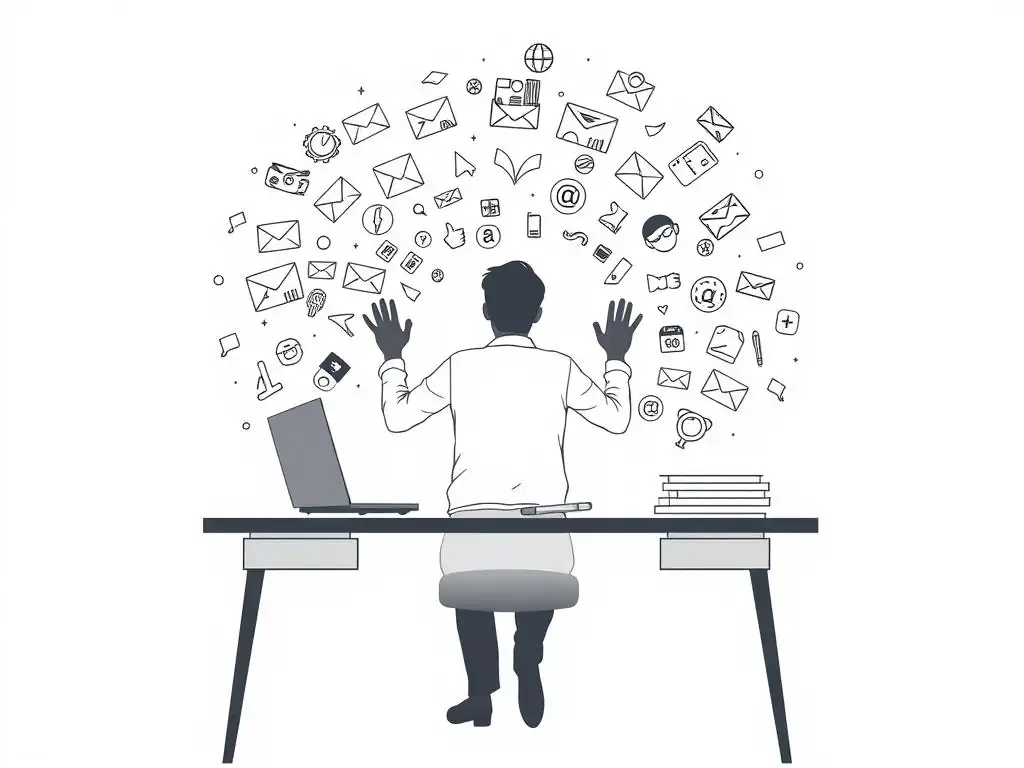
This section delves into practical strategies to effectively minimize digital distractions and reclaim your focus. We'll explore techniques to establish boundaries, leverage technology for better control, and implement powerful "no" strategies in your professional life. Learning to say "no" to unnecessary digital engagement is crucial for boosting productivity and improving overall digital wellbeing. The ability to Stop digital distractions now is a skill that can be learned and honed, leading to a more focused and fulfilling life.
Setting Boundaries: Defining Your Digital Detox Time
Defining specific times for disconnecting from digital devices is paramount to reclaiming your attention. This isn't about completely abandoning technology, but rather creating intentional periods free from constant notifications and the urge to check emails or social media. Think of it as a scheduled "digital detox."
Consider these practical steps:
- Establish consistent "screen-free" hours: For example, dedicate the hour before bed and the first hour after waking to activities free from screens. This allows for better sleep and a more mindful start to the day.
- Schedule dedicated focus blocks: Allocate specific time slots in your day solely for deep work, completely free from digital interruptions. Turn off all notifications and put your phone on "Do Not Disturb."
- Create a "digital sunset" ritual: An hour before bed, dim the lights, put away your phone, and engage in relaxing activities such as reading a physical book or taking a warm bath. This signals to your brain that it's time to unwind.
- Weekends are for disconnecting: Consider designating one day a week, or even just a few hours on the weekend, as completely screen-free time. Use this time to reconnect with yourself, your loved ones, and the world around you.
Implementing these strategies requires discipline, but the rewards—improved focus, reduced stress, and better sleep—are well worth the effort. Remember, it's about Stop digital distractions now, and creating a healthier relationship with technology.
Utilizing Technology to Minimize Distractions: App Blockers and Focus Modes
Ironically, technology itself can be a powerful tool in minimizing digital distractions. Several apps and built-in features on smartphones and computers offer impressive capabilities for managing and limiting digital interruptions. These tools help you regain control and enforce the boundaries you've established.
Here are some examples:
- App Blockers: These apps allow you to schedule specific times to block access to distracting apps like social media or games. Examples include Freedom, Cold Turkey, and Forest. These apps offer varying levels of customization, allowing you to tailor them to your specific needs and preferences.
- Focus Modes: Many operating systems now include built-in focus modes or "Do Not Disturb" features. These features allow you to silence notifications and limit access to certain apps during specific periods. This is a simple yet effective way to minimize interruptions without installing additional software.
- Website Blockers: Similar to app blockers, these tools restrict access to specific websites known for time-consuming content. This can be particularly helpful for those struggling with procrastination or excessive browsing.
By strategically using these technological tools, you can create a more focused and productive environment, further empowering your efforts to Stop digital distractions now. Experiment with different apps and features to find the combination that best suits your workflow and preferences.
The Power of "No" in the Workplace: Email Management and Meeting Strategies
Extending the principle of saying "no" to your professional life is crucial for maintaining focus and avoiding digital overload. Effective email management and strategic meeting participation are key components of this.
Consider these strategies:
| Strategy | Description | Impact |
|---|---|---|
| Batch Email Processing | Check and respond to emails only at designated times, rather than constantly checking throughout the day. | Reduces constant interruptions and allows for more focused work periods. |
| Unsubscribe from Newsletters | Aggressively unsubscribe from unnecessary email newsletters and mailing lists to reduce inbox clutter and distractions. | Significantly reduces email volume and improves inbox management. |
| Use Email Filters | Utilize email filters to automatically sort and categorize emails, prioritizing important messages and filtering out less urgent ones. | Streamlines email processing and reduces the need for constant sorting. |
| Strategic Meeting Participation | Only attend meetings that are absolutely necessary. If possible, delegate attendance or request summaries. | Prevents unnecessary time spent in unproductive meetings. |
| Set Clear Meeting Agendas | Ensure all meetings have clear agendas and time limits to maximize efficiency and minimize unnecessary discussions. | Improves meeting productivity and reduces wasted time. |
| Decline Unnecessary Meetings | Politely decline invitations to meetings that don't directly align with your priorities or contribute to your objectives. | Protects your time and allows for focused work on higher-priority tasks. |
Implementing these strategies will significantly improve your workplace productivity and reduce the stress associated with constant digital interruptions. Remember, saying "no" strategically is not about being rude; it's about prioritizing your time and energy effectively. It's a crucial step in learning to Stop digital distractions now and reclaiming control of your professional life.
Practical Techniques to Eliminate Digital Clutter and Improve Focus
This section provides actionable strategies to minimize digital distractions and cultivate a more focused mindset. We'll explore practical techniques to declutter your digital environment, consume digital content mindfully, and schedule dedicated breaks to prevent burnout. Remember, the goal is to Stop digital distractions now and reclaim control of your time and attention.
Decluttering Your Digital Workspace: Organizing Files and Apps
A cluttered digital workspace mirrors a cluttered mind. Start by organizing your computer files. Implement a consistent naming convention (e.g., YYYYMMDD_Project_Name) and create a clear folder structure. Consider using cloud storage services for backup and easy access across devices. This will significantly reduce the time spent searching for documents and improve overall workflow efficiency.
Next, tackle your apps. Uninstall unused or rarely used applications. Many apps run in the background, consuming resources and potentially sending notifications. Removing unnecessary apps reduces clutter and minimizes the temptation to switch tasks. Consider grouping apps into folders on your phone and computer for better organization. For example, you could have folders for "Productivity," "Communication," and "Entertainment." Regularly review your app usage to identify potential time-wasters and proactively address them. This proactive approach will help you Stop digital distractions now and regain control over your digital life.
A well-organized digital environment contributes significantly to a focused and productive state. Think of it as a digital spring cleaning – a necessary step towards enhancing your digital wellbeing. The time invested in decluttering your digital workspace will pay off handsomely in terms of increased productivity and reduced stress.
Mindful Digital Consumption: Choosing Quality Over Quantity
Mindless scrolling through social media or endlessly checking emails are major contributors to digital distraction. To combat this, cultivate mindful digital consumption. Instead of passively consuming endless streams of information, actively choose what you consume. Prioritize high-quality content that aligns with your goals and interests.
Consider setting time limits for social media and email. Use built-in features or third-party apps to track your usage and enforce these limits. This helps prevent you from falling into the trap of endless scrolling. Furthermore, be selective about who you follow on social media. Unfollow accounts that trigger negative emotions or distract you from your priorities.
Remember, quality over quantity. A few carefully chosen sources of information are far more valuable than a constant barrage of notifications and superficial content. This mindful approach will empower you to Stop digital distractions now and focus on what truly matters. This shift in perspective will improve your overall digital wellbeing.
Scheduling Dedicated Digital Break Time: Preventing Burnout
Just as physical breaks are crucial for productivity, so are digital breaks. Regularly stepping away from screens allows your mind to rest and recharge. Schedule dedicated periods throughout your day where you disconnect completely from digital devices. This could involve a short walk, meditation, or engaging in a hobby.
Consider using the Pomodoro Technique: work in focused bursts (e.g., 25 minutes) followed by short breaks (e.g., 5 minutes). During these breaks, consciously avoid screens. Longer breaks (e.g., 30 minutes) can be scheduled after several work cycles. This structured approach ensures you remain productive while preventing burnout.
The key is consistency. Regular digital detox periods will significantly improve your ability to focus and reduce stress. By incorporating these mindful breaks into your daily routine, you effectively Stop digital distractions now and prioritize your mental and emotional well-being. This proactive approach to digital wellbeing will lead to a more balanced and fulfilling life.
Long-Term Strategies for Maintaining Digital Focus
This section explores sustainable methods to minimize digital distractions and cultivate a more focused life. We move beyond quick fixes and delve into strategies that foster long-term behavioral changes, leading to a significant improvement in your productivity and overall well-being. The key is to build a mindful relationship with technology, rather than being controlled by it. Remember, the goal isn't to eliminate technology entirely, but to regain control over its impact on your life. This involves actively choosing what digital tools you engage with and how you use them, rather than passively reacting to notifications and impulses.
Cultivating a Digital Minimalist Lifestyle: A Step-by-Step Guide
Embracing digital minimalism is crucial for long-term focus. It's not about deprivation; it's about intentional consumption. Here's a practical, step-by-step guide to help you cultivate a more mindful relationship with technology:
- Digital Detox: Start with a short-term digital detox (a weekend, perhaps?). This allows you to assess your dependence and identify your biggest time-wasters. Notice how you feel when disconnected – more present, calmer, perhaps even more energized? This awareness is the first step.
- App Audit: Analyze your phone and computer apps. Which are essential? Which are time-sinks? Uninstall unnecessary apps. For those you keep, consider using app blockers or setting time limits.
- Notification Management: Aggressively manage your notifications. Disable all non-essential notifications. For crucial apps, allow only specific alerts (e.g., calls from close contacts).
- Social Media Detox: Consider reducing your social media usage. Schedule specific times for checking updates, rather than passively scrolling throughout the day. Try replacing social media with activities that bring you real joy and fulfillment.
- Mindful Consumption: Before downloading a new app or subscribing to another service, ask yourself: "Do I really need this? Will it add value to my life, or will it just distract me?" Choose quality over quantity.
Building Resilience to Digital Distractions: Developing Strong Habits
Consistent effort is key to building resilience against digital distractions. This involves cultivating strong habits that support your focus and minimize impulsive digital engagement. Think of it as building mental muscles to resist temptation.
- Scheduled Breaks: Incorporate regular breaks into your workday. These breaks should be digital-free. Go for a walk, meditate, or engage in a hobby. This helps prevent burnout and improves your ability to focus during work periods.
- Mindfulness Practices: Regular mindfulness exercises, such as meditation, can significantly improve your ability to resist impulsive behaviors, including reaching for your phone. Even short, daily meditation sessions can make a big difference.
- Designated Workspaces: Create a dedicated workspace free from digital distractions. This physical separation reinforces the mental separation needed for focused work.
- Technology-Free Zones: Establish technology-free zones in your home, such as the bedroom or dining area. This helps create boundaries between work/screen time and relaxation/family time. This promotes better sleep and strengthens relationships.
- Accountability Partner: Share your goals with a friend or family member who can support you and hold you accountable. Having someone to check in with can provide extra motivation and encouragement.
Prioritizing Real-Life Connections Over Digital Interactions
Often, digital distractions stem from a lack of fulfilling real-life connections. Prioritizing genuine interactions can significantly reduce your reliance on digital stimulation for emotional fulfillment.
| Activity | Benefits | Time Commitment |
|---|---|---|
| Spending time with loved ones | Strengthens relationships, reduces stress, boosts happiness and well-being | Flexible |
| Engaging in hobbies | Provides a sense of accomplishment, reduces stress, promotes self-care | Flexible |
| Participating in community activities | Fosters a sense of belonging, expands social circles, provides new experiences | Varies |
| Exercising | Improves physical and mental health, reduces stress, boosts energy levels | Flexible |
Remember, stopping digital distractions is a journey, not a destination. Be patient with yourself, celebrate your progress, and don't be afraid to adjust your strategies along the way. By consistently implementing these long-term strategies, you can cultivate a more focused, fulfilling, and balanced life. You'll be well on your way to saying "Stop digital distractions now!" and reclaiming your time and attention. The benefits extend far beyond increased productivity; they encompass improved mental clarity, stronger relationships, and a greater sense of overall well-being. 🎉
Boosting Productivity After Reducing Digital Distractions
This section explores the tangible benefits you'll experience in your productivity after successfully implementing strategies to Stop digital distractions now. By consciously minimizing digital interruptions, you unlock significant potential for increased efficiency and overall well-being. The impact isn't just about having more free time; it's about qualitative improvements in how you use your time.
Increased Focus and Improved Task Completion
One of the most immediate benefits of minimizing digital distractions is a noticeable improvement in focus. When you're not constantly bombarded with notifications, emails, and social media updates, your brain is better able to concentrate on the task at hand. This leads to improved task completion rates. Studies have shown that even brief interruptions can significantly reduce cognitive performance, resulting in longer completion times and increased error rates. 1 By eliminating these interruptions, you create space for deep work, allowing for more efficient and effective task management. For instance, a typical workday might see a 20% decrease in completed tasks due to digital distractions. Reducing these distractions by 50% could translate to a 10% increase in your daily output. This is a considerable gain, especially when compounded over time. You'll find yourself finishing projects faster, with higher quality, and experiencing a greater sense of accomplishment. This improved focus is not merely anecdotal; it's a demonstrable effect of reducing cognitive load.
Reduced Stress and Enhanced Mental Clarity
The constant influx of digital information can be incredibly stressful. The pressure to respond immediately to notifications, the fear of missing out (FOMO), and the overwhelming nature of endless online content contribute to a state of chronic low-grade anxiety. By consciously choosing to disconnect from these sources of stress, you create space for mental clarity and reduced anxiety. Think of it like decluttering your physical space – removing unnecessary items creates a sense of calm and order.
Similarly, reducing digital clutter frees up mental space, allowing you to think more clearly and make better decisions. This leads to a reduction in stress hormones, improved sleep quality, and a greater sense of overall well-being. The impact on your mental health is profound; you'll experience less overwhelm and a more peaceful state of mind. This improved mental clarity directly impacts productivity by allowing for more creative problem-solving and strategic thinking.
More Time for Meaningful Activities and Hobbies
Perhaps the most rewarding outcome of reducing digital distractions is the discovery of extra time for activities that truly matter. This isn't just about "free time"; it's about reclaiming time for meaningful pursuits, hobbies, and personal relationships. Instead of passively scrolling through social media, you might find yourself spending that time reading a book, pursuing a creative hobby, exercising, or spending quality time with loved ones.
This shift in focus leads to a more balanced and fulfilling life, boosting overall happiness and reducing feelings of burnout. Consider tracking your time usage before and after implementing digital detox strategies. You might be surprised by how much time you previously spent on less productive activities.
This reclaimed time can be reinvested in activities that nourish your soul and enhance your well-being, creating a positive feedback loop between productivity and personal fulfillment. It's about consciously choosing to invest your time in what truly matters, leading to a more balanced and satisfying life.
1 [Specific study data pending]
Frequently Asked Questions
How can I stop digital distractions from derailing my focus?
The key is intentional disengagement. Start by identifying your biggest time-wasters (social media, email, etc.) and actively limit your access to them during focused work periods. Use website blockers or app timers to enforce these boundaries.
What are some practical techniques to minimize digital distractions?
Try the Pomodoro Technique, working in focused bursts with short breaks. Turn off notifications on your devices and consider using a distraction-free browser or workspace. Prioritize tasks and tackle the most important ones first.
How can I improve my self-discipline to resist digital distractions?
Mindfulness is crucial. Practice being aware of your impulses to check your phone or other devices. Gradually build your resistance by setting small, achievable goals and rewarding yourself for success. Replace distracting habits with healthier ones.
Are there any apps or tools that can help me manage digital distractions?
Yes! Many apps like Freedom, Forest, and Cold Turkey block distracting websites and apps. Time management tools like Toggl Track can help you monitor your time usage and identify areas for improvement. Explore options and find what works best for you.
What if I'm struggling to say no to digital distractions even with these techniques?
Don't be discouraged! It's a process. Seek support from friends, family, or a therapist. Re-evaluate your strategies and adjust them as needed. Remember that consistent effort leads to lasting change.
Final Reflection: Reclaiming Your Time, Reclaiming Yourself
The relentless barrage of digital notifications is not just an annoyance; it's a silent thief, stealing our focus, our peace, and ultimately, our lives. We've explored the insidious ways digital distractions chip away at our productivity and well-being, leaving us feeling overwhelmed and disconnected. This isn't just about managing our time; it's about reclaiming our agency in a world designed to constantly grab our attention.
The power of "no," as we've discussed, isn't about being antisocial or rejecting progress; it's about discerning what truly matters and prioritizing those things. It's about creating space for genuine connection, deep work, and self-reflection—things that are often sacrificed at the altar of constant connectivity. The price of anything is the amount of life you exchange for it,
as Henry David Thoreau wisely observed. This rings especially true in our hyper-connected age, where the constant influx of information can leave us feeling depleted and unfulfilled. We must learn to be more selective about what we consume, both digitally and otherwise.
Now, consider your own digital habits. What distractions are consistently pulling you away from your goals? What areas of your life could benefit from a more intentional approach to technology? I urge you to take a moment, right now, to consciously choose what you will say "yes" to, and, equally important, what you will say "no" to. By consciously curating your digital experience, you can create a life that is richer, more meaningful, and far less fragmented. The power to shape your reality lies within your ability to say "no" – and to embrace the quiet power of focus.
Reclaim Your Focus: Master the Art of Saying No
Thank you for exploring the power of saying "no" to digital distractions! We hope you feel empowered to regain control of your focus and productivity. Ready to put these strategies into action?
- Prioritize what you'll avoid: Identify three digital distractions you'll actively avoid for the next week. Writing them down helps solidify your commitment.
- Share your progress: Tell us about your successes and challenges in the comments below. Let's build a supportive community of focused individuals!
- Try a digital detox: Even a short break from screens—an hour, for example—can reveal surprising improvements in mental clarity.
What's one digital distraction you're ready to eliminate today? Share it in the comments!