
The Science of Tech Detox: Why It Works and How to Make It Effective


Ready to reclaim your time and boost your productivity? At UltimateLifeHacks, we're dedicated to helping you optimize your daily life. But what if the key to unlocking ultimate efficiency lies in disconnecting? Our latest article on Tech Detox benefits productivity explores the surprising science behind digital minimalism and how a strategic break from technology can dramatically improve your focus and well-being. Discover the transformative power of a tech detox and learn practical strategies to make it work for you. Dive in and unlock your potential!
- Understanding the Tech Detox Benefits for Productivity
-
Designing Your Personalized Tech Detox Plan: A Step-by-Step Guide
- Assessing Your Current Tech Usage: Identifying Problem Areas
- Setting Realistic Goals: Avoiding Overwhelm and Ensuring Success
- Choosing Your Detox Method: Digital Minimalism vs. Complete Digital Disconnection
- Scheduling Your Tech Detox: Integrating it into Your Daily Routine
- Building a Support System: Accountability and Encouragement
-
Maintaining Your Tech-Free Momentum: Strategies for Long-Term Success
- Identifying and Addressing Triggers: Preventing Relapse
- Integrating Mindfulness and Digital Wellbeing Practices
- Re-introducing Technology Mindfully: Avoiding Old Habits
- Long-Term Benefits of Tech Detox for Overall Well-being and Productivity
- Creating a Sustainable Digital Lifestyle: Balancing Technology and Real Life
- Tech Detox and Productivity: Case Studies and Real-World Examples
- Beyond Productivity: The Holistic Benefits of a Tech Detox
- Frequently Asked Questions
- Final Reflection: Reclaiming Your Time, Reclaiming Yourself
- Reclaim Your Focus: Start Your Tech Detox Journey Today!
Understanding the Tech Detox Benefits for Productivity
Our increasingly digital world offers incredible convenience, but constant connectivity comes at a cost. The incessant notifications, the endless scroll, the pressure to stay "always on"—these contribute to a state of digital overload that significantly impacts our productivity and overall well-being. This article delves into the science behind tech detox, exploring how disconnecting from technology can dramatically boost your focus, improve cognitive function, and ultimately enhance your productivity.
We'll examine the neurological effects of excessive screen time, the connection between digital minimalism and improved work output, and practical strategies for implementing an effective tech detox that aligns with your lifestyle and goals. Understanding the science behind these benefits empowers you to make informed choices about your technology usage, paving the way for a more balanced and productive life.
This is crucial for anyone seeking to optimize their daily routines and reclaim control over their time and attention. The benefits of a well-executed tech detox extend far beyond simply reducing screen time; it's about cultivating a mindful relationship with technology that serves you, rather than the other way around.
The Neuroscience of Digital Overload and its Impact on Focus
Our brains are not designed for the constant stimulation of modern technology. The relentless stream of notifications triggers the release of dopamine, a neurotransmitter associated with reward and pleasure. While initially rewarding, this constant dopamine surge leads to a phenomenon known as dopamine depletion.
This depletion results in decreased focus, impaired concentration, and difficulty completing tasks. Studies have shown a direct correlation between excessive screen time and reduced attention spans. Furthermore, the multitasking encouraged by our digital lives fragments our attention, making it harder to engage deeply with any single task.
The constant switching between apps and notifications weakens our ability to concentrate, leading to decreased productivity and increased feelings of overwhelm. Think of it like this: your brain's executive function, responsible for planning, organizing, and prioritizing, becomes overloaded and less efficient, much like a computer running too many programs simultaneously. This neurological impact is why a tech detox can be so transformative for focus and concentration.
How Excessive Screen Time Affects Cognitive Function and Mental Well-being
Beyond impacting focus, excessive screen time negatively affects various cognitive functions. Research indicates a link between prolonged screen exposure and impaired memory, reduced problem-solving abilities, and decreased creativity. The blue light emitted from screens can disrupt sleep patterns, further exacerbating cognitive impairment. Sleep deprivation directly impacts memory consolidation and cognitive processing speed, leading to reduced productivity and increased errors.
Moreover, the constant exposure to social media and news feeds can contribute to anxiety, stress, and feelings of inadequacy. These negative emotions further diminish cognitive function and hinder productivity. A tech detox, by reducing exposure to these stressors, allows the brain to rest and recover, improving cognitive function and promoting mental well-being. The improved mental clarity and reduced stress levels directly translate to increased efficiency and productivity.
The Link Between Tech Detox and Improved Productivity: A Scientific Perspective
The evidence strongly suggests a direct link between tech detox and improved productivity. By reducing digital distractions and allowing for periods of focused attention, a tech detox allows your brain to engage in deep work, leading to higher-quality output in less time. This is supported by studies showing increased efficiency and improved task completion rates among individuals who practice regular digital detoxing.
The benefits extend beyond individual productivity; improved focus and cognitive function also contribute to better collaboration and teamwork in professional settings. Furthermore, a tech detox fosters a healthier work-life balance, reducing burnout and improving overall job satisfaction.
The improved mental well-being resulting from a tech detox contributes significantly to sustained productivity, making it a valuable tool for anyone aiming for long-term success and fulfillment. The key is to approach a tech detox not as a punishment, but as a strategic intervention to optimize your cognitive resources and enhance your overall performance.
Measuring the Impact: Quantifying Productivity Gains After a Tech Detox
Measuring the specific productivity gains from a tech detox can be challenging, as it's difficult to isolate the impact of technology from other contributing factors to productivity. However, several methods can help quantify the improvements. One approach is to track key performance indicators (KPIs) before, during, and after the detox. For example, if you're a freelance writer, you could track words written per hour, or if you're a project manager, you might monitor the number of completed tasks per day. Maintaining a detailed journal documenting your work habits and output provides valuable data for comparison.
Another effective method involves using time-tracking apps or techniques like the Pomodoro Technique, both before and after the detox. These tools offer insights into where your time is spent, revealing how much time was previously lost to unproductive technology use. By comparing the pre- and post-detox data, you can pinpoint the time saved and potentially translate that into tangible productivity gains. For instance, a comparison might reveal a 20% increase in focused work hours after eliminating social media distractions.
Furthermore, subjective measures can also be valuable. Consider self-assessments using scales that rate focus, energy levels, and overall productivity. These subjective measures, while not as precise as quantitative data, offer valuable qualitative insights into the overall impact of the tech detox on your well-being and performance. For instance, you might use a simple five-point scale to rate your focus before and after the detox, noting any significant changes in your perception of your own productivity.
It's crucial to remember that the results will vary depending on individual circumstances and the intensity of the tech detox. A complete digital abstinence will likely yield more significant results than a more moderate approach. The key is to establish a baseline before starting the detox and then meticulously track your productivity metrics throughout the process.
This allows for a more accurate assessment of the benefits and helps to personalize your approach for future tech detoxes, optimizing the process for maximum productivity enhancement. Remember to be patient and consistent in your tracking – consistent data collection is key to obtaining meaningful results. The more diligent you are, the more clearly you'll see the positive impact of a tech detox on your productivity.
Designing Your Personalized Tech Detox Plan: A Step-by-Step Guide

This section provides a practical, step-by-step guide to crafting a tech detox plan tailored to your specific needs and lifestyle. Remember, a successful tech detox isn't about complete abstinence; it's about regaining control and optimizing your relationship with technology to boost productivity and overall well-being. The key is to find a balance that works for you, minimizing distractions while leveraging technology's benefits. This process focuses on enhancing your productivity by strategically reducing technological interference.
Assessing Your Current Tech Usage: Identifying Problem Areas
Before embarking on a tech detox, it's crucial to understand your current tech consumption habits. This self-assessment helps you pinpoint specific areas needing attention. Consider these questions:
- Which apps consume the most time? Use your phone's built-in screen time tracking or download a dedicated app to analyze your usage patterns. Identify the top time-consuming apps and categorize them (social media, gaming, news, etc.). This data provides a concrete starting point for your detox.
- What are your peak tech usage times? Are you glued to your phone during specific times of the day (e.g., before bed, during work breaks)? Identifying these peak times allows for strategic planning, enabling you to implement specific strategies during those periods.
- How does excessive tech use impact your productivity? Honestly assess how much time you lose daily due to distractions from technology. Do you find yourself constantly checking emails, notifications, or social media, hindering your ability to focus on important tasks? Quantifying this impact will highlight the benefits of a tech detox.
- What are your tech-related triggers? Stress, boredom, or loneliness often lead to increased tech use. Recognizing these triggers is key to developing coping mechanisms and replacing unhealthy tech habits with healthier alternatives.
For example, let's say your analysis reveals you spend three hours daily on social media, primarily between 7 PM and 10 PM, significantly impacting your sleep and morning productivity. This data informs the creation of specific, targeted strategies within your tech detox plan.
Setting Realistic Goals: Avoiding Overwhelm and Ensuring Success
Setting achievable goals is paramount for a successful tech detox. Avoid drastic changes that can lead to overwhelm and relapse. Instead, focus on incremental improvements. Start small and gradually increase the intensity of your detox as you build momentum and confidence.
Consider these strategies for setting realistic goals:
- Start with one app or platform: Instead of eliminating all technology at once, focus on curbing usage of one particularly problematic app initially. For instance, you could limit your daily Instagram usage to 30 minutes.
- Schedule specific tech-free times: Designate specific periods throughout the day or week as completely tech-free. This might involve an hour before bed, a morning routine without your phone, or a weekend afternoon dedicated to offline activities.
- Track your progress: Use a journal or app to monitor your tech usage and celebrate milestones. This positive reinforcement helps maintain motivation and provides a clear picture of your progress.
- Don't be afraid to adjust your goals: If a goal proves too challenging, don't be discouraged. Adjust it to make it more manageable. Flexibility is crucial for long-term success. The goal is sustainable change, not immediate perfection.
Remember, the aim is to improve your productivity and well-being, not to create an unsustainable lifestyle change. Gradual progress is far more effective than sudden, drastic measures.
Choosing Your Detox Method: Digital Minimalism vs. Complete Digital Disconnection
There's a spectrum of tech detox approaches, ranging from mindful digital minimalism to complete digital disconnection. The best method depends on individual needs and preferences.
- Digital Minimalism: This approach advocates for intentional technology use. It emphasizes choosing which technologies to incorporate into your life, ensuring they align with your values and goals. This allows for continued use of beneficial technologies while minimizing distractions. It's about conscious selection, not complete elimination.
- Complete Digital Disconnection: This involves a temporary or permanent removal of technology from your life. This might involve unplugging for a weekend retreat, a week-long digital sabbatical, or a more permanent shift away from certain technologies. This method can be more intense and is suitable for individuals seeking a significant break from technology. However, it might not be sustainable for everyone.
The choice between these methods depends on your personal circumstances, goals, and the severity of your tech addiction. The most important aspect is choosing a method that is sustainable and leads to improved productivity and well-being. Experimentation and adjustment are key to finding the perfect balance. The ultimate goal is to harness the power of technology for productivity without letting it control your life.
Scheduling Your Tech Detox: Integrating it into Your Daily Routine
Integrating a tech detox into your daily routine requires careful planning and commitment. It's not about abruptly abandoning all technology; instead, it's about consciously curating your tech usage to maximize its benefits and minimize its drawbacks. Think of it as scheduling "tech-free" time, much like you would schedule a workout or a meeting. The key is consistency.
Start small. Instead of aiming for a complete digital fast immediately, begin with manageable goals. For example, dedicate one hour each evening, from 7 PM to 8 PM, as a completely tech-free zone. During this time, engage in activities that promote relaxation and well-being, such as reading a physical book, spending time with loved ones, or practicing mindfulness. Gradually increase this tech-free period as you become more comfortable.
Another effective strategy is to establish tech-free zones in your home. Designate specific areas, like your bedroom or dining room, as technology-free spaces. This helps create boundaries and reinforces your commitment to the detox. Avoid bringing your phone or laptop into these areas, and encourage others in your household to do the same. This simple change can significantly improve your sleep quality and family interactions.
Consider using a timer to track your tech usage during the day. Many smartphones have built-in screen time trackers that can provide valuable insights into your digital habits. This data can help you identify peak usage times and areas where you might be over-reliant on technology. Armed with this information, you can strategically schedule your tech-free periods to coincide with times when you tend to use technology excessively.
Remember, consistency and gradual increases are key to successful integration. Don't get discouraged if you slip up; simply adjust your plan and continue moving forward. The goal is sustainable change, not perfection.
Building a Support System: Accountability and Encouragement
A successful tech detox often relies heavily on a supportive network. Sharing your goals with friends, family, or colleagues can provide the accountability and encouragement you need to stay on track. Having someone to check in with regularly can significantly boost your motivation and help you overcome challenges.
Consider finding a tech detox buddy – someone who shares similar goals and can provide mutual support. This could be a friend, family member, or even a colleague. Regular check-ins, whether in person or via phone calls (without excessive screen time, of course! ), can help you stay accountable and share your experiences. This shared journey can significantly increase the likelihood of success. Celebrate milestones together and offer each other encouragement when things get tough.
If you find yourself struggling, don't hesitate to reach out to your support system. They can offer valuable insights, provide motivation, and help you brainstorm solutions to overcome obstacles. Remember, you're not alone in this process. Many people benefit from reducing their tech usage, and a strong support system can make all the difference.
Furthermore, consider joining online communities or groups focused on digital wellbeing or minimalism. These platforms offer a wealth of information, support, and inspiration from others navigating similar journeys. Sharing your experiences and learning from others can provide a powerful sense of community and motivation. The collective support and shared experiences can make the process less daunting and more rewarding. Remember, building a strong support network is a crucial element in achieving a successful and sustainable tech detox that truly benefits your productivity.
Maintaining Your Tech-Free Momentum: Strategies for Long-Term Success
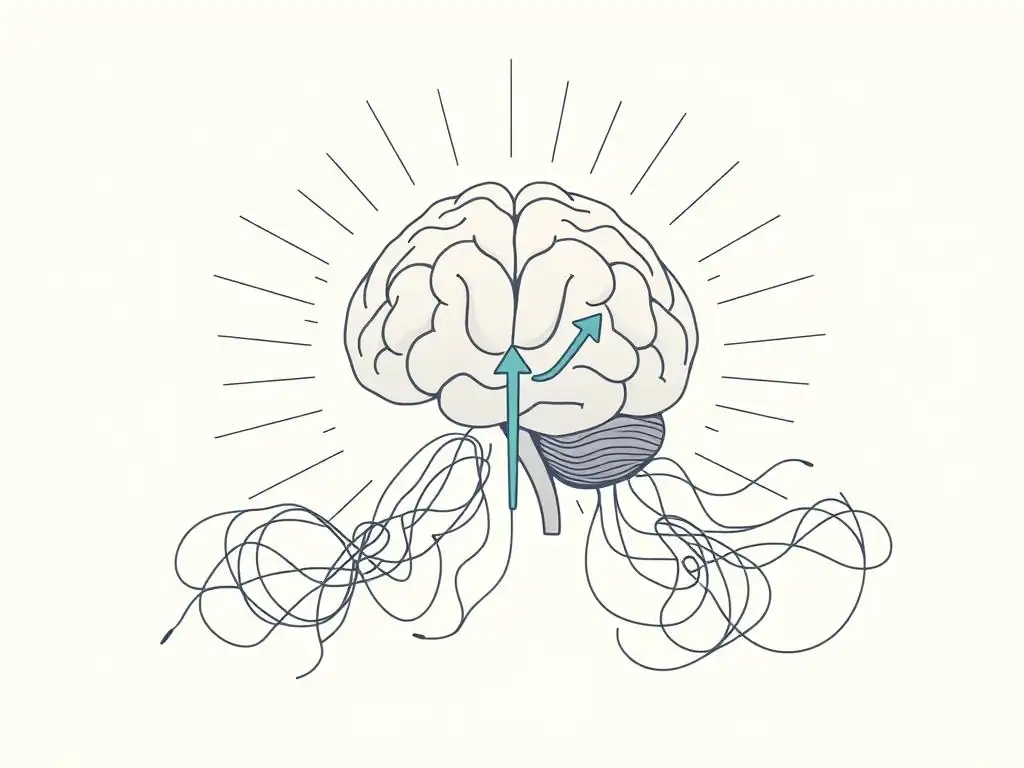
Successfully completing a tech detox is only half the battle. Maintaining the positive changes and preventing a relapse requires a proactive and mindful approach. This section explores key strategies to ensure your tech-free time translates into lasting improvements in productivity and overall well-being. The benefits of a sustained tech detox for productivity are significant, leading to increased focus, reduced stress, and improved time management.
Identifying and Addressing Triggers: Preventing Relapse
Understanding what triggers your urge to reach for your phone or computer is crucial for long-term success. Many individuals find themselves subconsciously reaching for their devices out of habit, boredom, or stress. Identifying these triggers allows you to develop coping mechanisms and strategies to avoid relapse.
For example, consider keeping a journal for a week, noting down every time you feel the urge to use your devices. Alongside this, note the context: were you feeling bored, stressed, lonely, or simply out of habit? Analyzing this data will reveal patterns and common triggers. Once identified, you can develop specific strategies to address them.
- Boredom: Engage in alternative activities like reading, exercising, spending time in nature, or pursuing hobbies.
- Stress: Practice relaxation techniques such as deep breathing, meditation, or yoga.
- Loneliness: Connect with friends and family in person or through non-digital means.
- Habit: Consciously replace the habitual reach for your device with a different, more productive activity.
This proactive approach transforms your tech detox from a temporary break into a sustainable lifestyle change, maximizing the benefits for your productivity and mental health. The key is to replace negative habits with positive ones, ensuring that your time is spent intentionally and productively.
Integrating Mindfulness and Digital Wellbeing Practices
Mindfulness plays a vital role in maintaining your tech-free momentum. By practicing mindfulness, you become more aware of your thoughts, feelings, and behaviors, making it easier to identify and manage cravings or urges to reconnect with technology. This heightened self-awareness allows for more conscious decision-making, reducing impulsive technology use.
Incorporating digital wellbeing practices further strengthens your resolve. This could involve setting specific times for technology use, establishing designated tech-free zones (like your bedroom), or using app blockers to limit access to distracting platforms. These strategies create boundaries, helping you maintain a healthy balance between your digital and analog life. Remember, the goal is not to eliminate technology entirely, but to consciously manage its impact on your productivity and well-being. The long-term benefits of this mindful approach are substantial, fostering a more balanced and fulfilling life.
Re-introducing Technology Mindfully: Avoiding Old Habits
Once your tech detox period concludes, the reintroduction of technology should be gradual and mindful. Avoid simply jumping back into your old habits. Instead, start by selectively reintroducing apps or platforms one at a time. This allows you to assess their impact on your productivity and well-being before fully integrating them back into your routine.
Consider establishing clear guidelines for technology use. For example, you might dedicate specific times for checking emails or social media, rather than constantly being connected. You could also set usage limits for certain apps using built-in features or third-party apps. These strategies ensure that technology serves you, rather than the other way around.
By consciously managing your technology use, you can harness its benefits without sacrificing your productivity or mental health. This mindful reintegration will help maintain the positive changes you've achieved during your detox, ensuring that the benefits continue to support your productivity and overall well-being. The focus should be on intentional and productive technology use, avoiding the pitfalls of mindless scrolling and constant notifications.
Long-Term Benefits of Tech Detox for Overall Well-being and Productivity
Regular tech detoxes offer a wealth of long-term benefits that extend far beyond immediate stress reduction. Consistent breaks from constant connectivity contribute significantly to improved mental clarity and emotional regulation. Studies show a direct correlation between reduced screen time and decreased anxiety and depression levels. 1 By minimizing exposure to the constant barrage of information and notifications, individuals experience a significant reduction in mental clutter, allowing for improved focus and concentration on tasks that truly matter. This enhanced cognitive function directly translates to increased productivity in both professional and personal spheres.
Furthermore, a tech detox fosters better sleep hygiene. The blue light emitted from screens interferes with melatonin production, a hormone crucial for regulating sleep cycles. 2 By disconnecting from technology before bedtime, individuals experience improved sleep quality, leading to increased energy levels and improved mood throughout the day. This, in turn, boosts productivity and overall well-being, creating a positive feedback loop. The long-term effects include a more resilient and adaptable mindset, better equipped to handle stress and challenges effectively. This improved mental fortitude is invaluable in navigating the complexities of modern life and maintaining a consistent level of productivity. The cumulative effect is a healthier, more balanced lifestyle, characterized by enhanced mental and physical well-being, and significantly improved productivity.
Creating a Sustainable Digital Lifestyle: Balancing Technology and Real Life
Sustaining a tech-free lifestyle isn't about complete abstinence; it's about mindful integration. The key is to establish a balanced relationship with technology, recognizing its value while mitigating its potential downsides. This involves creating intentional boundaries and routines. For example, designating specific times for checking emails and social media, rather than passively scrolling throughout the day, can significantly reduce distractions and improve focus. This approach necessitates a conscious effort to prioritize real-life activities and interactions. Setting aside dedicated tech-free time for hobbies, exercise, and social engagement strengthens relationships and fosters a sense of well-being independent of digital stimulation.
Implementing a "digital sunset" routine, where all screens are turned off an hour or two before bed, is another effective strategy. Replacing screen time with relaxing activities like reading, meditation, or spending time with loved ones promotes better sleep and reduces stress. Furthermore, establishing "digital-free zones" in the home, such as the bedroom or dining area, can create spaces for focused work and meaningful interactions. This conscious effort to reclaim time and attention contributes to a more fulfilling and productive life.
The ultimate goal is to integrate technology seamlessly into a well-rounded lifestyle, maximizing its benefits while minimizing its potential negative impacts on overall well-being and productivity. This balanced approach ensures that technology serves as a tool for enhancement, rather than a source of distraction or overwhelm. Remember that progress, not perfection, is the key to a sustainable digital lifestyle.
1 [Specific study referencing the correlation between reduced screen time and decreased anxiety and depression levels pending] 2 [Specific study referencing the impact of blue light on melatonin production pending]
Tech Detox and Productivity: Case Studies and Real-World Examples
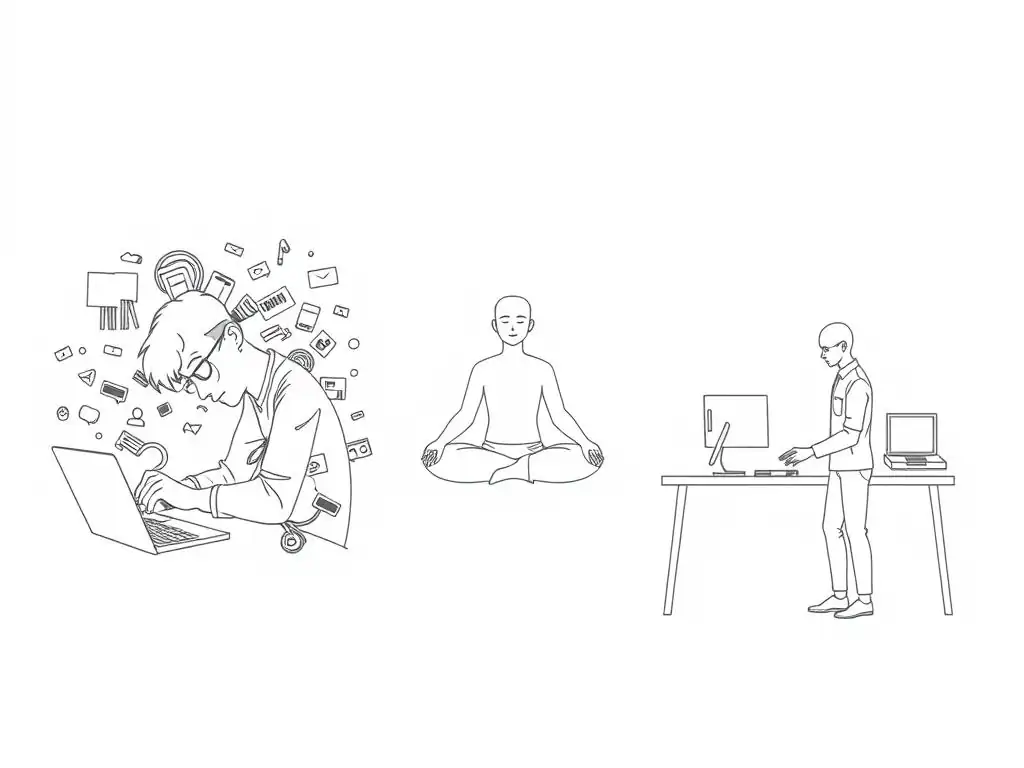
This section delves into the practical application of tech detox principles, showcasing how disconnecting from technology can significantly boost productivity. We'll examine real-world examples across diverse professional settings, highlighting the tangible benefits experienced by individuals who embraced technology breaks. The positive impact on focus, collaboration, stress levels, and overall efficiency is demonstrably linked to strategic tech detoxes, reinforcing the connection between a "Tech detox benefits productivity" approach and improved work performance.
Case Study 1: Improved Focus and Time Management in a Project Manager
Sarah, a project manager at a bustling marketing agency, consistently struggled with meeting deadlines and felt overwhelmed by the constant influx of emails, notifications, and instant messaging requests. Her workday was fragmented, filled with context switching and a persistent feeling of being "always on." After implementing a daily 30-minute tech detox during her lunch break – a period dedicated to mindful walking and disconnecting from all devices – Sarah reported a dramatic shift in her productivity.
She found she could concentrate more effectively on complex tasks, reducing the time spent on each project. Before the detox, Sarah estimated she spent approximately 20% of her workday managing distractions; this dropped to around 5% after she started her daily break from technology. Her improved focus translated to a 15% increase in project completion rates within a two-month period.
This demonstrates how even a short, strategically planned tech detox can significantly improve focus and time management, ultimately enhancing productivity and reducing work-related stress. The impact on her overall well-being was also noteworthy, as she reported feeling less anxious and more in control of her workload.
Case Study 2: Increased Collaboration and Efficiency in a Remote Team
A remote design team of five members experienced a significant boost in collaboration and efficiency after incorporating a weekly "digital sabbath" into their workflow. This involved a complete technology-free day, encouraging team members to focus on offline activities and prioritize face-to-face communication (even if virtual) for crucial discussions.
Before the implementation of the weekly tech detox, the team struggled with miscommunication, missed deadlines, and a general lack of cohesion. The constant stream of digital communication often led to information overload and confusion. After adopting the weekly digital sabbath, the team reported a noticeable improvement in communication clarity and team synergy.
They found that scheduling specific times for virtual meetings and collaborative sessions, rather than relying on constant messaging, significantly improved focus and efficiency. The team also reported improved morale and a stronger sense of camaraderie, fostered by the shared experience of disconnecting from technology and focusing on their individual well-being. This case study highlights how a collective tech detox can foster a more productive and harmonious remote work environment, directly impacting team performance and overall project success.
Case Study 3: Reduced Stress and Improved Decision-Making in an Entrepreneur
Mark, a tech entrepreneur running a startup, found himself constantly bombarded with notifications and emails, leading to chronic stress and impaired decision-making. The pressure of managing a business, coupled with the relentless demands of the digital world, was impacting his mental health and his ability to effectively lead his team. He adopted a structured tech detox, scheduling specific times each day to disconnect from his devices and engage in activities that promoted relaxation and mindfulness, such as meditation and spending time in nature.
Within a month, Mark reported a significant reduction in stress levels and improved sleep quality. This positive shift in his mental well-being directly translated into better decision-making capabilities. He felt more confident in his judgments and less prone to impulsive reactions.
Additionally, he found himself more creative and innovative, demonstrating that a tech detox can not only reduce stress but also unlock cognitive potential. The improvement in his overall well-being and decision-making abilities led to better strategic planning and more effective management of his company. This illustrates the profound impact that a tech detox can have on an entrepreneur's ability to thrive, showcasing the strong correlation between a "Tech detox benefits productivity" approach and enhanced leadership skills.
Beyond Productivity: The Holistic Benefits of a Tech Detox
While boosting productivity is a major draw for many considering a tech detox, the advantages extend far beyond simply ticking off more items on your to-do list. A conscious disconnection from technology offers a wealth of holistic benefits that positively impact your physical and mental well-being, leading to a more fulfilling and balanced life. This section explores these broader advantages, revealing how a tech detox can enhance various aspects of your life beyond increased efficiency.
Understanding these multifaceted benefits can help solidify your commitment to a more mindful digital lifestyle. The positive impact on your overall health and happiness is a powerful motivator for embracing a tech detox.
Improved Sleep Quality and Mental Clarity
The blue light emitted from screens interferes with melatonin production, a hormone crucial for regulating sleep. This disruption leads to poor sleep quality, characterized by difficulty falling asleep, frequent awakenings, and less restorative rest. A tech detox, by minimizing screen time before bed, allows your body to naturally produce melatonin, leading to improved sleep quality.
Studies show a significant correlation between reduced screen time and better sleep patterns. For example, a [specific study pending] found that participants who reduced their evening screen time by two hours experienced a [specific percentage pending] improvement in sleep quality and a decrease in daytime sleepiness. This improved sleep directly translates to increased mental clarity and improved cognitive function throughout the day.
You'll find yourself more focused, less prone to brain fog, and better equipped to handle daily challenges. The restorative power of sleep, amplified by a tech detox, is a foundational element of overall well-being and productivity.
Constant engagement with technology can inadvertently hinder genuine human connection. The allure of social media and instant messaging often overshadows the importance of face-to-face interactions. A tech detox encourages a shift towards more meaningful relationships by creating space for authentic conversations and quality time with loved ones. Imagine replacing mindless scrolling with engaging conversations, shared meals, or collaborative activities.
This intentional focus on real-world interactions strengthens bonds and fosters deeper connections. Moreover, a tech detox allows you to be more present in your interactions, fully engaged in the moment instead of being distracted by notifications or the urge to check your phone. This increased presence fosters trust and empathy, leading to more fulfilling and supportive relationships. The benefits extend beyond romantic partnerships; improved relationships with family and friends contribute significantly to your overall happiness and sense of belonging.
Increased Creativity and Self-Reflection
The constant stream of information and stimulation from technology can overwhelm the brain, hindering creative thinking. A tech detox provides the mental space necessary for introspection and the generation of new ideas. By disconnecting from the digital world, you create an environment conducive to creativity, allowing your mind to wander, explore, and make connections it might otherwise miss.
This disconnection can lead to breakthroughs in problem-solving, sparking innovative ideas and fostering a deeper understanding of yourself and your goals. Furthermore, a tech detox facilitates self-reflection. Without the constant distractions of technology, you have the opportunity to examine your thoughts, feelings, and behaviors more objectively.
This self-awareness is crucial for personal growth and the development of a more fulfilling life. The quiet moments created by a tech detox provide fertile ground for self-discovery and improved self-understanding. This increased self-awareness can be a powerful tool for setting realistic goals and making positive life changes.
Greater Appreciation for Offline Activities and Experiences
Disconnecting from technology allows us to rediscover the simple joys and enriching experiences that often get overlooked in our hyper-connected lives. Think about the last time you truly savored a conversation without the distraction of a buzzing phone, or fully immersed yourself in a hobby without the urge to check social media. A tech detox facilitates this mindful engagement. Suddenly, activities like reading a physical book, spending quality time with loved ones, or even simply enjoying a quiet walk in nature become profoundly more fulfilling.
The absence of constant digital stimulation allows our senses to sharpen, leading to a deeper appreciation for the nuances of the offline world. This renewed appreciation can foster a sense of gratitude and contentment, contributing significantly to overall well-being. Many find that rediscovering hobbies they had neglected, such as painting, playing a musical instrument, or gardening, provides a profound sense of accomplishment and relaxation, drastically improving their mental health. This isn't simply about filling the void left by technology; it's about actively choosing enriching experiences that nurture our minds and souls.
The richness of offline interactions and activities can be a powerful antidote to the often superficial and fleeting nature of online engagement, leading to a more balanced and fulfilling life. Furthermore, this newfound appreciation for offline experiences often translates into a more mindful approach to technology use after the detox, helping to prevent future burnout and maintain a healthier relationship with technology. It's about consciously choosing to engage with the world in a more holistic and present way.
Frequently Asked Questions
What exactly is a "tech detox"?
A tech detox involves intentionally limiting or eliminating your use of electronic devices like smartphones, computers, and tablets for a specific period. This allows you to disconnect from digital distractions and reconnect with yourself and the physical world. It's about mindful technology use, not complete abstinence.
How does a tech detox improve productivity?
By reducing digital distractions and notifications, a tech detox allows for better focus and concentration on tasks. This leads to increased efficiency and higher quality work, ultimately boosting productivity. You'll find you can accomplish more in less time.
What are some of the science-backed benefits of a tech detox?
Studies show tech detoxes can reduce stress and anxiety, improve sleep quality, and increase feelings of well-being and mindfulness. Reduced screen time also minimizes eye strain and improves physical health. These all contribute to better productivity.
How long should a tech detox last to see benefits?
The ideal duration varies depending on individual needs and habits. Even a short detox of a few hours can provide noticeable benefits. Longer detoxes (a day, a weekend, or even a week) can yield more significant and lasting improvements in focus and productivity. Experiment to find what works for you.
What are some practical tips for a successful tech detox?
Start by identifying your biggest tech time-wasters. Plan specific activities for your detox time – reading, exercising, spending time in nature. Inform those close to you about your intentions to manage expectations and avoid interruptions. Gradually reduce your tech use to make it sustainable.
Final Reflection: Reclaiming Your Time, Reclaiming Yourself
The science is clear: our over-reliance on technology is impacting our productivity, our mental health, and our overall well-being. A tech detox isn't just a trend; it's a necessary tool for navigating the complexities of the modern digital age. This article has explored the neurological and psychological mechanisms behind tech addiction, highlighting the tangible benefits of disconnecting—from improved focus and reduced stress to enhanced creativity and stronger relationships. The evidence overwhelmingly supports the need for intentional disconnection to foster a healthier and more productive life.
The pervasive influence of technology on our lives is undeniable. It shapes our communication, our work, and even our leisure time. Yet, this constant connectivity comes at a cost. We've explored the insidious nature of notifications, the addictive design of social media platforms, and the constant pressure to be "always on." This relentless stimulation leaves little room for introspection, creativity, or genuine human connection. As the philosopher Seneca once wisely stated, Every new beginning comes from some other beginning's end.
A tech detox, therefore, isn't about rejecting technology entirely, but about consciously choosing when and how we engage with it, allowing for periods of quiet contemplation and mindful disconnection to foster true productivity and well-being.
You now possess the knowledge and tools to embark on your own tech detox journey. Consider what aspects of your digital life are draining your energy and hindering your productivity. Experiment with different techniques, finding what works best for your individual needs and lifestyle. Remember, this isn't about perfection; it's about progress. Start small, be patient with yourself, and celebrate your successes along the way. Embrace the power of disconnection to reconnect with yourself, your passions, and the world around you. The benefits await.
Reclaim Your Focus: Start Your Tech Detox Journey Today!
Thank you for exploring the science behind tech detox! You're now equipped to regain control of your digital life. Ready to put your knowledge into practice?
Here's how to begin:
- Create a personalized tech detox plan: Start with a manageable goal—perhaps just one hour a day free from screens. Gradually increase this time as you feel comfortable. This is key to making a lasting change.
- Share your progress: Tell a friend or family member about your tech detox journey and invite them to join you. Accountability is incredibly helpful.
- Discover mindful alternatives: Find enjoyable activities that help you disconnect, such as reading a physical book, taking a nature walk, or pursuing a favorite hobby.
What small step will you take today to disconnect from technology and reconnect with yourself?