
The Secret to a PestFree Home: Natural Repellents

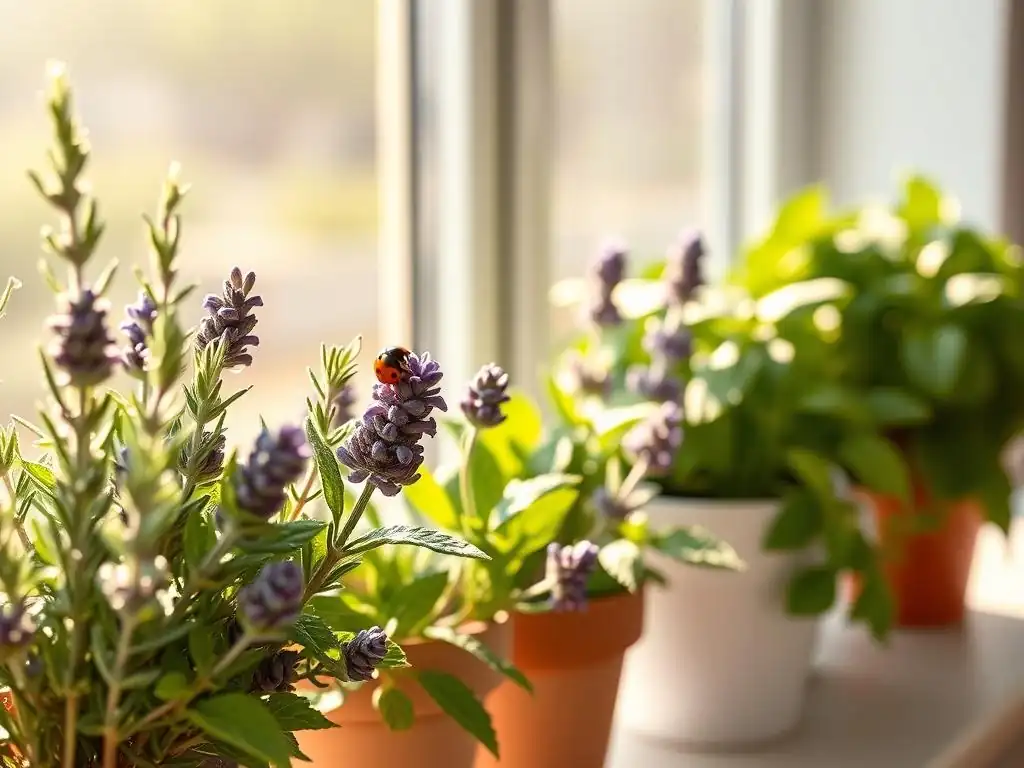
Tired of battling pesky insects? Discover the power of natural pest control with our expert guide to Natural Pest Repellent Home Remedies. At UltimateLifeHacks, we're dedicated to simplifying your life and boosting your efficiency. This DIY Life Skills article unveils surprisingly effective and eco-friendly solutions – secrets to a pest-free home that are both simple and sustainable. Ready to reclaim your space? Let's get started!
- Understanding Common Household Pests & Their Habitats
-
Natural Pest Repellent Home Remedies: Effective and Safe Solutions
- DIY Peppermint Oil Spray: A Powerful Insect Repellent
- Citrus Peel Repellent: A Simple and Aromatic Solution
- Diatomaceous Earth: A Natural Dehydrating Agent for Pests
- Essential Oil Blends for Pest Deterrence: Lavender, Tea Tree, and More
- Garlic and Onion Repellents: Strong Scents to Keep Pests Away
- Cayenne Pepper Repellent: A Spicy Deterrent for Pests
- Preventing Pest Infestations: Proactive Home Maintenance
- Advanced Natural Pest Control Strategies
- Maintaining a Pest-Free Home Long-Term: Sustainable Practices
- Frequently Asked Questions
- Final Reflection: Reclaiming Our Homes, Naturally
- Unleash Your Pest-Free Paradise: Take Action Now!
Understanding Common Household Pests & Their Habitats
Maintaining a clean and pest-free home is crucial for both your health and well-being. This article delves into the world of natural pest repellents, offering effective and safe home remedies to combat common household invaders. We'll explore the most prevalent pests, their preferred habitats, and the significant dangers associated with relying on harsh chemical pesticides.
By understanding the behavior and vulnerabilities of these pests, you can implement preventative measures and effective natural solutions to create a truly pest-free sanctuary without compromising your family's health or the environment. This guide focuses on practical, DIY solutions for tackling "Natural pest repellent home remedies", empowering you to take control of your home's ecosystem and banish unwanted guests naturally. We will cover a range of effective strategies, from simple preventative measures to powerful natural repellents, all while prioritizing safety and sustainability.
Identifying Common Household Pests: Ants, Cockroaches, Spiders, etc.
Identifying the specific pest infesting your home is the first step towards effective eradication. Common household pests vary greatly in their habits and preferences, requiring tailored solutions. Let's examine some of the most prevalent culprits:
- Ants: These tiny invaders are often drawn to sugary substances and crumbs. Different ant species exhibit varying preferences for nesting locations, ranging from cracks in walls to damp areas. Identifying the type of ant can help pinpoint the source of the infestation.
- Cockroaches: These resilient pests thrive in dark, damp, and cluttered spaces. They are attracted to food scraps and water sources, making kitchens and bathrooms prime breeding grounds. Their ability to reproduce rapidly necessitates prompt and effective control measures.
- Spiders: While some spiders are beneficial predators, others can be unwelcome guests. Their presence often indicates a larger insect problem, as they feed on other insects. Identifying the species can help determine the best course of action, as some are more harmful than others.
- Other Pests: Other common household pests include flies, mosquitoes, rodents, and silverfish. Each requires a specific approach to control, based on its unique habits and vulnerabilities. Understanding these differences is key to creating a comprehensive pest management plan.
Understanding Pest Habitats and Breeding Grounds in Your Home
Pests don't just appear out of thin air; they require specific conditions to thrive. Understanding their preferred habitats is crucial for effective pest control. Common breeding grounds include:
- Kitchens: Crumbs, spills, and improperly stored food provide a feast for ants, cockroaches, and other insects. Damp areas like under sinks or near leaky pipes are particularly attractive.
- Bathrooms: Moisture, standing water, and decaying organic matter create ideal breeding conditions for various pests, including flies and cockroaches.
- Basements and Crawl Spaces: These dark, damp areas are often havens for spiders, rodents, and other pests. Poor ventilation and clutter exacerbate the problem.
- Cluttered Areas: Overcrowded spaces provide ample hiding places and nesting sites for pests. Regular decluttering is a crucial preventative measure.
By identifying and addressing these potential breeding grounds, you can significantly reduce the likelihood of pest infestations. Regular cleaning, proper food storage, and maintaining a dry environment are essential preventative steps.
The Dangers of Chemical Pest Control: Health and Environmental Risks
While chemical pesticides offer a quick fix, they come with significant health and environmental risks. Exposure to these chemicals can cause:
- Respiratory Problems: Many pesticides contain volatile organic compounds (VOCs) that can irritate the lungs and trigger asthma attacks.
- Skin Irritation: Direct contact with pesticides can cause skin rashes, burns, and allergic reactions.
- Neurological Damage: Some pesticides are known neurotoxins, capable of causing neurological damage, particularly in children and pregnant women.
- Environmental Contamination: Pesticides can contaminate soil, water, and air, harming beneficial insects, wildlife, and potentially even human health through bioaccumulation.
The long-term health consequences of chemical pesticide exposure are significant, making natural pest control a safer and more sustainable alternative. Prioritizing the health of your family and the environment is paramount when choosing a pest control strategy. Choosing natural methods minimizes these risks, creating a healthier home for you and the planet.
Natural Pest Repellent Home Remedies: Effective and Safe Solutions
This section explores effective and safe natural pest repellent home remedies, offering practical solutions for a pest-free home environment. We'll delve into specific recipes and applications, focusing on readily available ingredients and simple preparation methods. These methods prioritize safety for your family and pets while effectively deterring common household pests. Remember, the effectiveness of these remedies may vary depending on the severity of the infestation and the type of pest. For severe infestations, professional pest control might be necessary.
DIY Peppermint Oil Spray: A Powerful Insect Repellent
Peppermint oil is a powerful natural insect repellent known for its strong aroma, which many insects find unpleasant. Creating a DIY peppermint oil spray is simple and effective for deterring ants, spiders, and other crawling insects. The key is to use a high-quality peppermint oil, undiluted.
Here’s how to make your own potent peppermint spray:
- Ingredients:
- 10-15 drops of pure peppermint essential oil
- 1 cup of water
- A spray bottle
- Instructions:
- Combine the water and peppermint oil in the spray bottle.
- Shake well to mix thoroughly.
- Spray liberally around areas where pests are commonly found, such as windowsills, doorways, and cracks.
Important Considerations: Avoid spraying directly on food surfaces. Always test a small, inconspicuous area first to ensure the spray doesn't damage surfaces. Reapply every few days, or after rain, for optimal effectiveness. Some individuals may be sensitive to peppermint oil; ensure proper ventilation when spraying. This method is particularly effective as a preventative measure, keeping pests from entering your home. Regular application is key to maintaining a pest-free environment.
Citrus Peel Repellent: A Simple and Aromatic Solution
Citrus peels, readily available after enjoying your favorite fruits, offer a surprisingly effective and fragrant pest repellent. The strong scent of citrus fruits, particularly lemons, oranges, and grapefruits, is disliked by many insects and rodents. This method is both economical and environmentally friendly.
This simple repellent can be used in two ways:
- Direct Application: Place dried citrus peels near potential pest entry points, such as windows and doors. The lingering scent will act as a natural deterrent. Replace the peels every few days for continued effectiveness. This is a great option for deterring ants and other crawling insects.
- Infused Water Spray: Boil citrus peels in water for about 15 minutes to create a concentrated citrus solution. Let it cool, strain the peels, and transfer the liquid into a spray bottle. Spray around the house as needed. This method is more effective in repelling flies and other flying insects.
Effectiveness and Longevity: The effectiveness of this method depends on the freshness of the citrus peels and the frequency of application. Dried peels will continue to release scent for a few days, while the infused water spray might require more frequent application due to the water evaporating more quickly.
Diatomaceous Earth: A Natural Dehydrating Agent for Pests
Diatomaceous earth (DE) is a naturally occurring sedimentary rock composed of fossilized diatoms. Its microscopic particles act as a dehydrating agent for insects and other pests, effectively killing them by disrupting their exoskeletons. This method is particularly effective against ants, bed bugs, and other crawling insects.
Application and Safety: Apply DE as a fine powder around areas where pests are active. Focus on cracks, crevices, and other areas where pests may hide. DE is generally considered safe for humans and pets, but it's crucial to use food-grade DE to avoid potential respiratory irritation. Avoid inhaling the dust, and wear a mask during application.
Effectiveness and Limitations: DE is not a fast-acting repellent. It takes time for the particles to dehydrate the pests. Consistent application is key to its effectiveness. It's less effective against pests that don't come into direct contact with the powder. Regular cleaning and reapplication are needed to maintain its effectiveness, particularly in high-traffic areas. Remember, DE is a natural product, but its effectiveness can vary slightly depending on the specific type of pest and the environment.
Essential Oil Blends for Pest Deterrence: Lavender, Tea Tree, and More
Essential oils offer a powerful and naturally derived solution for pest control in your home. Many insects, including mosquitoes, ants, and flies, are repelled by strong aromatic compounds found in various plants. Lavender, known for its calming scent, is also a surprisingly effective insect repellent. The active compounds in lavender oil disrupt the insect's nervous system, making your home less appealing. Similarly, tea tree oil, renowned for its antiseptic properties, also possesses potent insect-repelling capabilities. Its strong, pungent aroma is highly unpleasant to many pests.
Beyond lavender and tea tree, other essential oils like peppermint, eucalyptus, and citronella are also effective. Peppermint oil, with its refreshing scent, is particularly effective against ants and mice. Eucalyptus oil, often used in aromatherapy, also repels flies and mosquitoes. Citronella, a well-known mosquito repellent, can be used in diffusers or directly sprayed (diluted properly) onto surfaces. Remember to always dilute essential oils with a carrier oil, such as jojoba or coconut oil, before applying them directly to surfaces to prevent damage.
The correct dilution ratio will depend on the specific essential oil and the surface being treated. Always test a small area first to ensure it doesn't damage the finish. Creating your own custom blends can be fun and effective! For example, a blend of lavender and peppermint can create a calming yet insect-deterrent atmosphere.
Garlic and Onion Repellents: Strong Scents to Keep Pests Away
Garlic and onions, common kitchen staples, are surprisingly potent natural pest repellents. Their strong, pungent odors are unpleasant to many insects and rodents, effectively deterring them from entering your home. You can use whole cloves of garlic or sliced onions strategically placed around your home. For example, placing a few cloves of garlic near entry points, like windows and doors, can help prevent pests from entering. Similarly, placing sliced onions near potential pest infestations can help repel them.
The effectiveness of garlic and onion as repellents stems from their allicin content, a sulfur-containing compound that emits a strong odor. This odor is not only unpleasant to pests but also disrupts their sensory systems, making it difficult for them to locate food sources within your home. While the smell may be strong, it's a far healthier alternative to commercial pesticides. You can enhance their effectiveness by creating a spray.
Simply simmer a few cloves of garlic and a sliced onion in water, let it cool, strain it, and then spray it around your home. Avoid spraying directly on food preparation surfaces. Remember to reapply the spray regularly, especially after cleaning or rain, as the scent will dissipate over time. This simple, inexpensive method offers a natural and effective way to keep pests at bay.
Cayenne Pepper Repellent: A Spicy Deterrent for Pests
Cayenne pepper, known for its intense heat, acts as a powerful deterrent for many pests. The capsaicin in cayenne pepper irritates the pests' sensory organs, making them avoid areas where it's present. This makes it a useful tool in your arsenal of natural pest control strategies. You can use cayenne pepper in several ways. One effective method is to create a spray by mixing cayenne pepper powder with water. Remember to wear gloves when handling cayenne pepper powder to avoid skin irritation.
For a stronger repellent, you can combine cayenne pepper with other ingredients like water, dish soap, and even garlic or onion for a synergistic effect. This mixture can be sprayed around entry points, windowsills, and other areas where pests tend to congregate. Another application is to sprinkle cayenne pepper powder directly around the perimeter of your home or in areas where pests are commonly found. However, be cautious when using cayenne pepper powder around pets and children, as it can cause irritation if ingested.
Always keep it out of reach. Cayenne pepper’s effectiveness lies in its ability to create a physical and sensory barrier that pests find uncomfortable and actively avoid. This makes it a safe and effective alternative to harsh chemicals. This spicy solution is a powerful addition to your natural pest control plan.
Preventing Pest Infestations: Proactive Home Maintenance
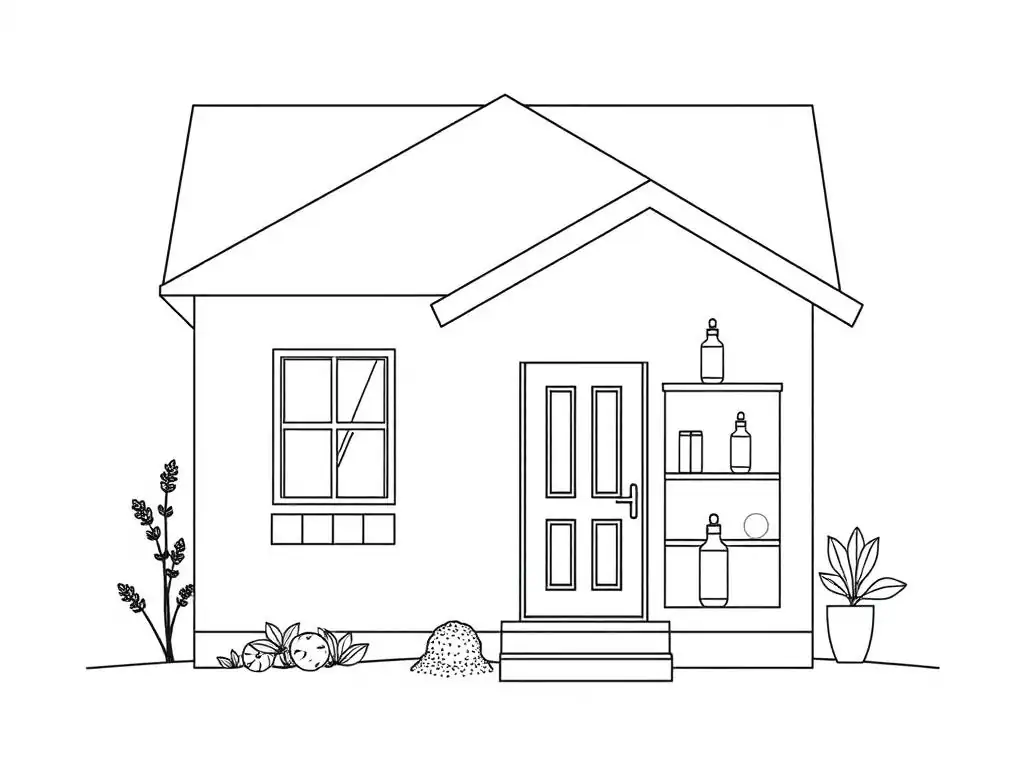
Preventing pest infestations is far more effective—and less stressful—than dealing with a full-blown infestation. Proactive home maintenance is the cornerstone of a pest-free environment, minimizing the need for harsh chemicals and maximizing your peace of mind. This involves a multi-pronged approach focusing on sanitation, structural integrity, and responsible food storage. Adopting these natural pest repellent home remedies as part of your routine significantly reduces the likelihood of unwanted visitors.
Regular Cleaning and Decluttering: Removing Pest Attractants
Regular cleaning and decluttering are your first lines of defense against pests. Crumbs, spills, and leftover food are irresistible attractants. Think of it like this: a clean home is a less appealing home for pests. A thorough cleaning routine should include:
- Weekly: Vacuuming and mopping all floors, paying special attention to corners and crevices. Wipe down kitchen counters and stovetops after each use. Empty all trash cans regularly.
- Monthly: Deep clean bathrooms and kitchens, focusing on areas where moisture tends to accumulate. Clean out pantries and refrigerators, discarding expired or spoiled food items.
- Quarterly: A thorough decluttering session. Remove unnecessary items that can harbor pests, such as stacks of newspapers, cardboard boxes, and cluttered closets.
Regularly cleaning your home doesn't just prevent pest infestations; it also contributes to a healthier and more pleasant living environment. Consider using natural cleaning agents like vinegar and baking soda to further enhance the natural pest repellent aspect of your cleaning routine. Remember, even a small amount of leftover food can attract a variety of pests, so consistent cleaning is key. This proactive approach forms the base of effective natural pest repellent home remedies.
Sealing Cracks and Crevices: Preventing Pest Entry Points
Pests are masters of infiltration. Tiny cracks and crevices in walls, floors, and around windows and doors provide easy access to your home. Sealing these entry points is crucial to preventing infestations. This involves a careful inspection of your home's exterior and interior.
| Location | Sealing Material Suggestions | Effectiveness Rating |
|---|---|---|
| Cracks in Walls | Caulk, expanding foam | ⭐⭐⭐⭐⭐ |
| Gaps around Windows | Weather stripping, caulk | ⭐⭐⭐⭐ |
| Holes around Pipes | Steel wool, caulk | ⭐⭐⭐⭐ |
| Gaps under Doors | Door sweeps, weather stripping | ⭐⭐⭐⭐ |
| Cracks in Foundation | Concrete patching compound, expanding foam | ⭐⭐⭐⭐⭐ |
Regularly inspecting these areas and promptly sealing any openings you find is a highly effective natural pest repellent home remedy. Remember to choose materials appropriate for the specific location and material you are sealing. This preventative measure significantly reduces the chances of pests finding their way inside.
Proper Food Storage: Minimizing Pest Food Sources
Improper food storage is an open invitation for pests. Keeping food sealed tightly in airtight containers is paramount. This applies to all food items, from pantry staples to leftovers. Here's a breakdown of best practices:
- Pantry Staples: Store grains, flour, sugar, and other dry goods in airtight containers. Regularly check for signs of infestation (weevils, moths).
- Refrigerator: Properly store leftovers in sealed containers to prevent spills and odors that attract pests. Clean up spills immediately.
- Fruits and Vegetables: Store fruits and vegetables in the refrigerator or in breathable bags to prevent spoilage and attractants.
Following these simple guidelines drastically reduces the availability of food sources for pests, making your home a less attractive habitat. This is a crucial component of effective natural pest repellent home remedies, ensuring that even if a few pests do manage to enter, they won't find enough to establish a colony. Remember, a well-maintained home is the best defense against unwanted guests!
Maintaining a Dry Environment: Reducing Pest Breeding Grounds
Maintaining a consistently dry environment is crucial in preventing pest infestations. Many common household pests, such as ants, termites, and silverfish, thrive in damp conditions. These areas provide ideal breeding grounds and encourage their proliferation. Therefore, proactively addressing moisture issues is a cornerstone of natural pest control.
One of the most effective strategies is to promptly address any leaks or water damage. A leaky faucet, a dripping pipe, or even condensation buildup on windows can create pockets of moisture that attract pests. Regularly inspect plumbing fixtures and appliances for leaks and repair them immediately. Ensure proper ventilation in areas prone to moisture, such as bathrooms and basements, using exhaust fans and dehumidifiers. These appliances help to regulate humidity levels, making your home less hospitable to pests.
Beyond plumbing, consider the overall humidity levels in your home. Excessive humidity can encourage mold and mildew growth, which, in turn, attracts pests. Using a dehumidifier, especially in basements or damp areas, can significantly reduce moisture levels and create a less welcoming environment for pests. Furthermore, proper air circulation is key. Opening windows when weather permits allows for fresh air to circulate, reducing humidity and preventing the buildup of stagnant air that can attract pests. Regular cleaning and wiping down surfaces can also prevent moisture buildup and the accumulation of food particles that attract pests.
Natural Pest Control for Specific Areas: Kitchen, Bathroom, Garden
Different areas of your home require specific approaches to natural pest control. The kitchen, bathroom, and garden each present unique challenges and opportunities for implementing effective, natural pest repellent home remedies.
Kitchen: The kitchen is a prime target for pests due to the abundance of food sources. Regular cleaning is paramount. Wipe down counters and spills immediately, sweep floors daily, and thoroughly clean appliances, paying close attention to crumbs and spills under and around them. Store food in airtight containers to prevent attracting pests like ants and rodents. Consider using natural deterrents like bay leaves or peppermint oil in cupboards to repel insects. These scents are often unpleasant to pests, discouraging them from settling in. A clean and organized kitchen is the best defense against kitchen pests.
Bathroom: Bathrooms are often susceptible to pests due to moisture and the presence of standing water. Regular cleaning, particularly focusing on areas prone to mold and mildew, is crucial. Keep the bathroom well-ventilated to reduce humidity levels. Regularly check and clean drains to prevent clogs that can attract pests. Natural pest control in the bathroom can involve using essential oils like tea tree oil or eucalyptus oil, known for their insecticidal properties. These oils can be added to a spray bottle with water and used to clean surfaces. Again, maintaining a dry environment is key.
Garden: The garden presents a different set of challenges, as you are dealing with a larger environment and a wider variety of pests. Natural pest control in the garden often involves companion planting, utilizing plants that naturally repel pests. For example, marigolds are known to repel many common garden pests. Similarly, certain herbs, like basil, mint, and rosemary, can also deter pests.
Regular weeding is essential to remove potential hiding places for pests and to reduce competition for resources. Introducing beneficial insects, such as ladybugs, which feed on aphids, can also help to control pest populations naturally. Using homemade insecticidal soaps or neem oil can provide additional pest control measures without resorting to harsh chemicals.
Advanced Natural Pest Control Strategies
This section delves into more sophisticated natural pest control methods, moving beyond simple repellents to proactive strategies that minimize pest infestations in the first place. We'll explore how to leverage the power of nature itself to create a truly pest-resistant home environment. Remember, a multi-pronged approach is key to achieving long-term success in natural pest management; combining several techniques yields far superior results than relying on a single method. This holistic approach to pest control is crucial for achieving sustainable, effective results and minimizing the use of harmful chemicals.
Utilizing Beneficial Insects: Introducing Natural Predators
Introducing beneficial insects into your garden and home is a powerful, eco-friendly method of natural pest control. These natural predators actively hunt and feed on common household pests, reducing the need for chemical interventions. The success of this method hinges on identifying the pests you're targeting and selecting the appropriate beneficial insects. For example:
- Aphids: Ladybugs are voracious aphid eaters. A single ladybug can consume hundreds of aphids in its lifetime. Introducing ladybugs to your garden can significantly reduce aphid populations.
- Spider Mites: Predatory mites, such as Phytoseiulus persimilis, are highly effective against spider mites. These tiny mites are readily available from many garden centers.
- Whiteflies: Lacewings are effective predators of whiteflies, as well as aphids and other soft-bodied insects. Their larvae are particularly effective hunters.
It's crucial to ensure that the environment is suitable for the beneficial insects to thrive. This includes providing food sources (other than the target pests), shelter, and water. Avoid using pesticides, as these will harm the beneficial insects as well as the pests. Careful planning and research are essential for successful implementation of this technique. Consider consulting with a local gardening expert for tailored advice based on your specific pest problem and location.
Creating a Pest-Resistant Landscape: Planting Repellent Plants
Landscaping plays a significant role in deterring pests. Strategic planting of repellent plants can create a natural barrier, making your home less attractive to unwanted visitors. Certain plants release scents or contain compounds that repel insects, reducing the likelihood of infestation. Examples of effective repellent plants include:
| Plant | Pests Repelled | Notes |
|---|---|---|
| Lavender | Moths, fleas, flies | Fragrant and beautiful, ideal for borders and flowerbeds. |
| Peppermint | Ants, spiders, mice, mosquitoes, cockroaches | Strong scent, effective as a ground cover or in pots. |
| Rosemary | Cabbage moths, carrot root flies | Aromatic herb, also useful in cooking. |
| Chrysanthemums | Many insects, including aphids and spider mites | Beautiful flowers, effective as a border plant. |
| Marigolds | Nematodes, whiteflies, aphids | Brightly colored, adding visual appeal to your garden. |
The effectiveness of these plants can vary depending on factors such as plant maturity, soil conditions, and the specific pest species. A combination of different repellent plants is generally more effective than relying on a single species. Remember to research the specific needs of each plant to ensure it thrives in your climate and soil type. This approach is a long-term strategy that contributes to a naturally pest-resistant environment.
Combining Natural Methods for Maximum Effectiveness
The most effective approach to natural pest control involves integrating multiple strategies for a synergistic effect. Combining methods such as introducing beneficial insects and planting repellent plants creates a layered defense system that is significantly more effective than using any single method alone. For instance, planting marigolds to repel nematodes while simultaneously introducing predatory mites to control spider mites creates a powerful, integrated pest management system.
Think of it like this: planting repellent plants is like building a strong fence around your property, while introducing beneficial insects is like deploying security guards within your property. Both work together to prevent and eliminate pests. This holistic, multi-faceted approach minimizes the risk of pest infestations and reduces your reliance on potentially harmful chemical pesticides. Regular monitoring and adjustments to your strategy based on observed results are key to long-term success in establishing a pest-free home using natural methods. Remember, patience and persistence are essential when implementing natural pest control strategies.
When to Call a Professional: Recognizing the Limits of DIY Methods
While natural pest repellent home remedies offer a safe and effective approach for many common household pests, it's crucial to understand their limitations. Attempting to tackle infestations beyond a manageable level with DIY methods can be ineffective, time-consuming, and potentially even harmful. Knowing when to call a professional pest control service is a key aspect of responsible home maintenance.
Several factors indicate that you've reached the limits of DIY pest control. A significantly large infestation, for instance, is a clear warning sign. If you're seeing hundreds of ants, dozens of cockroaches, or a widespread presence of rodents, your natural pest repellent home remedies may simply not be enough to combat the sheer volume of pests. These large-scale infestations often require professional-grade treatments and specialized equipment to effectively eliminate the problem and prevent recurrence.
Another crucial indicator is the persistence of the infestation despite consistent application of natural remedies. If you've diligently used home remedies for several weeks, following instructions carefully, and yet the pest problem persists or even worsens, it's time to seek professional help. This could signify a more complex issue, such as a hidden nest or a pest species resistant to natural repellents. Continuing with ineffective methods only prolongs the infestation and potentially allows the problem to escalate.
Furthermore, certain pests pose a greater health risk than others. Bed bugs, for example, are notoriously difficult to eliminate and can cause significant skin irritation and allergic reactions. Similarly, rodents can carry diseases and contaminate food supplies. If you suspect an infestation of these more dangerous pests, it's best to contact a professional immediately to minimize health risks. Their expertise ensures safe and effective eradication.
Finally, consider the accessibility of the infestation. Pests may nest in hard-to-reach areas, such as wall voids or attics, making DIY treatments impractical. Professional pest control technicians possess the tools and knowledge to access these areas and effectively treat the problem at its source. This targeted approach significantly increases the chances of complete eradication compared to applying natural remedies with limited reach. Ignoring these limitations can lead to ongoing frustration and a potentially escalating pest problem. Remember, knowing when to call in the experts is a sign of smart, proactive home maintenance, not a sign of failure.
Maintaining a Pest-Free Home Long-Term: Sustainable Practices
This section focuses on establishing long-term pest control strategies that minimize reliance on harsh chemicals and maximize the effectiveness of natural repellents. A proactive approach is key to preventing infestations and maintaining a pest-free environment. Remember, consistent effort is more effective than sporadic, intense treatments. The goal is to create a home environment that is naturally inhospitable to pests.
Regular Inspections and Preventative Measures
Regular inspections are the cornerstone of any successful pest control strategy, especially when relying on natural methods. These inspections shouldn't be infrequent, deep cleans; rather, they should be short, frequent checks focusing on potential entry points and pest activity. Think of it as a quick daily patrol, rather than a major campaign.
Here's a suggested schedule and checklist:
- Daily: A quick visual check of the kitchen and bathroom for signs of ants, cockroaches, or other insects. Check for spills, crumbs, and standing water.
- Weekly: More thorough inspection of all rooms, paying close attention to cracks and crevices in walls, windows, and doors. Check for rodent droppings or signs of entry. Inspect stored food for signs of infestation.
- Monthly: A detailed inspection of the entire house, including the attic, basement, and crawl spaces. Look for signs of moisture damage, which attracts pests. Pay particular attention to areas around pipes and windows.
This routine helps you identify potential problems early, before they escalate into full-blown infestations. Early detection allows for quick and effective intervention with natural remedies, preventing the need for stronger measures. Early detection is crucial when using natural pest repellent home remedies. Early intervention saves you time and effort in the long run.
Choosing Eco-Friendly Cleaning Products
The cleaning products you use play a significant role in deterring pests. Many conventional cleaning products contain harsh chemicals that can be harmful to both humans and the environment. These chemicals can also inadvertently attract some pests. Switching to eco-friendly cleaning products is a crucial step in creating a pest-resistant home.
Consider these factors when choosing eco-friendly cleaning products:
- Ingredients: Look for products with plant-based ingredients and avoid those containing synthetic fragrances, artificial colors, and harsh chemicals like chlorine bleach.
- Certifications: Look for certifications like USDA Organic or EPA Safer Choice, which indicate that the product meets certain environmental standards.
- Effectiveness: While opting for natural doesn't mean compromising effectiveness. Many plant-based cleaners are just as effective as their chemical counterparts at removing dirt and grime. Test different products to find what works best for you.
- Packaging: Choose products with minimal packaging or packaging made from recycled materials.
By using eco-friendly cleaning products, you are not only protecting your health and the environment but also creating a less attractive environment for pests. This contributes significantly to the effectiveness of your natural pest repellent home remedies. Remember, a clean home is a pest-resistant home.
Continuous Monitoring and Adaptation of Your Pest Control Strategy
Pest control is not a one-time fix; it's an ongoing process. The effectiveness of your natural pest repellent home remedies might vary depending on the season, weather conditions, and the specific pests you're dealing with. Regular monitoring and adapting your strategy are vital for long-term success.
Here are some key considerations for continuous monitoring and adaptation:
- Keep a pest diary: Note down the types of pests you encounter, the areas they infest, and the effectiveness of your chosen natural remedies. This helps you track patterns and adjust your approach accordingly.
- Seasonal adjustments: Some pests are more active during certain seasons. Your strategy may need to be adjusted accordingly. For example, you might need to increase the frequency of inspections during warmer months when insects are more active.
- Evaluate your success: If a particular natural remedy isn't working, don't be afraid to try a different approach. There are many effective natural pest control methods available.
- Professional help (when necessary): While natural remedies are often effective, there might be instances where professional help is needed. Don't hesitate to consult a pest control professional who specializes in eco-friendly methods if you're struggling to control a serious infestation.
By continuously monitoring and adapting your strategy, you can ensure that your home remains a haven, free from unwanted pests, and maintain a truly pest-free environment using natural pest repellent home remedies. Remember, patience and persistence are key to long-term success.
Resources and Further Reading on Natural Pest Control
Maintaining a pest-free home using natural methods is an ongoing process, requiring consistent effort and vigilance. To deepen your understanding and stay informed about the latest advancements in natural pest control, exploring additional resources is highly recommended. There are numerous books, websites, and even online communities dedicated to sharing effective and sustainable pest management techniques. These resources can provide valuable insights into specific pest problems, detailed instructions for creating DIY repellents, and updated information on environmentally friendly pest control products.
For instance, you can find comprehensive guides on identifying different pests and their life cycles, enabling you to tailor your approach to specific infestations. Many resources also delve into the importance of preventative measures, such as proper sanitation and storage of food, which are crucial for long-term pest control. This proactive approach, combined with natural repellents, forms the cornerstone of a truly sustainable pest management strategy.
Remember that understanding the behavior of different pests is key to effectively deterring them. Some resources offer detailed information on the specific vulnerabilities of certain pests, allowing you to target your efforts more effectively and maximize the impact of your natural repellent strategies.
Furthermore, engaging with online communities dedicated to natural pest control can provide invaluable peer support and practical advice. Sharing experiences and learning from others who have successfully implemented natural pest control methods in their homes can significantly enhance your own efforts and help you troubleshoot any challenges you might encounter along the way. These communities often offer a wealth of practical tips and tricks, covering everything from homemade trap designs to innovative uses of readily available household ingredients as natural deterrents.
Don't underestimate the power of collective knowledge when it comes to maintaining a truly pest-free environment naturally. Remember that staying informed and continuously learning is crucial for long-term success in this area. The field of natural pest control is constantly evolving, so staying up-to-date on the latest research and best practices is essential for maintaining a healthy and pest-free home.
Frequently Asked Questions
What are some effective natural pest repellents?
Many natural ingredients work as pest repellents. Essential oils like peppermint, lavender, and tea tree oil are popular choices. Diatomaceous earth is another effective, non-toxic option.
How do I use essential oils to repel pests?
Dilute essential oils in water and spray around your home, focusing on entry points. You can also add a few drops to cotton balls and place them strategically. Always test a small area first to ensure no damage to surfaces.
Are natural pest repellents safe for pets and children?
Most natural repellents are generally considered safe, but always research specific ingredients before use. Keep essential oils out of reach of children and pets, and avoid spraying directly on them. Consult your veterinarian if you have concerns.
How often should I apply natural pest repellents?
The frequency depends on the repellent and the severity of the infestation. Regular application (every few days to weekly) is usually necessary for effective pest control. Monitor the situation and adjust accordingly.
Do natural pest repellents work as well as chemical ones?
The effectiveness varies depending on the pest and the severity of the infestation. While natural repellents may not eliminate a large infestation instantly, they are a safe and sustainable alternative for preventative measures and controlling smaller infestations.
Final Reflection: Reclaiming Our Homes, Naturally
The quest for a pest-free home shouldn't come at the cost of our health or the environment. The methods detailed in this article demonstrate that effective pest control and a healthy living space are not mutually exclusive. We can, and should, strive for a harmonious coexistence with nature, even within the confines of our homes.
The shift towards natural pest repellents reflects a growing awareness of the long-term consequences of harsh chemicals. We're increasingly recognizing the interconnectedness of our indoor and outdoor environments, and the impact our choices have on the delicate balance of ecosystems. Nature provides everything we need; we just need to learn how to use it.
This simple truth underpins the power of natural pest control, reminding us that effective solutions often lie in the simplest, most sustainable approaches. The ongoing influence of this movement is evident in the increasing availability of natural products and the growing demand for eco-friendly solutions.
Now, consider your own home. What small changes can you implement to create a more pest-resistant environment? Perhaps it's planting fragrant herbs near entry points, regularly cleaning and decluttering, or simply being more mindful of potential entry points. Embrace the power of nature's arsenal; take control of your home's ecosystem, naturally, and create a space that is both healthy and harmonious.
Unleash Your Pest-Free Paradise: Take Action Now!
Thank you for exploring the power of natural pest repellents! You've gained valuable knowledge to create a healthier, more comfortable home. Now, let's put that knowledge into practice.
- Create your own customized repellent: Experiment with the recipes provided and adapt them to your specific needs and preferences. Share your successful blends and experiences in the comments!
- Share this information with friends and family: Help them create pest-free homes, and let's build a supportive community dedicated to natural living.
- Explore additional pest control strategies: Consider implementing other methods, such as improving household hygiene or using essential oil diffusers.
Ready to transform your home into a pest-free haven? What natural repellent will you try first?