
Organize Your Life: The GTD System for a More Balanced Routine


Feeling overwhelmed by your to-do list? Yearning for a more balanced and efficient daily routine? At UltimateLifeHacks, we understand the struggle. That's why we've crafted the ultimate guide to conquering chaos: discover how the GTD system can transform your productivity and unlock a more fulfilling life. Dive into our in-depth exploration of the GTD system balanced daily routine and reclaim your time – starting now!
- Understanding the GTD Methodology for Enhanced Productivity
- Setting Up Your GTD System: A Step-by-Step Guide
- Implementing GTD for a Balanced Daily Routine
- GTD and Stress Management: Finding Balance in Your Life
- Advanced GTD Techniques for Optimized Daily Routines
-
Frequently Asked Questions
- What is the GTD system, and how does it relate to a balanced daily routine?
- How can I incorporate the GTD system into my existing daily routine?
- What are the key benefits of using the GTD system for a balanced routine?
- Are there any specific tools or apps that can help implement the GTD system?
- How long does it typically take to see results from implementing the GTD system?
- Final Reflection: Finding Balance in the Chaos: Mastering Your Life with GTD
- Unleash Your Productivity: Take Control of Your Day!
Understanding the GTD Methodology for Enhanced Productivity
Are you feeling overwhelmed by a never-ending to-do list? Do you struggle to maintain a balanced daily routine amidst the chaos of modern life? Then you're not alone.
Millions grapple with time management and productivity challenges, constantly juggling work, personal commitments, and unexpected events. This article explores the Getting Things Done (GTD) methodology, a powerful system designed to help you regain control of your time and achieve a more balanced and fulfilling life. We'll delve into the core principles of GTD, demonstrating how its practical application can significantly improve your daily routine and overall well-being, ultimately leading to a more productive and less stressful existence.
This guide focuses on implementing the GTD system for a balanced daily routine, providing actionable steps and practical examples to help you achieve a harmonious blend of work and personal life. We'll address the common challenges faced when adopting GTD and offer solutions to ensure a smooth transition and long-term success. By the end, you'll understand how to leverage the GTD system to conquer your to-do list and cultivate a more balanced and productive life.
What is the GTD System and Why Use It?
The Getting Things Done (GTD) system, developed by David Allen, is a time management methodology focused on capturing, clarifying, organizing, reflecting on, and engaging with tasks and projects. It's not just another to-do list; it's a comprehensive system designed to help you manage your workflow effectively. Instead of letting tasks clutter your mind, GTD encourages you to externalize everything, bringing mental clarity and reducing stress. The core idea revolves around getting things out of your head and into a trusted system, allowing you to focus on what truly matters.
Why use GTD? Because it offers a structured approach to managing both personal and professional commitments, preventing overwhelm and promoting a sense of control. It's particularly beneficial for individuals who juggle multiple responsibilities and find themselves constantly reacting to demands rather than proactively managing their time. The system emphasizes capturing every task, no matter how small, ensuring nothing slips through the cracks.
This proactive approach helps you to stay organized and focused, leading to increased productivity and reduced stress. It promotes a sense of calm and control, allowing you to approach your day with intention and purpose. Think of it as a mental detox for your busy mind!
Core Principles of Getting Things Done: A Simplified Overview
GTD hinges on five core stages:
- Capture: Write down everything that demands your attention – emails, appointments, ideas, projects, errands – using a trusted system (e.g., a notebook, digital app). This is crucial for clearing your mind and preventing task overload. Think of it as a brain dump! 📝
- Clarify: Review each captured item. Is it actionable? If yes, is it a next action, a project, or something else? If it's a project, break it down into smaller, actionable steps. If it's not actionable, decide what to do with it (e.g., trash it, delegate it, or put it in a reference system).
- Organize: Sort your actionable items into contexts (e.g., @home, @work, @computer) and lists (e.g., next actions, waiting for, someday/maybe). This allows you to easily access tasks relevant to your current situation.
- Reflect: Regularly review your system (weekly is recommended) to stay on top of your progress, adjust your priorities, and identify potential roadblocks. This reflective process is crucial for maintaining momentum and adapting to changing circumstances.
- Engage: Choose the next action based on your context, energy levels, and priorities. Focus on completing one task at a time, and resist the urge to multitask. This focused approach is key to maximizing productivity and minimizing distractions.
Benefits of Implementing GTD for a Balanced Life
Adopting the GTD system offers numerous benefits for achieving a balanced daily routine:
- Reduced Stress and Anxiety: By externalizing your tasks and creating a clear system, you free up mental space, reducing the overwhelming feeling of having too much to do. This leads to a significant decrease in stress and anxiety levels. 😌
- Improved Focus and Concentration: Knowing exactly what needs to be done and when allows you to focus on the task at hand without constantly worrying about forgotten items. This leads to improved concentration and efficiency. 🎯
- Increased Productivity: The structured approach of GTD helps you prioritize tasks and stay on track, ultimately leading to increased productivity and a sense of accomplishment. 🎉
- Better Time Management: GTD helps you manage your time more effectively by breaking down large projects into smaller, manageable steps and prioritizing tasks based on their urgency and importance. ⏰
- Greater Work-Life Balance: By effectively managing your commitments, you create more space and time for personal pursuits, fostering a healthier and more balanced lifestyle. ⚖️
Implementing GTD may require an initial time investment to set up your system, but the long-term benefits in terms of reduced stress, increased productivity, and improved work-life balance far outweigh the initial effort. The key is consistency and regular review. By making GTD a part of your daily routine, you'll be well on your way to a more organized, productive, and balanced life.
Setting Up Your GTD System: A Step-by-Step Guide
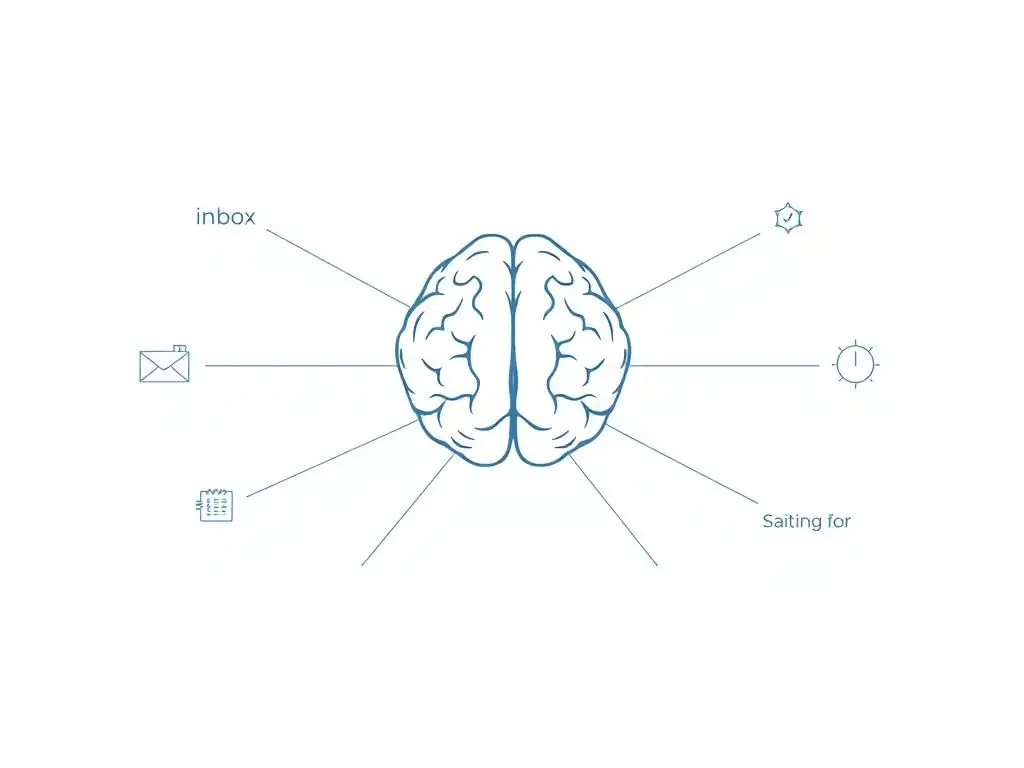
This section details the practical implementation of the Getting Things Done (GTD) methodology, focusing on its application to achieving a more balanced daily routine. Successfully implementing GTD requires a structured approach, moving systematically through each stage. Consistent application is key to reaping the benefits of this powerful productivity system.
We'll explore each step in detail, providing concrete examples and actionable strategies to help you integrate GTD into your life and experience the positive impact on your work-life balance. The core principle of GTD is to get everything out of your head and into a trusted system, eliminating mental clutter and freeing up cognitive resources for more important tasks. This allows for a more balanced and less stressful daily routine.
Capturing All Your Tasks and Ideas: Inbox Zero Strategies
The first, and arguably most crucial, step in the GTD system is capturing everything. This means every task, every idea, every fleeting thought that crosses your mind related to your work or personal life. Think of this as emptying your mental "inbox" into a physical or digital one. This could be a notebook, a note-taking app on your phone, or even a simple email folder dedicated to task capture. The key is consistency. The aim is to achieve "Inbox Zero," a state where your capture system is completely empty at the end of each day.
Several strategies can help you achieve Inbox Zero:
- Regular Time Blocking: Dedicate 15-30 minutes at the beginning and end of each day to review and capture tasks and ideas.
- Utilize Technology: Employ note-taking apps like Evernote, OneNote, or Todoist to quickly capture information on the go.
- Voice Recording: For those who prefer hands-free capture, utilize voice recording features on your smartphone.
- Physical Inbox: Maintain a physical inbox – a tray or a dedicated notebook – for those who prefer tangible methods.
Ignoring this step is a common pitfall. Many attempt to skip directly to organization, but this often leads to an overwhelming backlog and ultimately undermines the entire GTD system. By consistently capturing everything, you create a reliable foundation for effective task management and a more balanced daily routine. Remember, this stage isn't about organizing, it's about capturing.
Processing Your Inbox: Clarifying and Defining Actions
Once your inbox is full, it's time to process it. This involves reviewing each item and deciding what to do with it. This is where the magic of GTD truly begins. For each item, ask yourself:
- Is it actionable? If not, file it, trash it, or put it in a reference system.
- Is it actionable in two minutes or less? If yes, do it immediately.
- If it's a larger task, break it down into smaller, actionable steps. Define the very next physical action required to move the project forward.
- Assign it a context. This could be @home, @work, @computer, @errands, etc. This helps you easily filter tasks based on your current location and resources.
For example, "Plan family vacation" is not actionable. Actionable steps might be: "Research vacation destinations," "Check flight prices," "Compare hotel options," each with assigned contexts (e.g., @computer, @phone). This process of clarifying and defining actions is critical for transforming vague ideas into concrete, manageable tasks. This clarity significantly contributes to a more balanced daily routine by preventing overwhelm and promoting a sense of control.
Organizing Your Tasks: Projects, Next Actions, and Waiting For
After processing your inbox, you'll have a list of actionable items. Now, organize them using the GTD framework:
- Projects: These are multi-step tasks requiring more than one action. Examples include "Write a blog post," "Plan a birthday party," or "Learn a new language."
- Next Actions: This is the very next physical action required to move a project forward. For "Write a blog post," the next action might be "Outline the blog post." For "Learn a new language," it might be "Download a language learning app."
- Waiting For: These are tasks that depend on someone else. Keep track of these to follow up as needed.
You can organize these using a variety of tools, from simple pen and paper to sophisticated project management software. The key is to choose a system that works for you and allows you to easily review and manage your tasks. This clear organization reduces stress and promotes a more balanced daily routine, by providing a clear overview of your commitments and allowing you to focus on the most important next actions.
This structured approach is the hallmark of the GTD system and its contribution to a more balanced daily routine. Consistent application of these principles will yield significant improvements in productivity and overall well-being.
Reviewing Your System: Maintaining a Balanced Workflow
Regular review is crucial to the success of any GTD system, ensuring it remains a tool for achieving a balanced daily routine, not a source of added stress. This isn't about endlessly tweaking; it's about maintaining efficiency and preventing overwhelm. A well-maintained GTD system proactively identifies bottlenecks and allows for adjustments before they significantly impact your productivity. Think of it as preventative maintenance for your personal productivity engine.
Effective review involves more than just a cursory glance at your lists. It requires a deliberate, focused approach, allocating specific time slots for this activity – perhaps weekly or bi-weekly, depending on your needs and the complexity of your projects. Consider scheduling this review during a time when you're mentally fresh and less likely to be interrupted. The goal is to gain a clear perspective on your progress, identify any roadblocks, and adjust your approach accordingly.
The review process should encompass several key areas. First, examine your "Next Actions" list. Are there tasks that are overdue? Are there tasks that are no longer relevant or have been superseded by other priorities? Eliminate outdated items to keep your list focused and actionable. Next, review your "Projects" list. Are there projects that are stalled? Do you need to break down any large projects into smaller, more manageable tasks? Identify any roadblocks and brainstorm solutions.
Finally, and perhaps most importantly, review your "Waiting For" list. This list often gets neglected, but it plays a crucial role in managing expectations and preventing unnecessary stress. Follow up on outstanding items, send gentle reminders, or, if necessary, reassess the project's viability. The "Waiting For" list shouldn't be a dumping ground for forgotten tasks; it should be a proactive tool for managing external dependencies.
By regularly reviewing this list, you ensure that you're not passively waiting for others to complete tasks, but actively managing the process. This proactive approach helps you maintain a balanced workflow, preventing delays and fostering a sense of control. Remember, a consistent review process is key to keeping your GTD system effective and helping you achieve a truly balanced daily routine. The time investment in regular review is far outweighed by the benefits of a streamlined, efficient, and ultimately, less stressful workflow.
Implementing GTD for a Balanced Daily Routine
This section delves into the practical application of the Getting Things Done (GTD) methodology to achieve a more balanced daily routine. We'll move beyond the theoretical and explore concrete strategies for integrating GTD into your existing workflow, ultimately leading to increased productivity and a greater sense of control over your time. The key is to understand that GTD isn't just a to-do list; it's a comprehensive system for managing your commitments and achieving a sense of calm amidst the chaos of daily life.
Successfully implementing GTD requires consistent effort and adaptation to your individual needs and preferences, but the rewards are well worth the investment. Remember, the goal is not just to do more, but to do the right things, effectively and efficiently.
Prioritizing Tasks Effectively Using the GTD Method
Effective prioritization is the cornerstone of a successful GTD implementation. Simply capturing tasks isn't enough; you need a robust system for deciding which tasks to tackle first. GTD suggests focusing on context and urgency. Consider these prioritization strategies:
- Context: Group tasks by context (e.g., @Home, @Work, @Computer, @Phone). This allows you to efficiently batch similar tasks, minimizing context switching and maximizing focus. For example, all phone calls can be completed in one dedicated block of time.
- Urgency: Use a simple matrix to categorize tasks based on urgency and importance. High-urgency, high-importance tasks get immediate attention. High-importance, low-urgency tasks are scheduled. Low-importance tasks are delegated or eliminated.
- Value: Consider the value each task brings to your overall goals. Prioritize tasks that directly contribute to your most important objectives. This ensures you’re spending your time on what truly matters.
Example Prioritization Matrix:
| Task | Urgency | Importance | Action |
|---|---|---|---|
| Finish project proposal | High | High | Do immediately |
| Schedule doctor's appointment | Medium | High | Schedule for today |
| Respond to emails | Low | Medium | Batch for later |
| Clean out inbox | Low | Low | Delegate/Eliminate |
This structured approach prevents feeling overwhelmed and ensures you're focusing on the most valuable activities first. Remember to regularly review and adjust your priorities as needed. Flexibility is crucial in maintaining a balanced GTD system.
Scheduling Your Day: Integrating GTD with Your Calendar
Simply listing tasks isn't enough; you need to schedule them. Integrating GTD with your calendar is crucial for translating your prioritized tasks into actionable steps. This involves allocating specific time blocks for completing your tasks. Don't overschedule! Leave buffer time for unexpected interruptions and tasks that may take longer than anticipated. Consider these points:
- Time Blocking: Allocate specific time slots for different task contexts. For example, dedicate an hour in the morning for focused work on your high-priority project, followed by a block for responding to emails.
- Calendar Integration: Use your calendar to schedule not just appointments, but also dedicated time blocks for processing your inbox, working on projects, and tackling errands.
- Realistic Scheduling: Avoid over-scheduling. Build in buffer time for unexpected delays or tasks that take longer than anticipated. This prevents burnout and helps maintain a balanced approach.
By effectively integrating GTD with your calendar, you'll transform your to-do list into a realistic, actionable plan for your day. The key is balance—allocating time for both focused work and necessary breaks.
Time Blocking Techniques for Focused Productivity with GTD
Time blocking is a powerful technique for enhancing focus and productivity within the GTD framework. It involves allocating specific time blocks for particular tasks or types of work. This structured approach minimizes context switching, allowing for deeper concentration and ultimately leading to greater efficiency. Here's how to effectively use time blocking with GTD:
- Theme-Based Blocking: Instead of scheduling individual tasks, consider grouping similar tasks into thematic blocks. For example, a "Project X" block might encompass all tasks related to that specific project.
- Pomodoro Technique: Integrate the Pomodoro Technique (25 minutes of focused work followed by a 5-minute break) into your time blocks. This structured approach helps maintain concentration and prevents burnout.
- Flexibility: While structure is important, remember that flexibility is key. Be prepared to adjust your schedule as needed. Unforeseen circumstances may require you to shift priorities or adjust time blocks.
Time blocking isn't about rigid adherence to a schedule; it's about creating a framework that supports focused work and helps you achieve a balanced daily routine using the GTD system. Regularly review and refine your time blocking strategy to optimize its effectiveness for your individual needs and preferences. The ultimate goal is to find a system that works for you, promoting both productivity and a sense of well-being.
Maintaining Momentum: Overcoming GTD Challenges
Implementing the GTD system, while incredibly effective for many, can present its own set of hurdles. Maintaining momentum requires consistent effort and a proactive approach to troubleshooting common challenges. One frequent obstacle is the sheer volume of tasks that can accumulate in your system. It’s easy to feel overwhelmed by the sheer number of items in your inbox, next actions list, and project lists.
To combat this, regular review and prioritization are crucial. Schedule dedicated time each week, perhaps 15-30 minutes, to review your entire GTD system. This allows you to identify any tasks that have become obsolete, delegate what can be delegated, and re-prioritize tasks based on context and urgency. Remember, the goal isn't to complete everything immediately, but to keep the system organized and manageable.
Another common challenge is the temptation to procrastinate. Even with a clear list of next actions, it's easy to delay tackling less appealing tasks. This is where self-discipline and strategic task scheduling play a vital role. Break down large, daunting tasks into smaller, more manageable steps.
This makes them less intimidating and easier to start. Prioritize tasks based on their urgency and importance, focusing on high-impact activities first. The Pomodoro Technique, where you work in focused bursts with short breaks, can be a powerful ally in combating procrastination and maintaining focus. Utilizing time-blocking techniques, scheduling specific times for specific tasks, can also help to create a structured and efficient workday.
Furthermore, the GTD system requires a degree of flexibility and adaptation. Life inevitably throws curveballs, and unexpected events can disrupt your carefully planned schedule. It’s vital to incorporate flexibility into your GTD workflow. Regularly review your calendar and task lists, adjusting them as needed to accommodate unexpected developments.
Don't be afraid to reschedule tasks, delegate responsibilities, or even eliminate tasks that are no longer relevant. The key is to maintain a dynamic system that adapts to your changing needs and circumstances. Remember, a rigid adherence to the GTD system can become counterproductive if it prevents you from adapting to unexpected circumstances. Embrace the flexibility inherent in the system.
Finally, remember that the GTD system is a tool, not a rigid set of rules. Experiment with different techniques and approaches to find what works best for you. Don't be afraid to customize the system to fit your individual needs and preferences. The ultimate goal is to find a system that helps you achieve a balanced daily routine and enhances your overall productivity and well-being.
Consistent self-reflection and adjustments are crucial for long-term success with the GTD method. Regularly assess your progress, identify areas for improvement, and refine your approach accordingly. This iterative process is key to maximizing the benefits of GTD and achieving a truly balanced daily routine.
GTD and Stress Management: Finding Balance in Your Life
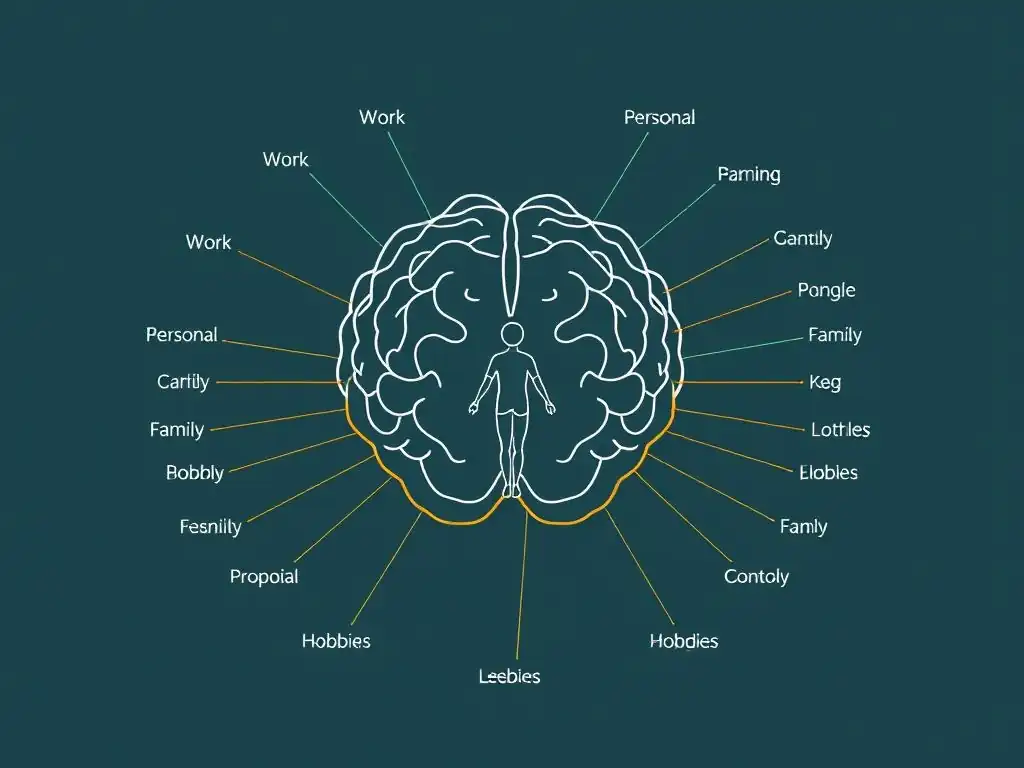
The Getting Things Done (GTD) methodology, while powerful for productivity, can ironically contribute to stress if not implemented thoughtfully. The key lies in understanding GTD not just as a task management system, but as a stress management tool. A poorly executed GTD system can lead to a never-ending list of tasks, creating more anxiety than it alleviates.
However, when used correctly, GTD provides the clarity and control needed to navigate a busy life with less overwhelm and more peace of mind. This section will explore how to leverage GTD for improved mental well-being and a more balanced daily routine, ultimately contributing to a more fulfilling life. The core principle is to actively manage your commitments and responsibilities, preventing them from managing you.
Reducing Overwhelm: The Power of a Clear System
One of the primary benefits of a well-implemented GTD system is its ability to reduce overwhelm. The feeling of being constantly bombarded by tasks and responsibilities is a significant source of stress. GTD tackles this by providing a structured framework for capturing, clarifying, organizing, reflecting on, and engaging with all your commitments. This structured approach transforms a chaotic mental landscape into a manageable, organized system.
Imagine a scenario where you're juggling work projects, family responsibilities, personal goals, and errands. Without a system, these commitments might exist as a jumbled mess in your mind, leading to anxiety and procrastination. GTD offers a solution:
- Capture: Write down everything – every task, every idea, every commitment. Use a digital tool, a notebook, or a combination of both. This simple act of externalizing your mental to-do list frees up mental space, reducing cognitive overload.
- Clarify: Review each item. Is it actionable? If so, is it a next action, a project, or something else? Break down larger projects into smaller, manageable next actions. This clarifies what needs to be done and eliminates ambiguity.
- Organize: Categorize your actions and projects. This could involve using contexts (e.g., @home, @work, @computer), projects (e.g., "Plan Summer Vacation," "Write Book Chapter"), or other organizational schemes that work for you. This ensures you're always working on the right things at the right time.
- Reflect: Regularly review your system (weekly is recommended). This allows you to adjust your priorities, identify bottlenecks, and ensure you're staying on track with your goals. This step is crucial for maintaining a balanced daily routine within the GTD system.
- Engage: Work on your tasks based on your priorities and available time and energy. This involves choosing the most appropriate next action from your organized list and focusing on completing it.
By consistently following these steps, you can transform a feeling of being overwhelmed into a sense of control and calm. This is where the GTD system truly shines in creating a balanced daily routine.
Improving Focus and Concentration Using GTD Principles
The GTD system inherently improves focus and concentration. By breaking down large tasks into smaller, actionable steps, you eliminate the feeling of being faced with an insurmountable challenge. This reduces mental clutter, allowing you to concentrate on the task at hand without the distraction of a looming, undefined project.
Consider the impact of a large project, such as writing a book. Without GTD, the sheer size of the task might be paralyzing. With GTD, the project is broken down into smaller, manageable actions: "write chapter outline," "research topic X," "write 500 words of chapter 1," etc. This granular approach makes the overall project less daunting and allows for focused work on individual steps.
This improved focus directly contributes to a more balanced and productive daily routine. The elimination of decision fatigue—the mental exhaustion from making numerous small decisions throughout the day—is a significant benefit. By having a clear system in place, decisions are minimized, freeing your cognitive resources for more important tasks.
Achieving Work-Life Balance with the GTD System
A common struggle in modern life is maintaining a healthy work-life balance. The GTD system, when implemented correctly, can significantly contribute to this balance. By clearly defining and organizing both professional and personal commitments, you can avoid the feeling of being constantly pulled in multiple directions.
The key is to treat personal tasks and goals with the same level of rigor as professional ones. Include personal appointments, errands, family time, and hobbies in your GTD system. This integration ensures that these important aspects of your life are not neglected in the pursuit of professional goals.
Regular reviews of your system allow you to assess whether you're allocating sufficient time and energy to both professional and personal aspects of your life, promoting a sustainable and fulfilling balanced daily routine with the GTD system. This conscious effort to balance all areas of life is what separates a successful GTD implementation from merely a task management system. The result is a more integrated and harmonious life, reducing stress and improving overall well-being.
Long-Term Benefits of GTD for Sustained Productivity
Implementing the GTD system isn't just about short-term task completion; it cultivates a sustainable approach to productivity that yields significant long-term benefits. The consistent practice of capturing, clarifying, organizing, reflecting, and engaging with tasks fosters a sense of control and reduces the overwhelming feeling of having too much on your plate. This, in turn, contributes to a significant reduction in stress levels. Over time, you'll notice a marked improvement in your ability to handle both personal and professional responsibilities, leading to a more balanced and fulfilling life.
One of the most noticeable long-term benefits is the development of a proactive, rather than reactive, mindset. Instead of constantly putting out fires, you'll be strategically planning and executing tasks, anticipating potential roadblocks, and mitigating risks. This proactive approach not only boosts your efficiency but also enhances your problem-solving skills and decision-making abilities. You'll find yourself more adept at prioritizing tasks based on their importance and urgency, leading to a more focused and effective workflow.
Furthermore, the GTD system encourages regular reflection on your progress and adjustments to your workflow. This continuous improvement cycle allows you to identify areas for optimization and refine your processes over time. You'll learn to identify your peak productivity times, your preferred working styles, and the tasks that drain your energy, allowing you to optimize your schedule and allocate your time more effectively.
This continuous self-assessment and refinement are critical for sustained productivity and long-term success. The result is not just a more efficient workflow but a more mindful and deliberate approach to managing your time and energy. Think of it as a continuous feedback loop for your personal productivity system, constantly evolving and improving to meet your changing needs and goals.
This iterative process is key to the long-term success and adaptability of the GTD system, ensuring its relevance and effectiveness in the face of evolving responsibilities and priorities. The ability to adapt and refine your approach is a significant advantage in today's dynamic world. This flexible framework allows the GTD system to remain a valuable tool for achieving balance and sustained productivity for years to come.
Advanced GTD Techniques for Optimized Daily Routines
This section delves into advanced strategies within the GTD (Getting Things Done) system, focusing on techniques to refine your workflow and achieve a truly balanced daily routine. We'll move beyond the basics, exploring methods to maximize your efficiency and minimize stress. The goal is to seamlessly integrate GTD into your life, not let it become another task on your already full plate.
Mastering these techniques will allow you to leverage the GTD system for a more effective and fulfilling daily routine, ultimately leading to a better work-life balance. This will help you achieve a truly balanced daily routine utilizing the GTD system.
Contextualizing Your Tasks for Better Organization
Effective task management within the GTD system isn't just about listing items; it's about understanding their context. Contextualizing your tasks allows for more efficient scheduling and prioritization. Instead of simply writing "Write report," consider adding context like "Write report @office" or "Write report (requires research)." This seemingly small addition dramatically improves your ability to batch similar tasks.
For example, consider these scenarios:
- Scenario 1 (Uncontextualized): "Grocery Shopping," "Pay Bills," "Schedule Appointment," "Email John." This list is overwhelming and lacks focus.
- Scenario 2 (Contextualized):
@Home: "Grocery Shopping," "Pay Bills"@Computer: "Email John," "Schedule Appointment"@Errands: "Pick up dry cleaning"
This contextualization allows you to group tasks based on location or required resources. You can then dedicate specific time blocks to tackling tasks within a particular context, eliminating wasted time switching between different environments or tools. This leads to increased focus and improved GTD system balanced daily routine.
Utilizing Technology to Enhance Your GTD Workflow
While the GTD methodology is fundamentally analog-friendly, leveraging technology can significantly boost your productivity. Numerous apps and software are designed to streamline GTD workflows, offering features like:
- Task Management: These apps allow for capturing, organizing, prioritizing, and scheduling tasks, often with features like subtasks, due dates, and reminders. Choosing the right tool is crucial; some users might prefer a simple to-do list, while others need more sophisticated features.
- Calendar Integration: Seamless integration with your calendar allows for visual scheduling of tasks based on their context and urgency. This ensures you allocate sufficient time for each activity, preventing overcommitment and promoting a balanced routine.
- Note-Taking: Integrating a note-taking application allows for effective capture of ideas, meeting notes, and project details, all crucial components of a robust GTD system.
The key is to find a technology stack that complements your work style and doesn't add complexity. Experiment with different tools to discover the best fit for your GTD system balanced daily routine. Don't be afraid to try different approaches and find what works best for you. Over-reliance on technology can be detrimental, so maintain a balance between digital and analog methods.
Customizing Your GTD System to Your Specific Needs
The beauty of GTD lies in its adaptability. It's not a one-size-fits-all solution. To truly maximize its effectiveness, you must tailor it to your individual needs and preferences. This might involve:
- Adjusting the Number of Lists: Some individuals find benefit in using more granular lists (e.g., separating "Projects" into "Work Projects" and "Personal Projects"), while others prefer a more streamlined approach. Experiment to find the optimal level of detail for your workflow.
- Modifying Your Review Process: The frequency and depth of your weekly review should be adjusted based on your workload and personal preferences. A busy individual might require a more frequent review, while someone with a lighter workload may find a less frequent review sufficient.
- Integrating Personal Values: Align your GTD system with your personal values and goals. This ensures that you are prioritizing tasks that truly matter to you, contributing to a more fulfilling and balanced daily routine.
Remember, the GTD system is a framework, not a rigid set of rules. Embrace experimentation, adapt it to your unique lifestyle, and continuously refine your workflow to achieve optimal results. The ultimate goal is a system that supports your personal and professional aspirations, contributing to a more balanced and productive life. This personalized approach is key to mastering the GTD system balanced daily routine.
Regular System Reviews for Continuous Improvement
Regular review of your GTD system is crucial for maintaining its effectiveness and adapting it to your evolving needs. A stagnant system quickly becomes outdated and inefficient. Think of it like this: your life isn't static; your priorities, projects, and contexts change constantly. To keep your GTD system truly effective in supporting a balanced daily routine, you need to actively review and refine it. This isn't a one-time task; it's an ongoing process.
One effective strategy is to schedule weekly reviews. During this time, you'll process any new information that has come in, ensuring nothing falls through the cracks. This involves reviewing your inbox (both physical and digital), your calendar, and your project lists. You'll identify any next actions that need attention, delegate tasks where appropriate, and perhaps even identify new projects altogether. The key here is to be thorough. Don't rush through this process; dedicate sufficient time to ensure you've comprehensively addressed everything.
Beyond weekly reviews, consider implementing monthly and quarterly reviews. These more extensive reviews allow you to step back and examine the bigger picture. Are your projects still aligned with your goals? Are you spending your time effectively? Are there any areas where you're consistently struggling or experiencing bottlenecks? These higher-level reviews offer a chance to identify systemic issues and make significant adjustments to your GTD workflow. This might involve refining your project definitions, re-evaluating your contexts, or even completely overhauling certain aspects of your system if necessary.
For example, a monthly review might reveal that you're consistently over-committing yourself, leading to stress and reduced productivity. This could prompt a reassessment of your project priorities and a commitment to delegating or eliminating less crucial tasks. A quarterly review might uncover a pattern of neglecting certain areas of your life, such as personal well-being or relationships. This could lead to the creation of new projects specifically dedicated to these areas, ensuring a more balanced and fulfilling daily routine.
The goal is continuous improvement—constantly refining your GTD system to better support your personal and professional objectives. Remember, a successful GTD system isn't a rigid structure; it's a flexible tool that adapts to your changing needs and helps you achieve a more balanced daily routine. Regular reviews are the key to unlocking this adaptability.
Frequently Asked Questions
What is the GTD system, and how does it relate to a balanced daily routine?
The GTD (Getting Things Done) system is a productivity methodology focusing on capturing, clarifying, organizing, reflecting on, and engaging with tasks. By effectively managing your tasks, GTD helps create a balanced routine by reducing stress and improving focus.
How can I incorporate the GTD system into my existing daily routine?
Start by capturing all your tasks in a central location (e.g., a notebook, app). Then, process each item, clarifying its action steps and assigning it a context (e.g., @home, @computer). Finally, schedule tasks into your daily routine based on available time and energy.
What are the key benefits of using the GTD system for a balanced routine?
GTD promotes a clearer mind, reduced stress from unmanaged tasks, and increased productivity. It allows for better time management and a more intentional approach to daily activities, leading to a more balanced lifestyle.
Are there any specific tools or apps that can help implement the GTD system?
Many apps and tools support GTD, such as Todoist, Any.do, and Notion. Choosing the right tool depends on your preferences and workflow. Even a simple notebook and pen can be effective.
How long does it typically take to see results from implementing the GTD system?
The time it takes to see results varies, depending on individual commitment and complexity of existing routines. Many users report noticing positive changes within a few weeks, experiencing less stress and improved focus. Consistency is key.
Final Reflection: Finding Balance in the Chaos: Mastering Your Life with GTD
The relentless pace of modern life demands a system, a method to tame the chaos and reclaim control. Ignoring this need only leads to increased stress and decreased productivity; embracing a structured approach, however, unlocks a potential for profound personal and professional fulfillment. The GTD methodology, as explored throughout this article, offers a powerful framework for achieving this balance.
The impact of the GTD system extends far beyond simple task management; it's a philosophy of mindful engagement with our lives. It encourages a deep introspection into our priorities, forcing us to confront the often-overwhelming volume of commitments and responsibilities. This conscious engagement fosters a sense of clarity and purpose that ripples outwards, impacting not only our work but also our relationships and overall well-being. The key is not to prioritize what's on your schedule, but to schedule your priorities.
– Stephen Covey. This quote perfectly encapsulates the core principle of GTD: actively shaping your day, rather than passively reacting to it.
Now, consider your own life. What areas feel overwhelming? Where do you feel a lack of control? This article has provided you with the tools; the next step is yours. Commit to implementing even one aspect of the GTD system – perhaps the weekly review or the simple act of capturing all your tasks – and observe the positive changes that unfold. Embrace the power of intentionality, and discover the transformative potential of a truly balanced daily routine. The journey to a more organized and fulfilling life begins with a single, conscious step.
Unleash Your Productivity: Take Control of Your Day!
Thank you for exploring the Getting Things Done (GTD) method! We hope you've gained valuable insights into creating a more balanced and productive life. Ready to put this knowledge into practice?
- Start with a small GTD project: Begin by focusing on one area of your life—work, home, or a hobby—and apply the GTD principles. Break down a challenging task into manageable steps and enjoy the feeling of accomplishment.
- Share your GTD experience: We'd love to hear about your progress! What aspects of GTD are proving most beneficial, and what challenges have you encountered? Your feedback could help others on their productivity journey.
- Connect with the GTD community: We encourage you to explore online GTD forums and groups. Connecting with like-minded individuals provides valuable support and fresh perspectives.
What's the first step you'll take today to improve your productivity using GTD?