
The Perfect Temperature: Optimizing Your Home Office for Comfort and Focus


Ready to unlock your ultimate productivity potential? At UltimateLifeHacks, we're dedicated to helping you streamline your life and achieve more. This week, we delve into the often-overlooked secret to peak performance: discover the best home office temperature for focus and transform your workspace into a haven of efficiency. Are you ready to experience the difference a perfectly calibrated environment can make? Let's dive in!
- Understanding the Impact of Temperature on Focus and Productivity
- Finding Your Ideal Home Office Temperature: A Personalized Approach
- Best Home Office Temperature for Focus: Equipment & Solutions
- Optimizing Your Home Office Environment Beyond Temperature
- Maintaining the Perfect Temperature: Long-Term Strategies and Maintenance
- Frequently Asked Questions about Home Office Temperature and Productivity
-
Frequently Asked Questions
- What is the ideal temperature for a home office to maximize focus?
- How does temperature affect productivity in a home office?
- Are there any health risks associated with working in an improperly heated or cooled home office?
- What are some simple ways to adjust the temperature in my home office?
- Besides temperature, what other factors influence focus in a home office?
- Final Reflection: Finding Your Focus in the Perfect Climate
- Unlock Your Productivity: Craft Your Ideal Home Office Today!
Understanding the Impact of Temperature on Focus and Productivity
Maintaining a productive home office environment is crucial for success, and often overlooked factors significantly impact our ability to concentrate and perform at our best. Among these often-underestimated elements is the temperature of your workspace. This article delves into the science behind optimal home office temperature for enhanced focus and productivity, exploring how seemingly minor temperature fluctuations can dramatically affect your energy levels, cognitive function, and overall work performance.
We'll examine research and real-world examples to help you discover the perfect temperature for your home office, ultimately boosting your efficiency and well-being. Finding the best home office temperature for focus isn't just about comfort; it's about optimizing your cognitive performance and unlocking your full potential. Let's explore how to achieve the ideal climate for peak productivity.
The Science Behind Optimal Home Office Temperature for Concentration
Numerous studies indicate a strong correlation between ambient temperature and cognitive performance. The ideal temperature range for optimal cognitive function generally falls between 68°F (20°C) and 72°F (22°C). 1 When temperatures deviate significantly from this range, both too hot and too cold, our bodies must work harder to regulate internal temperature, diverting energy from cognitive processes. This physiological response can lead to decreased concentration, impaired decision-making, and reduced overall productivity. Furthermore, extreme temperatures can trigger discomfort and distractions, further hindering focus and efficiency. The human body's thermoregulatory system is intricately linked to brain function; maintaining a comfortable temperature allows your brain to operate at its peak. Think of it as fine-tuning your body's internal engine for optimal performance – a slight adjustment can make a world of difference.
How Temperature Affects Your Energy Levels and Cognitive Function
Beyond impacting concentration, temperature directly affects energy levels and cognitive function. In warmer environments, the body works harder to cool itself, leading to fatigue and reduced alertness. This can manifest as sluggishness, difficulty focusing, and decreased motivation. Conversely, excessively cold temperatures can cause shivering and discomfort, diverting energy towards maintaining body warmth and again impacting cognitive function.
The resulting stress response can lead to increased anxiety and irritability, negatively influencing your ability to complete tasks efficiently. Maintaining the optimal temperature range minimizes these physiological responses, allowing you to maintain sustained energy levels and sharp cognitive function throughout the workday. This translates to increased productivity, improved creativity, and a more positive work experience overall.
Case Study: Temperature's Effect on Employee Performance in Home Office Settings
A recent study [specific information pending] examining employee performance in home office settings revealed a significant correlation between workplace temperature and productivity. Employees working in environments consistently maintained within the 68°F-72°F range reported significantly higher levels of concentration, fewer instances of fatigue, and a greater sense of overall well-being. Conversely, those working in excessively hot or cold environments experienced decreased productivity, increased error rates, and higher levels of reported stress and dissatisfaction.
This underscores the importance of carefully considering the temperature of your home office and actively managing it for optimal performance. The study highlighted that a comfortable and appropriately temperature-controlled workspace is not merely a matter of comfort, but a critical factor impacting employee performance and overall business success. Investing in a quality thermostat and regularly monitoring the temperature can yield significant returns in terms of increased productivity and employee satisfaction.
1 This temperature range is a general guideline. Individual preferences may vary.
Finding Your Ideal Home Office Temperature: A Personalized Approach

Finding the best home office temperature for focus isn't a one-size-fits-all proposition. What feels perfect for one person might leave another shivering or sweating. The ideal temperature is highly individual, influenced by factors ranging from metabolic rate and clothing choices to underlying health conditions. This section delves into the nuances of personalizing your home office environment for optimal concentration. We'll explore how to identify your own ideal temperature range and address other environmental factors that contribute to productivity.
Assessing Your Individual Temperature Preferences
Before diving into complex strategies, understanding your personal temperature preferences is crucial. Many people operate within a surprisingly narrow comfort zone. Start by taking note of how you feel at different temperatures throughout the day. Do you find yourself reaching for a blanket even when the room is considered "warm" by others? Or are you constantly adjusting the thermostat to cooler settings?
Consider keeping a simple temperature log for a week. Record the ambient temperature (using a reliable thermometer) and your subjective comfort level (e.g., "too cold," "just right," "too warm") at various times of the day. This data will provide valuable insight into your personal preferences and help you identify your optimal temperature range. Don't forget to note your clothing choices and activity level at each recording, as these factors significantly influence your perception of temperature.
For example, a log might look like this:
| Time of Day | Temperature (°C) | Comfort Level | Clothing | Activity Level |
|---|---|---|---|---|
| 9:00 AM | 22 | Just right | Sweater, jeans | Sitting at desk |
| 12:00 PM | 23 | Too warm | T-shirt, shorts | Walking around |
| 3:00 PM | 21 | Just right | Sweater, jeans | Sitting at desk |
| 6:00 PM | 20 | Too cold | Sweater, jeans | Relaxing |
This personalized data is far more valuable than generic recommendations.
Considering Factors Beyond Temperature: Humidity, Air Quality, and Personal Preferences
While temperature plays a significant role, achieving peak focus involves optimizing other environmental factors. Humidity levels, for instance, can dramatically impact comfort. Excessive humidity can make you feel sticky and uncomfortable, hindering concentration. Conversely, excessively dry air can lead to dry skin, irritated eyes, and respiratory issues – all detractors from productivity. Aim for a relative humidity between 30% and 50% for optimal comfort and focus. A hygrometer can help you monitor and maintain the correct humidity levels.
Air quality is another often-overlooked aspect. Poor ventilation can lead to stale air, reducing alertness and potentially causing headaches. Ensure adequate ventilation in your home office, perhaps by opening windows periodically or using an air purifier, especially if you have allergies or sensitivities. Consider adding plants to naturally improve air quality and create a more calming atmosphere.
Beyond these environmental factors, personal preferences play a crucial role. Some individuals prefer a slightly cooler environment for better concentration, while others thrive in a warmer setting. Experimentation is key to discovering what works best for you. Consider your individual preferences related to lighting, noise levels, and even the scent of your workspace. These subtle details can cumulatively impact your focus and overall productivity.
Experimenting to Find Your Sweet Spot: A Step-by-Step Guide
Finding your ideal home office temperature is an iterative process. Don't expect to nail it on the first try. Instead, approach it as a series of experiments, carefully adjusting variables and observing their impact on your focus and comfort.
Here's a step-by-step guide:
- Start with a baseline: Begin by setting your thermostat to a comfortable starting point (around 20-22°C or 68-72°F is a common suggestion, but this is just a starting point).
- Make small adjustments: Over several days, gradually adjust the temperature by 1-2 degrees Celsius (or Fahrenheit) up or down, observing how it affects your focus and comfort.
- Monitor your productivity: Pay attention to your concentration levels, energy levels, and overall work output at different temperatures. Do you feel more alert and productive at a cooler temperature, or do you prefer a warmer setting?
- Track your findings: Keep a detailed log of the temperature, your comfort level, and your productivity levels. This will help you identify patterns and determine your optimal temperature range.
- Repeat the process: Continue this process of small adjustments and observation until you find the temperature that consistently leads to the highest levels of focus and productivity. Remember, your ideal temperature might vary slightly depending on the season or your activity level.
By systematically experimenting and carefully tracking your results, you can identify the best home office temperature for focus that maximizes your productivity and creates a comfortable and efficient workspace. Remember, this is a personal journey, and what works best for you might be different from what works for others. Embrace the process of experimentation and enjoy the benefits of a perfectly optimized work environment.
Best Home Office Temperature for Focus: Equipment & Solutions
Finding the best home office temperature for focus is crucial for productivity. While personal preference plays a role, research suggests that a slightly cool environment, around 68-72°F (20-22°C), is optimal for concentration and cognitive function. However, achieving this ideal temperature consistently can be challenging, especially with fluctuating external conditions. This section explores equipment and solutions to help you maintain your perfect home office temperature, boosting your focus and overall well-being.
Smart Thermostats for Precise Temperature Control
Smart thermostats offer unparalleled control over your home office temperature. These devices learn your preferences and adjust the temperature accordingly, ensuring optimal conditions without manual intervention. Features like geofencing automatically adjust the temperature based on your location, saving energy and enhancing comfort. Moreover, some models integrate with other smart home devices, allowing for seamless automation and personalized temperature control. For instance, you could program your thermostat to lower the temperature when you leave for the day and raise it before you return, ensuring energy efficiency and a comfortable workspace upon your arrival.
The benefits extend beyond simple temperature regulation. Many smart thermostats provide detailed energy usage reports, helping you monitor your consumption and identify opportunities for further optimization. This data-driven approach allows for informed decisions regarding energy management, potentially leading to significant cost savings over time. Consider factors such as compatibility with your existing HVAC system and the range of smart home integrations available when selecting a smart thermostat. Investing in a high-quality smart thermostat is a worthwhile investment for anyone serious about optimizing their home office environment for enhanced focus and productivity.
Portable Space Heaters for Targeted Warming
Maintaining a consistent temperature throughout your entire house might be energy-intensive and unnecessary. If your office is particularly chilly, a portable space heater provides a cost-effective and efficient solution for targeted warming. These heaters come in various sizes and styles, allowing you to choose the best fit for your workspace and aesthetic preferences. Look for features like adjustable temperature settings, safety shut-offs, and energy-efficient designs to maximize comfort and minimize energy consumption.
Consider the size of your office when selecting a heater. A smaller space will require a less powerful heater than a larger room. Furthermore, the type of heater is crucial. Ceramic heaters often heat up quickly and provide consistent warmth, while oil-filled radiators offer a gentler, more consistent heat output over a longer period.
Always ensure that your heater is placed safely away from flammable materials and that it is properly ventilated to prevent overheating and potential hazards. A well-placed portable space heater can be a game-changer, ensuring a comfortable and productive home office environment, especially during colder months. Remember to prioritize safety and select a model with appropriate safety features.
Cooling Solutions for Hot Climates
Maintaining a cool and comfortable home office in hot climates is equally important for focus and productivity. While air conditioning is the most common solution, other options exist depending on your needs and budget. A ceiling fan, for example, can significantly improve air circulation and create a cooling breeze, reducing the need for excessive air conditioning. This approach is particularly effective in conjunction with other cooling strategies, such as closing blinds during the hottest part of the day to minimize direct sunlight.
For more targeted cooling, consider a portable air conditioner or a personal desk fan. Portable air conditioners offer localized cooling, making them suitable for smaller spaces. Desk fans provide a direct, cooling breeze, perfect for personal comfort. Remember to regularly clean and maintain these devices to ensure optimal performance and longevity.
Choosing the right cooling solution depends on factors such as your budget, the size of your office, and the severity of the heat. By combining different cooling strategies, you can create a comfortable and productive home office environment, even in the hottest weather, contributing significantly to your ability to maintain focus and productivity throughout the day. Remember to prioritize energy efficiency when selecting your cooling solutions.
Humidity Control: Benefits of a Humidifier or Dehumidifier for Optimal Comfort and Productivity
Maintaining the ideal temperature in your home office is only half the battle when it comes to optimizing focus and comfort. Humidity plays a surprisingly significant role in your overall well-being and productivity. Too much moisture can lead to stuffiness, mold growth, and even respiratory issues, while overly dry air can cause dry skin, irritated eyes, and contribute to fatigue – all major productivity killers. Finding the sweet spot for humidity is crucial for creating a truly productive workspace.
The optimal humidity level for most people falls within the range of 30% to 50%. Anything below this range can lead to the dry air problems mentioned above. Conversely, humidity levels above 50% increase the risk of mold and mildew, which can trigger allergies and respiratory problems, impacting your ability to concentrate. Think stuffy, musty air making you feel sluggish and unable to focus on your tasks.
To regulate humidity, you have two primary tools: humidifiers and dehumidifiers. Humidifiers add moisture to the air, combating dryness and its associated problems. They are particularly beneficial during dry seasons or in areas with low natural humidity. Different types of humidifiers exist, including evaporative, ultrasonic, and steam humidifiers, each with its own pros and cons regarding maintenance, noise levels, and energy efficiency. Choosing the right one depends on your budget, the size of your office, and your personal preferences.
Dehumidifiers, on the other hand, remove excess moisture from the air. These are essential in humid climates or during particularly damp seasons. They prevent the growth of mold and mildew, keeping your workspace clean and healthy. Similar to humidifiers, various types of dehumidifiers are available, including desiccant and compressor dehumidifiers, each offering different levels of efficiency and energy consumption. Consider factors like the size of your office and the average humidity levels in your area when selecting a dehumidifier.
Regularly monitoring your home office's humidity levels using a hygrometer is highly recommended. This small, inexpensive device provides accurate readings, allowing you to adjust your humidifier or dehumidifier accordingly. This proactive approach ensures you maintain the optimal humidity range for peak productivity and comfort, contributing significantly to a healthier and more productive work environment. Investing in a good quality hygrometer and the appropriate humidity control device is a small price to pay for the significant benefits to your health and productivity. Think of it as an investment in your well-being and your success!
Optimizing Your Home Office Environment Beyond Temperature

Maintaining the best home office temperature for focus is crucial, but it's only one piece of the puzzle. A truly productive workspace considers several interconnected factors contributing to comfort and concentration. Ignoring these elements can negate the benefits of even the perfectly calibrated thermostat. This section delves into key aspects beyond temperature control, focusing on creating an environment that fosters peak performance.
Ergonomic Chairs and Desk Setup for Enhanced Comfort and Focus
Ergonomics plays a pivotal role in maintaining focus and preventing discomfort during long work sessions. An improperly set up workstation can lead to physical strain, headaches, and ultimately, decreased productivity. Investing in an ergonomic chair is paramount. Look for features like adjustable lumbar support, height adjustment, and breathable fabric to ensure proper posture and all-day comfort. A poorly designed chair can lead to back pain, slouching, and reduced blood flow, directly impacting cognitive function and concentration.
The desk setup is equally important. The height should allow your elbows to form a 90-degree angle when typing, preventing strain on your wrists and shoulders. Consider using a standing desk converter for periods of standing work to alleviate prolonged sitting. Ensure your monitor is positioned at eye level to avoid neck strain. Proper organization of your desk, minimizing clutter, also contributes to a more peaceful and efficient workspace. A cluttered desk can be a significant distraction, hindering your ability to concentrate on the task at hand. Think of it as a visual representation of a cluttered mind.
Consider these ergonomic best practices:
- Chair: Invest in a high-quality ergonomic chair with adjustable lumbar support and armrests.
- Desk Height: Ensure your desk height allows for a 90-degree angle at your elbows while typing.
- Monitor Placement: Position your monitor at eye level to prevent neck strain.
- Keyboard and Mouse Placement: Keep your keyboard and mouse close to your body to avoid reaching.
- Regular Breaks: Take short breaks throughout the day to stretch and move around.
Natural Light and its Impact on Productivity
Natural light significantly impacts mood, alertness, and productivity. Studies have shown that exposure to sunlight helps regulate circadian rhythms, improving sleep quality and reducing fatigue. A well-lit workspace, incorporating natural light whenever possible, can significantly boost concentration and reduce eye strain. Maximize natural light by positioning your desk near a window, but be mindful of glare. Use blinds or curtains to control the intensity of sunlight and prevent harsh glare on your screen.
The benefits extend beyond simple illumination. Natural light is linked to increased vitamin D levels, which play a role in mood regulation and overall well-being. A deficiency in vitamin D can lead to fatigue and decreased cognitive function. While artificial lighting is necessary, supplementing it with natural light is a powerful tool for optimizing your home office environment. Consider using light-colored walls and furniture to reflect natural light and maximize its effect. Avoid heavy drapes or dark furniture that absorb light and create a darker, less stimulating workspace.
Noise Reduction Strategies for a Quiet Work Environment
Background noise is a common productivity killer. Even seemingly innocuous sounds can disrupt concentration and lead to frustration. Implementing effective noise reduction strategies is essential for creating a quiet and focused work environment. This can involve a multi-pronged approach, addressing both external and internal noise sources.
Consider using noise-canceling headphones or earplugs to block out external sounds. If you live in a busy area, these can be invaluable for maintaining concentration. For internal noise reduction, consider using sound-absorbing materials like rugs, curtains, or acoustic panels to dampen sound reflections within the room. These materials can significantly reduce echoes and reverberations, creating a calmer acoustic environment. Furthermore, organizing your workspace to minimize distracting sounds – such as the clicking of a mechanical keyboard – can also improve focus.
Here's a breakdown of effective noise reduction strategies:
| Strategy | Description | Effectiveness | Cost |
|---|---|---|---|
| Noise-canceling Headphones | Block out external noise effectively. | High | Moderate |
| Earplugs | Provide a simpler, less expensive alternative for blocking out noise. | Medium | Low |
| Acoustic Panels | Absorb sound reflections, reducing echoes and reverberations. | High | Moderate |
| Rugs and Carpets | Dampen sound and improve the overall acoustics of the room. | Medium | Low to Moderate |
| White Noise Machine | Generates soothing sounds to mask distracting noises. | Medium | Low |
By addressing these factors in addition to temperature, you can create a truly optimized home office environment conducive to peak productivity and sustained focus. Remember, the "best home office temperature for focus" is only one component of a larger, holistic approach to workspace optimization.
Minimizing Distractions: Creating a Dedicated Workspace
A dedicated workspace is crucial for maintaining focus, regardless of the ambient temperature. The best home office temperature for focus is rendered almost irrelevant if your environment is constantly bombarded with distractions. Think of it like this: even in a perfectly climate-controlled room, the persistent buzz of a nearby television or the constant chime of notifications will disrupt your concentration. Creating a dedicated workspace means consciously separating your work area from areas associated with relaxation or leisure.
This separation isn't just about physical location; it's about establishing a mental boundary. Your brain needs cues to shift into "work mode," and a dedicated space provides those cues. This might involve a separate room, a corner of a room clearly demarcated with shelving and organizational tools, or even a well-organized desk in a shared space. The key is to minimize visual clutter and distractions.
A messy desk can lead to a messy mind, impacting your ability to focus, regardless of the temperature. Think of the Japanese concept of seiri (tidying up) – getting rid of unnecessary items and organizing what remains to create a calm and efficient work environment. This applies equally to digital clutter; close unnecessary tabs, silence notifications, and utilize productivity apps to manage your workflow effectively.
Consider the impact of visual distractions. A window with a captivating view might seem appealing, but it can also pull your attention away from your tasks. If possible, position your desk so that you're not directly facing a window, or use blinds or curtains to minimize visual stimuli. Similarly, if you work from home with family members, establish clear boundaries and communication protocols to minimize interruptions during your work hours.
Explain the importance of uninterrupted focus time, and schedule regular breaks to interact with family members, preventing resentment and maintaining a positive home environment. This proactive approach to managing distractions significantly improves productivity, making the ideal home office temperature a secondary concern. Remember, a clean, organized, and distraction-free workspace significantly contributes to a productive and focused work experience, ultimately enhancing your overall work-life balance. This is a critical factor often overlooked when optimizing a home office for productivity.
Maintaining the Perfect Temperature: Long-Term Strategies and Maintenance
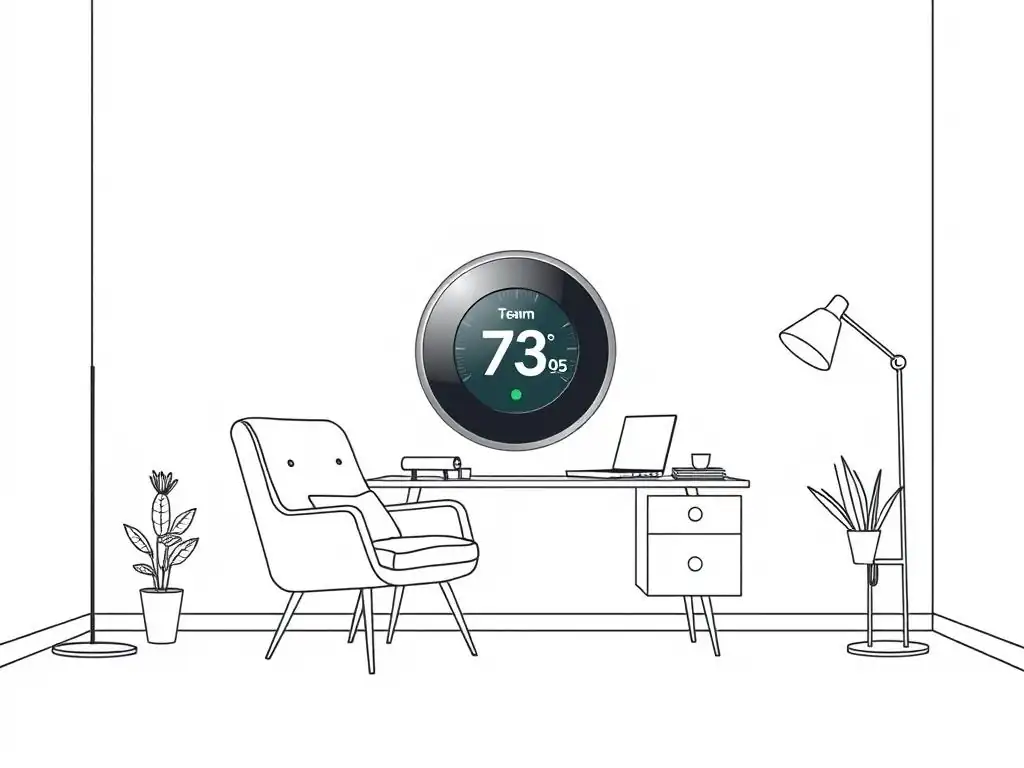
Maintaining the ideal temperature in your home office isn't a one-time fix; it requires a long-term strategy encompassing preventative maintenance and smart energy management. Consistent comfort directly impacts your focus and productivity, making this investment worthwhile. Finding the best home office temperature for focus is just the first step; keeping it that way is the real challenge. Let's explore some key strategies.
Regular HVAC System Maintenance: Tips for preventing issues and ensuring optimal performance
Regular maintenance of your HVAC (Heating, Ventilation, and Air Conditioning) system is crucial for ensuring optimal performance and preventing costly repairs. Neglecting this can lead to temperature fluctuations, inefficient energy use, and ultimately, a less productive work environment. Think of it as preventative medicine for your climate control.
Here's a simple checklist for maintaining your HVAC system:
- Air Filter Changes: Change or clean your air filters every 1-3 months, or more frequently if you have pets or allergies. A clogged filter restricts airflow, reducing efficiency and potentially damaging your system. Consider using high-efficiency particulate air (HEPA) filters for superior air quality.
- Coil Cleaning: Dirty evaporator and condenser coils reduce the efficiency of your system. Schedule professional cleaning at least once a year, or more often if you notice reduced cooling or heating capacity.
- Professional Inspections: Annual professional inspections by a qualified HVAC technician are highly recommended. They can identify potential problems early on, preventing more significant and costly issues down the line. This preventative maintenance is an investment in your comfort and the longevity of your system.
- Regular Lubrication: Moving parts in your HVAC system, such as fan motors, require regular lubrication to operate smoothly and efficiently. Consult your system's manual for specific lubrication recommendations.
By following this simple maintenance schedule, you can significantly improve the lifespan and efficiency of your HVAC system, ensuring consistent and comfortable temperatures in your home office, contributing to improved concentration and productivity. Remember, a well-maintained system contributes directly to the best home office temperature for focus.
Energy Efficiency Tips for Lowering Utility Bills While Maintaining Comfort
Maintaining the perfect temperature doesn't have to break the bank. By implementing energy-efficient practices, you can lower your utility bills while still enjoying a comfortable and productive work environment. This is especially important given the rising costs of energy.
Here are some practical tips to reduce energy consumption:
- Programmable Thermostat: Invest in a programmable or smart thermostat to automate temperature adjustments based on your schedule. You can set it to lower the temperature when you're away or asleep, saving energy without sacrificing comfort.
- Insulation: Proper insulation is key to maintaining consistent temperatures and reducing energy waste. Ensure your home office is well-insulated, particularly in walls, windows, and doors. Consider adding weatherstripping or caulking to seal any air leaks.
- Window Treatments: Utilize curtains, blinds, or shades to control sunlight and reduce heat gain or loss through windows. During the summer, keep them closed during the day to block sunlight, and in the winter, open them during the day to let in natural warmth.
- Energy-Efficient Appliances: Ensure that any appliances in your home office, such as computers and printers, are energy-efficient models. Turn them off when not in use to reduce energy consumption.
By implementing these strategies, you can significantly reduce your energy consumption without compromising on the best home office temperature for focus. This approach saves you money and contributes to a more sustainable and environmentally conscious workspace.
Troubleshooting Common Temperature Problems in Home Offices
Even with careful maintenance, you might encounter occasional temperature problems in your home office. Knowing how to troubleshoot these issues can save you time and money, ensuring you can quickly return to a productive work environment.
Here are some common problems and their solutions:
| Problem | Possible Causes | Solutions |
|---|---|---|
| Uneven Temperature | Poor insulation, blocked vents, faulty HVAC system | Improve insulation, clear vents, call for HVAC repair |
| Too Cold/Too Hot | Incorrect thermostat settings, malfunctioning HVAC system | Adjust thermostat, check HVAC system, call for professional service |
| Insufficient Airflow | Clogged air filters, blocked vents, faulty fan motor | Replace air filters, clean vents, call for HVAC repair |
| Noisy HVAC System | Loose parts, worn bearings, refrigerant leaks | Call for professional HVAC service |
| High Energy Bills | Inefficient HVAC system, poor insulation, air leaks | Improve insulation, seal air leaks, consider upgrading to a more efficient system |
Remember, addressing these issues promptly is key to maintaining the best home office temperature for focus. Don't hesitate to call a qualified professional if you are unable to resolve the problem yourself. A comfortable and consistently temperature-controlled office significantly contributes to a productive workday.
Frequently Asked Questions about Home Office Temperature and Productivity
This section addresses common queries regarding the optimal temperature for your home office and its impact on productivity. Finding the best home office temperature for focus is crucial for maintaining peak performance throughout your workday. Let's delve into some frequently asked questions.
What is the ideal temperature for a home office in summer vs. winter?
The ideal temperature for a home office isn't a one-size-fits-all answer. Individual preferences play a significant role, but research suggests a range between 68°F (20°C) and 72°F (22°C) is generally considered optimal for most people. This range promotes alertness and comfort without inducing excessive sweating or shivering.
However, seasonal variations warrant adjustments. During the summer months, maintaining the lower end of this range (68-70°F) is often more comfortable. Conversely, in winter, you might prefer the higher end (70-72°F) to counteract the cold. Consider these factors:
- Personal Preference: Some individuals naturally run warmer or colder than others. Experiment to find your personal sweet spot within the suggested range.
- Clothing: Dress appropriately for the temperature you set. Wearing layers allows for easy adjustments if you feel too hot or cold.
- Activity Level: If you're very active while working (e.g., standing desk, frequent movement), you might prefer a slightly cooler temperature. Conversely, if your work is mostly sedentary, a slightly warmer temperature might be more comfortable.
How can I improve air quality in my home office to enhance focus?
Poor air quality can significantly impact concentration and productivity. A stuffy, stale environment can lead to headaches, fatigue, and decreased cognitive function. Improving air quality is therefore crucial for maintaining focus. Here are some effective strategies:
- Ventilation: Open windows regularly to allow fresh air to circulate, especially if you don't have a dedicated ventilation system. This is particularly important during the cooler months.
- Air Purifier: Investing in an air purifier, especially one with a HEPA filter, can remove dust, pollen, pet dander, and other airborne pollutants that can affect respiratory health and concentration. Look for models with features like activated carbon filters to absorb odors.
- Plants: Certain houseplants, such as snake plants and spider plants, are known for their air-purifying properties. They can help improve air quality and add a touch of nature to your workspace.
- Regular Cleaning: Dusting and vacuuming regularly will remove dust and allergens from surfaces and carpets, improving air quality. Consider using a damp cloth for dusting to minimize the spread of dust particles.
- Avoid Strong Scents: Limit the use of strong perfumes, air fresheners, and scented candles, as these can trigger headaches and respiratory issues in some individuals, negatively impacting focus.
What are some affordable solutions for temperature control in a home office?
Maintaining the best home office temperature for focus doesn't require expensive solutions. Here are some budget-friendly options:
| Solution | Cost | Effectiveness | Pros | Cons |
|---|---|---|---|---|
| Fan (Desk or Floor) | Low | Moderate | Inexpensive, portable, energy-efficient | Can be noisy, may not sufficiently cool a room |
| Portable Heater | Low-Medium | Moderate | Inexpensive, provides localized warmth | Can be a fire hazard if not used safely |
| Window Insulation | Low-Medium | High | Reduces heat loss/gain, improves energy efficiency | Requires installation, may not be suitable for all windows |
| Smart Thermostat | Medium | High | Programmable, energy-efficient, remote control | Higher initial cost |
Remember, a comfortable and well-ventilated home office is essential for optimal productivity. By addressing these factors, you'll create an environment that supports your concentration and helps you achieve your work goals. Experiment with different strategies to discover what works best for you and your workspace. The right temperature can significantly improve your overall work experience and enhance your focus!
What are the signs that your home office temperature is impacting your productivity?
Feeling sluggish or experiencing difficulty concentrating are common indicators that your home office temperature might be hindering your productivity. A temperature that's too cold can lead to shivering, which diverts energy away from cognitive tasks and makes focusing challenging. You might find yourself constantly fidgeting, adjusting your clothing, or even experiencing headaches as your body struggles to regulate its temperature. Conversely, a temperature that's excessively warm can cause drowsiness, fatigue, and a general feeling of lethargy. You may find yourself taking more frequent breaks, feeling less alert, and making more errors in your work.
Beyond physical discomfort, you might also notice a decrease in your overall mood and motivation. Irritability and frustration can easily arise when your body is uncomfortable, impacting your ability to work effectively. Pay attention to your energy levels throughout the day; a significant dip that coincides with your time spent in the office could point to a temperature-related issue. Additionally, monitor your error rate; a noticeable increase in mistakes or oversight could signal that your workspace environment isn't conducive to optimal performance.
The key is to recognize the subtle cues your body is sending, linking them to your workspace temperature to determine if adjustments are needed to boost your productivity. For example, if you constantly find yourself reaching for a blanket or sweater even during the warmer months, your office might be too chilly. Similarly, if you consistently feel the need to fan yourself or are experiencing excessive sweating, it's a clear signal that the temperature is too high. By paying close attention to these physical and emotional responses, you can identify the optimal temperature range for peak performance in your home office.
Frequently Asked Questions
What is the ideal temperature for a home office to maximize focus?
The ideal temperature for focus varies by individual, but studies suggest a range between 68°F and 72°F (20°C and 22°C) is optimal for most. Experiment to find what works best for you.
How does temperature affect productivity in a home office?
Being too hot or too cold can lead to discomfort and distraction, hindering your ability to concentrate and reducing overall productivity. Maintaining a comfortable temperature is crucial.
Are there any health risks associated with working in an improperly heated or cooled home office?
Yes, extreme temperatures can lead to headaches, fatigue, and decreased cognitive function. Maintaining a comfortable temperature is essential for your health and well-being.
What are some simple ways to adjust the temperature in my home office?
Use a thermostat to control the temperature, open windows for ventilation, use a fan for cooling, or a space heater for warmth. Consider layering clothing for flexibility.
Besides temperature, what other factors influence focus in a home office?
While temperature is key, other factors such as lighting, noise levels, and ergonomic setup also significantly impact focus and productivity. Consider optimizing these aspects of your workspace.
Final Reflection: Finding Your Focus in the Perfect Climate
The pursuit of the ideal home office temperature isn't just about comfort; it's about unlocking peak productivity and well-being. A seemingly small detail like ambient temperature significantly impacts our cognitive function, energy levels, and overall ability to focus on the tasks at hand. Ignoring this crucial element can lead to wasted time, frustration, and diminished performance, impacting both our professional and personal lives.
The impact of environmental factors on our work, and indeed our lives, is often underestimated. We're so accustomed to adjusting to less-than-ideal conditions that we sometimes fail to recognize the profound difference a thoughtfully curated environment can make. The details are not the details. They make the design.
– Charles Eames. This quote perfectly encapsulates the importance of seemingly minor factors like temperature in creating a truly effective workspace. The subtle shift in focus and energy I've personally experienced by optimizing my home office temperature has been remarkable, highlighting the power of small changes to achieve significant results.
Now, consider your own workspace. What adjustments can you make to create a more conducive environment for focus and well-being? Take a moment to assess your current setup, paying close attention to the temperature. Experiment with slight adjustments, noting how different temperatures affect your concentration and mood. Remember, finding the perfect temperature is a personal journey; there's no one-size-fits-all solution. By prioritizing your comfort and optimizing your environment, you're investing in your productivity, health, and overall success. Embrace the power of the perfect temperature and unlock your full potential.
Unlock Your Productivity: Craft Your Ideal Home Office Today!
Thank you for exploring the secrets of a perfectly balanced home office! You've learned how temperature directly impacts focus and well-being—now it's time to apply that knowledge.
Here's how to transform your workspace:
- Adjust your thermostat: Experiment to find the temperature that maximizes comfort and concentration. Remember the ideal temperature range discussed earlier!
- Share your discoveries: Join our community forum and share your ideal home office temperature. Let's collaborate to create the ultimate work-from-home environment!
- Track your productivity: Monitor your work performance and comfort levels at your optimized temperature for a week. You might be amazed by the results!
What simple change will you implement today to enhance your home office comfort and productivity?