
Stuck in a Creative Rut? Discover the Unexpected Solution You've Been Missing

Welcome to UltimateLifeHacks, your destination for practical strategies to conquer daily challenges and unlock your full potential. Feeling creatively stifled? Our latest article on breaking creative ruts fast reveals surprising techniques to reignite your imagination and boost productivity. Discover the unexpected solution you've been missing—and get back to creating! Dive in and unlock your cognitive efficiency.
- Understanding Your Creative Block: Why You're Stuck and How to Identify It
- Breaking Free: Practical Strategies to Jumpstart Your Creativity
- Boosting Your Creative Flow: Sustainable Strategies for Long-Term Success
- Maintaining Your Creative Momentum: Avoiding Future Creative Ruts
- Frequently Asked Questions
- Final Reflection: Unleashing Your Inner Muse: Beyond the Rut
- Unlock Your Creative Flow: Start Imagining Again!
Understanding Your Creative Block: Why You're Stuck and How to Identify It
Feeling creatively stifled? Like your well of inspiration has run dry? You're not alone. Many experience periods of creative stagnation, those frustrating times when ideas seem to vanish and the joy of creation is replaced by a sense of overwhelming pressure.
This article dives deep into understanding creative blocks, identifying their root causes, and, most importantly, providing practical strategies to break free from them quickly and effectively. We'll explore techniques to not just overcome a temporary slump, but to build resilience against future creative ruts, ultimately boosting your cognitive efficiency and overall productivity. This guide focuses on actionable steps to help you reclaim your creative flow and achieve a state of consistent inspiration, transforming your approach to problem-solving and innovation. We aim to help you truly break creative rut fast.
Recognizing the Symptoms of Creative Burnout
Experiencing a creative block isn't just about a lack of ideas; it's a multifaceted experience with various telltale signs. Recognizing these symptoms is the first crucial step towards breaking free. These aren't always obvious, and often manifest subtly. Here are some key indicators to watch out for:
- Procrastination and Avoidance: Do you find yourself constantly putting off creative tasks, choosing less demanding activities instead? This is a classic sign of creative burnout. The thought of engaging in creative work feels overwhelming and unpleasant.
- Perfectionism: Ironically, excessive striving for perfection can be a major culprit. The fear of failure or producing subpar work can paralyze your creative process, preventing you from even starting.
- Self-Criticism and Negative Self-Talk: Harsh inner criticism can be incredibly damaging. Dwelling on past failures or constantly comparing yourself to others can significantly hinder your creative confidence.
- Loss of Interest and Motivation: A significant drop in enthusiasm for your creative pursuits is another clear signal. Tasks that once brought joy now feel tedious and burdensome.
- Mental Fatigue and Exhaustion: Creative work requires significant mental energy. If you're feeling consistently mentally drained, it's a strong indicator that you need a break and a shift in approach.
- Physical Symptoms: Surprisingly, creative blocks can also manifest physically. Headaches, sleep disturbances, and decreased energy levels are not uncommon.
Identifying the Root Causes of Your Creative Block
Understanding why you're experiencing a creative block is as important as recognizing the symptoms. The underlying causes can be diverse and interconnected, ranging from external pressures to internal struggles. Let's explore some of the most common root causes:
- External Pressures: Deadlines, external criticism, and the pressure to conform to expectations can significantly stifle creativity. The fear of judgment can be particularly paralyzing.
- Lack of Inspiration and New Experiences: A stagnant environment and a lack of exposure to new ideas and experiences can lead to a depletion of creative fuel. It's crucial to actively seek out inspiration from various sources.
- Fear of Failure and Self-Doubt: The fear of not meeting your own standards or the expectations of others can be a significant barrier to creative expression. This fear often stems from past negative experiences.
- Burnout and Overwhelm: Constantly pushing yourself without adequate rest and recovery can lead to creative burnout. It's essential to prioritize self-care and maintain a healthy work-life balance.
- Lack of Structure and Routine: While spontaneity is important, a lack of structure and routine can also hinder creativity. A well-defined creative process can provide a framework for consistent output.
- Poor Time Management and Prioritization: Inefficient time management can contribute to stress and overwhelm, making it difficult to dedicate time to creative pursuits. Prioritizing creative tasks is crucial.
Breaking Free: Practical Strategies to Jumpstart Your Creativity
This section delves into actionable strategies to overcome creative blocks and reignite your innovative spirit. We'll explore techniques that move beyond the typical brainstorming sessions, offering fresh perspectives and practical approaches to help you break creative rut fast. The methods discussed here are designed to be easily integrated into your daily routine, providing readily available tools to combat creative stagnation. Remember, consistent effort is key to maintaining creative momentum.
The Unexpected Solution: Embrace Mindful Movement for Creative Inspiration
Many associate creativity with solely mental processes, overlooking the powerful connection between physical activity and cognitive function. Mindful movement, in particular, offers a surprisingly effective way to break through creative ruts. By engaging in activities that connect mind and body, you can unlock fresh perspectives and innovative ideas. This isn't about rigorous workouts; it's about intentional, conscious movement.
How Physical Activity Boosts Creativity
Physical activity increases blood flow to the brain, enhancing cognitive function and promoting neuroplasticity – the brain's ability to reorganize itself and form new neural connections. This improved blood flow delivers more oxygen and nutrients to the brain, fueling creative processes. Studies show a correlation between regular exercise and improved cognitive performance, including enhanced creativity and problem-solving skills.
The simple act of walking, for example, can significantly improve idea generation. Even a short burst of activity can provide a noticeable boost to your creative thinking. The key is to find an activity you enjoy and can integrate into your daily routine.
Specific Exercise Recommendations for Creative Unblocking
Consider these mindful movement options for sparking creativity:
- Yoga: The focus on breath and body awareness promotes mental clarity and reduces stress, clearing the path for innovative thinking.
- Tai Chi: Gentle, flowing movements enhance balance and coordination, promoting a calm mental state conducive to creative breakthroughs.
- Walking in Nature: Immersing yourself in nature has been shown to reduce stress and enhance creativity. The sights, sounds, and smells of the natural world can inspire new ideas.
- Dancing: Free-flowing movement allows for uninhibited expression, releasing creative energy that may be blocked by mental constraints.
- Light Cardio: A brisk walk, a bike ride, or a swim can get your blood flowing and your mind working.
This isn't an exhaustive list, but a starting point. The most important factor is choosing an activity that you find enjoyable and sustainable.
Reframing Your Approach: Shifting Perspectives for Fresh Ideas
Sometimes, breaking a creative rut requires a shift in perspective. Instead of forcing ideas, try reframing your approach. This involves challenging your assumptions, exploring alternative viewpoints, and embracing new ways of thinking. This section explores techniques to help you achieve this.
Techniques for Challenging Your Assumptions
Our minds often operate within established frameworks, limiting our capacity for innovation. To break free, we must actively challenge these ingrained assumptions. Here are some techniques:
- Reverse Brainstorming: Instead of focusing on solutions, brainstorm potential problems or obstacles. This can uncover unexpected insights and lead to innovative solutions.
- SCAMPER: This checklist prompts you to Substitute, Combine, Adapt, Modify, Put to other uses, Eliminate, and Reverse elements of your project to generate fresh ideas.
- Role-Playing: Imagine yourself as someone else – a client, a competitor, or even a fictional character – to gain a different perspective on your creative challenge.
By actively questioning your assumptions and exploring alternative approaches, you can uncover new possibilities and overcome creative blocks.
The Power of "Yes, and..." in Creative Problem Solving
The improvisational theatre technique of "Yes, and..." is surprisingly effective in fostering creativity. Instead of dismissing ideas, embrace them and build upon them. Say "yes" to every suggestion, even if it seems unconventional, and then add to it. This collaborative approach encourages exploration and can lead to unexpected and innovative solutions.
This technique is particularly useful in team settings, fostering a supportive and creative environment where everyone feels comfortable contributing. The "and..." part is crucial; it ensures that ideas are built upon, not discarded, leading to a richer and more innovative outcome. This fosters a sense of collective ownership and increases the likelihood of finding a breakthrough solution.
Boosting Your Creative Flow: Sustainable Strategies for Long-Term Success
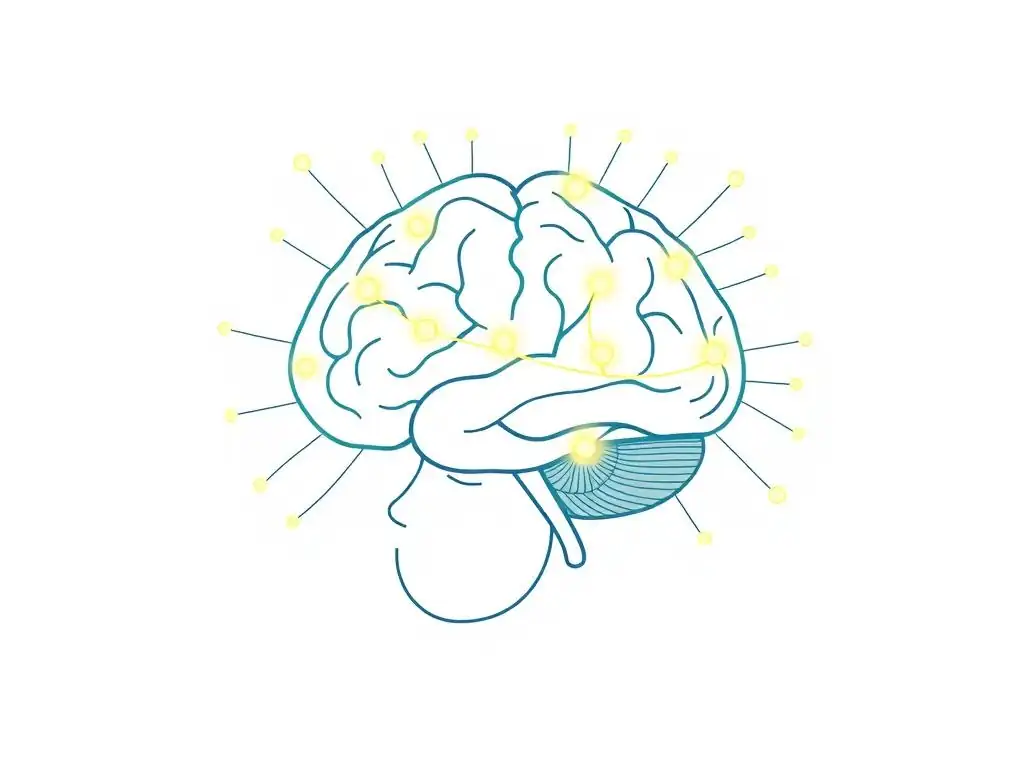
This section focuses on strategies to not just break a creative rut, but to prevent them from happening in the first place. Sustained creative output requires more than quick fixes; it necessitates a holistic approach encompassing mindset, routine, and self-care. We'll explore practical techniques to foster a consistently vibrant creative flow, helping you consistently deliver innovative ideas and high-quality work. Learning how to break creative rut fast is only the first step; maintaining that momentum is key.
Cultivating a Creative Mindset
A crucial aspect of breaking free from creative stagnation and preventing future ruts lies in cultivating a positive and growth-oriented mindset. This isn't about positive thinking alone; it's about actively challenging negative self-talk and embracing experimentation. Instead of fearing failure, view it as a valuable learning opportunity. Remember those "aha!" moments? They often follow periods of struggle.
Consider keeping a "failure journal." Document your "failed" attempts, analyzing what didn't work and what you can learn from them. This process transforms setbacks into stepping stones, fostering resilience and reducing the fear of creative risks. The more you experiment, the more you expand your creative toolkit and the less daunting the blank page becomes. This proactive approach is far more effective than simply trying to break creative rut fast with a temporary solution.
Building a Creative Routine
Consistency is paramount. A structured routine, even a loose one, provides the framework for consistent creative output. This doesn't mean rigidly adhering to a timetable, but rather establishing predictable periods dedicated to creative work. This could involve setting aside specific times each day or week for brainstorming, sketching, writing, or whatever your creative process entails.
Experiment with different scheduling techniques. Some find "time blocking" effective, allocating specific time slots for particular tasks. Others prefer the Pomodoro Technique, working in focused bursts with short breaks in between. Find what works best for you. The key is to establish a rhythm that supports your creative energy levels and minimizes procrastination. This proactive strategy is far more effective in the long run than frantically searching for ways to break creative rut fast when inspiration wanes.
Prioritizing Self-Care: The Essential Ingredient for Creative Energy
Self-care isn't a luxury; it's a necessity for sustained creativity. Neglecting your physical and mental well-being directly impacts your creative capacity. Burnout, stress, and fatigue are notorious creativity killers. Prioritizing self-care ensures you have the energy and mental clarity needed to consistently produce high-quality work.
The Importance of Rest and Relaxation for Creative Renewal
Adequate sleep is crucial. When you're sleep-deprived, your cognitive functions, including creativity, suffer. Aim for 7-9 hours of quality sleep each night. Incorporate relaxation techniques into your daily routine. This could involve taking short breaks throughout the day to stretch, meditate, or simply step away from your work. Even a few minutes of relaxation can significantly improve focus and reduce stress. Regular vacations and time off are essential for long-term creative health. They provide the mental space needed for new ideas to emerge, allowing you to return to your work refreshed and rejuvenated. Ignoring this aspect makes finding ways to break creative rut fast a constant, exhausting cycle.
Mindfulness and Meditation for Enhanced Creativity
Mindfulness and meditation practices have been shown to enhance creativity. By focusing on the present moment, you quiet the mental chatter that often blocks creative flow. Regular meditation can improve focus, reduce stress, and increase self-awareness—all essential components of a thriving creative process. Even short, daily meditation sessions can yield significant benefits. There are numerous guided meditations available online catering to various experience levels. Explore different techniques to find what resonates with you and seamlessly integrates into your routine. This proactive approach is a far more sustainable method than relying on temporary fixes to break creative rut fast.
Maintaining Your Creative Momentum: Avoiding Future Creative Ruts
This section focuses on proactive strategies to prevent future creative blocks and sustain your creative flow. The key is to establish consistent practices that nurture your imagination and prevent stagnation. Think of it as preventative maintenance for your creative engine. Ignoring these preventative measures can lead to feeling creatively "stuck" again. Let's explore some effective approaches to keep those creative juices flowing!
Strategies for Preventing Creative Blocks
Preventing creative blocks isn't about avoiding challenges; it's about building resilience and fostering a mindset that embraces them. Here are some powerful strategies to incorporate into your daily life:
- Regular Creative Exercises: Dedicate even just 15-30 minutes daily to creative exercises, unrelated to your main projects. This could include sketching, freewriting, playing a musical instrument, or even just brainstorming random ideas. The goal is to keep your creative muscles active. Think of it like going to the gym for your brain! 🏋️♀️
- Embrace Diverse Stimuli: Expose yourself to new and varied experiences. Visit museums, attend concerts, read books outside your usual genre, travel to new places, or simply strike up conversations with people from different backgrounds. Novelty sparks creativity.
- Cultivate a Growth Mindset: View creative blocks not as failures, but as opportunities for learning and growth. Embrace challenges, experiment with different approaches, and learn from your mistakes. Remember, the process is as important as the product.
- Prioritize Rest and Relaxation: Burnout is a major contributor to creative blocks. Ensure you get enough sleep, take regular breaks, and engage in activities you find relaxing and enjoyable. A well-rested mind is a more creative mind. 😴
- Establish a Consistent Creative Routine: Consistency is key. Set aside specific times each day or week dedicated to creative work. This helps build momentum and makes it easier to overcome periods of low motivation. Even small, consistent efforts are more effective than sporadic bursts of intense work.
- Practice Mindfulness and Meditation: Mindfulness techniques can help you quiet the mental chatter and access a more intuitive and creative state of mind. Regular meditation can improve focus, reduce stress, and enhance overall cognitive function, all of which are crucial for maintaining creative momentum.
Tools and Resources to Support Your Creative Journey
Beyond strategies, certain tools and resources can significantly aid in sustaining your creative flow. These range from practical applications to conceptual frameworks.
- Mind Mapping Software: Tools like MindManager or XMind allow you to visually organize your ideas and explore different connections, fostering a more fluid and expansive creative process. They're especially helpful for brainstorming and problem-solving.
- Journaling Prompts: Utilizing journaling prompts – available online or in dedicated books – can provide structured exercises to stimulate your creative thinking, even on days when you feel uninspired. These prompts can offer fresh perspectives and unlock hidden ideas.
- Creative Communities: Engage with online or offline creative communities. Sharing your work, receiving feedback, and learning from others can provide valuable inspiration and motivation. The collaborative environment can help you break through creative plateaus.
- Time Management Techniques: Techniques like the Pomodoro Technique can help you manage your time effectively, ensuring you dedicate focused time to creative work without feeling overwhelmed. This structured approach can improve productivity and reduce procrastination.
- Regular Feedback Mechanisms: Seek constructive criticism on your work regularly. This can help you identify areas for improvement and refine your creative process. Remember, feedback is a gift, even if it's not always easy to hear.
By actively implementing these strategies and utilizing the available resources, you can significantly reduce the likelihood of experiencing future creative ruts and maintain a consistent, fulfilling creative journey. Remember, creativity is a skill that strengthens with consistent practice and mindful attention. Break that creative rut fast and keep that creative energy flowing! ✨
Frequently Asked Questions
What is a creative rut, and how can I tell if I'm in one?
A creative rut is a period where you feel uninspired, lacking motivation, and unable to generate new ideas. Signs include feeling frustrated with your work, experiencing a lack of fresh ideas, and a general sense of stagnation.
How long does it typically take to break out of a creative rut?
The time it takes varies greatly depending on the individual and the severity of the rut. Some people break free quickly with a simple change, while others may need more time and consistent effort. There's no set timeframe.
Are there any quick fixes to escape a creative rut?
Yes! Try short bursts of a different activity, like a walk in nature or listening to music. Changing your environment can also spark new ideas. Even a small shift can make a difference.
What if I've tried everything and I'm still stuck?
If quick fixes don't work, consider seeking external feedback on your work, exploring new learning opportunities, or taking a complete break to recharge your creative batteries. Professional help might also be beneficial.
How can I prevent future creative ruts from happening?
Regularly engage in activities outside your usual creative space, maintain a balanced lifestyle, and prioritize self-care. Consistent practice and exploring new methods also helps prevent stagnation.
Final Reflection: Unleashing Your Inner Muse: Beyond the Rut
The creative well may run dry, but it's never truly empty. This article explored the often-overlooked reasons behind creative blocks, highlighting the crucial role of self-compassion, mindful exploration, and embracing the unexpected in reigniting your creative spark. In today's fast-paced world, where constant output is often prioritized over genuine inspiration, understanding these strategies is not just beneficial, but essential for maintaining mental well-being and achieving lasting creative success.
The journey out of a creative rut is rarely linear; it's a process of self-discovery and acceptance. It's about recognizing that periods of stagnation are a natural part of the creative process, not a sign of failure. This understanding has profoundly impacted my own creative endeavors, reminding me to approach challenges with patience and self-compassion. The only way to do great work is to love what you do. If you haven't found it yet, keep looking. Don't settle.
- Steve Jobs. This quote resonates deeply, emphasizing the importance of aligning our creative pursuits with our passions, a key element in breaking free from the constraints of a creative rut.
You now hold the key to unlocking your own creative potential. Don't just passively read these strategies; actively incorporate them into your life. Experiment with new approaches, embrace the unexpected detours, and most importantly, be kind to yourself throughout the process. The journey back to creative flow is a personal one, but with self-awareness and a willingness to explore, you can break free from the rut and rediscover the joy of creation. The world awaits your unique perspective – go create it.
Unlock Your Creative Flow: Start Imagining Again!
Thank you for exploring new ways to boost your creativity! We hope you found valuable insights to overcome creative blocks. Ready to put your newfound knowledge into practice?
- Prioritize a small creative task today: Even 15 minutes of focused work can make a difference. Consider sketching, writing a short poem, or brainstorming new ideas. This is the first step to reigniting your creative spark.
- Share your insights: Tell us about a surprising discovery you made—what resonated most with you? Let's build a supportive creative community!
- Collaborate with others: Exchange creative ideas or skills with a friend or colleague; a fresh perspective can lead to unexpected breakthroughs.
What small step will you take today to nurture your creativity? Share your plans in the comments!