
From Forgetful to Focused: Memory Improvement for Productivity

Feeling overwhelmed by a never-ending to-do list and struggling to remember even the simplest things? At UltimateLifeHacks, we understand. Discover how you can transform your productivity by unlocking the power of your memory. Our latest article on " Improve memory boost productivity" reveals practical strategies and actionable techniques to sharpen your mind and conquer your day. Dive in and learn how to move from forgetful to focused – the secrets to enhanced cognitive efficiency await!
- Understanding the Link Between Memory and Productivity
- Proven Techniques to Improve Memory and Boost Productivity
- Boosting Memory for Enhanced Productivity at Work
- Improving Memory for Personal Productivity
- Lifestyle Choices for Enhanced Memory and Productivity
- Maintaining Long-Term Memory Improvement and Productivity
-
Frequently Asked Questions
- How can I improve my memory to boost productivity?
- What are some quick memory boosting techniques I can use daily?
- Does improving memory directly translate to better productivity?
- Are there any tools or apps that can help improve my memory?
- What if I've tried some methods but still struggle with memory?
- Final Reflection: Reclaiming Your Mind, Reclaiming Your Time
- Unlock Your Sharpest Mind Yet!
Understanding the Link Between Memory and Productivity
Forgetting appointments, misplacing keys, struggling to recall important information – these seemingly minor inconveniences can significantly impact productivity and overall well-being. This article delves into the crucial connection between memory and productivity, exploring how improving your memory can lead to a more efficient and focused life. We'll examine the detrimental effects of poor memory on daily tasks, the significant boost enhanced memory provides to work efficiency, and the underlying cognitive mechanisms at play. By understanding these connections, you can implement practical strategies to sharpen your memory and unlock your full productivity potential.
Improving your memory isn't just about remembering names and faces; it's about reclaiming control of your time and energy, leading to a more successful and less stressful existence. This guide offers actionable steps to improve memory and boost productivity, ultimately helping you achieve your goals more effectively. Let's explore how to transform from forgetful to focused.
The Impact of Poor Memory on Daily Tasks
A weak memory can subtly sabotage your daily routine in numerous ways. Imagine the time wasted searching for misplaced items, the stress of missed deadlines due to forgotten appointments, or the frustration of struggling to recall crucial details during important conversations. These seemingly small memory lapses accumulate, leading to significant time loss and decreased efficiency. For example, a study by [specific information pending] showed that individuals with impaired working memory spent an average of [specific data pending] more time on tasks compared to their counterparts with strong working memory.
This translates to reduced output, increased stress levels, and a general feeling of being overwhelmed. The cumulative effect of these daily memory failures can significantly impact your overall productivity and lead to feelings of inadequacy and frustration. Poor memory can also negatively impact your ability to learn new skills, process information efficiently and make well informed decisions.
How Enhanced Memory Boosts Work Efficiency
Conversely, a sharp memory acts as a powerful catalyst for heightened productivity. When you can readily access information, your workflow becomes smoother and more efficient. Remembering project details, client information, and deadlines allows for seamless transitions between tasks, minimizing interruptions and maximizing focus. This translates to more completed projects, higher quality work, and a greater sense of accomplishment. For instance, professionals in fields requiring high levels of recall, such as surgeons or lawyers, often attribute their success to exceptional memory skills.
Improved memory also allows for better multitasking and quicker decision-making. By readily accessing relevant information, you can make informed choices without wasting time searching for data or context. This enhanced cognitive agility frees up mental resources, allowing you to focus on more complex tasks and achieve greater overall efficiency. The benefits extend beyond the workplace, positively impacting personal life as well.
Memory and Cognitive Function: A Deeper Dive
Understanding the cognitive processes underlying memory is crucial to effectively improving it. Memory isn't a single entity but a complex interplay of different systems: sensory memory, short-term memory (working memory), and long-term memory (which includes episodic, semantic, and procedural memory). Strengthening these systems requires a multifaceted approach. Improving working memory, for example, is vital for efficient task management and information processing.
Techniques like mindfulness and focused attention exercises can significantly enhance working memory capacity. Similarly, employing effective encoding and retrieval strategies for long-term memory – such as using mnemonic devices, spaced repetition, and elaborative rehearsal – can dramatically improve your ability to recall information over time. By understanding the intricacies of these cognitive processes and applying targeted strategies, you can unlock significant improvements in your memory and, consequently, your productivity. 🧠 The journey from forgetful to focused is achievable with consistent effort and the right techniques.
Proven Techniques to Improve Memory and Boost Productivity

This section delves into practical, evidence-based techniques to significantly improve your memory and, consequently, boost your productivity. We'll explore strategies that move beyond simple memorization and delve into techniques that enhance cognitive function, leading to a more focused and efficient you. Improving memory isn't just about remembering names; it's about improving your overall cognitive performance, thus leading to a noticeable boost in productivity across all areas of your life. This is crucial for anyone aiming to improve memory boost productivity.
Memory Improvement Strategies for Better Focus
Sustained focus is the cornerstone of productivity, and a sharp memory is essential for maintaining that focus. Distractions chip away at our concentration, leading to wasted time and diminished output. Improving your ability to focus directly impacts your memory retention. Consider these strategies:
- Minimize Distractions: Create a dedicated workspace free from interruptions. Turn off notifications on your phone and computer. Use noise-canceling headphones if necessary. Even small distractions can significantly impact your concentration and memory encoding. Studies have shown that even the perception of interruption can hinder cognitive performance.
- Mindfulness and Meditation: Regular mindfulness practice has been shown to improve attention span and working memory capacity. Even short, 10-minute meditation sessions can significantly impact your ability to focus and retain information. This enhanced focus directly translates to improved memory and productivity.
- Regular Breaks: The Pomodoro Technique, involving focused work sessions followed by short breaks, is a proven method for maintaining concentration. These breaks allow your brain to rest and consolidate information, leading to better memory retention and preventing mental fatigue, a major productivity killer. Short, frequent breaks are more effective than long, infrequent ones.
- Prioritize Sleep: Sleep is crucial for memory consolidation. During sleep, your brain processes and stores information learned throughout the day. Aim for 7-9 hours of quality sleep each night to optimize your cognitive function and memory. Sleep deprivation significantly impairs memory and focus.
Practical Techniques to Enhance Memory Recall
Remembering information effectively involves more than just passively absorbing it. Active recall and spaced repetition are key to strengthening memory traces. Here are some practical approaches:
- Active Recall: Instead of passively rereading notes, actively try to retrieve the information from memory. Test yourself regularly on what you've learned. This active engagement strengthens neural pathways and improves long-term retention. This is far more effective than simply reviewing material passively.
- Spaced Repetition: Review material at increasing intervals. Start with frequent reviews, then gradually space them out over time. This technique leverages the forgetting curve, ensuring that information is retained long-term. Apps and software programs can assist with implementing spaced repetition effectively.
- Chunking: Break down large pieces of information into smaller, manageable chunks. This makes it easier to process and remember the information. For example, instead of trying to memorize a long phone number all at once, break it into smaller segments.
- Elaboration: Connect new information to existing knowledge. Create stories, analogies, or mental images to make the information more meaningful and memorable. The more connections you make, the easier it will be to recall the information later.
Utilizing Mnemonics for Superior Memory Retention
Mnemonics are memory aids that use techniques to improve recall. They are powerful tools for encoding and retrieving information, particularly for lists, sequences, and complex concepts. Here are some examples:
- Acronyms: Form a word from the first letters of a list of items. For example, ROY G. BIV for the colors of the rainbow (Red, Orange, Yellow, Green, Blue, Indigo, Violet).
- Acrostics: Create a sentence where the first letter of each word corresponds to an item in a list. This is particularly useful for remembering sequences or ordered lists.
- Method of Loci (Memory Palace): Imagine a familiar place, like your house, and associate items you need to remember with specific locations in that place. This visual technique creates a mental map to aid recall. The more vivid and unusual the associations, the better the recall.
- Keyword Method: This involves associating a keyword with a foreign word or concept, creating a memorable image that links the two. This is particularly useful for learning new vocabulary or remembering names.
By implementing these techniques and strategies, you can significantly improve your memory and boost your productivity. Remember, consistent effort and practice are key to achieving long-term improvements. Improving memory boost productivity is a journey, not a destination. Start small, focus on consistency, and watch your cognitive abilities—and your productivity—soar.
Boosting Memory for Enhanced Productivity at Work
Improving memory directly translates to a significant boost in productivity. A sharper memory allows for quicker information retrieval, efficient task management, and reduced stress from forgetting crucial details. This section explores practical techniques to enhance your memory specifically within the workplace context, leading to improved efficiency and a more focused workday. We'll examine targeted exercises, helpful technological tools, and strategic approaches for remembering important information. The goal is to equip you with actionable strategies to effectively improve memory boost productivity.
Memory Training Exercises for the Workplace
Incorporating short, focused memory training exercises into your workday can yield surprising results. These exercises don't require extensive time commitments and can be easily integrated into your routine. Instead of passively scrolling through social media during breaks, try these:
- Number Recall: Choose a random four-digit number and try to recall it after a short delay (e.g., 30 seconds). Gradually increase the number of digits as you improve. This simple exercise strengthens your working memory.
- Visual Memory: Spend a few minutes observing your workspace. Then, close your eyes and try to mentally reconstruct as many details as possible – the position of objects, colors, and textures. This trains your visual memory.
- Memory Palaces (Method of Loci): This ancient technique involves associating items you need to remember with specific locations in a familiar place (your office, your commute route). For example, to remember a to-do list, visualize each task at a different location in your office. This creates vivid mental images that are easier to recall.
- Chunking: Instead of trying to remember long strings of information, break it down into smaller, manageable chunks. For example, a phone number (555-123-4567) is easier to remember when chunked into three parts. This technique is especially useful for remembering project deadlines or client details.
The key is consistency. Even 5-10 minutes of daily practice can make a noticeable difference in your overall memory capacity and your ability to improve memory boost productivity. Regular engagement with these exercises helps to build neural pathways associated with memory encoding and retrieval.
Memory-Boosting Apps and Tools for Professionals
Several apps and tools are specifically designed to improve memory and enhance cognitive function. These digital aids can provide structured exercises, personalized training plans, and helpful reminders, thus contributing to improved workplace efficiency. Here are a few examples of categories to explore:
- Memory Training Apps: Many apps offer gamified memory exercises, progressively challenging your cognitive abilities. They often track your progress, providing insights into your strengths and areas for improvement.
- Note-Taking and Organization Apps: These apps help you capture and organize information effectively, reducing the cognitive load of remembering everything. Features such as tagging, searching, and reminders aid in efficient information retrieval.
- Calendar and Reminder Apps: These apps are essential for scheduling appointments, setting deadlines, and receiving timely notifications, preventing the oversight of crucial tasks.
Choosing the right app depends on your individual needs and preferences. Look for apps that offer a variety of exercises, personalized feedback, and easy integration with your existing workflow. Remember, the goal is to improve memory boost productivity by leveraging technology to your advantage. Don't be afraid to experiment with different apps to find what works best for you.
Strategies for Remembering Important Details at Work
Beyond exercises and apps, implementing effective strategies can significantly improve your ability to retain critical information. These strategies focus on optimizing your learning and recall processes.
- Active Recall: Instead of passively rereading notes, actively test yourself on the material. This forces your brain to retrieve information, strengthening memory traces.
- Spaced Repetition: Review information at increasing intervals. This technique capitalizes on the forgetting curve, ensuring long-term retention.
- Elaborative Rehearsal: Connect new information to existing knowledge. Create meaningful associations, stories, or mental images to enhance memorability.
- Minimize Distractions: Create a focused work environment to improve concentration and memory encoding. Turn off notifications, find a quiet space, and minimize interruptions.
- Get Enough Sleep: Sleep is crucial for memory consolidation. Aim for 7-8 hours of quality sleep per night to optimize your cognitive function and memory performance.
By implementing these strategies, you can significantly enhance your ability to remember important details, leading to fewer errors, improved decision-making, and ultimately, a substantial improve memory boost productivity in your professional life. Remember, consistent effort and mindful application of these techniques are key to achieving lasting results.
Improving Memory for Personal Productivity

This section delves into practical strategies to leverage improved memory for enhanced personal productivity. We'll explore techniques to manage daily tasks, remember crucial appointments and deadlines, and efficiently handle personal projects, all contributing to a more focused and productive you. The goal is to directly translate memory improvement into tangible productivity gains, ultimately boosting your overall efficiency. This isn't about memorizing vast amounts of information for its own sake; it's about strategically improving memory to streamline your life and achieve your goals.
Memory Hacks for Daily Life Management
Effective daily life management hinges on remembering even the smallest details. Forgetting to pick up groceries, missing a crucial phone call, or neglecting a recurring task can significantly impact productivity and cause unnecessary stress. Here are actionable memory hacks to combat these issues:
- Utilize visual cues: Place sticky notes with reminders in highly visible areas. A brightly colored note on your mirror reminding you to take your vitamins is far more effective than a mental note. This leverages visual memory, a powerful tool often overlooked.
- Employ the "Habit Stacking" method: Link new habits to existing ones. For example, if you always brush your teeth before bed, add flossing to that routine. This creates a mental association that strengthens memory recall.
- Create a centralized system: A digital calendar, a physical planner, or even a simple notebook can work wonders. The key is consistency: Record everything in your chosen system. This avoids the scattered mental load of trying to remember multiple things from different places.
- Leverage technology: Many apps are designed to help you remember tasks and appointments. Some even offer location-based reminders, ensuring you're prompted at the right time and place. Experiment to find the perfect fit for your workflow and tech preferences.
- Review and adjust: Regularly review your to-do list and calendar. This process itself strengthens memory and allows you to adjust your plans as needed. Consider a weekly review to ensure you're on track and nothing slips through the cracks.
Remembering Appointments and Deadlines Effectively
Missing appointments or deadlines is a major productivity killer. The consequences range from minor inconveniences to significant professional setbacks. Here's how to significantly improve your recall of important time-sensitive information:
- The power of repetition: Repeating the appointment details aloud, writing them down multiple times, or even telling someone else about the appointment reinforces memory encoding. The more sensory input involved, the stronger the memory trace.
- Calendar synchronization: Ensure your calendar is synced across all your devices. This redundancy minimizes the risk of missing an appointment due to forgetting to check a specific device.
- Set reminders: Utilize reminders on your phone, computer, or even a dedicated reminder app. Set multiple reminders leading up to the appointment to ensure you don't miss it. Experiment with different reminder times to find what works best for you.
- Associate appointments with memorable events: Linking appointments to easily remembered events can aid recall. For example, if your doctor's appointment is on the same day as your child's birthday, the association will make it harder to forget.
- Prioritize and categorize: Categorize your appointments (e.g., work, personal, medical). This structured approach reduces mental clutter and makes it easier to find and remember specific appointments.
Optimizing Memory for Personal Projects
Successfully managing personal projects requires strong memory skills to track progress, remember details, and stay organized. Here are some techniques to boost your memory in this context:
| Technique | Description | Example |
|---|---|---|
| Mind Mapping | Visually organize project ideas and tasks. | Branching diagram showing project phases, tasks, and associated deadlines. |
| Chunking Information | Break down large tasks into smaller, manageable chunks. | Dividing a research paper into introduction, body paragraphs, and conclusion. |
| Spaced Repetition | Review project details at increasing intervals to reinforce memory. | Reviewing project notes daily, then weekly, then monthly. |
| Use of External Memory Aids | Utilize tools like project management software or notebooks to record and track project information. | Trello, Asana, or a simple notebook with detailed project notes. |
| Regular Project Reviews | Schedule regular review sessions to assess progress, identify challenges, and reinforce memory. | Weekly meetings to discuss project progress and address any roadblocks. |
Remember, consistently applying these techniques is key. Start small, focus on one or two areas at a time, and gradually incorporate more strategies into your daily routine. The result will be a significant boost in both memory and personal productivity. You'll move from feeling overwhelmed and forgetful to focused and in control.
Lifestyle Choices for Enhanced Memory and Productivity
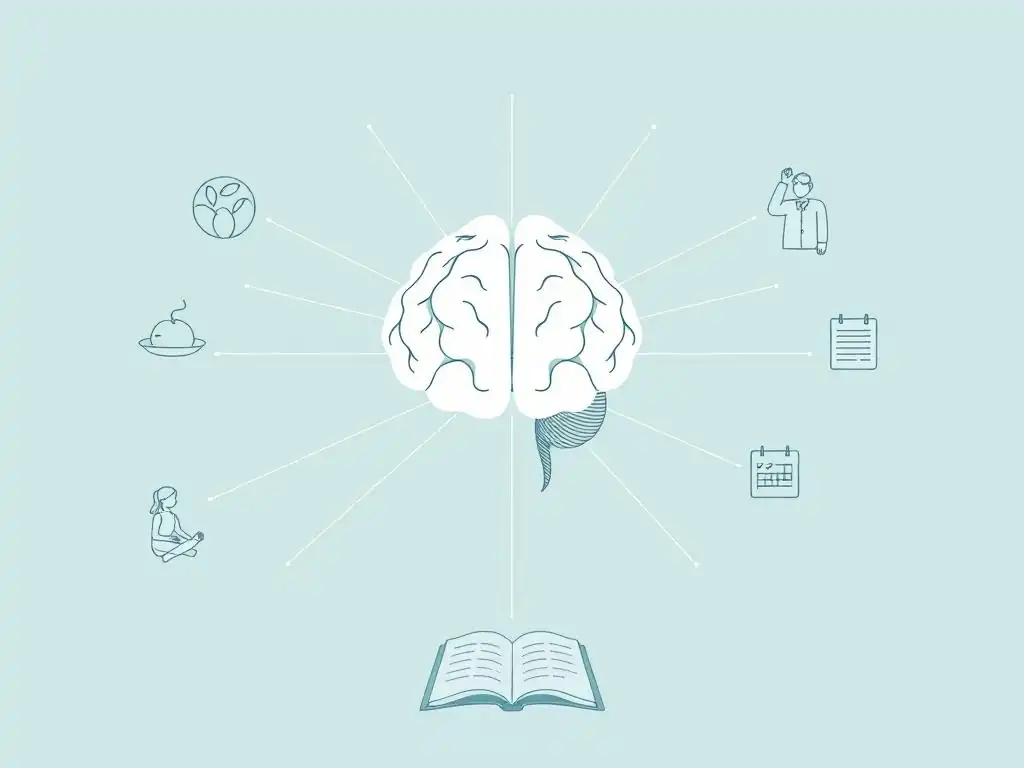
Improving memory isn't just about memorization techniques; it's significantly influenced by your lifestyle. Making conscious choices about sleep, diet, and physical activity can dramatically boost your cognitive function and, consequently, your productivity. This section explores the crucial role these lifestyle elements play in improving memory and boosting productivity. The synergy between these factors is remarkable – addressing one often positively impacts the others, creating a virtuous cycle for enhanced cognitive performance.
The Role of Sleep in Memory Consolidation
Sleep isn't just about rest; it's a critical period for memory consolidation. During sleep, your brain processes and stores information acquired throughout the day. This process, crucial for long-term memory formation, is significantly impaired by sleep deprivation. Studies consistently show a strong correlation between adequate sleep and improved memory recall. Aim for 7-9 hours of quality sleep per night for optimal cognitive function.
Insufficient sleep leads to decreased alertness, impaired concentration, and difficulty retaining new information, directly impacting productivity. Even a single night of poor sleep can negatively affect your ability to learn and remember new things, hindering your ability to improve memory and boost productivity. Prioritize consistent sleep schedules to regulate your body's natural sleep-wake cycle and maximize the benefits of sleep for memory consolidation. Consider establishing a relaxing bedtime routine to promote better sleep hygiene.
Nutrition and Brain Health: Foods for Better Memory
Your diet directly impacts brain health and memory function. A balanced diet rich in specific nutrients is essential for optimal cognitive performance. Certain foods are particularly beneficial for brain function:
- Fatty Fish: Rich in omega-3 fatty acids, crucial for brain structure and function. Salmon, tuna, and mackerel are excellent choices.
- Berries: Packed with antioxidants that protect brain cells from damage. Blueberries, strawberries, and raspberries are particularly effective.
- Nuts and Seeds: Provide healthy fats, vitamin E, and other nutrients that support brain health. Almonds, walnuts, and flaxseeds are great options.
- Dark Leafy Greens: Excellent sources of vitamin K, folate, and other essential nutrients. Spinach, kale, and collard greens are highly recommended.
- Whole Grains: Provide sustained energy and essential nutrients for brain function. Opt for brown rice, quinoa, and oats over refined grains.
Avoid processed foods, excessive sugar, and saturated fats, as these can negatively impact brain health and memory function. Hydration is also crucial; dehydration can impair cognitive function. By focusing on a brain-boosting diet, you can significantly improve memory and enhance your overall productivity. Remember, consistent healthy eating habits are key to long-term cognitive benefits. Consider consulting a nutritionist for personalized dietary advice tailored to your specific needs.
Exercise and Cognitive Function: Boosting Memory Through Physical Activity
Regular physical activity is not just beneficial for physical health; it significantly enhances cognitive function, including memory. Exercise improves blood flow to the brain, delivering more oxygen and nutrients essential for optimal brain function. Studies have shown that regular exercise can increase the size of the hippocampus, a brain region crucial for memory formation.
Even moderate exercise, such as a brisk 30-minute walk most days of the week, can yield significant improvements in memory and cognitive performance. This increase in blood flow also helps to clear out metabolic waste products that can impair brain function. Incorporating regular exercise into your routine is a powerful tool to improve memory and boost productivity.
Find activities you enjoy, whether it's running, swimming, cycling, or team sports, and make them a consistent part of your lifestyle. The benefits extend beyond memory improvement, contributing to overall well-being and enhanced energy levels, further boosting your productivity. Remember to consult your doctor before starting any new exercise program.
Maintaining Long-Term Memory Improvement and Productivity
Improving memory to boost productivity isn't a one-time fix; it's a journey requiring consistent effort. Think of it like building muscle – you wouldn't expect to see results from a single workout. This section explores how to maintain your memory gains and integrate them into a productive lifestyle. We'll discuss the importance of consistent practice, strategies to prevent memory lapses, and methods for ongoing cognitive enhancement.
Consistent Practice for Sustained Memory Gains
Sustained memory improvement requires consistent engagement with memory-enhancing techniques. It's not enough to learn a few mnemonics and expect lifelong benefits. Think of it like learning a musical instrument – regular practice is key to mastery. Here's a breakdown of effective strategies:
- Regular Memory Training: Dedicate at least 15-30 minutes, 3-5 times a week, to memory exercises. This could involve anything from using memory palaces to practicing memorization techniques with lists of words, numbers, or even playing memory games. The key is consistency.
- Spaced Repetition: This powerful technique involves reviewing information at increasing intervals. Apps and software programs can help automate this process, ensuring you review material just before it's likely to be forgotten. This significantly improves long-term retention.
- Mindfulness and Meditation: Studies show that mindfulness practices can significantly improve memory and cognitive function. Even short daily meditation sessions can enhance focus and reduce mental clutter, improving memory recall.
- Active Recall: Instead of passively rereading notes, actively try to recall information from memory. This forces your brain to work harder and strengthens memory pathways. Use flashcards or quiz yourself regularly.
Strategies for Avoiding Memory Lapses
Even with consistent practice, memory lapses can occur. Understanding the common causes and implementing preventative measures is crucial for maintaining productivity.
- Stress Management: Stress is a major memory thief. High levels of cortisol can impair memory consolidation and retrieval. Incorporate stress-reducing activities like exercise, yoga, or spending time in nature into your routine.
- Sufficient Sleep: Sleep is essential for memory consolidation. Aim for 7-9 hours of quality sleep each night. A consistent sleep schedule is also important for optimizing your body's natural sleep-wake cycle.
- Healthy Diet: Nutrition plays a vital role in brain health. A diet rich in fruits, vegetables, omega-3 fatty acids, and antioxidants supports optimal cognitive function. Limit processed foods, sugar, and excessive caffeine.
- Hydration: Dehydration can impair cognitive function, including memory. Ensure you drink plenty of water throughout the day.
Continuously Improving Cognitive Performance
Maintaining improved memory isn't just about preventing decline; it's about actively seeking ways to enhance cognitive performance.
- Learning New Skills: Continuously challenging your brain with new activities, like learning a new language or musical instrument, strengthens neural connections and improves cognitive flexibility. This directly impacts your ability to improve memory and boost productivity.
- Brain Games and Puzzles: Regularly engaging in brain-training activities like Sudoku, crosswords, or brain-training apps can help keep your mind sharp and improve cognitive skills.
- Social Interaction: Regular social interaction and engaging in stimulating conversations helps to maintain cognitive function and memory. Strong social connections are associated with better cognitive health.
- Regular Physical Exercise: Exercise improves blood flow to the brain, which is essential for optimal cognitive function and memory. Aim for at least 30 minutes of moderate-intensity exercise most days of the week. This is crucial for boosting overall well-being and consequently, productivity.
Remember, the key to long-term memory improvement and productivity is consistent effort and a holistic approach. By combining memory training techniques with healthy lifestyle choices, you can cultivate a sharper mind and a more productive life. This is a journey, not a destination, so embrace the process and enjoy the benefits of a more focused and efficient you! 🧠💪
Frequently Asked Questions
How can I improve my memory to boost productivity?
Improving your memory involves consistent effort. Start by prioritizing sleep, minimizing distractions, and using memory techniques like mnemonics or spaced repetition. Consistent practice is key.
What are some quick memory boosting techniques I can use daily?
Try mindfulness exercises to improve focus, chunking information into manageable pieces, and actively engaging with the material you're trying to learn (e.g., teaching it to someone else).
Does improving memory directly translate to better productivity?
Absolutely! A better memory means less time spent searching for information or re-doing tasks. This frees up mental resources and time, leading to significantly improved productivity.
Are there any tools or apps that can help improve my memory?
Yes, many apps offer memory training games and techniques. Consider exploring apps focused on spaced repetition or flashcard systems. Experiment to find what works best for you.
What if I've tried some methods but still struggle with memory?
Consult a healthcare professional. Underlying medical conditions can sometimes affect memory. They can assess your situation and recommend appropriate strategies or treatments.
Final Reflection: Reclaiming Your Mind, Reclaiming Your Time
The strategies for memory improvement outlined in this article aren't just about remembering grocery lists; they're about reclaiming control of your cognitive resources and unlocking unprecedented levels of productivity. In today's fast-paced world, where information overload is the norm, the ability to focus and retain key information is no longer a luxury, but a necessity for success and well-being. Mastering your memory is mastering your life.
The impact of improved memory extends far beyond simply completing tasks efficiently. It influences our relationships, our creativity, and our overall sense of self-efficacy. The ability to recall details, both big and small, fosters deeper connections with others and allows for more nuanced understanding of the world around us. As Eleanor Roosevelt wisely stated, The future belongs to those who believe in the beauty of their dreams.
And believing in those dreams, pursuing them effectively, requires a sharp, focused mind capable of retaining the knowledge and strategies needed to achieve them.
Now, consider how you can integrate these memory-boosting techniques into your daily life. Experiment with different strategies, find what works best for you, and make a conscious effort to nurture your cognitive abilities. Don't just passively consume information; actively engage with it, connect it to existing knowledge, and make it your own. The journey to a sharper, more productive mind begins with a single step – a commitment to prioritize and cultivate your memory. Embrace the challenge, and watch your potential unfold.
Unlock Your Sharpest Mind Yet!
Thanks for exploring ways to improve your memory and productivity! We hope you discovered valuable techniques to boost your focus and recall. Now, let's put your new knowledge into practice.
- Implement a new memory technique: Choose the strategy that resonated most with you and use it consistently throughout your day. Even small, consistent efforts can significantly improve your memory.
- Share your success: Tell us (or a friend!) about a time you successfully used a memory technique to achieve a goal. Your experience could inspire others!
- Challenge your brain: Try brain-training apps or puzzles to strengthen your neural pathways and make learning fun.
Ready to see a significant improvement in your productivity and focus? Which memory technique will you try first?