
DecisionMaking on Autopilot: Develop Habits for Less Mental Strain

Feeling overwhelmed by endless daily decisions? Imagine a life where routine choices are effortless, freeing up your mental energy for what truly matters. UltimateLifeHacks is your guide to reclaiming control of your time and cognitive resources. Discover how to automate daily decision making and unlock a world of increased productivity and reduced mental strain – learn how in our latest article on Cognitive Efficiency. Let's explore the path to a more streamlined, fulfilling life.
- Understanding Decision Fatigue and its Impact
-
Automate Daily Decision Making: Strategies for Reducing Mental Load
- Streamlining Your Morning Routine: Automating Early Choices
- Automating Your Workday: Batching Similar Tasks and Decisions
- Habit Stacking for Effortless Decision Making: Combining Existing Habits
- Pre-Planning Your Day: Minimizing Spontaneous Decisions
- Utilizing Technology for Automated Decision Support: Specific Apps and Tools
- Building a System for Effortless Choices: Habit Formation for Long-Term Success
- Optimizing Your Decision-Making Process: Beyond Automation
- The Long-Term Benefits of Automated Daily Decision Making
-
Frequently Asked Questions
- What is "Decision Fatigue" and how does it relate to automating daily decisions?
- How can I start automating my daily decision-making?
- What are some examples of daily decisions I can automate?
- Will automating decisions make my life less interesting or spontaneous?
- Are there any tools or apps that can help automate daily decisions?
- Final Reflection: Reclaiming Your Mental Energy Through Automated Decisions
- Unlock Your Decision-Making Powerhouse
Understanding Decision Fatigue and its Impact
Decision fatigue, the depletion of mental resources after making numerous decisions, significantly impacts our daily lives. It's not simply about feeling tired; it's a cognitive phenomenon where our ability to make sound judgments diminishes with each choice we make. This article explores how to automate daily decision making to alleviate this burden and boost productivity.
We'll delve into the cognitive costs of constant choices, identify the telltale signs of decision overload, and ultimately equip you with practical strategies to reclaim mental energy and enhance your well-being. By understanding the mechanics of decision fatigue and implementing the techniques outlined below, you can significantly reduce mental strain and improve your overall effectiveness. This is crucial for anyone striving to optimize their daily routines and achieve a better work-life balance.
This is about reclaiming your mental energy and achieving a more fulfilling and productive life. Let's explore how to strategically automate daily decision making.
The Cognitive Cost of Constant Choices
The human brain has a limited amount of cognitive resources. Every decision, no matter how small – from choosing what to wear to deciding what to eat for lunch – consumes these resources. This is especially true for complex or emotionally charged decisions. The more decisions we make throughout the day, the more depleted these resources become, leading to a decline in cognitive function.
This "decision fatigue" manifests in various ways, impacting our judgment, creativity, and self-control. Studies have shown a correlation between increased decision-making and decreased accuracy, increased impulsive behavior, and a heightened susceptibility to biases. For example, judges are shown to be more likely to rule in favor of a defendant after a long day of making decisions, illustrating the tangible effects of cognitive depletion on even trained professionals.
The cumulative effect of these small decisions can lead to significant mental exhaustion, affecting not only our productivity but also our emotional well-being. This underscores the importance of consciously managing our decision-making processes to mitigate this cognitive drain. Implementing strategies to automate daily decision making can be a powerful antidote to this pervasive problem.
Recognizing the Symptoms of Decision Overload
Recognizing the symptoms of decision overload is the first step towards mitigating its effects. These symptoms can vary from person to person, but common indicators include:
- Irritability and impatience: Feeling easily frustrated or short-tempered.
- Procrastination: Delaying decisions or tasks due to mental fatigue.
- Indecisiveness: Struggling to make even small choices.
- Poor judgment: Making impulsive or suboptimal decisions.
- Reduced creativity: Experiencing a lack of innovative thinking.
- Increased stress and anxiety: Feeling overwhelmed and emotionally drained.
- Physical exhaustion: Experiencing fatigue, even after adequate sleep.
Recognizing these signs allows you to proactively address the issue before it significantly impacts your productivity and well-being. By understanding your personal indicators of decision fatigue, you can develop strategies to proactively manage your cognitive resources. This might involve scheduling breaks, delegating tasks, or implementing systems to automate daily decision making, thus freeing up mental space for more important matters. Learning to identify these warning signs is essential for preventing decision fatigue from derailing your daily life.
How Decision Fatigue Affects Productivity and Well-being
The impact of decision fatigue extends far beyond mere inconvenience. Chronic decision overload can severely compromise both productivity and well-being. The constant depletion of cognitive resources leads to decreased efficiency at work, reduced focus, and an increased likelihood of errors. This can translate to missed deadlines, poor performance reviews, and ultimately, professional stagnation.
Furthermore, the mental strain of making countless decisions throughout the day can contribute to increased stress levels, anxiety, and even depression. The inability to effectively manage decision-making can lead to a vicious cycle of exhaustion and poor mental health. Prioritizing strategies to automate daily decision making is therefore not just about increasing efficiency; it's about protecting your mental health and fostering a more balanced and fulfilling life. By implementing effective strategies, you can break free from this cycle and experience a significant improvement in both your professional and personal life.
Automate Daily Decision Making: Strategies for Reducing Mental Load
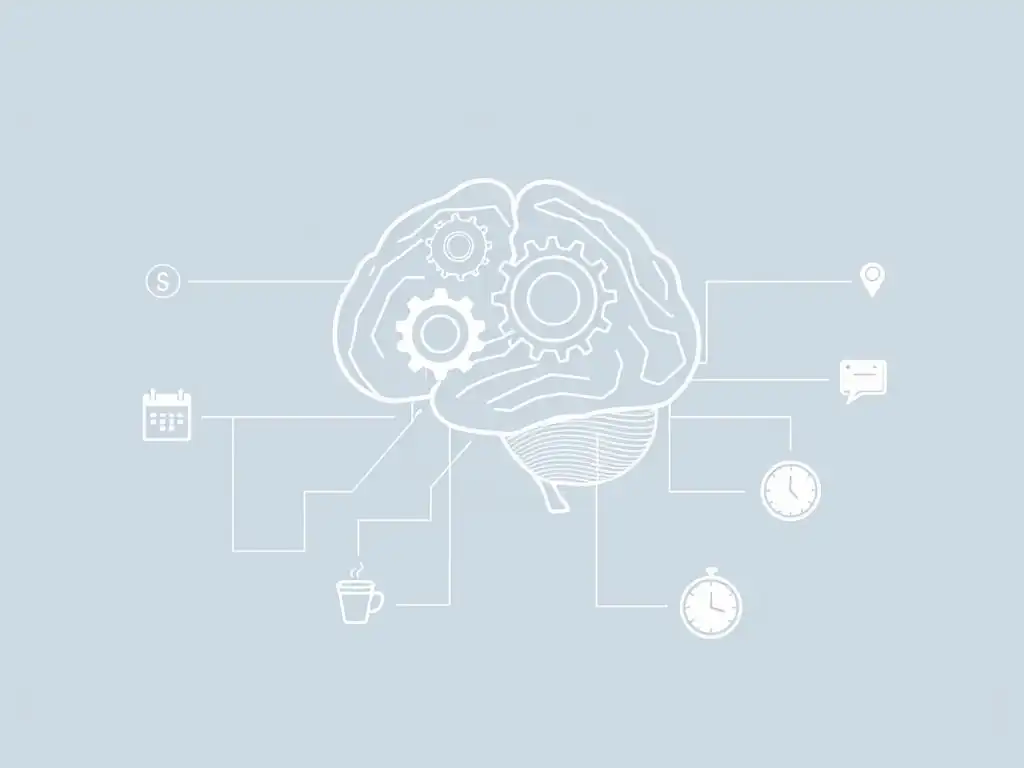
Decision fatigue is a real phenomenon, draining your mental energy and hindering productivity. One powerful way to combat this is to automate daily decision-making. By establishing routines and habits, you can significantly reduce the number of small choices you need to consciously make each day, freeing up cognitive resources for more important tasks and decisions. This section explores practical strategies to reclaim your mental bandwidth by automating aspects of your daily life. We'll delve into specific techniques to streamline your morning, optimize your workday, and leverage habit stacking for effortless decision-making.
Streamlining Your Morning Routine: Automating Early Choices
The morning rush often feels like a relentless barrage of decisions: What to wear? What to eat for breakfast? Should I exercise? These seemingly trivial choices accumulate, leading to decision fatigue before the workday even begins. Automating your morning routine is key to a more peaceful and productive start. Consider these strategies:
- Pre-select your outfit: Lay out your clothes the night before. This eliminates the need to ponder wardrobe choices in the morning, saving valuable time and mental energy. Think of it as a mini-wardrobe capsule for the week, with outfits already planned.
- Prepare breakfast components in advance: Overnight oats, pre-cut fruits, and pre-portioned breakfast bars are your allies. Minimizing food prep in the morning frees up time and mental space.
- Schedule your morning activities: Plan your workout, commute, and other morning activities in advance. This removes the need for impulsive decisions and ensures a smoother flow to your day. A simple to-do list, or even a visual schedule, can be incredibly effective.
- Automate your coffee/tea preparation: Program your coffee maker or tea kettle to start brewing at a specific time. This ensures a consistent and enjoyable start to your day without requiring any conscious effort.
Automating Your Workday: Batching Similar Tasks and Decisions
The workday presents a different set of decision-making challenges. Constantly switching between tasks and making numerous small decisions throughout the day leads to mental exhaustion. Batching similar tasks and decisions is a powerful technique to combat this.
- Time Blocking: Allocate specific time blocks for similar tasks. For example, dedicate one hour to answering emails, another to making phone calls, and a third to focused work on a particular project. This reduces the cognitive load of constantly switching contexts and making task-related decisions.
- Decision Batching: Group similar decisions together. For example, review and respond to all emails at a designated time, instead of checking and responding throughout the day. This minimizes the mental effort involved in switching between tasks and making individual decisions.
- Use Technology to Automate Repetitive Tasks: Leverage tools and software to automate repetitive tasks. This could include using scheduling tools to automatically send emails, or project management software to streamline workflow and task assignments. Think about using automation for tasks like social media scheduling or even simple reminders.
- Example: Imagine a marketing manager who needs to schedule social media posts, write email newsletters, and analyze campaign data. Instead of juggling these tasks throughout the day, they can batch them: dedicate Monday morning to social media scheduling, Tuesday afternoon to writing newsletters, and Wednesday morning to data analysis. This focused approach minimizes context switching and decision fatigue.
Habit Stacking for Effortless Decision Making: Combining Existing Habits
Habit stacking is a powerful technique for automating decisions by linking new behaviors to existing habits. This leverages the power of existing routines to seamlessly integrate new actions without requiring extra willpower.
- The "After" Method: Identify an existing habit (e.g., brushing your teeth) and attach a new habit to it (e.g., flossing). The key is to make the new habit immediately follow the existing one. This creates a strong association and makes the new behavior automatic.
- Example: Let's say you want to drink more water. You could stack this habit onto your existing habit of making coffee in the morning. After you make your coffee, you immediately fill up your water bottle. This simple association makes it much easier to remember to hydrate.
- The "Before" Method: Similarly, you can perform a new habit before an existing one. For example, you might meditate for five minutes before starting your workday to improve focus and reduce stress.
- Planning and Consistency are Key: The success of habit stacking relies on careful planning and consistent execution. Start with small, achievable habits, and gradually build complexity as you develop stronger routines. Think of it like building a strong foundation for your automated decision-making system. The more you practice, the easier it will become, and the less mental strain you will experience. Ultimately, automating your decisions will lead to a more relaxed and productive life.
Pre-Planning Your Day: Minimizing Spontaneous Decisions
Effective pre-planning is the cornerstone of automating daily decision-making. Instead of facing a barrage of choices throughout the day, strategically deciding beforehand significantly reduces mental strain. This involves more than just creating a to-do list; it's about proactively planning your entire day, including meals, outfits, and even commute routes. Consider these practical steps:
The night before, lay out your clothes for the next day. This seemingly small act eliminates the morning's agonizing "What should I wear?" dilemma, freeing up valuable mental energy for more complex tasks. Similarly, plan your meals. Decide what you'll eat for breakfast, lunch, and dinner, and even prepare some components in advance. This removes the decision fatigue associated with choosing a restaurant or figuring out what to cook when you're already hungry and tired.
Extend this principle to your commute. If you drive, map out your route in advance, considering traffic patterns and potential delays. If you use public transport, check the schedule beforehand to avoid unexpected waits. Even seemingly insignificant decisions like these accumulate throughout the day, contributing to decision fatigue. By planning them in advance, you reclaim your cognitive resources.
Furthermore, batch similar tasks together. Instead of constantly switching between different types of work, group similar activities. This reduces the cognitive load of shifting your focus and allows you to enter a state of flow, increasing productivity and minimizing the number of decisions you have to make throughout the workday. For example, dedicate a specific block of time to answering emails, making phone calls, or working on creative projects. This structured approach significantly reduces the need for continuous decisions about what to work on next.
Utilizing Technology for Automated Decision Support: Specific Apps and Tools
Technology offers powerful tools to automate various aspects of daily decision-making, minimizing cognitive load and enhancing efficiency. Leveraging these tools strategically can significantly improve your overall productivity and reduce stress. Several apps and tools can assist in automating daily decisions.
For example, many calendar apps offer smart scheduling features that can automatically suggest optimal times for meetings based on your availability and the participants’ schedules. These tools also often integrate with other apps to provide a holistic view of your commitments, further reducing the need for manual scheduling and the associated decision-making. This integration eliminates the need to manually check multiple platforms, saving time and reducing mental clutter.
Beyond scheduling, consider using habit-tracking apps. These apps help you establish routines and track your progress, reducing the need for daily decisions about whether or not to engage in specific behaviors. Setting reminders and automating certain tasks within the app contributes to building consistent habits, ultimately reducing the cognitive load associated with those decisions. The automation removes the daily mental struggle of remembering to engage in these beneficial habits.
Moreover, explore apps designed for meal planning and grocery shopping. These apps can help you create weekly meal plans based on your dietary preferences and automatically generate shopping lists, eliminating the daily decision-making process of what to cook and what to buy. This automation significantly simplifies food-related decisions, freeing up mental energy for other important tasks. This proactive approach to meal planning and grocery shopping reduces the last-minute stress and decision fatigue often associated with these daily activities. The resulting efficiency translates into less mental strain and more time for other priorities.
Building a System for Effortless Choices: Habit Formation for Long-Term Success
Automating daily decision-making isn't about eliminating choices entirely; it's about streamlining the process so you make better decisions with less mental effort. This is achieved through the strategic development of positive habits. By establishing routines for common daily tasks, you free up cognitive resources for more complex decisions and creative endeavors.
Think of it as creating an efficient "autopilot" for your everyday life, allowing you to navigate routine tasks effortlessly. This isn't about robotic adherence to a rigid schedule, but rather about establishing a framework that minimizes decision fatigue and maximizes your mental energy. The key lies in understanding and leveraging the power of habit loops.
The Power of Habit Loops: Understanding the Cycle of Behavior
The foundation of automated decision-making rests on understanding the habit loop: a three-part process consisting of a cue, a routine, and a reward. The cue triggers the behavior, the routine is the action itself, and the reward reinforces the behavior, making it more likely to be repeated. For example:
- Cue: The alarm clock ringing at 6:00 AM.
- Routine: Immediately getting out of bed and performing your morning exercise routine.
- Reward: Feeling energized and accomplished, setting a positive tone for the day.
By consciously designing these loops, you can automate many of your daily decisions. Instead of debating whether to exercise each morning, the cue (alarm) automatically triggers the routine (exercise), leading to the reward (energized feeling). This process reduces the mental energy spent on deciding what to do, effectively automating the decision. The more you repeat this cycle, the stronger the habit becomes, requiring less conscious effort over time. This principle applies equally to things like choosing your outfit, preparing your breakfast, or even responding to emails.
Creating Effective Habits for Automated Decision Making: Specific Examples
Let's explore some practical applications of habit loop automation for common daily decisions:
| Task | Cue | Routine | Reward |
|---|---|---|---|
| Morning Routine | Alarm clock at 7:00 AM | Drink water, meditate, light exercise | Increased energy and focus |
| Lunch Preparation | 12:00 PM hunger pangs | Prepare a pre-planned healthy lunch | Feeling satisfied and energized for the afternoon |
| Evening Wind-Down Routine | 9:00 PM notification on phone | Read a book, listen to calming music, prepare for bed | Relaxation and improved sleep quality |
| Email Management | Start of workday | Check and respond to emails in dedicated blocks | Reduced email stress and increased productivity |
Consider the impact of these automated decisions: you've eliminated the daily struggle of choosing what to eat for lunch, how to start your day, or how to wind down in the evening. This seemingly small automation drastically reduces daily mental clutter, freeing up your cognitive resources for more important tasks. Remember to choose rewards that are personally meaningful and reinforcing to you. Experiment with different cues, routines, and rewards to find what works best for your individual needs and preferences.
Tracking Your Progress and Making Adjustments: Monitoring Your Habit Success
Consistent monitoring is crucial for successful habit formation and automation of daily decision-making. This involves tracking your progress, identifying areas for improvement, and making necessary adjustments to your system. Using a simple habit tracker—a journal, a spreadsheet, or a dedicated app—can be incredibly effective. Record your daily progress, noting successes and challenges. For example:
- Daily Log: Did you follow your morning routine? If not, what prevented you from doing so?
- Weekly Review: Assess your overall progress. Are you consistently achieving your goals?
- Monthly Adjustments: Based on your observations, make adjustments to your cues, routines, or rewards to optimize your system.
Remember, habit formation is an iterative process. There will be setbacks. Don't be discouraged! Instead, view these setbacks as opportunities for learning and improvement.
Analyze what went wrong, adjust your strategy, and keep moving forward. The ultimate goal is to create a system that works for you, allowing you to automate daily decision-making and reclaim your mental energy for more fulfilling endeavors. The journey to effortless choices is a marathon, not a sprint; consistency and self-compassion are key to long-term success. By consistently automating your daily decision-making, you'll free up mental space, reduce stress, and ultimately, achieve a more productive and fulfilling life.
Overcoming Obstacles and Maintaining Consistency: Addressing Challenges
Building new habits, especially those aimed at automating daily decision-making, isn't a linear process. Expect setbacks and challenges along the way. The key is not to let these derail your progress, but rather to anticipate them and develop strategies to overcome them. One common obstacle is decision fatigue itself. Ironically, the very problem you're trying to solve can hinder your efforts to establish new habits. When you're already mentally exhausted from a day of numerous small decisions, the willpower to stick to your new system can dwindle. This is where planning and self-compassion become crucial.
To mitigate decision fatigue, prioritize the most important decisions early in the day, when your cognitive resources are at their peak. Schedule your most demanding mental tasks for the morning and reserve the afternoons for less taxing activities that require less conscious decision-making. This strategic scheduling can significantly reduce the mental strain associated with decision-making, making it easier to adhere to your newly established routines.
Another significant challenge is external influences. Unexpected events, changes in routine, or social pressures can easily disrupt even the most well-intentioned habits. For example, a sudden illness might throw off your carefully planned meal prep schedule, leading to impulsive, less healthy food choices. To counter this, build flexibility into your system. Instead of rigid rules, establish guidelines that allow for adaptation. Having a backup plan for unexpected situations can prevent you from falling back into old, less efficient patterns.
Furthermore, lack of motivation can be a significant hurdle. The initial enthusiasm for a new habit often wanes over time. To combat this, regularly review your progress and celebrate your successes, no matter how small. Track your wins using a journal, a habit-tracking app, or even a simple checklist. Visualizing your progress can serve as a powerful motivator and help you stay committed to your goal of automating daily decision-making.
Remember, consistency, not perfection, is the ultimate goal. Don't let occasional slip-ups discourage you; simply acknowledge them, learn from them, and get back on track. The process of automating daily decision-making is a marathon, not a sprint. Celebrate the small victories and focus on long-term progress.
Optimizing Your Decision-Making Process: Beyond Automation
This section delves into strategies to refine your decision-making process, going beyond simple automation. While automating repetitive choices is crucial for freeing up mental energy, optimizing your overall approach is equally important. This involves understanding your inherent decision-making style, leveraging your intuition effectively, and strategically delegating tasks. The goal is to create a system where important decisions receive the attention they deserve, while less crucial ones are handled efficiently, minimizing decision fatigue and maximizing cognitive resources. Effectively automating daily decision-making isn't just about technology; it's about a holistic approach to mental management.
Identifying Your Decision-Making Style: Understanding Your Strengths and Weaknesses
Understanding your personal decision-making style is the first step towards optimization. Are you a decisive individual who jumps into choices quickly, or do you prefer a more analytical approach, weighing every pro and con? Perhaps you lean towards avoiding decisions altogether, leading to procrastination and increased stress.
Identifying your style can be achieved through self-reflection and observation. Consider past decisions: How long did they take? What information did you prioritize? Did you feel confident in your choices? Were the outcomes generally positive or negative?
Analyzing your approach reveals areas for improvement. For example, someone who rushes into decisions might benefit from incorporating a brief checklist or waiting period before committing. Conversely, an overly analytical individual might need to practice trusting their intuition more and setting time limits for decision-making. Recognizing your tendencies allows you to develop compensatory strategies for a more balanced and effective approach to automating daily decision-making.
Improving Your Intuition: Trusting Your Gut Feeling (with Caution)
Intuition, often described as a "gut feeling," can be a powerful tool in decision-making, especially for routine choices. However, relying solely on intuition without critical analysis can be detrimental. The key is to develop a nuanced understanding of when to trust your intuition and when to engage in more deliberate thought.
Studies show that experienced professionals in various fields often rely heavily on intuition, honed over years of practice and experience. A surgeon's quick decision during an operation, or a seasoned investor's market prediction, often stem from years of accumulated knowledge subconsciously informing their judgment. This isn't about disregarding logic; it's about recognizing the value of subconscious processing in conjunction with conscious analysis.
However, it's crucial to distinguish between genuine intuition and biases. Intuition can be clouded by emotions, personal preferences, or confirmation bias. Therefore, a balanced approach involves acknowledging your gut feeling while simultaneously subjecting it to rational scrutiny. For example, if your intuition tells you to invest in a particular stock, further research should be conducted to validate the idea before committing resources. This blend of intuition and analysis forms a powerful strategy for efficient decision-making and automating daily decision-making processes.
Delegating Decisions: Offloading Tasks and Responsibilities
Delegation is a cornerstone of effective time management and stress reduction. It's not about shirking responsibility; it's about strategically allocating tasks to others based on their expertise and availability. This frees up your cognitive resources for more important decisions.
Consider the following scenario: You're a manager with a team of skilled employees. Instead of making every small decision related to project timelines or resource allocation, you delegate these tasks to your team members, providing clear guidelines and expectations. This allows you to focus on higher-level strategic decisions, such as overall project goals and resource allocation across multiple projects. This principle applies to personal life as well. Delegating chores, errands, or even small financial decisions to family members can significantly reduce your mental workload.
Effective delegation involves clear communication, providing adequate resources, and establishing accountability. It’s not enough to simply assign tasks; you need to ensure your team or family members have the tools and support to successfully complete them. This strategy is crucial for effectively automating daily decision-making and reducing the overall cognitive burden. By strategically delegating, you create space for more focused attention on the decisions that truly matter.
Learning to Say "No": Protecting Your Mental Energy
Saying "no" is often perceived as negative, but it's a crucial skill for automating your daily decision-making and reducing mental clutter. Constantly agreeing to requests, even small ones, chips away at your cognitive resources. Each "yes" represents a decision, a commitment of time and energy, even if it's a minor commitment. Over time, these small decisions accumulate, leading to decision fatigue and decreased productivity. Learning to politely and effectively decline requests that don't align with your priorities frees up significant mental bandwidth.
Think of it like this: your mental energy is a finite resource. Just as you wouldn't continuously drain your phone's battery without recharging, you shouldn't overextend your mental capacity. Saying "no" strategically allows you to conserve this energy for more important decisions and tasks. This isn't about being selfish; it's about self-preservation and optimization. By protecting your mental energy, you enhance your ability to make better decisions when they truly matter. This approach is key to automating your decision-making process because it reduces the number of choices you need to make consciously each day.
Consider the impact of saying "yes" to every social invitation, every extra project at work, or every favor asked of you. The cumulative effect can be overwhelming, leading to stress, burnout, and poor decision-making overall. Prioritizing your own well-being and learning to decline requests that don't serve your goals is a powerful tool in automating your daily choices and improving your overall cognitive function.
This proactive approach allows you to focus your energy on the decisions that truly require your attention, leading to better outcomes and less mental strain. The ability to say "no" effectively is a significant step towards automating your daily decision-making and achieving a more balanced and productive life. It's about strategically delegating or eliminating decisions to reclaim your mental energy for what truly matters.
The Long-Term Benefits of Automated Daily Decision Making
Automating daily decision-making offers significant long-term advantages, extending beyond the immediate relief from decision fatigue. By streamlining choices, you free up mental resources for more complex tasks and cultivate a more balanced, fulfilling life. This section explores the key benefits of incorporating automation into your daily routines to achieve a more efficient and less stressful lifestyle. The process of automating decisions, in essence, helps you automate daily decision making, leading to a cascade of positive outcomes.
Increased Productivity and Efficiency: More Time for Important Tasks
The most immediate benefit of automating daily decisions is a significant boost in productivity and efficiency. Consider the seemingly insignificant choices we make daily: what to wear, what to eat for breakfast, what route to take to work. These seemingly minor decisions, when multiplied across a week or month, consume a surprising amount of cognitive energy. By establishing routines and automating these choices, you reclaim valuable mental bandwidth.
This reclaimed time translates directly into increased productivity. Imagine the extra time you could dedicate to high-value activities – pursuing a passion project, spending quality time with loved ones, or focusing on your professional development – once freed from the mental burden of countless small decisions. Studies have shown that even small gains in efficiency, compounded over time, can lead to substantial improvements in overall productivity.
For example, a study by [specific information pending] demonstrated a [percentage]% increase in productivity among participants who implemented a system of automated daily choices. This demonstrates the tangible impact of streamlining your decision-making process. The key is to strategically automate daily decision making to maximize your output.
Reduced Stress and Improved Mental Well-being: Less Cognitive Overload
Decision fatigue is a real phenomenon, leading to diminished self-control, increased irritability, and ultimately, higher stress levels. Constantly making choices, even small ones, depletes our cognitive resources, leaving us feeling mentally drained and overwhelmed. Automating daily decisions significantly mitigates this effect. By reducing the number of choices you need to make consciously, you lessen the cognitive load and prevent decision fatigue.
This translates directly into improved mental well-being. Reducing stress levels can have a profound impact on overall health, leading to better sleep, improved mood, and enhanced resilience. The mental clarity gained from automating daily decision-making allows for better emotional regulation and a greater sense of control over your life. Think of it as decluttering your mind, creating space for calm and focus. This is crucial to maintaining a healthy work-life balance and avoiding burnout. The practice of automate daily decision making is therefore a powerful tool for self-care and stress management. It's about consciously choosing to reduce mental clutter.
Enhanced Focus and Concentration: Improved Cognitive Function
By freeing up mental resources previously dedicated to trivial decisions, automating daily routines allows for improved focus and concentration on more demanding tasks. When your mind isn't preoccupied with what to wear or what to eat, it's better equipped to handle complex problems, engage in creative thinking, and maintain sustained attention. This enhanced cognitive function has far-reaching benefits, impacting everything from work performance to personal relationships.
The impact on cognitive function is significant. Studies have linked reduced mental clutter to improved memory, enhanced problem-solving skills, and increased creativity. By systematically automate daily decision making, you essentially optimize your brain for peak performance. This translates to better decision-making on the important matters, as your cognitive resources aren't depleted by the constant barrage of minor choices. The result? Sharper thinking, increased clarity, and a greater capacity for deep work. This conscious effort towards automating simpler decisions allows for a more effective and efficient use of your cognitive resources.
Greater Self-Awareness and Control: Understanding Your Decision-Making Patterns
Automating daily decisions isn't just about saving time; it's about gaining a profound understanding of your own decision-making processes. By establishing routines and systems, you begin to observe recurring patterns in your choices. Are you prone to impulsive decisions in the mornings? Do you consistently avoid certain tasks, leading to later procrastination and stress?
Tracking your automated choices, even something as simple as noting your breakfast selection each day for a week, reveals underlying preferences and tendencies. This self-awareness is crucial for identifying areas needing improvement. For instance, if you notice a pattern of unhealthy food choices during stressful periods, you can proactively implement strategies to mitigate this, such as prepping healthy snacks in advance.
This heightened self-awareness extends beyond simple choices. Consider your approach to work tasks. If you've automated the process of prioritizing emails based on sender and subject line, you’ll notice how much time you save and how much less mental energy you expend sorting through less important messages. This automated system also highlights the relative importance of different communication channels in your professional life. You might discover that a significant portion of your time is spent dealing with low-priority emails, prompting you to explore solutions like adjusting email notification settings or delegating certain tasks.
The ability to observe and analyze these patterns empowers you to refine your automated systems over time. Perhaps your initial automated morning routine isn't quite right. By tracking your experience, you can adjust the timing of tasks or switch the order of activities to optimize your energy levels and productivity. This iterative process of adjustment based on observation is a powerful tool for continuous self-improvement.
It’s about learning what works best for you, leading to a more efficient and fulfilling daily life, and reducing decision fatigue significantly. Ultimately, automating decisions allows you to become a more deliberate and effective decision-maker, even in areas not yet automated. The insights gained provide a foundation for improved self-management and control in all aspects of your life.
Frequently Asked Questions
What is "Decision Fatigue" and how does it relate to automating daily decisions?
Decision fatigue is the mental exhaustion that comes from making too many choices. Automating daily decisions, like choosing outfits or meals, reduces the number of decisions you need to make consciously, combating fatigue. This frees up mental energy for more important tasks.
How can I start automating my daily decision-making?
Begin by identifying repetitive decisions you make regularly. Create simple systems – like a pre-planned weekly menu or a capsule wardrobe – to eliminate the need for daily choices in those areas. Start small and gradually add more automated systems.
What are some examples of daily decisions I can automate?
You can automate choices about your morning routine, such as what you wear and eat. Meal planning and grocery shopping lists can be automated. Even something as simple as setting default settings on your phone or computer can reduce daily decision-making.
Will automating decisions make my life less interesting or spontaneous?
No, automation is about streamlining mundane choices, not eliminating spontaneity. It frees up mental space for creative thinking and important decisions requiring more thought. You'll still have plenty of room for unplanned activities and choices.
Are there any tools or apps that can help automate daily decisions?
Yes, many apps can help! Consider using apps for meal planning, habit tracking, or calendar scheduling. These tools can help you create consistent routines and automate repetitive tasks, reducing the cognitive load of daily decision-making.
Final Reflection: Reclaiming Your Mental Energy Through Automated Decisions
The relentless barrage of daily decisions, from mundane choices to significant ones, drains our mental resources, leaving us feeling depleted and overwhelmed. This constant mental exertion impacts our overall well-being, hindering our ability to focus on what truly matters. By strategically automating our daily decision-making processes, we can reclaim our mental energy and cultivate a more intentional and fulfilling life.
The impact of automating even small decisions is surprisingly profound. It's not just about saving time; it's about freeing up cognitive space for creativity, problem-solving, and genuine connection. The key is not to prioritize what's on your schedule, but to schedule your priorities.
– Stephen Covey. This quote perfectly encapsulates the power of intentional decision-making, which is only possible when we've freed ourselves from the tyranny of countless minor choices. The ripple effect of this conscious approach extends far beyond the individual, influencing our relationships, productivity, and overall contribution to society.
Now, consider your own life. What small decisions are consistently draining your energy? What systems could you implement to automate these choices, freeing you to focus on the things that truly ignite your passion and purpose? Take a moment to identify those areas and begin building a more intentional, less mentally taxing life. The journey towards a more automated decision-making process is a personal one, but the rewards – a calmer mind, increased productivity, and a greater sense of control – are well worth the effort.
Unlock Your Decision-Making Powerhouse
Thank you for exploring the art of effortless decision-making! We hope you gained valuable insights into simplifying your choices and reducing mental clutter. Now it's time to put your new knowledge into practice.
- Start with one small, impactful change: Choose a single decision-making strategy from those discussed—perhaps the two-minute rule, time blocking, or simplifying your options—and incorporate it into your daily routine this week. Track your progress and celebrate your successes!
- Share your key takeaway: What resonated most with you? Share your most valuable insight on social media using #EffortlessDecisions and inspire others to reclaim their mental energy.
- Challenge your default approach: Identify an area of your life where you feel overwhelmed by decisions. Can you apply one of the techniques discussed to simplify this process?
Ready to experience the freedom of streamlined decision-making? Which single habit will you prioritize this week to improve your daily life?