
The 6Minute Workout You Can Do Anywhere

Ready to unlock a world of effortless efficiency and reclaim your precious time? Welcome to UltimateLifeHacks, your go-to resource for practical tips and tricks to transform your daily life. We believe that maximizing productivity shouldn't feel like a chore. Intrigued by the possibility of a powerful workout that fits into even the busiest schedules? Discover the secrets to our 6-Minute Workout You Can Do Anywhere, and begin your journey to a healthier, more productive you. Let's dive in!
- Introducing Your Quick Bodyweight Workout: A 6-Minute Blast
-
The 6-Minute Bodyweight Workout Routine
- Warm-up: Dynamic Stretching (Arm Circles, Leg Swings, Torso Twists)
- Jumping Jacks: 30 repetitions - Boosting Cardiovascular Health
- High Knees: 30 repetitions per leg - Engaging Core and Legs
- Butt Kicks: 30 repetitions per leg - Improving Flexibility and Endurance
- Squats: 15 repetitions - Strengthening Lower Body
- Push-ups: 10 repetitions (or modified push-ups against a wall) - Building Upper Body Strength
- Plank: 30 seconds - Core Strengthening and Stability
- Cool-Down: Static Stretching (Hamstring stretch, Quadriceps stretch, Triceps stretch)
- Maximizing Your 6-Minute Bodyweight Workout
- Advanced Variations of Your 6-Minute Bodyweight Workout
- Maintaining Motivation for Your 6-Minute Bodyweight Workout
- Frequently Asked Questions
- Final Reflection: Unlocking Fitness, One Six-Minute Burst at a Time
- Unleash Your Inner Athlete: 6 Minutes to a Stronger You!
Introducing Your Quick Bodyweight Workout: A 6-Minute Blast
Are you short on time but committed to maintaining a healthy lifestyle? Do you find yourself constantly putting off exercise because of a busy schedule or lack of access to a gym? Then this 6-minute bodyweight workout is perfect for you! This routine is designed to be quick, effective, and entirely adaptable to any location – whether you're at home, in a hotel room, or even outdoors in a park.
This article will guide you through a comprehensive, high-intensity routine that targets major muscle groups, improving strength, flexibility, and cardiovascular health in just six minutes. We'll explore the benefits of bodyweight training and how this concise workout fits seamlessly into even the busiest schedules, helping you achieve your fitness goals without sacrificing precious time. Ready to experience the power of efficient exercise? Let's get started!
Time Efficiency and Convenience: Maximizing Your Workout Time
One of the biggest obstacles to regular exercise is the perceived time commitment. Many people believe that a worthwhile workout requires hours at the gym, using complex equipment. This couldn't be further from the truth! The beauty of this 6-minute workout lies in its unparalleled time efficiency.
Six minutes is a commitment easily integrated into almost any daily routine. You can complete this routine before work, during your lunch break, or even before bed. No need for travel time to and from a gym, no need for expensive equipment or memberships – just you and your bodyweight. This approach maximizes your workout time, delivering significant results with minimal time investment.
The convenience factor is equally important. This routine requires no special equipment or location. You can perform it anywhere, anytime, making it the ultimate solution for busy individuals seeking fitness on the go. This adaptability makes sticking to an exercise routine significantly easier, eliminating excuses and fostering consistency.
Strength, Flexibility, and Endurance: Benefits of Bodyweight Training
Bodyweight training offers a multitude of benefits beyond simple time efficiency. This method of exercise is incredibly effective at building strength and endurance. Exercises like squats, push-ups, and lunges engage multiple muscle groups simultaneously, leading to significant improvements in overall strength and muscular endurance.
Furthermore, bodyweight exercises often require a greater range of motion compared to machine-based exercises, improving flexibility and balance. This increased flexibility contributes to injury prevention and improved posture. The high-intensity nature of this 6-minute routine also enhances cardiovascular health, burning calories and improving your heart's efficiency.
Unlike some high-impact exercises, bodyweight training is generally gentler on the joints, making it a suitable option for individuals of varying fitness levels – although modifications may be necessary depending on individual capabilities. The benefits extend beyond the physical; the ease and convenience of bodyweight training can also improve mental well-being by removing barriers to exercise and promoting a consistent fitness routine. This contributes to reduced stress, improved mood, and increased self-confidence.
The 6-Minute Bodyweight Workout Routine
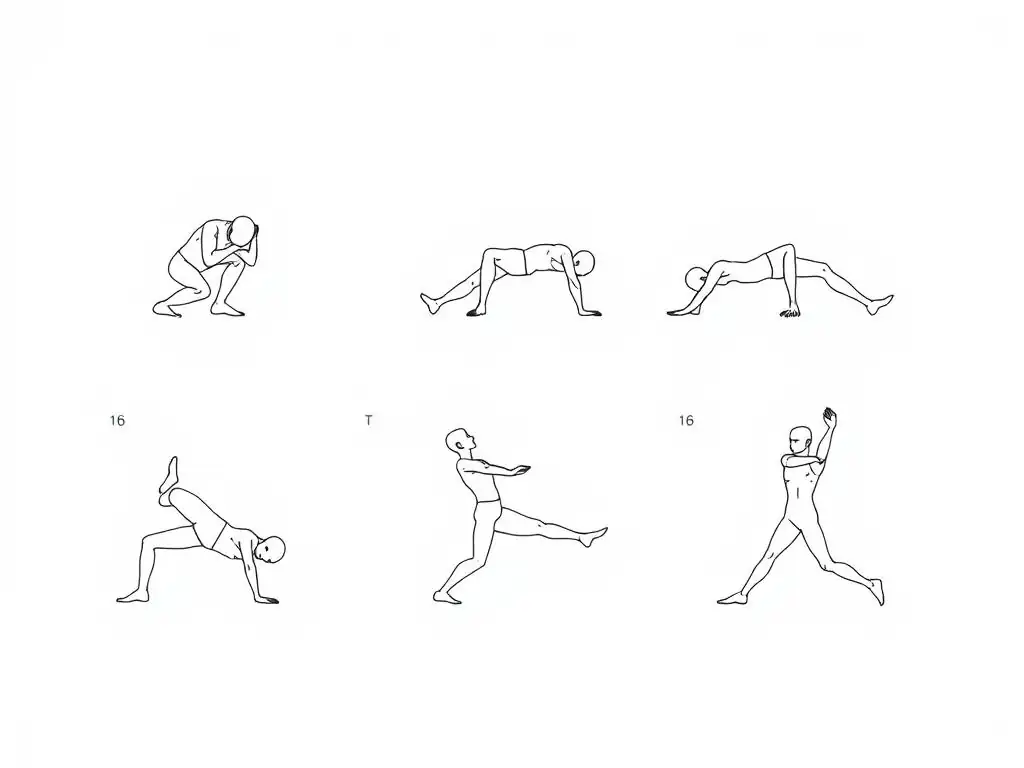
This section details a quick, effective, and adaptable 6-minute bodyweight workout routine perfect for those seeking a fast and efficient way to boost fitness levels, regardless of location. This routine is ideal for fitting exercise into a busy schedule and requires no equipment, making it the ultimate "quick anywhere workout routine." The exercises are designed to engage multiple muscle groups simultaneously, maximizing calorie burn and muscle activation in minimal time. Remember to consult your physician before starting any new workout routine.
Warm-up: Dynamic Stretching (Arm Circles, Leg Swings, Torso Twists)
Before diving into the intense workout, a proper warm-up is crucial to prepare your muscles and prevent injuries. Dynamic stretching increases blood flow to the muscles, improving flexibility and range of motion. This phase should take approximately 60 seconds.
Here's a suggested warm-up sequence:
- Arm Circles: Perform 10 forward arm circles and 10 backward arm circles. Focus on a smooth, controlled movement, gradually increasing the range of motion. This warms up the shoulder and upper back muscles.
- Leg Swings: Perform 10 forward and 10 backward leg swings for each leg. Keep your core engaged and maintain a controlled swing. This prepares your hip flexors, hamstrings, and quads for the workout.
- Torso Twists: Perform 10 torso twists in each direction. Keep your core engaged and avoid swinging your arms excessively. This mobilizes the spine and prepares your core muscles.
Remember to listen to your body and adjust the intensity of the stretches based on your fitness level. A gentle and effective warm-up is key to a successful and injury-free workout. This dynamic approach is superior to static stretching before exercise, as it prepares your muscles for movement.
Jumping Jacks: 30 repetitions - Boosting Cardiovascular Health
Jumping jacks are a fantastic full-body exercise that elevates your heart rate quickly, boosting cardiovascular health. They engage multiple muscle groups, including your legs, arms, and core, providing a significant calorie burn in a short amount of time. Thirty repetitions should take approximately 30 seconds, depending on your pace. Remember to maintain proper form: jump your feet out wide while simultaneously raising your arms overhead.
Land softly, engaging your core to maintain stability. This exercise is a great way to get your blood pumping and prepare your body for the more intense movements to follow. Consider this a foundational element of any effective quick anywhere workout routine.
High Knees: 30 repetitions per leg - Engaging Core and Legs
High knees are another excellent exercise for improving cardiovascular fitness and strengthening your core and leg muscles. This exercise requires bringing your knees up towards your chest with each step, engaging your core to maintain balance and stability. Aim for 30 repetitions per leg, which should take approximately 60 seconds. Focus on driving your knees upward with power and control, maintaining a consistent pace.
Remember to keep your posture upright and engage your core throughout the exercise. This exercise is an excellent addition to any quick anywhere workout routine, offering a significant cardiovascular and muscular benefit in a short period. The core engagement is particularly important, improving stability and overall body strength.
Butt Kicks: 30 repetitions per leg - Improving Flexibility and Endurance
Butt kicks are a fantastic warm-up exercise and a great way to improve flexibility and cardiovascular endurance. This dynamic movement increases blood flow to the muscles, preparing them for more strenuous activity. The 30 repetitions per leg ensure a sufficient cardiovascular challenge, elevating your heart rate and improving your overall stamina. Proper form is crucial: Keep your core engaged, maintain a slight bend in your knees, and bring your heels up towards your glutes with each kick.
Avoid overextending your leg or arching your back. Focus on a controlled movement, feeling the stretch in your hamstrings and the engagement in your glutes with each repetition. If you're new to this exercise, you might find your legs feeling slightly fatigued after the first few repetitions. This is normal and indicates that your muscles are working!
Gradually increase the repetitions as your endurance improves. Remember to listen to your body and stop if you experience any pain. Adding butt kicks to your quick anywhere workout routine is a simple yet effective way to boost your fitness level.
Squats: 15 repetitions - Strengthening Lower Body
Squats are a fundamental compound exercise that targets multiple muscle groups in your lower body, including your quads, hamstrings, and glutes. Performing 15 repetitions in this quick anywhere workout routine provides a significant strength-building stimulus. Maintaining proper form is paramount to avoid injury and maximize results. Stand with your feet shoulder-width apart, toes slightly pointed outward. Lower your body as if you were sitting in a chair, keeping your back straight and your core engaged.
Ensure your knees don't go past your toes. The depth of your squat will depend on your flexibility and strength; aim for a position where you feel a good stretch in your quads and glutes. Focus on a slow, controlled descent and an explosive ascent. Avoid bouncing at the bottom of the squat.
If you find 15 repetitions challenging, you can break them into smaller sets (e.g., three sets of five repetitions) with short rest periods between sets. Remember to breathe deeply throughout the exercise. Regularly incorporating squats into your routine will strengthen your legs and improve your overall lower body power. This exercise is a cornerstone of any effective quick anywhere workout routine for its efficiency and effectiveness.
Push-ups: 10 repetitions (or modified push-ups against a wall) - Building Upper Body Strength
Push-ups are a classic bodyweight exercise that targets your chest, shoulders, and triceps, building significant upper body strength. Aiming for 10 repetitions in this six-minute routine offers a challenging yet achievable goal for most fitness levels. If 10 standard push-ups prove too difficult, modified push-ups against a wall are an excellent alternative. This variation reduces the intensity while still engaging the same muscle groups.
For standard push-ups, start in a plank position, ensuring your hands are slightly wider than shoulder-width apart and your body forms a straight line from head to heels. Lower your chest towards the floor by bending your elbows, keeping them close to your body. Push back up to the starting position, maintaining a controlled movement. Focus on engaging your core to stabilize your body and prevent your hips from sagging.
Proper form is essential to avoid injury and maximize the effectiveness of the exercise. If you experience any discomfort, reduce the number of repetitions or try the wall push-up modification. Consistent practice will improve your strength and endurance, making 10 push-ups a breeze over time. Including push-ups in your quick anywhere workout routine is a simple and highly effective way to improve your upper body strength.
Plank: 30 seconds - Core Strengthening and Stability
The plank is a foundational exercise for building core strength and stability. It's incredibly effective because it engages multiple muscle groups simultaneously, including your rectus abdominis (the "six-pack" muscles), transverse abdominis (deep core muscles), obliques, and erector spinae (back muscles). Maintaining a proper plank form is crucial to maximizing its benefits and avoiding injury. Start by assuming a push-up position, but instead of lowering yourself to the ground, rest your weight on your forearms, keeping your elbows directly beneath your shoulders. Your body should form a straight line from head to heels, engaging your core to prevent sagging in the hips or arching in the back.
Hold this position for 30 seconds, focusing on maintaining proper form. Remember to breathe deeply throughout the exercise. Proper breathing helps prevent muscle fatigue and improves endurance. As you progress, you can gradually increase the hold time to improve your core strength.
Don't forget to listen to your body and take breaks if needed. Consistent practice will lead to significant improvements in your core strength, which is crucial for overall fitness, posture, and injury prevention. Many people find that incorporating planks into their daily routine, even just for a few repetitions, significantly improves their stability and strength. Remember, quality over quantity – a perfectly executed 30-second plank is far more beneficial than a sloppy 60-second attempt.
Cool-Down: Static Stretching (Hamstring stretch, Quadriceps stretch, Triceps stretch)
Cooling down after your quick workout is just as important as the workout itself. Static stretching helps to increase flexibility, reduce muscle soreness, and improve recovery. This 6-minute routine ends with three key stretches targeting major muscle groups worked during the workout. These stretches are designed to lengthen and relax the muscles, promoting better blood flow and reducing the risk of stiffness or injury.
- Hamstring Stretch: Stand with your feet hip-width apart. Extend one leg slightly forward, keeping a slight bend in your standing knee. Lean forward from your hips, keeping your back straight, and reach towards your toes. Hold for 30 seconds, focusing on feeling the stretch in the back of your thigh. Repeat on the other leg. This stretch is particularly important after exercises that engage the hamstrings, like squats or lunges, helping to prevent tightness and improve flexibility. Remember to maintain a flat back to prevent straining your lower back.
- Quadriceps Stretch: Stand upright, holding onto a chair or wall for balance if needed. Bend one knee, bringing your heel towards your buttock. Gently grasp your foot with your hand and pull your heel closer to your buttock, feeling the stretch in the front of your thigh. Hold for 30 seconds. Repeat on the other leg. This stretch is beneficial for counteracting the effects of exercises that work the quadriceps, such as lunges or jumping jacks, improving flexibility and preventing muscle imbalances.
- Triceps Stretch: Raise one arm overhead and bend your elbow, bringing your hand down behind your head. Gently use your other hand to press your elbow closer to your head, feeling the stretch in the back of your upper arm. Hold for 30 seconds. Repeat on the other arm. This stretch targets the triceps, which are often engaged during push-ups or other upper body exercises, helping to improve range of motion and reduce post-workout stiffness. Avoid pulling too hard; a gentle stretch is sufficient to achieve the desired effect. Remember to breathe deeply during each stretch to further relax your muscles. A proper cool-down helps your body transition smoothly from exercise to rest, promoting faster recovery and reducing the risk of injury.
Maximizing Your 6-Minute Bodyweight Workout
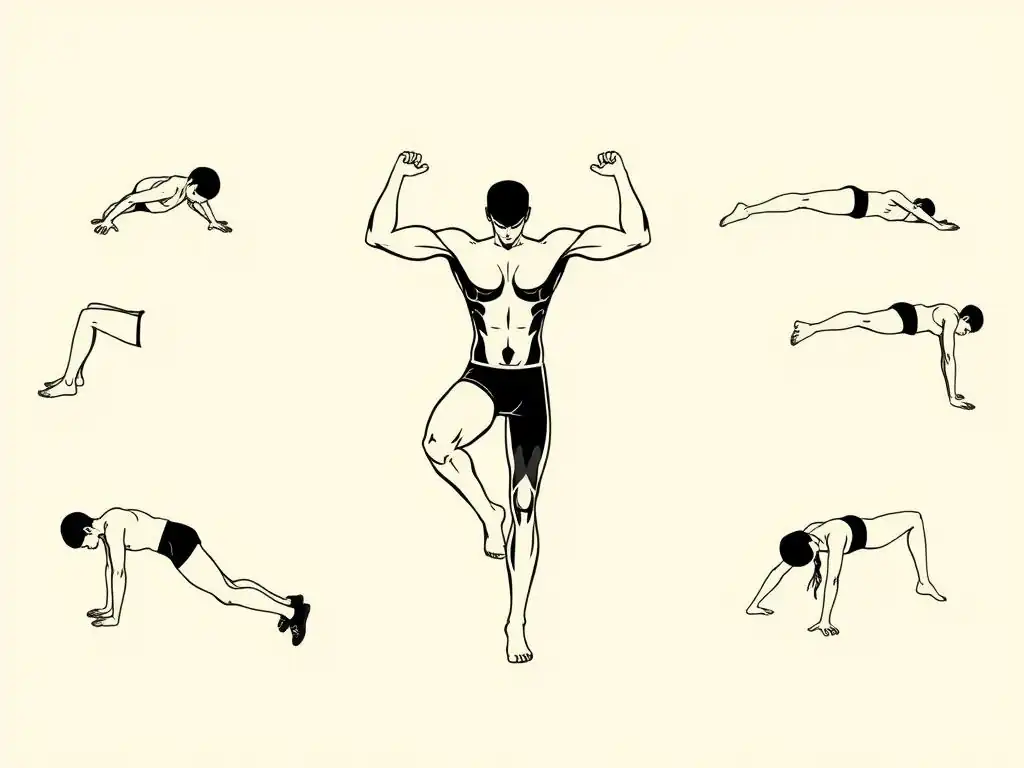
This section focuses on optimizing your 6-minute bodyweight workout routine to achieve maximum results within the limited timeframe. We'll explore techniques to increase intensity, improve form, and track your progress, all crucial for maximizing the effectiveness of a quick anywhere workout routine. Remember, consistency is key, and even small improvements in technique can lead to significant gains over time.
Building a Consistent Workout Habit
Building a consistent workout habit is paramount for seeing results from any fitness routine, especially a short, high-intensity one like this. The key is to make it a non-negotiable part of your day, like brushing your teeth. Try these strategies:
- Schedule it: Treat your workout like any other important appointment. Block out 6 minutes in your calendar each day, and stick to it. Consistency is more important than duration.
- Habit stacking: Link your workout to an existing habit. For example, complete your workout immediately after your morning coffee or before you check your emails. This creates a mental association, making it easier to remember and perform.
- Find an accountability partner: Working out with a friend or family member can provide motivation and encouragement, especially on days when you feel less inclined to exercise. Even sharing your progress online can help.
- Reward yourself: Celebrate your achievements! After a week or a month of consistent workouts, reward yourself with something you enjoy, fostering positive reinforcement. This could be anything from a relaxing bath to a new book.
- Track your progress: Use a simple journal or app to track your workouts. Seeing your progress visually can be incredibly motivating and helps you stay accountable. Note down the exercises performed, sets, reps, and any improvements in your form or endurance.
Adapting Exercises to Your Fitness Level
This quick anywhere workout routine can be adapted to suit various fitness levels. Beginners should focus on proper form over speed or repetitions. As you progress, you can increase the intensity by:
- Increasing repetitions: Start with fewer repetitions per exercise and gradually increase the number as you get stronger.
- Decreasing rest periods: Shorten the rest periods between exercises to increase the intensity of your workout.
- Adding resistance: Use resistance bands or weighted objects (like water bottles) to increase the challenge. This is especially effective for exercises like squats and lunges.
- Modifying exercises: If an exercise is too difficult, modify it to make it easier. For example, instead of performing full push-ups, you can do knee push-ups. Listen to your body and don't push yourself too hard, especially when starting.
- Progressing gradually: Avoid drastic increases in intensity. Gradually increasing the difficulty of your workout will help prevent injuries and ensure sustainable progress.
Integrating the Workout into Your Daily Schedule
The beauty of a 6-minute workout is its brevity, making it easy to incorporate into even the busiest schedules. Here are some suggestions:
- Lunch break: Use your lunch break to squeeze in a quick workout. This can be a refreshing break from work and boost your energy levels.
- Before bed: A short workout before bed can help you unwind and improve sleep quality. Choose less intense exercises to avoid overstimulation.
- Morning routine: Start your day with a burst of energy. This can help you feel more focused and productive throughout the day.
- Commercial breaks: Use commercial breaks during your favorite TV shows to complete a set or two of exercises.
- Travel time: If you have a few minutes to spare while traveling, you can do some quick exercises like jumping jacks or squats.
Remember, even six minutes of dedicated exercise is better than none. The goal is to find a time and place that works best for you and stick with it. This quick anywhere workout routine is designed to be flexible and adaptable, so make it your own! By incorporating these strategies, you'll be well on your way to building a consistent workout habit and reaping the benefits of a healthier lifestyle. 🏋️♀️
Tracking Progress Using a Fitness App or Journal
Tracking your progress is crucial for staying motivated and seeing the results of your hard work. A fitness app or a simple journal can be incredibly effective tools for monitoring your 6-minute workout routine. These methods allow you to objectively assess your improvements over time, making adjustments as needed.
Using a fitness app offers several advantages. Many apps allow you to log your workouts, automatically calculating metrics such as calories burned and total workout time. Some even provide personalized workout plans and track your progress visually, often with charts and graphs that clearly showcase your improvement in key areas like endurance and strength. Features such as reminders can help maintain consistency.
The gamification aspects of many apps can also boost motivation by offering rewards for consistent effort. Remember to choose an app that aligns with your specific goals and preferences; not all apps are created equal. For example, some may focus more on cardio, while others prioritize strength training. Carefully examine user reviews before committing to a specific fitness application to ensure it meets your needs.
Alternatively, a simple notebook or journal offers a more hands-on approach. Manually tracking your workouts allows for a deeper level of personalization. You can record not only the duration of each exercise but also subjective observations about how you felt during the workout – did you find it easier than the previous session? Did you manage to increase the number of repetitions?
Did you notice any improvements in your form? These qualitative notes can provide valuable insights that a fitness app might miss. Consider creating a simple table to track your progress over time, noting the date, exercises performed, repetitions completed, and any relevant observations. This method fosters a mindful approach to your fitness journey, allowing for a more nuanced understanding of your body's response to the workout.
The tangible aspect of writing down your progress can also be highly motivating for some individuals. Ultimately, the best method depends on your personal preferences and technological comfort level. Both methods offer valuable tools for tracking your progress in your quick anywhere workout routine.
Advanced Variations of Your 6-Minute Bodyweight Workout
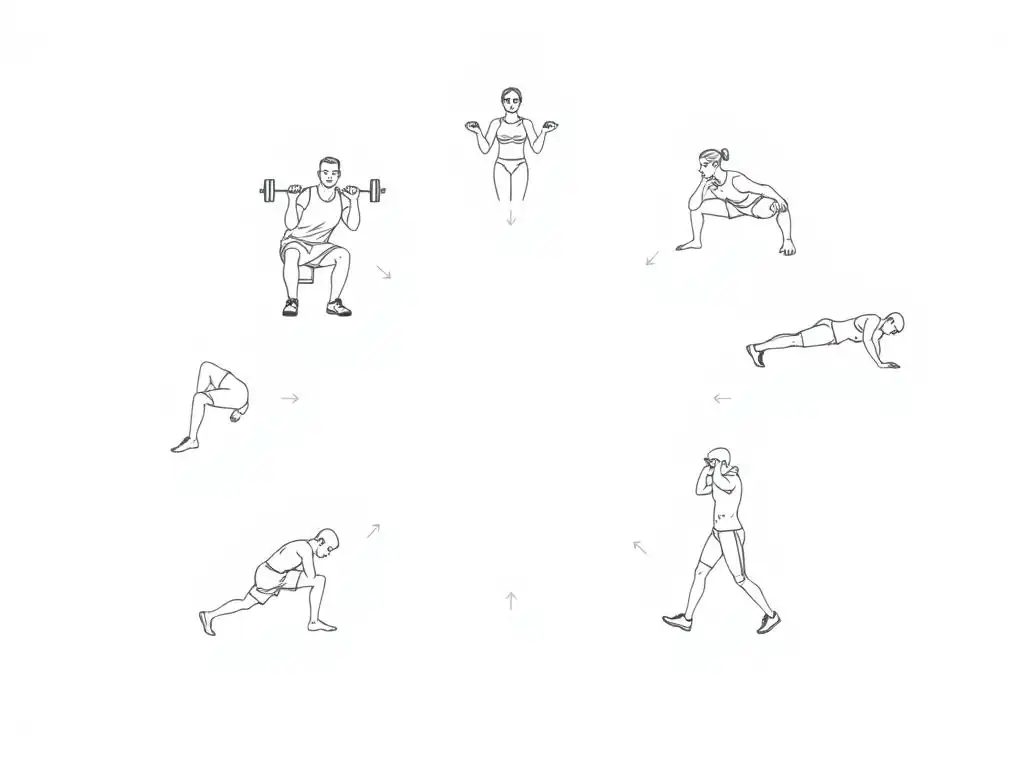
This section explores ways to make your 6-minute workout routine even more challenging and effective, progressing beyond the basic structure. Remember, consistency is key, but gradual progression keeps your body adapting and prevents plateaus. We'll look at increasing intensity through repetitions, adding resistance, and personalizing the routine to your specific needs and goals. This allows you to continue seeing results and avoid boredom, critical components of maintaining a successful "quick anywhere workout routine".
Increasing Repetitions and Sets
Simply increasing the number of repetitions (reps) and sets you perform within the 6-minute timeframe can significantly boost the intensity of your workout. Instead of aiming for just one set of each exercise, consider adding a second or even a third set. You might start with a manageable increase, such as adding 2-3 more reps to each exercise.
For example, if you initially did 10 jumping jacks, try increasing it to 12 or 13. Remember to focus on maintaining proper form to avoid injuries. This gradual increase in volume (reps x sets) will challenge your muscles and improve your endurance.
The key here is to listen to your body. If you find yourself struggling to maintain proper form, don't push yourself too hard. It's better to perform fewer reps with perfect form than many reps with poor form. This approach is crucial for preventing injuries and maximizing the effectiveness of your "quick anywhere workout routine". Consider tracking your progress – noting the number of reps and sets completed each day – to monitor your improvement and stay motivated. This data-driven approach can be incredibly rewarding.
Here's a sample progression schedule you can adapt:
| Week | Jumping Jacks (reps) | Squats (reps) | Push-ups (reps) | Lunges (reps per leg) | Plank (seconds) |
|---|---|---|---|---|---|
| 1 | 10 | 10 | 5 | 10 | 30 |
| 2 | 12 | 12 | 6 | 12 | 40 |
| 3 | 15 | 15 | 8 | 15 | 50 |
| 4 | 18 | 18 | 10 | 18 | 60 |
Remember to adjust this based on your individual fitness level. Don't be afraid to start slower and gradually increase the intensity. The goal is sustainable progress, not immediate exhaustion.
Incorporating Resistance Bands for Added Challenge
Resistance bands offer a simple yet effective way to increase the intensity of your bodyweight exercises. They are lightweight, portable, and inexpensive, making them perfect for your "quick anywhere workout routine". You can use them to add resistance to exercises like squats, lunges, and push-ups, making them more challenging and engaging.
For squats and lunges, loop the band around your thighs, just above your knees. The resistance will increase the difficulty of the exercise, forcing your muscles to work harder. For push-ups, place the band across your upper back, just below your shoulder blades. The added resistance will make each push-up more demanding. Experiment with different resistance levels to find the right challenge for you. Remember, proper form remains paramount. Don't compromise your technique to use a heavier resistance band.
Using resistance bands allows for continuous progression, making this a fantastic addition to your quick workout routine. You can progressively increase the resistance band's tension or even incorporate multiple bands for an even more substantial challenge. This flexibility makes it an ideal tool for long-term fitness improvement. Consider keeping a set of different resistance levels readily available for your workouts.
Creating a Personalized 6-Minute Routine
The beauty of a 6-minute workout is its adaptability. While the suggested exercises provide a solid foundation, you can personalize your routine to target specific muscle groups or address individual fitness goals. Maybe you want to focus more on upper body strength, or perhaps you're aiming to improve your cardiovascular fitness. Adjusting the exercises and their order allows for a fully customized "quick anywhere workout routine".
For example, if you want to focus on upper body strength, you could replace some of the lower body exercises with exercises like tricep dips (using a chair or bench) or incline push-ups (using a wall or elevated surface). To improve cardiovascular fitness, you could incorporate more high-intensity exercises like burpees or mountain climbers. The possibilities are endless! Consider your strengths and weaknesses, and tailor your routine accordingly. You can even cycle through different personalized routines throughout the week to keep things fresh and challenging.
Remember to prioritize exercises that you enjoy. This will help you stay motivated and consistent. A workout routine you find enjoyable is far more likely to become a sustainable habit. Experiment with different exercises, and don't be afraid to adjust the routine as needed. Regularly reassessing and refining your "quick anywhere workout routine" is a key part of long-term fitness success. The goal is to find a routine that is both effective and enjoyable, making fitness a sustainable part of your daily life.
Maintaining Motivation for Your 6-Minute Bodyweight Workout
Sticking to any workout routine, even a quick one like our 6-minute bodyweight program, requires dedication and consistent effort. Motivation can fluctuate, so it's crucial to develop strategies to keep yourself engaged and prevent burnout. This section will provide practical tips to help you stay motivated and achieve your fitness goals with this quick anywhere workout routine.
Setting Achievable Fitness Goals
The key to maintaining motivation is setting realistic and achievable goals. Don't aim for drastic changes overnight. Instead, focus on incremental progress. For example, instead of aiming to complete the entire 6-minute workout flawlessly on your first try, start with completing half of it, focusing on proper form. Then, gradually increase the duration or intensity as you feel more comfortable.
Track your progress using a simple journal or fitness app. Seeing your improvements, no matter how small, will boost your confidence and encourage you to continue. Remember, consistency is key! Even small wins contribute significantly to long-term success. Consider breaking down your larger fitness goals into smaller, more manageable milestones.
For instance, aim to complete the workout three times a week for the first month, then increase to four times the following month. This gradual approach makes the journey less daunting and more sustainable. This method is particularly helpful for beginners or those returning to fitness after a break. Remember to celebrate each milestone you achieve – this positive reinforcement is crucial for maintaining momentum.
Finding a Workout Partner for Support
Working out with a friend or family member can significantly boost your motivation and commitment. Having a partner provides accountability and encourages you to stick to your routine, even on days when you might feel less inclined to exercise. A workout buddy can also offer support and encouragement, making the experience more enjoyable and less of a chore. Choose a partner who shares similar fitness goals and has a compatible schedule.
You can even make it a social event, catching up while you exercise. The shared commitment and mutual support can create a positive feedback loop, reinforcing your dedication to the quick anywhere workout routine. If finding a physical workout partner is difficult, consider virtual options, such as online fitness communities or social media groups dedicated to fitness. These platforms provide a sense of community and shared accountability, even if you're working out independently.
Rewarding Yourself for Consistent Effort
Rewarding yourself for consistent effort is a powerful motivator. It's not about indulging in unhealthy treats; rather, it's about celebrating your achievements with activities you genuinely enjoy. These rewards can be small and simple, such as buying a new workout outfit, enjoying a relaxing bath, or watching your favorite show after a successful workout week.
The key is to choose rewards that align with your overall health and wellness goals, ensuring that your rewards don't undermine your progress. Creating a reward system also helps to reinforce positive behavior and makes the process of sticking to your quick anywhere workout routine more enjoyable and sustainable. For example, after completing the workout consistently for a month, you could reward yourself with a massage or a weekend hike.
This approach helps to maintain motivation by associating positive feelings and experiences with your fitness journey. Remember to make your rewards proportionate to your achievements – a small reward for a small milestone, and a larger reward for a significant achievement. This will keep you motivated and engaged in the long run.
Frequently Asked Questions
What equipment do I need for this workout?
This workout requires no equipment! You can do it anywhere, anytime, making it perfect for busy schedules. It relies entirely on your bodyweight.
How long does the 6-minute workout take?
As the name suggests, the workout takes approximately six minutes to complete. This makes it ideal for fitting into even the busiest of days.
Is this workout suitable for beginners?
Yes, the workout is designed to be beginner-friendly. While you can increase intensity, modifications are suggested for those new to exercise.
What are the benefits of this quick workout?
This routine improves cardiovascular health, builds strength, and boosts overall fitness. It's a fantastic way to stay active without needing a gym.
Can I do this workout every day?
While you can do it daily, it's recommended to incorporate rest days into your routine. Listen to your body and allow for recovery to prevent injury and maximize results.
Final Reflection: Unlocking Fitness, One Six-Minute Burst at a Time
The pursuit of fitness shouldn't be a luxury confined to gyms and expensive equipment; it's a fundamental right accessible to everyone, everywhere. This article has demonstrated that achieving a powerful workout is entirely possible within a mere six minutes, regardless of location or resources. The convenience and effectiveness of these quick routines challenge the pervasive myth that significant fitness gains require hours of dedicated gym time.
The impact of readily available, concise workout routines extends far beyond the physical. It empowers individuals to prioritize their well-being amidst increasingly demanding schedules, fostering a culture of self-care and proactive health management. The body achieves what the mind believes.
This quote underscores the mental fortitude required for consistent exercise, a benefit often overlooked in the pursuit of physical fitness. The accessibility of a six-minute routine lowers the barrier to entry, making consistent exercise a realistic goal for even the busiest individuals, thus cultivating a stronger mind-body connection.
Now, consider your own life. What small changes can you implement to incorporate a six-minute workout into your daily routine? Perhaps it's a quick burst of activity during your lunch break, a set of exercises before bed, or a morning routine to jumpstart your day. Don't underestimate the power of these small, consistent actions. Embrace the convenience, the efficiency, and the transformative potential of a six-minute workout. Your body and mind will thank you for it.
Unleash Your Inner Athlete: 6 Minutes to a Stronger You!
Ready to boost your energy and well-being in just six minutes? You've discovered a powerful tool for a healthier lifestyle, and now it's time to put it to use.
- Start your workout now! Don't delay—experience the benefits today. Remember to listen to your body and adjust the routine as needed.
- Share your progress and inspire others! Let's build a supportive community dedicated to achieving fitness goals in just six minutes.
- Personalize your workout! Experiment with different exercises or gradually increase the intensity to find what works best for you.
Ready to make this six-minute routine a daily habit that transforms your life?