
The Power of Pause: How Mindfulness Can Transform Your Response to Stressful Situations


Feeling overwhelmed by the daily grind? UltimateLifeHacks is your guide to reclaiming control of your time and energy. Discover practical strategies to boost your productivity and well-being, starting with our latest article on Mindfulness techniques stress reduction. Learn how incorporating simple yet powerful mindfulness practices can dramatically transform your response to stressful situations – and unlock a more peaceful, productive you. Ready to unlock your ultimate potential? Let's dive in!
- Understanding the Stress Response and the Benefits of Mindfulness Techniques for Stress Reduction
- Practical Mindfulness Techniques for Stress Reduction in Daily Life
- Integrating Mindfulness into Your Daily Routine for Long-Term Stress Reduction
- Mindfulness Techniques for Stress Reduction in Specific Situations
- Measuring the Effectiveness of Your Mindfulness Practice: Tracking Progress and Adapting Your Approach
- Beyond Mindfulness: Complementary Strategies for Stress Management
-
Frequently Asked Questions
- What is mindfulness, and how does it relate to stress reduction?
- How can I incorporate mindfulness techniques into my daily routine?
- Are there specific mindfulness techniques for stress reduction?
- What are the benefits of using mindfulness techniques for stress reduction compared to other methods?
- How long does it take to see results from practicing mindfulness for stress reduction?
- Final Reflection: Embracing the Pause for a Stress-Free Life
- Unveil Your Inner Calm: Start Practicing Mindfulness Today
Understanding the Stress Response and the Benefits of Mindfulness Techniques for Stress Reduction
Feeling overwhelmed? Constantly juggling tasks and responsibilities until you're on the verge of burnout? You're not alone.
In today's fast-paced world, stress has become a pervasive issue, impacting our physical and mental well-being. This article explores the power of mindfulness as a potent technique for stress reduction, helping you navigate challenging situations with greater calm and resilience. We'll delve into the physiological responses to stress, teach you to recognize the subtle signs your body sends, and introduce you to practical mindfulness techniques to effectively manage and mitigate stress, ultimately improving your overall quality of life and boosting your productivity.
Mastering mindfulness techniques for stress reduction is not just about relaxation; it's about cultivating a proactive approach to well-being, enhancing your ability to thrive amidst life's inevitable challenges. This guide provides a foundation for incorporating mindfulness into your daily routine, equipping you with the tools to navigate stressful situations with increased clarity and composure.
The Physiology of Stress: How Your Body Reacts
When faced with a perceived threat—a looming deadline, a conflict with a colleague, or even a traffic jam—your body initiates a complex physiological response known as the "fight-or-flight" reaction. 1 This response, orchestrated by the sympathetic nervous system, triggers a cascade of hormonal changes. Adrenaline and cortisol are released, increasing your heart rate, blood pressure, and respiration. While this response was crucial for survival in ancestral times, its constant activation in modern life contributes significantly to stress-related illnesses. Chronic stress can manifest in various ways, including:
- Physical symptoms: Headaches, muscle tension, digestive problems, sleep disturbances, weakened immune system.
- Mental symptoms: Anxiety, irritability, difficulty concentrating, feelings of overwhelm and hopelessness.
- Behavioral symptoms: Social withdrawal, substance abuse, changes in eating habits.
Understanding these physiological responses is the first step towards effectively managing stress. Mindfulness helps by interrupting this automatic stress response, allowing you to regain control and respond rather than react.
The Mind-Body Connection: Recognizing Stress Signals
The mind and body are intricately connected. Stress doesn't just manifest in obvious physical symptoms; it often presents subtly through changes in your thoughts, emotions, and behaviors. Learning to recognize these early warning signs is crucial for proactive stress management. These signals might include:
- Increased tension in your shoulders, jaw, or neck.
- Rapid or shallow breathing.
- Racing thoughts or difficulty concentrating.
- Irritability or impatience.
- Feeling overwhelmed or constantly on edge.
- Changes in appetite or sleep patterns.
By paying close attention to your body's cues, you can identify stress before it escalates into a full-blown crisis. Mindfulness practices help you develop this heightened awareness, enabling you to intervene early and prevent stress from spiraling out of control. This heightened awareness is a key component of effective mindfulness techniques for stress reduction.
Introducing Mindfulness: A Powerful Tool for Stress Management
Mindfulness, at its core, is the practice of paying attention to the present moment without judgment. It involves cultivating awareness of your thoughts, feelings, bodily sensations, and surroundings without getting carried away by them. Regular mindfulness practice can significantly reduce stress by:
- Calming the nervous system: Mindfulness techniques, such as deep breathing and meditation, activate the parasympathetic nervous system, counteracting the effects of the fight-or-flight response.
- Improving emotional regulation: By observing your emotions without judgment, you gain distance from them, reducing their power to overwhelm you.
- Enhancing self-awareness: Mindfulness cultivates a deeper understanding of your thoughts, feelings, and behaviors, enabling you to identify triggers and develop healthier coping mechanisms.
- Increasing resilience: Regular mindfulness practice strengthens your ability to cope with stress and bounce back from adversity.
Practicing mindfulness doesn't require hours of meditation; even short, regular sessions can make a significant difference. Simple techniques like mindful breathing, body scans, and mindful walking can be easily incorporated into your daily routine. The key is consistency and a commitment to cultivating present moment awareness. This commitment to mindful living is the foundation of many effective mindfulness techniques for stress reduction.
1 This is a simplified explanation; the stress response is a complex interplay of various systems and hormones.
Practical Mindfulness Techniques for Stress Reduction in Daily Life
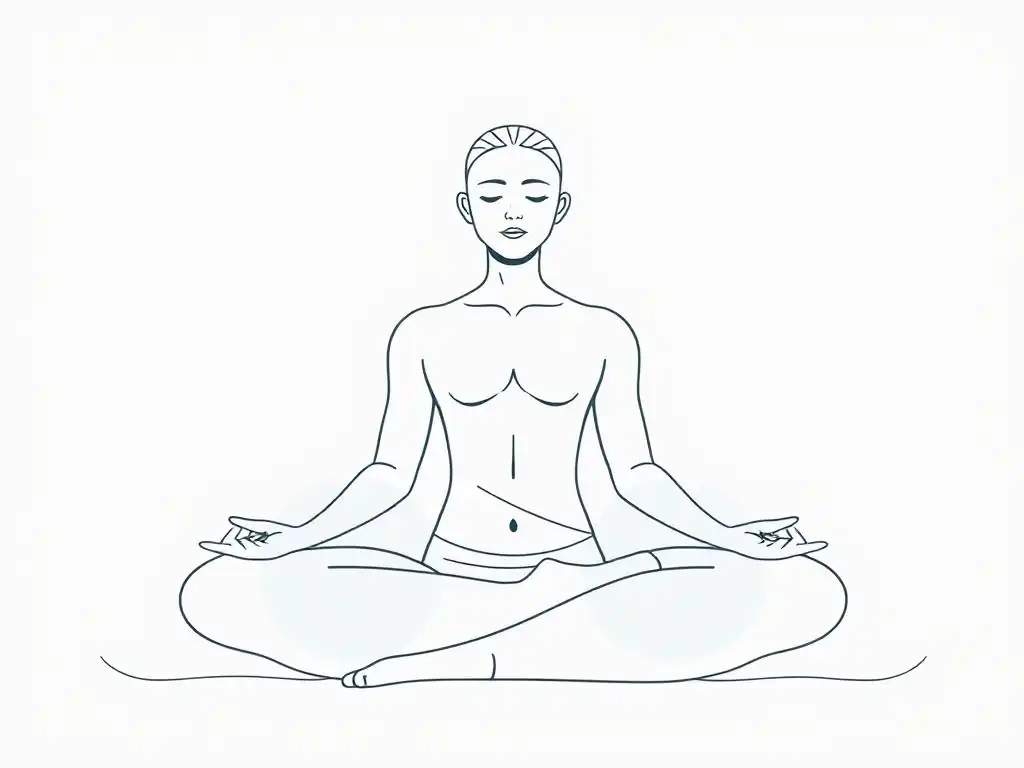
This section delves into specific mindfulness techniques readily applicable to daily life, offering practical strategies for managing stress and enhancing well-being. These techniques are designed to be easily integrated into your routine, requiring minimal time commitment yet delivering significant benefits in reducing stress and improving overall mental clarity. We'll explore how these methods directly contribute to effective "Mindfulness techniques stress reduction".
Mindful Breathing Exercises for Immediate Stress Relief
Feeling overwhelmed? Mindful breathing is your immediate antidote. It's a simple yet powerful technique that can calm your nervous system in moments of stress. The key is to focus intently on the sensation of your breath—the rise and fall of your chest or abdomen.
Several variations exist, catering to different preferences and needs. One effective approach is the 4-7-8 technique: Inhale deeply through your nose for a count of four, hold your breath for seven, and exhale slowly through your mouth for eight. Repeat this cycle four to five times. This controlled breathing pattern helps slow your heart rate and reduce feelings of anxiety.
Another approach involves simply observing your natural breath. Sit comfortably, close your eyes if you wish, and gently bring your attention to the sensation of each inhale and exhale. Notice the coolness of the air entering your nostrils and the warmth as it leaves. Don't judge your breath; simply observe it without trying to change it. Even five minutes of this practice can significantly reduce stress levels. Regular practice, even for short periods throughout the day, builds resilience against stress triggers. This cultivates a mindful awareness that helps you respond to stressful situations more calmly and effectively.
Body Scan Meditation: Tuning into Physical Sensations
Body scan meditation is a guided meditation technique that systematically brings awareness to different parts of your body. It helps to ground you in the present moment and release physical tension often associated with stress. This technique contributes significantly to "Mindfulness techniques stress reduction" by shifting your focus from racing thoughts to the physical sensations in your body.
The practice typically begins by lying down comfortably. You then systematically bring your attention to different parts of your body, starting with your toes and gradually moving upwards to the top of your head. As you focus on each body part, notice any sensations—tingling, warmth, coolness, tension, or relaxation. Acknowledge these sensations without judgment; simply observe them.
For example, you might start by noticing the sensation of your toes touching the floor or the sheets. Then, you'd move to your feet, ankles, calves, and so on. If you notice tension in a particular area, simply acknowledge it without trying to force relaxation. The act of paying attention to these sensations often helps to release the tension naturally. This process usually takes 15-20 minutes, but shorter sessions are equally beneficial. Consistent practice enhances body awareness, leading to quicker identification and release of physical tension linked to stress.
Progressive Muscle Relaxation: Releasing Physical Tension
Progressive muscle relaxation (PMR) is a technique that involves systematically tensing and relaxing different muscle groups in your body. By consciously tensing and then releasing each muscle group, you become more aware of the physical sensations of tension and relaxation, ultimately promoting a state of deep relaxation. This is another highly effective component of "Mindfulness techniques stress reduction."
The process typically begins with your toes. You tense the muscles in your toes for a few seconds, holding the tension, and then release it completely, noticing the difference between tension and relaxation. You then move to your feet, ankles, calves, and so on, working your way up through your body. Each muscle group is tensed and released, allowing you to become acutely aware of the physical sensations associated with both states.
PMR is particularly helpful for individuals who experience physical symptoms of stress, such as headaches, muscle aches, or jaw clenching. Regular practice enhances your ability to recognize and release physical tension, leading to reduced stress and improved overall well-being. Even short, 5-10 minute sessions can make a noticeable difference in managing stress levels throughout the day. The heightened awareness of physical sensations fostered by PMR enables a more responsive and adaptive approach to stressful situations.
Walking Meditation: Connecting with Your Surroundings
Walking meditation, a simple yet powerful mindfulness technique, offers a unique approach to stress reduction by grounding you in the present moment. Unlike sitting meditation, which can be challenging for some, walking meditation allows for gentle movement, making it accessible to a wider range of individuals. The practice involves paying close attention to the physical sensations of walking – the feeling of your feet on the ground, the rhythm of your steps, the movement of your body. This heightened awareness shifts your focus away from racing thoughts and anxieties, fostering a sense of calm and centeredness.
The beauty of walking meditation lies in its adaptability. You can practice it virtually anywhere – a park, your backyard, even a quiet hallway at work. The key is to find a space where you feel comfortable and relatively undisturbed. Begin by finding a comfortable pace, neither too fast nor too slow.
As you walk, consciously bring your attention to the sensation of each step. Notice the weight transfer from one foot to the other, the feeling of your muscles engaging and releasing. Pay attention to the subtle movements of your body – the sway of your arms, the rise and fall of your chest.
Beyond the physical sensations, engage your other senses. Notice the sounds around you – the chirping of birds, the rustling of leaves, the distant hum of traffic. Observe the sights – the colors of the flowers, the shapes of the trees, the patterns of the clouds.
Even the smells and subtle temperature changes can be incorporated into your practice. This multi-sensory approach enriches the experience and further anchors you in the present moment, effectively reducing the mental chatter that often fuels stress. Regular practice of walking meditation can significantly improve your ability to manage stress, enhancing your overall well-being and providing a valuable tool for navigating daily challenges.
It's a fantastic way to integrate mindfulness techniques into your daily routine, promoting both physical and mental health. The cumulative effect of consistent practice is a greater capacity for presence and a reduced tendency to get caught up in stressful thoughts. This, in turn, leads to improved emotional regulation and a more balanced approach to life's inevitable stressors.
Integrating Mindfulness into Your Daily Routine for Long-Term Stress Reduction
Mindfulness techniques for stress reduction aren't just about fleeting moments of calm; they're about cultivating a consistent practice that weaves itself into the fabric of your daily life. This section explores how to integrate mindfulness into your routine for lasting benefits, transforming your response to stressful situations from reactive to proactive. The key is consistency and intentionality – making mindfulness a non-negotiable part of your day, much like brushing your teeth or having your morning coffee.
This approach fosters resilience and reduces the overall impact of stress on your well-being. We'll explore practical strategies to make this integration seamless and sustainable.
Creating a Mindfulness Practice Schedule
Creating a structured schedule is crucial for establishing a consistent mindfulness practice. Don't aim for perfection; start small and build gradually. Even five minutes a day can make a significant difference. Consider these scheduling strategies:
- Morning Mindfulness: Begin your day with a few minutes of meditation or mindful breathing. This sets a calm and focused tone for the day ahead, reducing the likelihood of reacting negatively to early morning stressors.
- Lunchtime Meditation: Use your lunch break for a short mindful walk or a seated meditation session. This provides a much-needed mental reset, combating afternoon fatigue and stress buildup.
- Evening Reflection: Before bed, take a few minutes to reflect on your day with gratitude. This helps to unwind and process emotions, promoting better sleep and reducing nighttime anxiety.
Here's a sample schedule you can adapt:
| Day | Time | Activity | Duration | Notes |
|---|---|---|---|---|
| Monday | 7:00 AM | Mindful Breathing | 5 mins | Focus on the sensation of breath |
| Tuesday | 1:00 PM | Mindful Walk | 15 mins | Pay attention to your surroundings |
| Wednesday | 7:00 AM | Guided Meditation | 10 mins | Use a guided meditation app |
| Thursday | 1:00 PM | Body Scan Meditation | 10 mins | Notice sensations throughout body |
| Friday | 9:00 PM | Gratitude Journaling | 5 mins | Reflect on positive aspects of day |
| Saturday | 8:00 AM | Yoga and Mindful Movement | 20 mins | Combine physical activity with focus |
| Sunday | 7:00 PM | Restorative Meditation | 15 mins | Deep relaxation and stress release |
Remember to be flexible. Life happens! If you miss a session, don't beat yourself up; simply resume your practice the next day. Consistency is key, not perfection. The aim is to cultivate a mindful lifestyle, not to achieve a rigid, unattainable ideal.
Mindfulness in Everyday Activities: Eating, Working, and More
Mindfulness isn't confined to formal meditation sessions. You can practice mindfulness throughout your day, integrating it seamlessly into everyday activities. This approach, known as "mindful living," transforms mundane tasks into opportunities for presence and calm.
- Mindful Eating: Pay attention to the taste, texture, and smell of your food. Eat slowly, savoring each bite. This reduces stress related to overeating and promotes a healthier relationship with food.
- Mindful Working: Take short breaks throughout your workday to stretch, breathe deeply, or simply focus on your breath. This helps to maintain focus and prevent burnout. Break down large tasks into smaller, more manageable chunks to prevent overwhelm.
- Mindful Walking: Pay attention to the feeling of your feet on the ground, the rhythm of your steps, and the sights and sounds around you. A mindful walk can be a powerful stress reliever.
- Mindful Communication: Listen attentively to others without interrupting or formulating your response. Practice empathetic listening, focusing on understanding rather than reacting.
By consciously bringing awareness to your everyday experiences, you cultivate a sense of presence and reduce reactivity to stressful stimuli. This subtle shift in perspective can significantly reduce stress levels and enhance overall well-being. The more you practice, the more natural and effortless it becomes.
Overcoming Challenges and Maintaining Consistency
Maintaining a consistent mindfulness practice isn't always easy. Life throws curveballs, and it's normal to experience setbacks. Here's how to navigate challenges and stay committed to your mindfulness journey:
- Identify Your Obstacles: What are the biggest challenges you face in maintaining your practice? Lack of time? Difficulty focusing? Identify these obstacles to develop effective strategies to overcome them.
- Find an Accountability Partner: Sharing your goals with a friend or family member can provide support and encouragement.
- Join a Mindfulness Community: Connecting with others who share your interest in mindfulness can provide valuable support and motivation.
- Be Kind to Yourself: Don't get discouraged by setbacks. Treat yourself with compassion and understanding. Remember that consistency, not perfection, is the key.
- Experiment with Different Techniques: If one mindfulness technique doesn't work for you, try another. There's a wide variety of approaches to choose from, so find what resonates with you.
Remember, integrating mindfulness into your life is a journey, not a destination. It's a process of continuous learning and growth. By embracing challenges and celebrating successes, you can cultivate a lasting mindfulness practice that significantly reduces stress and improves your overall quality of life. The benefits of consistent mindfulness practice are cumulative; the more you practice, the more resilient and calm you become in the face of everyday stressors.
Mindfulness Techniques for Stress Reduction in Specific Situations
This section delves into practical applications of mindfulness for stress reduction in various common scenarios. We'll explore specific techniques and strategies to help you navigate challenging situations with greater ease and composure. Remember, the goal isn't to eliminate stress entirely – that's unrealistic – but to cultivate a healthier relationship with it, responding with awareness and equanimity rather than reactivity. This approach is crucial for improving your overall well-being and enhancing your ability to manage daily pressures. Mastering these techniques contributes significantly to effective mindfulness techniques for stress reduction.
Managing Stress at Work: Mindfulness Strategies for the Workplace
The workplace can be a breeding ground for stress. Demanding deadlines, difficult colleagues, and overwhelming workloads can quickly lead to burnout. However, incorporating mindfulness techniques can significantly mitigate these pressures.
One effective strategy is the "body scan meditation". This involves systematically bringing your awareness to different parts of your body, noticing any sensations without judgment. Even five minutes of this practice can ground you, reducing feelings of overwhelm. For example, start by noticing the sensation of your feet on the floor, then move up your legs, torso, arms, and finally your head. Pay attention to any tension you find and gently release it with each exhale.
Another useful technique is mindful breathing during stressful moments. When feeling overwhelmed, take a few deep, conscious breaths. Focus on the sensation of the air entering and leaving your body. This simple act can help regulate your nervous system and calm your mind. Try the 4-7-8 technique: inhale for 4 seconds, hold for 7 seconds, and exhale for 8 seconds. Repeat this several times.
Implementing short mindfulness breaks throughout the workday can also be beneficial. Even a one-minute pause to focus on your breath can help you regain your composure and improve your focus. Consider setting reminders on your phone or computer to encourage these mini-meditation sessions. These small, regular practices significantly contribute to effective stress management and improve your overall productivity. The cumulative effect of these small mindfulness exercises throughout the day can be transformative in reducing work-related stress.
Dealing with Difficult People: Cultivating Compassionate Responses
Interactions with challenging individuals can be incredibly stressful. However, mindfulness can help you respond with greater compassion and understanding, reducing your emotional reactivity.
A key element here is observing your thoughts and feelings without judgment. When faced with a difficult person, notice the arising emotions – anger, frustration, resentment – without getting carried away by them. Acknowledge their presence, but don't identify with them. This creates space between you and your reactions, allowing for a more thoughtful response.
Practicing active listening is also crucial. Truly listen to what the other person is saying, attempting to understand their perspective, even if you don't agree with it. This doesn't mean condoning their behavior, but rather seeking to understand the root of their actions. This empathetic approach can de-escalate tense situations and foster more constructive communication.
Remember that everyone operates from their own experiences and perspectives. Cultivating a sense of compassion, even for those who are difficult, can greatly reduce your stress levels and improve your overall interactions. By shifting your focus from judgment to understanding, you can navigate these challenging encounters with more grace and less stress.
Anxiety-provoking situations, such as public speaking or important meetings, can trigger significant stress. Mindfulness can be a powerful tool for managing these anxieties.
Before entering an anxiety-inducing situation, try a mindful meditation focusing on your breath and body sensations. This can help calm your nervous system and reduce feelings of fear and apprehension. Visualize yourself successfully navigating the situation, focusing on positive outcomes and feeling confident and calm.
During the stressful event, remember to anchor yourself in the present moment. Focus on your breath, or on the physical sensations in your body. Notice the details of your surroundings – sights, sounds, smells – to ground yourself in the here and now, rather than getting lost in anxious thoughts about the future.
After the event, take some time for self-reflection. Notice how you felt during the experience and what strategies helped you cope. This self-awareness will equip you better for future challenges, building resilience and reducing anxiety over time. Consistent practice of these techniques will help you manage anxiety-inducing situations with increased confidence and equanimity. By cultivating a mindful approach, you can transform anxiety from a debilitating force into a manageable challenge.
Measuring the Effectiveness of Your Mindfulness Practice: Tracking Progress and Adapting Your Approach
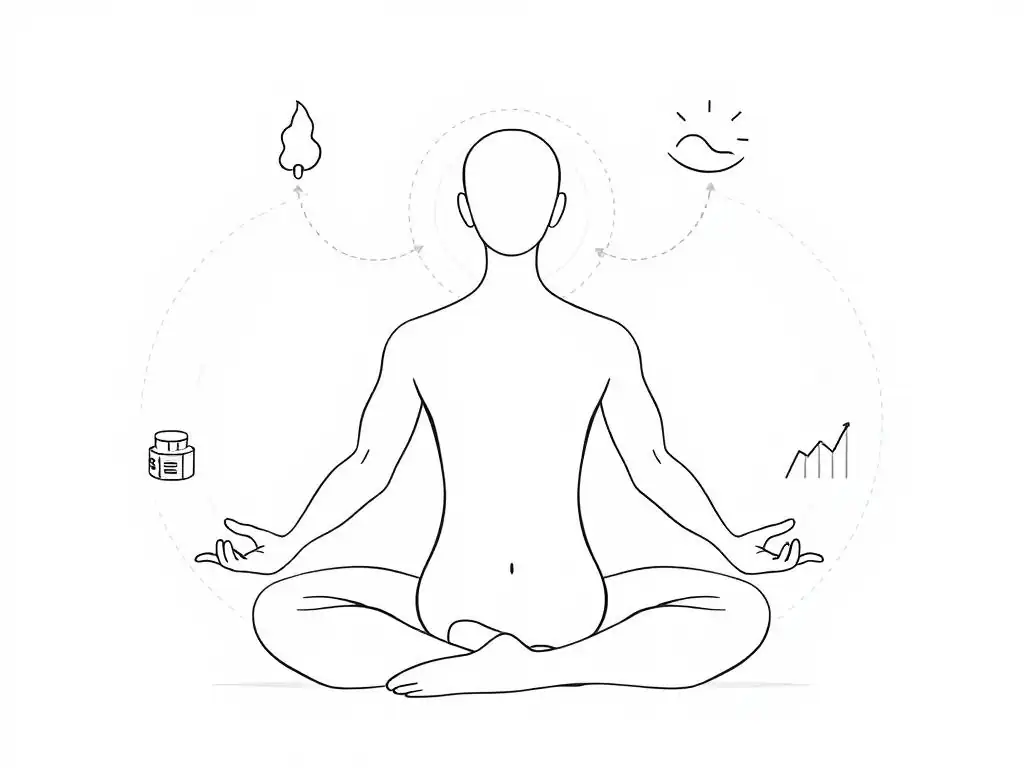
Mindfulness techniques for stress reduction are most effective when integrated into a structured approach that allows for monitoring and adjustment. Simply practicing mindfulness isn't enough; understanding how it's impacting your stress levels is crucial. This section details methods for tracking your progress and refining your mindfulness strategy for optimal results. Consistent evaluation is key to maximizing the benefits of mindfulness for stress management.
Identifying Personal Stress Triggers and Developing Targeted Mindfulness Strategies
Before diving into specific tracking methods, it's essential to identify your personal stress triggers. What situations, people, or thoughts consistently lead to feelings of anxiety, frustration, or overwhelm? Keeping a journal for a week or two can be invaluable. Note down:
- The situation: Describe the specific event or circumstance that triggered stress. Be detailed. Was it a work deadline, a conflict with a loved one, or a traffic jam?
- Your emotional response: How did you feel? Use specific emotion words like anxious, frustrated, angry, overwhelmed, etc. Rate your stress level on a scale of 1-10.
- Your physical sensations: Did you experience any physical symptoms like a racing heart, tense muscles, shallow breathing, or headaches?
- Your thoughts: What were you thinking in the moment? Identify negative or self-critical thoughts.
Once you've identified patterns, you can develop targeted mindfulness strategies. For example, if public speaking triggers intense anxiety, you might incorporate specific mindfulness exercises like deep breathing or body scans before and during presentations. If email overload is a problem, schedule specific times for checking emails and practice mindfulness techniques to manage the urge to constantly check. This personalized approach enhances the effectiveness of mindfulness techniques for stress reduction. The more specific you are, the more effective your mindfulness practice will be.
Monitoring Stress Levels and Observing Changes Through Mindfulness Practice
After identifying your triggers and developing targeted strategies, consistent monitoring is crucial. Several methods can help you track your progress:
- Daily journaling: Continue journaling, noting not only the stressful situations but also your mindful responses. Did you notice a shift in your emotional and physical responses? Did your stress levels decrease? Did you handle the situation differently than you would have before incorporating mindfulness?
- Stress level tracking app: Numerous apps track stress levels through daily check-ins and provide insights into your progress. These apps often include guided mindfulness exercises, further enhancing your practice.
- Biofeedback devices: These devices measure physiological responses like heart rate variability (HRV) and skin conductance, providing objective data on your stress levels. Changes in these metrics can indicate the effectiveness of your mindfulness practice.
Remember, consistency is key. Track your stress levels daily or at least several times a week. This allows you to observe trends and patterns, providing valuable feedback on the effectiveness of your mindfulness techniques for stress reduction. Don't get discouraged if you don't see immediate results; mindfulness is a skill that requires consistent practice.
Adjusting Your Approach Based on Results and Feedback
The data gathered through monitoring provides valuable feedback for adjusting your approach. If you're not seeing significant improvements in your stress levels despite consistent practice, consider the following:
- Intensity and frequency: Are you dedicating enough time to your mindfulness practice? Experiment with increasing the duration or frequency of your sessions.
- Technique selection: Are you using the right mindfulness techniques for your specific triggers? Try different techniques like meditation, deep breathing, mindful movement, or body scans.
- Mindfulness integration: Are you integrating mindfulness into your daily life beyond formal practice sessions? Try incorporating mindful moments throughout your day, such as paying attention to your breath while waiting in line or savoring your meals.
- Professional guidance: Consider seeking guidance from a therapist or mindfulness instructor. They can provide personalized support and help you refine your practice.
Regularly reviewing your progress and adapting your approach is crucial. Mindfulness is a journey, not a destination. By consistently monitoring your stress levels and adjusting your practice accordingly, you can optimize its effectiveness and reap the full benefits of mindfulness techniques for stress reduction. Remember that patience and self-compassion are essential parts of this process. 🧘♀️
Beyond Mindfulness: Complementary Strategies for Stress Management
Mindfulness techniques are powerful tools for stress reduction, but they are often even more effective when combined with other healthy habits. Thinking of mindfulness as a cornerstone of a broader stress-management strategy, rather than a standalone solution, can significantly amplify its benefits. This holistic approach acknowledges that stress arises from multiple sources and requires a multifaceted response. Simply put, while mindfulness helps you respond to stress more effectively, other techniques can help reduce its occurrence in the first place.
Combining Mindfulness with Other Stress-Reduction Techniques (e.g., Exercise, Healthy Diet)
Regular physical activity is a well-established stress reliever. Exercise releases endorphins, natural mood boosters that have powerful stress-reducing effects. Combining a daily mindfulness practice with even moderate exercise, such as a brisk 30-minute walk, can create a synergistic effect, leading to greater overall well-being. Studies show that individuals who incorporate both mindfulness and exercise experience lower levels of cortisol (the stress hormone) and report improved mood and sleep quality.
Furthermore, nutrition plays a crucial role in stress management. A diet rich in fruits, vegetables, and whole grains provides the body with the necessary nutrients to cope with stress effectively. Conversely, a diet high in processed foods, sugar, and caffeine can exacerbate stress and anxiety. Mindfulness can help you become more aware of your eating habits and make conscious choices that support your overall health and resilience to stress. Paying attention to the sensations of eating – the textures, flavors, and smells – can transform a simple meal into a mindful experience, reducing stress related to eating habits.
Consider this example: Imagine a person experiencing high levels of work-related stress. They might incorporate a 10-minute mindfulness meditation each morning to center themselves before the day begins. Throughout the day, they practice brief moments of mindfulness, noticing their breath and body sensations whenever they feel overwhelmed. In the evenings, they engage in a moderate workout, followed by a healthy dinner, consciously savoring each bite. This integrated approach, blending mindfulness with exercise and healthy eating, provides a comprehensive strategy for managing stress effectively.
Seeking Professional Support When Needed: Recognizing the Limits of Self-Help
While mindfulness techniques and lifestyle changes can be incredibly effective for many, it's crucial to recognize their limitations. Self-help strategies are not a replacement for professional help when dealing with severe or persistent stress, anxiety, or depression. Mindfulness can be a valuable supplement to professional therapy, but it shouldn't be considered a sole solution in these cases.
Knowing when to seek professional support is essential. If you're experiencing persistent feelings of hopelessness, overwhelming anxiety, significant sleep disturbances, or difficulty functioning in your daily life, it's time to reach out to a mental health professional. They can provide a personalized assessment, diagnosis, and treatment plan tailored to your specific needs. This might involve therapy, medication, or a combination of both. Early intervention is key, and seeking professional guidance doesn't signify weakness; it demonstrates self-awareness and a commitment to your well-being.
Remember, the journey towards effective stress management is often a personalized one. What works for one person might not work for another. Experiment with different mindfulness techniques and complementary strategies to find what best suits your needs and lifestyle. And most importantly, don't hesitate to seek professional support when necessary. Prioritizing your mental and emotional health is a crucial aspect of a healthy and fulfilling life. The effective management of "Mindfulness techniques stress reduction" requires a holistic and individualized approach.
Frequently Asked Questions
What is mindfulness, and how does it relate to stress reduction?
Mindfulness is the practice of paying attention to the present moment without judgment. By focusing on your breath and sensations, you can detach from stressful thoughts and reduce the intensity of your emotional response. This cultivates a calmer, more centered state.
How can I incorporate mindfulness techniques into my daily routine?
Start small! Try short meditation sessions (even 5 minutes) daily, or practice mindful breathing throughout the day. You can also incorporate mindfulness into everyday activities like eating or walking. Consistency is key.
Are there specific mindfulness techniques for stress reduction?
Yes! Deep breathing exercises, body scans, and guided meditations are particularly effective for stress reduction. Many free apps and online resources offer guided mindfulness practices. Experiment to find what works best for you.
What are the benefits of using mindfulness techniques for stress reduction compared to other methods?
Mindfulness offers a holistic approach to stress management, addressing both the physical and emotional aspects. Unlike some methods that focus solely on symptom relief, mindfulness helps you develop long-term coping skills and build resilience.
How long does it take to see results from practicing mindfulness for stress reduction?
The timeframe varies depending on individual practice and consistency. Some people notice immediate benefits, like reduced anxiety, while others may experience more significant changes over several weeks or months of regular practice. Patience and persistence are crucial.
Final Reflection: Embracing the Pause for a Stress-Free Life
The ability to pause, to consciously choose our response rather than react instinctively, is not a luxury—it's a necessity in today's fast-paced, high-pressure world. The overwhelming tide of stress threatens to engulf us, but the mindful techniques explored in this article offer a powerful lifeline, a tangible path towards reclaiming our inner peace and enhancing our resilience. This isn't just about stress reduction; it's about cultivating a more fulfilling and meaningful existence.
The impact of mindfulness on our cultural landscape is undeniable, a quiet revolution unfolding as more and more people recognize the profound connection between inner peace and overall well-being. We are moving away from a culture that glorifies constant activity and striving towards one that values self-awareness and intentional living. The time to repair the roof is when the sun is shining.
– John F. Kennedy. This quote perfectly encapsulates the proactive nature of mindfulness; it's about building resilience before the storm hits, not just reacting when we're already overwhelmed. This shift is deeply personal, a journey of self-discovery that continues to shape my own understanding of stress management and the power of presence.
Now, consider your own life. Where can you incorporate the power of the pause? What small, mindful practices can you integrate into your daily routine to cultivate a more peaceful and responsive approach to stressful situations? Perhaps it's a few minutes of deep breathing before tackling a challenging task, or a conscious effort to disconnect from technology and reconnect with yourself. Start small, be consistent, and witness the transformative power of mindfulness unfold in your life. Embrace the pause; it's the key to unlocking a calmer, more fulfilling you.
Unveil Your Inner Calm: Start Practicing Mindfulness Today
Thank you for exploring the power of mindfulness in stress management. We hope you've discovered how even brief moments of mindfulness can significantly improve your daily life. Now, let's put this knowledge into practice!
- Find a moment of mindfulness now: Close your eyes, take three deep breaths, and notice your physical sensations. This simple exercise can instantly change your perspective.
- Share your experience: Let others know what resonated with you. Share a key takeaway on social media using #MindfulMoments or leave a comment below. Let's build a supportive community!
- Try a guided meditation: Even a short, five-minute guided meditation can significantly reduce stress. Many free resources are available online—give it a try!
Ready to cultivate more peace and calm? What small, mindful practice will you incorporate into your day?