
Declutter Your Office: Boost Productivity With These Organizing Tricks


Feeling overwhelmed by office clutter? Unlock your hidden potential with UltimateLifeHacks. We reveal the secrets to a streamlined workspace, showing you exactly how to Organize your office to boost productivity. Discover simple yet powerful strategies to reclaim your time and conquer your to-do list. Ready to experience a more efficient and fulfilling workday? Let's dive in!
- Understanding the Link Between Office Organization and Productivity
- Decluttering Your Office: A Step-by-Step Guide
- Optimize Your Office Layout for Maximum Productivity
- Tools and Resources for an Organized Office
- Maintaining an Organized Office for Long-Term Productivity Gains
- Frequently Asked Questions
- Final Reflection: The Untapped Power of a Tidy Workspace
- Unlock Your Productivity: Start Decluttering Now!
Understanding the Link Between Office Organization and Productivity
A cluttered office is more than just an eyesore; it's a productivity drain. The state of your workspace directly impacts your ability to focus, your overall efficiency, and even your mental well-being. This article explores the science behind a productive workspace, demonstrating how organizing your office can significantly boost your productivity and improve your overall work experience.
We'll delve into the negative impacts of clutter, the benefits of a well-organized space, and provide practical, actionable steps to declutter and organize your office, ultimately helping you achieve a more efficient and fulfilling workday. This guide is designed to help you master the art of "Organize office boost productivity," transforming your workspace from a chaotic mess into a haven of efficiency. Let's get started!
The Impact of Clutter on Focus and Efficiency
Clutter isn't just visually distracting; it's a cognitive burden. Studies show that a cluttered workspace significantly impairs focus and concentration. The constant visual stimulation from piles of papers, scattered supplies, and disorganized files creates a mental "noise" that competes for your attention, making it harder to concentrate on the tasks at hand. This leads to decreased efficiency, increased errors, and a general feeling of being overwhelmed. Think about it: how much time do you spend searching for lost documents or supplies each day? That time adds up, significantly impacting your overall productivity. One study showed a direct correlation between desk clutter and decreased performance on cognitive tasks requiring sustained attention. The more cluttered the workspace, the lower the scores on tests measuring focus and concentration. This highlights the urgent need for effective office organization strategies. Implementing simple organizational techniques can dramatically improve focus and allow for more efficient task completion.
How a Cluttered Workspace Affects Your Mental Well-being
Beyond impacting productivity, a cluttered workspace can negatively impact your mental well-being. The constant visual reminder of unfinished tasks and disorganization can contribute to feelings of stress, anxiety, and even depression. A messy environment can create a sense of chaos and overwhelm, making it difficult to relax and de-stress, even after work hours. This constant feeling of being "behind" can affect your mood and overall job satisfaction.
In contrast, a clean and organized workspace promotes a sense of calm and control, contributing to a more positive and productive work environment. Creating a visually appealing and functional workspace can significantly reduce stress levels and improve overall mental well-being. Prioritizing organization is an investment in both your productivity and your mental health.
The Science Behind a Productive Workspace
The concept of a "productive workspace" isn't just about aesthetics; it's grounded in scientific principles. Neuroscience research shows that our environment significantly influences our cognitive function. A clean, organized space reduces cognitive overload, allowing your brain to focus on the task at hand rather than processing visual clutter.
Furthermore, a well-organized workspace promotes a sense of control and predictability, reducing stress and anxiety. This sense of control is crucial for optimal cognitive performance. Consider the impact of a well-defined workflow: knowing exactly where everything is and having a clear system for managing tasks reduces decision fatigue and allows for more efficient task switching.
The principles of ergonomics also play a vital role: a properly designed workspace, with comfortable seating and efficient layouts, minimizes physical strain and maximizes comfort, further contributing to improved focus and productivity. By understanding and applying these principles, you can transform your office into a highly productive and enjoyable space.
Decluttering Your Office: A Step-by-Step Guide
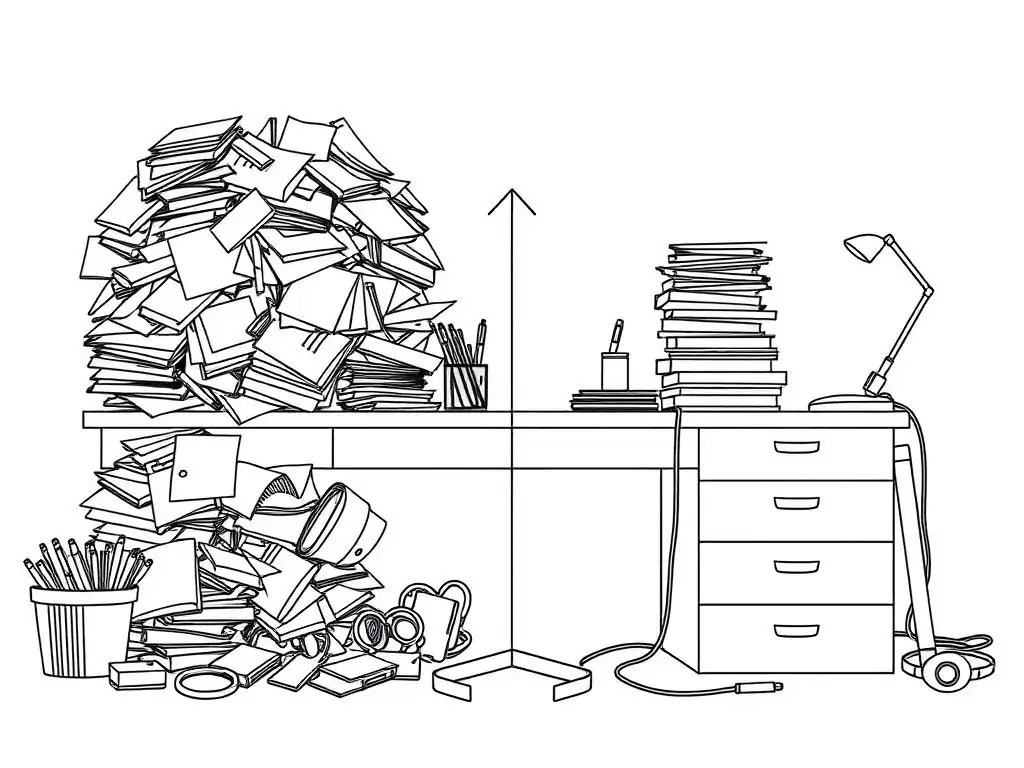
This section details a practical, phased approach to organizing your office space, directly impacting your productivity. We'll move through a purge phase, followed by an organization phase, ensuring a streamlined and efficient workspace. Remember, an organized office directly translates to an organized mind, boosting your overall productivity.
Phase 1: The Purge – Getting Rid of Unnecessary Items
This initial phase focuses on identifying and removing items that are no longer serving a purpose. A ruthless purge is key to creating a truly efficient workspace. Don't be sentimental; prioritize functionality.
Identifying and Removing Obsolete Documents and Files
The first step in decluttering involves tackling those piles of paper and digital files. Start by going through your physical documents. Ask yourself: Is this document legally required? Do I need this for current projects? If the answer is no, recycle or securely shred it. For digital files, utilize your computer's search function to locate duplicate or outdated files.
Consider cloud storage for important documents to free up physical space. Remember to regularly review your cloud storage as well to prevent digital clutter from accumulating. A good rule of thumb is to perform a thorough digital cleanup at least quarterly. This process might seem daunting, but the feeling of accomplishment and the improved workflow are well worth the effort. You'll be surprised by how much space you reclaim!
Sorting Through Office Supplies: What to Keep, What to Toss
Next, tackle those overflowing drawers and cupboards filled with office supplies. Expired pens, dried-up markers, and broken staplers are productivity killers. Take everything out, one category at a time (pens, pencils, paperclips, etc. ), and assess each item. Discard anything that's broken, unusable, or duplicated excessively. Organize the remaining supplies into clear containers or drawers, labeling each for easy access. This simple act of organization can save you precious minutes each day searching for that elusive paperclip or pen. Consider using a vertical organizer for pens and pencils to maximize your desk space.
Dealing with Sentimental Items: A Practical Approach
Sentimental items can often clog up our workspaces. Photos, awards, or gifts from loved ones might hold emotional value, but they can also hinder productivity if they take up valuable space. Designate a specific, small area for a few carefully selected sentimental items. Consider digitalizing photos and storing them on a secure hard drive or cloud service. This allows you to enjoy the memories without sacrificing valuable workspace. Remember, a clutter-free office is a more productive office. Prioritize functionality over sentimentality when dealing with items that aren't essential to your work.
Phase 2: Organizing Your Remaining Items – Creating Systems
Once the purge is complete, it's time to implement systems to keep your office organized and efficient.
Implementing a Logical Filing System for Documents
A well-organized filing system is crucial for easy access to important documents. Whether you prefer a digital or physical system, consistency is key. For physical files, use clearly labeled folders and a filing cabinet. For digital files, utilize a consistent folder structure on your computer and cloud storage. Employ a system based on project, client, or date, whichever works best for your workflow. A well-structured filing system will save you countless hours searching for misplaced documents. Remember to regularly review and purge your files to prevent future clutter.
Optimizing Desk Space: Maximizing Functionality
Your desk is the central hub of your office, so maximizing its functionality is essential. Keep only essential items on your desk – your computer, keyboard, mouse, phone, and a few frequently used supplies. Use desk organizers to keep supplies within reach but out of the way. Consider using vertical space with drawer organizers or tiered trays. This will create a clean and uncluttered workspace, minimizing distractions and boosting focus. A tidy desk promotes a tidy mind, significantly improving concentration and productivity.
Utilizing Vertical Space: Shelving and Storage Solutions
Don't underestimate the power of vertical space! Shelving units and storage solutions can significantly increase your storage capacity without taking up valuable floor space. Utilize wall-mounted shelves for books, files, or decorative items. Consider using drawer units or storage cubes to maximize storage in a small space. Vertical storage solutions keep items organized and easily accessible, contributing to a more efficient and productive workspace. Remember to choose storage solutions that match your office's aesthetic and maintain a consistent organizational theme. This will create a visually appealing and functional workspace, boosting your overall mood and productivity.
Phase 3: Maintaining Your Organized Office – Preventing Clutter Buildup
Maintaining an organized office isn't a one-time event; it's an ongoing process. Once you've decluttered and organized your workspace, the key to long-term productivity is preventing clutter from accumulating again. This requires consistent effort and the implementation of effective strategies. Think of it as a marathon, not a sprint – consistent small efforts yield far greater results than sporadic bursts of intense cleaning.
The rewards? A consistently productive workspace that supports your focus and efficiency, minimizing stress and maximizing your output. Failing to maintain your organized space can lead to a rapid return to chaos, negating all your previous efforts.
Establishing a Daily Decluttering Routine
A daily decluttering routine, even if it only takes five minutes, is crucial. Think of it as preventative maintenance for your workspace. This routine should focus on immediate tidying: filing away papers, putting away supplies, and discarding trash. A simple approach is the "one-minute rule": if a task takes less than a minute, do it immediately. This prevents small tasks from piling up and becoming overwhelming.
For example, immediately filing a received invoice or responding to a quick email prevents these items from becoming paper clutter or lingering in your inbox. This proactive approach prevents small messes from turning into large, time-consuming clean-up sessions later. Consistency is key; even a short daily routine will significantly impact your overall office organization and, consequently, your productivity. A clean desk is often a sign of a clear mind, allowing for better focus and concentration.
Regular Purges: Staying on Top of Paperwork and Supplies
Beyond the daily routine, regular, more thorough purges are essential to prevent clutter buildup. Schedule time, perhaps once a week or monthly, to review and declutter paperwork and supplies. This involves going through files, discarding outdated documents, and organizing current materials efficiently. Consider implementing a digital filing system to minimize paper clutter.
For supplies, assess what you actually use regularly and discard or donate anything unused or outdated. A good rule of thumb is to get rid of anything you haven't used in the past six months, unless it's a crucial item for infrequent use (which should be stored appropriately). Think of it as a “spring cleaning” for your office, but on a regular, manageable schedule.
This proactive approach will prevent unnecessary accumulation of items and keep your workspace free from distractions. Regular purges are crucial for maintaining an organized and productive office environment. Remember, the goal is not just to organize, but to maintain that organization for sustained productivity.
Optimize Your Office Layout for Maximum Productivity
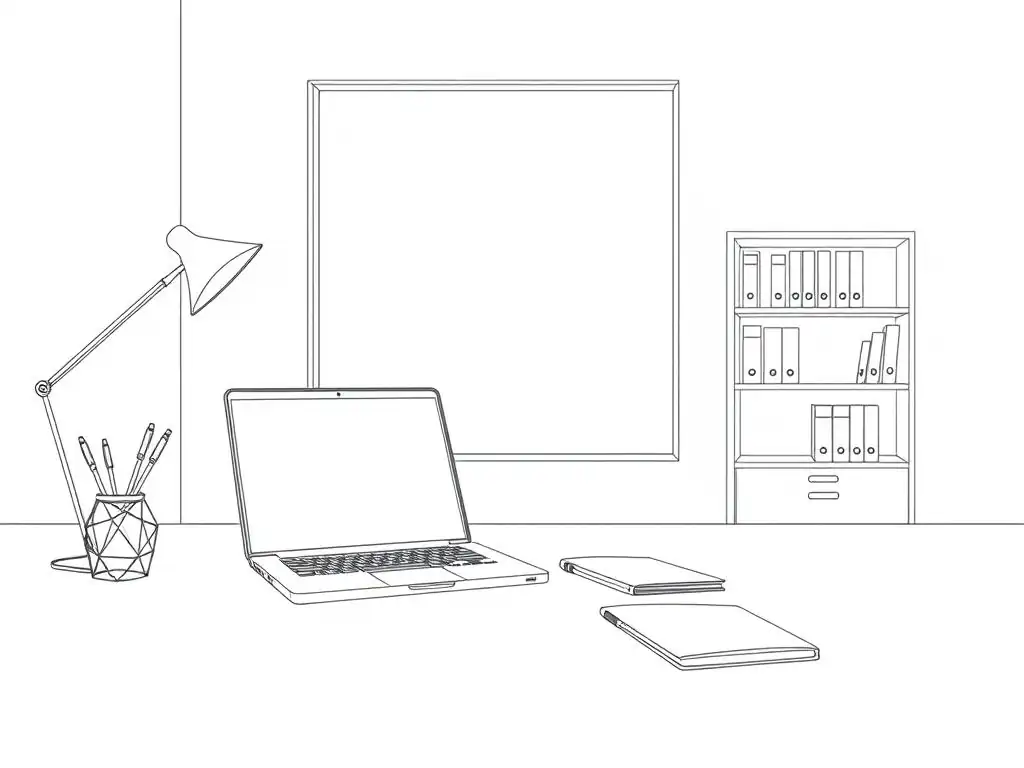
Optimizing your office layout is crucial for boosting productivity and minimizing wasted time. A well-organized space promotes focus and reduces the mental clutter that can hinder efficient work. This section delves into specific strategies to transform your workspace into a productivity powerhouse. Remember, the goal is to Organize office boost productivity.
Ergonomic Workspace Design for Comfort and Efficiency
Ergonomics plays a vital role in maximizing your productivity. A poorly designed workspace can lead to discomfort, fatigue, and even injuries, significantly impacting your ability to focus. Consider these key ergonomic principles:
- Chair Selection: Invest in a comfortable and adjustable chair that provides adequate lumbar support. A chair that doesn't support your back properly will lead to back pain and reduced concentration. Look for chairs with adjustable height, armrests, and lumbar support. Consider factors like seat depth and width to ensure a personalized fit.
- Monitor Placement: Position your monitor at arm's length and slightly below eye level to prevent neck strain. This seemingly small adjustment can significantly reduce eye fatigue and headaches over time. If you use multiple monitors, arrange them to minimize head and neck movement.
- Keyboard and Mouse Positioning: Keep your keyboard and mouse close to your body, with your elbows bent at a 90-degree angle. This prevents strain on your wrists and shoulders. Consider using an ergonomic keyboard and mouse to further enhance comfort and reduce the risk of repetitive strain injuries.
- Lighting: Ensure adequate lighting to avoid eye strain. Natural light is ideal, but supplement with task lighting as needed. Avoid harsh overhead lighting, which can cause glare and headaches. Adjust your lighting throughout the day to match the natural light conditions.
Implementing these ergonomic principles can drastically improve your comfort and concentration, ultimately boosting your productivity. Investing in quality ergonomic equipment is an investment in your long-term health and efficiency. Remember, a comfortable workspace is a productive workspace.
Strategic Placement of Frequently Used Items
The placement of frequently used items directly impacts your workflow. The Pareto Principle (80/20 rule) suggests that 80% of your work comes from 20% of your tools. Identify these crucial items and strategically position them within easy reach. This minimizes wasted time searching for supplies and keeps your workflow smooth.
Consider these strategies:
- Proximity Principle: Place frequently used items within arm's reach. This includes stationery, documents, and frequently used software shortcuts. Think about your daily tasks and place items accordingly.
- Categorization: Group similar items together. This makes it easier to locate specific items quickly. Consider using trays, drawers, or organizers to keep things neat and easily accessible.
- Visual Cues: Use color-coding or labeling to further improve the organization and identification of items. This makes it easier to find what you need, even under time pressure.
- Decluttering Regularly: Regularly purge unnecessary items to maintain a clutter-free workspace. A clean and organized environment contributes to a more focused and productive mindset.
Creating Zones for Different Tasks: Work, Planning, Storage
Dividing your office space into distinct zones for different tasks can significantly enhance your productivity. This approach promotes focus and minimizes distractions by separating activities that require different levels of concentration.
Consider these zones:
- Work Zone: This is your primary workspace where you perform the majority of your tasks. Keep it clean, organized, and free from distractions. This zone should contain only the essential tools for your primary work activities.
- Planning Zone: Designate a separate area for planning and strategizing. This might include a whiteboard, calendar, or project management tools. This separation helps to mentally switch between tasks and maintain focus.
- Storage Zone: Keep all unnecessary items in a designated storage area. This could be a filing cabinet, shelves, or drawers. Ensure that your storage system is efficient and easily accessible when needed. Regularly review and purge items from your storage zones to prevent clutter from spilling over into your work areas.
By implementing these zoning strategies, you create a more efficient and focused workspace. Each zone serves a specific purpose, minimizing distractions and streamlining your workflow. This contributes to a more organized and productive work environment, ultimately boosting your overall efficiency. Remember, a well-organized office directly contributes to Organize office boost productivity.
Tools and Resources for an Organized Office
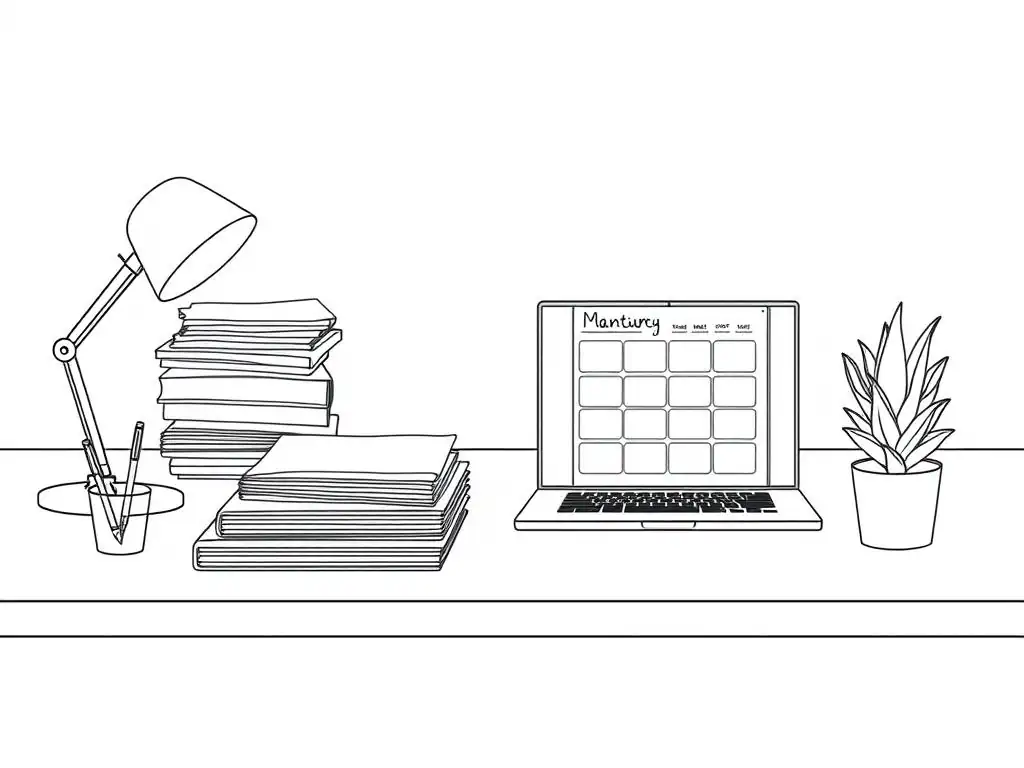
This section focuses on the essential tools and resources needed to effectively organize your office space and boost your productivity. We'll explore the tangible items, software solutions, and storage options that can transform a chaotic workspace into a haven of efficiency. Remember, organizing your office isn't just about tidiness; it's about creating a workspace that supports your workflow and minimizes wasted time searching for items. This directly impacts your ability to effectively "Organize office boost productivity."
Essential Office Supplies for an Organized Workspace
A well-organized workspace starts with the right supplies. Investing in high-quality, thoughtfully chosen items can significantly improve your efficiency. Here's a breakdown of essential office supplies that contribute to a productive environment:
- High-quality Pens and Pencils: Avoid cheap, easily broken pens. Invest in a few reliable pens and pencils in your preferred writing style. Consider a pencil case or organizer to keep them neatly stored.
- Durable Notebooks and Planners: Choose notebooks and planners that suit your style – lined, gridded, dotted – and ensure they're durable enough to withstand daily use. A good planner can be a key tool in time management, helping you "Organize office boost productivity".
- File Folders and Labels: Color-coded file folders and clear labels are essential for efficient filing. Consider using a numerical filing system for easy retrieval of documents. This simple step dramatically improves document management and helps you "Organize your office to boost productivity".
- Desk Organizer: A desk organizer with compartments for pens, paperclips, and other small items prevents clutter and keeps frequently used items within easy reach. Think about using vertical space!
- Stapler, Hole Punch, and Tape Dispenser: These are office staples (pun intended!). Keep them readily accessible and in good working order.
Software and Apps for Digital Organization
Digital organization is just as crucial as physical organization. The right software and apps can streamline your workflow and improve your overall productivity. Consider these options:
- Cloud Storage Services (Google Drive, Dropbox, OneDrive): Centralize your files in the cloud for easy access from any device. This is key to efficiently "Organize office boost productivity" in a digital age.
- Project Management Software (Asana, Trello, Monday.com): Manage projects, tasks, and deadlines effectively. These tools facilitate collaboration and keep everything on track.
- Note-Taking Apps (Evernote, OneNote, Bear): Keep track of important information, meeting notes, and ideas. These apps often integrate with other software for a seamless workflow. Efficient note-taking contributes significantly to overall "Organize office boost productivity" strategies.
- Calendar Apps (Google Calendar, Outlook Calendar): Schedule appointments, meetings, and deadlines to maintain a structured schedule and avoid conflicts. Integrating your calendar with your project management software can further optimize your workflow.
Storage Solutions: From Desk Organizers to Filing Cabinets
Effective storage is the cornerstone of a well-organized office. The right storage solutions can dramatically impact your ability to find what you need, when you need it. Here are some options to consider:
| Storage Solution | Pros | Cons | Ideal For |
|---|---|---|---|
| Desk Organizers | Keeps frequently used items within easy reach | Can take up valuable desk space | Small offices, individuals with limited space |
| Filing Cabinets | Provides ample storage for documents | Can be bulky and take up significant space | Large offices, businesses with high volume filing |
| Shelf Units | Versatile storage for various items | Can become cluttered if not organized well | Books, supplies, equipment |
| Drawer Organizers | Maximizes drawer space and keeps items neat | Requires measuring drawers beforehand | Desk drawers, craft supplies |
| Vertical File Holders | Space-saving solution for documents | Limited capacity compared to filing cabinets | Small offices, individuals with limited space |
Choosing the right storage solutions depends on your specific needs and the size of your office. A combination of different storage methods is often the most effective approach to "Organize office boost productivity." Remember, the goal is to create a system that supports your workflow and minimizes wasted time searching for items. A well-organized office contributes directly to a more productive and less stressful work environment.
Maintaining an Organized Office for Long-Term Productivity Gains
Maintaining a clutter-free and organized office isn't a one-time event; it's an ongoing process crucial for sustained productivity. Think of it as a lifestyle choice, not a chore. The initial decluttering is just the first step towards a consistently efficient workspace. This section focuses on strategies to ensure your office remains a haven of productivity, not a source of stress. We'll explore practical techniques to keep the chaos at bay and maximize your work output. Remember, organizing your office to boost productivity is an investment in your well-being and professional success.
Strategies for Staying Organized Over Time
The key to long-term office organization lies in establishing sustainable routines and habits. It's not about perfection, but about consistent effort. Here are some proven strategies:
- The "One-Minute Rule": If a task takes less than a minute, do it immediately. This prevents small tasks from piling up and becoming overwhelming. This simple rule can significantly reduce clutter buildup. For example, filing a single document, responding to a quick email, or putting away a pen immediately prevents these small items from creating visual clutter and mental distractions.
- The "Touch It Once" Principle: Handle each item only once. Decide its fate – file it, trash it, or deal with it – and then put it away. Avoid setting it down on your desk and revisiting it later. This streamlined approach minimizes handling time and prevents items from accumulating on your workspace.
- Scheduled Decluttering: Dedicate specific time slots, perhaps 15-20 minutes at the end of each day or once a week, to decluttering your office. This prevents small messes from escalating into major organizational issues. It's far easier to tidy up a little bit frequently than to tackle a huge mess once a month.
- Digital Organization: Don't forget your digital workspace! Regularly delete unnecessary files, organize your documents into folders, and unsubscribe from unwanted emails. A clear digital environment mirrors a tidy physical workspace, significantly boosting productivity and reducing digital clutter. Think of digital decluttering as an extension of your physical organizing efforts.
Tips for Preventing Clutter Buildup
Preventing clutter is far easier than dealing with it after it accumulates. Here are some proactive measures:
- Designated Spaces: Assign specific locations for everything – pens, paperclips, staplers, etc. This prevents items from becoming misplaced and contributing to visual clutter. Having a "home" for each item allows for quicker cleanup and reduces the time spent searching for things.
- Vertical Space Maximization: Utilize vertical space with shelves, drawers, and organizers. This maximizes storage capacity without taking up additional floor space. Consider using drawer dividers to further enhance organization within drawers. Vertical storage is especially crucial in smaller offices.
- Regular Purging: Periodically review your belongings and discard anything you no longer need. This could be old documents, outdated supplies, or broken equipment. Regular purging is key to maintaining a clutter-free environment and prevents unnecessary items from accumulating.
The Benefits of a Consistently Organized Workspace: Sustained Productivity and Reduced Stress
A well-organized office isn't just aesthetically pleasing; it directly impacts your productivity and well-being. The benefits are numerous:
| Benefit | Description |
|---|---|
| Increased Efficiency | Easily locate necessary items, minimizing time wasted searching. This translates directly to increased efficiency and productivity. |
| Reduced Stress | A clutter-free environment reduces mental clutter, leading to a calmer, more focused work experience. This reduces stress and improves focus. |
| Improved Focus & Concentration | A tidy workspace promotes better concentration and reduces distractions, enabling deeper work and improved task completion. |
| Enhanced Creativity | A clean and organized environment can boost creativity by providing a more stimulating and less distracting workspace. |
| Better Time Management | Efficient organization leads to better time management, allowing for better prioritization and task completion within deadlines. |
Maintaining an organized office is not just about tidiness; it's a strategic investment in your long-term productivity and overall well-being. By implementing these strategies and tips, you can transform your workspace into a productivity powerhouse and significantly reduce stress. The positive impact on your workflow and mental state will be well worth the effort.
Frequently Asked Questions
How can a cluttered office affect my productivity?
A cluttered workspace leads to increased stress and distractions, making it harder to focus on tasks and hindering your overall productivity. A clean and organized space promotes a clearer mind.
What are the quickest ways to declutter my office?
Start by removing unnecessary items, like old paperwork and empty containers. Then, categorize what's left and find a designated space for everything. Finally, invest in storage solutions like drawers, shelves, or organizers.
What organizational tools are most helpful for boosting office productivity?
File organizers, label makers, and vertical storage solutions are great for maximizing space and keeping things easily accessible. Consider using a digital calendar and task management system to reduce paper clutter.
How can I maintain an organized office once I've decluttered?
Establish a regular cleaning schedule, even if it's just 15 minutes a day. Implement the "one in, one out" rule—for every new item, remove an old one. Regularly review your files and paperwork to prevent future clutter.
What if I don't have much space in my office?
Utilize vertical space with shelves and wall-mounted organizers. Use multi-functional furniture, such as ottomans with storage. Consider digital solutions to minimize physical documents and supplies.
Final Reflection: The Untapped Power of a Tidy Workspace
A clutter-free office isn't just aesthetically pleasing; it's a direct pathway to unlocking untapped potential and boosting productivity. In today's fast-paced world, where information overload and competing demands are the norm, creating a sanctuary of organization within your workspace is no longer a luxury, but a necessity for success and well-being. The simple act of decluttering can dramatically impact your ability to focus, think creatively, and ultimately, achieve your goals.
The impact of a well-organized workspace extends far beyond personal productivity; it influences the overall atmosphere of a company, fostering collaboration and a sense of calm amidst the chaos. A cluttered desk is a sign of a cluttered mind, but a cluttered mind is a sign of a creative mind.
While this quote often gets misattributed, the underlying truth remains: finding a balance between creative freedom and organized efficiency is key. My own experience in implementing these organizational strategies has shown me the profound effect a tidy space can have on mental clarity and overall job satisfaction. The feeling of control and order it provides is invaluable.
Now, consider your own workspace. What small changes can you implement today to create a more efficient and inspiring environment? Take a moment to assess your surroundings, identify areas for improvement, and commit to making even one small change. This act of decluttering and organization is not just about tidying up; it's about investing in yourself, your well-being, and your future success. Embrace the power of a clear workspace and watch your productivity soar.
Unlock Your Productivity: Start Decluttering Now!
Thank you for exploring these office organization tips! We hope you've discovered practical strategies to boost your efficiency and create a more productive workspace. Now, let's put your new knowledge into action.
- Prioritize one area: Begin by tackling a single drawer, shelf, or workspace surface. Even a small accomplishment will build momentum.
- Share your success: Show us your decluttering progress! Share before-and-after photos on social media using #UltimateLifeHacksDeclutter.
- Collaborate with a colleague: Encourage a coworker to join you—a shared goal can make the process more enjoyable and supportive.
Ready to transform your workspace from chaotic to calm and productive? What will you declutter first?