
Declutter Your Bedroom: Create a Relaxing Oasis With These Hacks

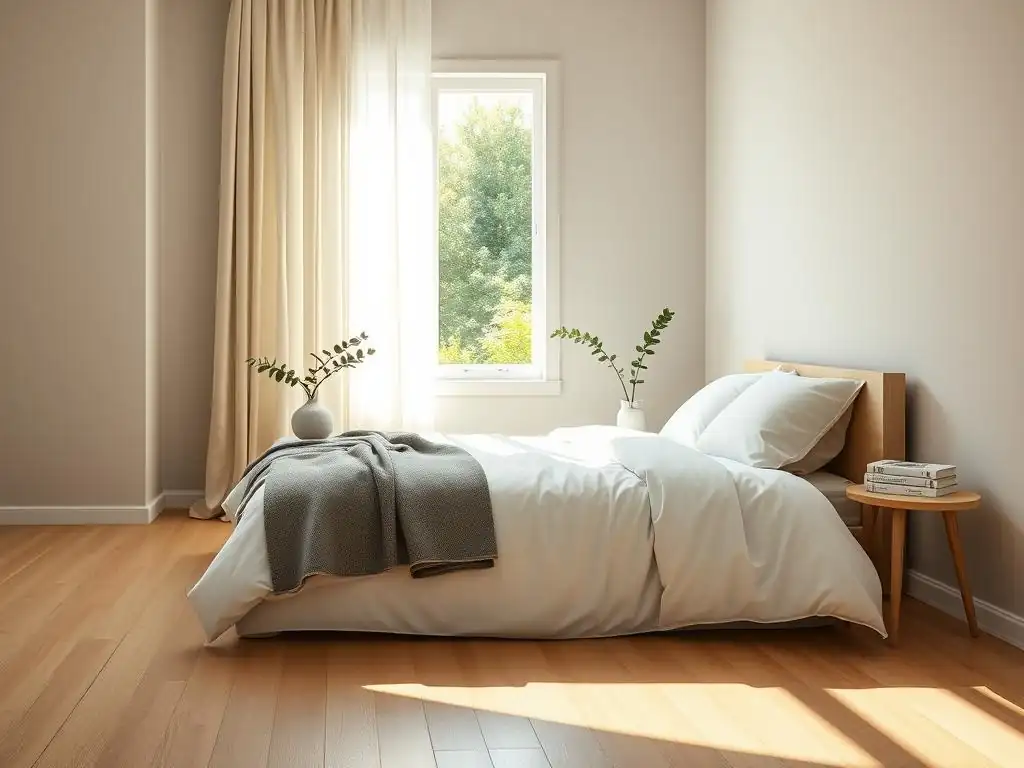
Ready to transform your bedroom from a cluttered chaos into a serene sanctuary? At UltimateLifeHacks, we’re dedicated to helping you reclaim your time and energy. Discover our collection of practical tips and tricks designed to boost your productivity and enhance your daily life. This article dives deep into bedroom declutter relaxing hacks, revealing simple yet effective strategies to create a truly relaxing oasis. Intrigued? Let's unlock the secrets to a more peaceful and efficient you!
- Transforming Your Bedroom: From Cluttered to Calm
-
Effective Bedroom Decluttering Strategies: A Practical Guide
- The Power of the 20-Minute Declutter: Quick Wins for Busy Schedules
- Conquering Clothing Chaos: Organizing Your Wardrobe Efficiently
- Taming the Nightstand: Creating a Relaxing Bedside Haven
- Under-Bed Storage Solutions: Maximizing Space and Minimizing Clutter
- Decluttering Your Dresser: Optimizing Drawer Space
- Dealing with Sentimental Items: Letting Go Without Regret
-
Creating a Relaxing Bedroom Sanctuary: Design and Decor
- The Importance of Lighting: Setting the Mood for Relaxation
- The Power of Color Psychology in Bedroom Design: Choosing Calming Hues
- Incorporating Natural Elements: Bringing the Outdoors In
- The Role of Scent: Creating a Relaxing and Inviting Atmosphere
- Decluttering for Better Sleep: Creating a Peaceful Sleep Environment
- Maintaining a Clutter-Free Bedroom: Long-Term Strategies
- Frequently Asked Questions
- Final Reflection: Cultivating Calm in Your Personal Sanctuary
- Rediscover Your Peaceful Sanctuary: Take Action Now!
Transforming Your Bedroom: From Cluttered to Calm
A cluttered bedroom isn't just an eyesore; it's a significant obstacle to a restful night's sleep and overall well-being. This article provides practical, actionable steps to declutter your bedroom and transform it into a relaxing oasis. We'll explore the psychology behind a cluttered space and offer a step-by-step approach to achieving a serene and organized bedroom, ultimately improving your sleep quality and enhancing your daily life.
By the end, you'll have the tools and techniques to effectively implement bedroom declutter relaxing hacks, leading to a more peaceful and productive you. This guide focuses on practical strategies for tackling clutter, making the process manageable and rewarding, and aligning perfectly with the principles of efficient home organization and productivity enhancement. We'll move beyond simple tidying and delve into the underlying reasons why a clutter-free bedroom contributes to a more balanced and harmonious life.
Assessing Your Bedroom's Current State: Identifying Clutter Hotspots
Before you begin decluttering, it's crucial to understand the current state of your bedroom. Take a thorough look around and identify the areas where clutter tends to accumulate. These are your "clutter hotspots." Common hotspots include:
- Under the bed: Often a repository for forgotten items and seasonal clothing.
- On top of dressers and nightstands: Easily becomes a dumping ground for miscellaneous items.
- In closets: Overstuffed closets are a major contributor to bedroom clutter.
- On the floor: Clothes, shoes, and other items often end up scattered on the floor.
Use this assessment to create a prioritized list. For example:
| Clutter Hotspot | Severity (1-5, 5 being most severe) | Priority (High/Medium/Low) |
|---|---|---|
| Under the bed | 5 | High |
| On top of dresser | 4 | High |
| Inside closet (main) | 3 | Medium |
| Floor | 2 | Medium |
Remember, a realistic assessment is key to a successful decluttering project. Don't feel overwhelmed; tackle one hotspot at a time. The process itself is as important as the outcome; it's about creating a mindful and organized space.
The Psychology of a Cluttered Bedroom: Impact on Sleep and Well-being
A cluttered bedroom can significantly impact your sleep quality and overall well-being. Studies have shown a correlation between a cluttered environment and increased stress and anxiety. The visual and mental clutter can overstimulate your brain, making it difficult to relax and fall asleep. A messy room can lead to:
- Difficulty falling asleep
- Restless sleep
- Increased stress and anxiety
- Reduced productivity during the day
- A feeling of being overwhelmed
By creating a calm and organized space, you're actively contributing to a more peaceful and restful environment. Think of your bedroom as a sanctuary – a place for rest, relaxation, and rejuvenation. A decluttered bedroom can promote a sense of calm and control, positively impacting your mental health and sleep patterns. This is a vital step toward improving your overall quality of life.
Setting Realistic Decluttering Goals: A Step-by-Step Approach
Decluttering shouldn't be a daunting task; it should be a manageable and rewarding process. Start by setting realistic goals. Instead of aiming to declutter your entire bedroom in one day, focus on one area or one type of item at a time. A step-by-step approach is far more effective and less likely to lead to burnout.
Here's a suggested approach:
- Choose one hotspot: Start with the area you identified as the most cluttered (refer to your assessment table).
- Gather supplies: You'll need several boxes or bags: one for donations, one for trash, and one for items to be relocated to another area of your home.
- Sort through items: Take each item and decide whether to keep it, donate it, or throw it away. Be honest with yourself about what you truly need and use.
- Clean the area: Once you've removed the clutter, thoroughly clean the space.
- Maintain the progress: Once you've decluttered one area, move onto the next, following the same steps. Celebrate your achievements along the way! 🎉
Remember, consistency is key. Regular maintenance is essential to prevent clutter from accumulating again. By creating a system and sticking to it, you can maintain a calm and organized bedroom for years to come.
Effective Bedroom Decluttering Strategies: A Practical Guide
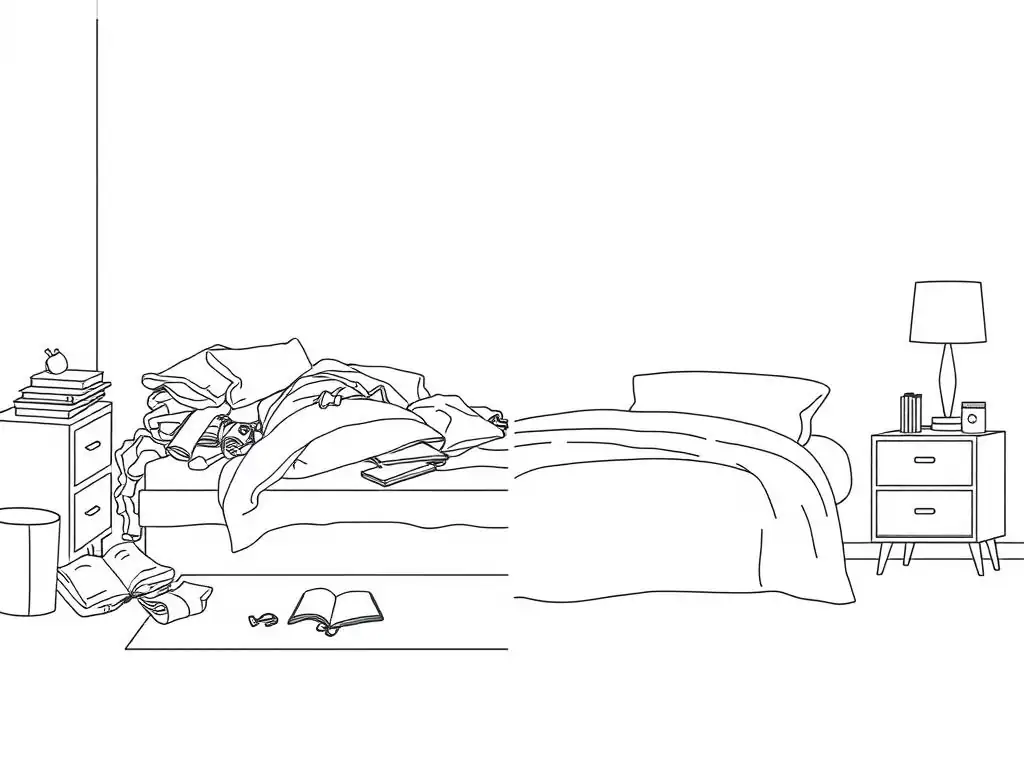
This section dives into actionable strategies for decluttering your bedroom, transforming it from a cluttered space into a relaxing sanctuary. We'll explore techniques to tackle common clutter hotspots, offering practical solutions for busy schedules and maximizing efficiency. The goal? To achieve a peaceful and organized bedroom that promotes better sleep and overall well-being. Implementing these bedroom declutter relaxing hacks will significantly improve your daily routine and mental clarity.
The Power of the 20-Minute Declutter: Quick Wins for Busy Schedules
Many people feel overwhelmed by the prospect of a large-scale bedroom declutter. The key is to break the task down into manageable chunks. The "20-minute declutter" is a powerful technique for achieving quick wins without feeling pressured. Set a timer for 20 minutes and focus on one specific area, like your nightstand or a single drawer. The goal isn't perfection, but progress. During those 20 minutes, you can:
- Discard unwanted items immediately.
- Place items that belong elsewhere in a designated "relocation" bin.
- Put away items that are in their correct place but disorganized.
Repeat this process daily or several times a week, and you'll be amazed at how quickly your bedroom transforms. This method is particularly effective for maintaining a clutter-free space long-term, preventing the accumulation of unnecessary items. Remember, consistency is key! Even short bursts of decluttering can make a significant difference. Think of it as a form of mindfulness – a small act of self-care contributing to a more serene bedroom environment.
Conquering Clothing Chaos: Organizing Your Wardrobe Efficiently
Clothing often contributes significantly to bedroom clutter. Efficient wardrobe organization is crucial for a relaxing bedroom environment. Consider these strategies:
- The Purge: Go through your wardrobe ruthlessly. Discard anything you haven't worn in the past year, doesn't fit, or is damaged. Be honest with yourself – sentimental attachment shouldn't outweigh practicality.
- Categorize and Organize: Once you've purged, organize your remaining clothes by type (shirts, pants, dresses, etc. ), then by color or season. This makes selecting outfits much easier and reduces visual clutter.
- Maximize Space: Utilize vertical space with shelves, drawers, and hanging organizers. Consider using drawer dividers to keep folded items neat and accessible. Vacuum-sealed storage bags can save space for seasonal items.
- Regular Maintenance: Schedule regular wardrobe checks – perhaps every three months – to prevent future clutter build-up. This proactive approach prevents small problems from becoming large-scale organizing nightmares. This preventative approach is key to long-term success with your bedroom declutter relaxing hacks.
Taming the Nightstand: Creating a Relaxing Bedside Haven
Your nightstand is often the first thing you see in the morning and the last thing you see at night. A cluttered nightstand can negatively impact your sleep and overall mood. To create a relaxing bedside haven:
- Keep it Minimal: Only keep essential items on your nightstand: a lamp, a book, a water bottle, perhaps an alarm clock. Remove anything unnecessary.
- Utilize Drawers: If your nightstand has drawers, use them to store extra items like charging cables, medications, or reading glasses. This keeps the surface clear and uncluttered.
- Declutter Regularly: Make a habit of clearing your nightstand before bed each night. This small act of tidying can significantly improve your sleep quality and contribute to a more peaceful bedroom environment. This small, consistent effort will reward you with a more relaxing bedroom atmosphere. It’s a simple yet effective bedroom declutter relaxing hack.
Under-Bed Storage Solutions: Maximizing Space and Minimizing Clutter
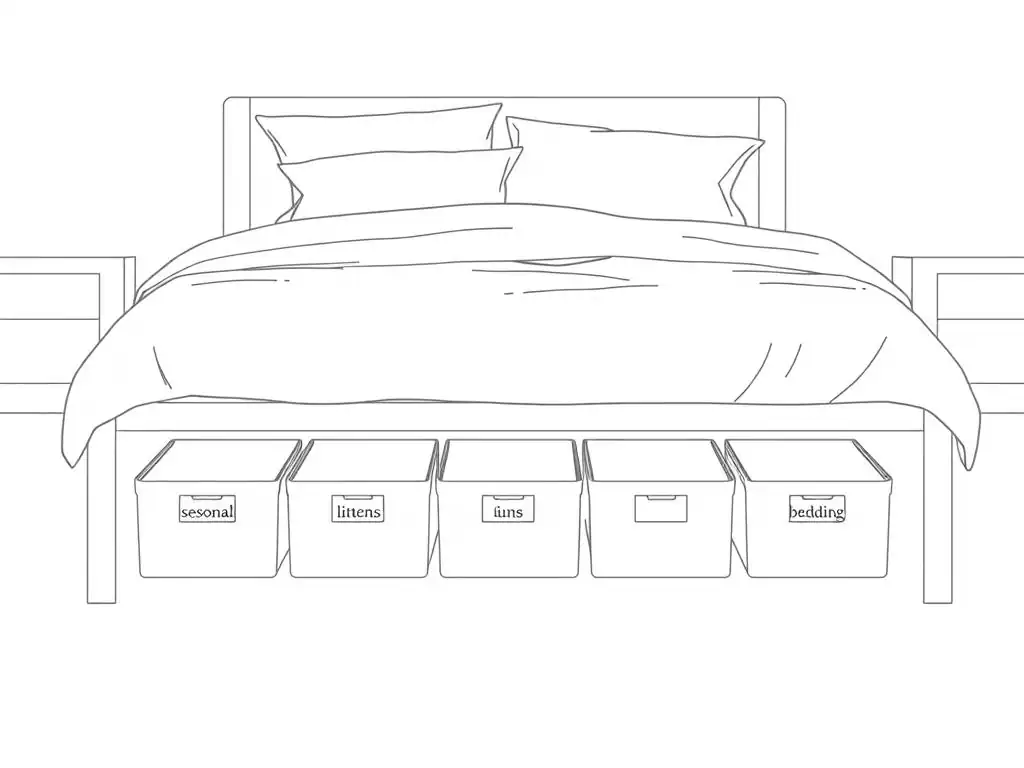
Under-bed storage is often overlooked, yet it presents a significant opportunity to reclaim valuable space in your bedroom and significantly contribute to a more relaxing atmosphere. A cluttered bedroom often translates to a cluttered mind, so maximizing under-bed storage is a key component of effective bedroom decluttering and achieving a relaxing oasis. Instead of letting that space gather dust and forgotten items, consider these practical solutions:
Firstly, invest in high-quality under-bed storage containers. Look for options made from durable, breathable materials like plastic or fabric with clear panels for easy identification of contents. Avoid flimsy cardboard boxes that can easily collapse or tear, defeating the purpose of your organization efforts. Choose containers that fit snugly under your bed to prevent them from shifting and creating more clutter. Labeling each container with its contents is crucial for easy access and efficient retrieval.
Secondly, categorize your items before storing them. Group similar items together, such as seasonal clothing, extra bedding, or off-season shoes. This will make it easier to find what you need when you need it, reducing the frustration and time wasted searching through a jumbled mess. Consider using vacuum-sealed bags for bulky items like blankets and pillows to save even more space. This technique is particularly effective for items that are not frequently accessed.
Finally, regularly review the contents of your under-bed storage. At least twice a year, take everything out and assess what you still need and use. Discard or donate items that are no longer serving a purpose. This prevents under-bed storage from becoming another hidden clutter zone. Regular maintenance is key to keeping your under-bed storage space clean, organized, and truly contributing to a more relaxing bedroom environment. Remember, a clean and organized space promotes a calm and peaceful atmosphere, which is crucial for a good night's sleep.
Decluttering Your Dresser: Optimizing Drawer Space
Your dresser is a prime location for clutter accumulation, especially if you haven't taken the time to properly organize it. A cluttered dresser can make getting ready in the morning a stressful experience, hindering your productivity and overall sense of calm. By optimizing drawer space, you can streamline your routine and create a more relaxing bedroom environment. Here's how:
Begin by emptying each drawer completely. This allows you to see exactly what you have and assess the overall volume of clothing and accessories. Discard or donate any items that are damaged, worn out, or no longer fit. Be honest with yourself; if you haven't worn something in a year, it's likely you won't wear it again. This is a crucial step in creating a more minimalist and functional dresser space.
Next, categorize your clothing and accessories. Separate items by type (shirts, pants, underwear, etc.) and season. Consider using drawer dividers to separate items and prevent them from becoming jumbled. Drawer dividers can be purchased or easily made using cardboard, fabric, or repurposed materials. This will not only maximize space but also allow for easier access to your clothes, making your morning routine far more efficient.
Finally, fold your clothes neatly and arrange them vertically in your drawers. This method maximizes space and allows you to see all your clothes at a glance. This method is far more efficient than stacking clothes, which can lead to items getting lost or crushed at the bottom. By employing these methods, you will transform your dresser from a source of frustration into a well-organized and visually appealing feature of your bedroom, contributing to a more peaceful and relaxing environment.
Dealing with Sentimental Items: Letting Go Without Regret
Sentimental items are often the hardest to declutter, but they can significantly contribute to a cluttered and overwhelming bedroom environment. Holding onto items that evoke memories, even if they are no longer functional or aesthetically pleasing, can create a sense of emotional baggage that hinders the creation of a truly relaxing space. Here's a strategy for dealing with these items mindfully:
First, dedicate a specific time to go through your sentimental items. Don't rush the process. Allow yourself ample time to carefully examine each item and reflect on the memories associated with it. This will make the process less stressful and more thoughtful. Consider taking photos of the items as a way to preserve the memories without needing to physically keep the object. Digital preservation allows you to keep the memories without the physical clutter.
Second, categorize your sentimental items. Group similar items together, such as childhood toys, old photos, or letters from loved ones. This will help you assess the volume of sentimental items you have and identify potential areas for reduction. Consider creating a dedicated space for your most treasured items, such as a memory box or a photo album. This designated space helps to contain the sentimental items without letting them take over the entire bedroom.
Finally, make a conscious decision about what to keep and what to let go of. Remember that keeping these items doesn't necessarily preserve the memories; the memories are stored in your heart and mind. Letting go of physical items can be liberating and freeing, allowing you to create a more peaceful and relaxing bedroom environment. Consider donating items in good condition to charity or gifting them to someone who would appreciate them. This act of giving can bring a sense of fulfillment and contribute positively to your mental well-being. Remember, a decluttered space contributes to a decluttered mind.
Creating a Relaxing Bedroom Sanctuary: Design and Decor
This section focuses on transforming your bedroom from a cluttered space into a relaxing oasis. We'll explore design and decor elements crucial for achieving a calming and restorative environment, directly impacting your sleep quality and overall well-being. Effective bedroom decluttering is not just about removing items; it's about creating a space that promotes relaxation and rejuvenation. The goal is to cultivate a sanctuary where you can unwind and recharge after a long day. We'll explore how strategic design choices contribute significantly to this goal, promoting better sleep and reduced stress.
The Importance of Lighting: Setting the Mood for Relaxation
Lighting plays a pivotal role in setting the ambiance of your bedroom. Harsh overhead lighting can be jarring and disruptive to relaxation, whereas softer, warmer lighting promotes calmness and tranquility. Consider layering your lighting to achieve the perfect balance. A central ceiling fixture might be sufficient for general illumination, but for a truly relaxing atmosphere, incorporate several additional light sources.
For example, a bedside lamp with a dimmer switch allows you to adjust the brightness to suit your needs. A soft glow from a table lamp or even string lights can create a warm and inviting atmosphere. Avoid blue light emitted from electronic devices before bedtime, as this can interfere with your body's natural sleep cycle. Instead, opt for warm-toned bulbs (2700K-3000K) throughout your bedroom. Consider incorporating candles (real or battery-operated) for a truly soothing ambiance, but remember fire safety precautions. The strategic use of lighting is a simple yet effective bedroom declutter relaxing hack.
The Power of Color Psychology in Bedroom Design: Choosing Calming Hues
Color psychology significantly impacts our mood and emotions. When decluttering your bedroom for a relaxing atmosphere, the colors you choose are paramount. Studies show that certain colors promote relaxation and sleep, while others can be stimulating and energizing. For a calming bedroom, opt for a palette of soothing hues.
Blues, greens, and lavenders are excellent choices, evoking feelings of peace and serenity. These colors are often associated with nature and can help create a tranquil environment conducive to rest. Avoid overly bright or bold colors, which can be stimulating and interfere with sleep. Neutral tones like creams, grays, and beiges can also be effective, providing a clean and calming backdrop.
Consider using a calming color palette as a key aspect of your bedroom declutter relaxing hacks strategy. Remember, color is a powerful tool in creating the perfect relaxing bedroom sanctuary. Experiment with different shades to find the perfect combination that works best for you.
Incorporating Natural Elements: Bringing the Outdoors In
Bringing the outdoors in is another powerful technique for creating a relaxing bedroom environment. The presence of natural elements can have a profoundly calming effect, reducing stress and promoting relaxation. This is another important aspect of effective bedroom declutter relaxing hacks.
Consider adding houseplants to your bedroom. Plants not only add visual appeal but also help purify the air, improving sleep quality. Low-maintenance options like snake plants, spider plants, and ZZ plants are ideal for bedrooms. Additionally, natural materials like wood, bamboo, and cotton can create a warm and inviting atmosphere. Incorporate these materials through furniture, bedding, and decor.
Natural textures can add depth and interest to your bedroom while promoting a sense of calm. A simple wooden bedside table or a cotton duvet cover can make a world of difference. The gentle rustling of bamboo blinds can add a further layer of tranquility. Remember, incorporating natural elements is a subtle yet effective way to enhance the relaxing atmosphere of your decluttered bedroom.
The Role of Scent: Creating a Relaxing and Inviting Atmosphere
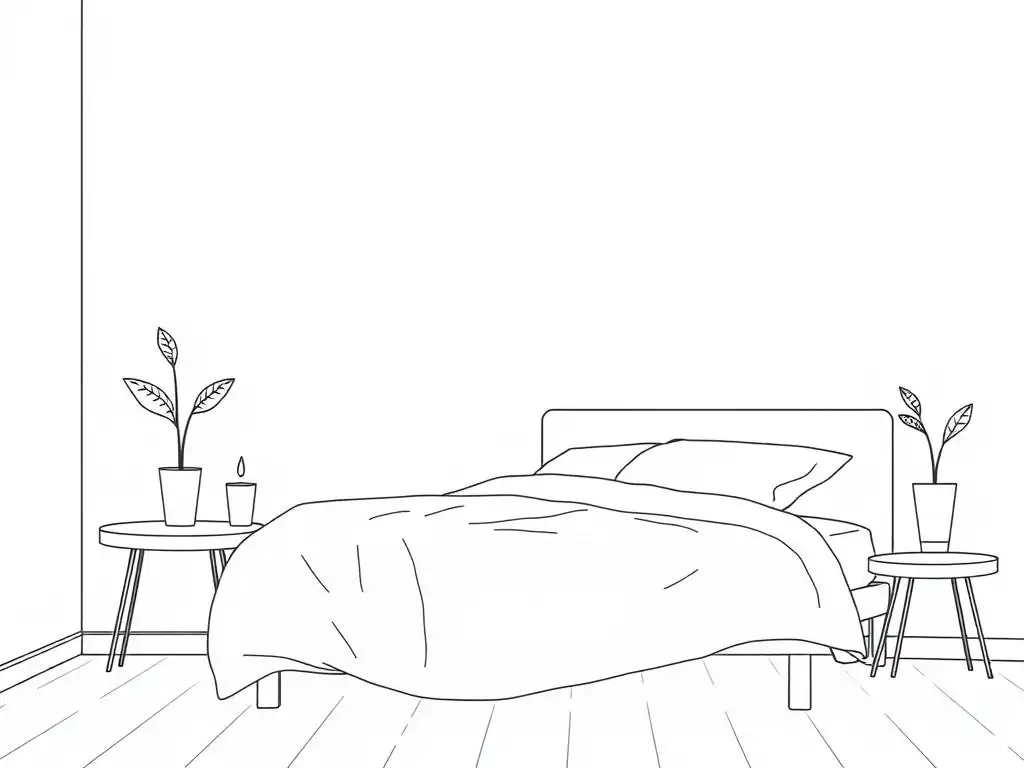
Scent plays a surprisingly powerful role in shaping our mood and promoting relaxation. A carefully curated fragrance can transform your bedroom from a simply functional space into a tranquil sanctuary. Think beyond the artificial, heavily perfumed air fresheners; instead, focus on natural and calming aromas. Essential oil diffusers are an excellent choice, offering a subtle and customizable fragrance experience. Lavender, chamomile, and sandalwood are well-known for their calming properties and can significantly contribute to a restful atmosphere.
Consider using a diffuser in the evening, about an hour before bedtime, to allow the scent to permeate the room and prepare your mind for sleep. Experiment with different essential oil blends to discover your personal preference; some people find a blend of citrus and lavender invigorating yet calming. Remember to use high-quality essential oils, as synthetic fragrances can have the opposite effect, causing headaches or irritation. For a more budget-friendly option, you can place a few drops of essential oil onto a cotton ball and tuck it into a drawer or on a shelf. This method provides a gentler, more localized fragrance.
Beyond essential oils, consider the scent of fresh linen. Regularly washing your bedding with a gentle detergent and allowing it to air dry in the sun will naturally enhance the overall scent of your bedroom. This simple act alone can improve the feeling of cleanliness and freshness, contributing to a more relaxing atmosphere. Ultimately, the goal is to create a sensory experience that promotes tranquility and helps you unwind before bed.
Decluttering for Better Sleep: Creating a Peaceful Sleep Environment
A cluttered bedroom is often a direct contributor to poor sleep quality. Visual clutter can stimulate the mind, making it difficult to relax and fall asleep. A messy room can also trigger feelings of stress and overwhelm, further hindering your ability to achieve restful sleep. Decluttering your bedroom isn't just about aesthetics; it's a crucial step in creating a peaceful sleep environment. Start by removing any items that don't belong in your bedroom. This might include clothes that need to be washed or put away, books you've finished reading, or work materials that have migrated from your office.
Next, focus on organizing your existing items. This could involve purchasing storage solutions like drawer dividers, under-bed storage containers, or bedside organizers to keep your belongings neat and tidy. Investing in high-quality storage solutions not only improves the visual appeal of your space but also makes it easier to maintain a clutter-free environment. Consider the placement of your furniture as well. Avoid placing your bed directly under a window, as drafts can disturb your sleep.
Ensure your bedroom is well-ventilated and has appropriate lighting for both daytime and nighttime. A dimmer switch or bedside lamp can significantly improve the quality of your sleep by allowing you to control the lighting levels. Remember, a clean and organized bedroom is more than just aesthetically pleasing; it directly impacts your sleep quality, mental clarity, and overall well-being. The calming effect of a decluttered space contributes significantly to a more relaxing and peaceful sleep environment, promoting better sleep hygiene and overall health. Making your bedroom a haven of calm allows you to unwind more effectively before bedtime, leading to more restorative sleep.
Maintaining a Clutter-Free Bedroom: Long-Term Strategies
Maintaining a relaxing and clutter-free bedroom isn't a one-time event; it's an ongoing process requiring consistent effort and the adoption of effective long-term strategies. Think of it as a lifestyle change rather than a chore. The key is to proactively prevent clutter from accumulating in the first place, rather than constantly reacting to a messy space.
This proactive approach contributes significantly to a more peaceful and restful sleep environment – a crucial aspect of overall well-being. By implementing these strategies, you'll transform your bedroom declutter from a daunting task into a manageable, even enjoyable, routine. This shift in perspective is vital for long-term success in maintaining a relaxing bedroom oasis.
Developing a Daily Decluttering Routine: Preventing Future Clutter Buildup
A daily decluttering routine, even if just for five minutes, can make a world of difference. Instead of letting things pile up, address them immediately. This prevents small messes from snowballing into overwhelming clutter. Here’s a sample routine you can adapt to your needs:
- Morning: Make your bed immediately upon waking. This simple act sets a positive tone for the day and instantly makes the room feel tidier.
- Evening: Spend five minutes before bed putting away clothes, books, and anything else out of place. This ensures a clean and organized space to welcome you to sleep.
Consistency is key. Even on busy days, aiming for a short decluttering session will significantly reduce the overall time spent cleaning later. Think of it as preventative maintenance for your mental and physical well-being. The time invested in this daily routine is a small price to pay for the significant benefits it offers. This is a core aspect of bedroom declutter relaxing hacks.
Regular Purging Sessions: Staying Ahead of the Clutter Curve
Beyond daily maintenance, scheduled purging sessions are crucial for preventing clutter buildup. Aim for a more thorough decluttering session at least once a month, or even quarterly, depending on your lifestyle. This involves a more focused effort to identify and remove items you no longer need or use.
Here are some tips to make your purging sessions more effective:
- Categorize: Sort your belongings into categories (clothes, books, accessories, etc.) to make the process more manageable.
- The 20/20 Rule: If an item hasn't been used in 20 months and won't be used in the next 20 months, it's likely time to let it go.
- The "Does it spark joy?" method: Consider whether each item brings you joy or serves a practical purpose. If not, consider donating, selling, or discarding it responsibly.
These regular purging sessions are essential for keeping your bedroom declutter under control and maintaining a peaceful, relaxing atmosphere. Remember, letting go of unnecessary items frees up both physical and mental space, contributing to a more tranquil environment.
The One-In-One-Out Rule: Maintaining a Balanced Space
To prevent future clutter accumulation, consider adopting the "one-in, one-out" rule. This simple strategy ensures that for every new item you bring into your bedroom, an old, similar item must be removed. This principle applies to clothes, books, decorative items, and anything else.
For example: If you buy a new pair of shoes, you should donate or discard an old pair. This prevents your belongings from overflowing and helps maintain a balanced and organized space. This rule is particularly effective in controlling the accumulation of items that might otherwise lead to overwhelming bedroom clutter. It's a simple but powerful tool for long-term bedroom declutter relaxing hacks. This mindful approach is critical for a consistently relaxing and organized bedroom.
Frequently Asked Questions
How can I declutter my bedroom quickly?
Start by removing anything that doesn't belong in your bedroom. Then, focus on one area at a time, like your dresser or nightstand. Donate or discard items you no longer need or use.
What are some relaxing hacks for a decluttered bedroom?
Incorporate calming colors and textures into your bedroom decor. Add soft lighting and consider aromatherapy with lavender or chamomile essential oils. A clean, organized space promotes relaxation.
How do I maintain a decluttered bedroom?
Develop a simple daily routine for tidying up, such as making your bed and putting away clothes immediately after changing. Regularly purge unwanted items to prevent clutter buildup.
What's the best way to organize my closet for a relaxing feel?
Organize your closet by color and category. Fold clothes neatly and use storage solutions to maximize space. A visually appealing and organized closet contributes to a sense of calm.
Where should I start decluttering if I'm overwhelmed?
Begin with the most visible and cluttered area, such as your nightstand or dresser top. Focus on small, achievable goals to build momentum and avoid feeling overwhelmed. Celebrate your progress along the way.
Final Reflection: Cultivating Calm in Your Personal Sanctuary
The pursuit of a peaceful bedroom isn't merely a trend; it's a fundamental need in our increasingly chaotic world. A decluttered space directly impacts our mental well-being, fostering a sense of calm that radiates into every aspect of our lives. Creating a relaxing oasis within our bedrooms isn't about luxury; it's about prioritizing self-care and recognizing the profound connection between our environment and our inner peace.
The journey to a more serene bedroom, as explored in this article, is a deeply personal one. It's about understanding our relationship with our belongings and consciously choosing what truly brings us joy and tranquility. A cluttered space reflects a cluttered mind,
a sentiment often repeated, holds a powerful truth. By consciously decluttering, we're not just tidying up a room; we're actively shaping our mental landscape, creating space for clarity, focus, and rest. This process, while sometimes challenging, is ultimately incredibly rewarding.
Now, consider your own bedroom. What small changes can you implement today to cultivate a more peaceful atmosphere? Perhaps it's simply making your bed each morning, or donating items you no longer use. Maybe it's investing in calming scents or creating a dedicated relaxation corner. No matter the size of the change, remember that every step you take towards a decluttered and relaxing bedroom is a step towards a more peaceful and fulfilling life. Embrace the journey, and allow your personal sanctuary to become a true reflection of your inner calm.
Rediscover Your Peaceful Sanctuary: Take Action Now!
Thank you for exploring these bedroom decluttering tips! We hope you've found valuable advice for creating a truly relaxing space. Now, let's put that knowledge into practice.
- Start small: Choose one area of your bedroom—perhaps your bedside table, closet, or under-bed storage—and dedicate 15 minutes to decluttering it today. This small step can make a big difference!
- Share your success: Take a before-and-after photo of your decluttered space and share it on social media using #OrganizedBedroom. Let's inspire each other!
- Learn more: Explore our other articles on home organization for even more helpful tips and tricks.
Ready to transform your bedroom into the peaceful oasis you deserve? What's the first step you'll take today?