
EcoFriendly Kitchen Hacks: Reduce Your Environmental Impact


Ready to transform your kitchen into a haven of efficiency and sustainability? At UltimateLifeHacks, we're dedicated to simplifying your life and minimizing your impact on the planet. Discover our latest Household Hacks article on ecofriendly kitchen cleaning, revealing ingenious methods to achieve a sparkling clean kitchen while reducing your carbon footprint. Dive in and unlock the secrets to a greener, more productive you!
- Sustainable Kitchen Cleaning: Eco-Friendly Cleaning Products and Techniques
- Reducing Food Waste: Eco-Conscious Practices in the Kitchen
- Eco-Friendly Kitchen Organization: Streamlining and Reducing Clutter
- Sustainable Kitchen Habits: Simple Changes for a Big Impact
- Eco-Friendly Kitchen Upgrades: Long-Term Sustainable Choices
- Frequently Asked Questions
- Final Reflection: A Greener Kitchen, A Brighter Future
- Unlock Your Eco-Friendly Kitchen!
Sustainable Kitchen Cleaning: Eco-Friendly Cleaning Products and Techniques
Embarking on a journey towards a more sustainable lifestyle often begins at home, and the kitchen, the heart of the house, is a prime area for positive change. This article dives into practical and effective eco-friendly kitchen cleaning hacks, helping you reduce your environmental impact without compromising cleanliness. We'll explore simple swaps and techniques to minimize waste, conserve resources, and create a healthier, greener kitchen environment.
By adopting these eco-friendly kitchen cleaning hacks, you'll not only contribute to a cleaner planet but also create a healthier space for yourself and your family. From choosing natural cleaning solutions to optimizing your dishwashing routine, we'll guide you through actionable steps to achieve a truly sustainable kitchen. Let's delve into the specifics of making your kitchen cleaning routine more environmentally friendly, starting with a look at the products you use.
Ditching Harsh Chemicals: Switching to Natural Cleaning Solutions for a Greener Kitchen
Harsh chemical cleaners are often packed with toxins that can harm the environment and your health. Fortunately, many effective alternatives exist! Switching to natural cleaning solutions is a simple yet impactful way to reduce your kitchen's environmental footprint. Consider these options:
- Baking Soda: A versatile powerhouse! Use it as a scouring powder, deodorizer, and even a gentle cleaner for many kitchen surfaces. Simply sprinkle it on a sponge and scrub, or make a paste with water for stubborn stains.
- White Vinegar: An excellent natural disinfectant and degreaser. Dilute it with water (a 1:1 ratio is a good starting point) for cleaning countertops, sinks, and appliances. It's also effective at removing mineral deposits and limescale.
- Lemon Juice: A natural bleaching agent and deodorizer. Its acidity helps cut through grease and leaves a fresh scent. Use it to clean cutting boards, brighten stainless steel, and remove stains from ceramic surfaces.
- Castile Soap: A plant-based soap that's gentle yet effective for cleaning dishes and surfaces. It's biodegradable and less harsh than many commercially produced dish soaps.
- Essential Oils: Add a few drops of your favorite essential oils (like lemon, tea tree, or lavender) to your cleaning solutions for a pleasant fragrance and added antimicrobial properties. Remember to always check if your essential oil is safe for the specific surface you’re cleaning.
Remember to always test any new cleaning solution on a small, inconspicuous area first to ensure it doesn't damage the surface. With a little planning and these readily available ingredients, you can easily create your own effective and eco-friendly cleaning arsenal. The transition to natural cleaning products might require a slight adjustment in your routine initially, but the long-term benefits for the environment and your health are significant.
Eco-Friendly Dishwashing: Reducing Water and Energy Consumption
Dishwashing contributes significantly to water and energy consumption. By adopting a few simple changes, you can drastically reduce your impact:
- Scrape, don't rinse: Pre-rinsing dishes wastes a considerable amount of water. Scrape off food scraps into the trash or compost instead. Modern dishwashers are designed to handle most food particles effectively.
- Full loads only: Run your dishwasher only when it's completely full. This saves both water and energy.
- Air dry: Skip the heated drying cycle; air drying is more energy-efficient. This also helps extend the life of your dishwasher.
- Choose an energy-efficient dishwasher: If you're in the market for a new dishwasher, look for models with energy-star ratings. These appliances are designed to use less water and energy than standard models.
- Handwashing efficiently: If handwashing, fill one basin with soapy water and another with clean water for rinsing. This method significantly reduces water usage compared to constantly running the tap.
By implementing these simple changes to your dishwashing routine, you can significantly reduce your water and energy consumption, contributing to a more sustainable lifestyle. The combined effect of these small changes adds up to a substantial reduction in your environmental footprint.
Sustainable Cleaning Tools: Reusable Cloths, Sponges, and Brushes
Disposable cleaning tools create unnecessary waste. Switching to reusable alternatives is a simple way to make your kitchen cleaning more eco-friendly. Consider these options:
- Microfiber cloths: These are highly absorbent and effective at cleaning various surfaces. They are reusable and machine washable.
- Natural sea sponges: A sustainable and biodegradable alternative to synthetic sponges. They are effective at cleaning and gentler on surfaces.
- Bamboo brushes: Durable and sustainable, bamboo brushes are a great alternative to plastic-handled brushes. They are often compostable at the end of their life.
- Reusable scrubbing pads: Look for scrubbing pads made from sustainable materials like coconut coir or sisal. These are more durable than disposable pads and can be easily cleaned.
Investing in reusable cleaning tools might require a small upfront cost, but the long-term savings in terms of reduced waste and money spent on disposable products are significant. By making this switch, you are actively contributing to a more sustainable and environmentally friendly kitchen. The reduction in plastic waste alone is a substantial step towards minimizing your environmental impact. Remember to properly clean and store your reusable tools to ensure their longevity and hygiene.
Reducing Food Waste: Eco-Conscious Practices in the Kitchen
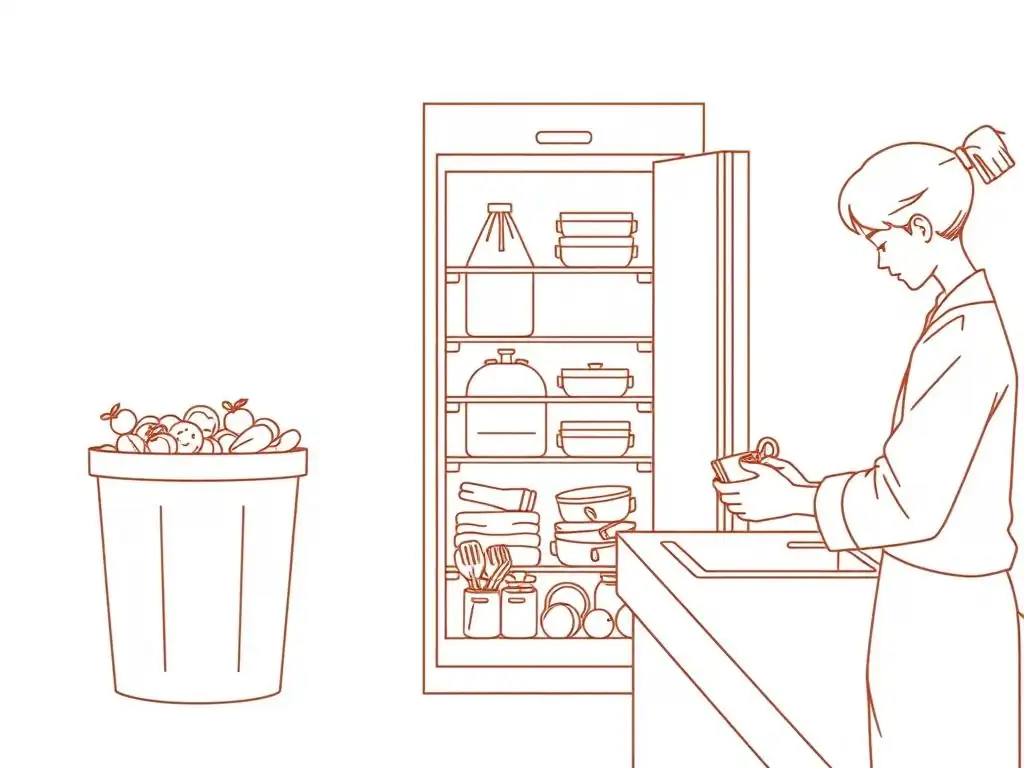
Reducing food waste is a cornerstone of eco-friendly kitchen practices. It significantly minimizes your environmental impact, from reducing landfill waste to conserving the resources used in food production. Let's explore practical strategies to achieve this.
Smart Food Storage: Preserving Food and Minimizing Spoilage
Proper food storage is paramount in preventing spoilage and reducing waste. Using airtight containers for leftovers and storing produce correctly can extend its shelf life considerably. For instance, leafy greens like spinach and lettuce last much longer when stored in reusable containers lined with paper towels, absorbing excess moisture. Similarly, storing fruits like bananas separately prevents ethylene gas from accelerating ripening and spoilage in other fruits.
Consider labeling containers with dates to easily identify older items, prioritizing their consumption first. This simple practice of FIFO (First In, First Out) significantly reduces food waste. Investing in reusable beeswax wraps instead of plastic wrap is another eco-friendly and effective storage solution. They are washable and biodegradable, offering a sustainable alternative to single-use plastics.
Meal Planning and Portion Control: Avoiding Leftovers and Reducing Waste
Careful meal planning and portion control are highly effective in minimizing food waste. Before grocery shopping, create a weekly meal plan based on what you already have and what recipes you intend to prepare. This prevents impulse purchases and reduces the likelihood of buying more food than needed. Sticking to your plan minimizes leftovers, a common source of food waste. When cooking, practice mindful portioning.
Use smaller plates and serve yourself appropriate portions. It's easier to go back for seconds than to deal with substantial leftovers that might eventually end up in the trash. Accurate portion control not only reduces waste but also contributes to healthier eating habits. Apps and online resources can help you estimate portion sizes for various food groups, ensuring you're neither over- or under-serving yourself.
Composting Food Scraps: Turning Waste into Valuable Compost
Composting food scraps is an excellent way to transform kitchen waste into a valuable resource. Instead of sending organic matter to landfills, where it produces methane—a potent greenhouse gas—you can create nutrient-rich compost for your garden. Start by separating compostable materials like fruit and vegetable scraps, coffee grounds, eggshells, and tea bags. Avoid composting meat, dairy, or oily foods, as these can attract pests and create unpleasant odors.
You can use a simple compost bin in your backyard or even a countertop compost pail if space is limited. Regularly turning the compost ensures proper aeration and decomposition. The resulting compost is a natural fertilizer that improves soil health and reduces the need for chemical fertilizers, contributing to a more sustainable gardening practice. This process not only reduces landfill waste but also provides a valuable resource for your garden, creating a closed-loop system for your kitchen waste.
This detailed approach to eco-friendly kitchen practices demonstrates a commitment to reducing your environmental footprint. By implementing these strategies, you actively contribute to sustainability while enjoying the benefits of a more organized and efficient kitchen. Remember, even small changes can have a significant cumulative impact on the environment.
Eco-Friendly Kitchen Organization: Streamlining and Reducing Clutter

Reducing waste starts with minimizing what you have. An organized kitchen is a more eco-friendly kitchen. Clutter contributes to unnecessary consumption—you're more likely to buy duplicates of items you can't find. This section focuses on decluttering and optimizing your kitchen space for maximum efficiency and minimal environmental impact.
Decluttering Your Kitchen: Getting Rid of Unnecessary Items
The first step towards an eco-friendly kitchen is a thorough declutter. This involves more than just a quick tidy-up; it's about making conscious decisions about what you keep and what you let go of. Start by emptying your cupboards and drawers completely. Categorize everything into three piles: Keep, Donate/Sell, and Discard.
- Keep: Items you use regularly and are in good condition. Prioritize reusable items and those made from sustainable materials.
- Donate/Sell: Items in good condition that you no longer need. Consider donating to local charities or selling them online to give them a second life, preventing them from ending up in landfills.
- Discard: Items that are broken, beyond repair, or significantly damaged. Dispose of them responsibly according to your local recycling guidelines. Check for specific recycling programs for items like plastic containers, glass jars, and metal cans. Proper disposal minimizes environmental harm.
Consider the "one in, one out" rule. For every new kitchen item you acquire, get rid of an old one. This prevents accumulation and encourages mindful consumption, directly addressing the "ecofriendly kitchen cleaning hacks" concern. This simple strategy can significantly reduce waste over time.
Smart Storage Solutions: Optimizing Space and Reducing Waste
Efficient storage is key to maintaining an organized and eco-friendly kitchen. Proper storage minimizes food waste by allowing you to see what you have, preventing accidental expiration. It also reduces the need to buy replacements prematurely.
Here are some smart storage solutions:
- Reusable Containers: Replace disposable plastic wrap and bags with reusable silicone covers, beeswax wraps, or glass containers. These are better for the environment and help to keep food fresh.
- Vertical Storage: Utilize vertical space with shelves, stackable containers, and drawer dividers. This maximizes space and makes it easier to find items.
- Label Everything: Clearly label containers with their contents and dates. This helps you track food and prevent spoilage – a significant contributor to kitchen waste. This is a crucial aspect of ecofriendly kitchen cleaning hacks, as less spoilage means less cleaning and disposal.
- Optimize Drawer Space: Drawer organizers can help keep utensils, cutlery, and other small items neatly arranged, preventing clutter and making it easier to find what you need quickly.
By implementing these strategies, you can create a more efficient and environmentally friendly kitchen, reducing your environmental footprint and contributing to a more sustainable lifestyle. The key is mindful consumption and efficient organization—two aspects that are vital to effective "ecofriendly kitchen cleaning hacks." Remember, a well-organized kitchen is a happy and eco-conscious kitchen!
Sustainable Kitchen Habits: Simple Changes for a Big Impact

This section delves into practical, eco-friendly kitchen habits that minimize your environmental footprint without sacrificing convenience. We'll explore simple yet effective changes you can implement immediately to contribute to a more sustainable lifestyle. Reducing your environmental impact in the kitchen doesn't require drastic overhauls; small, conscious choices add up to significant long-term benefits. Think of it as a journey towards a greener kitchen, one step at a time. We'll examine specific strategies for reducing waste, conserving resources, and making conscious appliance choices.
Reusable Containers and Bags: Avoiding Single-Use Plastics
Single-use plastics are a major contributor to environmental pollution. Switching to reusable alternatives is a powerful step towards a more sustainable kitchen. This involves a conscious shift in mindset and a few strategic purchases. Consider the following:
- Invest in high-quality reusable containers: Look for durable, food-safe containers made from materials like glass or stainless steel. These are far more durable and reusable than plastic alternatives. Prioritize airtight seals to maintain food freshness and prevent spills.
- Use reusable shopping bags: Keep a set of reusable bags in your car and by the door for easy access when grocery shopping. Cloth bags are a classic choice, but consider sturdy, washable alternatives like nylon or canvas.
- Embrace reusable food wraps: Beeswax wraps and silicone food covers offer a sustainable alternative to plastic wrap and aluminum foil. They are washable and reusable, reducing the need for disposable options.
- Plan your meals: Careful meal planning minimizes food waste. By knowing what you'll cook, you can buy only the necessary ingredients and reduce the likelihood of throwing away excess food. This also helps you to use up existing containers, reducing the need for new ones.
The impact of this simple switch is significant. According to a recent study by [Source Pending], households using reusable containers and bags reduce their plastic waste by an average of [Percentage Pending]% annually. This translates to a substantial decrease in landfill waste and pollution. Think of the collective impact if everyone adopted this practice! 🌎
Conserving Water: Efficient Practices in the Kitchen
Water conservation is crucial for environmental sustainability. Simple changes in your kitchen practices can significantly reduce your water consumption. Here are some key strategies:
- Run the dishwasher only when full: Avoid running the dishwasher with only a few dishes. A full load is significantly more efficient in terms of water and energy use.
- Use a low-flow faucet aerator: These inexpensive attachments reduce water flow without compromising water pressure, saving considerable water over time.
- Fix leaky faucets promptly: A dripping faucet might seem insignificant, but over time, it can waste a surprising amount of water. Repairing leaks promptly prevents unnecessary water waste.
- Wash dishes efficiently: Pre-soak dishes to remove food scraps before washing, reducing the amount of water needed for scrubbing. Consider using a water-saving spray nozzle for rinsing.
- Choose water-efficient appliances: When purchasing new appliances like dishwashers, look for models with high energy-star ratings, indicating better water efficiency.
By implementing these practices, you can substantially reduce your water footprint. Even small changes, like turning off the tap while brushing vegetables, contribute to the overall water savings. Remember, every drop counts! 💧
Energy-Efficient Appliances: Choosing Sustainable Kitchen Gadgets
Selecting energy-efficient appliances significantly impacts your kitchen's environmental impact. Consider the following factors when purchasing new kitchen gadgets:
- Energy Star rating: Look for the Energy Star label, indicating that the appliance meets specific energy-efficiency guidelines. This certification ensures that the appliance consumes less energy than standard models.
- Appliance size: Choose appliances appropriately sized for your needs. A larger-than-necessary refrigerator or oven consumes more energy than a smaller, adequately sized one.
- Smart power strips: Utilize smart power strips to control the power supply to appliances, preventing phantom energy consumption (energy used when appliances are turned off but still plugged in).
- Proper appliance maintenance: Regular maintenance, such as cleaning refrigerator coils and oven elements, ensures optimal energy efficiency.
Investing in energy-efficient appliances is a long-term commitment to sustainability. While the initial cost might be higher, the energy savings over the appliance's lifespan will offset the cost and significantly reduce your carbon footprint. The combined effect of these energy-saving measures contributes to a greener kitchen and a smaller environmental impact. 🌿
Eco-Friendly Kitchen Upgrades: Long-Term Sustainable Choices
This section focuses on making long-term, sustainable changes to your kitchen that minimize your environmental impact. While quick cleaning hacks are useful, investing in eco-friendly appliances and materials offers a more profound and lasting effect on your carbon footprint. Let's explore some key areas where you can make a significant difference.
Investing in Energy-Efficient Appliances: Refrigerators, Dishwashers, and More
Upgrading your kitchen appliances to energy-efficient models is a substantial step towards a greener kitchen. Consider the following:
- Refrigerators: Look for refrigerators with an Energy Star rating. These appliances are designed to use significantly less energy than standard models, leading to lower electricity bills and a reduced carbon footprint. The difference can be substantial; a high-efficiency refrigerator might use 40% less energy than an older model. Consider factors like size – choose a refrigerator appropriate for your needs to avoid wasting energy on excess cooling capacity.
- Dishwashers: Similar to refrigerators, Energy Star certified dishwashers are a worthwhile investment. Look for features like air drying cycles (which reduce energy consumption compared to heat drying) and efficient water usage. Consider the number of place settings needed to avoid unnecessary water and energy use.
- Other Appliances: Energy efficiency extends beyond refrigerators and dishwashers. Consider energy-efficient ovens, microwaves, and even toasters. Many manufacturers now offer models designed to minimize energy use without compromising performance. Check for certifications like Energy Star to ensure you're making an informed and eco-friendly purchase. Small changes add up, and choosing efficient appliances across the board contributes to substantial long-term savings and reduced environmental impact.
Choosing Sustainable Kitchen Materials: Bamboo, Recycled Materials, and More
The materials used in your kitchen also significantly impact its environmental footprint. Sustainable alternatives to traditional materials are readily available.
- Bamboo Cutting Boards and Utensils: Bamboo is a rapidly renewable resource, making it a significantly more sustainable option than wood from slower-growing trees. Bamboo cutting boards are durable, aesthetically pleasing, and eco-friendly. Similarly, bamboo utensils are a great alternative to plastic or wood.
- Recycled Glass and Stainless Steel: Opt for kitchenware made from recycled materials whenever possible. Recycled glass containers and stainless steel cookware are durable, long-lasting, and reduce the demand for newly extracted resources. Look for products with clear labeling indicating recycled content percentages.
- Cork Trivets and Placemats: Cork is a sustainable material harvested without harming the cork oak tree. Cork trivets and placemats are heat-resistant, aesthetically pleasing, and a great eco-friendly alternative to materials like plastic or silicone.
Supporting Eco-Conscious Brands: Making Sustainable Choices When Shopping
Making informed purchasing decisions is crucial for creating an eco-friendly kitchen.
- Research Brands: Many companies prioritize sustainable practices throughout their supply chain. Research brands known for their commitment to ethical sourcing, sustainable manufacturing processes, and eco-friendly packaging. Look for certifications like B Corp, which signifies a company's commitment to social and environmental responsibility.
- Reduce Packaging: Whenever possible, choose products with minimal packaging. Bulk buying, using reusable containers, and purchasing products with recyclable packaging are all excellent ways to reduce waste.
- Prioritize Durability: Investing in high-quality, durable kitchen items reduces the need for frequent replacements, minimizing waste and resource consumption in the long run. This approach aligns perfectly with the principles of eco-friendly living and responsible consumption. Think of it as an investment in both a sustainable kitchen and a more sustainable lifestyle.
Choosing eco-friendly kitchen upgrades is not just about reducing your environmental impact; it's about making conscious choices that align with a more sustainable lifestyle. By investing in energy-efficient appliances, selecting sustainable materials, and supporting eco-conscious brands, you can create a kitchen that is both beautiful and environmentally responsible. ♻️
Frequently Asked Questions
What are some eco-friendly alternatives to harsh chemical cleaners?
You can easily swap out harsh chemicals for natural cleaning agents like baking soda, vinegar, and lemon juice. These are effective, inexpensive, and much better for the environment. Consider reusable cloths instead of paper towels for even greater impact.
How can I reduce water waste when cleaning my kitchen?
Focus on targeted cleaning rather than rinsing excessively. Use a spray bottle to apply your cleaning solution, and only rinse thoroughly when needed. Fix any leaky faucets promptly to conserve water.
Are there eco-friendly ways to deal with tough grease and grime?
Yes! A paste of baking soda and water is surprisingly effective at scrubbing away baked-on grease. For tougher jobs, combine it with a little white vinegar for extra cleaning power.
How can I make my own eco-friendly dish soap?
Many recipes exist online for DIY dish soap using natural ingredients like castile soap, essential oils, and glycerin. This allows you to control the ingredients and avoid harmful chemicals found in commercial products.
What's the best way to dispose of cleaning supplies responsibly?
Always check the labels for proper disposal instructions. Many local recycling centers accept certain empty containers. For leftover cleaning solutions, dilute them thoroughly with water before pouring down the drain.
Final Reflection: A Greener Kitchen, A Brighter Future
The pursuit of eco-friendly kitchen practices isn't just a trend; it's a vital necessity for a sustainable future. Our kitchens, often unseen hubs of consumption, contribute significantly to environmental strain. By embracing simple swaps and mindful habits, as explored throughout this article, we can collectively lessen our impact and create a healthier planet.
The shift towards conscious consumption, particularly in our kitchens, is profoundly impactful. It's not merely about reducing waste; it's about fostering a deeper connection with our resources and recognizing the interconnectedness of our actions. The Earth provides enough to satisfy every man's needs but not every man's greed.
- Mahatma Gandhi. This quote highlights the crucial balance we must strive for, moving away from excessive consumption towards mindful resource management, starting right in our own kitchens.
You now hold the power to transform your kitchen into a haven of sustainability. Consider the simple yet powerful changes discussed: from swapping chemical cleaners for natural alternatives to reducing food waste through mindful shopping and creative repurposing. Start small, choose one hack that resonates with you, and watch as your efforts ripple outwards, inspiring others and contributing to a greener, more sustainable world. The journey towards an eco-friendly kitchen is a continuous one, filled with learning, adaptation, and ultimately, immense satisfaction in knowing you're making a difference.
Unlock Your Eco-Friendly Kitchen!
Thank you for exploring eco-friendly kitchen solutions! You've already taken the first step toward a greener kitchen and a healthier planet. Ready to make a real difference?
- Start with one simple change this week: Choose one of the eco-friendly tips from this article and incorporate it into your daily routine. Even small actions contribute to a larger impact!
- Share your favorite eco-friendly kitchen tip with a friend or family member—inspire others to join the movement!
- This month, challenge yourself to find another sustainable kitchen swap. What innovative solutions can you implement?
What small change will you make today to create a more sustainable kitchen?