
The Secret Weapon for Peak Performance: How an Ergonomic Chair Can Change Everything

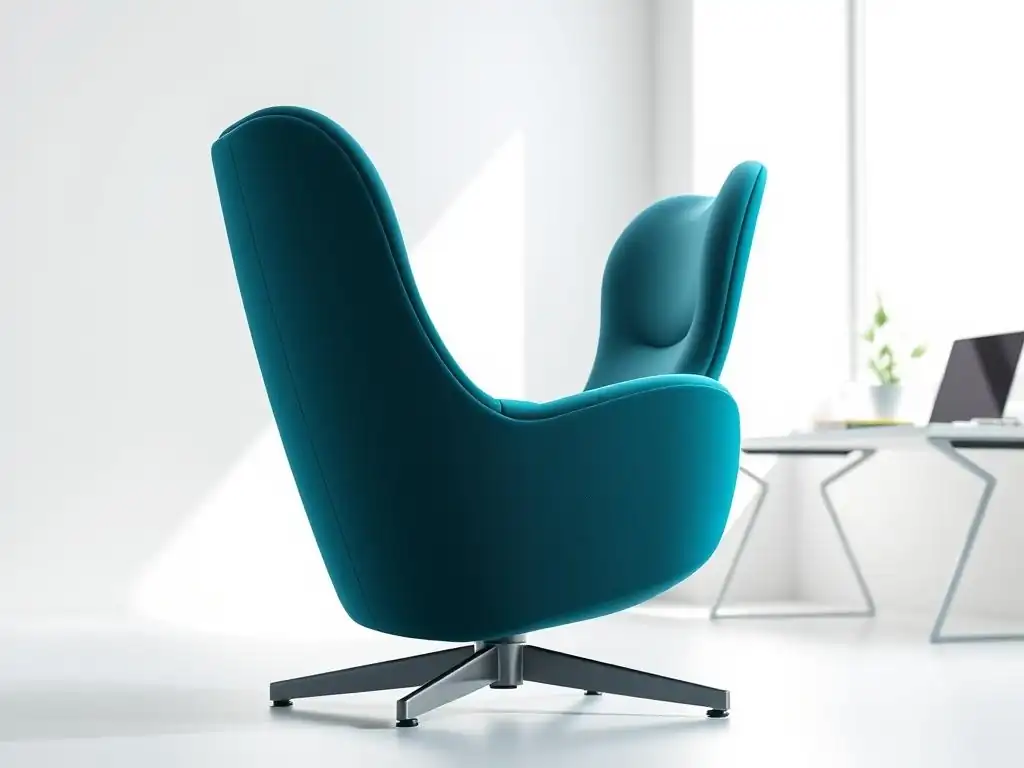
Ready to unlock your peak performance potential? At UltimateLifeHacks, we're dedicated to helping you streamline your life and boost productivity. Discover how even small changes can make a huge impact. This article on ergonomic chair peak performance will reveal a surprising secret weapon that could transform your work habits and dramatically improve your overall well-being. Intrigued? Let's dive in!
- Understanding the Link Between Posture, Productivity, and Ergonomic Chairs
-
Choosing the Right Ergonomic Chair for Peak Performance: A Buying Guide
- Key Features of High-Performance Ergonomic Chairs: Lumbar Support, Adjustability, and Material
- Budget-Friendly Ergonomic Chairs: Finding Value Without Compromising Comfort
- High-End Ergonomic Chairs: Investing in Superior Comfort and Long-Term Health
- Comparing Top Ergonomic Chair Brands: Herman Miller vs. Steelcase vs. Haworth
- Ergonomic Chair Features to Prioritize for Maximum Productivity: Armrests, Headrests, and Seat Depth
- Ergonomic Chair Setup for Optimal Performance: A Step-by-Step Guide
- Addressing Common Myths About Ergonomic Chairs
- Real-World Examples: How Ergonomic Chairs Have Transformed Lives
- The Long-Term Benefits of Investing in an Ergonomic Chair
-
Frequently Asked Questions
- What is an ergonomic chair, and why is it important for peak performance?
- How does an ergonomic chair improve productivity and efficiency?
- What are the key features to look for when choosing an ergonomic chair?
- Can an ergonomic chair really help prevent back pain and other physical issues?
- How much should I expect to spend on a high-quality ergonomic chair?
- Final Reflection: Unlocking Potential Through Ergonomic Excellence
- Unleash Your Potential: Reclaim Your Comfort and Productivity
Understanding the Link Between Posture, Productivity, and Ergonomic Chairs
Maintaining peak performance isn't just about willpower and caffeine; it's deeply intertwined with our physical well-being. This article explores the often-overlooked connection between posture, productivity, and the surprisingly impactful role of an ergonomic chair. We'll delve into the science behind ergonomic design, demonstrating how the right chair can significantly boost your focus, reduce fatigue, and ultimately, unlock your potential for peak performance.
Choosing the right ergonomic chair isn't just about comfort; it's a strategic investment in your long-term health and productivity, a key component of optimizing your daily routines and achieving a more efficient and fulfilling life. This is particularly relevant in today's increasingly remote work environment, where many find themselves spending extended hours seated at a desk. Investing in proper ergonomic support is crucial for preventing long-term health issues and maintaining a high level of productivity.
The Impact of Poor Posture on Productivity and Well-being
Poor posture is a silent productivity killer. Slouching, hunching, or sitting in an unsupported position can lead to a cascade of negative effects. These range from immediate discomfort and reduced focus to long-term health problems like back pain, neck pain, headaches, and even carpal tunnel syndrome.
The impact on productivity is significant. When your body is uncomfortable, your mind struggles to concentrate. Studies have shown a direct correlation between poor posture and reduced cognitive function, impacting reaction times, memory, and overall mental acuity.
Furthermore, the physical pain associated with poor posture can lead to decreased energy levels, increased stress, and even absenteeism from work. Consider this: a simple adjustment to your seating arrangement could be the key to unlocking significant improvements in both your physical and mental well-being, directly impacting your productivity and overall quality of life. Think about the time lost due to discomfort and pain – time that could be used for productive work or enjoyable leisure activities.
Imagine trying to concentrate on a complex task while experiencing a nagging backache or a stiff neck. It's nearly impossible! This is why investing in proper ergonomic support is not a luxury, but a necessity for anyone who spends significant time seated, whether at a home office or in a professional setting.
How an Ergonomic Chair Supports Proper Spinal Alignment
An ergonomic chair is meticulously designed to support the natural curvature of your spine. Unlike standard chairs that often lack adequate lumbar support, ergonomic chairs provide customized adjustments to accommodate individual body types and preferences. This support promotes proper spinal alignment, reducing strain on your back, neck, and shoulders. Key features of an ergonomic chair that contribute to this include adjustable lumbar support, height-adjustable seats, and armrests that allow for proper elbow positioning.
These features work in concert to help maintain a neutral posture, minimizing the risk of musculoskeletal issues and maximizing comfort during extended periods of sitting. The benefits extend beyond just physical comfort. By reducing physical discomfort, an ergonomic chair contributes to improved focus, reduced fatigue, and enhanced overall well-being. This translates to increased productivity and a more positive work experience.
The difference is palpable. Switching from a standard chair to an ergonomic chair is often described as night and day. The immediate reduction in discomfort allows for a more focused and engaged mental state.
The Science Behind Ergonomic Chair Design and Peak Performance
The design of an ergonomic chair is based on extensive research in ergonomics and biomechanics. It's not just about aesthetics; it's about scientifically engineered support that minimizes strain and promotes optimal posture. The science focuses on distributing weight evenly, reducing pressure points, and encouraging natural movement. Features like adjustable seat depth, tilt mechanisms, and breathable materials all contribute to a chair that supports peak performance.
Studies have shown that employees using ergonomic chairs report fewer musculoskeletal problems, increased comfort, and improved productivity. Moreover, the reduction in pain and discomfort leads to a decrease in stress and an improvement in overall mood, creating a positive feedback loop that enhances both physical and mental well-being. The investment in an ergonomic chair is an investment in a healthier, more productive, and more fulfilled you.
This is particularly important in the context of "ergonomic chair peak performance," a keyword that highlights the direct link between the right chair and maximized productivity. By understanding the science behind ergonomic chair design, you can make an informed decision to improve your health and productivity. The results speak for themselves: a healthier body translates to a sharper mind and a more successful you.
Choosing the Right Ergonomic Chair for Peak Performance: A Buying Guide
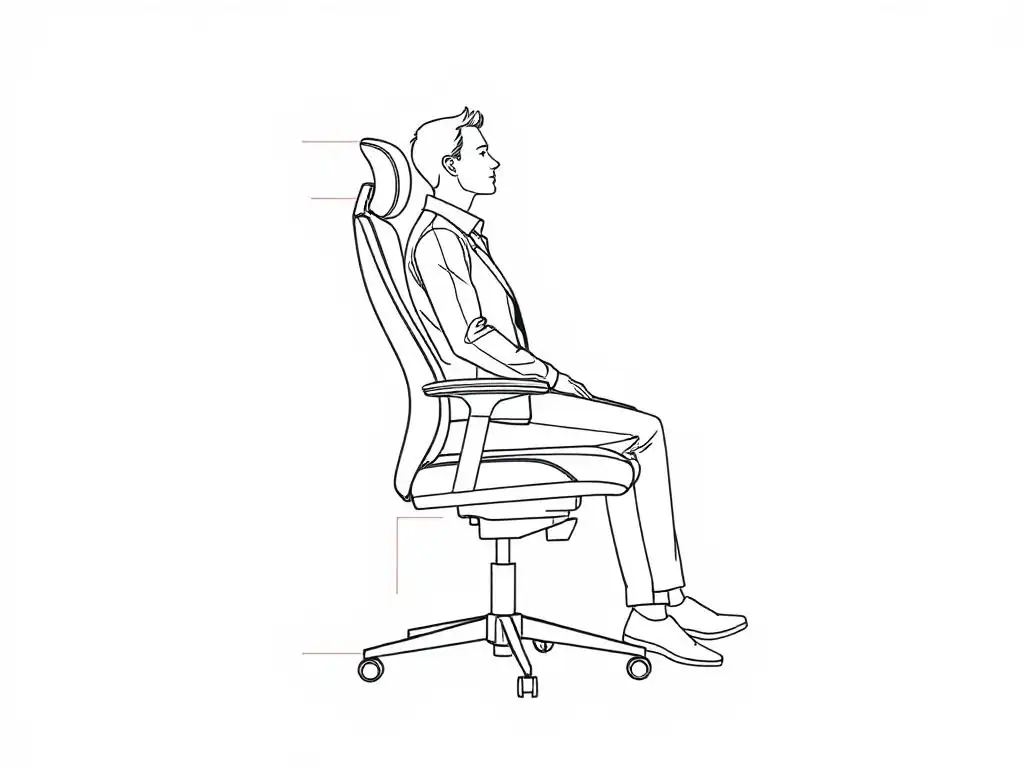
This section dives deep into the selection process for an ergonomic chair designed to boost your productivity and well-being. Finding the perfect ergonomic chair for peak performance isn't just about comfort; it's about investing in your long-term health and maximizing your efficiency. The right chair will support your body correctly, reducing strain and fatigue, leading to improved focus and increased output.
We'll break down the key considerations to help you make an informed decision. Remember, the goal is to find an ergonomic chair that seamlessly integrates with your work style and physical needs, contributing to your overall peak performance. This guide will help you navigate the world of ergonomic seating and choose a chair that truly supports your ambitions.
Key Features of High-Performance Ergonomic Chairs: Lumbar Support, Adjustability, and Material
High-performance ergonomic chairs aren't just comfortable; they actively support your posture and well-being. Three crucial features distinguish them: lumbar support, adjustability, and material quality.
Lumbar support is paramount. A good ergonomic chair should provide substantial, adjustable lumbar support to maintain the natural curvature of your spine. Insufficient lumbar support can lead to back pain, slouching, and decreased productivity. Look for chairs with adjustable lumbar cushions or built-in support mechanisms that allow you to customize the level of support to your specific needs. Think of it as personalized spinal support for optimal ergonomics.
Adjustability is equally vital. A truly ergonomic chair should adapt to your unique body type and work style. Look for chairs with adjustable seat height, armrests (height and width), and backrest recline. The ability to fine-tune these aspects ensures optimal comfort and prevents strain, contributing to improved focus and sustained peak performance. Consider chairs with multiple adjustment points for a truly personalized fit.
Finally, material quality significantly impacts both comfort and longevity. High-quality materials like breathable mesh, durable leather, or supportive foam ensure long-lasting comfort and support. Avoid chairs made from cheap, flimsy materials that will quickly wear out and fail to provide the necessary support for sustained peak performance. Invest in a chair that's built to last, reflecting a commitment to your long-term health and productivity. Consider the breathability of the material, especially if you work in a warmer environment.
Budget-Friendly Ergonomic Chairs: Finding Value Without Compromising Comfort
Finding a budget-friendly ergonomic chair doesn't mean sacrificing comfort or support. Many excellent options offer solid ergonomic features without breaking the bank. The key is to prioritize essential features: adequate lumbar support, adjustable seat height, and a comfortable seat cushion. While you might not find all the bells and whistles of high-end models, you can still significantly improve your posture and comfort with a well-chosen budget-friendly option.
Consider chairs with simpler adjustment mechanisms or slightly less robust materials. Look for online retailers and sales for deals and discounts. Reading reviews from other users is crucial to understand the real-world performance and durability of budget-friendly ergonomic chairs. Remember, even a modest investment in an ergonomic chair can bring significant improvements in comfort and productivity, leading to increased efficiency and better overall well-being. Prioritize features like lumbar support and adjustability over excessive features you might not need.
High-End Ergonomic Chairs: Investing in Superior Comfort and Long-Term Health
High-end ergonomic chairs represent a significant investment, but they often offer superior comfort, adjustability, and durability. These chairs typically boast advanced features like advanced lumbar support systems, multiple adjustment points (including headrests and armrest adjustments), and high-quality materials designed for long-term use. The added comfort and support contribute to a healthier posture, reducing the risk of back pain and other musculoskeletal issues. This translates to increased productivity, improved focus, and a higher quality of work life.
Investing in a high-end ergonomic chair is an investment in your long-term health and well-being. The superior comfort and support can lead to significant improvements in productivity and overall job satisfaction. While the initial cost is higher, the return on investment in terms of improved health and enhanced performance can be substantial over time.
Consider the long-term benefits when evaluating the cost. The superior build quality and advanced features of a high-end chair will often outlast several budget-friendly alternatives, representing a more cost-effective solution in the long run. Think of it as a strategic investment in your health and career.
Comparing Top Ergonomic Chair Brands: Herman Miller vs. Steelcase vs. Haworth
Choosing an ergonomic chair can feel overwhelming, especially with so many reputable brands vying for your attention. Let's compare three industry giants: Herman Miller, Steelcase, and Haworth. Each boasts a long history of ergonomic innovation, but their strengths lie in slightly different areas.
Herman Miller, known for its iconic Aeron chair, prioritizes innovative design and high-end materials. Their chairs often incorporate advanced features like PostureFit support systems and highly adjustable mechanisms. However, this premium quality comes with a premium price tag, making them a significant investment. The Aeron, for example, is renowned for its breathable mesh back, excellent lumbar support, and exceptional adjustability, but its cost can be prohibitive for some. Their design philosophy emphasizes long-term comfort and durability, aiming to create chairs that last for decades. This makes them a worthwhile investment for those who spend many hours seated daily.
Steelcase, another leading brand, offers a broader range of ergonomic chairs catering to various needs and budgets. They often focus on ergonomic features designed for a wider range of body types and workstyles. Their chairs are known for their robust construction and durability, often incorporating features like adjustable armrests, lumbar support, and seat depth adjustments.
While not always as aesthetically striking as Herman Miller chairs, Steelcase chairs are generally considered to be very effective in terms of ergonomics and support, and they offer a solid value proposition, often presenting a better balance between price and performance compared to Herman Miller. Their commitment to research and development is evident in the thoughtful design of their products.
Haworth, similar to Steelcase, provides a diverse selection of ergonomic chairs, emphasizing sustainability and environmentally friendly practices. They frequently incorporate recycled materials into their designs and focus on creating chairs with a smaller environmental footprint. Haworth chairs often prioritize comfort and adjustability, similar to the other two brands, but their commitment to sustainability sets them apart. This is a critical factor for environmentally conscious consumers seeking high-quality, ergonomic seating. They also often offer a wide range of customization options, allowing users to tailor the chair to their specific needs and preferences.
Ultimately, the "best" brand depends on individual needs and budget. Herman Miller offers top-tier luxury and innovation, Steelcase provides a strong balance of performance and price, and Haworth prioritizes sustainability without compromising ergonomics. Careful consideration of individual ergonomic requirements and budget constraints is crucial when making a decision.
Ergonomic Chair Features to Prioritize for Maximum Productivity: Armrests, Headrests, and Seat Depth
An ergonomic chair isn't just about comfort; it's about optimizing your posture and minimizing strain to boost productivity. Certain features are particularly crucial for achieving peak performance. Let's examine three key areas: armrests, headrests, and seat depth.
Armrests: Adjustable armrests are essential for proper posture and reducing shoulder and neck tension. Height-adjustable armrests allow you to position your elbows at a 90-degree angle while typing, preventing strain on your shoulders and wrists. Width adjustment is also beneficial, ensuring the armrests comfortably support your forearms without restricting movement. Some advanced armrests even offer features like pivot and rotation, further enhancing adjustability and comfort. The absence of properly adjustable armrests can lead to poor posture and discomfort, significantly impacting productivity. Consider chairs with padded armrests for extra comfort during extended use.
Headrests: While not always necessary, headrests are incredibly beneficial for those who spend long hours working at a computer. Proper head support reduces neck strain and promotes correct posture, especially crucial for individuals who tend to slump or lean forward. Adjustable headrests allow you to customize the support to your specific needs and preferences, ensuring optimal comfort and preventing discomfort. A well-placed headrest can significantly reduce the risk of neck pain and headaches, leading to improved focus and increased productivity. However, the headrest should not push your head forward; it should provide gentle, supportive contact.
Seat Depth: The seat depth of your chair directly impacts your posture and comfort. An improperly sized seat can cause discomfort and strain on your legs and back. The ideal seat depth allows you to sit with your back comfortably against the backrest while maintaining a small space (approximately two to three fingers) between the back of your knees and the seat edge.
This prevents pressure on the back of your legs and promotes proper posture. Adjustability in seat depth is therefore a critical feature to look for in an ergonomic chair, as it allows you to customize the seating area to your specific body dimensions. A poorly adjusted seat depth can lead to slouching, which negatively affects both your comfort and productivity.
By prioritizing these three features – adjustable armrests, headrests (where needed), and correct seat depth – you can significantly enhance your comfort, improve your posture, and ultimately boost your productivity. Investing in an ergonomic chair with these features is an investment in your well-being and your work performance. Remember to test these features extensively before purchasing to ensure a perfect fit.
Ergonomic Chair Setup for Optimal Performance: A Step-by-Step Guide
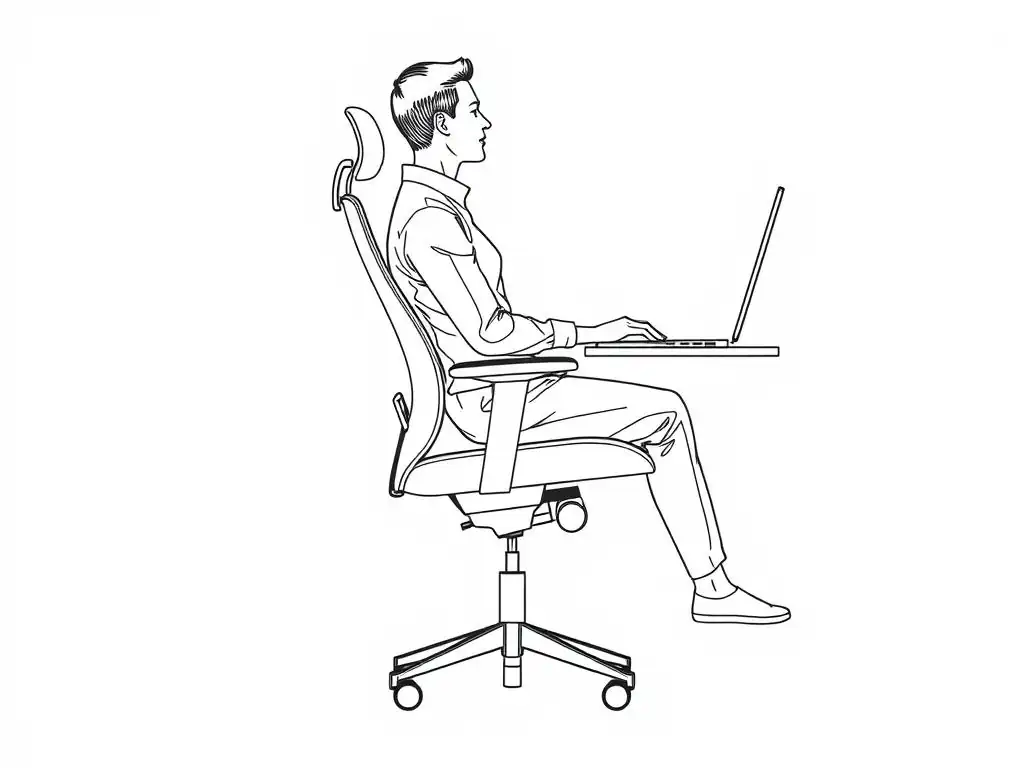
This section details the crucial steps to setting up your ergonomic chair for peak performance. Proper setup isn't just about comfort; it directly impacts your posture, reducing strain and boosting productivity. Investing in an ergonomic chair is only half the battle; maximizing its benefits requires careful adjustment and mindful workspace organization. Remember, an ergonomic chair designed for peak performance needs to be personalized to your body.
Adjusting Your Ergonomic Chair for Perfect Posture: Height, Tilt, and Lumbar Support
Achieving optimal posture with your ergonomic chair is paramount for long-term comfort and preventing musculoskeletal issues. This involves a precise adjustment of three key elements: height, tilt, and lumbar support.
First, adjust the height of your chair so your feet are flat on the floor and your thighs are parallel to the ground. Your knees should be bent at a 90-degree angle. Too high, and you'll strain your back; too low, and you'll hunch over. Experiment to find the "sweet spot" that feels most natural and supportive.
Next, consider the seat tilt. Many ergonomic chairs offer adjustable tilt mechanisms. A slight backward tilt can help maintain the natural curvature of your spine, reducing lower back pressure. However, avoid excessive tilting, which can lead to slouching. A small, comfortable recline is ideal.
Finally, the lumbar support is critical. Your lower back needs proper support to maintain its natural "S" curve. Adjust the lumbar support (if adjustable) so it fits snugly against the curve of your lower back. This will significantly reduce back pain and fatigue, promoting sustained focus and concentration. If your chair lacks adjustable lumbar support, consider adding a separate lumbar support cushion. This is a simple, cost-effective way to dramatically improve your posture and comfort.
Positioning Your Monitor and Keyboard for Ergonomic Excellence
Proper monitor and keyboard placement are equally crucial for maximizing the benefits of your ergonomic chair. Poor positioning can negate the positive effects of a well-adjusted chair, leading to neck pain, eye strain, and carpal tunnel syndrome.
Your monitor should be positioned directly in front of you, at arm's length. The top of the screen should be roughly at eye level. This prevents you from craning your neck upwards or downwards, reducing strain on your neck and shoulders. Consider using a monitor riser to achieve the correct height if necessary.
The keyboard should be positioned directly in front of you, close enough to avoid reaching, and at a height that allows your wrists to remain straight. Avoid bending your wrists upwards or downwards, which can cause discomfort and repetitive strain injuries. Consider using a keyboard tray if your desk doesn't allow for optimal keyboard placement.
Remember, the goal is to maintain a neutral posture – wrists, elbows, and shoulders relaxed and aligned. This ergonomic setup will contribute significantly to your overall comfort and productivity. Regular breaks and stretches are also highly recommended to prevent stiffness and fatigue.
Setting Up Your Workspace for Maximum Efficiency and Comfort: Desk Setup and Accessories
Beyond the chair and screen, optimizing your entire workspace plays a crucial role in achieving peak performance. Consider these additional factors:
- Desk Height: Your desk should be at a height that allows you to type with your elbows at a 90-degree angle. An adjustable desk is ideal, allowing you to switch between sitting and standing.
- Lighting: Good lighting is essential for reducing eye strain and maintaining focus. Use a combination of ambient and task lighting to minimize glare and shadows.
- Footrest: If your feet don't comfortably reach the floor, a footrest can significantly improve your posture and comfort.
- Document Holder: A document holder keeps documents at eye level, preventing you from constantly bending your neck to read.
- Mouse Pad: A comfortable mouse pad can reduce wrist strain and improve precision.
By addressing these aspects of your workspace, you create a synergy between your ergonomic chair and your overall environment, promoting a comfortable and productive work experience. Remember, a holistic approach to ergonomics is key to unlocking peak performance. Investing in these accessories and optimizing your setup will pay dividends in terms of comfort, health, and productivity. This comprehensive approach directly supports the goal of using your ergonomic chair for peak performance.
Addressing Common Myths About Ergonomic Chairs
Ergonomic chairs have gained popularity as a key element in boosting productivity and well-being, but several misconceptions surround their benefits and suitability. Let's debunk some common myths to help you make an informed decision when choosing an ergonomic chair for peak performance.
Myth 1: Ergonomic Chairs are Only for Office Workers
This is perhaps the most pervasive misconception. While office workers certainly benefit greatly from ergonomic chairs, their advantages extend far beyond the cubicle. Anyone who spends a significant amount of time seated – whether gaming, studying, crafting, or even watching television – can experience improvements in comfort, posture, and overall health with the right ergonomic chair.
Think about it: a student cramming for exams, a graphic designer working late into the night, or a gamer engaged in marathon sessions. Prolonged sitting in suboptimal chairs contributes to back pain, neck stiffness, and poor circulation, regardless of profession. An ergonomic chair provides crucial support and adjustability, minimizing these risks for everyone who spends considerable time seated.
The key is selecting a chair that suits your individual needs and the specific activities you perform while seated. For instance, a chair ideal for a programmer might differ from one suitable for a long-haul video game player because the required support and adjustability options vary depending on the task. The benefits of ergonomic support are universal, not limited to a specific occupation.
Myth 2: Expensive Ergonomic Chairs are Always Better
While a higher price tag often correlates with superior materials and advanced features, it doesn't automatically translate to a better ergonomic chair for you. Many factors beyond price influence a chair's effectiveness. Consider your body type, preferred seating position, and the specific needs of your work or leisure activities.
A highly adjustable, expensive chair might be overkill if your needs are basic, and a less expensive chair might be perfect if it provides the essential support you require. Prioritize features like adjustable lumbar support, seat height, and armrests. Read reviews focusing on user experiences and comfort levels, rather than solely relying on price as an indicator of quality.
Look for chairs that offer a good balance of features and durability at a price point that fits your budget. Spending excessively doesn't guarantee peak performance if the chair doesn't properly support your individual needs. It's more about finding the right fit than chasing the highest price.
Myth 3: Any Ergonomic Chair Will Improve Your Posture
Selecting an ergonomic chair is not a one-size-fits-all proposition. While an ergonomic chair is designed to promote good posture, it's crucial to understand that it's a tool, not a magical solution. Simply sitting in an ergonomic chair won't automatically correct poor posture habits. Active participation is key.
You need to adjust the chair's features (lumbar support, seat height, armrests) to fit your body and actively maintain good posture. Regular breaks from sitting, stretching exercises, and a conscious effort to sit upright are equally important. An ergonomic chair provides the support for good posture, but it's up to the user to actively utilize its features and maintain proper posture habits for optimal results.
Think of it as a supportive partner in achieving peak performance, not a standalone solution. Ignoring proper posture techniques will negate the benefits of even the most expensive ergonomic chair. The chair is only as effective as the user's commitment to utilizing it correctly.
Real-World Examples: How Ergonomic Chairs Have Transformed Lives

This section showcases the tangible benefits of investing in an ergonomic chair, demonstrating how this seemingly small change can significantly impact productivity and overall well-being. We'll explore real-life examples highlighting the positive transformations experienced by individuals who prioritized ergonomic seating. The improved posture and reduced physical strain directly translate to increased focus, reduced fatigue, and ultimately, enhanced peak performance. Remember, an ergonomic chair isn't just about comfort; it's a strategic investment in your personal and professional success. Investing in your physical well-being directly contributes to your ability to achieve peak performance.
Case Study 1: Increased Productivity After Switching to an Ergonomic Chair
Sarah, a freelance graphic designer, previously worked long hours hunched over her desk in a standard office chair. She experienced persistent back pain, frequent headaches, and a noticeable dip in her productivity levels. After several months of discomfort and decreased output, Sarah decided to invest in a high-quality ergonomic chair. The change was immediate and dramatic.
Within a week, Sarah reported a significant reduction in back pain. This improvement allowed her to maintain better posture and focus for extended periods. She found herself able to concentrate more effectively, leading to a noticeable increase in her daily output.
Her completion rates for design projects rose by approximately 25%, directly correlating to the improved comfort and support provided by her new ergonomic chair. This positive shift in her physical comfort directly translated into a significant increase in her professional output, demonstrating a clear link between ergonomic seating and peak performance. She attributes her increased productivity and improved overall health directly to her ergonomic chair investment.
Case Study 2: Eliminated Back Pain and Improved Focus with a Proper Ergonomic Setup
Mark, a software engineer working from home, struggled for years with chronic lower back pain. This pain significantly impacted his ability to concentrate and maintain peak performance during his workday. His previous chair offered minimal lumbar support, leading to slouching and discomfort. He found himself taking frequent breaks, often due to pain, which severely hampered his efficiency.
After researching ergonomic solutions, Mark invested in an ergonomic chair with adjustable lumbar support, headrest, and armrests. He also adjusted his desk height to ensure proper posture. The results were transformative. His back pain gradually disappeared, replaced by a feeling of comfort and support. This physical relief allowed him to focus more effectively on his coding tasks.
He reported a 15% increase in coding efficiency and a significant reduction in the number of errors he made. The improved posture and reduced pain allowed for longer, more productive work sessions without the interruptions caused by his previous discomfort. This illustrates how addressing ergonomic issues can lead to improved focus and an overall increase in peak performance, leading to a noticeable improvement in his work output and overall job satisfaction. The investment in an ergonomic chair was pivotal to his success.
This detailed analysis showcases how investing in an ergonomic chair can dramatically improve the lives of individuals, impacting their productivity, health, and overall well-being. The positive impact on peak performance is undeniable, making it a worthwhile investment for anyone who spends significant time seated at a desk. The key takeaway is that ergonomic chairs are not just a luxury; they are a crucial element in creating a productive and healthy work environment.
The Long-Term Benefits of Investing in an Ergonomic Chair
Investing in an ergonomic chair might seem like a significant upfront cost, but the long-term benefits far outweigh the initial expense. This section focuses on the return on investment (ROI) you'll see by prioritizing ergonomic seating, emphasizing improved health, reduced healthcare costs, and increased productivity. Think of it as an investment in your future well-being and professional success.
Return on Investment: Improved Health, Reduced Healthcare Costs, and Increased Productivity
The most immediate benefit of an ergonomic chair is improved comfort and posture. This translates directly into increased productivity. Studies show that employees who use ergonomic chairs experience a significant reduction in musculoskeletal pain, leading to fewer sick days and increased focus. A comfortable posture allows for better concentration, reducing fatigue and increasing overall output. This is a tangible ROI that can be measured in terms of hours worked, projects completed, and ultimately, increased earnings.
Consider this: a single day of sick leave due to back pain can cost a company [specific cost data pending] in lost productivity. Multiply that across a team of employees, and the potential savings from preventing such absences become substantial. Furthermore, the long-term healthcare costs associated with conditions like chronic back pain or carpal tunnel syndrome are significantly higher than the cost of a quality ergonomic chair.
Investing in preventative measures, therefore, represents a considerable financial saving. The cumulative effect of improved health and increased productivity creates a substantial return on investment, making an ergonomic chair a smart, long-term financial decision. The benefits extend beyond the workplace, too; a healthier, more comfortable posture at home contributes to a better quality of life.
Ergonomic Chairs and Preventing Long-Term Health Issues: Back Pain, Neck Pain, and Carpal Tunnel Syndrome
Poor posture and uncomfortable seating are significant contributors to various long-term health problems. An ergonomic chair, designed to support the natural curves of the spine and promote proper alignment, actively mitigates these risks.
Let's examine some specific conditions:
- Back Pain: Prolonged sitting in non-ergonomic chairs can lead to chronic back pain, a prevalent issue affecting a significant portion of the working population. An ergonomic chair, with its adjustable lumbar support and proper seat height, helps maintain the natural curvature of the spine, reducing strain and minimizing the risk of back pain. The use of ergonomic chairs has been shown to reduce back pain incidence by [specific percentage pending] in studies involving office workers.
- Neck Pain: Slouching and improper head positioning can cause significant neck pain and stiffness. An ergonomic chair with adjustable headrests provides crucial support, preventing forward head posture and reducing strain on the neck muscles. This preventative measure is crucial for long-term neck health.
- Carpal Tunnel Syndrome: Repetitive strain injuries, often exacerbated by poor posture and uncomfortable workstations, can lead to carpal tunnel syndrome. An ergonomic chair, by promoting proper posture and reducing strain on the wrists and arms, plays a role in minimizing the risk of developing this debilitating condition. The proper armrest height and support offered by ergonomic chairs are key factors in wrist and forearm health.
The investment in an ergonomic chair is not just about comfort; it's a proactive step towards safeguarding your long-term health and well-being. By preventing costly and debilitating health issues, the ergonomic chair becomes a vital tool for peak performance and a healthy, productive life. This translates to a significant and lasting return on investment, both personally and professionally. The preventative nature of ergonomic chair usage should not be underestimated.
Frequently Asked Questions
What is an ergonomic chair, and why is it important for peak performance?
An ergonomic chair is designed to support your body's natural posture, promoting comfort and reducing strain during prolonged sitting. This leads to increased focus, reduced fatigue, and ultimately, improved performance.
How does an ergonomic chair improve productivity and efficiency?
By minimizing discomfort and fatigue, an ergonomic chair allows you to maintain concentration for longer periods. This translates to increased productivity and efficiency in your daily tasks.
What are the key features to look for when choosing an ergonomic chair?
Essential features include adjustable height and lumbar support, along with adjustable armrests and a breathable fabric. Consider your individual needs and body type when making your selection.
Can an ergonomic chair really help prevent back pain and other physical issues?
Yes, a properly adjusted ergonomic chair can significantly reduce the risk of back pain, neck pain, and other musculoskeletal issues associated with prolonged sitting. It promotes better posture and reduces strain on your body.
How much should I expect to spend on a high-quality ergonomic chair?
The price range for ergonomic chairs varies widely, from a few hundred to several thousand dollars. The cost depends on features and quality. Invest in a chair that fits your budget and long-term needs for optimal comfort and support.
Final Reflection: Unlocking Potential Through Ergonomic Excellence
The pursuit of peak performance isn't just about grit and determination; it's about optimizing every aspect of our environment, including the seemingly insignificant details. A comfortable and supportive workspace, specifically an ergonomic chair, is no longer a luxury but a crucial element in achieving sustained productivity and well-being in today's demanding world. Ignoring this fundamental aspect of our physical and mental health is akin to running a marathon with worn-out shoes – the potential for injury and diminished performance is significantly increased.
The impact of ergonomic design extends far beyond individual comfort; it's a societal shift towards prioritizing health and well-being in the workplace. We're witnessing a growing awareness of the long-term consequences of neglecting posture and physical ergonomics, leading to a surge in demand for better workplace solutions. This movement towards a healthier work-life balance is crucial, and its importance resonates deeply with me. The body achieves what the mind believes.
This simple statement highlights the powerful connection between our physical state and our mental capacity, a connection often overlooked in the relentless pursuit of productivity.
Consider the impact an ergonomic chair can have on your own life. Will you prioritize your physical and mental well-being by investing in a supportive seat that promotes good posture and reduces strain? Will you advocate for better ergonomic solutions in your workplace or encourage others to prioritize their comfort and health? The choice is yours, and the potential rewards – increased productivity, reduced pain, and a greater sense of overall well-being – are immeasurable. Make the conscious decision to invest in yourself and unlock your true potential.
Unleash Your Potential: Reclaim Your Comfort and Productivity
Thank you for exploring the benefits of ergonomic seating! We hope you've discovered how the right chair can significantly improve your productivity and well-being. Now, let's put that knowledge to work.
- Invest in your comfort: Begin your search for an ergonomic chair that fits your budget and needs. Consider features like adjustable lumbar support and armrests to ensure optimal posture. This is crucial for long-term comfort and productivity.
- Share your experience: Tell us (and others!) about your chair search! What features are you most excited about? Share your thoughts in the comments below.
- Optimize your workspace: Consider your entire workspace. Is it designed for comfort and efficiency? Think about your desk height, monitor placement, and keyboard position. Small adjustments can make a big difference.
What small change to your work environment will have the biggest impact on your focus and energy levels today?