
Protect Your Investment: Proactive Home Maintenance Checklist


Ready to unlock a world of effortless efficiency and significant savings? At UltimateLifeHacks, we empower you to conquer daily challenges and optimize your life. This week, we're diving into a crucial aspect of homeownership: preventing costly home repairs. Discover our proactive home maintenance checklist and learn how to protect your investment—before it’s too late. Let's transform your home into a well-oiled machine, one smart tip at a time.
- Prevent Costly Home Repairs: A Proactive Approach
- Exterior Home Maintenance Checklist: Protecting Your Home's First Line of Defense
- Interior Home Maintenance Checklist: Ensuring a Safe and Functional Home
- Seasonal Home Maintenance: Adapting to Changing Weather Conditions
- Creating a Home Maintenance Schedule: A Personalized Approach
- When to Call a Professional: Knowing Your Limits
- Frequently Asked Questions
- Final Reflection: Investing in Your Home, Investing in Yourself
- Ready to Unlock Your Home's Full Potential?
Prevent Costly Home Repairs: A Proactive Approach
Your home is likely your most significant investment. Protecting that investment isn't just about making sure your mortgage is paid; it's about proactive maintenance that prevents costly repairs down the line. This article provides a comprehensive checklist for preventative home maintenance, helping you avoid unexpected expenses and extend the lifespan of your property. We'll explore the importance of regular inspections, highlight key areas to focus on, and offer practical tips to implement a proactive maintenance plan.
By taking a preventative approach, you can significantly reduce the likelihood of expensive emergency repairs and enjoy peace of mind knowing your home is well-cared for. This guide offers actionable steps to help you prevent costly home repairs and safeguard your investment for years to come. Let's dive into the strategies that will save you money and stress.
Understanding Preventative Home Maintenance
Preventative home maintenance is all about regularly inspecting and addressing minor issues before they escalate into major, expensive problems. Think of it like regular car maintenance – changing the oil and checking tire pressure prevents larger, more costly engine repairs later on. The same principle applies to your home. A small crack in your foundation, ignored, can lead to significant structural damage.
A leaky faucet, left unattended, can waste water and cause costly mold problems. By addressing these small issues promptly, you can save thousands of dollars in the long run. This proactive approach is key to preventing costly home repairs and maintaining the value of your property. This section will outline the key aspects of preventative maintenance, helping you understand the benefits and how to get started.
Here's a simple table summarizing the benefits:
| Benefit | Description |
|---|---|
| Cost Savings | Prevents expensive emergency repairs by catching problems early. |
| Increased Home Value | Well-maintained homes are more attractive to buyers and command higher prices. |
| Enhanced Safety | Regular inspections identify potential safety hazards, such as faulty wiring or gas leaks, before they become dangerous. |
| Extended Lifespan | Proactive maintenance extends the life of your home's systems and appliances. |
| Peace of Mind | Knowing your home is well-maintained provides peace of mind and reduces stress. |
The Long-Term Value of Regular Home Inspections
Regular home inspections are the cornerstone of preventative maintenance. These inspections, ideally conducted annually or bi-annually, allow you to identify potential problems before they become major headaches (and expensive repairs!). A thorough inspection should cover all major systems, including plumbing, electrical, HVAC, and roofing. Don't hesitate to enlist the help of a qualified professional for a comprehensive assessment, especially for complex systems. They can provide expert advice and pinpoint issues you might miss. Regular inspections aren't just about finding problems; they're about building a history of your home's condition, allowing you to track changes and address potential issues before they become significant. This proactive approach is crucial for preventing costly home repairs and ensuring the longevity of your home. Investing time and a small amount of money in regular inspections will save you significantly in the long run. Remember, an ounce of prevention is worth a pound of cure! 🏠
Exterior Home Maintenance Checklist: Protecting Your Home's First Line of Defense
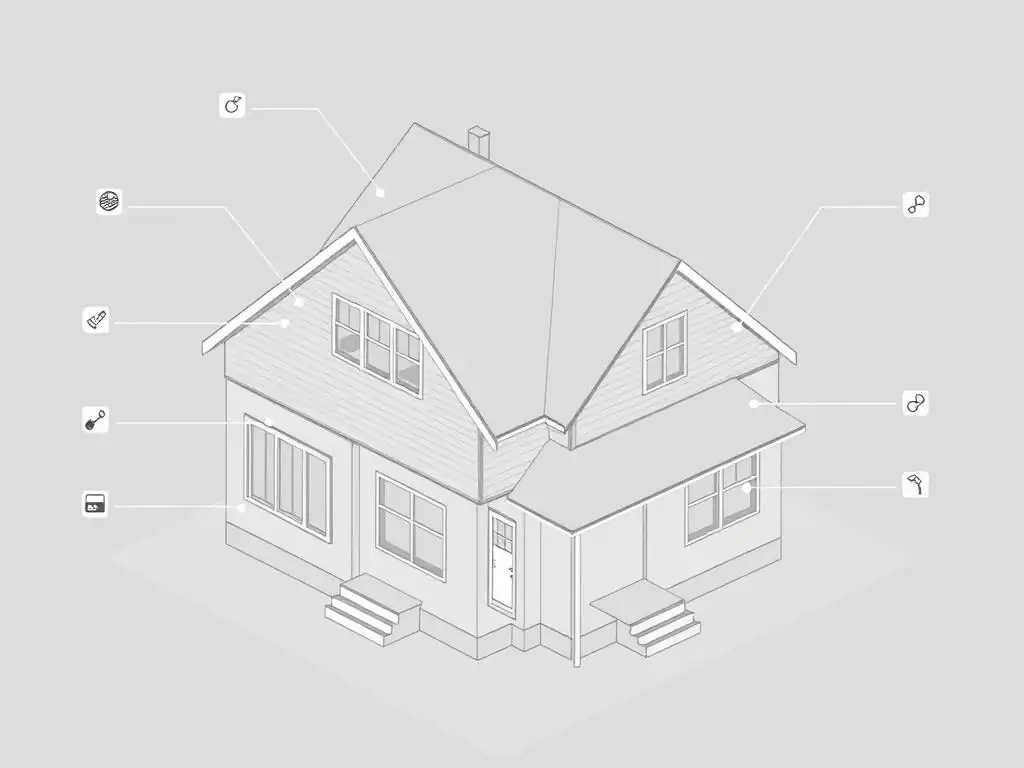
This section focuses on proactive exterior home maintenance, a crucial aspect of preventing costly home repairs. Neglecting the outside of your home can lead to significant and expensive damage down the line. By implementing a regular maintenance schedule, you can significantly reduce the likelihood of unforeseen and expensive repairs. This checklist emphasizes preventative measures to safeguard your investment and maintain your home's value. Remember, a stitch in time saves nine! Let's dive into the specifics.
Roof Inspection and Maintenance: Spotting Leaks Early
Regular roof inspections are paramount in preventing costly repairs. A seemingly minor leak can lead to significant structural damage, mold growth, and expensive repairs if left untreated. Ideally, conduct a thorough roof inspection twice a year – once in spring and once in fall. Look for:
- Missing or damaged shingles: Replace any cracked, curled, or missing shingles immediately. This prevents water penetration and extends the lifespan of your roof.
- Signs of leaks: Check for dark stains on the ceiling or walls, which can indicate water damage. Inspect the attic for moisture or mold growth.
- Clogged gutters and downspouts: Clogged gutters can cause water to back up onto the roof, leading to leaks and damage.
- Debris buildup: Remove leaves, branches, and other debris that can accumulate on the roof and contribute to damage.
Example of a Serious Roof Issue:
A homeowner neglected a small leak for several months. The resulting water damage led to the replacement of not only the affected section of the roof but also portions of the ceiling and attic insulation. The total cost exceeded $5,000, far exceeding the cost of timely repairs. This highlights the importance of proactive roof maintenance.
Gutter Cleaning and Repair: Preventing Water Damage
Clean gutters are essential for preventing water damage to your home's foundation and siding. Clogged gutters can cause water to overflow, leading to:
- Foundation damage: Water pooling around the foundation can weaken its structure, leading to cracks and settling.
- Siding damage: Water can seep behind siding, causing rot and damage.
- Landscaping issues: Overflowing gutters can erode the soil around your house, damaging plants and potentially leading to foundation problems.
Regular gutter cleaning, ideally twice a year (spring and fall), is crucial. Check for:
- Debris buildup: Remove leaves, twigs, and other debris that can clog gutters.
- Loose or damaged gutters: Repair or replace any sections that are loose, damaged, or sagging. Consider installing gutter guards to minimize future clogging.
- Proper downspout drainage: Ensure downspouts are clear and direct water away from the foundation.
Siding and Exterior Paint: Maintaining Curb Appeal and Protection
Your home's siding is its first line of defense against the elements. Regular maintenance can significantly extend its lifespan and prevent costly repairs. This includes:
- Regular cleaning: Wash your siding at least once a year to remove dirt, grime, and mildew. This prevents damage and maintains curb appeal.
- Paint inspection: Inspect paint for peeling, chipping, or fading. Repair or repaint damaged areas promptly to prevent further deterioration and protect the siding from moisture damage.
- Caulk inspection: Check for cracks or gaps in caulking around windows and doors. Repair or replace damaged caulking to prevent water infiltration.
Maintaining your siding and paint not only prevents costly repairs but also significantly improves your home's curb appeal, potentially increasing its value. Regular preventative maintenance is a worthwhile investment that pays off in the long run. Remember, preventing costly home repairs starts with diligent exterior maintenance. 🏡
Foundation Check: Identifying Cracks and Structural Issues
Regular foundation inspections are crucial for preventing costly repairs down the line. A seemingly small crack today could lead to significant structural damage and expensive remediation in the future. The best way to approach this is with a proactive, preventative mindset. Start by visually inspecting your home's foundation, paying close attention to areas prone to water damage, such as corners and along the perimeter of the house.
Look for any signs of cracks, paying particular attention to their size, width, and direction. Hairline cracks are often less concerning than wider, more significant cracks that are actively expanding. Vertical cracks are generally more worrisome than horizontal ones, as they often suggest settling or shifting in the foundation. Cracks accompanied by bowing or leaning walls should be addressed immediately.
Beyond cracks, watch out for other indicators of foundation problems. These include:
- Sticking doors or windows: This could signify settling or shifting of the foundation, causing the frame to become misaligned.
- Uneven floors: Noticeable sloping or unevenness in your flooring can be a clear sign of foundation issues.
- Wall cracks: Cracks appearing on interior walls, especially those extending from the floor upwards, warrant professional inspection.
- Water pooling around the foundation: This indicates poor drainage and can lead to serious foundation damage over time. Addressing drainage issues is key to preventing costly water damage.
Don't hesitate to call in a professional foundation inspector if you notice any concerning issues. Early detection allows for less invasive and more affordable repairs. Ignoring even seemingly minor cracks can lead to a cascade of problems, resulting in exponentially more expensive solutions later. Remember, proactive maintenance is always cheaper and less disruptive than reactive repairs. Preventing costly home repairs starts with a thorough and regular foundation inspection. This is a fundamental aspect of preventing costly home repairs and ensuring the longevity of your investment. A small investment in prevention can save you thousands in the long run.
Interior Home Maintenance Checklist: Ensuring a Safe and Functional Home
This section focuses on proactive maintenance tasks within your home's interior to prevent costly home repairs and maintain a safe, comfortable living environment. Regular inspections and minor upkeep can significantly extend the lifespan of your appliances and systems, saving you considerable expense down the line. Think of it as an investment in your home's longevity and your peace of mind. Let's delve into the key areas:
Plumbing System Check: Preventing Leaks and Water Damage
Water damage is a silent, insidious threat that can quickly escalate into a major, expensive problem. Regular plumbing checks are crucial to prevent costly home repairs associated with leaks and bursts. Here's a detailed checklist:
- Visual Inspection: Carefully examine all visible pipes, faucets, and fixtures for signs of leaks, corrosion, or discoloration. Pay close attention to areas under sinks and around toilets. Look for any signs of moisture or water stains. A simple flashlight can be incredibly helpful in identifying hard-to-see areas.
- Toilet Check: Check for leaks by adding a few drops of food coloring to the toilet tank. If the color appears in the bowl within 30 minutes without flushing, you have a leak requiring immediate attention. This simple test can prevent costly home repairs from undetected leaks.
- Faucet and Showerhead Inspection: Check for drips from faucets and showerheads. A persistent drip, seemingly insignificant, can waste gallons of water over time and lead to higher water bills. Tighten any loose connections or consider replacing worn-out washers.
- Pressure Test: While a professional pressure test is recommended annually, you can perform a basic visual check of your water pressure. Low pressure might indicate a leak somewhere in the system. High pressure can strain pipes and fixtures.
Electrical System Inspection: Avoiding Electrical Hazards
Electrical issues are not only expensive to fix but can also pose serious safety risks. Regular electrical system inspections are essential for preventing costly home repairs and ensuring the safety of your family.
- Outlet and Switch Examination: Inspect all outlets and switches for loose connections, sparking, or discoloration. These are telltale signs of potential problems. Never ignore a flickering light or a warm-to-the-touch outlet.
- Circuit Breaker Panel Check: Regularly check your circuit breaker panel for tripped breakers. Repeated tripping of a particular breaker might indicate an overloaded circuit or a faulty appliance. Consider upgrading to GFCI outlets in high-moisture areas like bathrooms and kitchens to improve safety and prevent costly home repairs.
- Cord and Appliance Check: Inspect all electrical cords for fraying, damage, or cracks. Replace any damaged cords immediately. Avoid overloading extension cords or using damaged appliances.
- Smoke Detector & Carbon Monoxide Detector Testing: Regularly test your smoke detectors and carbon monoxide detectors to ensure they are functioning correctly. Replace batteries annually and replace the units every 10 years. This preventative measure is crucial not just for preventing costly home repairs but also for safeguarding your family's safety. This simple step is invaluable in preventing costly home repairs and protecting your loved ones.
HVAC System Maintenance: Optimizing Energy Efficiency and Comfort
Your HVAC system is a significant investment, and regular maintenance is key to extending its lifespan and preventing costly home repairs. Neglecting your HVAC can lead to premature failure, increased energy bills, and discomfort.
- Air Filter Replacement: Regularly replace or clean your air filters according to the manufacturer's recommendations (typically every 1-3 months). A clogged filter restricts airflow, reducing efficiency and potentially damaging your system. This simple act significantly contributes to preventing costly home repairs.
- Coil Cleaning: Dirty evaporator and condenser coils significantly reduce the efficiency of your HVAC system. Consider scheduling professional cleaning at least once a year.
- Thermostat Check: Ensure your thermostat is correctly calibrated and functioning properly. A malfunctioning thermostat can lead to energy waste and uneven temperatures.
- Professional Inspection: Schedule an annual professional inspection of your HVAC system. A qualified technician can identify potential problems early on, preventing costly home repairs and ensuring optimal performance. A small investment in preventative maintenance can save you thousands in the long run.
This comprehensive interior home maintenance checklist offers a proactive approach to homeownership. By dedicating a small amount of time regularly to these tasks, you'll significantly improve your home's safety, comfort, and longevity while preventing costly home repairs. Remember, prevention is always better – and cheaper – than cure!
Refrigerator Cleaning and Maintenance
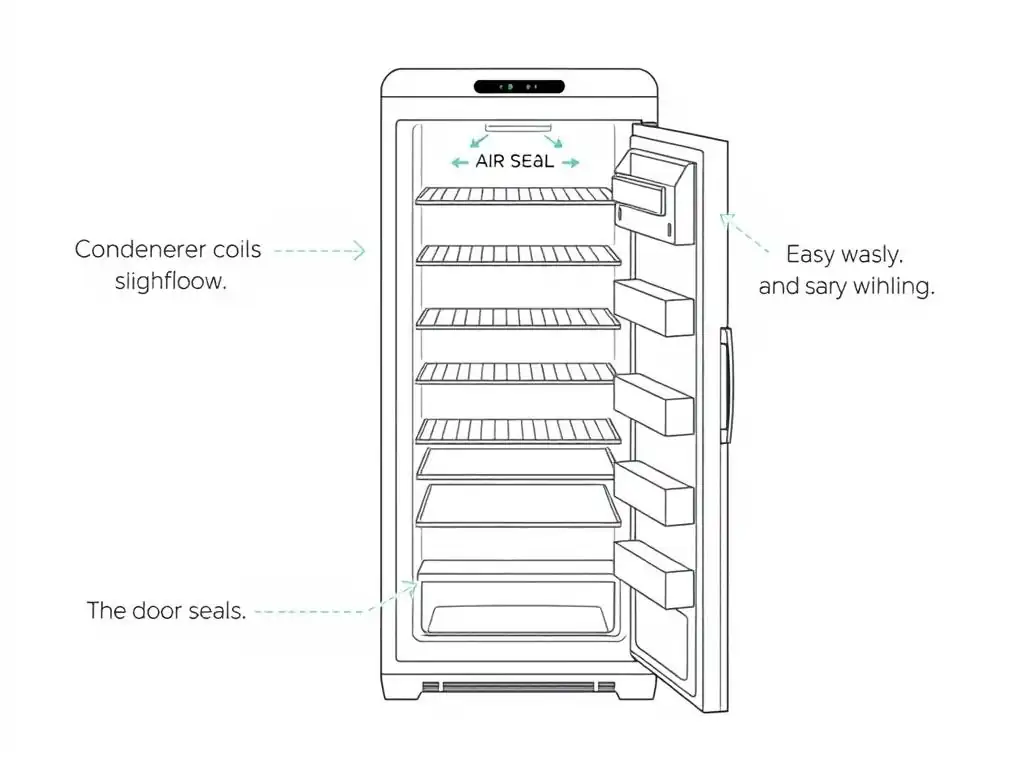
Regular refrigerator cleaning and maintenance are crucial not only for preventing costly repairs but also for maintaining food safety and extending the appliance's lifespan. A dirty refrigerator can harbor bacteria, leading to food spoilage and potential health risks. Moreover, neglecting maintenance can lead to malfunctions like compressor failure or refrigerant leaks, resulting in expensive repairs or even replacement.
To prevent these issues, a monthly cleaning routine is recommended. This involves removing all items, discarding expired food, and wiping down the interior shelves and drawers with a mild detergent solution. Pay special attention to spills and sticky residues, which can attract bacteria and damage the surfaces. Once cleaned, allow the refrigerator to dry completely before restocking.
Beyond monthly cleaning, annual maintenance is essential. This includes checking the door seals for proper sealing. A simple test involves placing a piece of paper against the seal and closing the door. If the paper slides out easily, the seal may need replacement.
A failing seal leads to increased energy consumption and ultimately, higher electricity bills. Additionally, inspect the condenser coils, typically located at the back or bottom of the refrigerator. Dust buildup on these coils reduces efficiency and can lead to overheating, causing the compressor to work harder and potentially fail prematurely. Cleaning the coils with a coil brush or vacuum cleaner is highly recommended.
Finally, consider having a professional inspect your refrigerator every few years to identify and address any potential issues before they escalate into costly repairs. This proactive approach is far more economical than dealing with a major breakdown. Preventing costly home repairs begins with simple, regular maintenance.
Dishwasher Maintenance
A malfunctioning dishwasher can lead to significant inconvenience and costly repairs. Regular maintenance is key to preventing these problems and extending its lifespan. Just like with a refrigerator, preventative maintenance can significantly help prevent costly home repairs.
One of the most common causes of dishwasher problems is improper cleaning. Food particles and grease buildup can clog the spray arms and filters, leading to poor cleaning performance and even damage to the pump. To avoid this, it’s crucial to scrape off excess food from dishes before loading them into the dishwasher.
Regularly cleaning the filters, at least once a month, is essential. This involves removing the filter basket, rinsing it thoroughly under running water, and cleaning out any trapped debris. The spray arms should also be inspected and cleaned periodically to ensure they rotate freely and distribute water evenly.
Another important aspect of dishwasher maintenance is checking the water supply and drainage. A low water pressure can affect the washing cycle, and a clogged drain line can cause water to back up. Therefore, it’s important to periodically check the water supply hose for leaks and ensure the drain line is clear. Additionally, the dishwasher's door seal should be inspected for any damage or wear.
A damaged seal can lead to water leaks and potential damage to surrounding areas. Addressing these minor issues promptly will prevent bigger problems and reduce the likelihood of costly repairs down the road. Remember, proactive maintenance is the best way to prevent costly home repairs associated with your dishwasher and other appliances.
Seasonal Home Maintenance: Adapting to Changing Weather Conditions
Seasonal changes significantly impact your home's structure and systems. Proactive maintenance tailored to each season is crucial for preventing costly home repairs and extending the lifespan of your property. Neglecting seasonal tasks can lead to expensive damage down the line, from minor inconveniences to major structural issues. This section outlines key maintenance tasks for spring, summer, and fall, helping you stay ahead of potential problems and protect your investment. Remember, consistent preventative maintenance is far cheaper than emergency repairs.
Spring Cleaning and Maintenance Tasks: Preparing for Warmer Weather
Spring marks the beginning of warmer weather and increased activity around the home. This is the perfect time to tackle those tasks neglected during the colder months and prepare your home for the coming seasons. This involves both interior and exterior checks and cleaning.
Spring cleaning goes beyond just tidying up. It's about deep cleaning and inspecting for any damage caused by winter's harsh conditions. Pay close attention to:
- Gutters and Downspouts: Clear away leaves, debris, and ice dams that may have accumulated over winter. Clogged gutters can lead to water damage to your roof, foundation, and siding. Consider installing gutter guards to minimize future cleaning.
- Roof Inspection: Check for missing or damaged shingles, cracks, and signs of leaks. Look for moss or algae growth, which can indicate underlying moisture problems. A professional inspection is recommended if you notice any significant damage.
- Exterior Walls and Foundation: Inspect for cracks, settling, or any signs of water damage. Address minor issues promptly to prevent them from escalating.
- HVAC System: Schedule a professional inspection and cleaning of your heating, ventilation, and air conditioning (HVAC) system. This ensures optimal efficiency and prevents costly breakdowns during warmer months. Replacing air filters is a simple task you can do yourself.
- Windows and Doors: Check for drafts, cracks, or damaged seals. Caulk or weatherstrip as needed to improve energy efficiency and prevent moisture intrusion. Lubricate any sticking windows or doors.
Summer Home Maintenance: Protecting Against Heat and Humidity
Summer brings extreme heat and humidity, which can stress your home's systems and lead to various issues. Proactive maintenance during this season focuses on preventing overheating and moisture-related problems.
- HVAC System Maintenance: Regularly check and change your air filters. Ensure your HVAC system is running efficiently to avoid overheating and high energy bills. Schedule regular professional maintenance to prevent costly breakdowns.
- Exterior Painting: Extreme heat can cause paint to peel or fade. Inspect your exterior paint and consider repainting or touching up areas as needed. This protects your home's siding from the elements and maintains its curb appeal.
- Irrigation System: Check your sprinkler system for leaks, broken heads, and proper coverage. Efficient irrigation is crucial for maintaining your lawn and garden while conserving water.
- Deck and Patio Maintenance: Clean and seal your deck or patio to protect it from the sun's damaging UV rays and moisture. Inspect for loose boards or damage that needs repair.
- Pest Control: Summer is peak season for pests. Take preventative measures, such as sealing cracks and crevices, to keep insects and rodents out of your home. Consider professional pest control services if necessary.
Fall Home Maintenance Checklist: Preparing for Winter
Fall is the crucial time to prepare your home for the harsh conditions of winter. This involves tasks that protect your home from freezing temperatures, snow, and ice. Neglecting these steps can lead to significant and costly damage.
- Gutters and Downspouts (Again!): Ensure gutters and downspouts are clear of leaves and debris to prevent ice dams from forming. Ice dams can cause significant roof damage and water intrusion.
- Roof Inspection (Again!): Conduct another thorough roof inspection, looking for any damage that may have occurred during the summer months. Repair any leaks or damaged shingles before winter arrives.
- Insulation and Weatherstripping: Inspect your home's insulation and weatherstripping to ensure they're in good condition. Replace any damaged or worn-out materials to prevent drafts and heat loss.
- Plumbing: Drain exterior faucets and pipes to prevent freezing and bursting. Consider insulating exposed pipes.
- Chimney and Fireplace Inspection: If you have a fireplace, have it inspected and cleaned by a professional before using it. This prevents chimney fires and carbon monoxide buildup. This is especially important for preventing costly repairs from a chimney fire.
- Winterize Outdoor Equipment: Store outdoor furniture, grills, and other equipment properly to protect them from the elements.
By diligently performing these seasonal maintenance tasks, you'll significantly reduce the likelihood of expensive repairs and ensure your home remains comfortable and functional throughout the year. Remember, proactive maintenance is an investment in the long-term value and safety of your home. Preventing costly home repairs is key to maintaining your peace of mind and protecting your investment. 🏡
Winter Home Maintenance: Protecting Your Home from Cold and Snow
Winter presents unique challenges to homeowners, demanding proactive measures to prevent costly repairs. Neglecting winter home maintenance can lead to frozen pipes, roof damage, and foundation issues, resulting in significant expenses down the line. Let's delve into specific steps you can take to safeguard your investment.
One of the most crucial aspects of winter home maintenance is protecting your plumbing system. Freezing temperatures can cause pipes to burst, leading to extensive water damage and hefty repair bills. To prevent this, insulate exposed pipes using pipe sleeves or heat tape. Consider letting a small trickle of water run from faucets served by exposed pipes, particularly in unheated areas like garages or basements.
This constant flow helps prevent freezing. Regularly check your water meter for unusual fluctuations; a sudden increase could indicate a leak. Furthermore, locate and insulate your water heater, preventing it from losing efficiency in the cold weather, thereby saving energy and preventing potential malfunctions. Remember to drain outdoor hoses and sprinkler systems completely to avoid damage from freezing water.
Another critical area to address is your roof. Heavy snow accumulation can put significant strain on your roof structure, potentially leading to leaks or even collapse. Regularly clear snow and ice from your roof, taking necessary safety precautions. If you are not comfortable doing this yourself, hire a professional.
Inspect your roof for any signs of damage, such as missing shingles, cracks, or loose flashing. Address these issues promptly to prevent further damage and costly repairs. Consider installing roof rakes to help remove snow more safely from the roof's surface. Addressing even minor roof issues before they escalate is key to preventing significant, future expenses.
Finally, don't overlook the importance of maintaining your foundation. Freezing and thawing cycles can cause soil to shift, putting pressure on your foundation and potentially leading to cracks or settling. Ensure proper drainage around your home to prevent water from pooling near the foundation. Regularly inspect your foundation for any signs of cracks or damage.
If you notice any problems, contact a foundation specialist immediately for assessment and repair. Addressing foundation issues early is crucial in preventing costly structural repairs down the line; ignoring even minor cracks can lead to substantial problems. Remember, proactive maintenance is far more cost-effective than reactive repairs. Regularly inspecting your home for potential problems during winter is a vital step in preventing costly home repairs.
Creating a Home Maintenance Schedule: A Personalized Approach

Creating a proactive home maintenance schedule is crucial for preventing costly repairs and extending the lifespan of your home. A "one-size-fits-all" approach won't work; your plan needs to be tailored to your specific home, climate, and lifestyle. This involves understanding your home's unique vulnerabilities and prioritizing tasks accordingly. For example, a home in a humid climate will require more frequent attention to mold prevention than one in a dry climate. Similarly, a home with an older roof will necessitate more frequent inspections than a newer one.
Developing a Realistic and Effective Maintenance Plan
The key to a successful home maintenance plan lies in its realism and effectiveness. Don't try to tackle everything at once; start small and build gradually. Begin by creating a basic checklist encompassing essential tasks, categorized by season or frequency. This could include:
- Monthly Tasks: Checking smoke detectors and carbon monoxide detectors, cleaning gutters (especially in fall), inspecting appliances for leaks or malfunctions.
- Quarterly Tasks: Deep cleaning of appliances (refrigerator coils, oven, dishwasher), inspecting plumbing for leaks, checking for pest infestations.
- Semi-Annual Tasks: Cleaning windows, inspecting and cleaning HVAC systems, checking for cracks in walls or foundation.
- Annual Tasks: Professional inspection of the roof, chimney cleaning and inspection, checking and servicing water heater.
Consider using a simple spreadsheet or notebook to track completed tasks and schedule upcoming ones. Prioritize tasks based on their urgency and potential impact. A leaking roof, for example, requires immediate attention to prevent significant water damage and costly repairs, thus preventing costly home repairs. Regularly review and adjust your plan as needed, adapting it to changing circumstances or newly discovered issues. Remember, consistency is key to effectively preventing costly home repairs.
Using Apps and Tools for Home Maintenance Tracking
Technology can significantly simplify home maintenance tracking. Numerous apps and online tools are designed to help you manage your home maintenance schedule, track expenses, and even schedule professional services. These tools often allow you to:
- Create and customize checklists: Tailor your checklists to your specific home and needs.
- Set reminders and notifications: Receive timely alerts for upcoming maintenance tasks, preventing you from overlooking crucial steps.
- Store maintenance records: Keep a digital record of all repairs and maintenance performed, facilitating future planning and troubleshooting.
- Track expenses: Monitor your spending on home maintenance to better manage your budget.
Choosing the right app or tool depends on your personal preferences and technological comfort level. Some users prefer simple spreadsheet-based systems, while others might find the features offered by dedicated home maintenance apps more appealing. The goal is to find a system that works for you and helps you stay organized. Utilizing these tools can dramatically improve your ability to anticipate and prevent costly home repairs, contributing significantly to long-term cost savings.
Budgeting for Home Maintenance Expenses: Avoiding Unexpected Costs
Unexpected home repair costs can severely strain your finances. Proactive budgeting is essential to mitigate this risk. Start by estimating the annual cost of your planned maintenance tasks. Factor in the cost of materials, tools, and any professional services you might need.
Consider creating a dedicated savings account for home maintenance, regularly contributing a fixed amount each month. This approach will create a financial cushion to absorb unexpected expenses and significantly reduce the stress associated with unplanned repairs. Remember, a small investment in regular maintenance can prevent significantly larger and more costly repairs down the line, truly preventing costly home repairs.
By meticulously planning and budgeting for home maintenance, you're investing in the long-term health and value of your home, while simultaneously safeguarding your financial well-being. This proactive approach ensures you're prepared for whatever comes your way, protecting your most valuable asset.
When to Call a Professional: Knowing Your Limits
Knowing when to tackle a home repair yourself and when to call a professional is crucial for preventing costly mistakes and ensuring your safety. While many simple maintenance tasks are DIY-friendly, some projects demand specialized skills and equipment. This section helps you determine when to call in the experts to truly prevent costly home repairs.
Identifying Situations Requiring Professional Expertise
Certain home repairs require expertise beyond the average DIY enthusiast. Attempting these without proper training can lead to further damage, injury, or even void warranties. These situations often involve complex systems or potentially hazardous materials.
Here are some key indicators that a professional is needed:
- Electrical work: Anything beyond replacing a light switch or outlet, including rewiring, upgrading panels, or dealing with faulty wiring, should be handled by a qualified electrician. Improper electrical work is a significant fire hazard. This is paramount in preventing costly home repairs stemming from electrical fires.
- Plumbing issues: Major plumbing repairs, such as fixing burst pipes, unclogging main sewer lines, or dealing with water heater malfunctions, require specialized tools and knowledge. Ignoring these can lead to significant water damage, resulting in extremely expensive repairs.
- Gas leaks: Detecting and repairing gas leaks is incredibly dangerous and should always be left to a qualified gas fitter. Never attempt this yourself. A gas leak can lead to explosions and serious injury, making professional intervention crucial for preventing costly home repairs and potential tragedy.
- Structural issues: Problems like foundation cracks, roof leaks, or significant wall damage require the expertise of structural engineers and contractors. Early detection and professional intervention are key to preventing escalating structural problems and significantly costly repairs.
- HVAC systems: Repairing or maintaining complex HVAC systems (heating, ventilation, and air conditioning) requires specialized knowledge and equipment. Improper handling can lead to inefficient systems, health problems, and increased energy bills, ultimately leading to costly home repairs in the long run.
Finding Reliable and Trustworthy Home Repair Professionals
Finding a reliable professional is as important as knowing when to call one. Thorough research can save you from costly mistakes and shoddy workmanship.
Here are some tips for finding trustworthy professionals:
- Ask for referrals: Start by asking friends, family, and neighbors for recommendations. Word-of-mouth referrals are often the most reliable.
- Check online reviews: Websites and apps dedicated to reviewing local businesses can provide valuable insights into the quality of service offered by different professionals. Look for consistent positive feedback and a lack of serious complaints.
- Verify licensing and insurance: Ensure that the professional is properly licensed and insured to protect yourself from liability in case of accidents or damage during the repair process. This is a crucial step in preventing costly home repairs resulting from negligence.
- Get multiple quotes: Don't settle for the first quote you receive. Get at least three quotes from different professionals to compare pricing and services offered. Be sure to clearly outline the scope of the work for accurate comparison.
- Ask about warranties: Inquire about warranties offered on materials and labor. A good warranty shows confidence in the quality of workmanship and provides added protection against future problems.
The Cost-Effectiveness of Preventative Maintenance vs. Emergency Repairs
Preventative maintenance is significantly more cost-effective than dealing with emergency repairs. Addressing small issues before they escalate prevents major problems and saves you money in the long run. Regular inspections and proactive maintenance contribute significantly to preventing costly home repairs.
Consider this: A small roof leak ignored can lead to extensive water damage, requiring costly repairs to the roof, walls, and even the foundation. Regular gutter cleaning, on the other hand, prevents such issues and saves you potentially thousands of dollars.
The table below illustrates the cost difference:
| Task | Preventative Maintenance Cost (Estimate) | Emergency Repair Cost (Estimate) | Savings from Preventative Maintenance |
|---|---|---|---|
| Gutter Cleaning | $50 - $150 | $500 - $2000+ | $450 - $1850+ |
| Minor Plumbing Repairs | $100 - $300 | $500 - $1500+ | $400 - $1200+ |
| Appliance Inspection | $75 - $150 | $300 - $1000+ | $225 - $850+ |
This comparison highlights the significant financial advantages of prioritizing preventative maintenance. By proactively addressing small issues, you effectively prevent costly home repairs and protect your valuable investment. Regular checks and scheduled maintenance are key components of responsible homeownership. 🏠
Frequently Asked Questions
What is proactive home maintenance?
Proactive home maintenance involves regularly inspecting and addressing minor issues before they escalate into costly repairs. This includes tasks like cleaning gutters, checking appliances, and inspecting plumbing. Prevention is key to saving money long-term.
How often should I perform home maintenance checks?
The frequency depends on the task and your home's age. Some checks, like checking smoke detectors, should be done monthly, while others, like roof inspections, might only be needed annually. Create a schedule tailored to your needs.
What are some common costly home repairs I can prevent?
Ignoring issues with your roof, plumbing, HVAC system, and foundation can lead to extremely expensive repairs. Regular inspections and timely maintenance of these systems can prevent major problems.
Are there any resources to help me create a home maintenance schedule?
Yes! Many online resources and apps can help you create a personalized home maintenance schedule. You can also find numerous checklists and guides online to help you stay organized.
How much money can I save by preventing costly home repairs?
The potential savings are significant. By addressing small issues promptly, you can avoid expensive emergency repairs and extend the lifespan of your home's major systems, saving thousands of dollars over time.
Final Reflection: Investing in Your Home, Investing in Yourself
The proactive approach to home maintenance isn't just about saving money; it's about safeguarding your most valuable asset and ensuring peace of mind. Ignoring minor issues can lead to catastrophic and expensive failures down the line, transforming a manageable inconvenience into a financial nightmare. This checklist provides a roadmap to avoid such scenarios, empowering homeowners to take control of their property's well-being.
The impact of consistent home maintenance extends far beyond simple cost savings. It fosters a deeper connection with your home, transforming it from a mere structure into a cherished sanctuary. It's about nurturing a space that reflects your values and provides comfort and security for you and your loved ones. As the old adage goes, A stitch in time saves nine,
and this couldn't be truer when it comes to homeownership. The pride and satisfaction derived from a well-maintained home are immeasurable, contributing to a sense of accomplishment and stability.
Now, consider your own home. What small tasks can you tackle today to prevent larger problems tomorrow? Perhaps it's checking your gutters, inspecting your roof for damage, or simply lubricating squeaky hinges. These seemingly insignificant actions are the building blocks of a secure and comfortable future. Take the time, invest the effort, and reap the rewards of a well-maintained home – a testament to your foresight and a sanctuary for years to come.
Ready to Unlock Your Home's Full Potential?
Thank you for exploring proactive home maintenance! We hope this checklist empowers you to protect your most valuable asset. Now let's put that knowledge into action. Here's how:
- Prioritize your top three maintenance tasks: Review the checklist and identify the three most urgent or impactful items for your home. Schedule them this week—even small steps make a big difference! For example, you might choose to clean your gutters, inspect your smoke detectors, or change your air filters.
- Share your home maintenance experiences: Join the conversation in the comments below. Let's build a supportive community of homeowners sharing tips and advice.
- Explore more home improvement and money-saving resources: Discover more ways to keep your home in top shape and your budget balanced. We have many articles on various aspects of home maintenance.
What's the one home maintenance task you're most excited to tackle today?