
Transform Your Home with This Powerful Maintenance Checklist

Feeling overwhelmed by household chores and struggling to keep your home in tip-top shape? At UltimateLifeHacks, we understand. That's why we've created the ultimate solution: a powerful Home Maintenance Checklist template designed to streamline your routine and reclaim your precious time. Discover how this simple yet effective tool can transform your home and free you to focus on what truly matters. Dive in and unlock the secrets to a more efficient and enjoyable home life!
- Downloadable Home Maintenance Checklist Template: Your Ultimate Guide to a Well-Maintained Home
-
The Ultimate Home Maintenance Checklist: A Room-by-Room Breakdown
- Kitchen Maintenance Checklist: Appliances, Countertops, and More
- Bathroom Maintenance Checklist: Plumbing, Cleaning, and Preventative Measures
- Bedroom Maintenance Checklist: Organization, Cleaning, and Bed Linen Care
- Living Room Maintenance Checklist: Furniture Care, Cleaning, and Decor Maintenance
- Exterior Home Maintenance Checklist: Landscaping, Facade, and Gutter Cleaning
- Advanced Home Maintenance Tasks: Beyond the Basics
- Troubleshooting Common Home Maintenance Issues: Quick Fixes and Solutions
-
Frequently Asked Questions
- What is a home maintenance checklist and why should I use one?
- Where can I find a free home maintenance checklist template?
- How often should I perform home maintenance tasks?
- What are the most important items to include in my home maintenance checklist?
- How can this checklist help me save money on home repairs?
- Final Reflection: The Enduring Power of a Well-Maintained Home
- Unleash Your Home's Full Potential: Start Maintaining Today!
Downloadable Home Maintenance Checklist Template: Your Ultimate Guide to a Well-Maintained Home
Maintaining a home can feel overwhelming, a constant juggling act between minor repairs, preventative measures, and larger-scale projects. But what if we told you that a simple, yet powerful tool could transform your approach to home upkeep, saving you time, money, and a significant amount of stress? This article introduces you to the indispensable power of a home maintenance checklist template.
We’ll explore why a regular maintenance schedule is crucial, the tangible benefits of using a pre-designed template, and provide a step-by-step guide to creating a personalized schedule perfectly tailored to your home's needs and your lifestyle. By the end, you'll be equipped to create a proactive home maintenance plan, ensuring your home remains a haven of comfort and functionality for years to come.
This guide is designed to help you effectively manage your home's upkeep, using a "Home maintenance checklist template" as your primary tool – saving you both time and money in the long run. Let's dive in!
Why a Regular Home Maintenance Checklist is Essential
A regular home maintenance routine isn't just about fixing things when they break; it's about proactive prevention. Think of it as a health check-up for your home. Regular inspections and preventative maintenance can significantly extend the lifespan of your appliances, systems, and structures, ultimately saving you money on costly repairs down the line.
Neglecting routine tasks can lead to minor issues escalating into major, and expensive, problems. For example, a small leak ignored can quickly become a significant water damage issue, costing thousands in repairs. A well-structured checklist ensures you don’t overlook crucial tasks, keeping your home in top condition and increasing its overall value.
Furthermore, a consistent maintenance schedule provides peace of mind, knowing your home is well-cared for and functioning optimally. This contributes to a more comfortable and safer living environment for you and your family. Regular maintenance is an investment in your home's longevity and your peace of mind.
Benefits of Using a Home Maintenance Checklist Template: Time Savings and Cost Efficiency
Using a pre-designed home maintenance checklist template offers several key advantages. Firstly, it saves you valuable time. Instead of brainstorming tasks and searching for relevant information each time you need to perform maintenance, a template provides a ready-made structure, allowing you to focus on the tasks themselves. This streamlined approach eliminates the mental overhead of planning, making the entire process more efficient.
Secondly, a template helps you avoid costly mistakes. By providing a comprehensive list of tasks, it ensures you don't overlook crucial steps, preventing minor issues from escalating into expensive problems. Think of it as a safety net, catching potential problems before they become major headaches. Moreover, a checklist promotes consistency.
By scheduling regular maintenance, you establish a routine that keeps your home in optimal condition, reducing the likelihood of unexpected repairs and saving you money in the long run. The cost savings alone often outweigh the initial time investment in setting up your personalized template. Ultimately, a template is a valuable tool for both time management and financial prudence.
Creating Your Personalized Home Maintenance Schedule: A Step-by-Step Guide
Creating your personalized home maintenance schedule involves several key steps. First, you need to assess your home's specific needs. Consider the age of your home, the climate you live in, and the materials used in construction. Then, identify all the systems and appliances in your home that require regular maintenance: HVAC system, plumbing, electrical systems, appliances (refrigerator, oven, washing machine, etc. ), roof, gutters, and landscaping.
Next, research the recommended maintenance frequency for each item. This information is often available in owner's manuals or online resources. Once you have this information, create a schedule that outlines the tasks and their corresponding timelines. You can use a spreadsheet, a digital calendar, or a printable checklist template. Finally, be sure to regularly review and update your schedule as needed.
Remember to add notes about any specific issues you encounter and any necessary repairs. This iterative process ensures your checklist remains relevant and effective, adapting to your home's changing needs over time. Consistency is key – regularly reviewing and updating your schedule ensures its ongoing effectiveness. Don't forget to celebrate your accomplishments along the way! 🎉
The Ultimate Home Maintenance Checklist: A Room-by-Room Breakdown
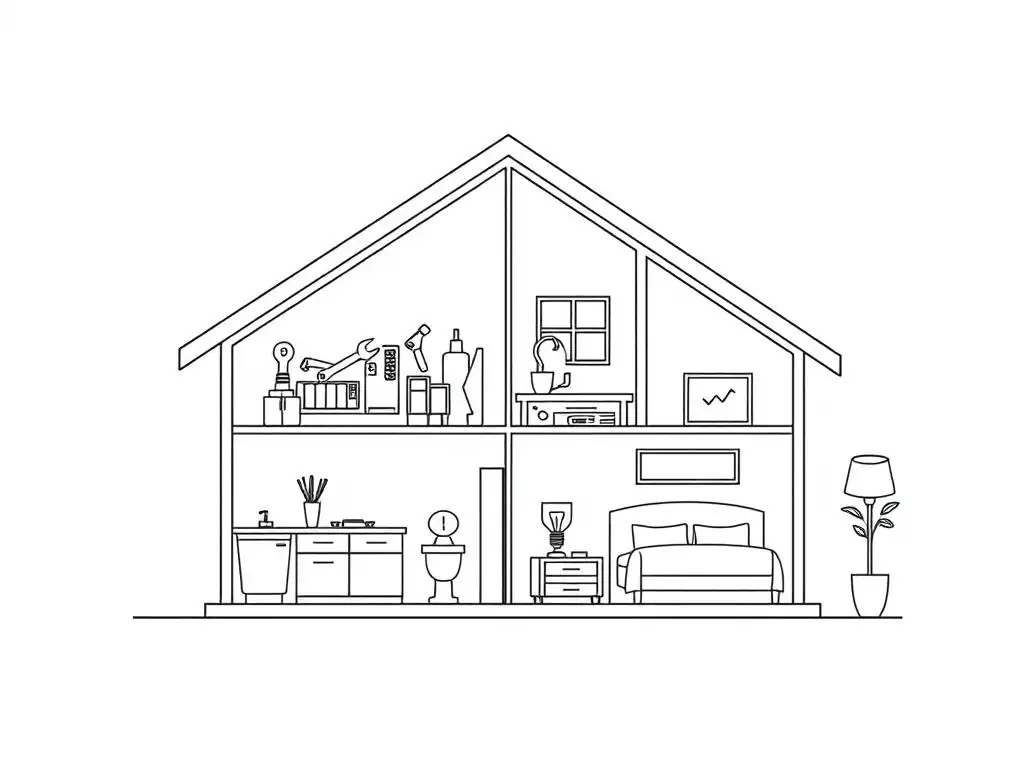
This section provides a detailed, room-by-room breakdown of a comprehensive home maintenance checklist. This checklist is designed to help you proactively maintain your home, preventing small issues from becoming costly repairs and ensuring a comfortable, functional living space. Regular upkeep, guided by this template, will significantly extend the lifespan of your home and appliances, saving you time and money in the long run. Consider this your ultimate home maintenance checklist template for a well-maintained and happy home.
Kitchen Maintenance Checklist: Appliances, Countertops, and More
The kitchen, the heart of the home, requires diligent attention. This checklist details essential tasks for maintaining its functionality and hygiene. Regular cleaning and preventative maintenance will keep your kitchen sparkling and your appliances running smoothly.
- Appliance Maintenance:
- Refrigerator: Check door seals for leaks; clean condenser coils (at least twice a year) to improve efficiency. Consider a deep clean every 6 months, removing shelves and drawers for a thorough scrubbing. 🧼
- Oven: Clean the interior after each use to prevent grease buildup. Perform a deep clean, including self-cleaning cycle (if applicable), at least quarterly. Check oven seals for damage.
- Dishwasher: Clean the filter regularly (monthly) to remove food particles and improve performance. Run a cleaning cycle with a dishwasher cleaner every 3 months.
- Microwave: Wipe down the interior after each use. Deep clean at least monthly, removing any stuck-on food.
- Countertop Care:
- Regularly wipe down countertops to remove spills and crumbs. Use appropriate cleaners for your countertop material (granite, quartz, laminate, etc.). Avoid harsh abrasives.
- Inspect for chips, cracks, or stains. Address minor issues promptly to prevent further damage.
- Other Kitchen Tasks:
- Check for leaks under the sink.
- Inspect and clean garbage disposal (monthly).
- Clean range hood filter monthly to prevent grease fires.
- Check for pest infestations and take appropriate action.
Bathroom Maintenance Checklist: Plumbing, Cleaning, and Preventative Measures
The bathroom, another high-traffic area, requires regular attention to maintain hygiene and prevent plumbing issues. This checklist details essential tasks for keeping your bathroom clean, functional, and free from problems.
- Plumbing Maintenance:
- Check for leaks around faucets, toilets, and showerheads. Address any leaks immediately to prevent water damage. 💧
- Inspect toilet for clogs and ensure proper flushing. Consider a yearly professional inspection for more thorough maintenance.
- Regularly clean showerheads to remove mineral deposits and improve water flow. Use a solution of white vinegar and water to soak the showerhead for a few hours.
- Inspect and clean drain stoppers to prevent clogs.
- Cleaning and Hygiene:
- Clean and disinfect surfaces regularly, including countertops, sinks, toilets, and floors. Use appropriate disinfectants to kill bacteria and germs. 🦠
- Regularly clean grout to prevent mold and mildew growth. Use a grout cleaner and scrub brush.
- Replace shower curtain liners and bath mats regularly to maintain hygiene.
- Preventative Measures:
- Use a ventilation fan to reduce moisture buildup and prevent mold growth.
- Check for signs of mold or mildew and address promptly.
- Regularly inspect caulking around tubs and showers and replace as needed.
Bedroom Maintenance Checklist: Organization, Cleaning, and Bed Linen Care
The bedroom should be a sanctuary of peace and relaxation. Regular maintenance ensures a clean, organized, and comfortable space conducive to rest. This checklist focuses on organization, cleaning, and bed linen care for a healthier and more restful sleep environment.
- Organization and Decluttering:
- Regularly declutter your bedroom to remove unnecessary items and create a more organized space. Consider a seasonal purge. 🗑️
- Organize your closet and drawers to maximize space and make it easier to find items.
- Make your bed each morning to create a sense of order and calm.
- Cleaning and Maintenance:
- Dust furniture and surfaces regularly to remove allergens and maintain a clean environment.
- Vacuum or sweep floors regularly to remove dirt and debris.
- Clean windows and mirrors periodically to improve light and enhance the appearance of the room.
- Bed Linen Care:
- Wash your sheets and pillowcases weekly to maintain hygiene and prevent the buildup of allergens. 🛏️
- Wash blankets and comforters regularly according to the manufacturer's instructions.
- Regularly inspect your mattress for stains or damage. Consider using a mattress protector.
This comprehensive home maintenance checklist template provides a solid foundation for maintaining your home. Remember, consistent effort in these areas will lead to a more comfortable, efficient, and valuable living space. Regular upkeep is key to preventing costly repairs and ensuring a healthy home environment.
Living Room Maintenance Checklist: Furniture Care, Cleaning, and Decor Maintenance
Maintaining your living room's beauty and functionality requires a consistent approach. Regular cleaning prevents dust buildup, extending the life of your furniture and improving air quality. For upholstered furniture, vacuuming at least once a week is crucial, especially if you have pets.
Consider professional cleaning every six months to a year, depending on fabric type and usage. Leather furniture benefits from occasional conditioning with specialized leather cleaners to prevent cracking and maintain its supple texture. Wood furniture should be dusted regularly with a soft cloth and polished periodically with a suitable wood polish to enhance its luster and protect against scratches.
Beyond furniture, maintaining your living room's decor involves regular dusting of shelves, picture frames, and decorative items. Inspect fabrics for any signs of wear and tear, and address minor issues promptly to prevent larger problems. Consider rotating artwork or decorative items periodically to keep the room feeling fresh and updated. This simple act can significantly enhance the overall aesthetic appeal and prevent visual fatigue.
Regularly checking for loose screws or wobbly legs on furniture can prevent accidents and ensure the longevity of your pieces. Don’t forget about the often-overlooked areas like under sofas and behind curtains; these spots collect dust and debris, so regular cleaning is essential. A thorough spring cleaning that includes deep cleaning carpets and upholstery can significantly improve the air quality in your living room and create a healthier environment.
Remember, proactive maintenance is key. Addressing small issues before they become major problems saves you time, money, and stress in the long run. A simple, scheduled cleaning routine – even just 15 minutes a week – will make a noticeable difference in the overall condition of your living room and contribute to a more relaxing and enjoyable space.
Exterior Home Maintenance Checklist: Landscaping, Facade, and Gutter Cleaning
Maintaining your home's exterior is crucial for curb appeal and structural integrity. Landscaping requires regular attention. This includes mowing the lawn, trimming hedges and bushes, weeding flowerbeds, and watering plants as needed. The frequency will depend on your climate and the type of plants you have.
Consider mulching flowerbeds to retain moisture, suppress weeds, and improve soil health. Regularly inspect trees and shrubs for any signs of disease or pest infestation, taking action promptly to prevent further damage. Remember to fertilize your lawn and plants according to their specific needs to ensure healthy growth. Neglecting these tasks can lead to overgrown vegetation, which can harbor pests and impact the overall aesthetic of your property.
Your home's facade also requires regular maintenance. Inspect the exterior walls for any cracks, damage, or signs of water intrusion. Clean the exterior walls periodically to remove dirt, grime, and cobwebs. The cleaning method will depend on the material of your house; pressure washing might be suitable for some materials but could damage others.
Regular painting or staining can protect your home from the elements and enhance its curb appeal. Pay attention to details such as windows and doors; ensure they are properly sealed and functioning correctly to prevent drafts and water damage. A well-maintained facade not only improves the look of your home but also protects it from costly repairs down the line.
Finally, gutter cleaning is essential to prevent water damage. Clean your gutters at least twice a year, in spring and fall, to remove leaves, debris, and other obstructions. Clogged gutters can lead to water overflowing and causing damage to your roof, foundation, and landscaping. Inspect your gutters for any damage or leaks and repair them promptly.
Consider installing gutter guards to minimize the need for frequent cleaning. Regular gutter maintenance is a simple yet vital step in protecting your home's structural integrity and preventing costly repairs. By addressing these exterior maintenance tasks regularly, you'll ensure your home remains beautiful, structurally sound, and a source of pride for years to come.
Advanced Home Maintenance Tasks: Beyond the Basics
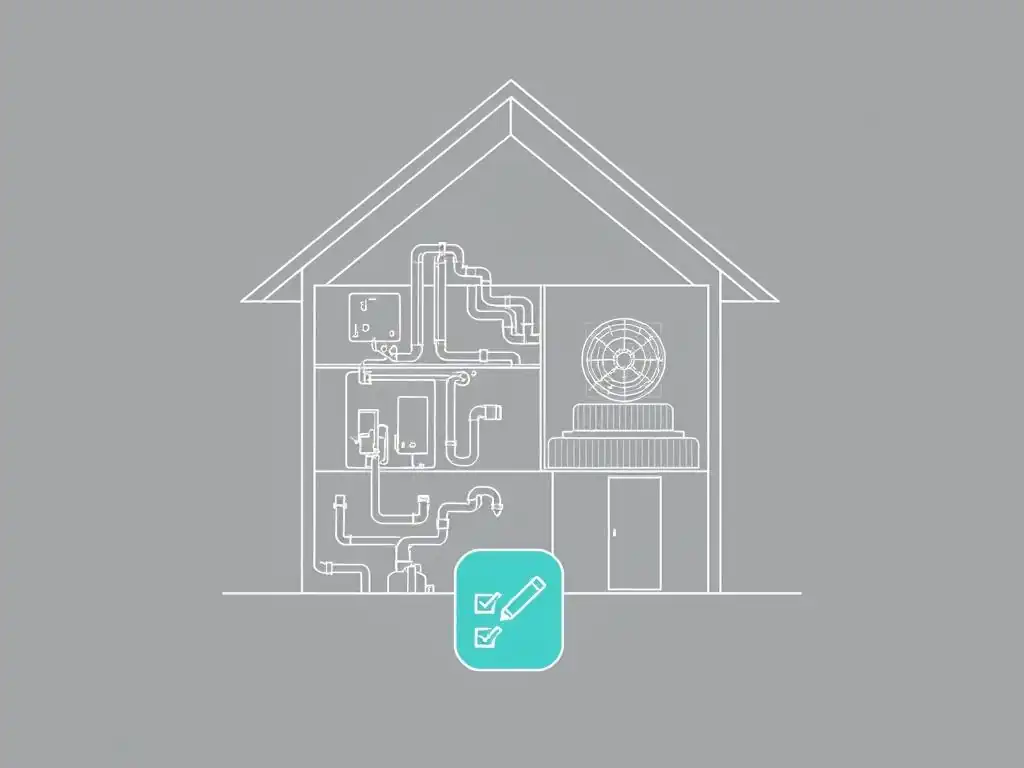
This section delves into home maintenance tasks that go beyond the typical cleaning and minor repairs. These are preventative measures and proactive steps that can significantly extend the lifespan of your home and save you money in the long run. Ignoring these tasks can lead to costly repairs down the line. Think of this as preventative medicine for your house.
Preventative Home Maintenance: Identifying Potential Problems Early
Regular inspections are crucial for preventative home maintenance. A proactive approach can help you identify and address minor issues before they escalate into major problems. This involves more than just a quick visual scan; it requires a methodical approach to ensure thoroughness. Consider these steps:
- Roof Inspection: Check for missing or damaged shingles, clogged gutters, and signs of leaks. Look for discoloration or sagging which could indicate underlying structural issues. Ideally, a professional inspection should be conducted annually, especially after severe weather. Early detection of roof problems can prevent costly water damage.
- Foundation Check: Inspect the foundation for cracks, settling, or any signs of movement. Look for gaps between the foundation and the walls. Moisture is a major enemy of foundations; check for signs of water penetration. Addressing foundation issues early is vital to maintaining the structural integrity of your home.
- Plumbing System Check: Regularly check for leaks under sinks, around toilets, and in other areas where pipes are visible. Listen for unusual noises from pipes, which could indicate blockages or other problems. Low water pressure could also signal an issue. A yearly professional inspection of your main water line is advisable.
- Electrical System Check: Regularly inspect electrical outlets and switches for loose connections, sparking, or any signs of damage. Never ignore flickering lights; they can be an indication of a more significant electrical problem. Outdated wiring is a fire hazard and should be addressed by a qualified electrician.
Seasonal Home Maintenance Checklist: Spring, Summer, Fall, and Winter Tasks
A seasonal approach to home maintenance ensures that you address specific issues related to each season. This tailored approach maximizes efficiency and helps prevent seasonal-specific damage.
| Season | Key Tasks | Notes |
|---|---|---|
| Spring | Clean gutters, inspect roof, power wash exterior, check for pest infestations | Focus on removing winter debris and preparing for warmer weather. |
| Summer | Inspect air conditioning, check for leaks, maintain landscaping | Regular maintenance of your cooling system is crucial during hot summer months. |
| Autumn | Clean gutters, winterize outdoor plumbing, prepare for winter storms | This is crucial to prevent water damage during the colder months. |
| Winter | Check heating system, inspect insulation, protect pipes from freezing | Focus on maintaining heat and preventing damage from freezing temperatures and snow. |
Essential Tools for Effective Home Maintenance: A Comprehensive List
Having the right tools is crucial for completing home maintenance tasks efficiently and safely. This list covers the essentials:
- Basic Hand Tools: Screwdrivers (Phillips and flathead), hammer, pliers, adjustable wrench, measuring tape, level.
- Power Tools: Drill (cordless is recommended), circular saw (optional but highly recommended), reciprocating saw (for demolition or cutting pipes).
- Safety Gear: Safety glasses, work gloves, dust mask.
- Cleaning Supplies: All-purpose cleaner, degreaser, brushes, sponges.
- Plumbing Supplies: Plumber's putty, Teflon tape, pipe wrench.
- Electrical Supplies: Voltage tester, wire strippers, electrical tape.
Remember, safety should always be your top priority when performing home maintenance. If you are unsure about any task, consult a qualified professional. A well-maintained home is a happy home, and a proactive approach to home maintenance is an investment in your peace of mind and the longevity of your property. Using a comprehensive home maintenance checklist template will ensure you don't miss any crucial steps.
Troubleshooting Common Home Maintenance Issues: Quick Fixes and Solutions
This section focuses on addressing common home maintenance problems, offering practical solutions to keep your home running smoothly. A proactive approach to home maintenance can significantly reduce the likelihood of major, costly repairs down the line. This guide provides quick fixes and solutions for some of the most frequently encountered issues, empowering you to handle minor problems independently and saving you time and money.
Remember, safety is paramount. If you're uncomfortable tackling any of these issues, always consult a qualified professional. This detailed approach to home maintenance checklist template will help you maintain your home's value and improve your quality of life.
Dealing with Plumbing Problems: Leaks, Clogs, and Low Water Pressure
Plumbing problems are a common source of frustration, but many can be addressed with simple DIY solutions. Let's explore some common issues and their fixes:
- Leaks: A dripping faucet might seem insignificant, but it can waste gallons of water over time and lead to higher bills. Often, a simple tightening of the faucet handle or replacing a worn-out washer can solve the problem. More serious leaks may require replacing O-rings or even the entire faucet cartridge. Always turn off the water supply before attempting any repairs. Remember to check all visible pipes for leaks, paying close attention to joints and connections. A slow leak can cause significant water damage before it's noticed.
- Clogs: Slow drains are another common plumbing issue. A simple plunger is often sufficient to clear minor clogs. For more stubborn clogs, a drain snake or chemical drain cleaner might be necessary. However, use chemical drain cleaners sparingly, as they can damage pipes over time. Preventing clogs involves regular cleaning of drains, avoiding pouring grease down the sink, and using drain strainers to catch hair and debris.
- Low Water Pressure: Low water pressure can be caused by several factors, including mineral buildup in pipes, a faulty pressure regulator, or a problem with the main water supply. Check your water meter to ensure it's not malfunctioning. If the pressure is low throughout your house, the problem likely lies with the main water supply. If it's isolated to a single fixture, the problem is likely localized. In either case, professional assistance might be needed. Regularly flushing your water heater can also help maintain water pressure.
Addressing Electrical Issues: Safety Precautions and Basic Troubleshooting
Electrical problems should always be approached with caution. If you're not comfortable working with electricity, call a qualified electrician immediately. However, understanding some basic troubleshooting techniques can help you address minor issues safely.
- Safety First! Always turn off the power at the breaker box before attempting any electrical repairs. Never work with electricity if your hands are wet. Use insulated tools to avoid shocks. If you smell burning plastic or rubber near electrical outlets or appliances, turn off the power immediately and call an electrician. This is a serious safety hazard and should be addressed without delay.
- Troubleshooting Outlets: If an outlet isn't working, first check the breaker box. If the breaker is tripped, reset it. If the outlet still doesn't work, check for loose wiring. However, unless you have experience with electrical wiring, it's best to call a professional. A faulty outlet can present a significant fire risk.
- Dim or Flickering Lights: This could indicate a loose bulb, a faulty switch, or a problem with the wiring. Start by checking the bulb and the switch. If the problem persists, consult a qualified electrician. Flickering lights can be a sign of a more serious electrical issue. A home maintenance checklist template should include regular checks of all light fixtures and switches.
Maintaining Your HVAC System: Filters, Cleaning, and Preventative Care
Your HVAC (Heating, Ventilation, and Air Conditioning) system is a crucial component of your home's comfort and health. Regular maintenance is essential for optimal performance and energy efficiency.
- Filter Changes: This is the simplest and most impactful maintenance task. Change your air filters every 1-3 months, or more frequently if you have pets or allergies. A clogged filter restricts airflow, reducing efficiency and potentially damaging the system. Dirty filters can also exacerbate allergies and respiratory problems. Keep spare filters on hand to ensure you always have a replacement ready.
- Cleaning: Dust and debris can accumulate on the coils and other components of your HVAC system, reducing efficiency. Cleaning the coils can improve airflow and extend the life of your system. However, cleaning the internal components of your HVAC system is best left to a professional.
- Preventative Care: Schedule annual professional maintenance for your HVAC system. A professional technician can inspect the system, identify potential problems, and perform necessary repairs or adjustments. This preventative maintenance can save you money on energy bills and avoid costly repairs in the future. Investing in preventative maintenance is a key element of a comprehensive home maintenance strategy. A well-maintained HVAC system contributes significantly to a comfortable and healthy home environment.
Frequently Asked Questions
What is a home maintenance checklist and why should I use one?
A home maintenance checklist is a tool to organize and schedule necessary tasks for maintaining your home. Using one helps you prevent costly repairs, extend the lifespan of your appliances and systems, and keep your home in top condition. It saves you time and stress in the long run.
Where can I find a free home maintenance checklist template?
Many websites, including blogs focused on home improvement and productivity, offer free downloadable templates. You can also easily create your own using a spreadsheet program or a note-taking app. Search online for "home maintenance checklist template" to find various options.
How often should I perform home maintenance tasks?
The frequency varies depending on the task. Some tasks, like checking smoke detectors, are monthly, while others, like cleaning gutters, are seasonal. A well-organized checklist will specify the recommended frequency for each item. Prioritize tasks based on urgency and importance.
What are the most important items to include in my home maintenance checklist?
Essential items include checking smoke and carbon monoxide detectors, inspecting plumbing for leaks, cleaning gutters and downspouts, servicing HVAC systems, and testing electrical outlets. Consider your home's specific needs and climate when customizing.
How can this checklist help me save money on home repairs?
By proactively addressing small issues before they escalate, you can prevent costly repairs down the line. Regular maintenance ensures that your home's systems are functioning optimally, minimizing the risk of major breakdowns and unexpected expenses. A little preventative maintenance goes a long way.
Final Reflection: The Enduring Power of a Well-Maintained Home
A well-maintained home isn't just about aesthetics; it's about building a legacy of comfort, security, and lasting value. The simple act of creating and following a comprehensive home maintenance checklist, as detailed in this article, transcends the purely practical. It's an investment in peace of mind and a testament to responsible stewardship.
The impact of proactive home maintenance extends far beyond the immediate repairs and upkeep. It fosters a deeper connection with your living space, transforming it from simply a dwelling into a sanctuary. This mindful approach to homeownership resonates with a growing cultural shift towards sustainability and self-reliance. Home is not a place, it's a feeling.
This sentiment rings truer than ever when we consider the comfort and security that a well-maintained home provides. It's a feeling built not just on bricks and mortar, but on the consistent effort and care we invest.
Now, consider your own home. What small step, inspired by this checklist, can you take today to enhance its longevity and your own well-being? Perhaps it's scheduling that long-overdue gutter cleaning, or finally tackling that leaky faucet. Remember, the journey to a perfectly maintained home is a marathon, not a sprint. Embrace the process, celebrate the small victories, and watch as your home—and your sense of peace—flourishes.
Unleash Your Home's Full Potential: Start Maintaining Today!
Thank you for exploring our comprehensive home maintenance checklist! You now have the tools to keep your home in excellent condition. Ready to put this knowledge into action?
- Prioritize your three most important maintenance tasks from the checklist, focusing on the most impactful first. This will quickly yield noticeable results.
- Share this checklist with a friend or family member—it's a great way to reinforce your commitment and help others, too.
- Challenge yourself to complete one small maintenance task each week for the next month. Track your progress and see how much you accomplish!
What home improvement are you most excited to tackle first? Share your thoughts in the comments!