
The Mental Wellness Toolkit: Essential Hacks for a Healthy Mind


Feeling overwhelmed and unproductive? Discover how to unlock your full potential with UltimateLifeHacks. We delve into the crucial connection between mental wellness and productivity, offering practical and effective strategies to boost your efficiency and well-being. Ready to conquer your to-do list while nurturing your mind? Dive into our insightful article on Mental wellness hacks for productivity and start building your ultimate mental wellness toolkit today!
- Boosting Productivity Through Mental Wellness Hacks
- Improving Sleep Hygiene for Peak Mental Performance and Productivity
- Nutrition for a Sharper Mind: Fueling Mental Wellness and Productivity
- Incorporating Exercise into Your Routine for Enhanced Mental and Physical Well-being
- Digital Detox Strategies for a Healthier Mind and Improved Focus
- Building a Strong Support System for Mental Wellness and Resilience
- Mental Wellness Hacks for Long-Term Productivity and Success
-
Frequently Asked Questions
- How can I improve my focus and concentration for better productivity?
- What are some quick mental wellness hacks I can use daily?
- How can I manage stress effectively to boost my productivity?
- What role does sleep play in mental wellness and productivity?
- Are there any simple techniques to improve my mood and motivation?
- Final Reflection: Cultivating a Mindful Approach to Productivity
- Unlock Your Inner Calm: Start Your Mental Wellness Journey Today
Boosting Productivity Through Mental Wellness Hacks
Maintaining peak productivity isn't just about working harder; it's about working smarter. And a crucial, often overlooked, component of that smart work is prioritizing mental wellness. This article explores essential mental wellness hacks designed to significantly improve your focus, reduce stress, and ultimately, boost your productivity. We'll delve into practical techniques you can integrate into your daily routine to achieve a healthier, more efficient you.
Neglecting mental health directly impacts productivity; by proactively addressing mental wellness, you unlock your true potential and cultivate a sustainable work-life balance. This isn't about fleeting fixes, but about building a robust system for long-term success, transforming your approach to work and life for the better. Let's explore the key strategies that can help you achieve this.
Mindfulness Techniques for Enhanced Focus and Productivity
Mindfulness, the practice of being present in the moment without judgment, is a powerful tool for enhancing focus and productivity. It's not about emptying your mind, but about gently redirecting your attention when it wanders. Studies have shown a direct correlation between mindfulness practice and improved attention span, reduced stress levels, and increased cognitive function. This translates directly into improved work output and a greater sense of accomplishment.
Several techniques can be incorporated into your daily routine to cultivate mindfulness. These include:
- Deep breathing exercises: Even a few minutes of deep, conscious breathing can significantly calm the nervous system and sharpen focus. Try inhaling deeply through your nose, holding for a few seconds, and exhaling slowly through your mouth. Repeat this several times throughout the day, especially when feeling overwhelmed. 🧘♀️
- Mindful walking: Pay attention to the sensation of your feet hitting the ground, the rhythm of your breath, and the sights and sounds around you. This simple practice can ground you in the present moment and clear your mind.🚶♀️
- Body scan meditation: This involves systematically bringing awareness to different parts of your body, noticing any sensations without judgment. This helps to reduce tension and promote relaxation. 💆♀️
Consistent practice of these techniques, even for short periods, can significantly improve your ability to focus, manage distractions, and ultimately, boost your productivity. The key is to make it a regular habit, integrating it into your daily schedule rather than viewing it as a chore.
Stress Management Strategies: Preventing Burnout and Improving Efficiency
Chronic stress is a productivity killer. It impairs cognitive function, reduces creativity, and increases the likelihood of burnout. Implementing effective stress management strategies is therefore crucial for maintaining peak performance and preventing exhaustion. This isn't about eliminating stress entirely – that's unrealistic – but about developing healthy coping mechanisms to manage it effectively.
Here are some practical strategies to incorporate:
- Time management techniques: Effective time management is essential for reducing stress. Techniques like the Pomodoro Technique (working in focused bursts with short breaks) and time blocking can help you stay on track and avoid feeling overwhelmed. ⏱️
- Regular exercise: Physical activity is a powerful stress reliever. Even a short walk or a quick workout can significantly reduce stress hormones and improve mood. Aim for at least 30 minutes of moderate-intensity exercise most days of the week. 💪
- Prioritize sleep: Adequate sleep is essential for both physical and mental well-being. Aim for 7-8 hours of quality sleep each night. Establish a consistent sleep schedule and create a relaxing bedtime routine to promote restful sleep. 😴
By actively managing stress, you'll not only improve your immediate productivity but also build resilience against future challenges, fostering a more sustainable and fulfilling work-life balance.
Prioritization Techniques: Mastering Your To-Do List for Mental Clarity
A cluttered to-do list can be a major source of stress and anxiety. Mastering prioritization techniques is essential for maintaining mental clarity and focusing your energy on the most important tasks. This involves more than just making a list; it's about strategically organizing your tasks to maximize efficiency and minimize mental clutter.
Consider these approaches:
- The Eisenhower Matrix (Urgent/Important): This matrix helps you categorize tasks based on their urgency and importance, allowing you to prioritize high-impact activities. Focus on important tasks first, delegate where possible, and eliminate less important tasks entirely. This framework provides structure and helps avoid feeling overwhelmed by a long list.
- Eat the Frog: Tackle your most challenging or unpleasant task first thing in the morning. This removes a major source of anxiety and allows you to build momentum throughout the day. 🐸
- Timeboxing: Allocate specific time slots for particular tasks. This technique helps manage time effectively and prevents multitasking, a common productivity killer.
By implementing these prioritization techniques, you can create a more manageable workload, reduce stress, and experience a greater sense of accomplishment, leading to improved overall mental well-being and increased productivity. Remember, consistent application is key. Experiment with different methods to find what works best for you and adapt your strategies as needed.
Improving Sleep Hygiene for Peak Mental Performance and Productivity

Sleep is often overlooked as a crucial element in achieving peak mental performance and boosting productivity. But neglecting proper sleep hygiene directly impacts our cognitive abilities, mood, and overall efficiency. This section explores practical strategies to optimize your sleep for improved mental wellness and enhanced productivity, aligning perfectly with the principles of "Mental wellness hacks for productivity".
Creating a Relaxing Bedtime Routine for Better Sleep
Establishing a consistent and relaxing bedtime routine is paramount for improving sleep quality. This isn't about rigidly adhering to a schedule, but rather about creating a series of calming activities that signal to your body it's time to wind down. Consider incorporating these elements:
- A warm bath or shower: The drop in body temperature after a warm bath can promote relaxation and sleepiness. Adding Epsom salts can further enhance muscle relaxation.
- Gentle stretching or yoga: Light physical activity can ease muscle tension and prepare your body for rest. Avoid strenuous workouts close to bedtime.
- Reading a physical book: The calming act of reading a physical book (avoid screens!) can help quiet the mind before sleep. Opt for something light and enjoyable, not mentally stimulating.
- Listening to calming music or nature sounds: Soothing sounds can help block out distractions and promote relaxation. Explore apps offering curated sleep soundscapes.
- Mindfulness or meditation: Even a few minutes of mindfulness practice can significantly reduce racing thoughts and promote a sense of calm.
- Journaling: Writing down your thoughts and worries can help clear your mind before bed, preventing them from interfering with sleep.
Implementing even a few of these practices can significantly improve sleep quality and contribute to better mental wellness and daily productivity. Remember consistency is key! Aim for a regular sleep schedule, even on weekends, to regulate your body's natural sleep-wake cycle.
The Impact of Sleep on Cognitive Function and Daily Productivity
The link between sleep and productivity is undeniable. Sufficient sleep directly impacts various cognitive functions crucial for productivity:
- Attention and Focus: Sleep deprivation impairs attention span and focus, making it difficult to concentrate on tasks and leading to increased errors. Studies show that even a single night of poor sleep can significantly reduce cognitive performance.
- Memory Consolidation: During sleep, the brain processes and consolidates memories, transferring information from short-term to long-term storage. Lack of sleep hinders this process, impacting learning and recall.
- Problem-Solving and Decision-Making: Adequate sleep enhances cognitive flexibility and improves our ability to solve problems creatively and make sound decisions. Sleep deprivation impairs these crucial executive functions.
- Emotional Regulation: Sleep plays a vital role in emotional regulation. Lack of sleep can lead to increased irritability, anxiety, and difficulty managing emotions, negatively impacting interpersonal interactions and work performance.
The impact is measurable. Studies consistently demonstrate a strong correlation between sleep duration and work performance, with individuals getting sufficient sleep exhibiting higher levels of productivity, accuracy, and job satisfaction. Prioritizing sleep is not just about feeling rested; it's a strategic investment in your cognitive capabilities and overall success. This is a fundamental aspect of mental wellness hacks for productivity.
Addressing Sleep Disorders to Improve Mental Wellness and Work Performance
While good sleep hygiene is crucial, some individuals struggle with sleep disorders that require professional intervention. Addressing these underlying issues is vital for improving mental wellness and work performance. Common sleep disorders include:
- Insomnia: Characterized by difficulty falling asleep, staying asleep, or experiencing non-restorative sleep.
- Sleep Apnea: Involves pauses in breathing during sleep, leading to fragmented sleep and daytime fatigue.
- Restless Legs Syndrome (RLS): Causes an irresistible urge to move the legs, often accompanied by uncomfortable sensations.
- Narcolepsy: A neurological disorder characterized by excessive daytime sleepiness and sudden sleep attacks.
If you suspect you have a sleep disorder, seeking professional help is essential. A sleep specialist can conduct a thorough evaluation, diagnose the underlying issue, and recommend appropriate treatment options, including cognitive behavioral therapy for insomnia (CBT-I), medication, or other interventions. Early diagnosis and treatment are critical for improving sleep quality, enhancing mental wellness, and maximizing productivity. Ignoring sleep disorders can have significant negative consequences on both your mental health and your ability to perform at your best. This is a key component of effective mental wellness hacks for productivity.
Nutrition for a Sharper Mind: Fueling Mental Wellness and Productivity
Maintaining optimal mental wellness is intrinsically linked to the food we consume. What we eat directly impacts our brain function, energy levels, and overall mood, significantly influencing productivity. This section explores the crucial role of nutrition in achieving peak mental performance and provides practical strategies for incorporating brain-boosting foods into your daily diet. This is key to unlocking your full potential and achieving a better work-life balance. The right nutrition is a powerful mental wellness hack for productivity.
Brain-Boosting Foods: Nutrients for Cognitive Enhancement
Certain foods are packed with nutrients that directly support cognitive function. These aren't just empty calories; they're fuel for your brain. For example, fatty fish like salmon, mackerel, and tuna are rich in omega-3 fatty acids, crucial for brain health and reducing the risk of cognitive decline. These essential fats are vital for building and maintaining cell membranes in the brain, supporting healthy neurotransmission. A diet lacking in omega-3s can negatively impact mood and cognitive function.
Another critical nutrient is choline, found in eggs, liver, and soybeans. Choline is a precursor to acetylcholine, a neurotransmitter essential for memory and learning. Insufficient choline intake can impair cognitive function and even contribute to memory problems.
Beyond omega-3s and choline, consider incorporating foods rich in antioxidants, such as blueberries, strawberries, and dark chocolate (in moderation!). Antioxidants combat oxidative stress, protecting brain cells from damage and promoting healthy aging. A balanced intake of these nutrients can significantly enhance focus, memory, and overall cognitive performance – a true mental wellness hack for enhanced productivity. Regular consumption of these brain-boosting foods can be a game-changer in managing stress and improving overall mental wellness.
Hydration and its Impact on Mental Performance and Energy Levels
Dehydration, even mild, significantly impacts cognitive function. Water is essential for optimal brain function, acting as a solvent for vital nutrients and removing waste products. When dehydrated, the brain struggles to perform efficiently, leading to reduced focus, concentration difficulties, and decreased energy levels. This directly translates to decreased productivity and an increased susceptibility to stress.
Studies have shown that even a slight decrease in hydration can lead to impaired cognitive performance, including reduced reaction time, attention span, and memory recall. Maintaining adequate hydration is, therefore, a simple yet incredibly effective mental wellness hack for productivity. Aim to drink plenty of water throughout the day, especially before, during, and after mentally demanding tasks. Consider carrying a reusable water bottle and setting reminders to stay hydrated. This simple change can make a significant difference in your daily productivity and mental clarity.
The Role of Diet in Stress Management and Mental Well-being
The connection between diet and stress management is undeniable. A diet high in processed foods, sugar, and unhealthy fats can exacerbate stress and negatively impact mental well-being. These foods can lead to energy crashes, mood swings, and increased anxiety. In contrast, a balanced diet rich in whole grains, fruits, vegetables, and lean proteins can help regulate blood sugar levels, promoting stable energy and mood.
Furthermore, certain nutrients play a crucial role in managing stress hormones. For instance, magnesium, found in leafy green vegetables, nuts, and seeds, helps regulate the stress response and can reduce feelings of anxiety. Similarly, B vitamins, found in whole grains, legumes, and meat, are essential for neurotransmitter production and can help alleviate stress-related symptoms.
By consciously choosing nutrient-rich foods, we can proactively support our mental resilience and improve our ability to manage stress effectively. This dietary approach is a powerful and often overlooked mental wellness hack for productivity, fostering a positive feedback loop between nutrition and mental well-being. Prioritizing a healthy diet is a fundamental step in optimizing both mental and physical health and achieving peak productivity.
Incorporating Exercise into Your Routine for Enhanced Mental and Physical Well-being
Regular physical activity isn't just about physical health; it's a cornerstone of robust mental wellness hacks for productivity. The benefits extend far beyond a toned physique, impacting mood, focus, and overall cognitive function. Neglecting exercise is like neglecting a vital engine component – it hinders optimal performance in all aspects of life. This section will delve into practical strategies for integrating exercise into your daily routine, transforming it from a chore into a powerful tool for boosting your mental and physical well-being.
The Connection Between Physical Activity and Mental Clarity
The link between physical activity and mental clarity is scientifically proven. Exercise stimulates the release of endorphins, those feel-good neurochemicals that act as natural mood elevators. Studies consistently show a correlation between regular exercise and reduced symptoms of anxiety and depression. For example, a meta-analysis of numerous studies published in the Journal of Psychiatry and Neuroscience indicated that individuals engaging in moderate-intensity aerobic exercise experienced a significant reduction in anxiety levels.
This isn't just about feeling better; it's about thinking better. Improved blood flow to the brain enhances cognitive function, leading to sharper focus, improved memory, and increased creativity – all essential elements for boosting productivity. The impact is particularly noticeable on tasks requiring sustained concentration and problem-solving. Even short bursts of activity, like a brisk walk during your lunch break, can significantly improve your afternoon productivity.
Finding Fun and Sustainable Exercise Habits to Improve Mood and Productivity
Finding an exercise routine that sticks is crucial. Forget the grueling gym sessions if they don't resonate with you. The key is to discover activities you genuinely enjoy. Do you love dancing? Consider Zumba or joining a dance class. Are you a nature enthusiast? Hiking or cycling could be perfect.
Perhaps you prefer the competitive spirit of team sports. The goal is to make exercise a fun, sustainable part of your lifestyle, not a dreaded obligation. Experiment with different activities until you find what fits your personality and schedule. Think about incorporating small, manageable changes. Instead of aiming for a daily hour-long workout, start with 15-minute walks or short yoga sessions. Gradually increase the duration and intensity as you build consistency. Remember, even small amounts of regular physical activity can yield significant benefits for your mental wellness hacks for productivity.
Stress Reduction Through Physical Exercise: A Powerful Mental Wellness Hack
Stress is a pervasive modern ailment, impacting productivity and overall well-being. Physical exercise acts as a potent antidote. Engaging in physical activity helps regulate the body's stress response system. Exercise reduces levels of cortisol, the primary stress hormone, leading to a calmer, more focused state of mind.
Different types of exercise offer varying stress-reduction benefits. For instance, activities like yoga and tai chi combine physical movement with mindfulness, offering a holistic approach to stress management. High-intensity interval training (HIIT) can also be effective, providing a powerful release of endorphins that counteract stress hormones. Consider incorporating stress-reducing exercises into your routine, scheduling them strategically throughout your day to manage stress effectively and maintain peak productivity.
This proactive approach to mental wellness is a powerful hack for navigating the pressures of daily life and enhancing your overall performance. Remember to listen to your body and find the type of exercise that best helps you manage stress and improve your mood. 🧘♀️💪
Digital Detox Strategies for a Healthier Mind and Improved Focus
Digital detoxing isn't about abandoning technology altogether; it's about cultivating a healthier relationship with it. For many, constant connectivity contributes to mental fatigue, anxiety, and sleep disturbances – all significant obstacles to productivity. Implementing strategic digital detox strategies can significantly improve your mental wellness and boost your efficiency. This section explores practical techniques to achieve a better balance between your digital life and your well-being, ultimately enhancing your productivity. The key is mindful consumption, not complete abstinence.
Limiting Screen Time to Reduce Mental Fatigue and Improve Sleep
Excessive screen time is a major culprit in mental fatigue. The blue light emitted from screens interferes with melatonin production, making it harder to fall asleep and impacting sleep quality. This, in turn, reduces cognitive function and overall productivity the next day. A simple yet effective mental wellness hack is to establish clear boundaries around screen time.
Consider these strategies:
- Set specific time limits: Use your device's built-in screen time tracking features or download apps that help you monitor and limit your usage. Aim for a gradual reduction, perhaps starting with 30 minutes less per day.
- Create screen-free zones: Designate certain areas of your home, like your bedroom or dining room, as screen-free zones. This helps create mental space and encourages more mindful activities.
- Schedule digital downtime: Plan specific periods throughout the day, perhaps an hour before bed or during lunch, to completely disconnect from screens. This allows your mind to rest and recharge.
- Prioritize real-life interactions: Make a conscious effort to engage in face-to-face interactions with friends and family. These connections are far more restorative than scrolling through social media.
Implementing these strategies can significantly improve your sleep quality, reduce mental fatigue, and ultimately boost your productivity levels. Consistent application is key. Remember, even small reductions in screen time can lead to noticeable improvements in your mental well-being.
Mindful Technology Use: Strategies for Healthy Digital Habits
Mindful technology use isn't about elimination; it's about intentionality. It's about using technology to support your goals, not letting it dictate them. This requires a shift in perspective, viewing technology as a tool rather than a constant source of distraction.
Here are several strategies for cultivating mindful digital habits:
- Prioritize tasks: Before reaching for your phone or computer, ask yourself: "Is this activity aligned with my current priorities?" If not, postpone it until a more appropriate time. This helps prevent unproductive scrolling and promotes focus.
- Batch similar tasks: Group similar digital activities together. For example, check emails only twice a day instead of constantly throughout the day. This reduces context switching and improves efficiency.
- Utilize productivity apps: Explore apps designed to enhance focus and productivity. These tools can help you block distracting websites, manage your time effectively, and track your progress.
- Practice digital mindfulness: Pay attention to how you feel while using technology. If you notice feelings of anxiety or frustration, take a break. This self-awareness is crucial for cultivating a healthy relationship with technology.
Implementing these strategies can lead to a more balanced and productive use of technology, reducing the negative impacts on your mental wellness. Remember, consistency and self-awareness are key.
The Benefits of Disconnecting for Mental Restoration and Productivity
Regular disconnection from technology offers significant benefits for mental restoration and productivity. It allows your brain to process information, reduce stress, and enhance creativity. Think of it as a mental reset button.
The benefits of disconnecting include:
- Reduced stress and anxiety: Constant notifications and the pressure to stay connected can significantly increase stress and anxiety levels. Disconnecting allows your mind to relax and de-stress.
- Improved focus and concentration: Free from constant distractions, you'll find it easier to focus on tasks at hand and complete them more efficiently.
- Enhanced creativity and problem-solving: Disconnecting allows your mind to wander and make new connections, leading to improved creativity and problem-solving skills.
- Better sleep quality: As mentioned previously, reducing screen time directly improves sleep quality, leading to increased energy and focus during the day.
- Strengthened relationships: Disconnecting allows you to dedicate more time to meaningful interactions with loved ones, strengthening relationships and reducing feelings of loneliness.
Regular digital detox sessions, even short ones, are essential mental wellness hacks for improving productivity and overall well-being. Experiment with different strategies to find what works best for you and integrate them into your routine for long-term success. Prioritizing your mental health is an investment in your overall productivity and happiness.
Building a Strong Support System for Mental Wellness and Resilience
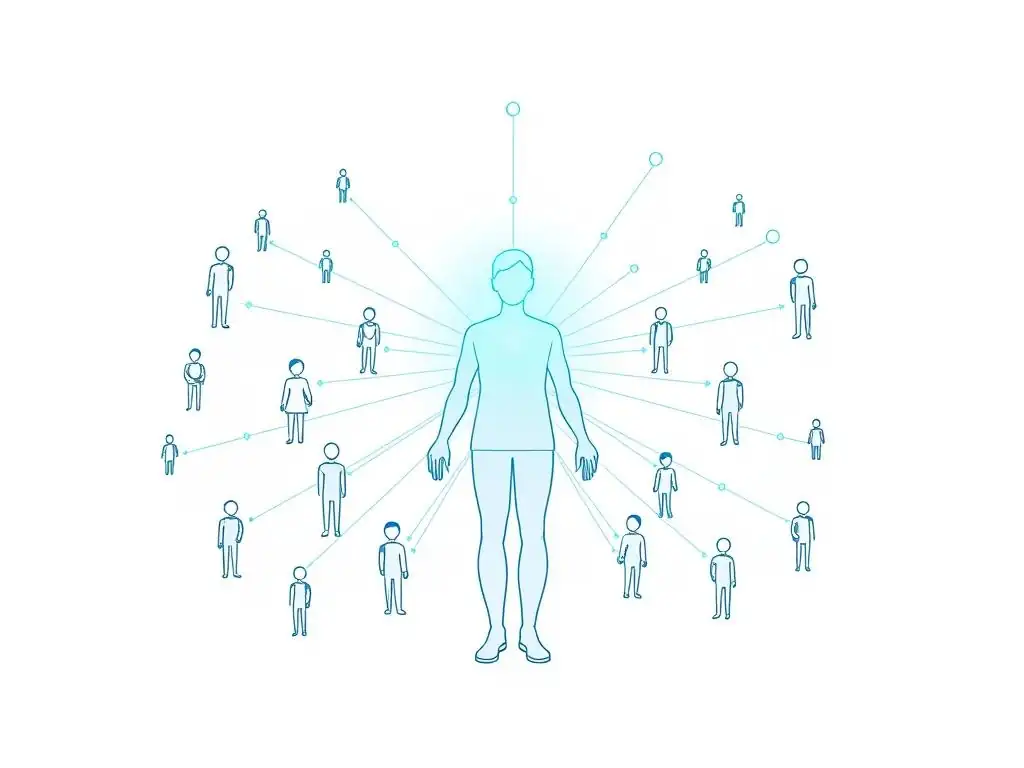
Mental wellness hacks for productivity aren't just about individual strategies; they're significantly enhanced by a robust support system. Building a strong network of supportive individuals is crucial for navigating life's challenges and maintaining a healthy mental state. This section explores the vital role of social connection and professional support in bolstering mental resilience and productivity. Remember, prioritizing your mental health isn't selfish; it's essential for achieving peak performance and overall well-being.
Strong social connections are a cornerstone of mental well-being. Numerous studies have shown a direct correlation between social isolation and increased risk of mental health issues like depression and anxiety. The simple act of interacting with loved ones, friends, or even colleagues can significantly impact your mood and overall mental state. This isn't about superficial interactions; it's about cultivating genuine connections that provide emotional support and a sense of belonging.
For example, consider the impact of regular phone calls with a close friend. Sharing your experiences, both positive and negative, can help you process emotions and gain a fresh perspective on challenges. This feeling of being heard and understood is incredibly powerful in reducing stress and improving mental clarity.
Moreover, engaging in shared activities, such as attending social events or participating in group hobbies, fosters a sense of community and purpose, further enhancing mental well-being and productivity. The benefits extend beyond simply feeling good; strong social connections also contribute to better sleep, reduced inflammation, and improved immune function – all contributing factors to enhanced productivity.
Seeking Professional Help When Needed: Recognizing the Signs and Seeking Support
While building a support network is vital, recognizing when professional help is needed is equally important. Many people hesitate to seek professional assistance, often due to stigma or fear of judgment. However, just as we wouldn't hesitate to consult a doctor for a physical ailment, seeking help for mental health challenges is a sign of strength, not weakness.
Recognizing the signs of needing professional help is crucial. Persistent feelings of sadness, hopelessness, anxiety, or irritability that significantly impact daily life are strong indicators. Changes in sleep patterns, appetite, or energy levels, coupled with difficulty concentrating or making decisions, also warrant professional attention. If you’re struggling to manage your emotions, experiencing significant changes in your behavior, or contemplating self-harm, seeking immediate help is essential. Don't underestimate the power of professional guidance; therapists, counselors, and psychiatrists possess the expertise to provide tailored support and develop effective coping mechanisms, ultimately improving your mental wellness and overall productivity.
Building a Network of Supportive Friends and Family for Mental Strength
Cultivating a supportive network within your family and friendship circles requires proactive effort. Open communication is key. Share your feelings and needs honestly with those you trust, allowing them to understand your struggles and offer appropriate support. This might involve simply sharing your day, expressing concerns, or seeking advice. Remember, it's okay to be vulnerable and ask for help.
Actively nurturing these relationships involves consistent effort. Make time for meaningful interactions, whether it's a weekly phone call, a regular coffee date, or simply spending quality time together. Engage in shared activities that you enjoy, creating positive memories and strengthening your bonds. Remember that a strong support network is not a passive entity; it requires active participation and nurturing from all involved.
By investing in these relationships, you build a resilient foundation that can weather life's storms and contribute significantly to your mental wellness and productivity. Remember, a supportive network isn't just about receiving help; it's about offering support to others, creating a reciprocal system that strengthens everyone involved. This reciprocal support fosters a sense of community and shared responsibility, further enhancing mental resilience.
Mental Wellness Hacks for Long-Term Productivity and Success
This section delves into practical mental wellness strategies directly impacting long-term productivity and success. We'll explore techniques to build resilience, manage stress effectively, and cultivate a positive mindset – all crucial for sustained achievement. Ignoring mental wellness is a surefire path to burnout; proactively nurturing it is an investment in your future success. This isn't about fleeting boosts; it's about building a robust system for enduring well-being.
Developing Healthy Coping Mechanisms for Stress and Challenges
Stress is inevitable, but how we respond to it determines its impact. Developing healthy coping mechanisms is paramount for maintaining mental wellness and productivity. Instead of resorting to unhealthy habits like excessive caffeine, alcohol, or mindless scrolling, consider these alternatives:
- Mindfulness and Meditation: Even 5-10 minutes of daily mindfulness meditation can significantly reduce stress levels and improve focus. Studies show that regular practice increases grey matter in the brain regions associated with emotional regulation. 🧘♀️
- Physical Exercise: Exercise releases endorphins, natural mood boosters that combat stress and anxiety. Aim for at least 30 minutes of moderate-intensity exercise most days of the week. A brisk walk, a yoga session, or a gym workout—find what you enjoy and stick with it! 🏃♀️
- Deep Breathing Exercises: Simple deep breathing techniques can quickly calm your nervous system during stressful moments. Try the 4-7-8 method: inhale for 4 seconds, hold for 7 seconds, and exhale for 8 seconds. Repeat several times. 🌬️
- Spending Time in Nature: Connecting with nature has proven stress-reducing effects. A walk in the park, a hike in the woods, or even simply sitting outside can significantly improve your mood and mental clarity. 🌳
- Journaling: Writing down your thoughts and feelings can help process emotions and gain perspective on stressful situations. It's a powerful tool for self-reflection and emotional regulation. 📝
Cultivating Self-Compassion and Positive Self-Talk
Self-compassion is crucial for mental wellness and sustained productivity. It's about treating yourself with the same kindness and understanding you'd offer a friend facing similar challenges. Negative self-talk, on the other hand, is a productivity killer. Let's explore how to shift towards a more positive inner dialogue:
- Challenge Negative Thoughts: When negative thoughts arise, actively challenge their validity. Ask yourself: Is this thought truly accurate? Is there another way to look at this situation? Replacing negative thoughts with more balanced and realistic ones is a key step towards self-compassion.
- Practice Gratitude: Focusing on what you're grateful for shifts your perspective from what's lacking to what's abundant. Keep a gratitude journal or simply take a few moments each day to reflect on positive aspects of your life. This simple practice can significantly boost your mood and overall well-being. 🙏
- Affirmations: Positive affirmations can reprogram your subconscious mind and foster a more positive self-image. Repeat positive statements daily, focusing on your strengths and capabilities. Examples include: "I am capable," "I am strong," "I am worthy."
- Self-Care Rituals: Incorporate regular self-care activities into your routine. This could include anything from taking a relaxing bath to reading a book to spending time with loved ones. These activities nourish your mind and body, fostering a sense of self-worth and well-being. Prioritizing self-care isn't selfish; it's essential for long-term mental and physical health.
Setting Realistic Goals and Expectations for Sustainable Mental Wellness
Setting realistic goals and expectations is vital for avoiding burnout and maintaining long-term mental wellness. Unrealistic expectations lead to stress, disappointment, and ultimately, a decline in productivity. Here's how to approach goal-setting for sustainable mental wellness:
| Goal Type | Realistic Approach | Unrealistic Approach |
|---|---|---|
| Work Productivity | Set achievable daily/weekly targets, incorporating breaks and downtime. | Attempting to work non-stop, ignoring physical and mental fatigue. |
| Personal Development | Learn one new skill per month instead of trying to master multiple at once. | Trying to learn everything at once, leading to overwhelm and frustration. |
| Fitness Goals | Gradually increase exercise intensity and duration to avoid injury and burnout. | Attempting extreme workouts immediately, leading to injury and discouragement. |
Remember, progress, not perfection, is the key. Celebrate small victories along the way, and don't be afraid to adjust your goals as needed. Sustainable mental wellness is a journey, not a destination. By incorporating these strategies into your daily routine, you'll cultivate a resilient mindset, improve your productivity, and enjoy a more fulfilling life. Prioritizing mental wellness isn't just a trend; it's a foundational element of sustained success.
Frequently Asked Questions
How can I improve my focus and concentration for better productivity?
Improving focus involves mindfulness techniques like meditation or deep breathing. Minimize distractions by creating a dedicated workspace and using website blockers. Prioritize tasks and break down large projects into smaller, manageable steps.
What are some quick mental wellness hacks I can use daily?
Incorporate short mindfulness exercises throughout your day, even just for a few minutes. Practice gratitude by listing things you're thankful for. Get enough sleep and engage in regular physical activity.
How can I manage stress effectively to boost my productivity?
Effective stress management involves identifying your stressors and developing coping mechanisms. Time management techniques like the Pomodoro method can help. Engage in relaxing activities like yoga, reading, or spending time in nature.
What role does sleep play in mental wellness and productivity?
Sufficient sleep is crucial for cognitive function, memory consolidation, and emotional regulation. Aim for 7-9 hours of quality sleep per night to optimize your mental wellness and productivity. Establish a consistent sleep schedule to regulate your body's natural sleep-wake cycle.
Are there any simple techniques to improve my mood and motivation?
Start your day with a positive affirmation or a short meditation session. Listen to uplifting music or spend time with loved ones. Celebrate small accomplishments to boost your self-esteem and motivation.
Final Reflection: Cultivating a Mindful Approach to Productivity
The pursuit of productivity often overshadows the crucial need for mental wellness, yet the two are inextricably linked. A healthy mind isn't just a desirable outcome; it's the foundation upon which sustained productivity and genuine fulfillment are built. Ignoring this fundamental truth leads to burnout, decreased efficiency, and a diminished quality of life.
The integration of mental wellness practices into our daily routines is no longer a luxury, but a necessity in our increasingly demanding world. The constant pressure to achieve more, faster, often leaves us feeling depleted and disconnected. As the renowned psychologist Viktor Frankl wisely stated, >“Between stimulus and response there is a space.
In that space is our power to choose our response. In our response lies our growth and our freedom.” This space, this conscious pause, is precisely what the mental wellness hacks discussed in this article aim to create – a space for mindful action, for self-compassion, and for sustainable productivity.
Now, consider how you can integrate these simple yet powerful techniques into your own life. Don't just read about mindfulness; practice it. Experiment with the strategies outlined, find what resonates with you, and adapt them to your unique needs. Remember, the journey to a healthier, more productive mind is a personal one, and every step you take, no matter how small, is a step towards a more fulfilling and balanced life. Embrace the power of self-care, and watch your productivity and well-being flourish.
Unlock Your Inner Calm: Start Your Mental Wellness Journey Today
Thank you for exploring essential mental wellness strategies! We hope you discovered valuable insights to help you build a healthier, happier life. Now it's time to put these tips into action.
- Prioritize one small, manageable wellness activity this week. This could be anything from a short meditation to a brisk walk in nature—even 5 minutes can make a difference!
- Share a mental wellness tip with a friend or family member. Spreading positivity is a powerful way to boost your own well-being.
- Consider journaling your thoughts and feelings for a week. This surprisingly effective technique can offer incredible insights into your emotional landscape.
Ready to cultivate a more peaceful and resilient mindset? What's one small step you'll take today toward better mental wellness?