
Stop Wasting Food & Money: Master the Art of Efficient Meal Prep

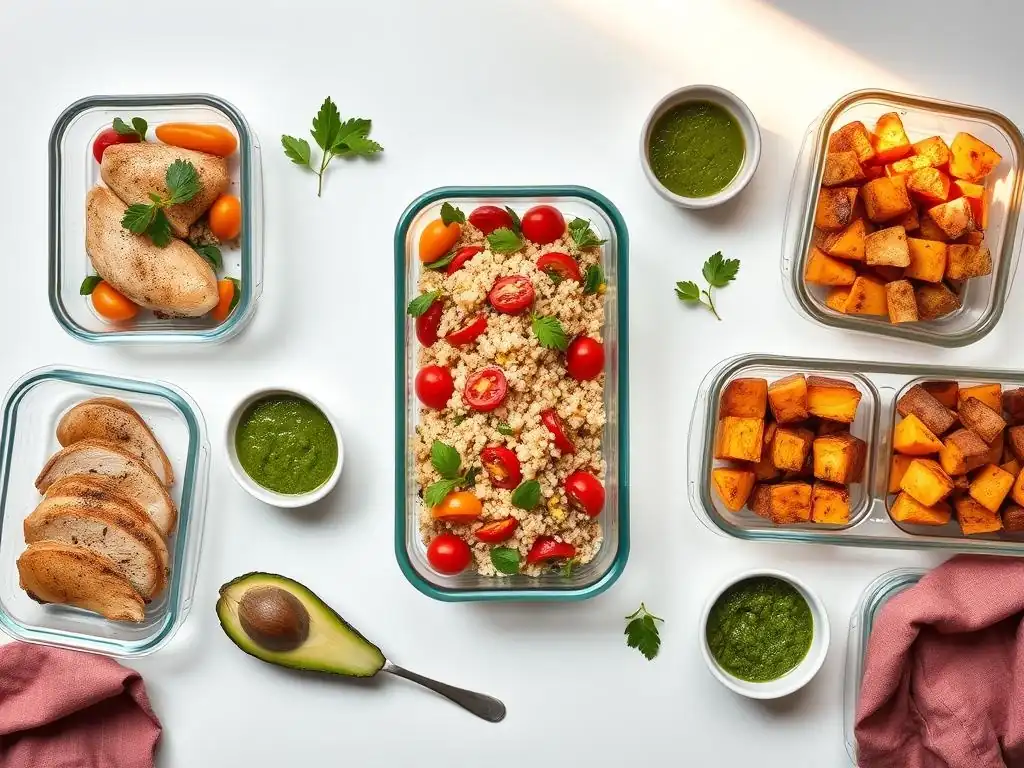
Ready to reclaim your time and conquer kitchen chaos? At UltimateLifeHacks, we're dedicated to simplifying your life with practical strategies. This week, we delve into the surprisingly transformative world of efficient meal prep for beginners. Discover how mastering this simple skill can not only save you money and reduce food waste but also unlock a healthier, more productive lifestyle. Let's dive in and uncover the secrets to effortless meal planning!
- Efficient Meal Prep for Beginners: A Step-by-Step Guide
- Transforming Your Kitchen into a Meal Prep Powerhouse
- The Ultimate Guide to Efficient Meal Prep: Long-Term Benefits
- Frequently Asked Questions
- Final Reflection: Nourishing Body and Soul Through Mindful Meal Prep
- Unlock Your Kitchen's Potential: Start Meal Prepping Today!
Efficient Meal Prep for Beginners: A Step-by-Step Guide
Efficient meal prepping isn't about slaving away in the kitchen for hours; it's about strategically planning and executing your cooking to save time, money, and reduce food waste. This comprehensive guide will take you through the process step-by-step, transforming you from a meal-prep novice into a kitchen efficiency expert. We'll cover everything from planning your weekly menu to mastering batch cooking techniques and implementing smart food storage solutions.
By the end, you'll be well-equipped to conquer your week with delicious, healthy, and affordable meals, all while significantly reducing food waste—a win-win for your wallet and the planet! 🌎 This guide is perfect for anyone looking to streamline their cooking routine and improve their overall health and well-being. Let's dive in!
Planning Your Weekly Meals: The Foundation of Efficient Meal Prep
Planning is the cornerstone of efficient meal prepping. Without a solid plan, you risk impulse purchases, wasted ingredients, and ultimately, less time saved. This section will help you create a realistic and effective meal plan tailored to your lifestyle.
Creating a Realistic Meal Plan Based on Your Schedule
Before you even think about recipes, consider your schedule. Are you a busy professional with limited evenings? A stay-at-home parent with kids' activities to juggle? Your meal plan needs to reflect your reality. Start by identifying:
- Days with more free time: Schedule more complex recipes for these days.
- Days with limited time: Opt for quick-cooking meals or utilize leftovers.
- Dietary restrictions or preferences: Factor in any allergies, preferences (vegetarian, vegan, etc. ), or dietary goals (high-protein, low-carb, etc. ).
A sample weekly plan might look like this:
| Day | Breakfast | Lunch | Dinner |
|---|---|---|---|
| Monday | Overnight oats | Leftover chicken stir-fry | Sheet pan chicken and veggies |
| Tuesday | Yogurt with granola | Salad with grilled chicken | Quick lentil soup |
| Wednesday | Scrambled eggs | Leftover lentil soup | Pasta with marinara sauce |
| Thursday | Smoothie | Sandwiches | Chicken and rice casserole |
| Friday | Breakfast burrito | Leftover casserole | Pizza |
| Weekend | Flexible/Leftovers | Flexible/Leftovers | Flexible/Leftovers |
Remember to be flexible! Life happens, and sometimes your plans need adjusting. The key is to have a plan to begin with.
Grocery Shopping List Optimization: Avoiding Impulse Buys
With a solid meal plan in place, creating a detailed grocery list becomes straightforward. This minimizes impulse buys and ensures you have everything you need to execute your meal prep plan efficiently. Group items by grocery store aisle to save time during your shopping trip. Consider using a digital grocery list app to easily check off items as you shop. This will help you avoid buying duplicates or forgetting essential ingredients.
Choosing Recipes That Minimize Waste and Maximize Nutrition
Select recipes that use versatile ingredients. For example, roasted chicken can be used in salads, sandwiches, and soups throughout the week, minimizing waste and maximizing the nutritional value of your ingredients. Prioritize recipes that utilize all parts of an ingredient—for instance, using vegetable scraps to make stock. Look for recipes with minimal ingredients to simplify your shopping and cooking process.
Mastering the Art of Batch Cooking: Time-Saving Techniques
Batch cooking is the heart of efficient meal prepping. It involves preparing large quantities of food components simultaneously, saving you significant time and effort throughout the week.
Efficient Use of Kitchen Appliances for Large-Batch Cooking
Utilize your slow cooker, Instant Pot, or other kitchen appliances to their fullest potential. These appliances are designed for batch cooking and can significantly reduce the time you spend actively cooking. For example, you can prepare a large batch of rice or quinoa in your rice cooker, or slow cook a large pot of chili or stew.
Proper Food Storage Techniques for Longer Shelf Life
Proper storage is crucial for maximizing the shelf life of your prepped meals. Use airtight containers, label everything with the date, and store food correctly (refrigeration, freezing, etc.) to prevent spoilage and maintain freshness. This is key to avoiding food waste and ensuring your meals remain safe and delicious.
Freezing and Portioning for Future Meals
Freezing portions of your cooked meals is a fantastic way to save time and reduce food waste in the long run. Portion your meals into individual containers for easy grab-and-go lunches or dinners. Remember to label and date each container for optimal organization and freshness. This strategy is especially useful for busy weeks or when you anticipate having less time for cooking.
Beginner-Friendly Meal Prep Recipes: Quick and Easy Options
Efficient meal prep for beginners doesn't require culinary school skills! The key is to choose recipes that are simple, versatile, and require minimal ingredients. Focus on recipes that can be easily scaled up or down to suit your needs and dietary preferences. Don't be afraid to experiment and find what works best for your lifestyle. Remember, the goal is to make meal prep enjoyable and sustainable, not stressful.
Simple Chicken and Veggie Prep for Multiple Meals
A great starting point for efficient meal prep is roasting a large batch of chicken breasts and your favorite vegetables. Think broccoli, carrots, bell peppers – anything that roasts well. Season generously with herbs and spices. Once cooked, you can portion the chicken and veggies into individual containers for quick lunches or dinners throughout the week. This base can be used in salads, grain bowls, tacos, or added to pasta dishes for a complete and nutritious meal. Consider doubling the recipe to have leftovers for impromptu meals or unexpected guests. This method significantly reduces cooking time throughout the week.
One-Pot Pasta Dishes for Minimal Cleanup
One-pot pasta dishes are a lifesaver for busy individuals. They minimize cleanup while maximizing flavor and nutrition. Choose hearty pasta shapes that hold their form well, like penne or rotini. Combine your pasta with a flavorful sauce, vegetables, and protein (like sausage or chickpeas) all in one pot. Many recipes require only one pot and minimal utensils, drastically reducing the time spent on washing dishes. This minimizes the hassle and makes meal prepping less daunting. The satisfaction of a delicious meal with minimal effort is a significant motivator for consistent meal prepping.
Quick and Healthy Salads for Lunch or Dinner
Salads are incredibly versatile and perfect for meal prepping. Prepare a large batch of pre-washed and chopped vegetables – lettuce, spinach, cucumbers, tomatoes, etc. – and store them separately. Then, prepare your protein (grilled chicken, chickpeas, hard-boiled eggs) and dressings separately as well. Assemble your salads just before eating to prevent wilting. This method allows for customization and prevents meal boredom. Experiment with different combinations of vegetables, proteins, and dressings to keep your salads exciting and nutritious. Consider adding nuts, seeds, and dried fruits for added texture and flavor.
Avoiding Common Meal Prep Mistakes: Tips for Success
Even with the best intentions, meal prepping can go wrong. Understanding common pitfalls and implementing preventative measures will ensure success. Proper planning, execution, and storage are crucial for preventing food waste and maintaining food safety. This section will highlight common errors and offer solutions to ensure your meal prep journey is smooth and rewarding.
Proper Food Safety Practices During Meal Prep
Food safety is paramount during meal prepping. Always wash your hands thoroughly before handling food. Ensure your cutting boards and utensils are clean. Cook food to the proper internal temperature to eliminate harmful bacteria. Store cooked food promptly in the refrigerator to prevent bacterial growth. Follow the "two-hour rule": discard any perishable food left at room temperature for more than two hours. This crucial step ensures the safety and quality of your prepared meals. Ignoring these practices can lead to foodborne illnesses, negating the benefits of meal prepping. Prioritizing safety ensures a positive and healthy meal prep experience.
Understanding Food Storage Containers and Their Lifespan
Choosing the right storage containers is crucial for maintaining food freshness and preventing spills. Opt for airtight containers made of BPA-free materials. Glass containers are durable and reusable, but can be heavy and prone to breakage. Plastic containers are lightweight and convenient, but their lifespan is shorter, and some may leach chemicals into food.
Consider the type of food you're storing when selecting your containers. For example, liquids require leak-proof containers. Understanding the lifespan of your containers will help you avoid potential food contamination and replace them when necessary. Investing in high-quality containers minimizes waste and improves the longevity of your meal-prepped food.
Strategies to Overcome Meal Prep Fatigue
Meal prep fatigue is real! It's easy to lose motivation when faced with the prospect of spending hours in the kitchen. To combat this, make meal prep enjoyable. Listen to your favorite music or podcast. Involve family members. Prepare only what you need, and don't be afraid to simplify recipes.
Focus on creating meals you genuinely enjoy eating. Break down large tasks into smaller, manageable ones. Don't feel pressured to prepare an entire week's worth of meals at once. Start small and gradually increase your meal prep volume as you gain confidence and experience. Celebrate your successes and don't be afraid to adjust your approach as needed. Consistency is key, but flexibility is crucial for long-term success.
Advanced Meal Prep Strategies for Busy Individuals
Efficient meal prepping isn't just about cooking large batches of food on the weekend; it's about strategically planning and optimizing your workflow to maximize your time and minimize effort. For busy individuals, incorporating a few advanced strategies can make a significant difference. One key aspect is batch cooking.
This involves preparing multiple dishes simultaneously, leveraging the same cooking methods and ingredients. For example, roasting a large tray of vegetables can provide components for several meals throughout the week – salads, stir-fries, and even as a side dish with protein. Think about recipes that share common elements to reduce repetitive tasks.
Another crucial strategy is modular meal prepping. Instead of creating complete meals in advance, focus on prepping individual components – cooked proteins, grains, and vegetables – that can be easily combined to create various meals throughout the week. This approach offers flexibility and allows you to adapt your meals based on your daily schedule and cravings. Consider preparing a large batch of quinoa, grilled chicken, and roasted sweet potatoes.
These components can be used in bowls, salads, wraps, or as part of a quick stir-fry. This method significantly reduces cooking time on busy weekdays, preventing the temptation to order takeout or resort to less healthy options. Finally, don't underestimate the power of freezing. Many cooked components, such as soups, stews, and sauces, freeze exceptionally well, extending the lifespan of your meal prep and providing ready-to-eat meals for weeks to come.
Prepping Ingredients in Advance for Faster Weekday Meals
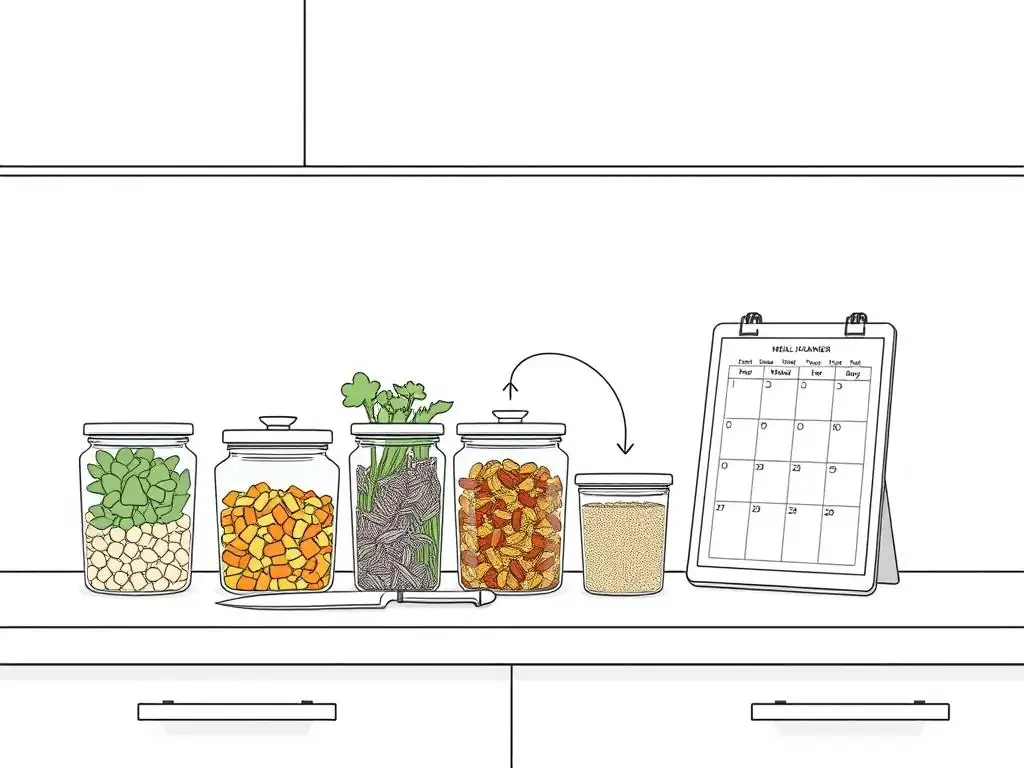
One of the most effective ways to streamline your weekday meal preparation is to dedicate some time to prepping ingredients in advance. This involves washing, chopping, and portioning vegetables, herbs, and other ingredients before you even begin cooking. For instance, chopping a large batch of onions, peppers, and garlic on the weekend can save you valuable time during the week when you're short on time. Similarly, washing and storing your leafy greens in airtight containers can significantly extend their shelf life and make salad preparation a breeze.
Consider using a food processor or mandoline slicer to speed up the process, especially for tasks like chopping vegetables. Invest in good quality storage containers to keep your prepped ingredients fresh and organized. Labeling your containers clearly will also help you quickly identify what you need when assembling your meals.
This simple yet effective technique dramatically reduces the time it takes to prepare individual meals, preventing procrastination and ensuring you stick to your healthy eating plan. The difference between spending 15 minutes prepping ingredients on the weekend versus spending that same amount of time each night chopping vegetables is significant for busy schedules.
Utilizing Leftovers Creatively: Reducing Food Waste
Efficient meal prepping goes hand-in-hand with minimizing food waste. A significant portion of food waste occurs due to unused leftovers. However, with a little creativity, leftovers can become the foundation for delicious and varied meals. Instead of discarding leftover chicken or roasted vegetables, consider repurposing them in different dishes. Leftover chicken can be used in salads, quesadillas, or added to pasta dishes. Roasted vegetables can be incorporated into omelets, frittatas, or used as a topping for grain bowls.
Thinking creatively about leftovers isn't just about saving money; it's also about reducing your environmental impact. Planning meals that naturally lend themselves to leftover repurposing can minimize waste. For instance, cooking a large batch of rice can provide a base for multiple meals throughout the week. By planning ahead and considering the potential for repurposing, you can transform leftovers from a potential source of waste into a valuable resource for quick and flavorful meals. This conscious effort contributes to both your budget and a more sustainable lifestyle.
Meal Prep for Specific Dietary Needs (e.g., vegetarian, vegan, etc.)
Adapting meal prep strategies to specific dietary needs is crucial for successful and enjoyable healthy eating. For vegetarians and vegans, the focus shifts to plant-based protein sources and creative combinations of vegetables and grains. This might involve prepping large batches of lentils, chickpeas, tofu, or tempeh. Similarly, planning for specific allergies or intolerances requires careful attention to ingredient selection and preparation methods. For example, those with gluten intolerance need to ensure all ingredients are gluten-free.
Consider using a meal planning app or creating a spreadsheet to track your meals and ensure you meet your nutritional needs. Many online resources offer a wealth of recipes and meal prep ideas tailored to various dietary restrictions. Remember, the principles of efficient meal prep remain the same – planning, batch cooking, and smart ingredient preparation – but the specific ingredients and recipes will need to be adjusted to accommodate individual dietary requirements.
This approach ensures that everyone can enjoy the benefits of efficient meal prep, regardless of their dietary preferences or restrictions. The key is to find recipes and meal plans that are both delicious and align perfectly with your individual needs.
Transforming Your Kitchen into a Meal Prep Powerhouse
Efficient meal prep for beginners often hinges on optimizing your kitchen environment. A well-organized and equipped kitchen significantly reduces prep time and minimizes food waste, leading to both time and cost savings. This section focuses on practical steps to transform your kitchen into a meal-prep-friendly zone.
Organizing Your Pantry and Refrigerator for Efficient Meal Prep
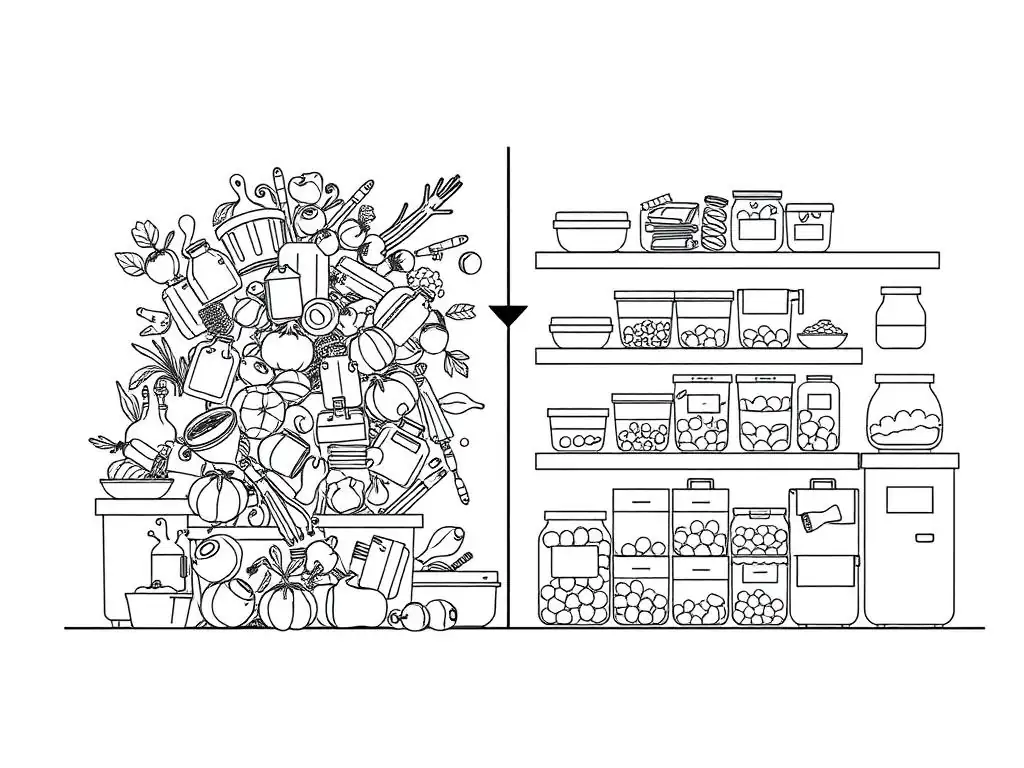
A chaotic pantry and refrigerator are the enemies of efficient meal prepping. Visual clutter leads to forgotten ingredients, resulting in spoiled food and wasted money. Implementing a strategic organization system is crucial. Begin by decluttering: discard expired items and donate unopened goods you won't use. Then, consider these organizational strategies:
- First In, First Out (FIFO): Place older items in front and newer items in the back. This simple technique ensures you use older ingredients before they spoil, minimizing waste. This is especially important for perishable items like milk, yogurt, and fresh produce.
- Categorization: Group similar items together. For example, place all canned goods together, all dry goods (pasta, rice, etc.) together, and all baking ingredients in a designated area. This makes finding ingredients quick and easy.
- Clear Containers: Transferring items from their original packaging into clear, airtight containers allows for better visibility and organization. Labeling each container with the contents and date is highly recommended. This helps prevent confusion and extends the shelf life of your ingredients.
- Refrigerator Organization: Similar to your pantry, organize your refrigerator by category (dairy, produce, leftovers, etc.). Use crisper drawers to maintain the freshness of fruits and vegetables. Regularly check for expired items and remove them promptly.
By implementing these strategies, you’ll find that locating ingredients for your meal prep becomes significantly faster and easier. This translates directly into time saved and less frustration in the kitchen – a crucial aspect of efficient meal prepping for beginners. The visual clarity also reduces the likelihood of accidentally buying duplicates, saving you money in the long run.
Investing in Essential Meal Prep Tools and Equipment
Investing in the right tools can significantly streamline your meal prepping process. While you don't need to buy everything at once, prioritizing certain items will dramatically improve your efficiency. Here’s a list of essential tools and equipment, categorized for clarity:
| Category | Item | Benefits |
|---|---|---|
| Cutting Tools | Sharp knives (chef's knife, paring knife) | Precise cuts, faster prep time |
| Cutting board (multiple) | Dedicated boards for meat and vegetables prevent cross-contamination. | |
| Storage | Airtight containers | Preserve freshness, prevent spills, and facilitate portion control. |
| Freezer bags | Great for freezing individual portions or larger batches. | |
| Cooking Tools | Large pot/stockpot | Efficient for cooking large batches of grains, soups, or stews. |
| Baking sheets | Ideal for roasting vegetables or baking chicken. | |
| Food processor/blender | Quickly chop vegetables, make sauces, or puree soups. |
Remember that purchasing high-quality, durable tools is a worthwhile investment. These tools will last longer and perform better, making your meal prep experience more enjoyable and efficient. Consider your budget and prioritize the items that best suit your meal prepping style and needs.
Creating a Dedicated Meal Prep Space in Your Kitchen
Designating a specific area in your kitchen solely for meal prepping is a game-changer. This reduces clutter and streamlines the process. This doesn't necessarily mean a completely separate room; even a section of your countertop or a well-organized cabinet can suffice.
Consider these aspects when creating your dedicated space:
- Accessibility: Ensure easy access to all your essential meal prep tools and ingredients. This minimizes time spent searching for items.
- Cleanliness: Keep the area clean and organized before, during, and after meal prepping. A clean workspace promotes efficiency and prevents cross-contamination. Having a dedicated cleaning station nearby is highly recommended.
- Sufficient Space: Ensure you have enough counter space to comfortably work. Avoid overcrowding the area, which can hamper efficiency.
By creating a designated meal prep zone, you'll find the entire process far more efficient and less stressful. The dedicated space provides a focused environment, minimizing distractions and maximizing productivity. This creates a positive feedback loop, encouraging consistent meal prepping and making it a sustainable habit. This is especially important for beginners who are still developing their meal prep routines.
The Ultimate Guide to Efficient Meal Prep: Long-Term Benefits
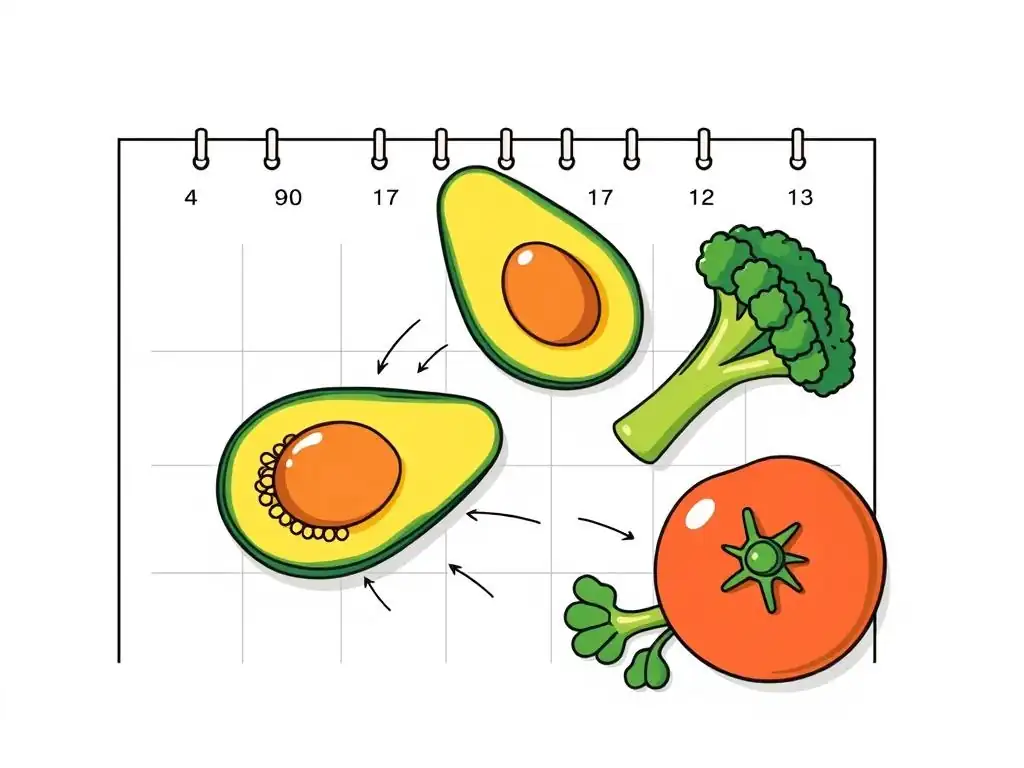
This section explores the significant long-term advantages of incorporating efficient meal prepping into your lifestyle. Beyond the immediate benefits of having ready-to-eat meals, consistent meal prepping offers substantial improvements to your financial health, dietary habits, and overall well-being. We’ll delve into the specifics of how this simple strategy can transform your life.
Saving Money on Groceries Through Strategic Planning
Efficient meal prepping for beginners often starts with a shift in grocery shopping habits. Instead of impulse buys and frequent trips to the store (leading to increased spending and food waste), strategic planning is key. This involves creating a detailed weekly meal plan, listing all necessary ingredients, and sticking to that list when shopping. This minimizes the temptation to buy unnecessary items.
Consider this example: A typical weekly grocery bill might be $100, with approximately 20% representing impulse purchases or items wasted due to spoilage. By implementing a meal plan and shopping list, you could reduce this wasted expenditure by at least 10%, saving $10 per week, or $520 annually. That’s a significant amount that can be reinvested elsewhere. Moreover, buying in bulk for frequently used ingredients, such as grains, legumes, and spices, can lead to further cost savings. Careful planning and organization are crucial for maximizing your grocery budget.
Improving Your Diet and Health Through Consistent Meal Prepping
Beyond the financial benefits, efficient meal prepping plays a crucial role in improving your diet and overall health. Prepping your meals allows you to control portion sizes and the ingredients used, eliminating the temptation of unhealthy fast food or restaurant meals. This control directly impacts your intake of processed foods, unhealthy fats, and added sugars, contributing to a healthier lifestyle.
For instance, a typical fast-food lunch might contain over 1000 calories and be high in sodium and saturated fat. By contrast, a home-prepared lunch, carefully portioned and packed, can maintain a balanced nutritional profile with significantly fewer calories and healthier ingredients. This consistency in healthy eating habits translates to better weight management, improved energy levels, and a reduced risk of chronic diseases. Consistent meal prepping directly contributes to a healthier, more energetic you. The positive effects on your well-being are undeniable.
Reclaiming Your Time and Reducing Stress with Organized Meals
Efficient meal prepping for beginners isn't just about saving money and eating healthier; it's also about reclaiming valuable time and reducing daily stress. Spending 2-3 hours on a weekend preparing meals for the week ahead eliminates the daily struggle of deciding what to eat and spending time cooking after a long day. This frees up significant time that can be used for other activities, hobbies, or simply relaxing.
Think about the time saved: Instead of spending 30 minutes each evening preparing dinner, you've already done the bulk of the work. This translates to an extra 150 minutes (2.5 hours) a week. That’s equivalent to an extra workday per month! This time-saving element reduces stress by eliminating the daily decision fatigue and rush associated with meal preparation. The feeling of being organized and prepared significantly contributes to a calmer, more balanced life. The resulting reduction in stress is a significant, often overlooked, benefit of efficient meal prepping.
Frequently Asked Questions
What is meal prepping, and why should beginners try it?
Meal prepping is planning and preparing meals in advance. Beginners should try it to save time, reduce food waste, and eat healthier by having nutritious meals readily available.
How much time should I dedicate to meal prepping each week?
The time commitment varies, but aim for 1-2 hours per week initially. Focus on simple recipes and gradually increase complexity as you gain experience. Consistency is key, not perfection.
What are some essential tools for efficient meal prepping?
Essential tools include good quality containers, cutting boards, and sharp knives. A large baking sheet is also helpful for roasting vegetables. Consider your own needs and preferences.
What are some beginner-friendly meal prep recipes?
Start with simple recipes like roasted chicken and vegetables, or one-pot pasta dishes. Choose recipes with versatile ingredients that can be used in multiple meals throughout the week.
How can I prevent meal-prepped food from going bad?
Proper food storage is crucial. Use airtight containers, label everything with dates, and store food properly in the refrigerator or freezer. Prioritize eating meals earlier in the week.
Final Reflection: Nourishing Body and Soul Through Mindful Meal Prep
The fight against food waste isn't just about saving money; it's about building a more sustainable and equitable future. Our planet's resources are finite, and the staggering amount of food discarded daily highlights a critical need for change. Efficient meal prepping isn't just a trend; it's a powerful tool in addressing this global challenge, one delicious, budget-friendly meal at a time.
The shift towards mindful meal preparation has profoundly impacted my own life, fostering a deeper appreciation for the food I consume and the resources it takes to produce it. It's not just about saving money, though that's a significant benefit. It's about reclaiming control over my diet, reducing stress related to daily meal planning, and cultivating a more conscious relationship with food. We don't inherit the earth from our ancestors, we borrow it from our children.
This quote underscores the responsibility we have to utilize resources wisely, and efficient meal prepping is a tangible step in that direction.
Now, it's your turn. Consider how you can integrate the principles of efficient meal prep into your own life. Start small – perhaps by planning your meals for just one week, focusing on minimizing waste and maximizing flavor. Embrace the journey of mindful eating, and discover the joy of nourishing your body and soul through conscious food choices. You'll not only save money and reduce waste, but you'll also contribute to a healthier planet and a more sustainable future for generations to come.
Unlock Your Kitchen's Potential: Start Meal Prepping Today!
Thanks for learning about efficient meal prepping! We hope you've gained valuable insights into reducing food waste and saving money. Now it's time to put your knowledge into action.
Here's how to get started:
- Craft your personalized meal plan: This is the cornerstone of successful meal prepping. Consider your schedule, dietary needs, and favorite recipes to create a plan that works for you. Think about what you enjoy eating and how much time you realistically have for cooking.
- Share your best meal prep tip in the comments below – let's build a community of efficient cooks!
- Track your food waste for a week. You might be surprised by how much you save—and the planet will thank you!
What's your biggest challenge to meal prepping, and how will you overcome it this week?