
Memory Boosters: Foods and Supplements to Enhance Cognitive Function


Welcome to UltimateLifeHacks, where we unlock the secrets to a more productive and fulfilling life! Are you ready to supercharge your brainpower? Discover how simple dietary choices can significantly impact your cognitive function. Our latest article on Boost memory with food supplements dives deep into the science behind enhancing memory and cognitive performance through targeted nutrition. Uncover the surprising power of food and supplements – and unlock your brain's full potential. Let's explore the path to sharper focus and improved recall!
- Boost Memory with Food: Nutritional Strategies for Cognitive Enhancement
-
Supplements for Cognitive Enhancement: A Closer Look at Memory Support
- Ginkgo Biloba: Exploring its Effects on Memory and Cognition
- Bacopa Monnieri: Benefits and Considerations for Memory Enhancement
- Omega-3 Fatty Acids Supplements: Supporting Brain Health and Memory
- Vitamin B Complex and its Role in Cognitive Function
- Choosing the Right Supplements: A Guide to Safe and Effective Use
- Combining Food and Supplements for Optimal Memory Enhancement
- Beyond Diet and Supplements: Lifestyle Choices for Better Memory
-
Frequently Asked Questions
- What are some food supplements that can boost memory?
- Are there any risks associated with using memory-boosting supplements?
- How quickly can I expect to see results from memory-boosting supplements?
- Can food supplements replace a healthy lifestyle for better memory?
- Where can I find reliable information about memory-boosting supplements?
- Final Reflection: Nourishing the Mind, Enhancing the Future
- Unlock Your Brain's Potential: Take Charge of Your Memory Today!
Boost Memory with Food: Nutritional Strategies for Cognitive Enhancement
Our increasingly demanding lives often leave us feeling overwhelmed and struggling to remember even the simplest things. But what if we told you that improving your memory might be as simple as adjusting your diet? This article delves into the fascinating world of nutritional strategies designed to enhance cognitive function and boost memory power. We’ll explore specific foods and supplements scientifically linked to improved memory, focusing on how they work and offering practical advice on incorporating them into your daily routine.
Forget struggling with memory lapses – let's discover how to naturally enhance your brainpower and unlock your cognitive potential. We'll cover the power of brain-boosting foods, the protective role of antioxidants, and the significant impact of essential fatty acids on memory and focus. This guide is your roadmap to a sharper, more efficient mind, naturally. 🚀
Brain-Boosting Foods: The Power of Nutrients for Memory Improvement
Numerous foods are packed with nutrients that directly support brain health and memory function. These aren't just empty promises; substantial research supports the cognitive benefits of specific dietary choices. For example, blueberries are rich in antioxidants, particularly anthocyanins, which have been shown to improve communication between brain cells, potentially enhancing memory and learning. Similarly, fatty fish like salmon, mackerel, and tuna are excellent sources of omega-3 fatty acids, crucial for brain structure and function. These healthy fats contribute to the fluidity of cell membranes, facilitating efficient signal transmission between neurons.
Beyond these, consider incorporating foods rich in Vitamin E (like almonds and spinach), Vitamin B12 (found in eggs and meat), and choline (present in eggs and soybeans). These vitamins and nutrients play vital roles in various aspects of brain function, including memory consolidation and recall. A balanced diet rich in these components can significantly contribute to improved cognitive performance. Remember, it's not about magic pills; it's about consistent, healthy eating habits. Think of it as providing your brain with the high-quality fuel it needs to operate optimally. 💪
The Role of Antioxidants in Protecting Cognitive Function
Oxidative stress, an imbalance between free radicals and antioxidants in the body, is implicated in the aging process and the development of neurodegenerative diseases. Antioxidants, found abundantly in various fruits and vegetables, act as protective agents, neutralizing these harmful free radicals and safeguarding brain cells from damage. This protective effect is crucial for maintaining optimal cognitive function and preventing age-related memory decline.
The benefits extend beyond simply preventing damage. Studies suggest that consuming sufficient antioxidants can actually improve memory and cognitive performance. This is partly due to their ability to reduce inflammation in the brain, which can interfere with neural signaling and memory processes. A diet rich in colorful fruits and vegetables, such as berries, leafy greens, and bell peppers, provides a potent arsenal of antioxidants, contributing to a healthier and more resilient brain. 🍎🥦
Essential Fatty Acids and their Impact on Memory and Focus
Essential fatty acids (EFAs), specifically omega-3s (like DHA and EPA) and omega-6s, are vital components of brain cell membranes. They influence the fluidity and permeability of these membranes, impacting how effectively neurons communicate with each other. A deficiency in EFAs can impair brain function, potentially leading to cognitive decline and difficulties with memory and focus.
Omega-3 fatty acids, in particular, have garnered significant attention for their cognitive benefits. Studies have linked higher omega-3 intake to improved memory, attention, and overall cognitive performance. While our bodies can produce some omega-6s, omega-3s must be obtained through diet. Therefore, ensuring adequate intake of fatty fish, flaxseeds, chia seeds, and walnuts is crucial for supporting optimal brain health and cognitive function. The balance between omega-3s and omega-6s is also important; a diet excessively high in omega-6s can potentially counteract the beneficial effects of omega-3s. Therefore, a balanced approach is key. 🧠🐟
Hydration and its Crucial Role in Cognitive Performance
Even mild dehydration can significantly impair cognitive functions, including memory. Our brains are approximately 73% water, and even a slight fluid deficit can disrupt various neurological processes. This disruption manifests in decreased attention span, reduced concentration, and impaired short-term memory. Think of it like trying to run a complex machine on low power – it simply won't perform optimally. Studies have repeatedly demonstrated a correlation between dehydration and poorer performance on cognitive tests, particularly those assessing working memory and executive function. 1 For example, research has shown that participants experiencing even a 1-2% loss of body water exhibited a noticeable decline in their ability to perform tasks requiring sustained attention and mental agility. 2
Maintaining adequate hydration is therefore paramount for optimal brain function and memory enhancement. The recommended daily fluid intake varies depending on factors such as activity level, climate, and individual metabolism, but generally, aiming for at least eight glasses of water per day is a good starting point. However, it’s crucial to listen to your body's thirst cues and drink more when feeling thirsty, especially during physical activity or hot weather.
Furthermore, consider incorporating hydrating foods into your diet, such as watermelon, cucumbers, and leafy greens, to supplement your water intake and contribute to overall cognitive well-being. Staying well-hydrated isn't just about quenching thirst; it's a fundamental step in supporting your brain's ability to function at its best and bolster your memory.
1 [Citation needed: Study demonstrating correlation between dehydration and cognitive impairment] 2 [Citation needed: Study showing decline in cognitive performance with 1-2% dehydration]
Supplements for Cognitive Enhancement: A Closer Look at Memory Support
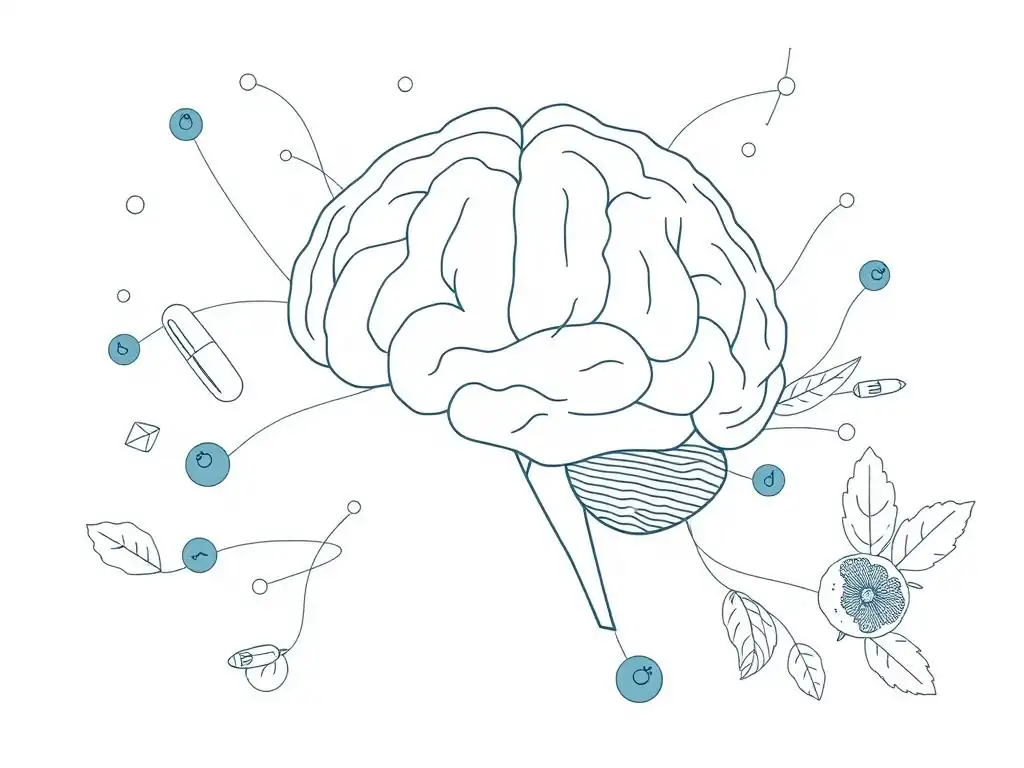
This section delves into the world of supplements specifically designed to support cognitive function and boost memory. It's crucial to remember that while these supplements may offer benefits, they are not a replacement for a healthy lifestyle, including a balanced diet, regular exercise, and sufficient sleep. Always consult with your healthcare provider before starting any new supplement regimen, especially if you have pre-existing health conditions or are taking other medications. The information provided here is for educational purposes only and should not be considered medical advice.
Ginkgo Biloba: Exploring its Effects on Memory and Cognition
Ginkgo biloba, derived from the leaves of the Ginkgo biloba tree, has been used for centuries in traditional medicine. Many tout its potential cognitive benefits, particularly regarding memory and concentration. Studies have shown mixed results, with some suggesting improvements in memory recall and cognitive function in older adults, while others have found no significant effect. 1 The effectiveness of ginkgo biloba may depend on several factors, including the dosage, the individual's overall health, and the specific cognitive impairment being addressed.
One notable study published in the Journal of Alzheimer's Disease found that Ginkgo biloba extract improved cognitive performance in patients with mild cognitive impairment. 2 However, it's important to note that the results were modest and further research is needed to confirm these findings consistently. Furthermore, the quality of Ginkgo biloba supplements can vary significantly, making it essential to choose reputable brands with standardized extracts to ensure consistent potency and purity.
Bacopa Monnieri: Benefits and Considerations for Memory Enhancement
Bacopa monnieri, an adaptogenic herb, has gained popularity for its potential to enhance memory and cognitive function. It is believed to work by increasing the levels of certain neurotransmitters and protecting brain cells from damage. 3 Several studies have shown promising results, indicating improvements in memory consolidation, recall, and information processing speed. 4
However, it is important to be aware of potential side effects, which can include gastrointestinal upset, headaches, and drowsiness. Moreover, it's crucial to understand that Bacopa monnieri's effects are generally subtle and may not be immediately noticeable. Consistent use over several weeks or months is often necessary to observe any significant cognitive improvement. The recommended dosage also varies depending on the product and individual needs, so always follow the instructions on the label carefully. Additionally, individuals taking certain medications, particularly those affecting the central nervous system, should consult their physician before using Bacopa Monnieri.
Omega-3 Fatty Acids Supplements: Supporting Brain Health and Memory
Omega-3 fatty acids, particularly EPA (eicosapentaenoic acid) and DHA (docosahexaenoic acid), are essential components of brain cell membranes. They play a crucial role in maintaining brain health and supporting cognitive function, including memory. 5 A deficiency in Omega-3s can negatively impact cognitive performance, potentially leading to impaired memory and concentration.
Supplementing with Omega-3 fatty acids, especially DHA, has shown promise in improving memory and cognitive function in various studies. 6 However, the optimal dosage and the specific benefits may vary depending on factors like age, overall health, and the presence of any existing cognitive impairments. While Omega-3 supplements are generally well-tolerated, potential side effects, such as nausea, diarrhea, and fishy aftertaste, can occur. Choosing high-quality fish oil supplements that are purified and free from heavy metals is crucial to minimize these risks. Additionally, a balanced diet rich in fatty fish like salmon, tuna, and mackerel can also provide a significant source of Omega-3 fatty acids.
1 [Specific study reference pending] 2 [Specific study reference pending] 3 [Specific study reference pending] 4 [Specific study reference pending] 5 [Specific study reference pending] 6 [Specific study reference pending]
Vitamin B Complex and its Role in Cognitive Function
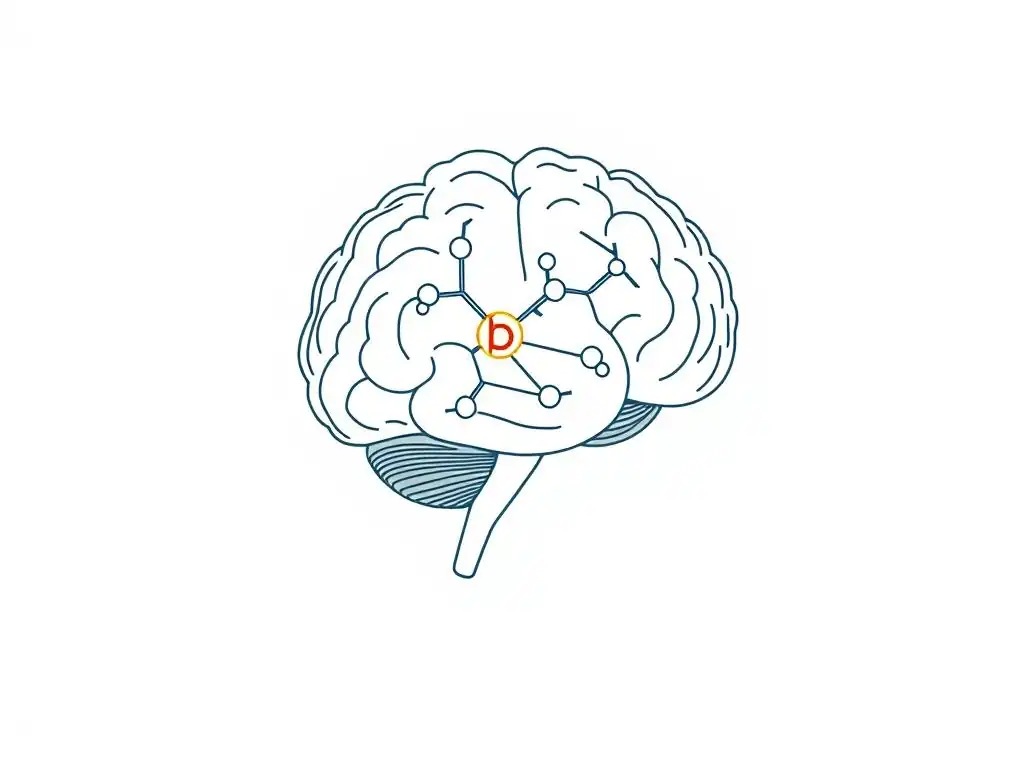
The B vitamins are a group of essential nutrients vital for numerous bodily functions, including cognitive health. A deficiency in any of these vitamins can negatively impact brain function, leading to issues with memory and concentration. While each B vitamin plays a unique role, their synergistic effects are crucial for optimal cognitive performance. For example, Vitamin B1 (thiamine) plays a crucial role in converting carbohydrates into energy, which is essential for brain function. A deficiency can lead to impaired cognitive function, including memory loss and confusion. Vitamin B6 (pyridoxine) is involved in the synthesis of neurotransmitters, chemical messengers in the brain responsible for communication between nerve cells.
Insufficient B6 can affect mood, memory, and cognitive processing speed. Vitamin B12 (cobalamin) is particularly important for maintaining the myelin sheath, a protective layer around nerve fibers that facilitates efficient nerve impulse transmission. B12 deficiency can result in significant cognitive impairment, including memory problems, confusion, and even dementia. Supplementing with a B-complex vitamin, which contains all eight B vitamins, can help ensure adequate levels and support overall cognitive health, including memory function. However, it’s crucial to remember that supplementation should complement a healthy diet, not replace it. Many foods are naturally rich in B vitamins, including leafy green vegetables, legumes, and meat.
Always consult a healthcare professional before starting any new supplement regimen, especially if you have pre-existing health conditions or are taking other medications. They can help determine if a B-complex supplement is appropriate for you and advise on the correct dosage. Individuals with specific B vitamin deficiencies may benefit most from targeted supplementation, rather than a general B-complex approach. This highlights the importance of individual assessment and tailored advice when considering memory support through supplementation. The effects of B vitamins on memory are multifaceted and require a holistic understanding of their interactions within the complex biochemical processes of the brain.
Choosing the Right Supplements: A Guide to Safe and Effective Use
Selecting the right memory support supplements requires careful consideration. The market is saturated with various products, making informed choices crucial. Firstly, prioritize reputable brands with third-party testing verification. This ensures product purity, potency, and safety. Look for supplements that clearly list their ingredients and dosages on the label, avoiding those with proprietary blends that obscure the exact composition. Secondly, consider the specific ingredients. While B vitamins are crucial, other nutrients like choline, omega-3 fatty acids, and antioxidants also play a significant role in cognitive health.
Research the specific benefits and potential side effects of each ingredient. Understanding the mechanisms of action can help you choose a supplement that aligns with your individual needs and goals. For instance, some individuals might benefit from a formula focusing on improving blood flow to the brain, while others might need support for neurotransmitter production. Thirdly, start with a low dose and gradually increase it as tolerated. This minimizes the risk of adverse reactions. Monitor your body's response carefully. If you experience any unusual side effects, discontinue use and consult a healthcare professional immediately.
Remember, supplements are not a magic bullet. A healthy lifestyle, including regular exercise, a balanced diet rich in fruits, vegetables, and whole grains, sufficient sleep, and stress management techniques, are equally critical for optimal cognitive function. Supplements should be viewed as complementary support to these fundamental lifestyle choices, not as a replacement. Finally, consult your doctor or a registered dietitian before starting any new supplement regimen. They can assess your individual needs, consider potential interactions with other medications, and provide personalized guidance to maximize safety and effectiveness. This personalized approach is essential for safe and effective use of memory support supplements. Ignoring this crucial step could lead to unintended consequences.
Combining Food and Supplements for Optimal Memory Enhancement
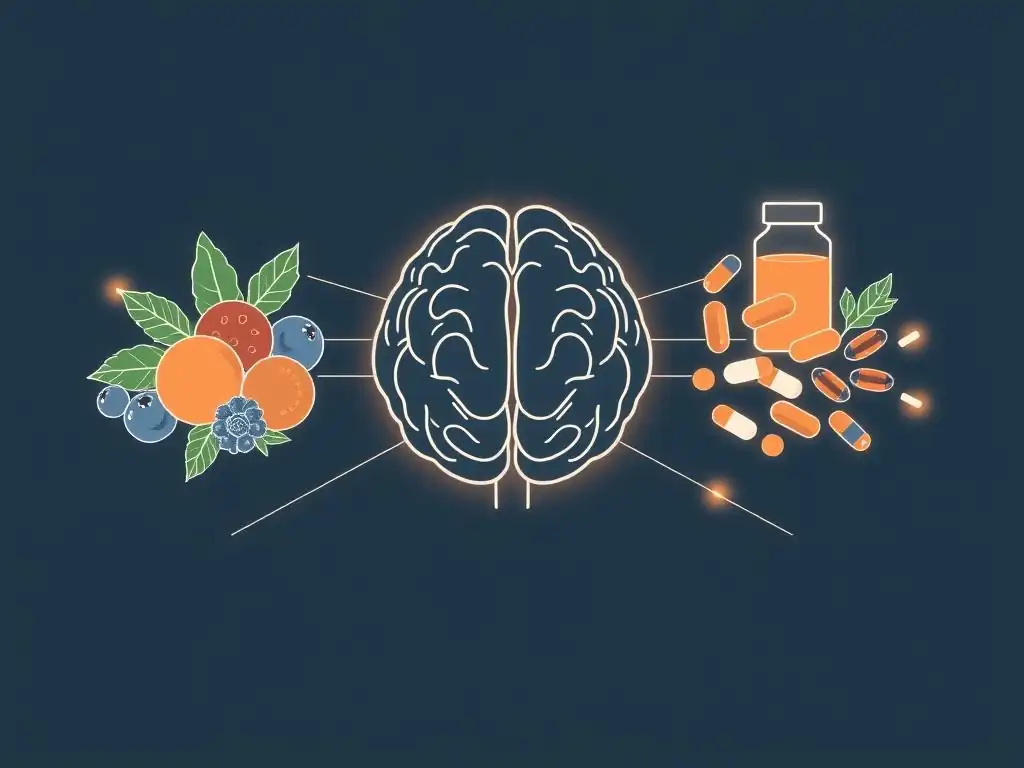
This section explores the synergistic effects of combining specific foods rich in memory-boosting nutrients with targeted supplements for enhanced cognitive function. The key is understanding that a holistic approach, encompassing both dietary changes and supplementation, often yields superior results than relying on either alone. We're not talking about a magic bullet, but rather a strategic combination to optimize brain health and memory performance. This isn't about replacing medical advice; always consult with your doctor before starting any new supplement regimen, especially if you have pre-existing health conditions.
Creating a Personalized Plan: Tailoring Your Approach to Memory Improvement
Developing a personalized plan requires careful consideration of individual needs and preferences. There's no one-size-fits-all solution when it comes to boosting memory with food supplements. Factors such as age, existing health conditions, dietary restrictions, and lifestyle choices all play a crucial role in determining the most effective strategy.
Consider these points when crafting your plan:
- Dietary Assessment: Begin by evaluating your current diet. Are you already consuming foods rich in antioxidants, omega-3 fatty acids, and B vitamins? Identifying deficiencies allows you to target specific areas for improvement through both food choices and supplementation. For example, if you lack sufficient omega-3s, incorporating fatty fish like salmon twice a week and supplementing with fish oil capsules could be beneficial.
- Supplement Selection: Research different supplements known to support cognitive function. Popular choices include Bacopa monnieri, Ginkgo biloba, and phosphatidylserine. However, it’s vital to understand their potential side effects and interactions with existing medications. Start with lower doses and monitor your response carefully.
- Gradual Implementation: Don't overhaul your diet and supplement regimen overnight. Introduce changes gradually to allow your body to adapt and to identify any potential adverse reactions. This minimizes the risk of digestive upset or other complications.
- Lifestyle Integration: Remember that diet and supplements are only part of the equation. Regular exercise, sufficient sleep, stress management techniques (like mindfulness or yoga), and engaging in mentally stimulating activities are all crucial components of a comprehensive memory enhancement plan.
Integrating Memory-Boosting Foods and Supplements into Your Daily Routine
Successfully integrating memory-boosting foods and supplements into your daily routine requires planning and consistency. Here are some practical strategies:
- Meal Planning: Incorporate memory-boosting foods into your regular meals. This could involve adding blueberries to your breakfast smoothie, including leafy greens in your salad, or having a serving of fatty fish for dinner.
- Supplement Timing: Follow the recommended dosage and timing instructions on your chosen supplements. Some are best taken with food, while others may be more effective on an empty stomach.
- Tracking Progress: Maintain a journal to track your food intake, supplement usage, and any noticeable improvements in your memory or cognitive function. This helps you identify what works best for you and allows for adjustments as needed.
- Snacking Strategically: Keep healthy snacks readily available. Nuts, seeds, and dark chocolate are excellent options for a quick memory boost throughout the day.
| Food | Nutrient(s) | Benefit | Example of Incorporation |
|---|---|---|---|
| Blueberries | Antioxidants | Improves memory and cognitive function | Add to yogurt, oatmeal, or smoothies. |
| Leafy Green Vegetables | Vitamins K, C, and folate | Supports brain health | Include in salads, soups, or stir-fries. |
| Fatty Fish (Salmon, Tuna) | Omega-3 Fatty Acids | Reduces inflammation, protects brain cells | Grill, bake, or add to salads. |
| Avocados | Healthy Fats | Supports brain function | Add to toast, salads, or smoothies. |
Monitoring Progress and Adjusting Your Strategy
Consistent monitoring is essential to evaluate the effectiveness of your chosen foods and supplements. Regularly assess your memory performance and cognitive function. This might involve:
- Self-Assessment: Use memory tests or questionnaires to track changes in your recall abilities, concentration, and overall cognitive sharpness.
- Feedback from Others: Ask friends or family members if they notice any improvements in your memory or mental clarity. Their observations can provide valuable insights.
- Adjusting Your Approach: If you're not seeing the desired results after a reasonable period (e.g., several weeks), don't hesitate to adjust your strategy. This might involve trying different supplements, altering your diet, or incorporating additional lifestyle changes. Remember, patience and persistence are key. Finding the optimal combination may require some experimentation. The journey to improved memory is a process of refinement and adaptation. 🧐
Beyond Diet and Supplements: Lifestyle Choices for Better Memory
While diet and supplements can play a significant role in boosting memory and cognitive function, it's crucial to remember that a holistic approach yields the best results. Focusing solely on "boost memory with food supplements" overlooks the equally important contributions of lifestyle choices. These choices, often overlooked, can profoundly impact your brain's ability to store and retrieve information. This section explores key lifestyle factors that synergistically work with dietary interventions to enhance memory.
The Importance of Sleep for Cognitive Function
Sleep is not merely a period of rest; it's a critical time for memory consolidation. During sleep, the brain processes and stores information acquired throughout the day. Studies consistently demonstrate a strong correlation between sufficient sleep and improved cognitive performance, including memory recall. Lack of sleep, on the other hand, impairs memory formation and retrieval, leading to difficulties with concentration and learning.
Aim for 7-9 hours of quality sleep each night. Establishing a regular sleep schedule, creating a relaxing bedtime routine (avoiding screens before bed), and ensuring a dark, quiet, and cool sleeping environment can significantly improve sleep quality and, consequently, memory function. Chronic sleep deprivation can even lead to a decline in overall cognitive function over time, making adequate sleep a vital component of any memory-boosting strategy. Consider incorporating sleep hygiene practices as a core element of your plan to boost memory with food supplements.
Regular Exercise and its Positive Effects on Brain Health
Physical activity is not just beneficial for physical health; it's also a powerful tool for enhancing brain health and memory. Exercise stimulates the growth of new brain cells (neurogenesis) in the hippocampus, a region crucial for learning and memory. Regular aerobic exercise, such as brisk walking, running, swimming, or cycling, has been shown to improve memory, attention, and executive functions. Even moderate exercise can yield significant cognitive benefits.
Aim for at least 150 minutes of moderate-intensity aerobic exercise or 75 minutes of vigorous-intensity aerobic exercise per week, spread throughout the week. Incorporating strength training exercises two or three days a week further enhances cognitive benefits. The positive effects of exercise on brain health are multifaceted, impacting various cognitive processes, including memory consolidation and retrieval. Therefore, integrating regular physical activity into your routine significantly complements any efforts to boost memory with food supplements.
Stress Management Techniques for Improved Memory
Chronic stress significantly impairs cognitive function, including memory. Stress hormones like cortisol can interfere with the brain's ability to form new memories and retrieve existing ones. Effective stress management techniques are essential for optimal cognitive performance. Techniques such as mindfulness meditation, deep breathing exercises, yoga, and spending time in nature have been shown to reduce stress levels and improve memory.
These practices help regulate the body's stress response, reducing the negative impact of cortisol on the brain. Furthermore, engaging in hobbies and activities you enjoy can serve as effective stress relievers. Prioritizing stress reduction strategies is as crucial as focusing on diet and supplements when aiming to boost memory with food supplements, creating a balanced and comprehensive approach to cognitive enhancement. Remember, a healthy mind needs a healthy lifestyle—and stress management is a key component of that.
Cognitive Training and Brain Games: Sharpening Your Mind
Engaging in regular cognitive training and brain games can significantly boost memory and cognitive function. These activities challenge your brain in new ways, forcing it to adapt and create new neural pathways, much like physical exercise strengthens muscles. Think of it as a workout for your mind. The benefits extend beyond simply remembering names or dates; consistent cognitive training can improve overall mental agility, problem-solving skills, and even help protect against age-related cognitive decline.
There's a wide variety of brain games and cognitive training programs available, catering to different preferences and skill levels. Some popular options include puzzle games like Sudoku and crosswords, which require focused attention and logical reasoning. Memory-specific games, such as those involving memorizing sequences of images or numbers, directly target memory enhancement. More sophisticated programs utilize adaptive algorithms to adjust the difficulty level based on your performance, ensuring continuous challenge and optimal learning. Many apps are designed to provide a structured and engaging experience, tracking your progress and offering personalized feedback.
The key to success with cognitive training lies in consistency. Just like a fitness routine, sporadic engagement won't yield significant results. Aim for regular, even short, sessions rather than infrequent marathon attempts. Even 15-20 minutes of focused brain training several times a week can make a noticeable difference over time.
Furthermore, diversifying your activities is crucial. Switching between different types of brain games prevents boredom and keeps your brain engaged in novel ways, maximizing the benefits. Don't just stick to one type of puzzle; explore various options to stimulate different cognitive areas. This approach mirrors the holistic nature of physical fitness, targeting various muscle groups for overall strength and well-being.
The ultimate goal is to integrate these brain exercises into your daily routine, making them as habitual as brushing your teeth or checking your emails. This consistent mental engagement will contribute significantly to improved memory and a sharper, more agile mind. Remember, the brain, like the body, thrives on regular, varied stimulation.
Frequently Asked Questions
What are some food supplements that can boost memory?
Several supplements show promise for memory enhancement. Bacopa monnieri, Omega-3 fatty acids, and Ginkgo biloba are frequently cited, but always consult a doctor before starting any new supplement regimen. Results can vary.
Are there any risks associated with using memory-boosting supplements?
Yes, some supplements can interact with medications or have side effects. It's crucial to consult your doctor before using any supplement, especially if you have pre-existing health conditions or are taking other medications. Proper dosage is also key.
How quickly can I expect to see results from memory-boosting supplements?
The timeline varies greatly depending on the supplement and individual factors. Some people report noticing improvements within a few weeks, while others may need several months to see significant benefits. Consistency is crucial.
Can food supplements replace a healthy lifestyle for better memory?
No, supplements are complementary, not a replacement. A healthy lifestyle including proper sleep, regular exercise, a balanced diet, and stress management is essential for optimal brain health and memory function. Supplements can support these efforts.
Where can I find reliable information about memory-boosting supplements?
Consult reputable sources like your doctor, registered dietitians, and peer-reviewed scientific studies. Be wary of exaggerated claims and always prioritize evidence-based information over anecdotal testimonials.
Final Reflection: Nourishing the Mind, Enhancing the Future
The quest for sharper minds and stronger memories is not a fleeting trend; it's a fundamental human desire, deeply intertwined with our quality of life and overall well-being. The information presented in this article highlights the powerful connection between nutrition and cognitive function, demonstrating how strategic choices in food and supplements can significantly impact our ability to learn, remember, and thrive. This isn't just about remembering names or appointments; it's about preserving our mental agility and independence as we age.
The exploration of memory-boosting foods and supplements has profoundly impacted my understanding of holistic health. It's not simply about popping a pill; it's about understanding the intricate relationship between the nutrients we consume and the intricate workings of our brains. This understanding extends beyond personal benefit, influencing how we approach preventative healthcare and the importance of mindful eating. The brain is the organ that makes everything else work. If you don't take care of it, nothing else will work properly.
This quote underscores the critical importance of nourishing our minds, just as we nourish our bodies.
Consider the foods you consume daily. Are you prioritizing brain health? Take this opportunity to reflect on your diet and identify areas for improvement. Experiment with incorporating the foods and supplements discussed in this article into your routine. Remember, small changes can accumulate into significant improvements in your cognitive function and overall well-being. Embrace this journey toward a sharper, more vibrant mind – your future self will thank you.
Unlock Your Brain's Potential: Take Charge of Your Memory Today!
Thank you for exploring the world of memory enhancement! You've discovered powerful strategies to boost your cognitive function. Ready to put this knowledge into action?
Here's how you can start improving your memory immediately:
- Prioritize brain-boosting foods: Incorporate foods rich in antioxidants, omega-3 fatty acids, and B vitamins into your daily diet. Even small changes can significantly improve your memory. For example, adding blueberries to your breakfast or including fatty fish like salmon in your weekly meals can make a difference.
- Consider a targeted supplement regimen: Research memory-supporting supplements like omega-3 fatty acids, vitamin B12, or ginkgo biloba. Always consult your doctor before starting any new supplement regimen to ensure it's safe and appropriate for you. This is a crucial step in optimizing your brain health.
- Share your journey: Tell friends and family about your commitment to improving your memory. Their support and shared experiences can be incredibly motivating!
What simple change will you make today to strengthen your memory and sharpen your mind?