
The Power of Association: Memory Hacks for Remembering People

Welcome to UltimateLifeHacks, where we unlock the secrets to a more productive and fulfilling life. Are you tired of forgetting names the second you hear them? This frustrating experience is a thing of the past! Discover proven techniques and practical strategies in our latest article, "The Power of Association: Memory Hacks for Remembering People," and learn how to effortlessly remember names, boosting your social confidence and cognitive efficiency. Dive in and unlock the power of your memory—your journey to sharper recall starts now!
- Mastering the Art of Remembering Names Easily
- Association Techniques for Superior Name Recall
- Advanced Memory Techniques for Remembering People
- Overcoming Common Obstacles to Remembering Names
- Putting it All Together: Practical Applications and Exercises
- Frequently Asked Questions
- Final Reflection: Unlocking the Power of Connection Through Memory
- Unlock Your Memory: Put Faces to Names Today!
Mastering the Art of Remembering Names Easily
Remembering names – it's a social skill often underestimated, yet crucial for building strong relationships and making a positive impression. Forgetting someone's name can be embarrassing, hindering the development of genuine connections. This article delves into practical memory hacks designed to help you effortlessly remember people's names, boosting your confidence and improving your social interactions.
We'll explore techniques that go beyond simple repetition, focusing on strategies that leverage the power of association and active recall to create lasting memories. Mastering the art of name recall isn't just about memorization; it's about actively engaging with the person and their identity, transforming fleeting encounters into meaningful connections. This guide will equip you with the tools to confidently navigate social situations and remember names easily, significantly improving your social skills and overall interpersonal effectiveness.
Learn to transform the challenge of remembering names into an opportunity to build stronger relationships and enhance your personal and professional life. This guide provides actionable strategies to improve your ability to Remember people names easily.
The Importance of First Impressions and Name Recall
First impressions are powerful, and remembering someone's name immediately strengthens that initial connection. When you accurately recall a name, it signals attentiveness and respect, fostering rapport and trust. Conversely, forgetting a name can create awkwardness and damage the potential for a positive relationship.
Studies show that people who are good at remembering names are often perceived as more charismatic and engaging. This is because recalling a name demonstrates genuine interest and enhances the feeling of being valued and seen. The ability to remember names isn't just a social nicety; it's a valuable asset that can positively impact your personal and professional life.
Think about networking events, business meetings, or even casual social gatherings – the ability to recall names can significantly improve your ability to connect with others and build lasting relationships. The initial interaction is critical, and remembering the name is the cornerstone of a successful and memorable first encounter. 🤝
Initial Strategies for Effortless Name Retention
Several simple yet effective strategies can significantly improve your ability to remember names. One powerful technique is to repeat the name immediately after hearing it. For example, say, "It's nice to meet you, [Name]." This simple act of repetition reinforces the name in your memory. Another effective strategy is to associate the name with a visual characteristic.
If you meet someone named "Rose," and she's wearing a red dress, associate the name with the color. This creates a vivid mental image that's easier to recall. Furthermore, actively engaging in conversation helps. Asking questions about their interests or work creates a stronger association between the name and the person's identity. Try to connect the name to something memorable about the person – a unique feature, a shared interest, or an anecdote from the conversation.
This technique helps to create a more robust memory trace. Finally, don't be afraid to politely ask for repetition if you're unsure. It's better to clarify than to struggle with a forgotten name. Remember, it's okay to admit you're having trouble remembering – most people are understanding and happy to help.
Using Repetition and Active Recall to Strengthen Memory
Repetition and active recall are crucial for long-term memory consolidation. After meeting someone, try to mentally repeat their name throughout the day. You can even write it down in a notebook or on your phone. This repeated exposure reinforces the memory trace. Active recall involves actively trying to retrieve the name from memory without any cues.
For example, at the end of the day, try to list all the names you encountered. This process strengthens the neural pathways associated with the memory. Employing mnemonics, like creating a memorable sentence or rhyme using the name, can be exceptionally helpful. For instance, if you meet someone named “John Smith,” and he works in construction, you might create the phrase “John Smith builds with his strong hands.” The more creative and absurd, the more effective the mnemonic! Furthermore, integrating the name into subsequent conversations strengthens the memory.
Subsequent encounters also provide opportunities for reinforcement. The more you use the name, the more easily you will remember it. Consistency is key – the more you practice these techniques, the better you'll become at remembering names. Remember, the goal is not just to memorize, but to build meaningful connections. By actively engaging with people and using these techniques, you'll dramatically improve your ability to Remember people names easily.
Association Techniques for Superior Name Recall
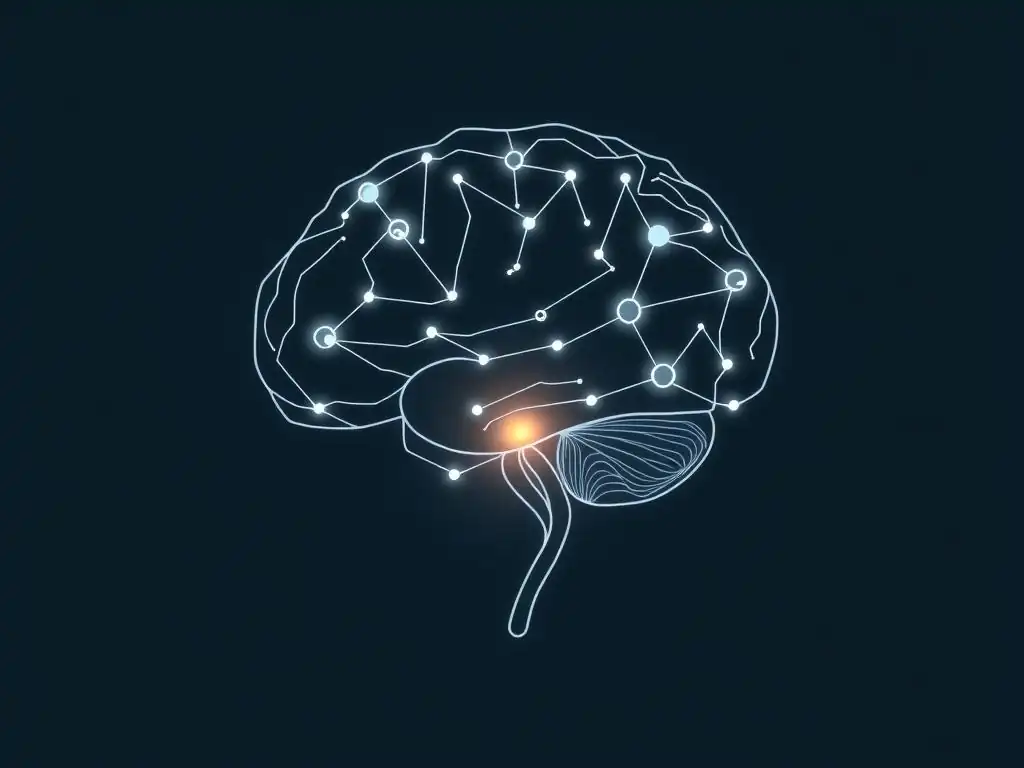
Remembering people's names easily can significantly enhance your social interactions and professional networking. This section delves into powerful association techniques to boost your name recall capabilities, transforming the often-daunting task of remembering names into a manageable and even enjoyable skill. We'll explore methods that leverage the power of your brain's natural associative abilities, moving beyond simple repetition to create lasting memories. Mastering these techniques will help you confidently navigate social situations and build stronger connections.
Connecting Names to Visual Images: The Power of Visualization
The human brain excels at processing visual information. This is why associating names with vivid mental images is a highly effective memory technique for remembering people names easily. Instead of simply hearing a name, you actively create a memorable visual representation. For example, if you meet someone named "Rocky," you might imagine a rugged mountain, a powerful boxer, or even a fluffy rock-shaped pet. The more unusual and striking the image, the better your brain will retain it.
Consider this: the more sensory details you incorporate into your visualization, the stronger the memory trace will be. If you meet a "Lily," don't just picture a lily flower; imagine a field of vibrant lilies, their petals catching the sunlight, the scent of their perfume filling the air. This multi-sensory approach significantly enhances memory encoding.
To further solidify the association, actively rehearse the image and the name several times in your mind immediately after the introduction. This strengthens the neural connections and improves long-term retention. This technique is particularly useful for names that don't immediately evoke strong visual associations. Practicing this method regularly will transform how easily you remember people names easily.
Linking Names to Personal Characteristics and Quirks
Another effective strategy involves connecting a person's name to their unique characteristics or noticeable quirks. This method goes beyond simple visualization, adding a layer of personalized context. If you meet a "Sarah" who wears bright red glasses, associate the name "Sarah" with the image of bright red glasses. Or, if you meet a "David" who tells a particularly funny joke, associate his name with the image of the joke itself.
This technique enhances memory by creating a personalized narrative. Instead of a generic image, you are creating a memory uniquely linked to that individual. The more distinctive the characteristic, the easier it will be to recall the name. This personalized approach facilitates the retrieval process, making it easier to remember people names easily. Try to identify at least one or two key characteristics or quirks to associate with each name. The more details you associate, the more robust your memory will become.
The Method of Loci: Using Mental Locations to Remember Names
The Method of Loci, also known as the memory palace technique, is a powerful mnemonic device that can dramatically improve your ability to remember people's names. This technique involves creating a mental journey through a familiar location, such as your home or your daily commute. Each "stop" along this mental journey becomes associated with a person's name and face.
For instance, imagine your living room. If you meet "John," you might place a mental image of John sitting on your couch. Moving to the kitchen, you might place "Emily" standing by the refrigerator. By mentally walking through your "memory palace," you can sequentially recall the names and faces associated with each location.
This method is particularly effective for remembering a series of names, such as at a networking event or a party. Remember, the more vivid and unusual your mental imagery, and the more familiar your chosen location, the better this technique will work for remembering people names easily. Regular practice is key to mastering this method and optimizing its effectiveness.
Advanced Memory Techniques for Remembering People
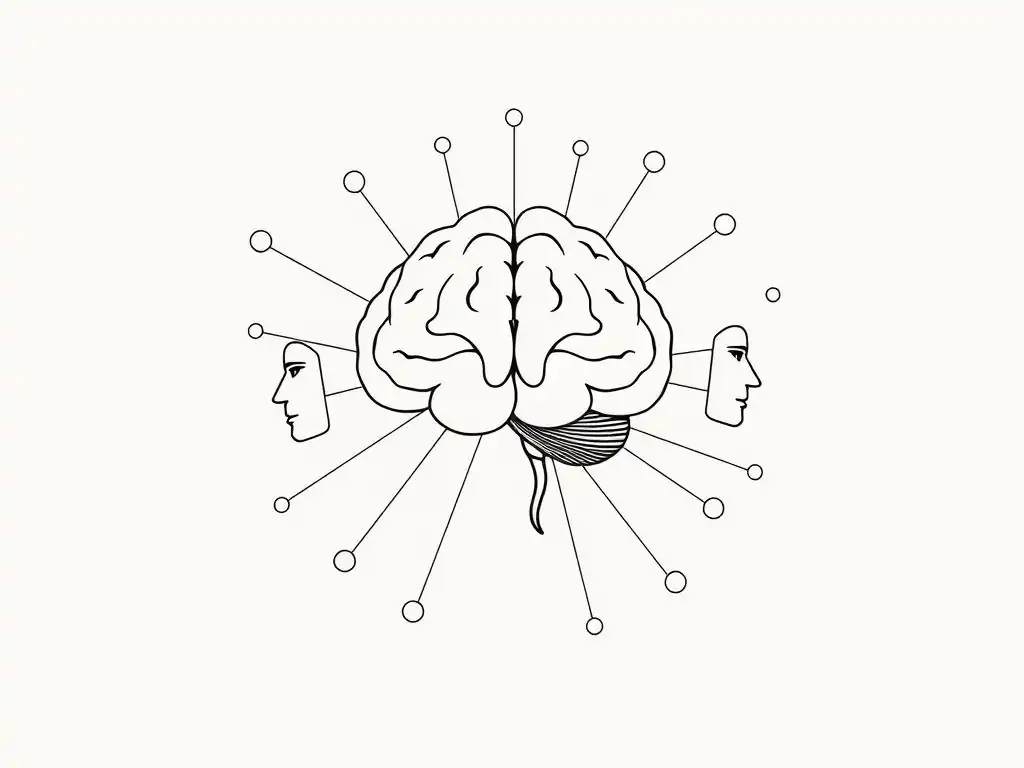
This section delves into advanced memory techniques to effortlessly recall names. We'll move beyond basic repetition and explore methods that leverage the power of association and creative encoding to significantly improve your ability to remember people's names easily. Mastering these techniques will transform your networking events, social gatherings, and even daily interactions.
Creating Memorable Associations with Existing Knowledge
One of the most effective ways to remember people's names easily is to create strong associations between the name and something you already know. This involves actively linking the new information (the name) to existing knowledge stored in your long-term memory. Instead of simply repeating the name, you build a mental bridge.
For example, if you meet someone named "Alexander," you might associate it with Alexander the Great. Visualize Alexander the Great wearing a modern suit, perhaps even shaking your hand! The more vivid and unusual the image, the stronger the association. Another example: If you meet a "Rose," picture a beautiful rose with thorns, perhaps with a similar hair color or style.
This technique is incredibly powerful because it taps into your pre-existing knowledge base. The more unique and memorable the association, the easier it will be to recall the name later. Try to engage multiple senses – sight, sound, even touch – to create a multi-sensory experience that strengthens the memory trace. The key is to make the association personal and meaningful to you.
Using Acronyms and Rhymes for Name Retention
Acronyms and rhymes offer a concise and playful approach to name retention, particularly useful for remembering multiple names in quick succession. For instance, if you're introduced to a group of people—let's say, John, Mary, and David—you could create an acronym like "JMD." Then, elaborate on that acronym; perhaps "Just Marvelous Day" or another phrase that resonates.
Alternatively, you can create rhymes. If you meet someone named "Susan," you might think of a rhyme like "Susan, a vision of beauty, I'll never lose you!" The more creative and memorable the rhyme, the more effective it will be.
This method is especially helpful when you need to remember a series of names in order. The playful nature of acronyms and rhymes helps to make the learning process more enjoyable and less tedious, increasing the likelihood of successful recall. Remember, the sillier and more unique the rhyme or acronym, the better it will stick in your memory.
The Peg System: A Powerful Tool for Remembering Lists of Names
The Peg System is a sophisticated mnemonic device that allows you to remember lists of items in order. It works by associating each item with a pre-memorized "peg" – a word or image – that corresponds to a number. For remembering names, you can use the peg system to recall a sequence of names in a meeting or social event.
First, memorize a list of pegs: One-bun, two-shoe, three-tree, four-door, five-hive, etc. These pegs are your anchors. Then, for each name, create a vivid image linking the name to its corresponding peg. For example, if the first person's name is "Michael," and your first peg is "bun," you might imagine a giant bun with a face that looks like Michael.
The Peg System requires initial effort in memorizing the pegs, but the payoff is substantial. It provides a structured framework for storing and retrieving information, allowing you to recall names in the exact order you encountered them. This system is particularly useful for situations where the order of names is crucial, such as remembering the speakers at a conference or the attendees at a meeting. Practice is key to mastering the Peg System and fully realizing its potential for remembering people’s names easily.
Overcoming Common Obstacles to Remembering Names
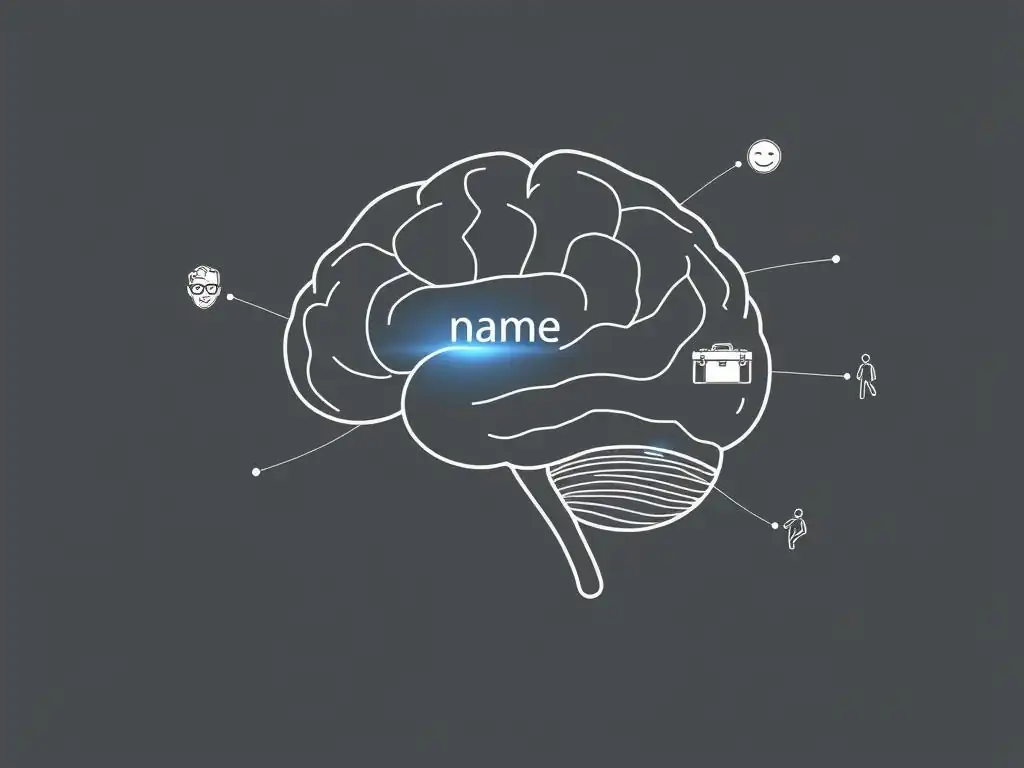
Remembering people's names easily can feel like a superpower, significantly impacting both personal and professional relationships. However, several common obstacles frequently hinder our ability to achieve this seemingly simple task. Let's delve into some of these hurdles and discover practical strategies to overcome them. Many individuals struggle with effectively encoding names into their long-term memory due to a variety of factors. Understanding these obstacles is the first step to mastering the art of name recall.
Dealing with Distractions and Anxiety During Introductions
The initial introduction is critical. Anxiety and distractions during this crucial moment can significantly impair our ability to register a new name. The pressure to make a good first impression often leads to heightened anxiety, causing us to miss crucial auditory cues and focus instead on our own self-consciousness. Think about it: a noisy environment, a complex conversation already in progress, or even simply feeling overwhelmed by a large group can all contribute to this problem.
To mitigate this, practice mindfulness techniques before entering social situations. Deep, slow breaths can calm your nervous system, allowing you to focus more effectively on the introduction. Furthermore, actively try to minimize distractions as much as possible. If you are in a noisy environment, politely excuse yourself to a quieter area to have a more focused conversation. Prioritizing a calm and attentive mental state during introductions is paramount for successful name retention. Remember, focusing on the person speaking, making eye contact, and actively listening are all key components to remembering their name.
Handling Names That Are Difficult to Pronounce or Remember
Some names, by their very nature, present a greater challenge to remember. Unusual spellings, unfamiliar sounds, or simply a long and complex string of syllables can make encoding a name into memory more difficult. This is especially true for individuals who are not native speakers of the language the name originates from. For example, a name with a unique pronunciation or a non-phonetic spelling (where the spelling doesn't directly correspond to its pronunciation) will require more conscious effort to retain.
Employ active recall strategies to combat this. Immediately after hearing the name, repeat it back to the person. "It's a pleasure to meet you, Alistair. That's a wonderful name." This simple act reinforces the auditory and visual memory.
If unsure about the pronunciation, politely ask for clarification: "I apologize, could you please repeat your name? I want to be sure I pronounce it correctly." Showing genuine interest and a willingness to learn goes a long way in building rapport and improving memory retention. Consider writing the name down discreetly later, along with a few associated details, to solidify the memory.
Strategies for Remembering Faces Along with Names
While remembering a name is important, associating it with a face significantly boosts recall. Many people struggle to connect names with faces, often leading to embarrassing moments of forgetting. This is often due to a lack of focused attention during the initial introduction. Our brains are remarkably good at recognizing faces, but they need the necessary cues to link them with the associated name.
To improve this association, focus on creating a mental image linking the person's face with their name. This could be something as simple as associating a facial feature with a part of their name. For example, if someone named "Robert" has a prominent nose, you could mentally picture a "roaring" lion with a large nose. Another technique is to use mnemonics, creating a memorable sentence or phrase that incorporates both the name and a striking feature.
The more unique and memorable the association, the better your chances of recalling the name later. Practicing these techniques consistently will gradually improve your ability to "remember people names easily" and strengthen your memory skills. The key is active engagement and conscious effort.
Putting it All Together: Practical Applications and Exercises
This section focuses on integrating the memory techniques discussed earlier into your daily life. We'll explore real-world scenarios and offer exercises to solidify your name-remembering skills. Remembering people's names easily isn't just about memorization; it's about building a robust system that works for you.
Real-life Scenarios and Name-Remembering Practice
Let's move beyond theory and dive into practical application. Imagine these scenarios:
- Networking Event: You're at a bustling networking event. You meet five new people in the first hour. How do you remember their names? Apply the techniques we discussed: active listening, repetition, creating associations, and using visual mnemonics. For example, if you meet someone named "Robert," and he's wearing a red tie, associate "Robert" with a "red robot." The more unusual and memorable the image, the better. 🤖
- Team Meeting: You're in a new team meeting. You need to remember the names of your colleagues. Before the meeting, try to get a list of attendees and their pictures (if available). Pre-familiarize yourself with the names and faces. This pre-emptive step significantly boosts recall during the actual meeting.
- Client Meeting: You're meeting a new client, "Ms. Eleanor Vance." Pay close attention to her introduction, repeat her name back to confirm ("It's a pleasure to meet you, Ms. Vance. "), and mentally associate her name with a distinguishing feature (e.g., "Eleanor" sounds like "elegant," and she's wearing an elegant necklace).
Exercise: Practice these scenarios. Find a friend or family member and role-play these situations. The more you practice, the more automatic these techniques will become. Aim to use a variety of techniques each time, mixing and matching to find what works best for you. Don't be afraid to experiment! 🎉
Remember, consistent practice is key. Even short, daily exercises can significantly improve your ability to remember people's names easily. Think of it like a muscle—the more you use it, the stronger it gets.
Tips for Improving Your Memory Over Time
Remembering people's names easily is a skill that improves with consistent effort. Here are some long-term strategies to enhance your memory and recall:
- Mindfulness and Focus: Cultivating mindfulness during introductions significantly enhances memory. Minimize distractions and truly focus on the person speaking. Active listening is not just polite; it's crucial for effective name retention.
- Regular Review: Periodically review names you've learned. This could be as simple as mentally revisiting the names of people you met that day before going to bed. This reinforces the memory trace.
- Utilize Technology Strategically: While relying solely on technology can hinder memory development, using it strategically can help. For example, immediately after a meeting, jot down names and a brief note about the person. This isn't about replacing memory, but about supporting it.
- Embrace Mistakes: Don't get discouraged by forgetting names occasionally. It's a normal part of the learning process. Acknowledge the lapse, politely ask for the name again, and then consciously work on remembering it using your chosen techniques. This demonstrates respect and reinforces your commitment to improving.
- Patience and Persistence: Mastering the art of remembering names easily takes time and patience. Don't expect overnight success. Consistent practice and a positive attitude are crucial for long-term improvement. Celebrate small victories along the way! 🏆
By implementing these strategies and consistently practicing the techniques outlined, you'll notice a significant improvement in your ability to remember people's names easily, boosting your confidence and social interactions. Remember, the key is to find the methods that work best for your learning style and to remain persistent in your efforts.
Frequently Asked Questions
How can I improve my ability to remember people's names?
The key is to actively engage with the person. Repeat their name during the introduction and try to associate their name with a memorable feature about them. This creates a stronger memory trace.
What are some memory techniques for remembering names?
Use visual imagery and mnemonics. For example, if someone's name is "Rose," imagine them holding a rose. Or connect their name to something you already know. Creating a strong association is crucial.
Why do I forget people's names so easily?
Often, it's due to a lack of focused attention during introductions. We're not actively encoding the information. Distraction and lack of repetition also contribute to forgetting.
Yes! Focus on the person speaking, repeat their name, and try to find a unique detail to associate with it. Afterward, mentally review the name and its association.
Does using name repetition really help with memory?
Absolutely! Repeating someone's name immediately after hearing it reinforces the memory trace. It helps transfer the information from short-term to long-term memory. Active recall is also beneficial.
Final Reflection: Unlocking the Power of Connection Through Memory
The ability to remember names easily isn't just a social grace; it's a key to building genuine connections and fostering meaningful relationships. In a world increasingly dominated by digital interactions, the art of remembering faces and names feels more vital than ever before. We've explored practical techniques, from mnemonic devices to the power of active listening, all designed to help you navigate social situations with confidence and ease.
The impact of remembering someone's name extends far beyond a simple act of recall. It signals respect, acknowledges their individuality, and lays the foundation for deeper engagement. A person's name is to that person, the sweetest and most important sound in any language.
- Dale Carnegie. This quote underscores the profound emotional resonance associated with being remembered, highlighting the importance of mastering these seemingly simple memory techniques. It's a skill that can significantly enhance your personal and professional life, leaving a lasting positive impression on those you meet.
Now, consider how you can integrate these memory hacks into your daily life. Practice active listening, make conscious efforts to associate names with memorable features, and don't be afraid to politely ask for a name again if needed. Remember, mastering the art of remembering names isn't about perfect recall; it's about cultivating a genuine interest in the people you meet and demonstrating that you value the connections you make. Embrace the power of association, and watch your relationships flourish.
Unlock Your Memory: Put Faces to Names Today!
Thank you for exploring the amazing power of association! You've learned techniques to dramatically improve your ability to remember names and faces. Ready to put these memory techniques into practice?
- Start associating: Choose someone you'd like to remember better—even someone you've already met—and consciously create a memorable association between their name and a striking feature or detail about them. Share your process in the comments below!
- Share your success: Tell us about your experience using these techniques. What associations did you create? How effective were they? Sharing your experiences will inspire others.
- Challenge a friend: Test these methods with a friend or colleague. See who can create the most creative and memorable associations!
What unique association will you create today to remember someone?