
Maximize Your Fridge Space: Genius Meal Prep Storage Solutions

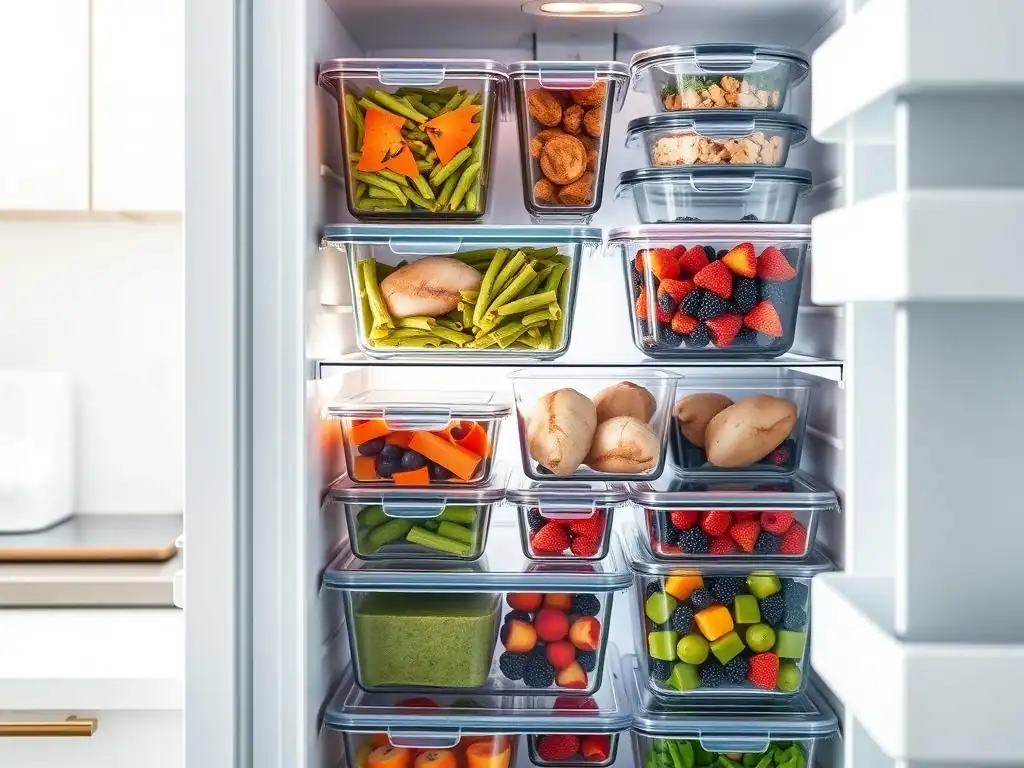
Welcome to UltimateLifeHacks, your destination for practical tips and tricks to conquer daily life! Are you tired of a chaotic fridge and inefficient meal prep? Discover the secret to optimizing fridge space and transforming your kitchen into a well-oiled machine with our groundbreaking article on "Maximize Your Fridge Space: Genius Meal Prep Storage Solutions." Prepare to unlock a world of organized efficiency and reclaim precious time – read on to learn more!
- Optimize Fridge Space for Meal Prep: A Step-by-Step Guide
- Smart Storage Solutions for Maximizing Fridge Space and Meal Prep Efficiency
- Creative Meal Prep Storage Ideas to Optimize Fridge Space
- Long-Term Strategies for Maintaining Optimized Fridge Space for Meal Prep
- Optimize Fridge Space for Leftovers: Smart Storage and Organization
-
Frequently Asked Questions
- How can I optimize my fridge space for meal prepping?
- What are some smart storage solutions for meal-prepped foods?
- What types of containers are best for meal prepping and fridge storage?
- How can I prevent food from spoiling faster in a crowded fridge?
- What are some time-saving tips for meal prepping and optimizing fridge space?
- Final Reflection: Unlocking the Power of Organized Meal Prep
- Unlock Your Fridge's Hidden Potential!
Optimize Fridge Space for Meal Prep: A Step-by-Step Guide
Optimizing fridge space is crucial for efficient meal prepping. A well-organized refrigerator not only saves you time searching for ingredients but also minimizes food waste and encourages healthier eating habits. This comprehensive guide provides practical strategies and innovative solutions to maximize your fridge's storage capacity, specifically tailored for those committed to meal prepping.
We'll explore how to assess your current organization, declutter effectively, and implement smart storage techniques to transform your refrigerator into a meal-prepping powerhouse. By following these steps, you'll streamline your weekly meal prep, reducing stress and ensuring you always have healthy, ready-to-eat meals on hand. This guide will help you conquer the challenge of "Optimize fridge space meal prep" and unlock the full potential of your refrigerator.
Assessing Your Current Fridge Organization: Identifying Space Wasters
Before you embark on optimizing your fridge space for meal prep, it's essential to understand your current situation. Take a moment to thoroughly examine your refrigerator's contents. What immediately stands out? Are there areas where space is wasted? Are items haphazardly thrown in, leading to a disorganized mess? This initial assessment is key to identifying areas for improvement.
Consider these common space wasters:
- Oversized containers: Using large containers for small portions wastes valuable space. Opt for smaller, stackable containers that fit snugly together.
- Poor stacking: Improper stacking leads to inefficient use of vertical space. Utilize shelf risers and stackable containers to maximize vertical space.
- Expired or forgotten items: Expired food takes up unnecessary space and can contaminate other items. Regularly check expiration dates and discard outdated food promptly.
- Unnecessary items: Do you really need all those condiments taking up space? Consider donating or discarding items you rarely use.
Let's use a real-world example: Imagine a refrigerator with several large, half-empty containers of leftovers. These containers occupy a significant amount of space, while smaller, more organized containers could hold the same amount of food more efficiently. Replacing these large containers with smaller, stackable ones instantly frees up valuable space. This assessment process is the first step in optimizing your fridge for meal prep.
Decluttering Your Fridge: A Fresh Start for Efficient Meal Prep Storage
Once you've identified space wasters, it's time for a thorough decluttering. This is not just about throwing away expired items; it's about creating a clean slate for efficient meal prep storage. Remove everything from your refrigerator. Clean the shelves and drawers thoroughly. This allows you to start fresh and organize your food strategically.
While cleaning, consider these tips:
- Wipe down shelves and drawers: Remove any spills or sticky residues. A clean fridge prevents the spread of bacteria and makes organization easier.
- Check expiration dates: Discard any expired items immediately. Don't hesitate to throw away anything that looks questionable, smells off, or has exceeded its recommended shelf life.
- Group similar items: Before putting items back in, group similar items together (e.g., all leftovers in one area, all fruits and vegetables in another). This makes finding specific ingredients much easier.
The decluttering process should be thorough and methodical. Don't rush; take your time to carefully examine each item and make informed decisions about what to keep and what to discard. This crucial step lays the foundation for successful fridge organization and efficient meal prepping. Think of it as preparing the canvas before you start painting your masterpiece!
Implementing Smart Fridge Organization Techniques for Meal Preppers
Now that your refrigerator is clean and empty, it's time to implement smart organization techniques specifically designed for meal prepping. This involves using a variety of storage solutions and strategic placement to maximize space and streamline your workflow.
Here are some effective techniques:
| Technique | Description | Benefits |
|---|---|---|
| Stackable Containers | Use clear, stackable containers of various sizes to store leftovers and meal-prepped ingredients. | Maximizes vertical space, easy to see contents, and prevents spills. |
| Shelf Risers | Utilize shelf risers to create additional layers and increase vertical storage capacity. | Doubles the usable space on each shelf. |
| Door Organization | Store frequently used items (condiments, drinks) in the door, leaving shelves for larger items. | Easy access to frequently used items. |
| Vertical Storage | Use vertical dividers or organizers to separate items and prevent them from toppling over. | Prevents spills and makes finding items easier. |
| Labeling System | Label all containers with the contents and date to avoid confusion and prevent food waste. | Reduces food waste, improves efficiency, and ensures freshness. |
By implementing these techniques and incorporating the principles discussed, you'll transform your refrigerator into a highly efficient meal-prepping hub. Remember, consistency is key. Maintain your organized system regularly to reap the long-term benefits of optimized fridge space and stress-free meal prepping. 🎉
Smart Storage Solutions for Maximizing Fridge Space and Meal Prep Efficiency
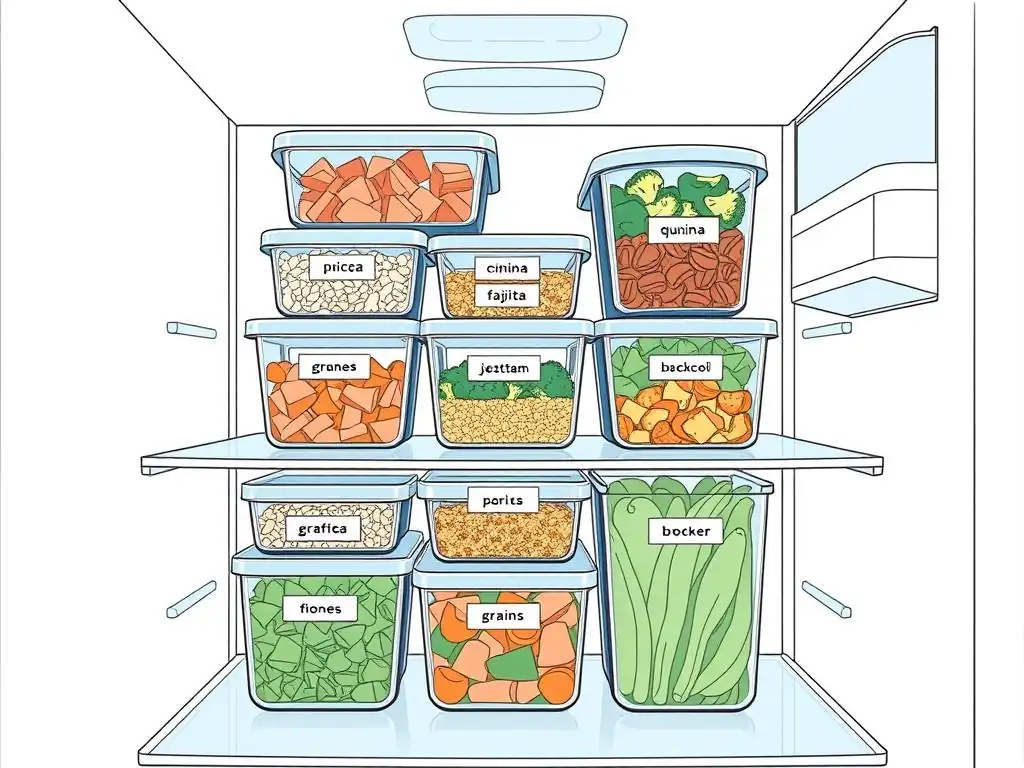
This section delves into practical strategies for optimizing fridge space, specifically tailored to efficient meal prepping. We'll explore smart storage solutions that not only increase capacity but also improve organization and reduce food waste, ultimately saving you time and effort in the long run. Effective fridge organization is key to successful meal prepping; a cluttered fridge leads to forgotten leftovers and ultimately, wasted food and money. Let's dive into some proven techniques to optimize your fridge space for meal prep.
Utilizing Vertical Space: Shelf Risers and Stackable Containers
One of the most underutilized areas in a refrigerator is the vertical space. Many people simply place containers haphazardly, leading to wasted space and a chaotic arrangement. By strategically utilizing vertical space, you can significantly increase your fridge's storage capacity. This is where shelf risers and stackable containers become invaluable assets in your meal prep arsenal.
Shelf risers are inexpensive and readily available. They elevate containers, creating a second level on your shelves. This simple addition can double, or even triple, the usable space on a single shelf. Imagine transforming a shelf previously occupied by just two large containers into one holding four to six smaller, easily accessible meal prep containers.
Stackable containers are equally important. Look for containers with airtight lids designed for stacking. This prevents spills, keeps food fresh longer, and maximizes vertical space. Consider investing in a set of containers in varying sizes to accommodate different portions and meal types. Choosing clear, transparent containers allows for easy identification of contents, further enhancing organization and reducing the time spent searching for specific meals. The added benefit is that you can easily see what needs to be used up first, minimizing food waste.
Clear, Stackable Containers: A Meal Prep Storage Essential
The cornerstone of efficient meal prepping and fridge optimization lies in the right containers. Clear, stackable containers are not just convenient; they're essential for maximizing space and maintaining organization. Their transparency allows for easy identification of contents at a glance, reducing time spent rummaging through the fridge and preventing forgotten leftovers from spoiling.
Consider the following aspects when choosing your containers:
- Material: Opt for BPA-free plastics or glass containers for food safety. Glass is more durable and better for reheating in the microwave (though it can be heavier). However, plastic is often lighter and less prone to breakage.
- Size: A variety of sizes is crucial to accommodate different meal portions. Having a mix of small, medium, and large containers ensures that you can store everything from individual servings of yogurt to large batches of soups or stews.
- Shape: Square or rectangular containers are generally better for maximizing space in the fridge compared to round containers.
- Airtight Seals: Airtight lids are vital for preserving food freshness and preventing spills. Look for containers with secure locking mechanisms.
Investing in a high-quality set of clear, stackable containers is a worthwhile investment that will significantly improve your meal prep efficiency and fridge organization for years to come. This simple change can dramatically optimize fridge space and meal prep workflows.
Labeling and Dating Your Meal Prep Containers: Maintaining Freshness
Even with the best storage solutions, maintaining freshness and avoiding food waste requires diligent labeling and dating. This seemingly small step is crucial for optimizing your fridge space and meal prep routine. By clearly labeling and dating each container, you can easily identify what needs to be consumed first, preventing food spoilage and maximizing the lifespan of your prepared meals.
Here's how to effectively label and date your meal prep containers:
- Use a permanent marker: Avoid using sticky notes, which can peel off and get lost. A permanent marker ensures that the label remains intact throughout the storage period.
- Be specific: Clearly indicate the contents of the container – for example, "Chicken & Veggie Stir-fry, 10/26." Avoid generic labels like "Leftovers."
- Include the date: Always note the preparation date to track freshness. This allows you to prioritize consuming older meals before newer ones.
- Consider color-coding: For advanced organization, consider using different colored markers or labels to categorize meals (e.g., breakfast, lunch, dinner). This can further enhance visual organization and quick identification within your optimized fridge space.
By following these simple steps, you'll significantly reduce food waste, improve meal planning efficiency, and maintain a much more organized and usable fridge space. This translates to less stress, more time, and less money wasted on spoiled food – all key components of successful meal prepping and overall kitchen optimization.
Creative Meal Prep Storage Ideas to Optimize Fridge Space
Optimizing fridge space for meal prep is crucial for maximizing efficiency and minimizing food waste. A well-organized refrigerator allows for easy access to prepared ingredients and meals, making healthy eating significantly easier. This section explores innovative storage solutions to help you conquer the challenge of limited fridge real estate and truly optimize fridge space meal prep.
Utilizing Door Shelves Strategically for Meal Prep Items
Door shelves, often overlooked, can be surprisingly useful for meal prep storage when used strategically. The warmer temperature of the door makes them unsuitable for highly perishable items like milk or meat, but they are perfect for items that are more stable. Instead of haphazardly stuffing condiments and leftovers, consider a dedicated system.
For instance, dedicate one door shelf to frequently used sauces and dressings for your meal-prepped lunches. Organize these in small, stackable containers for easy identification and access. Another shelf could be reserved for pre-portioned fruits and vegetables destined for quick snacks or additions to your prepared meals. Consider using clear containers so you can easily see what you have without having to rummage. This visible organization prevents accidental spoilage and encourages consumption of those items before they go bad.
Think about using small, shallow containers for items like berries or cherry tomatoes to maximize space and prevent crushing. This simple change can significantly increase the overall usable space on your door shelves. Remember to regularly check and rotate items to ensure freshness. A well-organized door shelf is a key component of optimizing fridge space for meal prep.
Freezing Portioned Meals for Optimal Fridge Space Management
Freezing portions of your meal prep is a game-changer for maximizing fridge space. Instead of dedicating large containers to meals that you might not consume within a few days, freeze individual portions. This frees up valuable fridge space for fresh ingredients and other time-sensitive items. This method is particularly beneficial for soups, stews, chili, and other dishes that freeze well.
Consider using freezer-safe containers with clear lids for easy identification. Label each container with the contents and the date it was frozen. Using standardized containers also helps maximize freezer space and keeps everything neat and organized. This systematic approach to freezing is key to successful optimize fridge space meal prep.
A helpful tip is to portion your meals into sizes appropriate for a single serving or a family meal, depending on your needs. This prevents unnecessary thawing and reheating, saving you time and energy in the long run. Proper portioning through freezing helps you plan and control your food intake, contributing to healthier eating habits. This is a simple yet effective strategy for optimizing fridge space and reducing food waste.
Repurposing Unused Containers for Efficient Meal Prep Storage
Don't underestimate the power of repurposing. Instead of buying new containers, take stock of what you already have. Many food containers – yogurt cups, empty spice jars, and even cleaned-out takeout containers (ensure they are food-safe!) – can be reused for meal prep storage. This is a budget-friendly and environmentally conscious approach.
For example, clean yogurt cups can be perfect for single servings of overnight oats or chia pudding. Small spice jars can hold various dry ingredients like nuts, seeds, or spices, keeping them fresh and organized. Ensure you thoroughly clean and dry any repurposed containers before using them to prevent cross-contamination.
Remember to label all containers clearly with the contents and date to maintain organization and freshness. This practice of repurposing is not only efficient in terms of space management but also promotes sustainability. By reducing waste and utilizing existing resources, you contribute to a more eco-friendly lifestyle while simultaneously optimizing fridge space meal prep.
Long-Term Strategies for Maintaining Optimized Fridge Space for Meal Prep
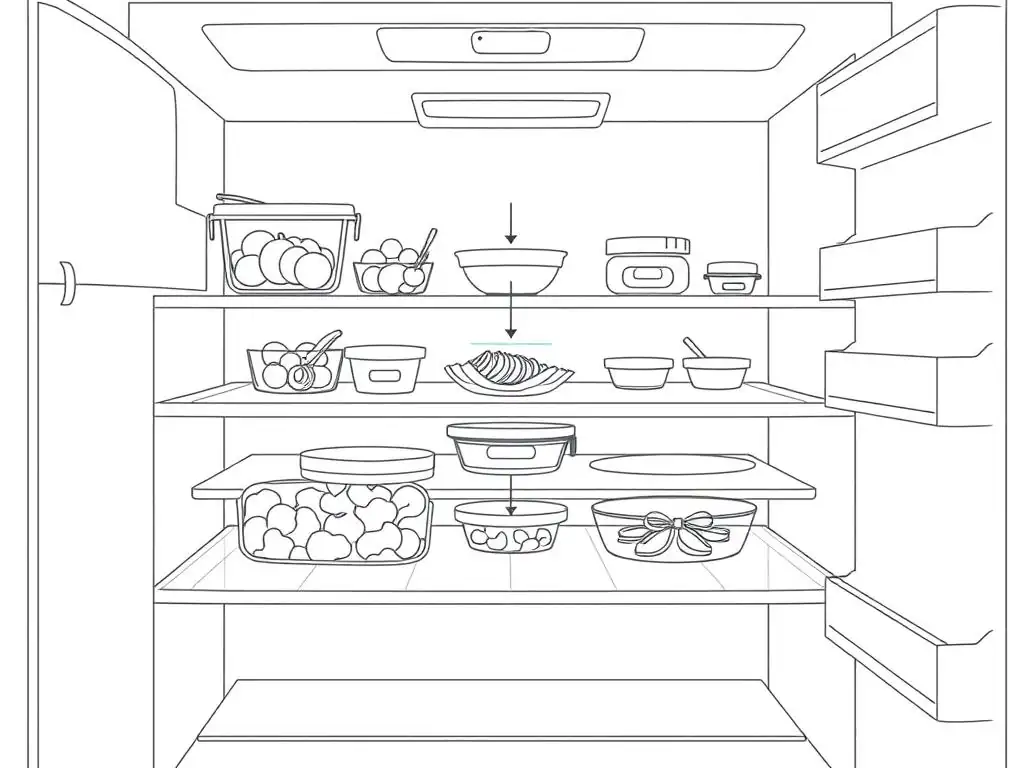
Efficient fridge organization isn't a one-time fix; it's an ongoing process. To truly optimize fridge space for meal prep, you need to implement long-term strategies that become ingrained in your routine. This section details crucial steps to ensure your meal prep efforts remain efficient and your fridge stays organized, week after week. Consistent application of these strategies will significantly reduce food waste and maximize your precious fridge real estate.
Regular Fridge Cleaning: A Key to Efficient Meal Prep Storage
Regular cleaning isn't just about hygiene; it's a fundamental aspect of optimizing fridge space for meal prep. A cluttered fridge is a disorganized fridge, making it difficult to locate ingredients and leading to food spoilage. Aim for a deep clean at least once a month. This involves removing all items, wiping down shelves and drawers with a mild disinfectant, and discarding expired or spoiled food. Think of it as a "fridge reset." This process allows you to accurately assess your current inventory, identify potential waste, and plan your upcoming meal prep accordingly.
Beyond the monthly deep clean, incorporate a weekly "mini-clean." This involves discarding any obviously spoiled items, rearranging items to maximize space, and wiping up any spills. This preventative maintenance prevents small messes from becoming larger, time-consuming cleaning projects. A consistently clean fridge fosters a more organized and efficient meal prep workflow. The time invested in regular cleaning will be more than compensated for by the time saved in finding ingredients and avoiding food waste. Consider using a checklist to ensure you don't miss any areas during your cleaning process. For example:
| Area | Cleaning Task | Frequency |
|---|---|---|
| Shelves | Wipe down with disinfectant | Weekly |
| Drawers | Remove, wash, and dry | Weekly |
| Door shelves | Remove items, wipe down, and rearrange | Weekly |
| Produce drawer | Remove wilted items, wipe down | Daily |
Planning Your Weekly Meals: A Proactive Approach to Fridge Organization
Proactive meal planning is the cornerstone of successful fridge organization for meal prep. Spontaneous grocery shopping and haphazard meal choices lead to a chaotic fridge. By planning your meals for the week in advance, you can create a shopping list that aligns with your storage capacity. This reduces the likelihood of buying more food than you can reasonably store, preventing overcrowding and spoilage.
Consider using a meal planning template or app to organize your thoughts. List every meal and snack for the week, noting the necessary ingredients. This allows you to visualize how much space each item will require in your fridge. Categorize your ingredients: leftovers, fresh produce, dairy, etc.
This pre-planning allows for strategic placement within the fridge, optimizing temperature zones for different food types. For example, place leftovers in clearly labeled containers towards the front for easy access, while storing more perishable items like milk and yogurt towards the back. This systematic approach minimizes hunting and searching, maximizing efficiency. Remember, a well-planned week translates to a well-organized fridge – and less wasted food!
Investing in Space-Saving Fridge Accessories for Meal Prep
Optimizing fridge space for meal prep often involves strategic investment in accessories. These aren't frivolous purchases; they're tools that significantly enhance efficiency and minimize wasted space. Consider these options:
- Stackable containers: These allow for vertical storage, maximizing vertical space and keeping ingredients organized. Choose clear containers for easy visibility.
- Adjustable shelves: These offer the flexibility to customize your fridge's interior to accommodate various item sizes and shapes.
- Over-the-door organizers: These utilize often-unused space on the fridge door for small items like condiments and spices.
- Fridge drawer dividers: These help separate and organize items within drawers, preventing them from getting lost or crushed.
- Vacuum-sealed bags: These reduce the volume of food, allowing you to store more in less space, and extend the shelf life of your ingredients.
Investing in these accessories might seem like an upfront cost, but the long-term benefits – reduced food waste, improved organization, and increased efficiency – far outweigh the initial expense. Consider these investments as an important part of your overall meal prep strategy, contributing directly to a more organized and efficient kitchen. Remember to measure your fridge space before purchasing any accessories to ensure a perfect fit.
Optimize Fridge Space for Leftovers: Smart Storage and Organization
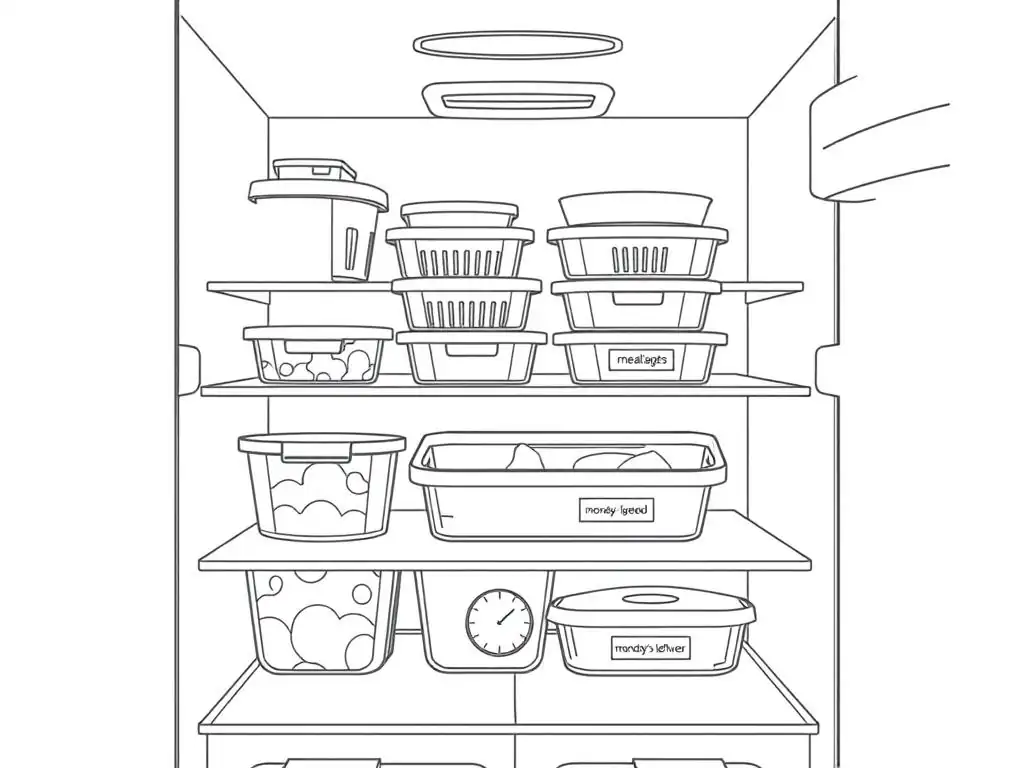
Optimizing fridge space, especially when meal prepping, is crucial for minimizing food waste and maximizing efficiency. Leftovers often take up significant real estate, so strategic storage is key to keeping your fridge organized and your food fresh. This section focuses on techniques to efficiently store leftovers and integrate them into your future meal prep plans, directly addressing the keyword "optimize fridge space meal prep" and its semantic variations.
Storing Leftovers Efficiently: Maximizing Space and Freshness
Efficient leftover storage begins with proper containers. Avoid using flimsy plastic wrap or aluminum foil, as these can lead to spills and food contamination. Instead, opt for airtight, reusable containers in various sizes. This allows you to store different quantities of leftovers without wasting space. Consider investing in stackable containers to maximize vertical space. Think of it like a Tetris game for your fridge – the more efficiently you stack, the more space you free up!
Here's a simple table summarizing ideal container choices for different leftovers:
| Leftover Type | Ideal Container Type | Notes |
|---|---|---|
| Soups & Stews | Deep, rectangular containers | Choose sizes that allow for easy stacking. |
| Cooked Vegetables | Shallow, wide containers | Allows for quicker cooling and prevents sogginess. |
| Cooked Grains (Rice, Quinoa) | Airtight containers with lids | Prevents drying out and absorbing odors. |
| Meat & Poultry | Shallow, wide containers | Promotes even cooling and minimizes bacterial growth. |
Remember to label each container with the contents and date. This simplifies locating specific items and helps you identify what needs to be consumed first, preventing food spoilage. Prioritizing "first in, first out" (FIFO) is essential for minimizing food waste and maximizing the freshness of your meal-prepped foods. Using clear containers allows you to quickly visually scan your fridge for available ingredients, a simple yet effective hack for optimizing your meal prep workflow. Furthermore, consider using shelf dividers to create dedicated sections for leftovers, further enhancing organization and ease of access.
Repurposing Leftovers in New Meal Prep Dishes
Leftovers aren't just for reheating; they're excellent ingredients for creating entirely new meal prep dishes! Repurposing leftovers is a fantastic way to reduce food waste and add variety to your weekly meals. This strategy also saves you time and effort in the long run, as you're essentially using pre-cooked ingredients to build new dishes.
For example, leftover roasted chicken can be transformed into chicken salad sandwiches, chicken tacos, or added to soups and stews. Leftover cooked quinoa can become the base for a delicious grain bowl with roasted vegetables and a protein source. Similarly, leftover roasted vegetables can be incorporated into frittatas, omelets, or pasta dishes. Don't be afraid to experiment with different flavor combinations and textures.
Planning ahead is key to successful leftover repurposing. As you're preparing your initial meal, consider how the leftovers can be used in subsequent meals. This proactive approach ensures that nothing goes to waste and minimizes the time spent planning future meals. This mindful approach to meal prepping not only optimizes fridge space but also optimizes your time and resources, ultimately enriching your overall meal prepping experience. Think creatively – the possibilities are endless! 🥳
Frequently Asked Questions
How can I optimize my fridge space for meal prepping?
Efficient fridge organization is key. Use clear containers to store prepped ingredients and meals. Vertical stacking and using shelf risers maximize vertical space.
What are some smart storage solutions for meal-prepped foods?
Invest in stackable containers of varying sizes. Consider using drawer organizers to separate items and prevent spills. Label everything clearly for easy identification.
What types of containers are best for meal prepping and fridge storage?
Glass containers are ideal for reheating leftovers and are environmentally friendly. BPA-free plastic containers are a more affordable option, but ensure they are microwave-safe if needed.
How can I prevent food from spoiling faster in a crowded fridge?
Ensure your fridge is at the correct temperature (around 37-38°F or 3-4°C). First in, first out is crucial; use older ingredients before newer ones. Properly wrap and seal all food items.
What are some time-saving tips for meal prepping and optimizing fridge space?
Plan your meals in advance to minimize food waste. Prepare ingredients in batches to save time. Use a dedicated area in your fridge for meal-prepped items for easy access.
Final Reflection: Unlocking the Power of Organized Meal Prep
Efficient fridge organization isn't just about maximizing space; it's about maximizing your time, health, and overall well-being. A well-organized refrigerator translates directly into reduced food waste, healthier eating habits, and a significantly less stressful week. The strategies outlined in this article—from utilizing vertical space to employing clever storage solutions—are more than just tips; they're keys to unlocking a more streamlined and fulfilling life.
The impact of mindful meal prepping extends far beyond the confines of our kitchens. It's a reflection of our commitment to ourselves and our families. By taking control of our food storage, we're taking control of our health and our time. This conscious effort to optimize our resources speaks volumes about our priorities and our desire for a more balanced lifestyle. The secret of getting ahead is getting started.
- Mark Twain. This simple quote perfectly encapsulates the power of taking that first step towards a more organized and efficient approach to meal preparation.
Now, consider your own refrigerator. What small changes can you implement today to improve its organization? Perhaps it's investing in a few stackable containers, or simply taking the time to declutter and reorganize your existing items. Take action. Start small, build momentum, and witness the transformative effect of a well-organized fridge on your daily life. The journey to a more efficient and healthier you begins with a single, organized shelf.
Thanks for exploring these clever meal prep storage solutions! We hope you feel empowered to conquer fridge clutter and streamline your weekly meals. Ready to put these tips into action?
- Try a new storage method: Choose one solution from the article and test it this week. Start small, focusing on one section of your fridge at a time. You'll be amazed by the results!
- Share your before-and-after fridge photos on social media using #UltimateLifeHacksFridge. Let's inspire each other!
- Experiment with a new meal prep recipe that complements your chosen storage solution. Batch cooking is a great way to maximize your organized space.
What storage solution are you most excited to try, and why?