
The Surprising Truth About Sleep and Fitness: How to Maximize Your Time


Ready to unlock your full potential and conquer your day? At UltimateLifeHacks, we're dedicated to helping you streamline your life and achieve peak performance. This article dives deep into the often-overlooked connection between Maximize time sleep fitness, revealing surprising strategies to optimize your sleep, boost your fitness, and reclaim precious hours in your day. Discover how even small changes can lead to extraordinary results – let's get started!
- Understanding the Sleep-Fitness Connection: Why Sleep Matters for Your Gains
- Optimizing Your Sleep Schedule for Peak Fitness Results
- Maximizing Your Time: Sleep Hacks for Busy Fitness Enthusiasts
- Nutrition and Sleep: Fueling Your Body for Optimal Recovery
- Advanced Techniques for Maximizing Time and Sleep Quality
- Measuring Your Success: Tracking Sleep and Fitness Improvements
- Frequently Asked Questions
- Final Reflection: Unlocking Your Peak Performance Through Strategic Sleep
- Unlock Your Peak Performance: Optimize Sleep & Fitness Today!
Understanding the Sleep-Fitness Connection: Why Sleep Matters for Your Gains
Sleep. It's often the first thing we sacrifice when life gets busy, yet it's arguably the most crucial element for maximizing both fitness goals and overall well-being. This article delves into the surprising truth about the intertwined relationship between sleep and fitness, demonstrating how prioritizing sleep isn't just about feeling rested—it's a critical component of achieving your fitness aspirations and maximizing your time.
We'll explore how sufficient sleep directly impacts muscle growth, hormone regulation, workout performance, and injury prevention, ultimately showing you how to strategically incorporate sleep into your routine to optimize your fitness journey without sacrificing precious hours. Understanding this connection will empower you to make informed choices, leading to significant improvements in your health and fitness levels, all while maximizing your valuable time. Let's dive in!
The Impact of Sleep Deprivation on Muscle Growth and Recovery
Sleep deprivation significantly hinders muscle growth and recovery. During sleep, your body releases growth hormone, a crucial anabolic hormone responsible for building and repairing muscle tissue. Studies have consistently shown that individuals with insufficient sleep experience reduced growth hormone secretion, leading to slower muscle protein synthesis and impaired muscle recovery. This means that even with rigorous workouts and a healthy diet, you're not realizing your full potential for muscle growth if you're consistently sleep-deprived.
For example, a study published in the Journal of Applied Physiology found that participants who slept only 5 hours per night experienced a 10% reduction in muscle protein synthesis compared to those who slept 8 hours. 😴 This translates to slower progress in building muscle mass and increased risk of overtraining injuries. Prioritizing adequate sleep is therefore essential for maximizing muscle growth and ensuring efficient recovery after intense physical activity.
Sleep's Role in Hormone Regulation for Optimal Fitness
Optimal fitness relies heavily on a balanced hormonal environment. Sleep plays a vital role in regulating several key hormones impacting performance and recovery. Insufficient sleep disrupts the delicate balance of these hormones, negatively impacting your fitness journey. For instance, chronic sleep deprivation leads to elevated levels of cortisol, a stress hormone that promotes muscle breakdown and fat storage.
Conversely, it reduces levels of testosterone, a crucial hormone for muscle growth and strength. Furthermore, leptin, a hormone that regulates appetite, is also affected; sleep deprivation can decrease leptin levels, leading to increased hunger and cravings, potentially undermining your dietary efforts. Maintaining consistent, quality sleep ensures optimal hormonal balance, facilitating muscle growth, fat loss, and improved overall fitness. This hormonal equilibrium is a cornerstone of successful fitness optimization, and sleep is your key to unlocking it.
How Sleep Affects Your Workout Performance and Injury Prevention
Beyond muscle growth and hormone regulation, sleep significantly impacts your workout performance and injury risk. Adequate sleep enhances cognitive function, improving focus and reaction time during training. This translates to better performance and safer workouts. Sleep deprivation, on the other hand, impairs cognitive function, leading to reduced coordination, slower reaction time, and increased risk of accidents during exercise.
Moreover, sufficient sleep promotes muscle repair and reduces inflammation, minimizing the risk of injuries and accelerating recovery. Consider this: a fatigued body is more prone to strains, sprains, and other injuries. By prioritizing sleep, you're not only improving your workout performance but also significantly reducing your risk of injury, ultimately allowing you to train consistently and effectively to achieve your fitness goals. Prioritizing sleep is a strategic investment in your overall fitness success and longevity.
Optimizing Your Sleep Schedule for Peak Fitness Results
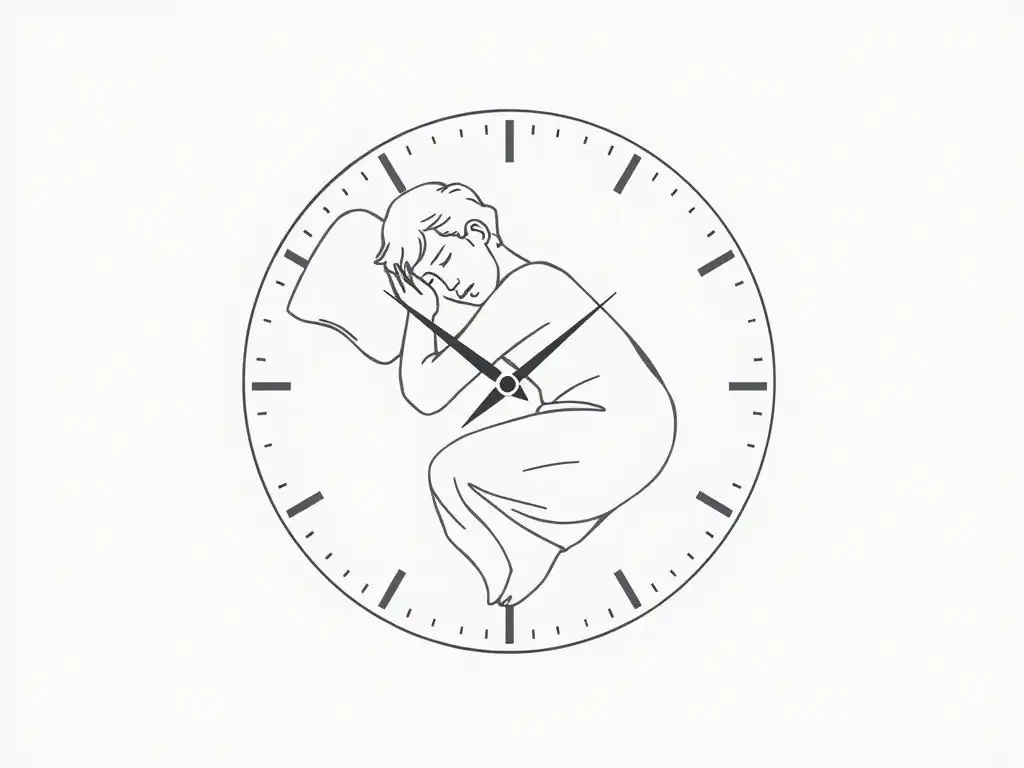
This section delves into the crucial link between sleep and fitness, focusing on how strategic sleep scheduling can significantly improve your workout performance and overall health, maximizing your time investment. Insufficient sleep directly impacts athletic performance, leading to reduced strength, slower reaction times, and increased risk of injury. Conversely, prioritizing sleep enhances recovery, allowing your body to repair muscle tissue and rebuild energy stores more efficiently. This means you get more out of your fitness routine in less time.
Designing a Consistent Sleep Schedule for Improved Time Management
A consistent sleep schedule is paramount for maximizing time and optimizing fitness gains. Irregular sleep patterns disrupt your body's natural circadian rhythm, leading to sleep inertia – that groggy feeling that persists even after waking. This inertia can significantly impact your motivation to exercise and your performance during workouts. Aim for 7-9 hours of sleep each night, going to bed and waking up around the same time, even on weekends.
This consistency reinforces your body's natural sleep-wake cycle, leading to improved sleep quality and more energy throughout the day. Consider using a sleep tracker app to monitor your sleep patterns and identify areas for improvement. This allows for data-driven adjustments to your sleep schedule, making time management more effective.
Creating the Ideal Sleep Environment for Better Rest and Recovery
Optimizing your sleep environment is crucial for maximizing your sleep quality. This contributes directly to maximizing the effectiveness of your time spent sleeping and recovering. A dark, quiet, and cool room is ideal. Minimize light exposure by using blackout curtains or an eye mask. Reduce noise with earplugs or a white noise machine.
Maintain a comfortable room temperature, typically around 65°F (18°C). Consider investing in a high-quality mattress and pillows that support proper spinal alignment. A comfortable sleep environment significantly reduces the time it takes to fall asleep and improves the depth and quality of your sleep, maximizing your rest and recovery. A clean and organized bedroom also contributes to a more peaceful and restful sleep environment.
Strategies for Falling Asleep Faster and Staying Asleep Longer
Falling asleep quickly and staying asleep throughout the night is essential for maximizing the benefits of sleep for fitness. Developing a relaxing bedtime routine can significantly improve sleep onset. This could include taking a warm bath, reading a book (avoid screens! ), or practicing relaxation techniques like deep breathing or meditation. Avoid caffeine and alcohol close to bedtime, as these substances can interfere with sleep quality.
Regular physical activity is beneficial, but avoid intense workouts close to bedtime. If you wake up during the night, avoid looking at your phone or other electronic devices. Instead, try gentle stretching or deep breathing exercises to help you relax and fall back asleep. Implementing these strategies ensures that the time you dedicate to sleep is truly restorative and effective in supporting your fitness goals, maximizing your overall time management.
Maximizing Your Time: Sleep Hacks for Busy Fitness Enthusiasts
This section delves into practical strategies to optimize your sleep, even with a demanding fitness routine and a packed schedule. Many believe that sacrificing sleep to squeeze in more workouts is a necessary evil for achieving fitness goals. However, this couldn't be further from the truth. Sufficient sleep is not just beneficial; it's essential for maximizing your fitness gains and overall well-being.
Ignoring sleep's crucial role in recovery and performance is like trying to build a house without a foundation – unsustainable and ultimately unsuccessful. This section focuses on how to strategically incorporate sleep into your routine to maximize time spent on both fitness and other essential aspects of your life. We'll explore techniques to improve sleep quality and efficiency, allowing you to achieve more in less time.
Efficient Sleep Strategies for Time-Crunched Individuals
Time is often cited as the biggest obstacle to prioritizing sleep. However, with a few adjustments, even the busiest individuals can create a sleep-conducive environment. Consider these effective strategies:
- Establish a Consistent Sleep Schedule: Going to bed and waking up around the same time each day, even on weekends, regulates your body's natural sleep-wake cycle (circadian rhythm), making it easier to fall asleep and wake up feeling refreshed. This consistency is crucial for maximizing the restorative effects of sleep. Aim for 7-9 hours of sleep nightly. This is not negotiable for optimal fitness performance and overall health.
- Optimize Your Sleep Environment: Create a sanctuary for sleep. This means a cool, dark, and quiet room. Invest in blackout curtains, earplugs, or a white noise machine if necessary. A comfortable mattress and pillows are also crucial investments. Think of your bedroom as your personal sleep temple, a place dedicated to rest and rejuvenation.
- Wind-Down Routine: An hour or two before bed, engage in relaxing activities to help your body and mind transition into sleep mode. This could include reading a book (physical, not electronic! ), taking a warm bath, listening to calming music, or practicing gentle yoga or stretching. Avoid screen time during this period; the blue light emitted from electronic devices interferes with melatonin production, making it harder to fall asleep.
- Prioritize Sleep Hygiene: Avoid caffeine and alcohol before bed. These substances can disrupt your sleep patterns and reduce the quality of your sleep. Regular exercise is beneficial, but avoid intense workouts close to bedtime. A light walk or some gentle stretching can be helpful, but vigorous activity should be scheduled earlier in the day.
Incorporating Short Naps for Energy Boosts and Performance Enhancement
Short naps, strategically planned, can significantly boost energy levels and enhance athletic performance. However, it's crucial to understand the nuances of effective napping. Long naps can leave you feeling groggy and disoriented, undermining their intended benefit.
- Power Naps (20-30 minutes): These are ideal for improving alertness and cognitive function without disrupting nighttime sleep. This type of nap allows you to enter the lighter stages of sleep, promoting feelings of refreshment and revitalization without causing sleep inertia.
- Longer Naps (60-90 minutes): These naps allow for deeper sleep cycles, which are more restorative. However, they are best suited for situations where you have longer periods of downtime and can afford to feel slightly groggy afterward. They are less practical for those with busy schedules.
- Nap Timing: The best time to nap is generally in the early afternoon, between 1 pm and 3 pm, when your body naturally experiences a dip in energy. Avoid napping too late in the day, as this can interfere with your nighttime sleep.
- Nap Environment: Just like with nighttime sleep, create a comfortable and quiet environment for your nap. A dark room and a comfortable place to lie down are essential.
Balancing Fitness Goals with Sleep Needs: A Practical Approach
The key to maximizing both fitness and sleep lies in a balanced and realistic approach. It’s not about sacrificing one for the other, but rather finding a harmonious synergy between the two.
| Time of Day | Activity | Notes |
|---|---|---|
| Morning (6-8 am) | Workout, healthy breakfast, planning | Prioritize a good workout, fuel your body, and plan your day for efficiency |
| Daytime (8 am-5 pm) | Work/Studies, mindful breaks, healthy lunch | Incorporate short breaks to help prevent burnout and maintain energy levels |
| Evening (5-7 pm) | Relaxing activities, light dinner | Prepare for sleep; avoid screen time and heavy meals. |
| Night (7-11 pm) | Sleep | Aim for 7-9 hours of quality sleep. |
Remember, consistency is key. Small, sustainable changes to your lifestyle will yield far better results than drastic, unsustainable measures. Prioritizing sleep isn't just about feeling better; it's about optimizing your performance in every aspect of your life, including your fitness journey. By strategically managing your sleep, you can truly maximize time and achieve a greater balance between fitness and overall well-being. This holistic approach empowers you to achieve more, both in the gym and beyond.
Nutrition and Sleep: Fueling Your Body for Optimal Recovery

Optimizing your sleep and fitness routine requires a holistic approach, and nutrition plays a surprisingly significant role. Consuming the right nutrients at the right time can dramatically impact your sleep quality, muscle recovery, and overall fitness performance. Failing to consider this crucial element can severely limit your ability to maximize time spent on sleep and fitness. Let's delve into specific strategies to fuel your body for optimal recovery and results.
The Role of Pre-Sleep Nutrition on Sleep Quality and Muscle Repair
The foods you consume before bed directly influence your sleep quality and your body's ability to repair and rebuild muscle tissue. Avoid heavy, greasy meals close to bedtime, as these can disrupt your sleep cycle. Instead, focus on easily digestible, nutrient-rich foods that promote relaxation and muscle recovery. A small bowl of Greek yogurt with berries, for example, provides casein protein for slow-release muscle protein synthesis throughout the night and melatonin-boosting antioxidants.
Research suggests that consuming a small amount of carbohydrates before sleep can also improve sleep quality and glycogen replenishment. However, the type of carbohydrate matters. Opt for complex carbohydrates like oats or a small portion of sweet potato, which are digested slowly and won't spike blood sugar levels. Avoid refined sugars, which can lead to energy crashes and poor sleep.
It's crucial to listen to your body's cues. Experiment with different pre-sleep snacks to find what works best for you, considering your individual metabolic rate and sensitivity to certain foods. Keeping a food diary can be invaluable in tracking your sleep and recovery to pinpoint which foods best support your fitness goals.
Hydration Strategies for Better Sleep and Fitness Performance
Dehydration significantly impacts both sleep quality and fitness performance. Even mild dehydration can lead to sleep disturbances, reduced physical endurance, and impaired cognitive function. Adequate hydration is essential for maximizing your time spent on both sleep and fitness.
Aim to drink plenty of water throughout the day, and avoid excessive caffeine and alcohol, particularly in the hours leading up to bedtime. These substances can disrupt sleep patterns and dehydrate you. Consider keeping a water bottle with you at all times as a visual reminder to stay hydrated.
A useful strategy is to weigh yourself before and after exercise to assess fluid loss and adjust your water intake accordingly. Also, pay attention to the color of your urine; pale yellow indicates sufficient hydration, while dark yellow suggests dehydration. Adjusting your hydration based on these indicators will significantly improve your sleep and fitness outcomes.
Avoiding Late-Night Eating and its Impact on Sleep and Fitness
Late-night eating is often cited as a major disruptor of sleep and fitness progress. Consuming food close to bedtime can lead to indigestion, heartburn, and increased blood sugar levels, all of which interfere with sleep. Furthermore, late-night calories are more likely to be stored as fat rather than utilized for energy or muscle repair, hindering fitness progress.
Establishing a consistent eating window, such as finishing your last meal 2-3 hours before bed, can significantly improve both sleep and fitness outcomes. This allows your digestive system to rest and your body to focus on restorative processes during sleep. It's not just about what you eat but when you eat. By avoiding late-night snacking, you are maximizing your body's potential for recovery and achieving your fitness goals more efficiently. This simple change can significantly impact your ability to maximize time spent on sleep and fitness. Remember, consistency is key to seeing real results.
Advanced Techniques for Maximizing Time and Sleep Quality
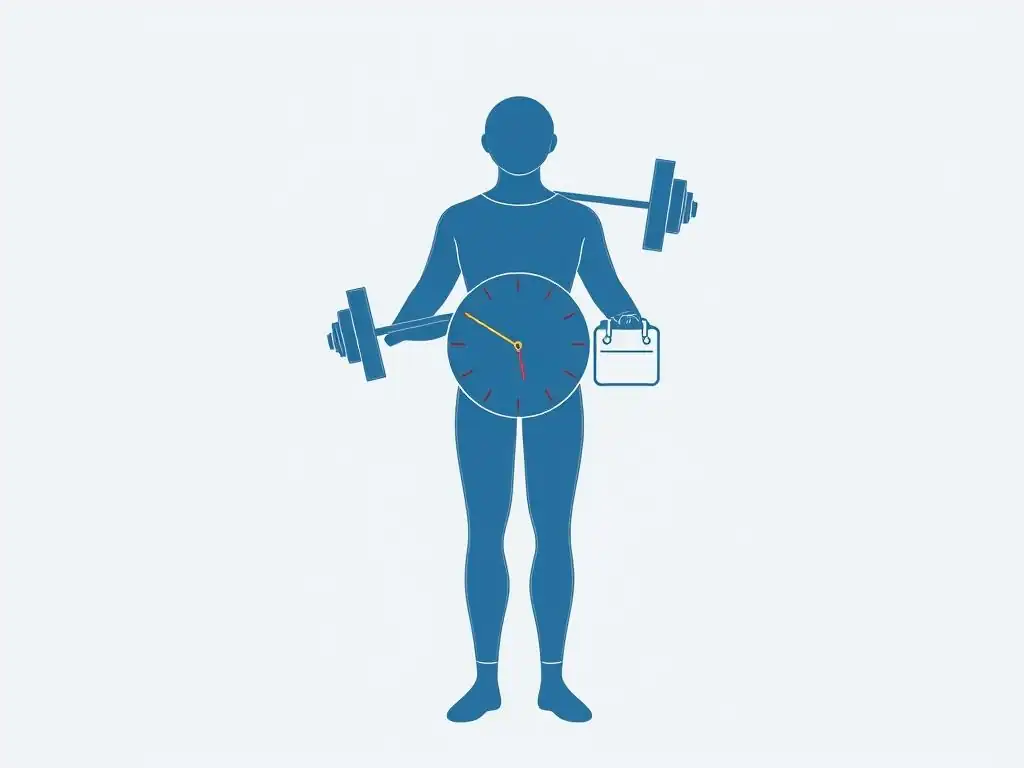
This section delves into sophisticated strategies beyond basic time management and sleep hygiene to truly maximize time sleep fitness. We'll explore how technology, mindfulness, and addressing potential sleep disorders can significantly improve your results. The goal is to integrate these techniques seamlessly into your daily routine for optimal performance.
Using Technology to Improve Sleep and Fitness Tracking
Smartwatches and fitness trackers are no longer just novel gadgets; they're powerful tools for optimizing your sleep and fitness journey. By meticulously tracking your sleep patterns – sleep onset latency, total sleep time, deep sleep duration, and REM sleep cycles – you gain invaluable insights into your sleep quality. This data allows for personalized adjustments to your bedtime routine and lifestyle choices. For example, consistently low deep sleep could indicate a need for more evening relaxation or a change in caffeine intake.
Furthermore, integrating sleep data with fitness tracking provides a holistic view of your overall well-being. You can identify correlations between poor sleep and decreased workout performance, helping you prioritize sleep for better fitness gains. Many apps now offer comprehensive analysis and personalized recommendations based on your individual data, guiding you towards optimized sleep and fitness routines. Consider experimenting with different apps to find one that best suits your needs and preferences. Remember to look for features like sleep score analysis, personalized insights, and integration with other health and fitness apps.
Mindfulness and Relaxation Techniques for Better Sleep
Beyond technology, incorporating mindfulness and relaxation techniques significantly improves sleep quality. Stress and anxiety are major culprits behind poor sleep, and these practices directly combat these factors. Techniques like progressive muscle relaxation, where you systematically tense and release different muscle groups, can help alleviate physical tension that interferes with sleep.
Deep breathing exercises, such as diaphragmatic breathing (belly breathing), activate the parasympathetic nervous system, promoting relaxation and reducing cortisol levels – the stress hormone. Practicing these techniques for 10-15 minutes before bed can dramatically improve sleep onset and overall sleep quality.
Consider adding guided meditation to your routine. Many apps offer free guided meditations specifically designed to promote sleep. These meditations often incorporate calming soundscapes and gentle voice guidance, leading you into a state of deep relaxation. The consistent practice of mindfulness and relaxation techniques not only enhances sleep quality but also improves focus, reduces stress, and ultimately boosts overall well-being, creating a synergistic relationship between sleep, fitness, and mental clarity. A consistent, daily practice is key to realizing these benefits.
Addressing Common Sleep Disorders that Hinder Fitness Progress
Sleep disorders such as insomnia, sleep apnea, and restless legs syndrome can significantly impact fitness progress by reducing recovery time, impacting energy levels, and affecting hormone regulation. Ignoring these issues can lead to a vicious cycle of poor sleep, reduced performance, and increased frustration.
Insomnia, characterized by difficulty falling asleep or staying asleep, needs professional attention. Cognitive behavioral therapy for insomnia (CBT-I) has proven highly effective. This therapy helps identify and address negative thoughts and behaviors that contribute to insomnia.
Sleep apnea, where breathing repeatedly stops and starts during sleep, requires medical evaluation and may involve using a CPAP (continuous positive airway pressure) machine. Untreated sleep apnea can lead to serious health problems, affecting both sleep quality and fitness performance.
Restless legs syndrome (RLS), causing an irresistible urge to move the legs, often interferes with sleep. Treatment options include lifestyle changes, medication, and iron supplementation (if iron deficiency is present). Addressing these disorders is crucial for maximizing your time and achieving your fitness goals. Early identification and appropriate treatment are paramount for restoring healthy sleep patterns and optimizing your fitness journey.
Measuring Your Success: Tracking Sleep and Fitness Improvements
Optimizing your sleep and fitness routine requires more than just implementing new habits; it demands a systematic approach to measuring your progress. This section details how to effectively track your sleep and fitness improvements, providing crucial feedback for adjustments and maximizing the impact of your efforts towards your "maximize time sleep fitness" goal. Consistent monitoring allows you to identify what works, what doesn't, and where to refine your strategies for optimal results. This data-driven approach is key to long-term success.
Monitoring Sleep Quality and Identifying Areas for Improvement
Effective sleep tracking goes beyond simply noting how many hours you slept. Understanding quality is paramount. Several methods can help you assess this:
- Sleep trackers: Wearable devices, such as smartwatches or fitness trackers, provide detailed information on sleep stages (light, deep, REM), sleep duration, and even restlessness. Analyzing this data reveals patterns and potential issues like sleep apnea or insufficient deep sleep, crucial for physical recovery. For example, consistently low deep sleep might indicate a need for adjustments to your pre-sleep routine.
- Sleep diaries: A simple yet powerful tool. Note your bedtime, wake-up time, sleep duration, and subjective sleep quality (how rested you feel upon waking). Record any factors that might affect your sleep, such as caffeine intake, alcohol consumption, stress levels, or screen time before bed. This allows for correlation analysis of lifestyle choices and sleep quality.
- Monitoring daytime alertness: This is a crucial subjective measure. Note your energy levels throughout the day. Do you experience excessive daytime sleepiness? Do you find yourself needing caffeine to function? These observations offer valuable insights into the effectiveness of your sleep routine. For instance, consistent afternoon fatigue might suggest a need for earlier bedtime or improved sleep hygiene.
Analyzing this data allows you to pinpoint areas for improvement. For example, if your sleep tracker consistently shows fragmented sleep, you might need to address factors like stress management or optimize your sleep environment. If your sleep diary reveals a correlation between late-night screen time and poor sleep, reducing screen time before bed becomes a priority.
Tracking Fitness Progress to Assess the Impact of Improved Sleep
Just as with sleep, tracking fitness progress requires a multifaceted approach. Don't just focus on weight; monitor various metrics to gain a comprehensive understanding of your improvement.
| Metric | Tracking Method | Interpretation |
|---|---|---|
| Weight | Scale | Provides a general overview of body composition changes. |
| Body Fat Percentage | Calipers, Bioelectrical Impedance Analysis (BIA) | Gives a more detailed understanding of fat mass versus lean muscle mass. |
| Strength | Record weights lifted in various exercises | Tracks improvements in muscle strength and power. |
| Endurance | Track run times, distances, or cycling times | Shows improvements in cardiovascular fitness and stamina. |
| Sleep Quality | Sleep tracker, sleep diary | Directly correlates sleep quality with fitness performance and recovery. |
| Perceived Exertion | Rate your exertion level (RPE) during workouts | Subjective measure of how hard your body is working during physical activity. |
The key here is to establish a baseline and track your progress over time. For instance, if you're focusing on strength training, recording the weights lifted over several weeks provides a clear picture of your progress. By comparing this data with your sleep tracking data, you can establish a correlation between improved sleep and enhanced fitness results. For example, consistent improvements in strength training might be directly linked to increased deep sleep, which is crucial for muscle recovery.
Adjusting Your Routine Based on Data and Feedback
The data you collect from sleep and fitness tracking is not just for observation; it's for action. This information provides crucial feedback to adjust your routines and further optimize your results.
- Sleep adjustments: If you consistently experience poor sleep quality, try adjusting your bedtime, creating a relaxing pre-sleep routine (avoiding screens, taking a warm bath), optimizing your sleep environment (dark, quiet, cool), or addressing underlying stress. Experimentation based on your data is key.
- Fitness adjustments: If your fitness progress plateaus, consider adjusting your workout routine, increasing intensity, or improving your nutrition. The data collected will help you identify potential areas for improvement. For example, if you're not seeing strength gains despite adequate sleep, you might need to adjust your training program.
- Iterative refinement: This is a continuous process. Regularly review your data, make adjustments, and continue tracking your progress. The goal is to fine-tune your routines for optimal performance and recovery, maximizing the impact of your time investment in both sleep and fitness. This iterative approach, informed by your data, is the key to achieving your "maximize time sleep fitness" goals. Remember, consistency is crucial! 😴💪
Frequently Asked Questions
How much sleep do I really need to maximize my fitness gains?
Most fitness experts recommend 7-9 hours of sleep per night for optimal muscle recovery and performance. Less sleep can hinder your progress, impacting strength gains and endurance.
Can I compensate for poor sleep with extra exercise?
No, you can't fully compensate. While exercise is crucial, sleep is essential for muscle repair and hormone regulation. Lack of sleep negates the positive effects of your workouts.
What are some practical tips for improving my sleep hygiene?
Establish a consistent sleep schedule, create a relaxing bedtime routine (avoid screens!), and ensure your bedroom is dark, quiet, and cool.
How can I fit more sleep into my already busy schedule?
Prioritize sleep! Re-evaluate your daily activities and identify time-wasting tasks. Even small adjustments, like going to bed 15 minutes earlier, can add up.
Does maximizing sleep automatically lead to better fitness results?
While crucial, sleep is just one piece of the puzzle. Combine sufficient sleep with a balanced diet and regular exercise for the best results. It's about holistic optimization.
Final Reflection: Unlocking Your Peak Performance Through Strategic Sleep
The connection between sufficient sleep and optimal fitness isn't just a correlation; it's a fundamental pillar of achieving peak performance. Ignoring this crucial element is akin to leaving a vital engine component out of your high-performance vehicle – you simply won't reach your full potential. This article has explored the often-overlooked strategies for maximizing both sleep quality and fitness gains, revealing the powerful synergy between the two.
The impact of sleep deprivation on our society is profound, extending far beyond simple fatigue. It affects our cognitive function, emotional regulation, and even our physical recovery. Sleep is the golden chain that ties health and our bodies together.
This quote, while perhaps not scientifically precise, perfectly captures the holistic importance of prioritizing sleep for overall well-being. We've seen how seemingly small changes in sleep hygiene can lead to significant improvements in workout performance, muscle recovery, and even weight management. The ripple effect of prioritizing sleep extends to every facet of our lives, impacting our productivity, relationships, and overall quality of life.
Now, consider your own sleep habits. Are you truly maximizing your time in bed? Are you prioritizing sleep as a fundamental component of your fitness journey, or is it an afterthought? I challenge you to take a critical look at your current routine and identify even one small change you can implement to improve your sleep quality. Even a few extra minutes of restful sleep each night can accumulate into significant gains over time. Start small, be consistent, and witness the transformative power of prioritizing this often-underestimated aspect of your health and fitness.
Unlock Your Peak Performance: Optimize Sleep & Fitness Today!
Thank you for exploring the powerful connection between sleep and fitness. Ready to put this knowledge into action? Let's make some impactful changes to improve your well-being.
- Prioritize your sleep schedule: Adjusting your bedtime by just 15 minutes, earlier or later, can significantly impact your energy levels and fitness performance. Finding your optimal sleep window is key.
- Establish a relaxing pre-sleep routine: Incorporate calming activities such as reading or meditation into your evening routine. Avoid screens for at least an hour before bed to promote better sleep.
- Share your progress! We encourage you to join our supportive community and share your experiences and strategies for maximizing your potential. Let's learn from each other.
What small step will you take tonight to improve your sleep and unlock your peak fitness potential?