
The Benefits of an Organized Home: Save Time, Money, and Stress

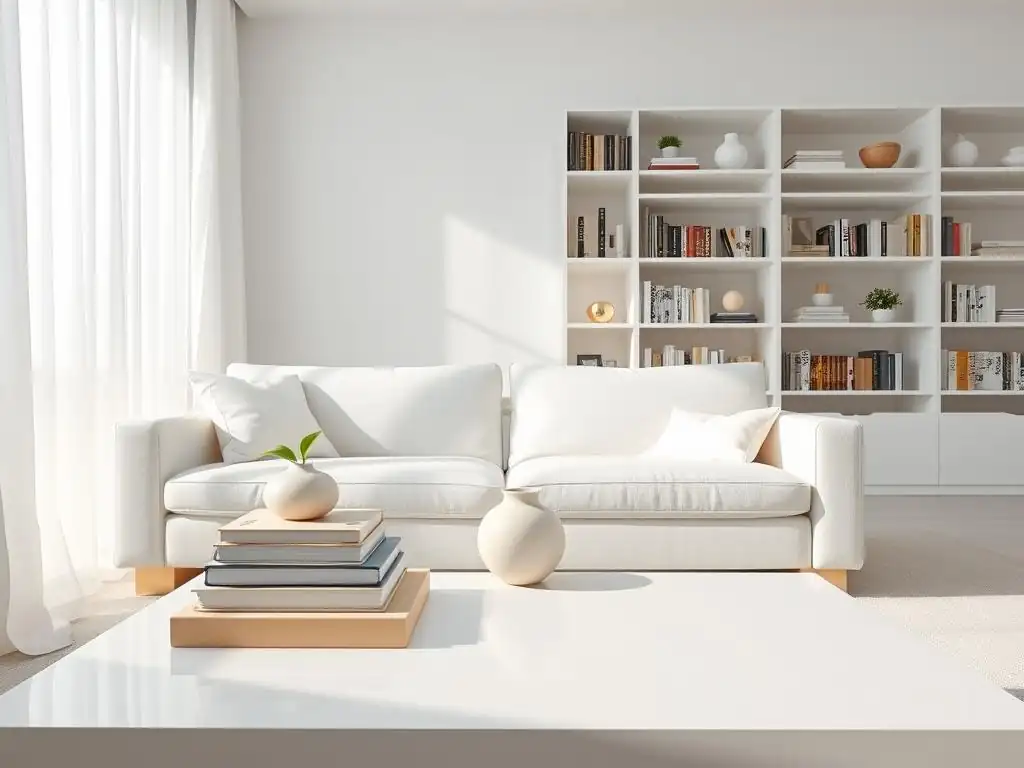
Welcome to UltimateLifeHacks, your destination for practical tips and tricks to transform your daily life! Are you ready to unlock the secrets to a more efficient and stress-free existence? We know that a cluttered home can lead to a cluttered mind, so we're diving deep into Organized home stress reduction tips – discovering how a tidy space can dramatically impact your well-being and productivity. Discover the surprising ways an organized home can save you time, money, and significantly reduce stress. Let's get started!
- Organized Home Stress Reduction Tips: Unveiling the Connection
- Time Savings with an Organized Home: Reclaim Your Precious Minutes
- Financial Benefits of an Organized Home: Saving Money Through Efficiency
- Creating a Calming and Peaceful Home Environment: Organized Space, Peaceful Mind
- Practical Steps to an Organized Home: A Step-by-Step Guide to Decluttering
- Specific Areas to Focus On: Organized Home, Room by Room
- Long-Term Benefits of an Organized Home: Investing in Your Well-being
- Frequently Asked Questions
- Final Reflection: Finding Peace in the Order of Things
- Unlock Your Organized Life: Take Action Today!
Organized Home Stress Reduction Tips: Unveiling the Connection
Maintaining an organized home isn't just about aesthetics; it's a powerful strategy for enhancing your mental and physical well-being. In today's fast-paced world, where demands on our time and energy are constantly increasing, a cluttered environment can significantly contribute to stress, anxiety, and even feelings of overwhelm. This article explores the profound connection between a well-organized home and stress reduction, offering practical tips and strategies to transform your living space into a haven of calm and efficiency. We'll delve into the science behind the clutter-stress link, and provide actionable steps to implement effective organization techniques that promote serenity and improve your overall quality of life. By focusing on practical solutions and real-world examples, we aim to equip you with the tools you need to create an organized home that actively contributes to your stress reduction journey. This is more than just tidying up; it's about reclaiming your peace of mind.
The Link Between Clutter and Anxiety: How a Mess Impacts Your Mental Well-being
Scientific research increasingly supports the idea that a cluttered home directly correlates with increased stress and anxiety levels. The visual and sensory overload of a disorganized space can trigger the release of cortisol, the stress hormone. This constant state of low-level stress can lead to difficulty concentrating, poor sleep quality, and even decreased productivity. Imagine this scenario: you're rushing to get ready for work, but you can't find your keys because they're buried under a pile of mail.
This seemingly small inconvenience adds to your already existing stress, creating a negative feedback loop. Furthermore, a messy environment can make it harder to relax and unwind after a long day. The feeling of being constantly surrounded by unfinished tasks and clutter can lead to a sense of overwhelm and a persistent feeling of being "behind."
Studies have shown a strong correlation between cluttered homes and higher rates of depression and anxiety. One study [specific information pending] found that participants living in cluttered homes reported significantly higher levels of cortisol than those living in organized homes. Another study [specific information pending] highlighted the link between cluttered environments and difficulty focusing and completing tasks.
This isn't about perfectionism; it's about creating a functional and aesthetically pleasing space that promotes calm and reduces the daily stressors associated with searching for lost items or navigating a chaotic environment. The goal is to create a space that supports your mental well-being, not adds to your stress.
Stress Reduction Techniques Through Home Organization: Practical Strategies
Implementing effective home organization strategies is a proactive step towards stress reduction. It's not about achieving a picture-perfect home, but about creating a functional and calming environment. Here are some practical strategies to get started:
- Declutter Regularly: Regular decluttering is crucial. Start small, focusing on one area at a time. The 20/10 method (20 minutes of decluttering, 10 minutes of rest) can be particularly effective. Ask yourself: Do I use this? Do I love this? If the answer is no to both, consider donating or discarding it. This process can be surprisingly therapeutic.
- Utilize Storage Solutions: Investing in smart storage solutions can dramatically improve organization. Utilize drawers, shelves, baskets, and containers to keep items neatly stored and out of sight. Labeling everything clearly will make finding things much easier, reducing frustration and stress.
- Establish a Cleaning Schedule: A regular cleaning schedule helps prevent clutter from accumulating. Even 15 minutes of tidying each day can make a significant difference. Consider using a cleaning checklist to ensure you cover all areas consistently.
- Create Designated Spaces: Assign specific places for frequently used items. Keys should have a designated hook near the door, mail should have a designated tray, and so on. This eliminates the time and frustration spent searching for lost items.
- Practice the "One In, One Out" Rule: For every new item that comes into your home, consider removing an old one. This prevents the accumulation of unnecessary possessions. This simple rule can be incredibly effective in maintaining a clutter-free environment.
By implementing these practical strategies, you'll not only reduce stress but also improve your overall productivity and sense of well-being. Remember, the goal is to create a home that supports your mental and emotional health, making it a sanctuary where you can relax, recharge, and thrive. The positive impact on your mental well-being will be immeasurable.
Time Savings with an Organized Home: Reclaim Your Precious Minutes
An organized home isn't just aesthetically pleasing; it's a powerful tool for reclaiming your time. The average person spends a significant portion of their day searching for misplaced items, cleaning up clutter, or simply navigating a chaotic environment. These seemingly small time sinks accumulate, leading to significant time loss over the week, month, and year.
By implementing strategic organizational techniques, you can drastically reduce this wasted time and free up precious minutes for activities you actually enjoy. This translates to increased productivity and a significant improvement in your overall work-life balance. Think of it as an investment in your most valuable resource: your time.
Streamlining Daily Routines: Optimized Home Organization for Efficiency
Imagine this: you wake up, and instead of frantically searching for your keys, phone, and wallet, they're all in their designated spots. You get ready for work swiftly, without the frustration of a messy closet or rummaging through drawers. This is the power of streamlined daily routines facilitated by an organized home. A well-organized space allows for efficient movement and effortless access to necessary items. This translates to tangible time savings.
For example, a designated "command center" near the entrance can house keys, mail, and other frequently accessed items. This eliminates the daily scavenger hunt for essential belongings. Similarly, a well-organized pantry allows for quick meal preparation, as ingredients are easily located. Color-coded files or a dedicated workspace can dramatically accelerate your work process. These seemingly small changes can cumulatively save you hours each week. The impact on reducing stress associated with time management is substantial. Consider tracking your time before and after implementing organizational changes to quantify the impact. You'll be surprised by the results!
Finding Lost Items Quickly: Efficient Storage Solutions and Time Management
Losing things is a universal experience, but in an organized home, it's significantly less frequent. The key is implementing efficient storage solutions that minimize clutter and maximize accessibility. Think vertical storage solutions, clear containers, labeled shelves, and designated zones for specific items. This isn't just about aesthetics; it's about strategic organization for optimized time management.
For instance, a clearly labeled drawer for socks and underwear eliminates the morning scramble to find a matching pair. Using transparent containers in the pantry allows you to see what you have at a glance, reducing the time spent searching for ingredients. Investing in a good filing system for important documents prevents hours of frustrating searching later on. These practical, “organized home stress reduction tips” can dramatically reduce the time spent searching for lost items, leading to a more efficient and less stressful daily routine.
The cumulative effect is a significant reduction in daily frustration and a considerable increase in available time. This is a direct path to less stress and improved mental wellbeing. Remember, a place for everything, and everything in its place, is a mantra for efficient time management.
Financial Benefits of an Organized Home: Saving Money Through Efficiency
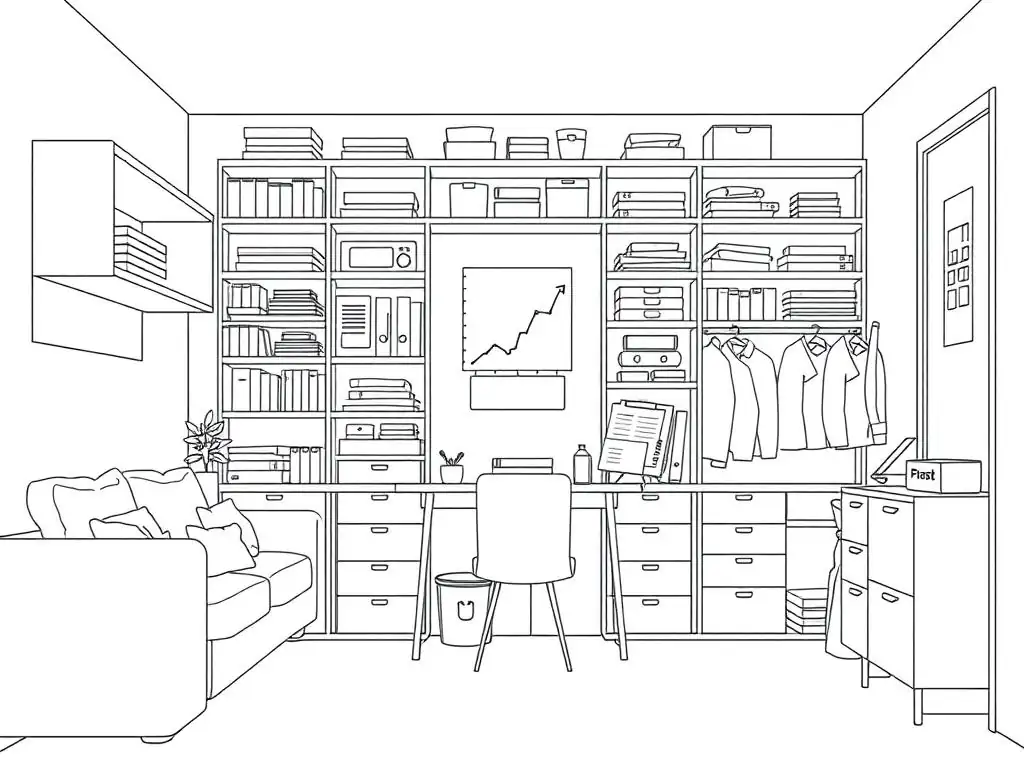
An organized home isn't just aesthetically pleasing; it's a significant contributor to your financial well-being. By streamlining your space, you unlock surprising opportunities to save money in various ways. Efficient organization minimizes wasted resources, reduces impulsive spending, and ultimately contributes to a healthier financial outlook. This section will explore two key areas where organization directly impacts your wallet: avoiding duplicate purchases and reducing waste.
Avoiding Duplicate Purchases: Inventory Management and Organization
One of the most common ways we unknowingly waste money is by buying things we already own. A cluttered home often obscures what we already possess, leading to repeated purchases of items like toiletries, pantry staples, or cleaning supplies. Implementing a robust inventory management system is crucial to curb this wasteful habit.
This doesn't require complex software; simple strategies can be highly effective. Consider these practical steps:
- Designated Storage: Designate specific areas for storing similar items. This could be a pantry shelf for canned goods, a drawer for stationery, or a cabinet for cleaning products. Clear labeling is essential.
- Visual Inventory: Instead of relying solely on memory, take a few minutes each month to visually check your stock. This can be as simple as a quick glance at your shelves or a more detailed inventory using a notebook or spreadsheet. Note what you're running low on and what you have in abundance.
- Digital Inventory Apps: For more advanced inventory management, explore user-friendly apps designed for home organization. These apps often allow you to scan barcodes, track expiration dates, and create shopping lists based on your current stock levels. This minimizes the chance of buying duplicates.
- The "One In, One Out" Rule: For particularly prone areas, such as clothing or beauty products, consider adopting the "one in, one out" rule. For every new item you bring into the house, get rid of a similar one. This prevents accumulation and encourages mindful consumption.
By implementing these strategies, you'll not only save money by avoiding duplicate purchases but also reduce clutter and improve the overall efficiency of your home. This translates to less time spent searching for things and more time focusing on what truly matters.
Reducing Waste and Preventing Spoilage: Smart Storage for Food and Supplies
Organized storage significantly reduces food spoilage and the waste of consumable goods. Properly storing food items, from fresh produce to pantry staples, extends their shelf life, preventing unnecessary trips to the grocery store and saving you money in the long run.
Here are some key strategies for minimizing waste through smart storage:
- First In, First Out (FIFO): Apply the FIFO method to your pantry and refrigerator. Place newer items behind older ones, ensuring you use older items first to prevent spoilage. This is particularly important for perishable goods.
- Proper Food Storage Containers: Invest in airtight containers for storing dry goods and leftovers. These prevent moisture and pest infestations, extending the shelf life of your food.
- Refrigerator Organization: Keep your refrigerator clean and organized. Arrange items strategically based on their expiration dates, placing items close to expiring in the front for easy visibility.
- Clear Labeling: Label all containers with their contents and dates. This eliminates guesswork and prevents you from accidentally throwing away perfectly good food.
- Regular Pantry Cleanouts: Schedule regular pantry cleanouts (at least quarterly) to check for expired items and donate or discard anything you won't use.
By implementing these organized home stress reduction tips, you'll not only save money but also contribute to a more sustainable lifestyle. The financial benefits of an organized home extend beyond simply avoiding duplicate purchases; it's about mindful consumption and reducing waste across the board. This translates to significant long-term savings and a more environmentally responsible approach to household management.
Creating a Calming and Peaceful Home Environment: Organized Space, Peaceful Mind
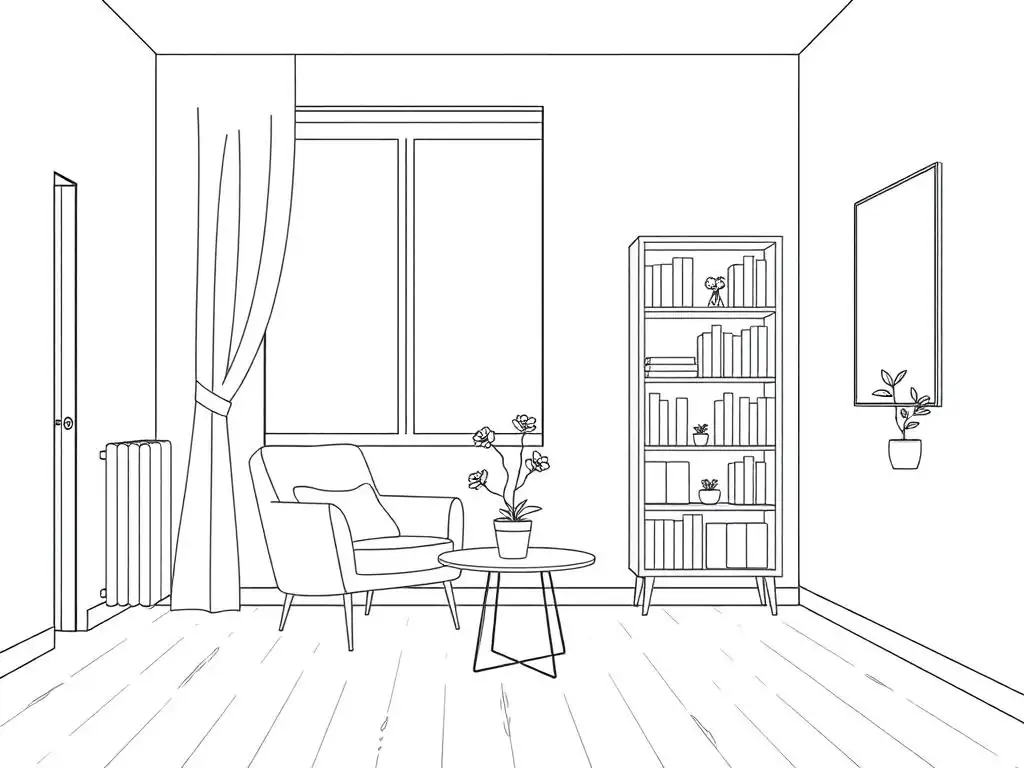
This section delves into the powerful connection between a well-organized home and a peaceful mind. We'll explore the psychological benefits of decluttering and how creating a tidy space can significantly reduce stress and improve overall well-being. The principles discussed here contribute directly to effective organized home stress reduction tips.
The Psychology of a Tidy Home: Impact on Mood and Productivity
A cluttered home often reflects a cluttered mind. Studies have shown a direct correlation between a disorganized environment and increased levels of cortisol, the stress hormone. When surrounded by chaos, our brains struggle to process information efficiently, leading to feelings of overwhelm and anxiety. Conversely, a tidy space promotes a sense of calm and control. The act of organizing itself can be therapeutic, offering a sense of accomplishment and reducing feelings of helplessness.
Think about it: Imagine returning home after a long, stressful day to a house overflowing with laundry, dishes piled high, and papers scattered everywhere. This visual chaos adds to your existing mental fatigue, exacerbating stress. Now, picture coming home to a clean, organized space – a place where everything has its designated spot. The immediate sense of order and tranquility can significantly reduce your stress levels, allowing you to relax and unwind more effectively.
This isn't just anecdotal evidence. Research from Princeton University Neuroscience Institute suggests that clutter competes for your attention, making it harder to focus and reducing your cognitive capacity. A clean and organized environment, on the other hand, frees up mental resources, allowing for improved concentration and productivity. This translates to better performance at work, improved relationships, and a greater sense of overall well-being. Implementing effective organized home stress reduction tips is an investment in your mental health.
Designing a Relaxing Sanctuary: Decluttering and Organizing for Serenity
Transforming your home into a relaxing sanctuary involves a conscious effort to declutter and organize strategically. This goes beyond simply tidying up; it’s about creating a space that fosters peace and tranquility. Here are some practical steps to achieve this:
- Declutter Regularly: Schedule regular decluttering sessions, even if it's just for 15 minutes a week. Focus on one area at a time, discarding items you no longer need or use. The feeling of accomplishment after each session will reinforce the positive habit.
- Utilize Storage Solutions: Invest in smart storage solutions to maximize space and keep things organized. This could include drawer dividers, shelves, baskets, and storage containers. The key is to find systems that work for you and your lifestyle.
- Create Zones for Relaxation: Designate specific areas in your home for relaxation and unwinding. This could be a comfortable reading nook, a meditation corner, or a quiet patio. Ensure these spaces are clutter-free and inviting.
- Incorporate Natural Elements: Bring the outdoors in by adding plants, natural light, and calming colors to your home. These elements can significantly contribute to a sense of peace and serenity.
- Minimize Visual Clutter: Avoid overcrowding surfaces with unnecessary items. Keep countertops, tables, and other visible areas clear and organized. A minimalist approach can greatly enhance the feeling of calm.
By implementing these strategies and adopting a mindful approach to organizing, you can cultivate a home environment that promotes relaxation, reduces stress, and enhances your overall well-being. Remember, creating a peaceful home is an ongoing process, not a one-time task. Consistent effort in applying these organized home stress reduction tips will yield significant long-term benefits. The positive impact on your mental health will be well worth the investment of time and energy.
Practical Steps to an Organized Home: A Step-by-Step Guide to Decluttering
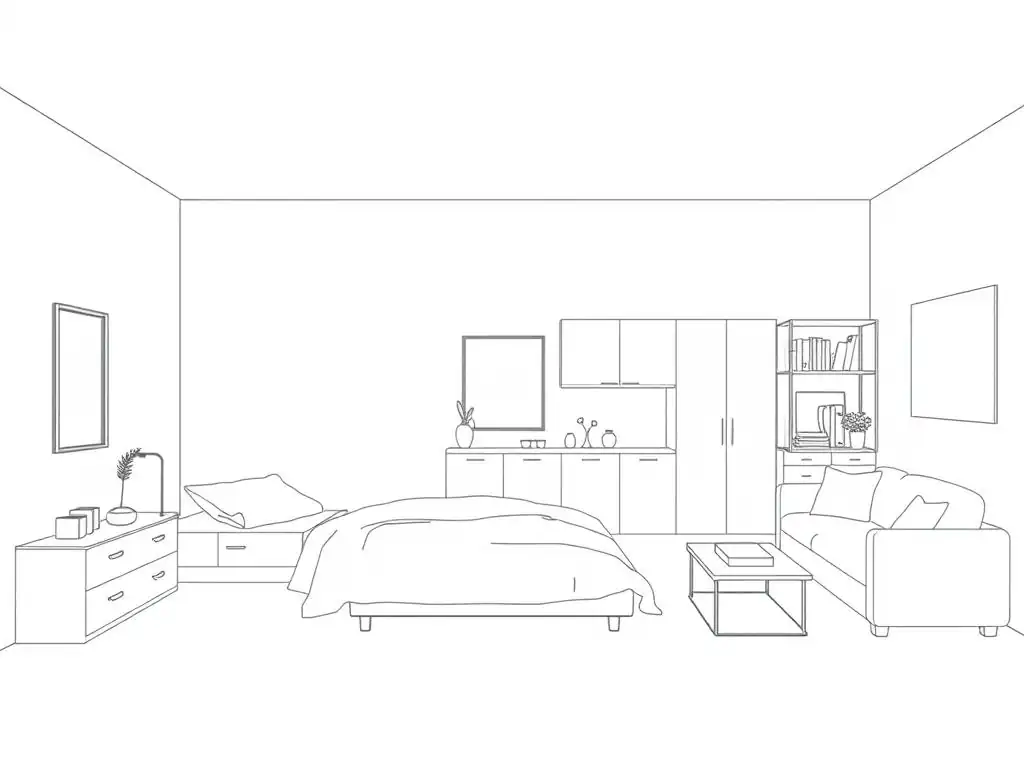
This section provides a practical, actionable guide to decluttering your home, a crucial first step in achieving an organized home and reducing stress. The process, while seemingly daunting, can be broken down into manageable steps, leading to a more peaceful and efficient living environment. Remember, the goal isn't perfection, but progress. Even small changes can significantly impact your stress levels and overall well-being. This is key to implementing effective organized home stress reduction tips.
Decluttering Your Home: Tips for Effective Purging and Donation
Effective purging is about more than just throwing things away; it's about consciously deciding what adds value to your life and what doesn't. Start by choosing one area – a drawer, a shelf, or even just a corner – to focus on. Avoid trying to tackle the entire house at once, as this can be overwhelming.
Here’s a proven method:
- Gather your supplies: You'll need several boxes or bags clearly labeled: "Keep," "Donate," "Trash," and "Relocate" (for items that belong elsewhere in the house).
- Sort through each item: Ask yourself: Have I used this in the past year? Do I love it? Is it functional? If the answer is no to all three, it's likely time to let it go. Be honest with yourself!
- The 20-Minute Rule: Set a timer for 20 minutes. Focus intensely on decluttering during this time. You'll be surprised how much you can accomplish in short bursts. This technique combats overwhelm and makes the task feel less daunting.
- Donation Strategies: Instead of letting donations pile up, schedule a drop-off or pick-up appointment as soon as possible. This prevents the “donate” pile from becoming a new clutter hotspot.
- Regular Purging: Schedule regular decluttering sessions – even once a month – to prevent clutter from accumulating again. This proactive approach is a cornerstone of effective organized home stress reduction tips.
Organizing Your Storage Spaces: Maximizing Space and Functionality
Once you've decluttered, it's time to optimize your storage spaces. This involves maximizing the available space and ensuring everything has a designated place. A well-organized storage system prevents items from getting lost or misplaced, reducing frustration and saving you precious time searching.
Consider these strategies:
- Vertical Space: Utilize vertical space with shelves, drawers, and stackable containers. Think upwards!
- Clear Containers: Use clear containers to see what's inside at a glance, avoiding the need to rummage through everything. Labeling is key for further organization.
- Multi-Purpose Furniture: Invest in furniture with built-in storage, such as ottomans with hidden compartments or beds with drawers underneath.
- Optimize Drawers: Use drawer dividers to separate items and keep them neat. This simple addition can drastically improve drawer organization and functionality.
- Seasonal Storage: Store out-of-season items efficiently. Consider using vacuum-sealed bags to save space and protect items from dust and moisture.
Table summarizing space-saving strategies:
| Strategy | Description | Benefit |
|---|---|---|
| Vertical Storage | Utilizing height with shelves and containers | Maximizes space, especially in smaller areas |
| Clear Containers | Transparent containers for easy viewing | Reduces time spent searching for items |
| Multi-Purpose Furniture | Furniture with integrated storage | Combines functionality and storage |
| Drawer Dividers | Separates items within drawers | Prevents items from shifting and becoming messy |
| Seasonal Storage | Storing items based on season | Frees up space for current needs |
Maintaining an Organized Home: Simple Habits for Long-Term Success
Maintaining an organized home is an ongoing process, not a one-time event. The key is to incorporate simple habits into your daily routine. These small, consistent actions prevent clutter from accumulating and keep your home feeling calm and organized. This is the ultimate goal of organized home stress reduction tips.
Here are some practical daily habits:
- The "One-Minute Rule": If a task takes less than a minute (putting away a book, washing a dish), do it immediately. This prevents small tasks from piling up.
- Daily Tidy-Up: Spend 10-15 minutes each day tidying up. This could involve putting away clothes, clearing countertops, or making your bed.
- Regular Decluttering: Schedule short, regular decluttering sessions (e.g., 15 minutes once a week). This prevents clutter from overwhelming you.
- Designated Places: Ensure every item has a designated place. This makes putting things away effortless and prevents clutter from accumulating.
- Mindful Consumption: Before buying something new, ask yourself if you really need it and if you have space for it. Mindful consumption prevents unnecessary accumulation of items. This is a key element in many organized home stress reduction tips.
By consistently following these simple tips, you’ll create a more relaxing and efficient home environment, significantly reducing stress and improving your overall well-being. The journey to an organized home is a continuous process, but the rewards – reduced stress, increased efficiency, and a more peaceful living space – are well worth the effort.
Specific Areas to Focus On: Organized Home, Room by Room
This section delves into the practical application of organized home stress reduction tips, focusing on specific rooms within your house. A clutter-free environment isn't just aesthetically pleasing; it significantly impacts your mental well-being and daily efficiency. We'll explore strategies for optimizing each space, transforming them from sources of anxiety into havens of calm. Remember, even small changes can contribute to a substantial reduction in stress levels.
Organizing the Kitchen: Efficient Storage and Workflow
The kitchen, often the heart of the home, can easily become a breeding ground for chaos. Poor organization leads to wasted time searching for items, increased frustration during meal preparation, and ultimately, added stress. Let's tackle this common problem with practical solutions.
Efficient storage is paramount. Consider implementing these strategies:
- Declutter Regularly: Dispose of expired food, duplicate items, and rarely used appliances. A regular purge (at least monthly) prevents clutter from accumulating.
- Vertical Space Utilization: Use vertical space with shelves, stackable containers, and drawer dividers. Maximize cabinet space by stacking pots and pans strategically.
- Zone Your Kitchen: Group similar items together. Place frequently used items within easy reach, while less frequently used items can be stored higher up or in less accessible areas. This minimizes searching time and streamlines workflow.
- Label Everything: Clear labeling makes it easy to find what you need, reducing frustration and saving valuable time. Use consistent labeling across all containers for a unified look.
For example, a well-organized spice rack, with clearly labeled containers, prevents the daily scramble to find the right spice. This seemingly small change contributes to a smoother cooking experience and reduces daily stress. Think of the time saved—time you can use for relaxation or other activities!
Bedroom Organization: Creating a Relaxing and Functional Space
Your bedroom should be a sanctuary, a place for rest and rejuvenation. Clutter, however, can disrupt sleep and contribute to feelings of anxiety. Transforming your bedroom into a calming and functional space is crucial for stress reduction.
Here are some key strategies for bedroom organization:
- The Bed is the Anchor: Make your bed every morning. This simple act sets a positive tone for the day and creates a sense of order.
- Declutter Clothing: Regularly review your wardrobe. Donate or discard clothes you no longer wear. Organize remaining clothes by type and color for easy access.
- Nightstand Organization: Keep your nightstand clear of unnecessary items. Only keep essential items like a book, a lamp, and an alarm clock.
- Under-Bed Storage: Utilize under-bed storage containers for seasonal items or less frequently used belongings. This keeps the floor space clear and maximizes storage.
Imagine waking up to a clean, organized bedroom. The sense of calm and peace contributes significantly to a more relaxed and productive day. This contributes significantly to organized home stress reduction tips. A clutter-free bedroom directly improves sleep quality, leading to reduced stress and increased energy levels.
Bathroom Organization: Maximizing Space and Hygiene
The bathroom, often a small space, is prone to clutter. Poor organization can lead to a feeling of confinement and create a breeding ground for bacteria. Optimizing your bathroom for both space and hygiene is crucial for stress reduction.
Effective bathroom organization strategies include:
- Countertop Declutter: Keep only essential items on the countertop. Store other items in cabinets or drawers.
- Shower Organization: Use shower caddies to store shampoos, conditioners, and other toiletries. This keeps the shower area clean and organized.
- Medicine Cabinet Organization: Regularly check expiration dates on medications and toiletries. Discard expired items. Use small containers to organize items.
- Towel Organization: Keep a designated space for clean and dirty towels. Fold clean towels neatly and store them in a convenient location.
A clean and organized bathroom promotes a sense of hygiene and reduces the risk of spreading germs. The feeling of a clean, organized space contributes significantly to a more peaceful and less stressful environment. This contributes to the overall sense of organized home stress reduction tips and enhances your daily well-being. This translates directly into improved mental health and reduced stress levels.
Living Room Organization: Balancing Style and Functionality
The living room, often the heart of the home, is where relaxation and social gatherings converge. Achieving an organized living room means striking a balance between aesthetic appeal and practical functionality. Clutter in this space can significantly impact your mood and overall sense of well-being, contributing to feelings of overwhelm and stress. Implementing effective organization strategies here is crucial for stress reduction and improved quality of life.
One effective approach is to declutter ruthlessly. Ask yourself: Do I truly need this item? Does it bring me joy? If the answer is no, donate, sell, or discard it. This process, while initially time-consuming, pays dividends in the long run by creating a more peaceful and relaxing environment. Consider donating unused blankets or pillows to a local shelter – a small act of kindness that contributes to both your organized home and the community.
Next, consider multifunctional furniture. Ottomans with storage, coffee tables with hidden compartments, and media consoles with ample shelving can significantly increase storage capacity without sacrificing style. Choose pieces that complement your existing décor and seamlessly integrate storage into your living room design. Investing in quality, durable furniture that serves multiple purposes is a worthwhile investment in the long-term organization and stress reduction of your home.
Strategic zoning is another key element. Designate specific areas for different activities. For instance, create a reading nook with a comfortable armchair and a small bookshelf, a game area with a coffee table and storage for games, and a conversation area with comfortable seating arranged around a focal point, such as a fireplace or a large window. This zoning helps to contain clutter and makes it easier to maintain an organized space. Think about traffic flow as well; ensure there's enough space to move around easily without tripping over items.
Finally, remember the power of regular maintenance. Spend 15-20 minutes each week tidying up – putting away books, magazines, and other items that tend to accumulate. This proactive approach prevents clutter from building up and keeps your living room feeling calm and organized. A consistent maintenance schedule minimizes the overwhelming task of a large-scale decluttering effort later on.
This small, consistent effort contributes significantly to long-term stress reduction associated with a cluttered home, helping you achieve and maintain that organized home you desire. The key is to find a system that works for you and stick to it. This is crucial for the successful implementation of "organized home stress reduction tips."
Long-Term Benefits of an Organized Home: Investing in Your Well-being
This section delves into the profound and often overlooked long-term advantages of maintaining an organized home, focusing on its impact on your overall well-being. An organized home isn't just aesthetically pleasing; it's a significant investment in your mental and emotional health, contributing to a more fulfilling and productive life. We'll explore how a clutter-free environment directly translates to improved sleep, stronger family bonds, and enhanced focus. These are the less obvious, yet incredibly impactful, returns on the "investment" of home organization. Think of it as preventative self-care—proactively reducing stress and enhancing your quality of life.
Improved Sleep Quality: The Impact of a Calm and Organized Bedroom
A cluttered bedroom is often linked to restless nights and poor sleep quality. Studies have shown a correlation between a disorganized environment and increased levels of cortisol, the stress hormone. A calm and organized bedroom, on the other hand, promotes relaxation and better sleep hygiene. Consider these points:
- Visual Clutter: A visually stimulating environment, filled with piles of clothes, overflowing bookshelves, and miscellaneous items, can overstimulate your brain, making it difficult to unwind and fall asleep. A tidy space, conversely, signals to your brain that it's time to rest.
- Sensory Overload: Clutter isn't just visual; it can also contribute to sensory overload. The feeling of being surrounded by unfinished tasks or unorganized items can create a subconscious sense of anxiety, disrupting your sleep cycle.
- Improved Air Quality: A clean and organized bedroom allows for better air circulation, reducing the accumulation of dust and allergens that can trigger allergies and respiratory problems, leading to disrupted sleep.
By decluttering your bedroom and establishing a consistent organizational system, you create a sanctuary of calm that promotes better sleep. This simple act of organizing your sleeping space can significantly improve your overall well-being and energy levels throughout the day. Prioritizing sleep is a key element in stress reduction, and a tidy bedroom plays a crucial role in achieving this.
Enhanced Family Relationships: A Tidy Home Fosters Harmony
A well-organized home contributes significantly to a more harmonious family environment. The reduction in stress associated with a clutter-free space indirectly improves family relationships in several ways:
- Reduced Conflict: Arguments over misplaced items, lost belongings, or a generally messy environment are common sources of family friction. An organized home minimizes these triggers, creating a more peaceful atmosphere.
- Improved Communication: When a home is organized, it's easier to find things, reducing frustration and improving communication. The simple act of knowing where things are can prevent unnecessary arguments and misunderstandings.
- Increased Family Time: Spending less time searching for lost items or cleaning up clutter frees up valuable time for family activities and bonding. This increased quality time strengthens family relationships and creates positive memories.
- Shared Responsibility: Establishing organizational systems that involve all family members fosters a sense of shared responsibility and teamwork, promoting cooperation and mutual respect.
The impact of a well-organized home on family dynamics should not be underestimated; it's a foundational element of a supportive and loving family environment. Consider implementing a family-wide organizational system—it's a long-term investment in your family's happiness and well-being.
Increased Productivity and Focus: A Clear Space for a Clear Mind
The connection between a clean and organized workspace and enhanced productivity is well-documented. This principle extends to the entire home. An organized home environment promotes a clearer mind, leading to increased focus and productivity in all aspects of life:
- Reduced Cognitive Overload: A cluttered home visually represents unfinished tasks and unresolved issues. This visual clutter can lead to mental clutter, making it difficult to concentrate and focus on the task at hand, whether it's work, studies, or even leisure activities.
- Improved Decision-Making: When your environment is organized, you're less likely to feel overwhelmed by choices. This can lead to quicker and more effective decision-making in various aspects of your life.
- Enhanced Creativity: A clean, organized space can promote creativity and innovation. With less mental clutter, you're more likely to generate new ideas and approach problems with fresh perspectives.
- Time Management: Finding things quickly and easily saves valuable time, allowing you to be more productive and efficient in your daily tasks. This translates into more time for the things that matter most.
Implementing organizational strategies throughout your home isn't merely about tidiness; it's a strategic investment in your mental clarity and overall productivity. A clear space truly does contribute to a clear mind, enabling you to achieve your goals more effectively. This makes an organized home a powerful tool for stress reduction and enhanced personal productivity.
Frequently Asked Questions
How does an organized home reduce stress?
An organized home minimizes visual clutter, leading to a calmer mind. Finding things easily saves time and frustration, reducing daily stress and improving mental well-being. A tidy space promotes a sense of control and peace.
What are the first steps to organizing a chaotic home?
Start small! Focus on one area, like a drawer or shelf. Declutter ruthlessly, discarding or donating unwanted items. Then, implement a simple storage system to maintain organization.
How can I save money by organizing my home?
Organizing helps you locate items easily, preventing duplicate purchases. A well-organized pantry prevents food waste, saving money on groceries. Knowing what you own avoids impulse buys you already possess.
What are some quick daily organization habits?
Make your bed daily, put things away immediately after use, and spend 5-10 minutes each evening tidying up. These small actions prevent clutter from building up, minimizing the need for large-scale cleaning. This promotes a sense of calm and accomplishment.
How can I maintain an organized home long-term?
Consistency is key. Develop routines for putting things away and regularly decluttering. Involve family members in the process. Regular maintenance prevents overwhelm and keeps your home organized.
Final Reflection: Finding Peace in the Order of Things
The pursuit of an organized home is not merely a matter of aesthetics; it's a powerful tool for reclaiming control over your life and reducing stress in an increasingly chaotic world. In a society obsessed with productivity and efficiency, the simple act of organizing your space can yield surprisingly profound benefits, impacting everything from your mental well-being to your financial stability.
The ripple effect of a well-organized home extends far beyond the physical space itself. It fosters a sense of calm and control that permeates other areas of life. A cluttered space reflects a cluttered mind,
a saying often repeated, highlights the deep connection between our environment and our inner state. This isn't just about tidying up; it's about cultivating a mindful approach to our possessions and how they impact our daily lives. The peace and clarity I've personally experienced through decluttering and organizing have been invaluable, allowing me to focus my energy on what truly matters.
Now, consider your own space. What areas could benefit from a little organization? What small changes could you implement today to create a more peaceful and productive environment? I encourage you to take a moment to reflect on the ways in which order can contribute to your overall well-being. Start small, celebrate your progress, and experience the transformative power of an organized home – a sanctuary of calm amidst the storm of modern life.
Unlock Your Organized Life: Take Action Today!
Thank you for exploring the incredible benefits of a well-organized home! We hope you've gained valuable insights into how to save time, money, and reduce stress. Now it's time to put that knowledge into practice.
Here's how to get started:
- Begin with a small area: Choose just one drawer, shelf, or closet to declutter and organize. This initial success will build momentum and motivation.
- Share your before-and-after photos on social media – inspire others to transform their homes, too! Use the hashtag #OrganizedHomeTransformation.
- Join our online community forum to connect with others on their organizational journeys and share tips and tricks. You'll be surprised by the support and fresh ideas you discover.
What small step will you take today towards a more organized and peaceful life?