
Maximize Energy Efficiency: Fall Home Maintenance Hacks You Need Now

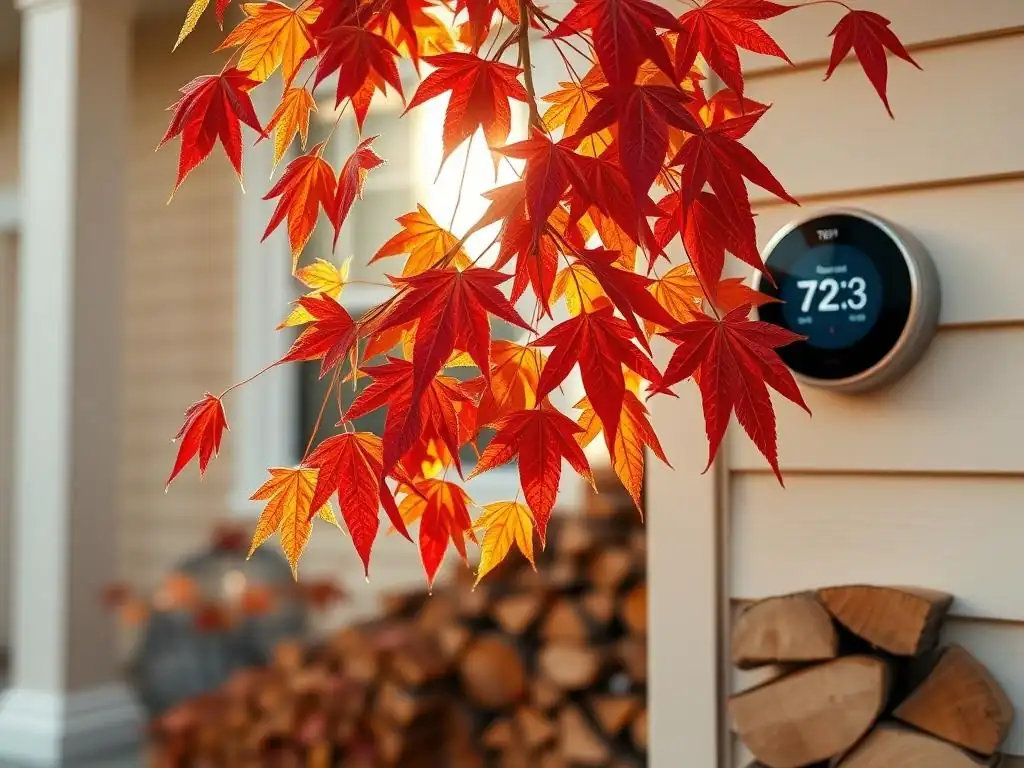
Ready to conquer the rising energy costs this fall? At UltimateLifeHacks, we're dedicated to helping you streamline your life and boost your efficiency. This season, discover game-changing fall home energy saving hacks that will not only save you money but also simplify your routine. Dive in and unlock the secrets to a more comfortable and cost-effective home—you won't believe how much you can achieve with just a few simple adjustments!
-
Prepare Your Home for Fall: Essential Energy Saving Steps
- Inspect and Seal Windows and Doors for Optimal Insulation: Preventing Drafts and Energy Loss
- Upgrade Weatherstripping and Caulk for Enhanced Energy Efficiency: A Simple Yet Effective Fall Home Maintenance Hack
- Insulate Pipes and Water Heater to Minimize Heat Loss and Save on Energy Costs: Protecting Against Cold Weather Damage
- Optimize HVAC Systems for Peak Performance and Energy Savings
- Harness Natural Light and Reduce Artificial Lighting Needs
- Optimize Water Heating for Enhanced Energy Efficiency
- Exterior Fall Home Maintenance for Energy Efficiency
- Fall Home Energy Saving Hacks: Investing in Smart Home Technology
- Beyond the Basics: Additional Fall Home Energy Saving Tips
-
Frequently Asked Questions
- What are some quick fall home maintenance tasks to save energy?
- How can I prepare my home for colder weather to reduce energy bills?
- What are the most impactful energy-saving changes I can make this fall?
- Are there any simple DIY projects to improve home energy efficiency?
- How much money can I realistically save on energy costs with these fall hacks?
- Final Reflection: Harvesting Autumn's Energy Savings
- Unleash Your Home's Energy-Saving Potential!
Prepare Your Home for Fall: Essential Energy Saving Steps
Autumn's arrival brings crisp air, vibrant foliage, and… soaring energy bills? Not if you're prepared! This guide provides practical, actionable fall home maintenance hacks to maximize your home's energy efficiency and minimize those winter heating costs. We'll explore simple yet effective strategies to prevent drafts, improve insulation, and protect your plumbing from the cold, all contributing to significant energy savings and a more comfortable home throughout the fall and winter months.
By implementing these "fall home energy saving hacks," you'll not only save money but also contribute to a more sustainable lifestyle. Let's dive into the specific steps you can take right now to prepare your home for the colder months ahead. This guide focuses on practical solutions, offering clear instructions and emphasizing the long-term benefits of proactive fall home maintenance.
Inspect and Seal Windows and Doors for Optimal Insulation: Preventing Drafts and Energy Loss
Before the cold winds truly blow, take the time to thoroughly inspect all windows and doors for any gaps or cracks. Even small openings can lead to significant energy loss and discomfort. A simple visual inspection is a great first step.
Look for areas where light shines through, or where you can feel a draft. Use your hand to feel around the edges of windows and doors for any air leaks. A simple and effective method is to hold a lit incense stick near the seals; if the smoke is drawn towards a gap, you've found a leak that needs attention.
Once you've identified the problem areas, sealing them is crucial. For smaller gaps, weatherstripping tape is a cost-effective solution. For larger gaps, consider using caulk. Remember to clean the surfaces thoroughly before applying any sealant to ensure proper adhesion. This seemingly small task can make a surprisingly significant difference in your home's energy efficiency, reducing drafts and keeping your home warmer for longer, saving you money on your energy bills throughout the winter. Consider using different types of caulk for different applications, choosing a high-quality product suitable for both interior and exterior use.
Types of Sealants
Here's a quick guide to common sealants:
- Silicone Caulk: Excellent for bathrooms and kitchens due to its water resistance.
- Acrylic Latex Caulk: Easy to use and paintable, ideal for general purpose sealing.
- Butyl Rubber Caulk: Highly flexible and durable, suitable for areas with significant movement.
Upgrade Weatherstripping and Caulk for Enhanced Energy Efficiency: A Simple Yet Effective Fall Home Maintenance Hack
Regularly inspecting and replacing worn-out weatherstripping and caulk is a crucial aspect of fall home maintenance. Over time, these materials can become brittle, cracked, or compressed, losing their effectiveness in sealing gaps and preventing drafts. Replacing them is a simple yet highly effective way to boost your home's energy efficiency and save money on heating costs.
When choosing replacement weatherstripping, consider the type of material and its suitability for your windows and doors. Foam weatherstripping is a popular and affordable option, while rubber or silicone weatherstripping offers superior durability and longevity. Similarly, choosing high-quality caulk ensures a long-lasting seal. Before applying new weatherstripping or caulk, carefully remove any old, damaged material to ensure a clean surface for proper adhesion. This relatively inexpensive upgrade can pay for itself many times over in reduced energy bills during the colder months. Remember to choose weatherstripping that's compatible with your door and window types for optimal effectiveness.
Insulate Pipes and Water Heater to Minimize Heat Loss and Save on Energy Costs: Protecting Against Cold Weather Damage
Protecting your pipes and water heater from freezing temperatures is essential to prevent costly repairs and disruptions. Insulating these components not only protects them from damage but also reduces heat loss, saving you money on energy bills. Pipe insulation is readily available at most hardware stores in various sizes to fit different pipe diameters. Simply measure your pipes and choose the appropriate insulation sleeves. For water heaters, consider adding a water heater blanket, which is designed to fit snugly around the tank to minimize heat loss.
Remember to check your local building codes and regulations for any specific requirements regarding pipe and water heater insulation. Improper insulation can potentially lead to safety hazards, so following best practices is essential. Insulating your pipes and water heater is a proactive step that can prevent costly problems and save you money in the long run. Think of this as an investment in your home's long-term health and energy efficiency. The small upfront cost is far outweighed by the potential savings and peace of mind it provides.
Optimize HVAC Systems for Peak Performance and Energy Savings
Fall is the perfect time to prepare your HVAC system for the colder months ahead. Optimizing your heating, ventilation, and air conditioning (HVAC) system can significantly reduce energy consumption and save you money on your utility bills. Neglecting proper maintenance can lead to increased energy waste, higher repair costs, and even system failure during peak demand. This section details crucial steps to maximize your HVAC system's efficiency and ensure a comfortable, energy-efficient home throughout the fall and winter. Effective HVAC optimization is a key component of fall home energy saving hacks.
Schedule a Professional HVAC Inspection and Tune-Up: Ensuring Efficient Heating and Cooling
A professional inspection and tune-up are essential for ensuring your HVAC system operates at peak performance. A qualified technician can identify and address potential problems before they escalate into costly repairs. This preventative maintenance includes checking refrigerant levels, cleaning condenser coils, lubricating moving parts, and inspecting the entire system for leaks or damage. Regular tune-ups can improve energy efficiency by up to 15% 1 , leading to substantial savings on your energy bills over time. Think of it as an investment in your home's comfort and your wallet's health! Scheduling this service in the fall, before the peak heating season, ensures you're ready for the colder weather. Don't delay; proactive maintenance is one of the best fall home energy saving hacks available.
1 Based on average industry data. Specific savings may vary.
Clean or Replace Air Filters for Improved Air Quality and Energy Efficiency: Maintaining Optimal HVAC Function
Dirty air filters restrict airflow, forcing your HVAC system to work harder and consume more energy. This leads to decreased efficiency and potentially shorter equipment lifespan. Replacing or cleaning your air filters every 1-3 months (or more frequently if you have pets or allergies) is crucial. A clean filter ensures optimal airflow, improving both the efficiency and the air quality within your home.
This simple task is a highly effective fall home energy saving hack and contributes to a healthier indoor environment. Consider using high-efficiency particulate air (HEPA) filters for superior filtration. Regular filter maintenance is a simple yet impactful way to maximize energy efficiency and improve indoor air quality. It's one of the easiest fall home energy saving hacks you can implement.
Programmable Thermostat Settings for Energy Savings: Optimizing Heating and Cooling Schedules
Programmable thermostats offer a convenient and effective way to manage your home's temperature and reduce energy consumption. By setting specific temperatures for different times of the day or week, you can avoid heating or cooling your home when it's unoccupied. For example, lowering the thermostat by a few degrees while you're at work or asleep can significantly reduce energy use without compromising comfort. Many modern programmable thermostats offer features like "geo-fencing," which automatically adjusts the temperature based on your phone's location, providing even greater energy savings. Smart thermostats can also learn your preferences and optimize settings automatically, further enhancing energy efficiency.
This is a crucial fall home energy saving hack that delivers significant long-term benefits. Experiment with different settings to find the optimal balance between comfort and energy savings. The possibilities are endless! Consider the use of a smart thermostat as a valuable investment in your energy efficiency strategy.
Harness Natural Light and Reduce Artificial Lighting Needs

This section focuses on practical strategies to leverage natural light, minimizing reliance on energy-consuming artificial lighting during the fall and winter months. By strategically managing sunlight penetration and optimizing your home's lighting system, you can significantly reduce your energy bills and contribute to a more sustainable lifestyle. This is crucial, especially as daylight hours shorten during autumn. Let's delve into specific techniques for maximizing energy savings through better light management.
Maximize Natural Light: Strategic Window Treatments for Energy Savings
The key to harnessing natural light effectively lies in choosing the right window treatments. Heavy, dark curtains might seem cozy, but they block significant amounts of sunlight, forcing you to rely more on artificial illumination. Instead, consider these options:
- Sheer curtains or blinds: These allow ample natural light to filter through while still offering privacy. The diffusion of light minimizes harsh glare, creating a softer, more comfortable ambiance. Consider lightweight, neutral-colored fabrics for optimal light transmission.
- Cellular shades: These innovative shades trap air between their honeycomb-shaped cells, providing excellent insulation and reducing heat loss (and subsequently energy use for heating) during colder months. They also offer better light control than traditional blinds, allowing you to adjust the amount of sunlight entering your rooms.
- Strategic window placement: If you're renovating or building, carefully consider window placement to maximize natural light exposure. South-facing windows receive the most sunlight during the day, offering the greatest potential for energy savings.
- Regular cleaning: Dirty windows significantly reduce the amount of light that enters your home. Cleaning your windows regularly, ideally every few months, ensures maximum light penetration. A simple solution of water and vinegar works wonders.
Energy-Efficient Lighting Upgrades: Switching to LEDs for Significant Savings
Upgrading to LED lighting is one of the most effective ways to reduce your energy consumption and lower your electricity bills. LEDs consume significantly less energy than incandescent or even CFL bulbs, providing the same or even brighter illumination. Let's examine the advantages of switching:
- Energy efficiency: LEDs use up to 75% less energy than incandescent bulbs and up to 50% less than CFLs, translating to significant savings on your energy bills over time. This is particularly noticeable during the fall and winter when lighting is used more extensively.
- Longevity: LEDs boast a much longer lifespan than traditional bulbs, lasting for several years before needing replacement. This reduces the frequency of bulb changes, saving you time and money. Think of the reduced trips to the hardware store!
- Brightness: Modern LEDs offer a wide range of brightness options, ensuring you can find the perfect illumination for any room in your home. Many are also dimmable, providing further control over energy usage.
- Environmental impact: LEDs are more environmentally friendly than traditional bulbs, containing no mercury and producing less waste. This aligns with the growing trend of eco-conscious living and responsible energy consumption.
The switch to LED lighting represents a long-term investment that pays off handsomely in terms of energy savings, reduced maintenance, and environmental responsibility. Consider replacing your traditional bulbs gradually, starting with the rooms you use most frequently. The cumulative effect on your energy bills and the planet will be significant.
Optimize Water Heating for Enhanced Energy Efficiency
Optimizing your water heating system is a crucial step in achieving significant fall home energy savings. Hot water accounts for a substantial portion of your household's energy consumption, particularly during colder months when more hot water is used for showers, laundry, and dishwashing. By implementing simple yet effective strategies, you can dramatically reduce your energy bills and minimize your environmental impact. This section focuses on practical, actionable steps you can take right now to improve your water heater's efficiency and contribute to your overall fall home energy saving hacks strategy. Let's dive in!
Lower Your Water Heater Temperature: Simple Adjustment for Significant Savings
Lowering your water heater's temperature is one of the easiest and most effective fall home energy saving hacks. Most water heaters are set to a default temperature of 140°F (60°C), which is often much hotter than necessary. Reducing the temperature by just 10-20 degrees can lead to substantial energy savings without compromising hot water comfort. Consider lowering it to 120°F (49°C) – this temperature is still hot enough for most household needs, including showering and cleaning.
Many modern water heaters have digital displays that allow for easy temperature adjustment. If yours is older and lacks this feature, you may need to consult your water heater's manual for instructions on adjusting the thermostat. Remember to monitor the water temperature after making the adjustment to ensure it meets your household's needs. You can do this by using a thermometer to test the water coming from your hot water tap.
Pro Tip: Consider installing a low-flow showerhead. This will reduce the amount of hot water used during showers, further contributing to your energy savings.
Insulate Your Water Heater: Reducing Heat Loss and Saving Energy
Insulating your water heater is another highly effective fall home energy saving hack. Heat loss from your water heater is a significant contributor to energy waste. Over time, this heat loss can lead to increased energy consumption and higher utility bills. Insulating your water heater acts as a barrier, preventing heat from escaping and maintaining the water's temperature for longer periods.
There are several ways to insulate your water heater, ranging from simple DIY solutions to professional installations. A cost-effective DIY option is to wrap your water heater with an insulation blanket. These blankets are readily available at most home improvement stores and are relatively easy to install. They are designed to fit snugly around your water heater, minimizing heat loss and maximizing energy efficiency.
Alternatively, you can opt for a professional installation of a more robust insulation system. This may be a more expensive option upfront, but it can result in even greater energy savings in the long run. Professional installers can assess your specific water heater and recommend the most effective insulation solution for your needs.
| Insulation Method | Cost | Installation Difficulty | Energy Savings Potential |
|---|---|---|---|
| Insulation Blanket | Low | Easy | Moderate |
| Professional Insulation | Medium-High | High | High |
Remember, implementing these fall home energy saving hacks not only saves you money on your energy bills but also contributes to a more sustainable lifestyle. By making these small changes, you’re actively reducing your carbon footprint and promoting a greener future.
Exterior Fall Home Maintenance for Energy Efficiency
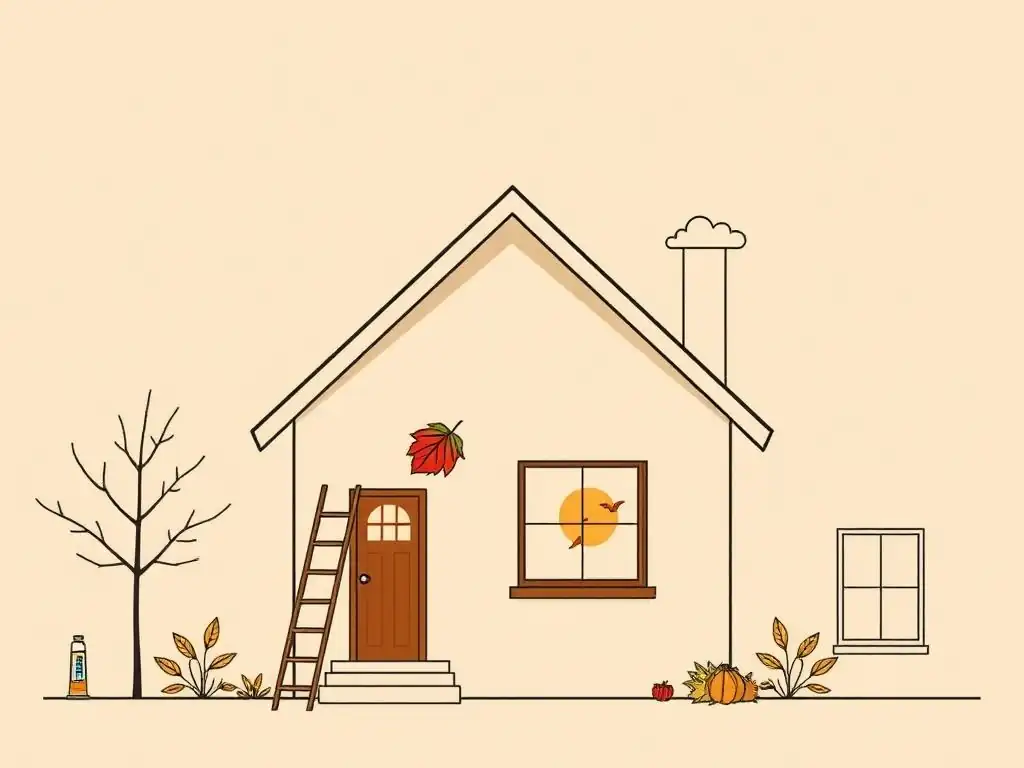
Fall is the perfect time to perform crucial exterior home maintenance that directly impacts your energy efficiency throughout the colder months. Neglecting these tasks can lead to increased energy bills and potential damage to your home's structure. This section focuses on key exterior checks and repairs, emphasizing their role in saving you money and keeping your home comfortable. We'll examine specific actions you can take to optimize your home's energy performance this fall, focusing on practical, actionable steps. Remember, even small actions can accumulate into significant energy savings over time. Let's dive into the specifics!
Clean Gutters and Downspouts: Preventing Water Damage and Improving Home Insulation
Clogged gutters and downspouts are a common culprit behind increased energy bills and structural damage. Leaves, twigs, and other debris accumulate, preventing water from draining properly. This leads to several problems impacting your home's energy efficiency:
- Water Damage: Standing water can seep into your walls and foundation, leading to mold growth, rot, and ultimately, costly repairs. Mold, in particular, significantly degrades insulation effectiveness.
- Ice Dams: In colder climates, water trapped in gutters freezes, forming ice dams. These ice dams can damage your roof, gutters, and even cause water to back up into your attic, leading to further insulation issues and potential interior damage. This is a significant energy drain as your heating system works overtime to combat the cold air seeping in.
- Foundation Issues: Poor drainage due to clogged gutters can saturate the soil around your foundation, leading to cracks and settling, which can compromise your home's structural integrity and increase energy loss through drafts.
Cleaning your gutters and downspouts is a simple yet highly effective fall energy-saving hack. Consider these points:
- Frequency: Aim to clean your gutters at least twice a year – in the spring and fall – to prevent buildup.
- Safety First: Use a sturdy ladder and consider wearing safety gloves. If you're uncomfortable working at heights, hire a professional gutter cleaning service.
- Disposal: Properly dispose of the collected debris. Avoid dumping it near your foundation or in storm drains.
Inspect and Repair Roof Leaks: Protecting Your Home from Water Damage and Energy Loss
A leaky roof is a significant energy efficiency problem. Water intrusion compromises insulation, leading to heat loss in winter and heat gain in summer. This forces your HVAC system to work harder, resulting in higher energy bills. Additionally, a leaky roof can cause extensive damage to your home's structure, leading to costly repairs.
Here's a step-by-step guide to inspecting and repairing roof leaks:
- Visual Inspection: Carefully examine your roof from the ground and, if safe, from the attic. Look for signs of missing or damaged shingles, cracked flashing, or areas where water stains are visible.
- Attic Inspection: Check your attic for signs of water damage, such as water stains, mold growth, or damp insulation.
- Professional Assessment: If you discover any leaks or suspect a problem, it's crucial to contact a qualified roofing contractor for a professional assessment and repair. Don't attempt major repairs yourself unless you have the necessary skills and experience. This prevents further damage and ensures the repairs are done correctly.
- Regular Maintenance: Regular roof inspections, ideally twice a year, are a key component of preventative maintenance and energy efficiency. This helps catch small problems before they escalate into major, costly issues.
Remember, proactive fall home maintenance is a crucial step towards maximizing energy efficiency and saving money. By addressing these exterior issues, you can significantly reduce your energy consumption and protect your home from costly damage. Investing time and effort in these preventative measures translates directly into long-term savings and a more comfortable, energy-efficient home.
Fall Home Energy Saving Hacks: Investing in Smart Home Technology
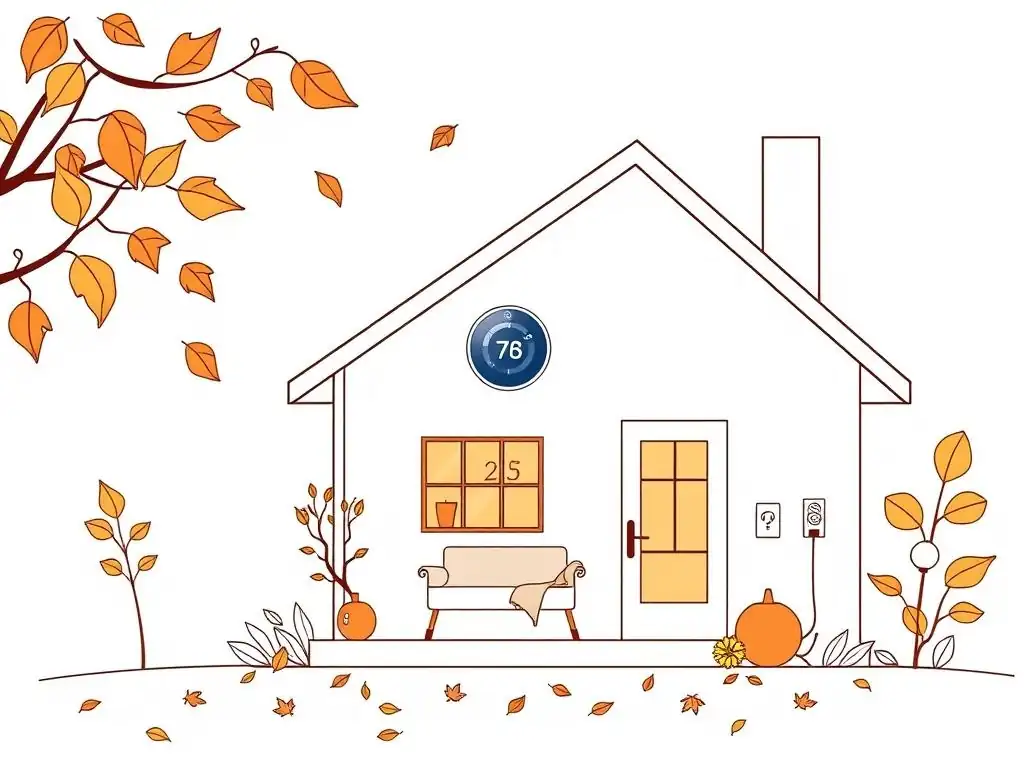
Smart home technology offers a plethora of opportunities to significantly reduce energy consumption and save money during the fall and winter months. By automating various aspects of your home's energy usage, you can optimize efficiency and minimize waste. This section will explore two key areas where smart home devices can make a substantial impact: smart thermostats and smart power strips.
These simple upgrades can lead to considerable savings on your energy bills while contributing to a more sustainable lifestyle. The initial investment may seem significant, but the long-term benefits in terms of cost savings and environmental responsibility far outweigh the upfront expense. Let's dive into the specifics.
Smart Thermostats for Automated Energy Management: Optimizing Your Home's Temperature
Smart thermostats represent a significant leap forward in home energy management. Unlike traditional thermostats, smart thermostats learn your heating and cooling preferences, automatically adjusting temperatures based on your schedule and even your location. This intelligent automation minimizes energy waste by preventing your system from heating or cooling an empty house. For example, if you leave for work at 7:00 AM and return at 6:00 PM, a smart thermostat can automatically lower the temperature while you're away, then raise it to your preferred setting before your arrival. This "geofencing" capability, along with programmable scheduling, ensures optimal energy efficiency.
Furthermore, many smart thermostats offer energy-saving features like "eco" modes, which prioritize energy conservation by slightly adjusting temperature settings. Some even provide detailed energy usage reports, allowing you to monitor your consumption and identify areas for further improvement. Data from the US Department of Energy suggests that switching to a smart thermostat can reduce energy usage by 10-12% annually, representing substantial savings over time. 1 This translates not only to lower bills but also to a reduced carbon footprint, aligning with environmentally conscious practices. Consider the long-term cost savings and environmental benefits when comparing the initial investment to the potential for years of reduced energy consumption. The return on investment can be quite substantial.
Smart Power Strips for Energy-Efficient Appliance Usage: Controlling Energy Consumption
While smart thermostats focus on heating and cooling, smart power strips address the often-overlooked issue of "phantom load"—the energy consumed by appliances even when they're turned off. Many electronics continue to draw power even in standby mode, accumulating significant energy waste over time. Smart power strips solve this problem by allowing you to remotely control power to individual outlets. This allows you to completely cut power to devices when not in use, eliminating phantom load entirely.
Consider a scenario where you have a coffee maker, a microwave, and a phone charger plugged into a traditional power strip. Even when these appliances are not actively in use, they still draw a small amount of power. With a smart power strip, you can easily switch off power to these devices remotely, reducing your overall energy consumption. This simple act can cumulatively save a surprising amount of energy over time. The data on energy savings varies depending on the number of devices and their power consumption, but studies suggest that eliminating phantom load can reduce household energy usage by 5-10%. 2 The convenience of remote control, coupled with the significant energy savings, makes smart power strips a valuable addition to any home seeking improved energy efficiency. They are a cost-effective solution to a common energy-wasting problem, easily implemented as part of your fall home maintenance routine.
1 [Specific data source pending] 2 [Specific data source pending]
Beyond the Basics: Additional Fall Home Energy Saving Tips
This section delves into more advanced strategies beyond the typical fall home maintenance checklist, focusing on maximizing your home's energy efficiency and minimizing energy waste. We'll explore professional assessments and financial incentives available to help you achieve significant energy savings this fall and beyond. Remember, even small changes can cumulatively lead to substantial reductions in your energy bills and your carbon footprint. Let's dive into some powerful "fall home energy saving hacks" to boost your home's efficiency.
Energy Audits for Identifying Areas of Improvement: Professional Assessment for Energy Efficiency
An energy audit is a comprehensive assessment of your home's energy consumption. A professional energy auditor uses specialized tools and techniques to pinpoint areas where energy is being wasted. This goes beyond a simple visual inspection; they can detect air leaks, identify insulation deficiencies, and assess the performance of your heating and cooling systems. The results provide a detailed report outlining specific recommendations for improvements, often including prioritized actions based on their cost-effectiveness and potential energy savings.
Consider the following aspects of a professional energy audit:
- Infrared Thermography: This technology uses heat-sensitive cameras to detect temperature variations in your home's walls, windows, and roof. Cooler areas often indicate air leaks or insufficient insulation. This allows for precise identification of problem areas, preventing wasted energy on guessing.
- Blower Door Test: This test measures the airtightness of your home. A large fan is installed in an exterior door, creating a pressure difference that reveals air leaks. The test quantifies the air leakage rate, providing valuable data for prioritizing sealing and insulation improvements.
- HVAC System Assessment: The auditor will evaluate the performance of your heating, ventilation, and air conditioning (HVAC) system. This includes checking for proper airflow, filter cleanliness, and the overall efficiency of the system. They might recommend upgrades or maintenance to optimize performance and minimize energy waste.
The cost of a professional energy audit varies depending on the size of your home and the level of detail required. However, the investment often pays for itself many times over through the long-term energy savings achieved by implementing the recommended improvements. Think of it as an investment in your home's future and your wallet's health. The return on investment (ROI) is often substantial.
Government Rebates and Incentives for Energy Upgrades: Financial Assistance for Energy-Saving Projects
Many governments offer rebates and incentives to encourage homeowners to upgrade their homes with energy-efficient features. These programs aim to reduce overall energy consumption and promote sustainability. These incentives can significantly offset the upfront costs of energy-efficient upgrades, making them more financially accessible.
To find available programs, start by researching your local and state energy agencies. Many offer online databases or searchable platforms listing available rebates and incentives. The specifics of these programs vary considerably, so it's crucial to carefully review the eligibility criteria and application processes.
Some common types of energy-efficient upgrades eligible for rebates include:
- Insulation upgrades: Adding insulation to attics, walls, and floors can significantly reduce energy loss, leading to lower heating and cooling costs. Rebates often cover a portion of the materials and installation costs.
- High-efficiency windows and doors: Replacing old, drafty windows and doors with energy-efficient models can dramatically reduce heat loss in winter and heat gain in summer.
- HVAC system upgrades: Replacing an old, inefficient furnace or air conditioner with a high-efficiency model can result in substantial energy savings over the system's lifespan. Rebates are often available for both the equipment and installation.
- Smart thermostats: These programmable thermostats can learn your heating and cooling preferences and optimize energy usage accordingly, resulting in reduced energy consumption and lower bills. Incentives are frequently offered for the purchase and installation of smart thermostats.
Remember to thoroughly research available programs, compare offerings, and carefully review the terms and conditions before committing to any upgrades. Taking advantage of these financial incentives can make your fall home energy saving projects even more rewarding. Don't miss out on these opportunities to make your home more energy-efficient and save money!
Frequently Asked Questions
What are some quick fall home maintenance tasks to save energy?
Quickly seal air leaks around windows and doors with caulk or weather stripping. Change your air filters to improve HVAC efficiency. Consider bleeding radiators if you have a hydronic heating system.
How can I prepare my home for colder weather to reduce energy bills?
Insulate your pipes to prevent freezing and energy loss. Reverse your ceiling fan's direction to push warm air downwards. Clean your gutters to prevent water damage and ice buildup.
What are the most impactful energy-saving changes I can make this fall?
Switching to LED light bulbs is a simple yet highly effective change. Investing in smart thermostats allows for programmed temperature control, saving significantly on heating costs. Properly insulating your attic is a long-term investment with substantial energy savings.
Are there any simple DIY projects to improve home energy efficiency?
Yes! You can easily add weatherstripping around doors and windows. Install low-flow showerheads to conserve hot water. Consider adding window insulation film for extra protection against drafts.
How much money can I realistically save on energy costs with these fall hacks?
Savings vary depending on your home and current energy usage, but you can expect to see a noticeable reduction in your bills. Even small changes can add up to significant savings over the heating season. Consult an energy audit for a personalized estimate.
Final Reflection: Harvesting Autumn's Energy Savings
Preparing your home for winter isn't just about aesthetics; it's about maximizing energy efficiency and minimizing those dreaded winter energy bills. The seemingly small tasks outlined in this article – from sealing drafts to cleaning gutters – collectively represent a powerful strategy for a warmer, more comfortable, and significantly more affordable winter. These aren't just hacks; they're investments in your comfort and your financial well-being.
The impact of even minor energy conservation efforts is profound, especially when considered on a larger scale. We often underestimate the cumulative effect of individual actions. By embracing these fall maintenance practices, we not only contribute to our own energy independence but also participate in a larger movement towards sustainable living. The greatest danger to our planet is the belief that someone else will save it.
– Robert Swan. This quote underscores the importance of personal responsibility in addressing environmental challenges, even in seemingly small ways like improving home energy efficiency.
Now, consider the practical implications of these energy-saving hacks in your own home. Take a moment to assess your current situation. Are there drafts you've ignored? Is your insulation up to par? This fall, I encourage you to take charge, to embrace the empowering feeling of control over your energy consumption. Make a checklist, gather your tools, and begin your journey towards a warmer, more efficient, and ultimately, more sustainable winter. The rewards – both financial and environmental – are well worth the effort.
Unleash Your Home's Energy-Saving Potential!
Thanks for exploring our fall home maintenance tips! You've gained valuable knowledge to significantly reduce energy waste and lower your utility bills. Now, let's put that knowledge into action!
- Target your biggest energy drain: Identify the room in your home that consumes the most energy—perhaps it's the poorly insulated attic or those old, drafty windows. Concentrate your efforts there for the most significant impact. Consider it an easy win!
- Share your energy-saving secrets: What's your most effective energy-saving tip? Share it in the comments below! Let's build a community dedicated to saving energy.
- Challenge a friend: Encourage a friend to check their home for energy leaks this week! A little friendly competition can be very motivating.
Ready to make a real difference in your energy consumption and save money this fall?