
The Secret of "Priming": How to Influence Your Decisions Without Knowing


Welcome to UltimateLifeHacks, your destination for practical strategies to conquer your daily grind! Are you ready to unlock your hidden potential and achieve peak productivity? We're diving deep into the fascinating world of cognitive efficiency, and today's revelation is a game-changer: the Decision Priming productivity hack. Discover how subtly influencing your choices can lead to remarkable improvements in your workflow and overall well-being. Ready to learn more about this intriguing technique and transform your daily life? Let's explore!
- Understanding Decision Priming: A Productivity Hack
- Leveraging Priming for Enhanced Productivity
- Practical Applications of Priming for Decision-Making
- Avoiding the Pitfalls of Priming
- Frequently Asked Questions
- Final Reflection: Unlocking Your Potential Through Priming
- Unlock Your Decision-Making Power: Prime Your Future!
Understanding Decision Priming: A Productivity Hack
Decision-making consumes a significant portion of our daily lives. From choosing what to eat for breakfast to strategizing complex work projects, the constant stream of choices can be overwhelming and lead to decision fatigue, ultimately impacting our productivity and overall well-being. This article delves into the fascinating concept of decision priming, a powerful psychological phenomenon that subtly influences our choices without our conscious awareness.
By understanding the mechanics of priming, we can leverage its effects to improve our decision-making process, boosting our productivity and leading to more efficient and effective daily routines. We will explore the neuroscience behind priming, examine real-world examples, and discuss practical strategies to utilize this productivity hack to your advantage.
Learning to harness the power of priming is a key step towards optimizing your cognitive efficiency and achieving your daily goals more effectively. This "Decision priming productivity hack," as it's often called, offers a unique approach to enhancing your daily life.
What is Priming and How Does it Affect Our Choices?
Priming, in the context of psychology, refers to the implicit memory effect where exposure to one stimulus influences the response to another stimulus. This exposure can be visual, auditory, or even conceptual. Imagine seeing the word "banana" repeatedly before being asked to complete a word fragment like "_anana." You're far more likely to complete it as "banana" than if you hadn't been previously exposed to the word.
This seemingly simple example illustrates the core principle: prior exposure subtly shapes subsequent responses. In the realm of decision-making, priming can significantly influence our choices, often without us realizing it. For instance, being exposed to images of luxury items might make us more likely to spend more money later, even on unrelated purchases.
This unconscious influence is the key to understanding how priming can both hinder and help our productivity. The subtlety of priming is what makes it so effective, but also so easily overlooked. Understanding this subtle influence is crucial to mastering this productivity hack.
The Neuroscience Behind Priming: Unconscious Influences on Behavior
The effects of priming are rooted in the intricate workings of our brain. Neurologically, priming involves the activation of specific neural pathways and concepts in our long-term memory. When we encounter a prime (the initial stimulus), related concepts and memories are automatically activated, making them more readily accessible for subsequent processing. This activation occurs largely unconsciously, meaning we're not actively aware of the influence it has on our choices.
Studies using fMRI (functional magnetic resonance imaging) have shown increased activity in brain regions associated with memory and decision-making processes when individuals are exposed to priming stimuli. These findings highlight the deep-seated neurological basis of priming's influence on our behavior. The unconscious nature of this process is what makes it such a powerful, yet often overlooked, tool for enhancing productivity. By understanding the neurological mechanisms, we can appreciate the profound impact of priming on our daily decisions.
Examples of Priming in Everyday Life: Subtle Influences You May Not Notice
Priming manifests in countless ways in our daily lives. Consider a supermarket placing candy near the checkout counter – a classic example of priming aimed at increasing impulse buys. Or think about the carefully chosen music and ambiance in a restaurant designed to evoke a specific mood and encourage spending.
Even the language we use can act as a prime. For example, studies have shown that using words associated with cleanliness can lead to more ethical behavior. These are just a few examples illustrating the pervasive nature of priming.
Recognizing these subtle influences is the first step towards consciously utilizing priming to improve our productivity. By being mindful of the priming effects around us, we can start to identify and even counteract negative influences, while proactively employing positive primes to enhance our decision-making and achieve our goals more efficiently. The more aware we become of these subtle cues, the more effectively we can use this "Decision priming productivity hack" to our advantage.
Leveraging Priming for Enhanced Productivity
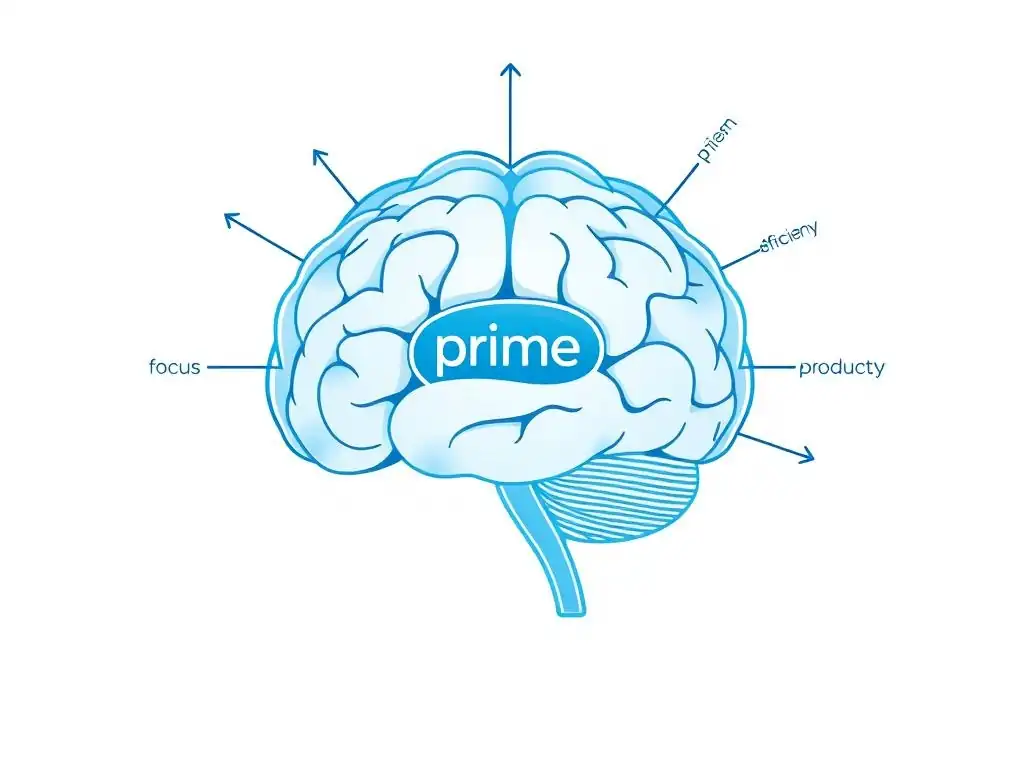
Priming, a fascinating cognitive phenomenon, subtly influences our thoughts, feelings, and behaviors without our conscious awareness. Understanding and strategically employing priming techniques can significantly boost productivity by shaping our decision-making processes in favor of productive actions. This isn't about manipulation; it's about harnessing the power of our subconscious to work for us, leading to a more efficient and fulfilling workday. The key is to create an environment and mental state that predisposes you towards productive choices. This section explores how to leverage this "Decision priming productivity hack" for tangible improvements in your daily routines.
Priming for Goal Achievement: Setting the Stage for Success
Setting the stage for success involves pre-programming your mind to prioritize your goals. This can be achieved through various priming techniques. For instance, visualizing your desired outcome before starting a task – picturing yourself completing a project successfully, feeling the sense of accomplishment – significantly increases your likelihood of achieving it. Research shows that this mental rehearsal activates neural pathways associated with successful task completion, thereby increasing motivation and focus.
Furthermore, consider starting your day by reviewing your to-do list and explicitly focusing on the most important task (MIT). This primes your brain to prioritize this task over less critical items, combating procrastination and improving overall efficiency. Instead of passively glancing at your list, actively engage with it; write down the benefits of completing the MIT, or even reward yourself mentally for tackling it early.
Another effective strategy is to surround yourself with visual reminders of your goals. This could involve placing inspirational quotes on your desk, using a goal-tracking app with visual progress indicators, or even simply keeping a photo of your desired outcome within sight. These visual cues act as constant, subtle reminders, gently nudging your subconscious towards the desired behavior.
| Technique | Description | Example | Expected Outcome |
|---|---|---|---|
| Visualization | Mentally rehearsing successful task completion. | Visualizing yourself finishing a presentation flawlessly. | Increased confidence and reduced anxiety before the task. |
| MIT Prioritization | Focusing on the Most Important Task first. | Prioritizing responding to a crucial client email before checking social media. | Improved efficiency and reduced task-switching. |
| Visual Reminders | Surrounding yourself with visual cues related to your goals. | Placing a picture of your dream vacation on your desk to motivate you to work. | Increased motivation and goal-oriented behavior. |
Using Priming to Improve Focus and Concentration: Techniques for Better Workflows
Maintaining focus is crucial for productivity. Priming can significantly enhance your concentration by setting the stage for a focused mindset. One effective technique is to start your workday with a short mindfulness exercise or meditation session. This primes your brain for a state of calm attentiveness, making it easier to resist distractions and maintain focus throughout the day. Even five minutes of focused breathing can make a noticeable difference.
Creating a dedicated workspace free from distractions is also vital. A clutter-free, organized environment primes your mind for focused work. Conversely, a chaotic workspace often leads to a scattered and unfocused mind. Think of it as a visual representation of your mental state; an organized space promotes an organized mind.
Furthermore, consider using ambient sounds or music designed to promote focus. Studies show that certain types of music can improve concentration and reduce stress, thereby priming the brain for optimal cognitive performance. Experiment to find what works best for you; some prefer complete silence, while others find background music helpful.
- Consider these additional strategies for enhanced focus:
- Minimize interruptions (turn off notifications).
- Use the Pomodoro Technique to break down work into manageable chunks.
- Take regular breaks to avoid mental fatigue.
Priming Your Environment for Peak Performance: Optimizing Your Workspace
Your workspace is a powerful priming tool. A well-organized, inspiring environment subtly influences your behavior and mindset, promoting productivity. The arrangement of your desk, the colors you use, and even the lighting can all play a role in priming your brain for peak performance.
For example, a clean and organized desk promotes a sense of calm and control, reducing stress and improving focus. In contrast, a cluttered desk can lead to feelings of overwhelm and anxiety, hindering productivity. Regularly decluttering your workspace is a simple yet effective priming technique. Think of it as a visual reset, clearing the way for a more productive mindset.
Similarly, the color of your workspace can influence your mood and productivity. Studies suggest that certain colors, such as blue and green, promote calmness and focus, while others, such as red and orange, can be more stimulating. Experiment with different colors to find what best suits your needs and personal preferences.
Lighting is another important factor. Adequate lighting improves alertness and focus, while dim lighting can lead to drowsiness and reduced productivity. Ensure your workspace is well-lit, ideally with natural light if possible. Consider investing in a high-quality desk lamp if natural light is limited. A well-lit workspace primes your brain for activity and engagement. Remember, the goal is to create an environment that subtly encourages productivity and success.
Practical Applications of Priming for Decision-Making

This section explores how the fascinating phenomenon of decision priming can be leveraged to improve various aspects of your daily life, boosting productivity and overall efficiency. Understanding and consciously employing priming techniques can subtly influence your choices, leading to better outcomes without feeling manipulated. This isn't about trickery; it's about harnessing the power of your subconscious mind to work for you. We'll examine specific applications, offering actionable strategies you can integrate into your routine immediately. Remember, the key is subtle, consistent exposure to the desired stimuli.
Priming Techniques for Better Time Management: Scheduling and Prioritization
Effective time management hinges on making conscious decisions about how to allocate your time. Priming can significantly influence these decisions. For example, if you want to prioritize a specific task, expose yourself to relevant cues throughout the day. This could involve placing a sticky note with the task prominently on your desk, setting a recurring reminder on your phone with a motivating message, or even simply visualizing yourself successfully completing the task before starting your workday. The repetition and visual reminder subtly prime your brain to favor that task when making scheduling choices.
Consider this example: Let's say you need to finish writing a report. Instead of vaguely intending to "work on it later," try these priming techniques:
- Visual Priming: Place the report's outline or a relevant research article on your desk, visible throughout the day.
- Auditory Priming: Listen to instrumental music associated with focus and concentration during your planning time.
- Semantic Priming: Start your day by reading a motivational quote about achieving goals or productivity.
By consistently exposing yourself to these cues, you'll subconsciously prioritize the report over less important tasks. This is a powerful productivity hack that leverages the subconscious mind to improve efficiency, making decision-making regarding time allocation easier and more effective. The result? Improved time management and a greater sense of accomplishment.
Using Priming to Overcome Procrastination: Motivational Strategies
Procrastination often stems from a subconscious avoidance of difficult or unpleasant tasks. Priming can help overcome this by subtly shifting your mindset and increasing motivation. The key is to associate the task with positive emotions and rewards rather than negative feelings and stress.
For instance, if you're procrastinating on a challenging project, try these strategies:
- Reward Priming: Visualize yourself enjoying a reward after completing the task – a relaxing bath, a favorite meal, or time spent on a hobby. This positive association can make the task seem less daunting.
- Success Priming: Recall past instances where you successfully overcame similar challenges. This reminds your subconscious of your capabilities and boosts your confidence.
- Environmental Priming: Create a dedicated workspace free from distractions. This primes your brain for focused work, making it easier to resist the urge to procrastinate.
These strategies work by subtly altering your subconscious perception of the task, making it seem less threatening and more achievable. This is crucial for breaking the cycle of procrastination and improving overall productivity. Consistent application of these priming techniques can lead to a significant reduction in procrastination and a marked improvement in task completion rates.
Priming for Creative Problem Solving: Boosting Innovation and Idea Generation
Creative problem-solving requires a flexible and open mind. Priming can facilitate this by subtly influencing your cognitive processes, leading to more innovative solutions. Exposure to stimuli associated with creativity, such as inspiring quotes, images of nature, or listening to upbeat music, can significantly enhance your problem-solving abilities.
Consider these examples:
- Environmental Priming: Work in a stimulating environment that fosters creativity, such as a café or a park. The change of scenery can prime your brain for innovative thinking.
- Associative Priming: Brainstorming sessions can be enhanced by priming with related concepts or examples. If you’re solving a design problem, look at inspiring designs first. This enhances the likelihood of generating novel ideas.
- Emotional Priming: Inducing a positive emotional state through activities like meditation or listening to uplifting music can promote creative thinking. A relaxed, positive mindset is more conducive to innovative problem-solving.
By strategically priming your environment and mindset, you can significantly boost your creative problem-solving skills. This leads to more innovative solutions and increased productivity in creative fields. Regular application of these priming techniques can lead to a noticeable increase in the quantity and quality of your ideas. This is a powerful "decision priming productivity hack" for anyone looking to improve their creative output.
Avoiding the Pitfalls of Priming

Priming, while a powerful tool for enhancing productivity, can also be exploited for manipulative purposes. Understanding how to recognize and counteract negative priming is crucial for maintaining control over your decisions and protecting yourself from undue influence. This section explores strategies to mitigate the risks associated with subconscious manipulation and ensure you're leveraging priming ethically and effectively. The effectiveness of priming hinges on its subtlety; recognizing its influence requires a keen awareness of your own thought processes and biases.
Recognizing and Avoiding Negative Priming: Protecting Yourself from Manipulation
Negative priming, the opposite of positive priming, slows down reaction time and increases error rates when encountering previously ignored stimuli. This can manifest in various ways, impacting your decision-making process negatively. For example, if you've been repeatedly exposed to advertisements emphasizing the urgency of purchasing a product (a form of negative priming against delaying gratification), you might impulsively buy things you don't need, thus hindering your financial productivity. Similarly, constant exposure to negativity in news or social media can prime you for pessimistic decision-making, reducing your overall efficiency and well-being.
To avoid falling prey to negative priming, consider these strategies:
- Mindful Consumption: Be conscious of the information you consume. Limit exposure to potentially manipulative advertising and negativity-laden media. Actively curate your information diet.
- Critical Thinking: Question the motives behind messages you encounter. Don't passively accept information; analyze its source and potential biases.
- Regular Breaks: Taking regular breaks from mentally demanding tasks helps to reset your cognitive system, reducing the impact of accumulated priming effects. This is particularly important for those working in high-pressure environments.
- Self-Reflection: Regularly reflect on your decisions. Identifying recurring patterns of impulsive behavior or negative thought processes can highlight areas vulnerable to priming manipulation.
Ethical Considerations of Priming: Responsible Application of Influence Techniques
While priming can significantly boost productivity when applied responsibly, its potential for manipulation necessitates careful ethical considerations. The use of priming techniques should always prioritize transparency and respect for individual autonomy. Exploiting someone's subconscious biases for personal gain is unethical and potentially harmful.
Consider the following ethical guidelines when employing priming techniques:
- Transparency: When possible, be upfront about using priming techniques. This fosters trust and allows individuals to make informed decisions. While complete transparency isn't always feasible, acknowledging the potential influence of environmental factors is a good practice.
- Consent: Ensure that individuals are aware and consenting to any priming strategies being employed. This is especially important in professional settings where you might be influencing employees' behavior.
- Beneficial Outcomes: Focus on using priming to achieve positive outcomes, such as improved productivity, healthier habits, or increased motivation. Avoid using it for manipulative or exploitative purposes.
- Awareness of Biases: Be acutely aware of your own biases and how they might affect your use of priming techniques. Regular self-reflection is crucial for maintaining ethical practice.
The Importance of Conscious Awareness: Maintaining Control Over Your Decisions
Ultimately, the most effective defense against the pitfalls of priming, both positive and negative, is conscious awareness. By understanding how priming works and actively monitoring your own thought processes, you can significantly reduce its manipulative potential and leverage its benefits responsibly. This involves cultivating a mindful approach to decision-making, paying attention to your environment, and regularly evaluating your choices.
Developing conscious awareness involves:
- Mindfulness Practices: Engaging in mindfulness meditation or other mindfulness exercises can enhance your self-awareness and help you recognize subtle influences on your behavior.
- Journaling: Regularly journaling about your decisions and the factors that influenced them can reveal patterns and biases you might not otherwise notice.
- Seeking Diverse Perspectives: Actively seeking out diverse perspectives and challenging your own assumptions can help you avoid falling into cognitive traps. This can involve discussions with trusted friends, colleagues, or mentors.
- Continuous Learning: Staying informed about cognitive biases and influence techniques empowers you to make more informed and independent decisions. Continuous learning is key to staying ahead of manipulative tactics.
The key takeaway is that while priming is a powerful tool, its effectiveness relies on the user's awareness and ethical application. By understanding its mechanisms and practicing conscious awareness, you can harness the power of priming for productivity enhancement while protecting yourself from manipulation. This deliberate and mindful approach is crucial for maximizing the benefits of this powerful psychological hack.
Frequently Asked Questions
What is "decision priming"?
Decision priming is a subtle psychological technique that influences your choices by subtly exposing you to certain stimuli beforehand. It works by activating specific concepts in your mind, making you more likely to act in line with those concepts. This is a powerful productivity hack.
How does decision priming relate to productivity?
By priming yourself with positive and productive thoughts before tackling a task, you increase the likelihood of successfully completing it. For example, priming yourself with images of success can improve your focus and motivation. This leads to increased efficiency and time management.
Can I prime myself for specific tasks?
Absolutely! You can prime yourself for specific tasks by visualizing success, listening to motivational music, or even just writing down your goals. The key is to associate positive feelings with the task at hand.
What are some examples of decision priming in daily life?
Seeing an ad for a healthy snack might make you choose a salad over a burger. Hearing upbeat music might energize you and make you more likely to exercise. These are all unconscious influences that affect our choices. Subtle cues can have a big impact.
Is decision priming manipulative?
While it can be used manipulatively, decision priming is a natural cognitive process. Understanding how it works allows you to use it consciously to improve your own productivity and well-being, rather than being passively influenced by external factors. It's about taking control of your subconscious mind.
Final Reflection: Unlocking Your Potential Through Priming
The subtle art of priming is not just a psychological curiosity; it's a powerful tool shaping our daily decisions, impacting everything from productivity to purchasing habits. Understanding how these unconscious influences work is crucial in navigating the complexities of modern life, where information overload and constant stimulation make conscious decision-making increasingly difficult. We are constantly being primed, whether we realize it or not, and recognizing this gives us the power to take control.
The pervasiveness of priming highlights the importance of cultivating mindful awareness. We are not merely passive recipients of external influences; we have the agency to shape our environments and, consequently, our choices. By understanding the mechanisms of priming, we can consciously curate our surroundings to foster productivity and well-being. The mind is everything. What you think you become.
– Buddha. This quote underscores the profound impact of our internal landscape, which is significantly influenced by the external stimuli that prime our decisions. This understanding empowers us to consciously choose the environments and information that best serve our goals.
Now, consider your own life. What subtle cues are influencing your choices? Are you consciously creating an environment that supports your goals, or are you allowing yourself to be passively primed by external forces? Take a moment to reflect on your daily routines, your workspace, and the information you consume. By consciously selecting your inputs – the music you listen to, the news you read, the people you surround yourself with – you can actively prime yourself for success, unlocking a level of productivity and fulfillment previously unimaginable. Begin today, and watch your potential unfold.
Unlock Your Decision-Making Power: Prime Your Future!
Thanks for exploring the fascinating world of priming! You've gained valuable insights into how subtle cues influence our choices. Ready to put this knowledge into action?
- Experiment with priming in your daily life: Start small—observe how background music, imagery, or even the words you use affect your decisions. Keep a journal to track your observations!
- Become more mindful of external influences: Pay attention to how marketing, news, and social media subtly shape your perceptions. Challenge your assumptions and critically examine the messages you encounter.
- Share your insights with others: Discuss the concept of priming with friends and family. See if they recognize examples of priming in their own lives.
What surprising discoveries have you made about how subtle cues influence your decisions? Let's discuss!