
The "Ethical Decision Making" Hack: Make Choices with Integrity


Welcome to UltimateLifeHacks, where we unlock the secrets to a more productive and fulfilling life! Are you ready to transform your daily routine and boost your efficiency? We're diving deep into the fascinating world of cognitive efficiency, and our latest article reveals a powerful, yet often overlooked, productivity booster: the Ethical Decision-Making hack. Discover how making choices with integrity can dramatically improve your focus and overall effectiveness. Intrigued? Read on to learn how ethical considerations can be your most powerful productivity tool yet!
- Understanding Ethical Decision-Making for Enhanced Productivity
- Practical Steps for Ethical and Efficient Decision-Making
- Ethical Decision-Making Frameworks for Better Productivity
- Overcoming Common Obstacles to Ethical Decision-Making
- Integrating Ethical Decision-Making into Your Daily Routine
- Ethical Decision-Making: A Productivity Booster
- Frequently Asked Questions
- Final Reflection: The Enduring Power of Ethical Choices
- Unlock Your Ethical Compass: Take Charge of Your Choices
Understanding Ethical Decision-Making for Enhanced Productivity
Ethical decision-making isn't just a philosophical concept; it's a powerful productivity hack that can significantly impact your efficiency and overall well-being. In today's fast-paced world, we're constantly bombarded with choices – both big and small. Making these decisions quickly and effectively is crucial, but rushing through them without considering the ethical implications can lead to wasted time, damaged relationships, and ultimately, reduced productivity.
This article explores how integrating ethical considerations into your decision-making process can actually boost your efficiency, leading to a more fulfilling and successful life. We'll delve into defining ethical decision-making in a productivity context, examining the surprising link between ethics and efficient choices, and finally, guiding you through identifying your personal ethical framework for consistent and effective decision-making. By the end, you'll understand how incorporating ethical considerations isn't just the right thing to do; it's the smart thing to do for maximizing your productivity.
Defining Ethical Decision-Making in a Productivity Context
Ethical decision-making, in the context of productivity, means considering the moral implications of your choices before acting. This goes beyond simply avoiding illegal activities. It involves asking yourself questions like: "Will this decision benefit or harm others? ", "Is this action aligned with my values?
", and "What are the long-term consequences of this choice?" Applying this framework to everyday decisions – from prioritizing tasks to responding to emails – can prevent costly mistakes and improve your overall efficiency. For example, choosing to thoroughly research a product before purchasing it, rather than impulsively buying something based solely on advertising, saves time and money in the long run.
This is an ethical decision because it respects your own resources and avoids potential future issues. Similarly, prioritizing tasks based on their importance and impact, rather than just urgency, leads to more meaningful progress and avoids wasted effort on less significant items. This thoughtful approach, rooted in ethical considerations, ultimately enhances productivity by ensuring that your time and energy are used effectively and responsibly.
The Link Between Ethics and Efficient Decision Making
The connection between ethics and efficient decision-making might seem counterintuitive at first. Many believe that focusing on ethical considerations slows down the process. However, the opposite is often true. By proactively considering the ethical implications of your choices, you reduce the likelihood of making decisions that lead to negative consequences later on. These negative consequences – whether they're wasted time spent fixing a mistake, strained relationships requiring repair, or reputational damage – significantly impact productivity. Consider a scenario where a manager chooses to cut corners on a project to meet a deadline. While this might seem efficient in the short term, the resulting compromised quality could lead to costly rework, delays, and damage to the company's reputation, ultimately costing far more time and resources than if ethical considerations had guided the initial decision. Therefore, ethical decision-making, while requiring initial thoughtful consideration, ultimately leads to greater efficiency and avoids costly setbacks.
Identifying Your Ethical Framework for Consistent Choices
Developing a personal ethical framework is essential for consistent and effective decision-making. This involves identifying your core values and principles. What is truly important to you? Honesty? Fairness?
Respect? Once you've identified your core values, you can use them as a guide when faced with difficult choices. This process may involve reflecting on past experiences, considering the perspectives of others, and seeking guidance from trusted sources. Creating a simple checklist or decision-making framework based on your values can be incredibly helpful.
For instance, you might ask yourself: "Does this decision align with my values of honesty and integrity? ", or "Does this action promote fairness and respect for all involved?" By consistently applying this framework, you'll develop a habit of making ethical choices that not only feel right but also contribute to greater efficiency and long-term success. This proactive approach transforms ethical decision-making from a potential obstacle into a powerful productivity tool.
Practical Steps for Ethical and Efficient Decision-Making
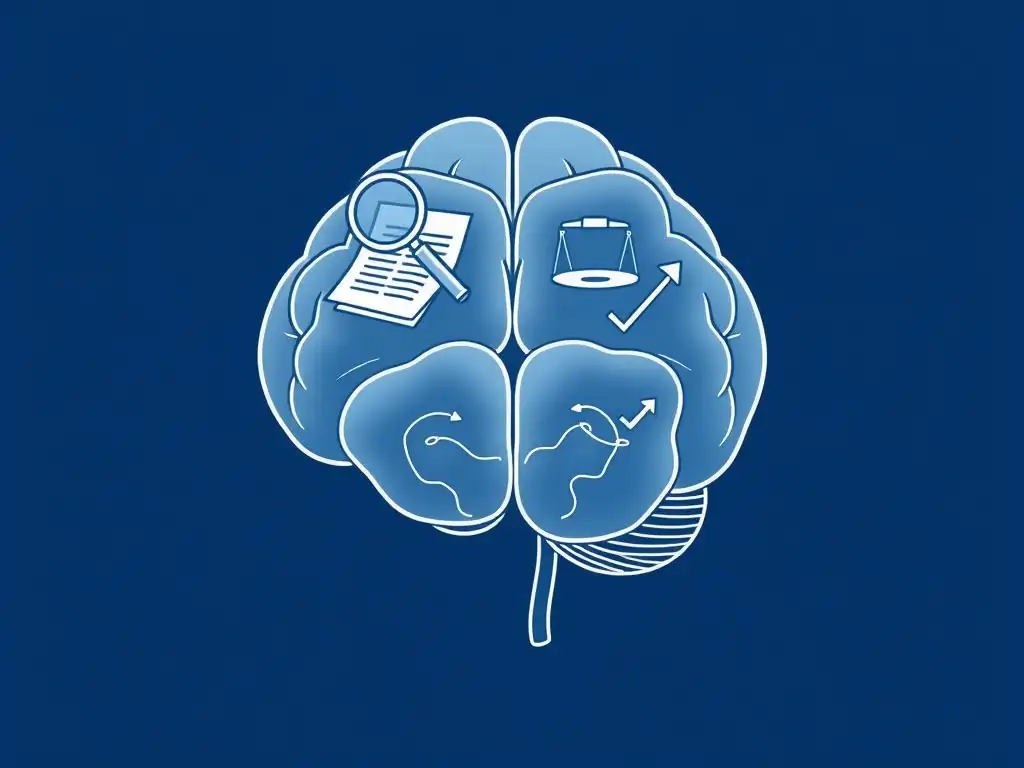
This section details practical steps to integrate ethical considerations into your decision-making process, boosting both your productivity and your integrity. Ethical decision-making isn't just about avoiding trouble; it's about making choices that align with your values, leading to greater satisfaction and long-term success. This "ethical decision-making productivity hack" streamlines the process, preventing analysis paralysis and promoting swift, responsible choices.
Step 1: Recognizing Ethical Dilemmas in Daily Decisions
Many daily decisions present ethical dilemmas, often subtly. We might not always realize we're facing a choice with ethical implications. This first step is crucial for efficient ethical decision-making. It involves developing an awareness of potential conflicts of interest, biases, and the impact of our choices on others.
Consider these examples:
- Scenario 1: Your boss asks you to present data in a way that slightly misrepresents the findings to secure a deal. This is a clear ethical dilemma, pitting professional advancement against honesty and integrity.
- Scenario 2: You find a lost wallet containing a significant sum of money. Returning it is the ethically sound choice, though it requires effort. Keeping it offers immediate gratification but violates ethical principles.
- Scenario 3: A colleague shares confidential information, expecting you to keep it quiet. This presents a dilemma between loyalty to a colleague and adherence to company policy.
Learning to identify these subtle ethical challenges is a skill honed through practice and self-reflection. Ask yourself these questions when faced with a decision:
- Does this action align with my personal values?
- Who will be affected by my decision, and how?
- Are there any potential conflicts of interest?
- Could this decision be interpreted as unfair or discriminatory?
- Am I comfortable explaining my decision to others?
Regular self-reflection and mindful consideration of consequences are key components of this initial step in ethical decision-making. The more adept you become at recognizing ethical dilemmas, the faster and more efficiently you can navigate them.
Step 2: Gathering Relevant Information for Informed Choices
Once an ethical dilemma is identified, gathering relevant information is paramount. Rushing to a conclusion without sufficient data can lead to regrettable choices. This step emphasizes thoroughness and research, significantly impacting the overall efficiency of your decision-making process.
This involves:
- Identifying stakeholders: Who is affected by this decision? Consider their perspectives and potential concerns.
- Researching relevant laws, policies, and guidelines: Are there any rules or regulations that apply to this situation?
- Seeking diverse opinions: Talk to trusted colleagues, mentors, or friends to gain different perspectives. Avoid echo chambers.
- Analyzing potential consequences: What are the likely outcomes of each possible course of action? Consider both short-term and long-term effects.
The goal is not to gather all possible information – that's often impossible – but to gather sufficient information to make a responsible decision. A well-structured approach ensures you're not wasting time on irrelevant details, focusing instead on the crucial information needed for an ethical and efficient resolution. Think of it as a focused data gathering exercise, specifically tailored to the ethical dimensions of the problem.
Step 3: Evaluating Options Through an Ethical Lens
With relevant information gathered, the next step is to evaluate options using a strong ethical framework. This isn't about choosing the easiest path; it's about selecting the option that best aligns with your values and ethical principles. This final step ensures ethical decision-making doesn't hinder productivity but enhances it by promoting confidence and long-term success.
Several ethical frameworks can guide your evaluation:
- Utilitarianism: Choose the option that maximizes overall happiness and minimizes harm.
- Deontology: Focus on the inherent rightness or wrongness of actions, regardless of consequences.
- Virtue ethics: Consider what a virtuous person would do in this situation.
Applying these frameworks allows for a structured evaluation of your options. Create a simple table to compare potential outcomes based on different ethical considerations:
| Option | Utilitarian Outcome | Deontological Assessment | Virtue Ethics Alignment | Potential Risks | Potential Benefits |
|---|---|---|---|---|---|
| Option A | High overall benefit, minimal harm | Morally sound action | Aligns with honesty and fairness | Minor inconvenience | Significant positive impact |
| Option B | Moderate benefit, potential for minor harm | Questionable morality | Could be seen as compromising | Risk of reputational damage | Short-term gains |
By systematically evaluating each option through this ethical lens, you'll arrive at a decision that is not only efficient but also ethically sound. This structured approach transforms ethical decision-making from a potential bottleneck into a streamlined process that enhances both productivity and personal integrity. Remember, the goal is to develop a repeatable system for ethical decision-making that becomes second nature, improving your efficiency and moral compass simultaneously.
Step 4: Considering the Long-Term Consequences of Your Actions
Ethical decision-making isn't just about the immediate impact; it's about anticipating the ripple effects of your choices. A seemingly small decision today can have significant repercussions down the line. This is where foresight and strategic thinking become crucial components of ethical productivity. Instead of focusing solely on immediate gratification or short-term gains, consider the potential long-term consequences for yourself, others involved, and the broader community.
For example, choosing the cheapest supplier for a project might seem financially advantageous in the short term. However, if that supplier uses unethical labor practices or produces environmentally damaging products, the long-term reputational damage to your business could far outweigh the initial cost savings. This could lead to lost customers, legal battles, and a severely tarnished brand image, ultimately impacting your productivity and overall success far more than any short-term gains.
To effectively assess long-term consequences, employ techniques like scenario planning. Imagine different potential outcomes based on your decision, considering both positive and negative scenarios. This proactive approach allows you to anticipate challenges and prepare mitigation strategies, bolstering your ethical decision-making process and improving your overall efficiency. Furthermore, consulting with trusted advisors or mentors can provide valuable external perspectives and help you identify potential blind spots in your long-term analysis. A well-rounded assessment of potential long-term effects significantly enhances the ethical and productive nature of your decision-making.
Step 5: Implementing Your Decision and Monitoring its Impact
Once you've made an ethical and well-considered decision, the next crucial step is implementation and ongoing monitoring. This isn't simply about putting your plan into action; it's about actively tracking its impact and making adjustments as needed. This iterative process is essential for ensuring that your decision remains aligned with your ethical values and contributes to your overall productivity goals.
Effective implementation requires clear communication and a well-defined action plan. Communicate your decision and the rationale behind it to all relevant stakeholders. This transparency fosters trust and ensures everyone is on the same page, streamlining the implementation process and minimizing potential conflicts. Regularly monitor the impact of your decision by collecting data and feedback. This might involve tracking key performance indicators (KPIs), soliciting input from colleagues or clients, or conducting regular reviews.
Let's say you implemented a new company policy designed to promote diversity and inclusion. Monitoring its impact might involve tracking the representation of different groups within the company, measuring employee satisfaction scores, and analyzing the impact on overall productivity and innovation. If the data reveals unforeseen negative consequences or areas for improvement, you can adjust your approach accordingly.
This iterative process, focused on continuous improvement and ethical accountability, is a hallmark of ethical and productive decision-making. The ability to adapt and refine your approach based on real-world feedback significantly enhances the effectiveness and ethical integrity of your choices. This continuous monitoring ensures that your actions remain aligned with your ethical principles, ultimately leading to greater efficiency and long-term success.
Ethical Decision-Making Frameworks for Better Productivity
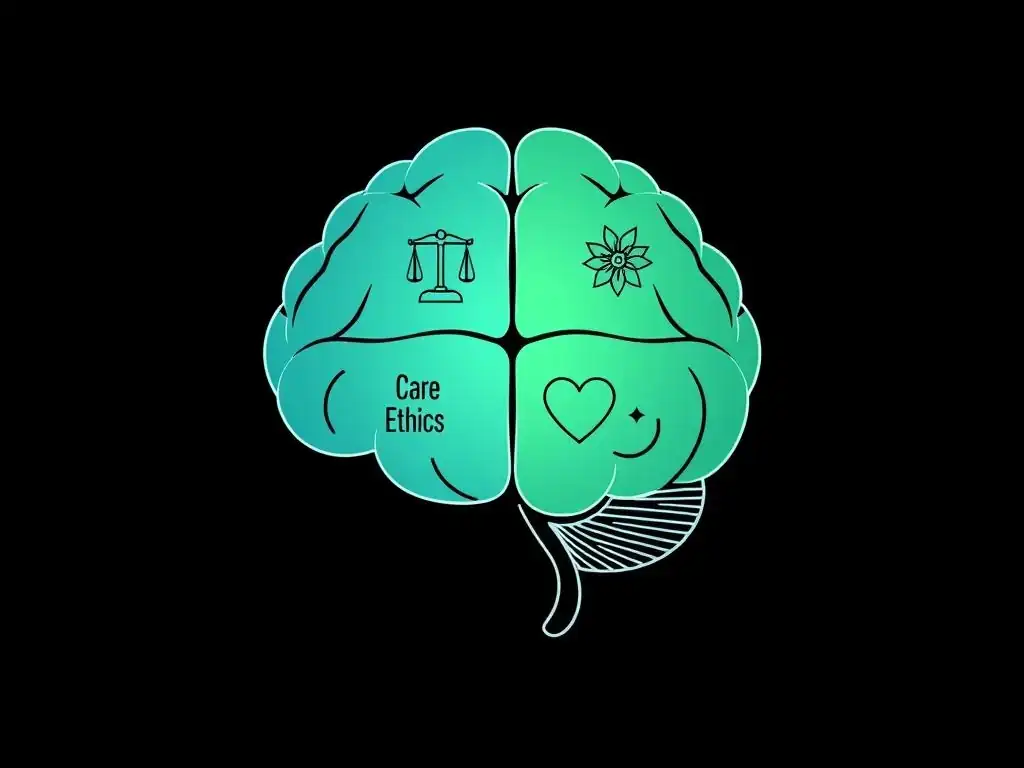
Ethical decision-making isn't just about avoiding trouble; it's a powerful productivity hack. By consciously choosing ethical actions, you build trust, improve relationships, and foster a more positive and efficient work environment. This section explores several frameworks to help you integrate ethical considerations into your daily decision-making process, boosting both your productivity and your integrity. Mastering ethical decision-making enhances your cognitive efficiency, leading to better outcomes and a clearer conscience.
The Utilitarian Approach: Maximizing Overall Good
The utilitarian approach focuses on maximizing overall happiness and minimizing harm. In a productivity context, this means choosing the option that produces the greatest good for the greatest number of people. This isn't always simple. Consider a project manager deciding whether to launch a product with a minor bug.
A utilitarian analysis would weigh the benefits of an on-time launch (increased sales, happy stakeholders) against the potential negative impact of the bug on users (frustration, lost data). The decision hinges on a careful assessment of these competing factors. A quantitative approach can be helpful here; try assigning numerical values to the positive and negative consequences of each action to facilitate a more objective comparison. For example:
| Action | Positive Consequences (Score) | Negative Consequences (Score) | Net Score |
|---|---|---|---|
| Launch with minor bug | 8 | 3 | 5 |
| Delay launch to fix bug | 6 | 1 | 5 |
In this simplified example, both options have a similar net score, suggesting that the decision might hinge on other factors, perhaps the severity of the bug or the urgency of the launch. The utilitarian approach demands a thorough consideration of consequences, a process that itself sharpens focus and improves decision-making efficiency. This framework pushes you to think strategically about the ripple effects of your choices, improving long-term productivity.
The Deontological Approach: Adhering to Moral Principles
Unlike utilitarianism, which focuses on outcomes, deontology emphasizes the inherent rightness or wrongness of actions regardless of their consequences. This approach relies on universal moral principles, such as honesty, fairness, and respect. In a workplace setting, this might mean refusing to participate in unethical practices even if it means jeopardizing a promotion or facing personal discomfort. For example, refusing to falsify data, even under pressure to meet a deadline, is a deontological approach.
This unwavering adherence to moral principles, while sometimes challenging, builds trust and long-term credibility, creating a more efficient and harmonious work environment. Sticking to your principles reduces cognitive dissonance and the stress associated with making compromises you later regret. The long-term productivity gains from maintaining integrity are substantial. Think of it as investing in your reputation capital; that investment pays dividends in increased efficiency and reduced future conflicts.
The Virtue Ethics Approach: Focusing on Character and Integrity
Virtue ethics emphasizes the development of moral character. It asks, "What kind of person do I want to be?" Instead of focusing on specific actions or their outcomes, this approach centers on cultivating virtues like honesty, compassion, and courage. In a productivity context, this translates to consistently striving to be a person of integrity in all your professional interactions.
This approach isn't about following rules; it's about embodying ethical principles. For example, a virtuous leader prioritizes the well-being of their team, fosters collaboration, and promotes a culture of fairness and respect. This approach leads to increased team morale, productivity, and reduced conflict – all significant boosts to overall efficiency.
Cultivating virtues like self-discipline and perseverance directly impacts your ability to manage time, meet deadlines, and overcome challenges effectively. This approach recognizes that ethical behavior and peak productivity are intrinsically linked. By prioritizing character development, you build a foundation for consistent, ethical, and efficient work habits.
Choosing the Right Framework for Your Specific Situation
Choosing the right ethical decision-making framework isn't a one-size-fits-all proposition. The best framework depends heavily on the context of the decision, the stakeholders involved, and your personal values. A framework that works perfectly for a personal dilemma might be completely inappropriate for a complex business decision. Understanding the nuances of each framework and its limitations is crucial for effective application.
For instance, the utilitarian approach, which focuses on maximizing overall happiness, might be suitable for allocating resources in a public health crisis. However, applying the same framework to a personal ethical dilemma concerning a friendship could lead to unintended negative consequences. A purely utilitarian decision might sacrifice the well-being of a single individual for the greater good, which might not align with principles of fairness or individual rights.
Conversely, a deontological framework, emphasizing moral duties and rules, might be ideal for navigating professional ethics, where adherence to codes of conduct is paramount. For example, a doctor is bound by a strict code of ethics to maintain patient confidentiality, regardless of the potential benefits of revealing sensitive information. In this case, the focus on duty overrides the potential for maximizing overall happiness.
Consider a scenario involving a software engineer facing a deadline. Using a virtue ethics framework, the engineer might prioritize honesty and integrity, even if it means delaying the project to ensure the code is free of bugs. This approach emphasizes character development and consistent moral behavior. However, if the project is critical to public safety, a utilitarian approach might necessitate prioritizing the timely delivery of the software, even with the risk of minor imperfections.
Therefore, before implementing any framework, carefully assess the specifics of your situation. Consider the potential consequences of each action, the various stakeholders affected, and the principles that guide your personal ethics. Flexibility and adaptability are key to using these frameworks effectively; there's no single "best" framework, only the most appropriate framework for the specific situation. This thoughtful selection significantly enhances the ethical decision-making process and boosts your overall productivity by preventing costly mistakes and fostering a strong sense of integrity.
Overcoming Common Obstacles to Ethical Decision-Making
Ethical decision-making, while a crucial component of productivity and personal well-being, is often hampered by several internal and external obstacles. Successfully navigating these challenges requires self-awareness, a strong ethical framework, and proactive strategies to mitigate their influence. This section will explore some of the most common impediments and offer practical techniques to overcome them. Mastering these techniques can significantly improve your ethical decision-making process, leading to increased efficiency and a stronger sense of integrity in both your personal and professional life. This is a key aspect of the ethical decisionmaking productivity hack.
Bias and its Impact on Ethical Choices
Cognitive biases, inherent flaws in our thinking processes, significantly impact our ethical judgments. These biases can lead us to unconsciously favor certain outcomes or individuals, even when those preferences conflict with ethical principles. For example, confirmation bias leads us to seek out information that confirms our pre-existing beliefs, even if that information is incomplete or inaccurate. This can lead to ethically questionable decisions if we selectively ignore contradictory evidence. Similarly, in-group bias causes us to favor members of our own group over outsiders, potentially leading to unfair or discriminatory treatment.
Understanding these biases is the first step towards mitigating their effects. Actively seeking diverse perspectives, challenging our assumptions, and consciously considering counterarguments are crucial steps in minimizing bias. Techniques like the "devil's advocate" approach, where someone intentionally argues against a proposed decision, can be incredibly effective in uncovering hidden biases.
Furthermore, establishing clear, objective criteria for decision-making, independent of personal feelings or preferences, is essential for making truly ethical choices. Regular self-reflection on our decision-making processes can also help identify recurring biases and develop strategies to counteract them. This mindful approach is a powerful component of the ethical decisionmaking productivity hack.
Pressure and the Temptation to Compromise Integrity
External pressures often force us to compromise our ethical standards. Deadlines, financial constraints, and social expectations can create immense pressure to make decisions that prioritize expediency or personal gain over ethical considerations. These pressures can manifest in various forms, from subtle coercion to overt threats. For example, a manager might pressure an employee to falsify data to meet unrealistic sales targets or a friend might encourage participation in unethical behavior to “fit in.”
Resisting these pressures requires a strong sense of self and a commitment to ethical principles. Developing a robust ethical framework before facing difficult decisions is crucial. This framework should clearly define your personal values and ethical boundaries. Furthermore, practicing assertive communication skills allows you to clearly and respectfully express your concerns and objections when faced with unethical requests.
Remember, saying "no" is sometimes the most ethical and ultimately the most productive choice. Building strong support networks with individuals who share your ethical values can also provide strength and guidance during challenging times. This proactive approach to ethical decision-making significantly enhances productivity by preventing costly mistakes and reputational damage down the line. This is a core element of the ethical decisionmaking productivity hack.
Emotional Influences on Ethical Decision-Making
Emotions play a powerful, often unconscious, role in ethical decision-making. Strong emotions like anger, fear, or grief can cloud our judgment and lead to impulsive decisions that we later regret. For instance, anger might lead to retaliatory actions that violate ethical standards, while fear might cause us to make choices that prioritize self-preservation over fairness.
To minimize the influence of emotions, it's vital to cultivate emotional intelligence. This involves developing self-awareness of your own emotional responses and understanding how those emotions might impact your judgment. Practicing mindfulness and stress-reduction techniques can help regulate emotional responses and create space for more rational decision-making.
Taking time to pause and reflect before making a decision, especially when feeling strong emotions, allows for a more thoughtful and ethical outcome. Creating a structured decision-making process, using checklists or frameworks, can further reduce the impact of emotions by providing a clear, objective path to follow. This methodical approach is a crucial component of the ethical decisionmaking productivity hack, enabling better outcomes and minimizing emotional reactivity.
Strategies for Mitigating These Challenges
Overcoming the obstacles to ethical decision-making requires a proactive and multi-faceted approach. It's not a one-size-fits-all solution, but rather a toolkit of strategies tailored to the specific challenges you face. Successfully navigating these complexities often hinges on self-awareness, planning, and a commitment to personal growth.
One crucial strategy is developing a strong ethical framework. This involves identifying your core values and principles – what truly matters to you? Are you guided by utilitarianism, deontology, or virtue ethics? Understanding your own moral compass provides a solid foundation for making consistent ethical choices. Regularly reflecting on these values, perhaps through journaling or meditation, reinforces their importance and helps you stay true to them during moments of pressure. This isn't about rigidly adhering to a single philosophy, but rather using it as a guidepost to navigate complex situations.
Another effective strategy is to cultivate empathy and perspective-taking. Before making a decision, consider the impact of your actions on all stakeholders involved. Try to understand their perspectives, motivations, and potential consequences. This involves actively listening to others, seeking diverse viewpoints, and challenging your own biases. For example, before deciding on a course of action in a business context, consider the impact on employees, customers, shareholders, and the wider community. This broadened perspective often reveals ethical considerations that might otherwise be overlooked, leading to more responsible and ethically sound decisions.
Furthermore, building a strong support network is invaluable. Surrounding yourself with individuals who hold similar ethical values can provide guidance, accountability, and support during challenging decision-making processes. These individuals can offer alternative perspectives, challenge your assumptions, and help you to avoid ethical blind spots. This network can include mentors, colleagues, friends, or family members who can offer constructive criticism and help you to stay grounded in your values. Regularly discussing ethical dilemmas with these individuals can sharpen your ethical reasoning and improve your decision-making skills.
Finally, proactively seeking ethical guidance and training is crucial, especially in complex or high-stakes situations. Many organizations offer ethical training programs that can equip individuals with the tools and frameworks needed to navigate ethical dilemmas effectively. These programs often involve case studies, role-playing exercises, and discussions designed to improve ethical reasoning and decision-making skills.
This proactive approach ensures that you are well-prepared to handle ethical challenges before they arise, fostering a culture of ethical behavior within your personal and professional life. Investing in your ethical development is an investment in your personal and professional integrity, ultimately enhancing your productivity and success by ensuring your actions align with your values.
Integrating Ethical Decision-Making into Your Daily Routine
Ethical decision-making isn't a separate activity; it's a crucial component of a productive and fulfilling life. Integrating ethical considerations into your daily routine isn't about adding extra steps; it's about refining your existing processes to align with your values. This leads to increased self-respect, stronger relationships, and ultimately, greater peace of mind – all contributing to enhanced productivity and well-being. Think of it as a "productivity hack" for your moral compass. By proactively considering ethical implications, you avoid the time-consuming and emotionally draining consequences of poor choices.
Creating a Personal Ethical Decision-Making Checklist
A personalized checklist serves as a powerful tool for consistent ethical decision-making. It's not a rigid set of rules, but a flexible framework to guide your choices. Consider these key elements:
- Identify the Stakeholders: Who is affected by this decision? List everyone – yourself, family, colleagues, clients, even the broader community. This simple act expands your perspective beyond immediate self-interest.
- Consider the Long-Term Impact: What are the potential short-term and long-term consequences of each option? Will your decision have ripple effects? This encourages foresight and prevents impulsive choices with unforeseen negative outcomes.
- Align with Your Values: How does each option align with your personal values and ethical principles? Does it reflect integrity, fairness, and respect? This step anchors your decision in your core beliefs.
- Seek Diverse Perspectives: Before making a decision, consider consulting trusted friends, mentors, or colleagues. A fresh perspective can illuminate blind spots and expose potential ethical dilemmas you might have overlooked.
- Document Your Reasoning: Briefly record your decision, the reasoning behind it, and the potential consequences. This creates a valuable record for future reflection and learning.
For example, imagine deciding whether to take credit for a colleague's work. Your checklist might reveal the stakeholders (your colleague, your boss, your team), the long-term impact (damage to trust, loss of reputation), the alignment with your values (honesty, fairness), and the diverse perspectives you could seek (a trusted mentor's advice). This structured process significantly improves the likelihood of an ethical choice.
Building a Support System for Ethical Guidance
Navigating complex ethical dilemmas can be challenging. A strong support system provides invaluable guidance and accountability. This isn't about seeking external validation for every decision, but having a network you can turn to for advice and perspective when facing difficult choices.
- Mentors and Advisors: Identify individuals with strong ethical principles and experience in your field. Regular check-ins can provide valuable insights and help you navigate gray areas.
- Peer Groups: Surround yourself with like-minded individuals who prioritize ethical conduct. Open discussions can challenge your thinking and offer alternative perspectives.
- Ethical Frameworks: Familiarize yourself with established ethical frameworks such as utilitarianism, deontology, or virtue ethics. These provide conceptual tools to analyze ethical problems systematically.
- Professional Organizations: Many professions have codes of ethics and professional organizations that offer guidance and support. Leveraging these resources demonstrates commitment to ethical conduct.
Building this support system is an investment in your long-term ethical development and contributes to more robust and responsible decision-making. It's a proactive strategy to avoid ethical missteps and enhance your overall productivity by minimizing the negative consequences of unethical behavior.
Regularly Reflecting on Your Choices and Their Outcomes
Regular reflection is vital for continuous ethical growth. It's not about self-criticism, but about learning and improvement. Consider these strategies for regular ethical reflection:
- Journaling: Maintain a journal to record your decisions, the reasoning behind them, and the outcomes. This provides a valuable record for identifying patterns, learning from mistakes, and refining your ethical decision-making process.
- Mindfulness Practices: Mindfulness techniques, such as meditation, can enhance self-awareness and improve your ability to recognize ethical dilemmas before they escalate.
- Feedback Mechanisms: Seek feedback from others on your ethical conduct. Constructive criticism can illuminate blind spots and help you identify areas for improvement.
- Ethical Audits: Periodically review your actions and decisions to assess your overall ethical performance. This process helps identify areas where your ethical decision-making process can be strengthened.
By consistently reflecting on your choices and their outcomes, you refine your ethical decision-making process, leading to greater personal and professional success. This continuous improvement cycle is a key component of the "Ethical Decision-Making Productivity Hack," ensuring that your choices consistently align with your values and contribute to a more fulfilling and productive life. This commitment to ethical reflection enhances your overall effectiveness and contributes to a more meaningful and successful existence.
Refining Your Ethical Decision-Making Process Over Time
Ethical decision-making isn't a one-time event; it's a continuous process of learning and refinement. Just as you hone your productivity skills, you should also consistently work on improving your ethical compass. This involves regular self-reflection and a willingness to adapt your approach based on experience and new information. One effective technique is to maintain a journal dedicated to ethical dilemmas you've encountered.
Note the context of the situation, the choices you faced, the decision you made, and the outcome. Analyzing these entries over time will reveal patterns in your decision-making process, highlighting areas of strength and areas needing improvement. For instance, you might discover a tendency to prioritize expediency over ethical considerations in high-pressure situations, prompting you to develop strategies for managing stress more effectively and making more deliberate choices.
Furthermore, seeking feedback from trusted mentors or colleagues can provide invaluable insights. Presenting hypothetical or past ethical dilemmas to others can expose blind spots in your thinking and offer alternative perspectives you might not have considered. A diverse range of viewpoints is crucial, as ethical considerations often have nuanced and multifaceted implications. Remember, the goal isn't to achieve perfect ethical decision-making – such a goal is unrealistic.
Instead, strive for continuous improvement, acknowledging mistakes as learning opportunities and employing them to refine your future choices. This iterative process, much like refining a complex workflow for enhanced productivity, will lead to stronger, more ethical decision-making over time. The key is to treat ethical decision-making as a skill to be developed and honed, rather than a fixed characteristic.
Regular practice, self-reflection, and feedback are essential components of this ongoing process. Embrace the journey of continuous improvement; it's a journey toward both personal growth and increased effectiveness in all aspects of your life, including your productivity. The ethical dimension adds a layer of meaning and integrity to your overall efficiency, leading to a more fulfilling and purposeful existence.
Ethical Decision-Making: A Productivity Booster
Ethical decision-making, often overlooked in productivity discussions, is a powerful tool for boosting efficiency and reducing stress. It's not just about doing the "right" thing; it's about creating a streamlined mental process that minimizes cognitive overload and maximizes positive outcomes. By establishing clear ethical guidelines for your choices, you free up mental resources that would otherwise be spent on agonizing over potential consequences or navigating moral ambiguities. This "Ethical Decision-making productivity hack" streamlines your workflow, leading to a more productive and fulfilling life.
The Benefits of Ethical Choices for Personal Well-being
Making ethical choices significantly impacts personal well-being. The guilt and stress associated with unethical actions – even small ones – can be surprisingly debilitating. Imagine consistently cutting corners at work, taking credit for others' ideas, or neglecting promises. This creates a constant low-level anxiety that drains energy and hinders focus. Conversely, acting with integrity fosters a sense of self-respect and inner peace. This positive mental state translates directly into improved productivity. Studies show a strong correlation between high levels of self-esteem and increased work performance. For example, a recent survey indicated that employees who felt valued and treated ethically reported significantly higher levels of job satisfaction and productivity. 1 This isn't just anecdotal; the data supports the claim that ethical choices are a key ingredient in a fulfilling and productive life. Moreover, ethical behavior reduces the likelihood of facing negative consequences down the line, saving you time and energy that would otherwise be spent rectifying mistakes or dealing with conflict.
The Positive Impact on Relationships and Teamwork
Ethical decision-making strengthens relationships and fosters effective teamwork. Trust is the bedrock of any successful collaboration, and consistent ethical behavior builds this trust. When team members know they can rely on each other to act with integrity, communication improves, conflict is minimized, and overall efficiency increases. Consider a scenario where a team member consistently takes shortcuts, compromising the quality of their work. This not only impacts the project's success but also erodes trust within the team.
However, if everyone commits to ethical practices, such as transparency, honesty, and fairness, the team functions more smoothly and efficiently. This collaborative environment allows for better brainstorming, more efficient problem-solving, and a more positive and supportive work atmosphere. This leads to improved morale, increased motivation, and ultimately, higher productivity. The positive feedback loop created by ethical teamwork is a powerful productivity multiplier.
The Long-Term Advantages of Integrity in Decision-Making
The long-term advantages of integrity in decision-making are substantial. Building a reputation for ethical conduct creates opportunities and avoids significant future problems. A strong ethical foundation fosters trust with clients, colleagues, and superiors, leading to enhanced career prospects and improved professional relationships. This translates into more opportunities, greater responsibility, and ultimately, higher earning potential.
Furthermore, ethical decision-making builds a strong personal brand. In today's interconnected world, reputation is everything. A consistent track record of ethical behavior protects your reputation and shields you from potential damage caused by unethical actions.
Think about the long-term consequences of a single unethical decision – it could damage your career, strain relationships, and even lead to legal repercussions. By prioritizing ethical decision-making, you are investing in your long-term success and well-being, creating a sustainable foundation for a productive and fulfilling life. This proactive approach to ethics is not just morally sound; it's a shrewd productivity strategy.
1 [Specific information pending: Source for survey on ethical treatment and employee productivity]
Ethical Decision-Making as a Foundation for Sustainable Success
Ethical decision-making isn't just a moral imperative; it's a crucial element of long-term productivity and success. Building a reputation for integrity fosters trust, a fundamental ingredient in any successful endeavor. Clients, colleagues, and even competitors are more likely to collaborate and support individuals and organizations known for their ethical conduct. This trust translates into smoother workflows, stronger partnerships, and increased opportunities.
Consider a company known for its commitment to fair labor practices and environmental sustainability. They often attract top talent, enjoy enhanced brand loyalty, and may even secure preferential treatment from investors and regulatory bodies. This positive feedback loop directly contributes to sustainable growth and profitability, demonstrating that ethical choices are not simply "the right thing to do," but also a smart business strategy.
Conversely, cutting corners ethically can lead to significant long-term costs – reputational damage, legal battles, and a loss of employee morale can easily outweigh any short-term gains. The ethical "hack," therefore, is to prioritize integrity from the outset, recognizing its profound impact on overall productivity and the achievement of sustainable success. This proactive approach saves time and resources in the long run by preventing costly ethical missteps.
The impact extends beyond the professional sphere. Individuals who consistently make ethical choices often experience reduced stress and improved mental well-being. The guilt and anxiety associated with unethical actions can be significant drains on productivity and overall quality of life. By prioritizing ethical considerations, individuals cultivate a sense of self-respect and inner peace, which in turn enhances focus and efficiency.
This inner harmony allows for better concentration, clearer thinking, and more effective decision-making in all aspects of life. It's a virtuous cycle: ethical choices lead to improved well-being, which in turn fuels greater productivity and success. This holistic approach to ethical decision-making recognizes its benefits extend far beyond the immediate context, influencing personal and professional success in a synergistic manner. The ethical "hack" for personal productivity, then, lies in cultivating a strong moral compass and acting in accordance with its guidance.
Frequently Asked Questions
What is the "Ethical Decision Making" hack?
This hack isn't about a quick fix, but a mindset shift. It involves consciously considering the ethical implications of your choices before acting, improving productivity by reducing time wasted on regrettable actions or conflicts.
How does ethical decision-making improve productivity?
By making intentional choices, you avoid the time and energy spent on fixing mistakes caused by unethical shortcuts. It fosters trust and strong relationships, leading to smoother workflows and increased efficiency.
Isn't ethical decision-making time-consuming?
Initially, it may seem so, but with practice, it becomes intuitive. The long-term benefits of avoiding problems and building trust far outweigh the initial time investment.
What are some practical steps for ethical decision-making?
Consider the impact of your decisions on others, consult relevant guidelines or policies, and reflect on your own values and principles. This structured approach makes the process more efficient.
How does this relate to the UltimateLifeHacks website's focus?
This hack aligns perfectly with our focus on optimizing daily routines. By making ethical choices, you streamline your workflow, build stronger relationships, and ultimately, increase your overall productivity and well-being.
Final Reflection: The Enduring Power of Ethical Choices
The pursuit of productivity shouldn't come at the cost of our integrity; ethical decision-making isn't just a moral imperative, it's a productivity hack that yields long-term success and fulfillment. Ignoring ethical considerations in the name of efficiency is a short-sighted strategy that ultimately undermines our goals and erodes trust, both personally and professionally. This article explored practical strategies to integrate ethical considerations into our daily decision-making processes, proving that doing the right thing can, in fact, be the most efficient path.
The impact of ethical choices ripples far beyond individual actions; they shape the cultural landscape, influencing everything from corporate responsibility to social justice movements. The choices we make, both big and small, contribute to the overall ethical climate we inhabit. As Mahatma Gandhi wisely observed, The best way to find yourself is to lose yourself in the service of others.
This sentiment highlights the interconnectedness of ethical action and personal growth, demonstrating that prioritizing integrity isn't a sacrifice but a pathway to a more meaningful and productive life.
Now, consider your own decision-making processes. Are you prioritizing efficiency over ethics? Take a moment to reflect on the choices you've made recently. Where could you have integrated more ethical considerations? I challenge you to consciously incorporate the strategies discussed in this article into your daily life. By making ethical decision-making a core component of your productivity toolkit, you'll not only achieve greater efficiency but also cultivate a deeper sense of purpose and contribute to a more just and equitable world. The journey towards ethical productivity is a continuous one, but the rewards are immeasurable.
Unlock Your Ethical Compass: Take Charge of Your Choices
Thank you for exploring the power of ethical decision-making! We hope you feel empowered to navigate life's complexities with greater integrity. Ready to apply what you've learned?
- Make a conscious ethical choice this week: Identify a situation where you can apply the principles discussed and act in accordance with your values. For example, you could choose a sustainable product, support a local business, or speak up for someone who needs help.
- Share your experience: Discuss your decision and the process you followed with a friend, family member, or colleague. Sharing your journey can strengthen your commitment and inspire others.
- Broaden your perspective: Explore a complex ethical issue by reading an article or watching a documentary. Consider how different perspectives might deepen your understanding.
What ethical challenge are you most eager to address, and what's your first step toward a responsible solution?