
Maximize Your Lunch Break: Quick Fitness Hacks for the Office

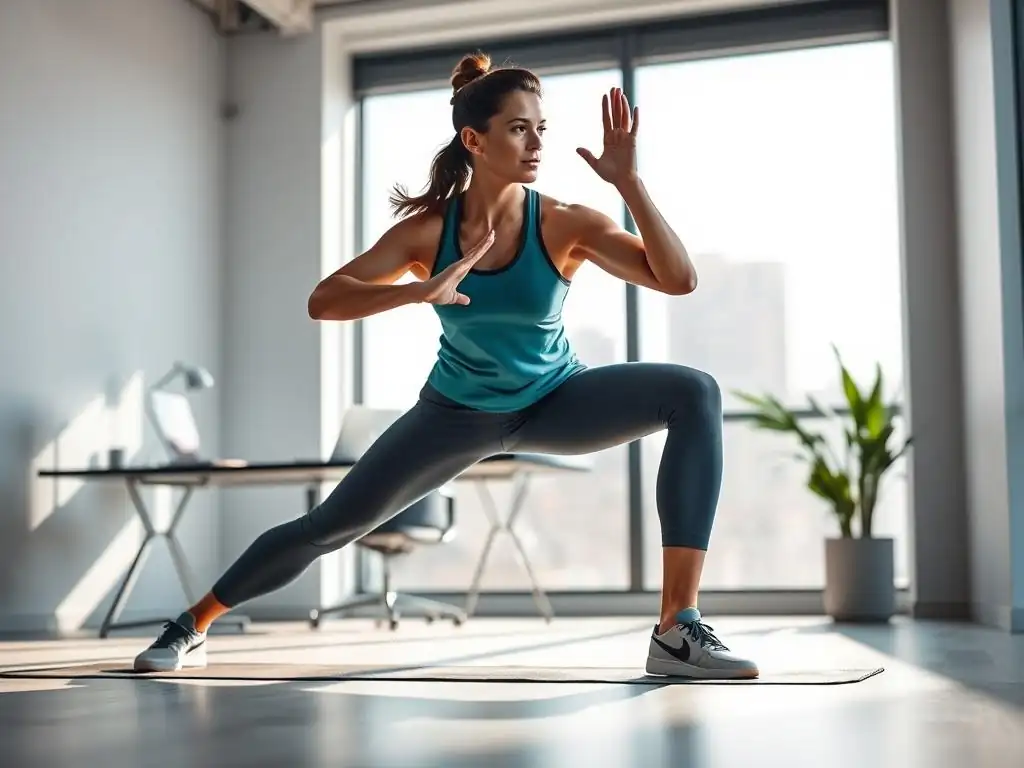
Feeling stuck in a productivity rut? At UltimateLifeHacks, we believe you can reclaim your time and boost your well-being. Discover how to transform even the shortest breaks into moments of self-improvement. Ready to learn the secrets to a Quick Office Lunch Workout that will revitalize your afternoon? Dive in and unlock the power of efficient living!
- Quick Office Lunch Workout: Maximize Your Break, Minimize Your Gym Time
- Quick Office Lunch Workout Routine: A Sample Schedule
- Boosting Your Metabolism with Lunchtime Choices
- Office Workout Essentials: Tools for Success
- Incorporating Fitness into Your Workday Beyond Lunch
- Overcoming Barriers to a Lunchtime Workout
- Tracking Your Progress: Monitoring Your Fitness Journey
-
Frequently Asked Questions
- How much time do I really need for a quick office lunch workout?
- What type of exercises are best for a quick office workout?
- Where can I do my office workout? I don't have access to a gym.
- What if I don't have workout clothes at the office?
- What should I eat before and after my quick office workout?
- Final Reflection: Reclaiming Your Lunch Break, Recharging Your Life
- Unleash Your Inner Energizer: Boost Your Afternoon!
Quick Office Lunch Workout: Maximize Your Break, Minimize Your Gym Time
Feeling sluggish in the afternoon? Many of us spend hours each day sitting at a desk, leading to decreased energy levels and a lack of physical activity. This article provides practical, effective, and quick office lunch workout hacks designed to help you revitalize your energy, improve your health, and boost your productivity – all within your lunch break. We'll explore simple exercises you can perform right at your desk, using only your chair, and even incorporate a quick cardio burst using the office stairs.
By incorporating these "Quick office lunch workout" strategies into your daily routine, you'll be surprised how much better you feel, both physically and mentally, without sacrificing valuable work time. This guide is perfect for busy professionals seeking efficient ways to integrate fitness into their already packed schedules. Let's get started on maximizing your lunch break and minimizing your gym time!
Desk Exercises: No Equipment Needed
Many people underestimate the potential for a simple, effective workout right at their desk. No specialized equipment is needed; your body weight is all you require. These exercises can be discreetly performed while minimizing disruption to your workday.
Here are a few examples:
- Seated Rows: Sit upright in your chair with your feet flat on the floor. Lean back slightly and engage your core. Pull your elbows back as if you are rowing, squeezing your shoulder blades together. Repeat 10-15 times. Remember to maintain good posture throughout the exercise.
- Shoulder Rolls: Sit comfortably and roll your shoulders back in a circular motion, 10 times clockwise and then 10 times counterclockwise. This simple exercise can help alleviate tension and improve posture.
- Neck Stretches: Gently tilt your head to the right, bringing your ear towards your shoulder. Hold for 15-20 seconds. Repeat on the left side. Then, slowly rotate your head clockwise in a circular motion, followed by counterclockwise. These stretches can help relieve neck stiffness common from prolonged desk work.
- Desk Push-ups: Lean forward, placing your hands shoulder-width apart on the edge of your desk. Perform push-ups, adjusting the incline for difficulty. Aim for 8-12 repetitions.
Remember to start slowly and gradually increase the number of repetitions and sets as you get stronger. Listen to your body and stop if you experience any pain.
Advanced Desk Exercises
For those seeking a more intense workout, consider incorporating more challenging variations of these exercises, such as incline push-ups against a higher surface or adding resistance bands for extra challenge to seated rows.
Chair Workouts: Boost Your Energy with Simple Moves
Your office chair can be surprisingly versatile for a quick workout. These exercises require minimal space and can be easily incorporated into your lunch break.
Here are some effective chair exercises:
- Chair Squats: Stand in front of your chair, feet shoulder-width apart. Slowly lower yourself into a squat, keeping your back straight and your core engaged. Use the chair for support if needed. Aim for 10-15 repetitions.
- Chair Dips: Place your hands on the edge of the chair, fingers facing forward. Extend your legs out in front of you, keeping your back close to the chair. Lower your body by bending your elbows, then push back up. Perform 8-12 repetitions.
- Calf Raises: Stand with your feet flat on the floor, holding onto the back of your chair for balance. Raise up onto the balls of your feet, then slowly lower back down. Repeat 15-20 times.
- Leg Extensions: Sit on the edge of your chair with your feet flat on the floor. Extend one leg out straight in front of you, hold for a few seconds, then lower it back down. Repeat with the other leg. Perform 10-12 repetitions per leg.
These exercises can be combined to create a quick and efficient full-body workout.
Stair Climbing: A Quick Cardio Burst
Even a short burst of cardio can significantly improve your energy levels and overall well-being. Stair climbing is a fantastic way to achieve this during your lunch break.
Simply take the stairs instead of the elevator for a few flights. This can be done several times during the day for a cumulative cardio workout. Focus on maintaining a steady pace, and remember to use the handrail for support if needed. This is a simple yet effective way to incorporate cardio into your day without needing any special equipment or designated time in a gym.
Aim for at least 3-5 minutes of stair climbing to get your heart rate up. This can be easily split into smaller intervals throughout the day if your building has multiple floors. Remember to listen to your body and adjust the intensity as needed.
Remember to stay hydrated throughout your lunch break workout. These quick exercises can be easily incorporated into your daily routine to help you stay fit and energized even with limited time. So, ditch the afternoon slump and embrace these quick office lunch workout hacks!
Walking Meetings: Turn Your Meetings into Mini-Workouts
Walking meetings are a fantastic way to incorporate physical activity into your workday without sacrificing productivity. Instead of sitting around a conference table, suggest a stroll around the office building or a nearby park for your next meeting. This simple change can significantly increase your step count and burn extra calories. The movement can also boost creativity and improve focus, leading to more productive discussions.
Remember to choose a location conducive to conversation—avoid excessively noisy or distracting environments. The key is to find a balance between the physical activity and the meeting’s objectives. Don't let the walking distract from the core purpose of the meeting; keep the pace moderate and the conversation focused.
Consider the length of your meeting when planning a walking meeting. Shorter meetings, perhaps 15-30 minutes, are ideal for this type of activity. Longer meetings might require a more structured approach, perhaps incorporating short breaks for sitting or adjusting the walking pace to accommodate different levels of physical exertion. Also, be mindful of the weather and dress accordingly; comfortable shoes and clothing are essential for a pleasant and productive walking meeting.
For example, if the meeting is about brainstorming a new marketing campaign, a brisk walk in a quiet park could spark innovative ideas, while a more leisurely walk around the office complex might suit a routine project update. Always communicate this option to participants beforehand to ensure everyone is comfortable and prepared. This demonstrates consideration and helps prevent any logistical issues.
Quick Office Lunch Workout Routine: A Sample Schedule
This section details a sample 30-minute quick office lunch workout routine designed to boost your energy and improve your physical well-being without requiring any special equipment. Remember to consult your doctor before starting any new workout regimen. This routine focuses on bodyweight exercises, easily adaptable to a limited space. The key is consistency; even short, regular workouts are more effective than sporadic intense sessions. This "quick office lunch workout" prioritizes efficiency and practicality.
Warm-up Exercises for the Office
Before diving into the main workout, a proper warm-up is crucial to prepare your muscles and prevent injuries. This warm-up should take approximately 5 minutes and can be performed at your desk or in a nearby, quiet area.
Here's a suggested warm-up routine:
- Arm Circles: 10 forward rotations, 10 backward rotations. Focus on controlled movements to avoid strain. This improves shoulder mobility, often restricted by prolonged desk work.
- Neck Rotations: 5 clockwise rotations, 5 counter-clockwise rotations. Gentle movements are key here. This addresses neck stiffness, a common complaint among office workers.
- Shoulder Rolls: 10 forward rolls, 10 backward rolls. This loosens up the upper back and shoulders.
- Leg Swings: 10 forward swings per leg, 10 backward swings per leg. This improves hip mobility and leg flexibility.
- Jumping Jacks (Optional): If space allows, 20 jumping jacks can be a great way to elevate your heart rate. If not, simply march in place for 30 seconds. This gets your blood flowing and prepares your body for more intense activity.
Remember to listen to your body and adjust the intensity as needed. The goal is to gently increase your heart rate and loosen your muscles, not to exhaust yourself before the main workout begins. This phase of your "quick office lunch workout" is critical for injury prevention.
Workout Sequence: Specific Exercises with Reps/Sets
This section outlines a sample workout sequence, focusing on bodyweight exercises easily performed in the office. Remember to maintain proper form to maximize effectiveness and minimize the risk of injury. This workout should take approximately 20 minutes.
| Exercise | Description | Reps | Sets | Rest (seconds) |
|---|---|---|---|---|
| Squats | Stand with feet shoulder-width apart, lower your hips as if sitting in a chair. | 15 | 3 | 60 |
| Push-ups (modified) | Perform push-ups against a wall or desk if needed. | As many as possible | 3 | 60 |
| Lunges (alternating) | Step forward with one leg, bending both knees to 90 degrees. | 10 per leg | 3 | 60 |
| Plank | Hold a plank position, maintaining a straight line from head to heels. | 30 seconds | 3 | 60 |
| Crunches | Lie on your back, knees bent, and lift your upper body towards your knees. | 15 | 3 | 60 |
| Calf Raises | Stand with feet flat on the floor, raise up onto your toes. | 15 | 3 | 60 |
This schedule provides a balanced workout targeting major muscle groups. Adjust the reps and sets based on your fitness level. The key is to challenge yourself while maintaining good form. This efficient "quick office lunch workout" maximizes your break time.
Cool-Down Stretches for Desk Workers
After your workout, a proper cool-down is essential to help your body recover and reduce muscle soreness. This cool-down should take approximately 5 minutes. Focus on stretches that target the muscles worked during your workout.
- Hamstring Stretch: Sit with legs extended, reach towards your toes. Hold for 30 seconds.
- Quadriceps Stretch: Stand on one leg, pull your heel towards your buttock. Hold for 30 seconds per leg.
- Triceps Stretch: Raise one arm overhead, bend at the elbow, and gently pull your elbow towards your head. Hold for 30 seconds per arm.
- Chest Stretch: Clasp your hands behind your back and gently straighten your arms. Hold for 30 seconds.
- Shoulder Stretch: Gently pull one arm across your body, holding it at the elbow with your opposite hand. Hold for 30 seconds per arm.
Remember to breathe deeply during each stretch. These stretches will help to improve flexibility and reduce muscle tension, promoting recovery after your "quick office lunch workout". Prioritizing this cool-down is essential for avoiding post-workout stiffness and discomfort. Enjoy the feeling of accomplishment and renewed energy!
Boosting Your Metabolism with Lunchtime Choices
Choosing the right foods for your lunch can significantly impact your energy levels and workout performance during your quick office lunch workout. Prioritizing metabolism-boosting foods can help you maximize the benefits of your mini-workout. Remember, a balanced approach is key; don't drastically change your diet overnight. Instead, gradually incorporate these suggestions into your daily routine.
Fueling Your Workout: Smart Lunch Options
A pre-workout meal should be relatively light, easily digestible, and provide sustained energy. Avoid heavy, greasy, or overly sugary foods that can lead to sluggishness and digestive discomfort. Instead, opt for options that combine complex carbohydrates, lean protein, and healthy fats.
Here are some excellent choices for a quick office lunch workout fuel-up:
- Greek Yogurt with Berries and Nuts: Greek yogurt is packed with protein, keeping you feeling full and satisfied. Berries provide antioxidants and natural sugars for energy, while nuts offer healthy fats and fiber for sustained release of energy. A serving of this provides a fantastic balance of macronutrients, perfect for a quick workout.
- Whole-Wheat Sandwich with Lean Protein: Opt for whole-wheat bread for sustained energy release. Fill it with lean protein like turkey breast or chicken salad (made with light mayonnaise), along with leafy greens for added vitamins and minerals. Avoid processed meats, high-fat cheeses, and creamy sauces.
- Salad with Grilled Chicken or Fish: Salads are a great option, but be mindful of the dressing. Opt for lighter vinaigrettes instead of creamy dressings. Grilled chicken or fish provides lean protein, while leafy greens and vegetables offer essential nutrients. Consider adding a small portion of quinoa or brown rice for extra carbohydrates.
- Leftovers from a healthy dinner: Repurposing healthy dinner leftovers is a convenient and time-saving way to ensure a nutritious lunch. Just make sure it's easily digestible and won't weigh you down during your workout.
Hydration Habits: Drink More Water at Work
Proper hydration is critical for optimal workout performance and overall health. Dehydration can lead to fatigue, muscle cramps, and decreased performance during even a short "quick office lunch workout". Aim to drink plenty of water throughout the day, especially leading up to and during your workout.
Here's how to improve your hydration habits at work:
- Keep a water bottle at your desk: This serves as a visual reminder to drink water consistently. Choose a reusable bottle to minimize plastic waste.
- Set reminders: Use your phone or computer to set reminders to drink water every hour. Many productivity apps include this feature.
- Infuse your water: Add slices of lemon, cucumber, or berries to make your water more appealing. This can help you consume more water throughout the day, without the need for sugary drinks.
- Monitor your urine color: A pale yellow color indicates adequate hydration. Darker urine suggests you need to drink more water.
Remember, small changes can make a big difference. By focusing on these simple adjustments to your lunchtime routine, you can significantly enhance the effectiveness of your quick office lunch workout and boost your overall well-being. Even a short, 15-minute workout can yield significant benefits when combined with a healthy diet and adequate hydration. Don't underestimate the power of consistent, small steps towards a healthier lifestyle.
Office Workout Essentials: Tools for Success
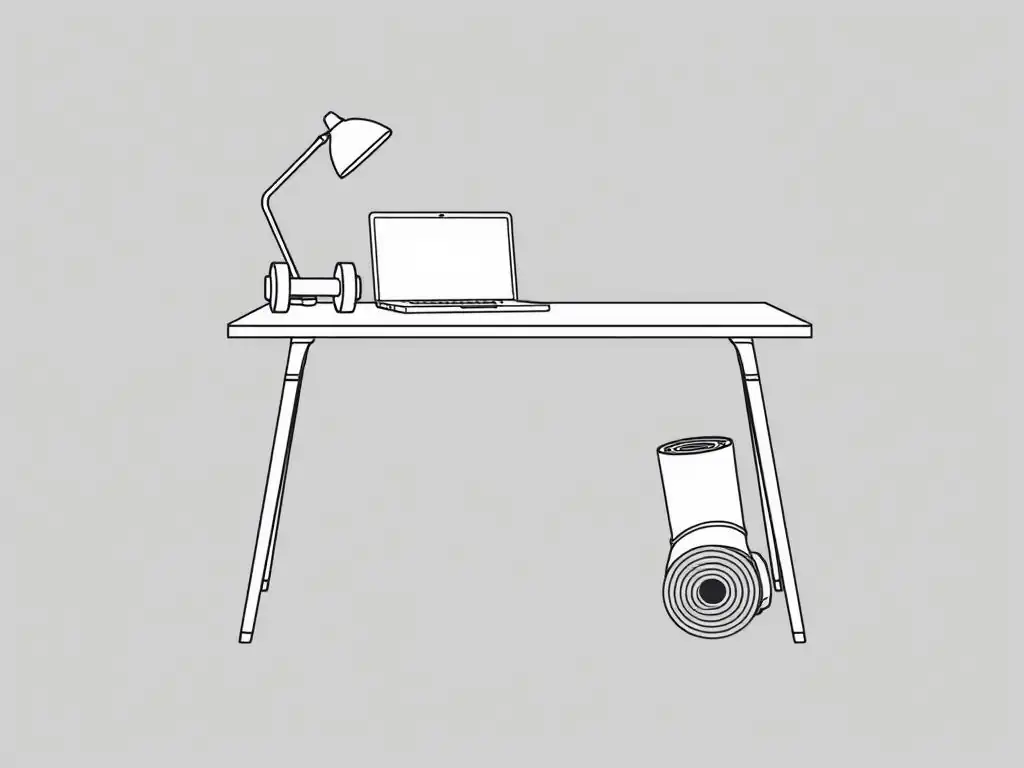
This section focuses on the practical aspects of equipping yourself for a successful quick office lunch workout. Having the right tools can significantly enhance your experience and encourage consistency. Remember, even small investments in your well-being pay off in the long run.
Essential Gear for Your Office Fitness Routine
A quick office lunch workout doesn't require a gym membership or expensive equipment. In fact, many effective exercises can be performed using minimal gear. Here's a suggested list:
- Resistance Bands: These are incredibly versatile and portable. They allow you to perform a wide range of strength training exercises, targeting various muscle groups. Choose a set with varying resistance levels to challenge yourself progressively. Look for bands that are durable and comfortable to grip.
- Jump Rope: A simple jump rope provides an excellent cardiovascular workout in a small space. It's lightweight, easy to store, and can be used for high-intensity interval training (HIIT) for a quick calorie burn during your break. Consider one with comfortable handles.
- Yoga Mat: Even if you're not doing yoga, a mat provides cushioning and support for floor exercises like push-ups, planks, and stretches. It improves comfort and hygiene when working out on the office floor. Look for a mat that is both comfortable and easy to clean.
- Water Bottle: Staying hydrated is crucial during any workout. Keep a reusable water bottle on your desk to ensure you drink enough water throughout your day, especially before, during, and after your quick office lunch workout. Choose one that is leak-proof and easy to clean.
- Timer/Stopwatch: Efficient time management is key to a successful quick office workout. A timer or stopwatch helps you stick to your planned workout duration and ensures you get the most out of your limited time. A simple phone app can suffice.
Consider the following table summarizing the essential gear and its benefits:
| Gear Item | Benefits | Considerations |
|---|---|---|
| Resistance Bands | Versatile, portable, targets multiple muscle groups | Varying resistance levels, durable material |
| Jump Rope | Excellent cardio, high-intensity interval training (HIIT) | Comfortable handles, durable construction |
| Yoga Mat | Cushioning, support, hygiene | Comfortable, easy to clean |
| Water Bottle | Hydration | Leak-proof, easy to clean |
| Timer/Stopwatch | Efficient time management | Easy to use, reliable |
Remember, prioritizing quality and comfort will make your quick office lunch workout more enjoyable and sustainable.
Creating a Supportive Office Environment
Transforming your workspace to support your fitness goals requires a proactive approach. A supportive environment makes sticking to your quick office workout routine much easier.
To maximize your workout effectiveness and minimize interruptions, consider these strategies:
- Designated Workout Space: Identify a clean, uncluttered area in your office where you can comfortably perform your exercises. This could be a corner of your office, or even a relatively empty section of a larger common area. Clear the space beforehand to avoid tripping hazards.
- Quiet Time Strategy: If possible, schedule your workout during a time when your office is quieter, minimizing distractions. Many find that early lunch breaks or the end of the workday are less busy.
- Inform Colleagues: Let your colleagues know about your new lunch break routine. This simple step helps prevent unexpected interruptions and creates a more supportive atmosphere.
- Privacy Considerations: If privacy is a concern, find a space that offers a degree of seclusion, such as a less frequented meeting room or a quiet corner. Alternatively, consider using a screen or divider for enhanced privacy.
- Post-Workout Clean-Up: Always clean up after your workout, leaving your designated space as you found it. This demonstrates respect for your colleagues and maintains a professional and tidy work environment.
By implementing these strategies, you can create a more conducive environment for your quick office lunch workout, fostering consistency and maximizing the benefits of your fitness routine. Remember, a supportive environment is key to long-term success.
Incorporating Fitness into Your Workday Beyond Lunch
This section explores strategies for integrating physical activity into your workday, extending beyond the lunch break. Remember, even small bursts of movement can significantly contribute to your overall fitness and well-being. The goal isn't to replace your dedicated lunch workout, but to supplement it and combat prolonged periods of inactivity. Think of these as "micro-workouts" designed to boost energy and improve posture throughout the day.
Quick Workouts During Breaks
Short breaks offer excellent opportunities for quick bursts of exercise. Even a 5-10 minute break can make a difference. Instead of passively scrolling through social media, try these simple exercises:
- Desk Stretches: These can be done right at your desk. Simple shoulder rolls, neck stretches, and wrist rotations can alleviate tension and improve circulation. Aim for 2-3 sets of 10 repetitions for each exercise. Remember to breathe deeply during each stretch! 🧘♀️
- Stair Climbing: If your office building has stairs, use them! Take the stairs instead of the elevator whenever possible. This is a great cardiovascular exercise and a fantastic way to sneak in some extra steps. Start with a few flights and gradually increase the number as your fitness level improves. ⬆️
- Walking Meetings: Propose walking meetings for informal discussions with colleagues. This allows for movement and a change of scenery, promoting creativity and collaboration. The added benefit is the increased step count and improved circulation.🚶
- Active Commute: If feasible, consider cycling or walking to work, or part of the way. This integrates physical activity into your daily routine, setting a positive tone for the day. Even a 15-20 minute walk can be surprisingly effective. 🚲
Utilizing Your Commute for Fitness
Your commute can be a hidden opportunity for fitness. Consider these options:
- Public Transportation Exercises: On buses or trains, you can perform isometric exercises like calf raises, glute squeezes, or even subtle arm exercises. These require minimal space and can subtly engage your muscles. Remember to be mindful of your surroundings and avoid drawing unnecessary attention.
- Active Commute Alternatives: Instead of driving, consider biking, walking, or using public transportation. This incorporates physical activity into your daily routine, reducing sedentary time and boosting overall fitness. Even a partial active commute can be beneficial. For example, park further away from your workplace and walk the remaining distance.
Integrating Movement into Your Workday Routine
Even small changes can make a significant impact. Consider these suggestions:
- Standing Desk: If possible, invest in a standing desk or alternate between sitting and standing throughout the workday. This simple change can dramatically reduce sedentary time and improve posture.
- Walking Around: Take short walks around the office every hour to stretch your legs and improve blood circulation. Even a few minutes of walking can make a difference in your energy levels and reduce stiffness.
- Hydration Breaks: Use hydration breaks as an opportunity to stand up, stretch, and move around. This encourages regular movement and promotes better hydration habits.
The Importance of Consistency and Gradual Progression
Remember, consistency is key. Start small and gradually increase the intensity and duration of your activities. Don't try to overhaul your routine overnight. The goal is to build sustainable habits that you can maintain long-term. Celebrate your progress and adjust your approach as needed to ensure you stay motivated and engaged. Listen to your body and rest when needed. The key is to find activities you enjoy and integrate them seamlessly into your daily routine. This will make the process more enjoyable and sustainable. A healthy and active lifestyle is a marathon, not a sprint! 🏃♀️🏆
Overcoming Barriers to a Lunchtime Workout
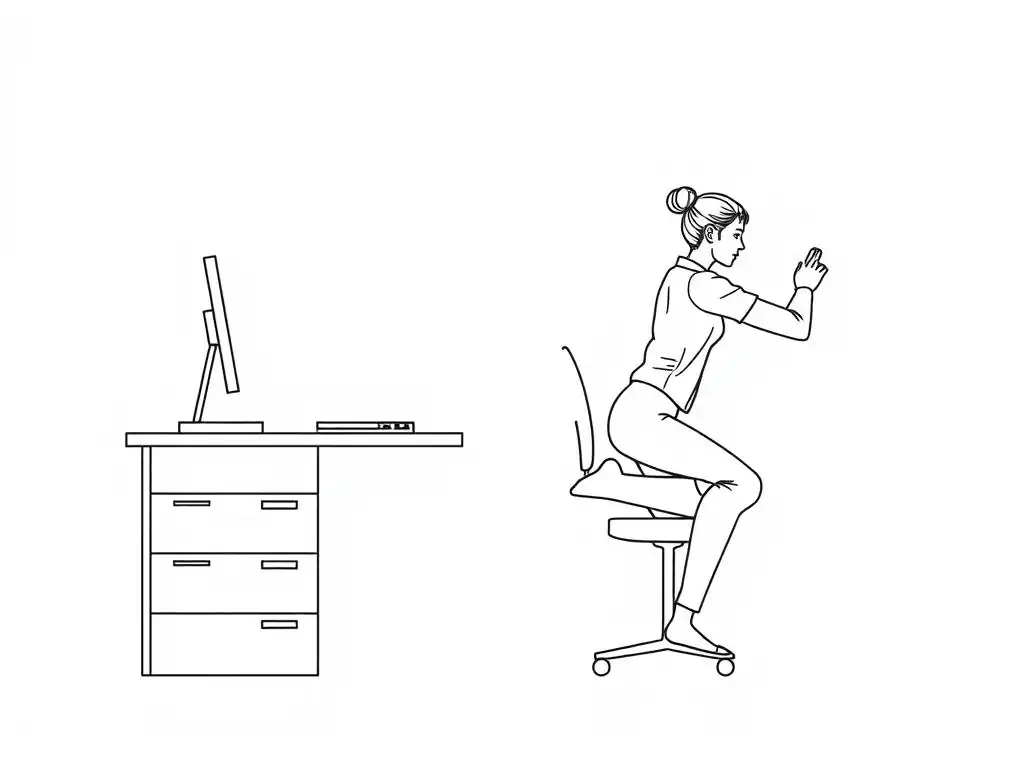
Many people desire a quick office lunch workout, but various obstacles often prevent them from achieving their fitness goals during their limited break time. This section will explore the most common barriers and provide practical solutions to help you incorporate exercise into your workday. We'll cover time constraints, lack of space, and maintaining motivation – three key factors that often derail even the most well-intentioned lunch break fitness plans. Overcoming these challenges will pave the way for a healthier, more energized you.
Time Constraints: Efficient Workout Strategies
The most significant hurdle for most office workers is the limited time available during their lunch break. A typical lunch break might only last 30-60 minutes, and factoring in travel time to and from the gym or a designated workout area, the actual time available for exercise shrinks considerably. The key is to maximize efficiency with high-intensity interval training (HIIT).
HIIT workouts involve short bursts of intense exercise followed by brief recovery periods. This approach allows you to achieve a significant workout in a minimal amount of time. For example, a 15-minute HIIT session can be just as effective as a 30-45 minute moderate-intensity workout.
Here's a sample HIIT routine you can perform in your office or a nearby area:
| Exercise | Duration (seconds) | Rest (seconds) | Sets |
|---|---|---|---|
| Jumping Jacks | 30 | 15 | 3 |
| High Knees | 30 | 15 | 3 |
| Butt Kicks | 30 | 15 | 3 |
| Burpees | 30 | 15 | 3 |
| Plank | 60 | 30 | 2 |
Remember to consult your doctor before starting any new workout routine. Prioritize proper form over the number of repetitions to avoid injuries. This structured approach ensures you get a quality workout even with limited time. Adding a quick 5-minute stretching routine before and after can further enhance flexibility and reduce muscle soreness.
Lack of Space: Adapting Exercises to Your Office
Limited space is another common barrier. Not everyone has access to a gym or even a large, open area near their workplace. However, many effective exercises require minimal space. Bodyweight exercises are ideal for office settings, as they don't require any equipment.
Here are some space-saving exercises you can easily perform at your desk or in a small office area:
- Chair dips: Use the edge of your chair to perform tricep dips. This strengthens your arms and shoulders.
- Desk push-ups: Lean against your desk and perform push-ups, adjusting the incline to suit your fitness level.
- Wall sits: Lean against a wall and hold a squat position, building leg strength and endurance. This is a great isometric exercise.
- Calf raises: Simple calf raises can be done anywhere, improving lower leg strength and tone.
- Stretches: Simple stretches such as neck rolls, shoulder rotations, and wrist stretches can be incorporated throughout the day to alleviate tension and improve posture.
Remember to be mindful of your surroundings and avoid any movements that could potentially damage office equipment or cause injury to yourself or others. A small, clear area is all you need for a productive and safe workout.
Maintaining Motivation: Tips and Tricks
Maintaining motivation is crucial for sticking to a lunchtime workout routine. The initial enthusiasm can wane quickly without a strategic approach. Here are some tips to help you stay motivated:
- Set realistic goals: Start with small, achievable goals and gradually increase the intensity and duration of your workouts. Don't try to do too much too soon!
- Find a workout buddy: Working out with a colleague can provide support and accountability.
- Track your progress: Keep a record of your workouts to monitor your progress and celebrate your achievements. This visual representation of your success is motivating.
- Reward yourself: Treat yourself to something you enjoy after reaching a fitness milestone. This positive reinforcement can help you stay on track.
- Make it enjoyable: Choose exercises you actually enjoy. If you dread your workouts, you're less likely to stick with them. Listen to upbeat music or a podcast to make your workouts more engaging. Experiment!
Consistency is key. Even on days when you feel less motivated, try to do a shorter workout rather than skipping it altogether. Small efforts add up over time, and soon, your quick office lunch workout will become a healthy habit. Remember, even a short, effective workout is better than no workout at all. The benefits to your physical and mental well-being are undeniable.
Tracking Your Progress: Monitoring Your Fitness Journey
Maintaining momentum with your "quick office lunch workout" routine requires consistent tracking and thoughtful adjustments. Simply starting isn't enough; understanding your progress is key to sustaining motivation and achieving your fitness objectives. This section outlines effective methods for monitoring your fitness journey and making necessary changes along the way. This is crucial for achieving your desired results and preventing burnout. Remember, even small improvements contribute to significant long-term gains. Consistency is the name of the game when it comes to achieving your fitness goals, even with limited time.
Setting Realistic Goals: Step-by-Step Approach
Beginning a new fitness regimen, even a short one, requires setting realistic and achievable goals. Avoid overwhelming yourself with overly ambitious targets. Instead, opt for a gradual approach. For example, instead of aiming for a 30-minute intense workout every day, start with 10-15 minutes of moderate-intensity exercise during your lunch break, three times a week. This might involve brisk walking around the building, a quick set of bodyweight exercises, or a short yoga session.
Here's a step-by-step approach to setting realistic goals for your quick office lunch workout:
- Assess your current fitness level: Honestly evaluate your current physical capabilities. Are you a complete beginner, moderately active, or already quite fit? Your starting point will dictate the pace of your progress.
- Choose specific, measurable, achievable, relevant, and time-bound (SMART) goals: Instead of a vague goal like "get fitter," aim for something like "complete a 15-minute bodyweight circuit three times this week" or "walk briskly for 10 minutes during lunch, five days a week."
- Break down large goals into smaller, manageable steps: Don't try to change everything at once. Focus on one or two small changes initially. For instance, you might start with just incorporating a 5-minute walk into your lunch break before gradually increasing the duration and intensity.
- Schedule your workouts: Treat your lunch break workouts as important appointments. Pencil them into your calendar to ensure consistency. This prevents them from being easily overlooked or skipped.
- Don't be afraid to adjust: Life happens! If you miss a workout or need to adjust your schedule, don't beat yourself up. Simply get back on track as soon as possible. Flexibility is key to long-term success.
Monitoring Your Results and Making Adjustments
Tracking your progress helps you stay motivated and identify areas for improvement. This doesn't require complex equipment or apps; simple methods are highly effective. You can use a notebook, a spreadsheet, or a simple fitness tracking app to record your workouts.
Here are some key aspects to monitor:
- Workout duration: Record the length of each workout session.
- Intensity level: Note how challenging each workout felt (e.g., easy, moderate, hard).
- Type of exercise: Keep a record of the exercises you performed.
- How you felt before, during, and after your workout: This subjective data is valuable in understanding your body's response to the exercise.
- Any physical changes: Note any improvements in strength, endurance, or flexibility. Even subtle changes are a sign of progress.
Regularly reviewing your records will reveal trends. If you're not seeing the progress you desire, don't hesitate to make adjustments. This might involve:
- Increasing the intensity or duration of your workouts: Gradually challenge yourself more.
- Trying different exercises: Variety keeps things interesting and targets different muscle groups.
- Improving your form: Correct form is crucial for injury prevention and effectiveness. Consider seeking guidance from a fitness professional if needed.
- Addressing any physical limitations: If you experience pain or discomfort, adjust your workouts accordingly or consult a doctor or physical therapist.
Remember, consistency and patience are key. Tracking your "quick office lunch workout" progress allows you to celebrate your achievements and make informed adjustments to optimize your fitness journey. Even small, consistent improvements accumulate over time, leading to significant gains in your overall health and well-being. 🎉
Frequently Asked Questions
How much time do I really need for a quick office lunch workout?
You can get a great workout in as little as 15-20 minutes. Focus on high-intensity exercises to maximize calorie burn and muscle engagement in a short period. Even a brisk walk can be beneficial.
What type of exercises are best for a quick office workout?
Bodyweight exercises are ideal, such as push-ups, squats, lunges, and planks. These require no equipment and can be easily performed in a small space. You can also incorporate stretching to improve flexibility and reduce tension.
Where can I do my office workout? I don't have access to a gym.
Your office space or even a nearby empty conference room can work well. If weather permits, a quick walk or jog outside is also a fantastic option. Consider using your stairwell for some cardio.
What if I don't have workout clothes at the office?
No worries! Comfortable, loose-fitting clothing is perfectly suitable for a quick workout. Prioritize comfort and mobility over appearance. You can always change before or after your workout.
What should I eat before and after my quick office workout?
A light snack like a piece of fruit or a small handful of nuts before your workout can provide energy. Afterward, focus on protein and complex carbohydrates for muscle recovery and sustained energy, such as a yogurt or a small salad.
Final Reflection: Reclaiming Your Lunch Break, Recharging Your Life
The modern workplace often demands a relentless pace, leaving little time for self-care. But reclaiming even fifteen minutes for quick fitness can dramatically shift your energy levels and overall well-being. This isn't just about physical health; it's about cultivating a sustainable rhythm that allows you to thrive, not just survive, in the demanding environment of the modern office.
The impact of integrating even small bursts of exercise into the workday is profound. It's not just about physical fitness; it's about mental clarity, stress reduction, and a renewed sense of control over your day. The body achieves what the mind believes.
This simple quote speaks volumes about the power of intention and the ripple effect of prioritizing your well-being. By consciously choosing to move, even for a few minutes, we signal to ourselves that we value our health and are committed to nurturing our minds and bodies. This small act of self-care can have a cascading effect, improving focus, productivity, and overall job satisfaction.
Now, consider how you can integrate these quick fitness hacks into your own routine. Don't wait for a perfect moment – create one. Start small, perhaps with just one exercise from the article, and gradually build from there. Listen to your body, celebrate your progress, and remember that every step, every stretch, every mindful movement is a victory. You deserve to feel energized, focused, and empowered, and these simple lunch break workouts are your key to unlocking that potential.
Unleash Your Inner Energizer: Boost Your Afternoon!
Thank you for exploring quick fitness hacks to maximize your lunch break! We hope you feel energized and ready to incorporate these simple changes into your workday. Now, let's put your newfound knowledge into action!
- Prioritize your well-being: Try at least one of the exercises from this article during your next lunch break. Even five minutes can make a significant difference!
- Share your experience: Tell us about your favorite quick workout. What worked well? What challenges did you face? What will you try next time? Let's build a supportive community!
- Challenge a colleague: Invite a coworker to join you for a quick fitness routine during your next lunch break. Making healthy choices together is more fun and motivating!
Ready to transform your lunch break from a slump into a surge of energy?