
10Minute Core Crusher: Strengthen Your Abs and Improve Posture


Ready to unlock your body's potential and conquer the day? At UltimateLifeHacks, we're dedicated to providing you with practical strategies to boost your productivity and well-being. This week, we're diving into the world of Health & Fitness Hacks with a game-changer: a Quick core workout for posture that will leave you feeling stronger and more energized. Discover how just 10 minutes can dramatically improve your posture and core strength—are you ready to experience the difference?
- Introduction: Quick Core Workout for Posture Improvement
- Understanding Core Muscle Groups: Targeting Your Abs and Back
-
10-Minute Core Workout Routine: Exercises for a Stronger Core
- Warm-up: Preparing Your Body for the Workout
- Exercise 1: Plank for Core Stability and Posture
- Exercise 2: Crunches for Rectus Abdominis Engagement
- Exercise 3: Russian Twists for Oblique Strength
- Exercise 4: Bicycle Crunches for Total Core Engagement
- Exercise 5: Bird-Dog for Core Stability and Balance
- Exercise 6: Superman for Lower Back Strength
- Cool-down: Stretching for Flexibility and Recovery
-
Maximizing Your Results: Tips for Effective Core Workouts
- Maintaining Proper Form During Exercises
- Breathing Techniques for Optimal Core Engagement
- Progressive Overload: Gradually Increasing Intensity
- Consistency is Key: Building a Habit for Long-Term Results
- Proper Form Over Quantity: Avoiding Injuries and Maximizing Gains
- Listen to Your Body: Rest and Recovery are Essential
- Quick Core Workout for Posture: Incorporating into Your Daily Routine
- Frequently Asked Questions
- Final Reflection: The Power of a 10-Minute Transformation
- Unlock Your Core Power: Start Feeling Stronger Today!
Introduction: Quick Core Workout for Posture Improvement
Maintaining good posture is crucial for overall health and well-being. Slouching can lead to back pain, neck strain, headaches, and even digestive issues. While many people understand the importance of good posture, they often lack the time or motivation to dedicate to extensive workout routines.
This article introduces a practical solution: a 10-minute core-strengthening workout designed to significantly improve your posture and alleviate related discomfort. We'll explore the critical role of core strength in posture correction and highlight the benefits of incorporating a quick, efficient routine into your daily life. This "10-Minute Core Crusher" is perfect for busy individuals seeking a simple yet effective way to improve their posture and overall physical health.
This quick core workout for posture is designed to be easily integrated into even the busiest schedules, requiring minimal equipment and offering maximum results. Let's dive in and discover how you can achieve a stronger core and better posture in just 10 minutes a day!
Why a Strong Core is Crucial for Better Posture
A strong core acts as the body's natural support system. Think of it as the foundation of a building – without a solid foundation, the entire structure is unstable. Similarly, without a strong core, your spine lacks the necessary support to maintain proper alignment.
Weak core muscles contribute to poor posture, leading to slouching, rounded shoulders, and an anterior pelvic tilt. These postural deviations can place undue stress on your back, neck, and shoulders, resulting in pain and discomfort. Strengthening your core muscles – including your rectus abdominis (the “six-pack” muscles), obliques, transverse abdominis (deep core muscles), and erector spinae (back muscles) – provides the necessary stability and support to maintain an upright posture.
This support allows your spine to remain properly aligned, reducing strain and promoting better overall body mechanics. 🏋️♀️ The improvements extend beyond just aesthetics; a strong core contributes significantly to improved balance and reduced risk of injury.
The Benefits of a 10-Minute Core Workout Routine
Incorporating a 10-minute core workout into your daily routine offers numerous benefits beyond just posture improvement. The efficiency of this short but effective routine makes it accessible for even the busiest individuals. The benefits include:
- Improved Posture: As discussed, a strong core is fundamental for maintaining good posture.
- Reduced Back Pain: Strengthening core muscles stabilizes the spine, reducing strain and alleviating back pain.
- Increased Energy Levels: Even a short burst of exercise can boost energy levels and improve mood.
- Enhanced Balance and Stability: A strong core improves balance and reduces the risk of falls, especially important as we age.
- Better Athletic Performance: A strong core is essential for many athletic activities, improving power and performance.
- Improved Core Strength: The obvious benefit! A stronger core translates to better overall fitness and physical health.
- Time Efficiency: The 10-minute format fits easily into even the busiest schedules. No more excuses! 💪
The following sections will detail a specific 10-minute core workout routine designed to address these benefits and improve your posture effectively. Get ready to crush your core and transform your posture!
Understanding Core Muscle Groups: Targeting Your Abs and Back
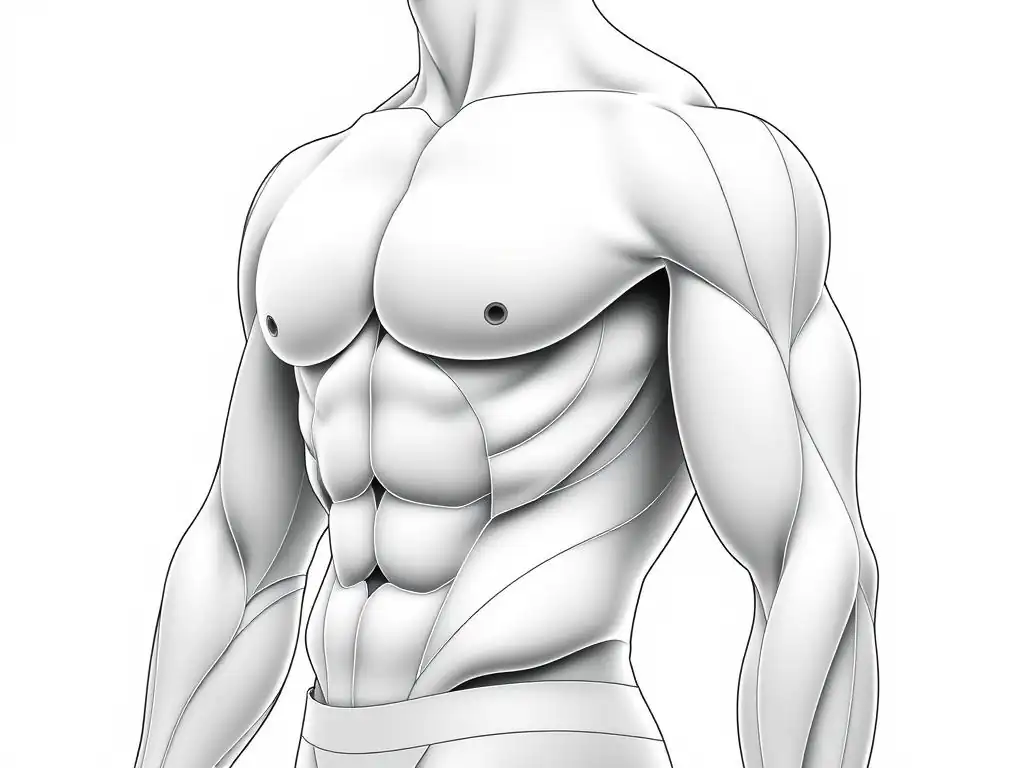
This section delves into the specific muscle groups crucial for a strong core and improved posture. Understanding these muscles individually allows for more targeted and effective exercise selection. Neglecting any one group can lead to imbalances and hinder your progress towards a stronger, more stable core.
Think of your core as a complex system; each muscle plays a vital role in overall functionality. Focusing solely on visible muscles like the rectus abdominis (your "six-pack") without adequately engaging the deeper muscles, like the transverse abdominis, can leave you vulnerable to injury and limit your postural improvements. This 10-minute routine prioritizes a holistic approach, ensuring comprehensive core strengthening.
Engaging Your Transverse Abdominis (TVA) for Stability
The transverse abdominis (TVA) is a deep core muscle that acts like a natural corset, wrapping around your torso. It's crucial for spinal stability and overall trunk control. Unlike the more superficial muscles, you won't see the TVA in the mirror, but its role is paramount for effective posture and injury prevention. Strengthening this muscle significantly improves your body's ability to maintain a neutral spine, reducing strain on your back and improving your overall posture.
Many exercises inadvertently neglect the TVA. Focusing on proper breathing techniques during core exercises is key to activating this muscle. Imagine drawing your belly button towards your spine, gently squeezing your abdominal muscles inward. This gentle contraction, maintained throughout the exercise, is essential for effectively engaging the TVA. This technique is often described as "bracing" your core. Maintaining this brace during all movements in this 10-minute routine will maximize its effectiveness for improving your posture.
Strengthening Your Rectus Abdominis (Six-Pack Muscles)
The rectus abdominis, those coveted "six-pack" muscles, are located on the front of your abdomen. While aesthetically pleasing, their function extends beyond appearance. They are vital for flexion of the spine, meaning they help you bend forward. However, overemphasizing these muscles without balancing it with other core muscles can lead to postural imbalances and potential back pain.
This 10-minute routine includes exercises that specifically target the rectus abdominis while maintaining a balanced approach to core training. This prevents muscle imbalances and promotes a holistic core strengthening process. Remember that visible six-pack abs are a result of low body fat percentage and strong abdominal muscles; this workout contributes to both. The key is to combine targeted exercises with a healthy diet and consistent exercise.
Working Your Obliques for Rotational Strength
Your obliques, located on the sides of your abdomen, are responsible for rotational movements of the torso. Strong obliques are critical for maintaining proper posture, especially when twisting or bending sideways. They work in conjunction with other core muscles to provide stability and support. Neglecting these muscles can lead to weakness and increased risk of injury during daily activities.
Including oblique exercises in your quick core workout for posture is essential for comprehensive core strength. These muscles are frequently overlooked, yet they play a crucial role in balance and overall body stability. A balanced core workout, such as this 10-minute routine, ensures that all muscle groups are strengthened, promoting improved posture and reducing the risk of injury. The exercises in this routine are designed to specifically engage and strengthen your obliques, contributing to a more powerful and stable core. Remember to maintain proper form to maximize results and prevent strain.
10-Minute Core Workout Routine: Exercises for a Stronger Core
This section details a quick yet effective 10-minute core workout designed to strengthen your abdominal muscles and improve your posture. This routine is perfect for busy individuals looking for a quick and efficient way to improve their core strength and overall well-being. Remember to consult your physician before starting any new workout routine. This "quick core workout for posture" focuses on exercises targeting key muscle groups crucial for postural support.
Warm-up: Preparing Your Body for the Workout
A proper warm-up is crucial before any workout, especially one focusing on core engagement. Neglecting this step can lead to injuries. This warm-up should take approximately 2 minutes and focus on increasing blood flow to the muscles and preparing your body for the more intense exercises to come.
Here's a suggested warm-up routine:
- Arm Circles (30 seconds): Small and then large circles, both clockwise and counterclockwise. This loosens up your shoulder muscles, which are often connected to poor posture.
- Leg Swings (30 seconds): Forward and backward, then side to side. This improves hip mobility and prepares your legs for the core exercises.
- Torso Twists (30 seconds): Gentle twists from side to side, keeping your core engaged. This improves spinal mobility and prepares your torso for the workout.
- Cat-Cow Stretch (30 seconds): A gentle yoga stretch that improves spinal flexibility and prepares your back for the workout. This is a great way to gently warm up your entire core area.
Exercise 1: Plank for Core Stability and Posture
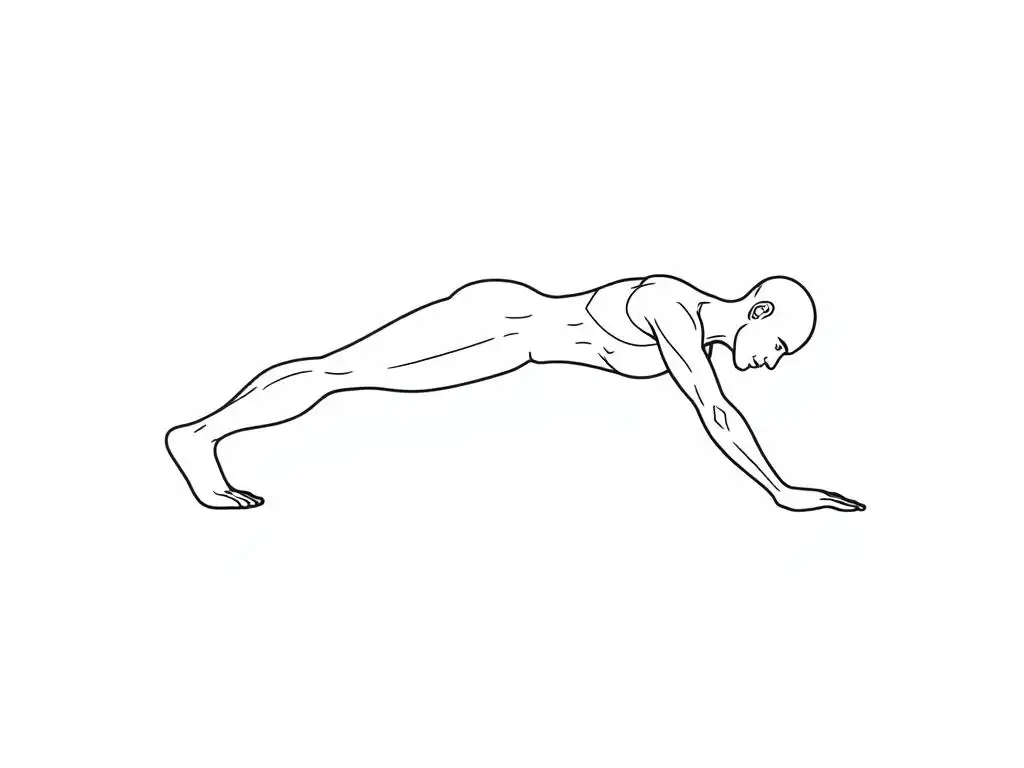
The plank is a foundational exercise for building core strength and improving posture. It's a static exercise, meaning you hold a position rather than performing repetitions. This isometric contraction is incredibly effective for strengthening the entire core, including the rectus abdominis, transverse abdominis, and obliques – all crucial for maintaining good posture.
To perform a plank correctly:
- Start in a push-up position, but instead of your hands, rest your forearms on the floor, elbows directly beneath your shoulders.
- Your body should form a straight line from head to heels. Engage your core, glutes, and quads to maintain this position.
- Hold the plank for 30 seconds, focusing on maintaining proper form. Avoid sagging in the hips or arching your back.
- Rest for 15 seconds and repeat 3 times.
Remember to breathe steadily throughout the exercise. Focus on maintaining a neutral spine and engaging your core to prevent back strain. Proper plank execution is key for maximizing the benefits and avoiding injury. This exercise is a cornerstone of any "quick core workout for posture".
Exercise 2: Crunches for Rectus Abdominis Engagement
Crunches are a classic abdominal exercise targeting the rectus abdominis, the muscle responsible for the “six-pack” look. While effective for strengthening this muscle group, proper form is vital to avoid strain on the neck and back. This exercise focuses on controlled movements and targeted muscle engagement.
Here's how to perform a proper crunch:
- Lie on your back with your knees bent and feet flat on the floor. Place your hands behind your head, lightly supporting your neck. Avoid pulling on your neck with your hands.
- Engage your core and slowly curl your upper body towards your knees. Focus on the controlled movement and engage your abdominal muscles. Don't pull with your neck.
- Hold the contraction for a brief moment before slowly lowering back down to the starting position.
- Perform 15-20 repetitions, focusing on proper form and controlled movements. Rest for 30 seconds and repeat 2-3 times.
Focusing on slow, controlled movements will maximize the effectiveness of each repetition and minimize the risk of injury. Avoid jerking movements and always prioritize proper form over the number of repetitions. This exercise, combined with the plank, offers a comprehensive approach to strengthening the muscles vital for good posture in a short timeframe. This is another vital component of a effective "quick core workout for posture".
Exercise 3: Russian Twists for Oblique Strength
Russian twists are a fantastic exercise for strengthening your obliques, the muscles on the sides of your core. Strong obliques are crucial not only for a sculpted midsection but also for overall core stability and improved posture. Poor posture often stems from weak core muscles, and strengthening these muscles, particularly the obliques, can significantly improve your posture and reduce back pain.
To perform a Russian twist correctly, sit on the floor with your knees bent and feet flat on the ground. Lean back slightly, engaging your core to maintain a stable torso. Hold a weight (a dumbbell, kettlebell, or even a water bottle) in both hands and twist your torso to one side, touching the weight to the floor. Then, twist to the other side, maintaining control and avoiding momentum. Aim for 15-20 repetitions on each side.
Remember to keep your back straight and avoid rounding your spine to prevent injury. Focus on controlled movements rather than speed to maximize muscle activation and benefit from this effective "quick core workout for posture". Increasing the weight gradually as you get stronger will further challenge your obliques and enhance results. Proper form is paramount; prioritize quality over quantity to avoid straining your back.
Exercise 4: Bicycle Crunches for Total Core Engagement
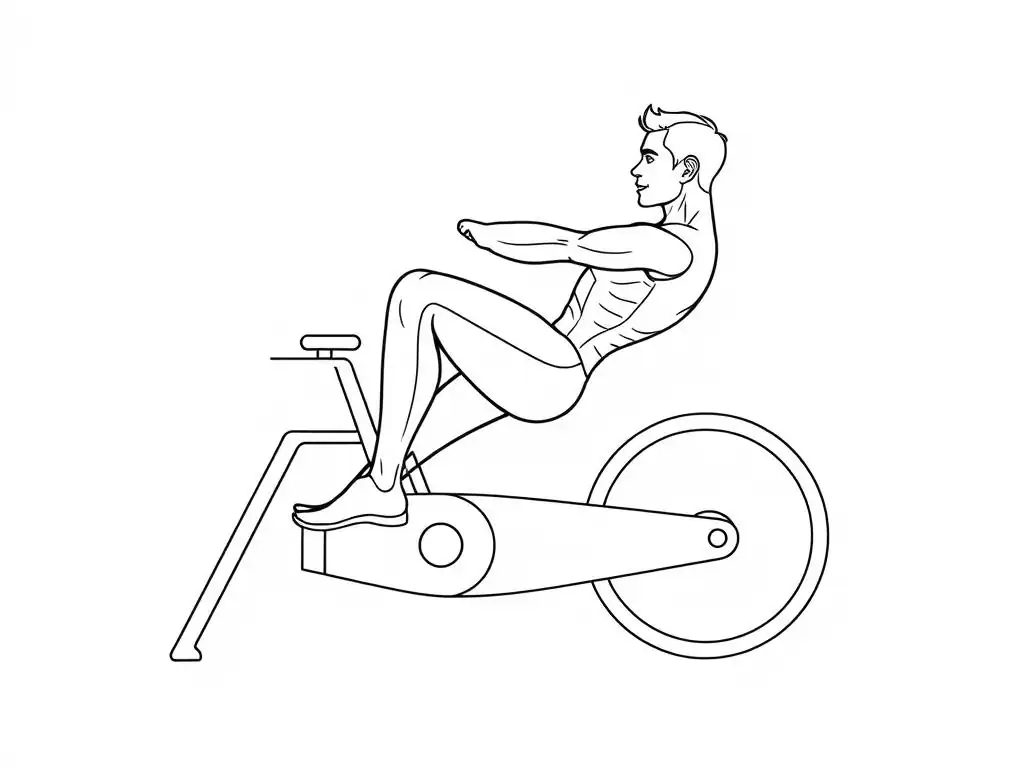
Bicycle crunches are a dynamic exercise that targets your entire core, including your rectus abdominis (the "six-pack" muscles), obliques, and transverse abdominis (the deep core muscle responsible for stabilizing your spine). This multifaceted engagement contributes significantly to improved posture and overall core strength. This exercise is particularly effective because it combines rotation with flexion, mimicking many real-life movements and improving functional strength. This is key to translating core strength into better posture throughout the day.
Begin by lying on your back with your hands behind your head and knees bent at a 90-degree angle. Bring your right elbow towards your left knee while simultaneously extending your right leg. Then, alternate sides, bringing your left elbow towards your right knee while extending your left leg. Maintain a controlled pace, focusing on the contraction of your abdominal muscles.
Aim for 20-30 repetitions, ensuring smooth transitions between each side. Avoid pulling on your neck; instead, engage your core to lift your shoulders off the ground. Consistent practice of bicycle crunches will not only strengthen your core but also enhance your coordination and balance, contributing to improved body awareness and better posture. Remember to breathe deeply throughout the exercise.
Exercise 5: Bird-Dog for Core Stability and Balance
The bird-dog exercise is a fantastic way to improve core stability and balance, both of which are essential components of good posture. Unlike many other core exercises that focus primarily on strength, the bird-dog emphasizes stabilization and control, mimicking the subtle adjustments your core makes throughout the day to maintain an upright posture. This exercise is effective because it challenges your core to maintain balance while resisting rotation, making it ideal for building functional strength. This functional strength translates to better posture in everyday activities.
Start on your hands and knees, ensuring your hands are directly beneath your shoulders and your knees beneath your hips. Keeping your back flat and core engaged, extend your right arm forward and your left leg backward simultaneously, maintaining a straight line from your hand to your extended leg. Hold this position for a few seconds, focusing on maintaining balance and core engagement. Then, return to the starting position and repeat with your left arm and right leg.
Aim for 10-12 repetitions on each side. Focus on slow, controlled movements and maintaining a stable core to maximize the benefits of this exercise. This exercise is also beneficial for improving hip mobility, which can indirectly contribute to better posture by improving the alignment of your pelvis and spine. Pay attention to maintaining a neutral spine to avoid strain.
Exercise 6: Superman for Lower Back Strength
The Superman exercise is a fantastic way to strengthen your lower back muscles, crucial for maintaining good posture. Weak lower back muscles often contribute to slouching and back pain. This exercise targets the erector spinae muscles, responsible for extending your spine. Performing Supermans correctly helps improve spinal stability and reduces the risk of injury.
To perform a Superman correctly, lie prone on a mat with your arms extended overhead and your legs extended behind you. Keep your core engaged throughout the exercise. Simultaneously lift your arms, chest, and legs off the ground, holding for a brief pause at the peak of the movement. Focus on squeezing your shoulder blades together and maintaining a straight line from your head to your heels. Avoid arching your lower back excessively.
Slowly lower your limbs back down to the starting position. Aim for 2-3 sets of 10-12 repetitions. Remember to breathe deeply throughout the exercise; exhale during the lifting phase and inhale during the lowering phase. Proper breathing enhances the effectiveness of the exercise and prevents dizziness.
Listen to your body and stop if you feel any sharp pain. This exercise can be modified by lifting only your arms and chest or only your legs, depending on your fitness level. Gradually increase the number of repetitions and sets as you get stronger. Consistent practice of this exercise will significantly improve your lower back strength and posture.
Cool-down: Stretching for Flexibility and Recovery
Cooling down after any intense workout, especially one focused on core strength like this 10-minute routine, is vital for muscle recovery and injury prevention. Static stretches, held for 15-30 seconds, are ideal for this purpose. They help increase flexibility, reduce muscle soreness, and improve overall range of motion. Neglecting this crucial step can lead to muscle stiffness, reduced flexibility, and increased risk of injury during subsequent workouts.
A simple and effective cool-down routine for this quick core workout includes the following stretches: Begin with a gentle torso twist, gently rotating your upper body from side to side. This helps release tension in your obliques, which are heavily engaged during many core exercises. Next, perform a child's pose, resting your forehead on the mat while extending your arms forward. This stretch targets your lower back and hips, relieving tension built up during the Superman exercise.
Follow this with a seated spinal twist, gently twisting your torso from side to side while keeping your legs extended. Finally, a hamstring stretch, leaning forward from a seated position with your legs extended, will help lengthen your posterior chain muscles, improving overall body flexibility and posture. Remember to breathe deeply during each stretch and hold each position for at least 15 seconds.
Listen to your body and don't force any stretches. Regular cool-downs are an essential part of any fitness routine, enhancing recovery and preventing injuries, ultimately contributing to a more consistent and effective workout regimen. This helps you maximize the benefits of your quick core workout for posture improvement.
Maximizing Your Results: Tips for Effective Core Workouts
This section focuses on maximizing the effectiveness of your 10-minute core workout, ensuring you achieve optimal results in strengthening your abs and improving your posture. Remember, consistency and proper technique are key to seeing significant improvements. A quick core workout for posture isn't just about the exercises themselves; it's about maximizing their impact.
Maintaining Proper Form During Exercises
Maintaining proper form is paramount to prevent injuries and maximize the benefits of any core workout, especially a quick core workout for posture. Incorrect form can lead to strain, reduced effectiveness, and even serious injuries. Focus on controlled movements, engaging your core muscles throughout each exercise, and avoiding momentum.
Here's a breakdown of key points to remember for maintaining optimal form:
- Engage your core: Before starting each exercise, consciously contract your abdominal muscles. Imagine pulling your belly button towards your spine. Maintain this engagement throughout the entire movement.
- Controlled movements: Avoid jerky or rushed movements. Perform each repetition slowly and deliberately, focusing on the muscle contraction rather than speed.
- Proper alignment: Maintain a neutral spine – avoid excessive arching or rounding of your back. This is crucial for protecting your back and effectively targeting your core muscles.
- Listen to your body: If you feel any pain, stop the exercise immediately. Don't push through pain; it's a sign that something is wrong.
- Start slow: Begin with fewer repetitions and sets, focusing on perfect form. Gradually increase the intensity as you get stronger and more comfortable.
Breathing Techniques for Optimal Core Engagement
Breathing plays a critical role in maximizing core engagement during your quick core workout for posture. Proper breathing helps stabilize your spine, enhances muscle activation, and improves overall performance.
Here are some effective breathing techniques:
- Exhale during exertion: Exhale forcefully as you perform the most challenging part of each exercise (e.g., the concentric phase of a crunch). This helps to create intra-abdominal pressure, which further stabilizes your spine and engages your core muscles.
- Inhale during the recovery phase: Inhale slowly and deeply as you return to the starting position of each exercise. This helps to replenish your oxygen supply and prepare you for the next repetition.
- Diaphragmatic breathing: Focus on deep, belly breathing, expanding your abdomen as you inhale and contracting it as you exhale. This type of breathing helps to fully engage your diaphragm, a crucial muscle for core stability. This technique is invaluable for a quick core workout for posture.
Progressive Overload: Gradually Increasing Intensity
Progressive overload is the key to continuous improvement in any fitness program, including a quick core workout for posture. It involves gradually increasing the challenge of your workouts over time, preventing plateaus and promoting continued muscle growth and strength gains.
Here are several ways to progressively overload your core workout:
| Method | Description | Example |
|---|---|---|
| Increase Repetitions | Gradually increase the number of repetitions you perform for each exercise. | Increase crunches from 10 to 12, then to 15, and so on. |
| Increase Sets | Gradually increase the number of sets you perform for each exercise. | Increase sets from 2 to 3, then to 4, and so on. |
| Increase Resistance | Add resistance, such as weights or resistance bands, to your exercises. | Add a weight plate to your plank or use resistance bands during crunches. |
| Decrease Rest Time | Gradually decrease the rest time between sets. | Reduce rest time from 60 seconds to 45 seconds, then to 30 seconds. |
| Introduce New Exercises | Gradually incorporate new and more challenging core exercises into your routine. | Add Russian twists or bicycle crunches. |
| Increase Time Under Tension | Focus on slowing down the tempo of each exercise, increasing the time your muscles are under tension. | Hold each crunch for a count of 2 before returning to the starting position. |
Remember, consistency and proper form are crucial for achieving optimal results. By following these tips, you'll be well on your way to a stronger core and improved posture. 🏋️♀️
Consistency is Key: Building a Habit for Long-Term Results
Building strong core muscles isn't a sprint; it's a marathon. The most significant factor determining your success with a quick core workout for posture, or any fitness goal, is consistency. Sporadic workouts might offer temporary benefits, but consistent effort leads to lasting improvements in both strength and posture. Think of it like this: you wouldn't expect to master a musical instrument by practicing only once a week. Similarly, your core muscles need regular stimulation to grow stronger and more resilient.
To establish a sustainable habit, start small. Instead of aiming for intense daily sessions, begin with two or three 10-minute workouts per week. Once this becomes routine, you can gradually increase the frequency or duration. Find a time that works best for your schedule – perhaps first thing in the morning before distractions arise, or during your lunch break. The key is to make it a non-negotiable part of your day, just like brushing your teeth.
Consider using a workout tracking app or a simple calendar to monitor your progress and stay accountable. Seeing your consistent effort visually can be incredibly motivating. Don't be discouraged by missed workouts; life happens. Just get back on track as soon as possible. The most important thing is to maintain a consistent pattern over the long term.
Remember, even small, consistent efforts accumulate over time, leading to significant improvements in your core strength and posture. The cumulative effect of regular, short workouts far surpasses the impact of infrequent, longer sessions. This approach is particularly beneficial for busy individuals seeking a quick core workout for posture. It's about building a sustainable practice, not just achieving a quick fix.
Proper Form Over Quantity: Avoiding Injuries and Maximizing Gains
While consistency is crucial for a quick core workout for posture, it's equally important to prioritize proper form over the number of repetitions. Performing exercises incorrectly not only reduces their effectiveness but also significantly increases your risk of injury. A few well-executed repetitions with perfect form are far more beneficial than numerous repetitions performed sloppily.
Focus on engaging your core muscles throughout each exercise. This means feeling the tension in your abdominal muscles, not just relying on momentum. If you're unsure about the correct form, it's always best to consult a fitness professional or watch instructional videos from reputable sources. Pay close attention to your body and stop if you feel any pain. Ignoring pain can lead to serious injuries that could sideline your workouts for weeks or even months.
Start with a lighter weight or resistance level if you're new to core exercises. Gradually increase the intensity as your strength and stability improve. Remember, consistency and proper form are the cornerstones of a successful and injury-free core strengthening program. A quick core workout for posture should always be performed with careful attention to detail, ensuring you maximize your gains while minimizing the risk of injury. This ensures you get the most out of your quick core workout for posture routine and prevents setbacks.
Listen to Your Body: Rest and Recovery are Essential
Even with a quick core workout for posture, rest and recovery are essential components of a successful fitness program. Your muscles need time to repair and rebuild after each workout. Ignoring this crucial aspect can lead to overtraining, injuries, and plateaus in your progress.
Aim for at least one or two rest days per week, allowing your body to recover fully. During these rest days, engage in light activities such as walking or stretching. Avoid strenuous exercise to give your muscles adequate time to repair. Pay attention to your body's signals. If you feel unusually fatigued or sore, don't hesitate to take an extra rest day. Pushing through extreme fatigue can lead to injuries and hamper your long-term progress.
Adequate sleep is also crucial for muscle recovery and overall well-being. Aim for 7-9 hours of quality sleep each night. Proper nutrition also plays a vital role. Ensure you're consuming enough protein to support muscle repair and growth. By prioritizing rest, recovery, and proper nutrition, you'll optimize your results from your quick core workout for posture and prevent burnout. Remember, your body needs time to adapt and grow stronger. Ignoring this aspect can hinder your progress.
Quick Core Workout for Posture: Incorporating into Your Daily Routine
This section focuses on seamlessly integrating a quick core workout for posture improvement into your existing daily schedule. We'll explore practical strategies to build core strength without requiring significant time commitments or disrupting your routine. Remember, even small, consistent efforts yield significant results over time. This is key for achieving long-term improvements in posture and overall fitness.
Integrating Core Exercises into Your Existing Workouts
Many existing workout routines can be enhanced with the addition of core-strengthening exercises. Instead of dedicating a separate 10-minute block, consider incorporating short bursts of core work into your current fitness activities. For example:
- Before and After Weight Training: Before each weightlifting session, perform 2-3 minutes of planks and leg raises. After your workout, add another 2-3 minutes of bicycle crunches and Russian twists. This approach adds minimal time but significantly boosts core engagement.
- During Cardio: Integrate short core exercises into your cardio breaks. If you're running on a treadmill, incorporate brief plank holds every 5 minutes. During rest periods in HIIT workouts, perform quick sets of crunches or leg lifts.
- Modifying Existing Exercises: Many exercises can be modified to engage the core more effectively. For instance, performing squats with a controlled, upright posture activates the core muscles throughout the movement. Similarly, lunges can be modified to incorporate core stabilization.
Think of it as "sneaking in" core work. By subtly integrating these exercises, you build core strength without needing a dedicated workout session. This strategy is particularly effective for busy individuals who struggle to find large chunks of time for exercise.
Finding Time for Quick Core Workouts Throughout the Day
Even without a formal workout, you can find pockets of time throughout your day to perform short core exercises. These small, consistent efforts accumulate to substantial improvements in core strength and posture. Consider these options:
- During Commercial Breaks: Use TV commercial breaks for quick sets of exercises. A 30-second commercial is enough time for 10-15 crunches or a short plank. This method cleverly utilizes otherwise wasted time.
- While Waiting: Waiting for appointments, the bus, or a friend? Use that time for isometric holds like planks or side planks. These exercises require minimal space and can be performed almost anywhere.
- Before Bed: A quick 5-minute core workout before bed can improve sleep quality and strengthen your core muscles. This helps to counter the effects of prolonged sitting or poor posture throughout the day.
Remember that consistency is key. Even short, frequent workouts are more effective than infrequent, longer sessions. Aim for several short sessions per day rather than one long session.
The Importance of Consistency for Lasting Results
Consistency is paramount when it comes to improving posture through core strengthening. A single, intense workout won't provide long-term benefits. Instead, focus on regular, even if brief, sessions. Consider this:
| Frequency | Duration | Estimated Weekly Core Work | Results |
|---|---|---|---|
| Daily | 5 minutes | 35 minutes | Noticeable improvement in core strength and posture within 4-6 weeks. 1 |
| 3 times/week | 10 minutes | 30 minutes | Significant improvement in core strength and posture, but may take longer to see noticeable results. |
| Once a week | 30 minutes | 30 minutes | Less effective for long-term posture improvement. |
1 Based on studies showing improvements in core strength and stability with regular, short-duration training.
Think of building core strength as a marathon, not a sprint. Consistent effort, even in small doses, leads to significant long-term improvements in posture and overall well-being. The key is to make it a habit, integrating these quick core workouts into your daily routine and making them a non-negotiable part of your day. This small investment of time will pay off with a stronger core and improved posture for years to come. Remember, a strong core is the foundation for good posture and overall health!
Frequently Asked Questions
How long does this workout take?
This 10-minute core crusher workout is designed to be efficient and effective, fitting easily into even the busiest schedules. You'll see results without needing to dedicate a large chunk of your day.
What equipment do I need for this workout?
The workout requires no special equipment, making it perfect for home workouts or on-the-go sessions. You only need your bodyweight!
Is this workout suitable for beginners?
Yes, this workout can be modified to suit all fitness levels. Beginners can focus on proper form and fewer repetitions, gradually increasing intensity as they get stronger.
Will this workout really improve my posture?
Yes! Strengthening your core muscles is essential for good posture. This workout targets the muscles that support your spine, helping to improve your posture and reduce back pain.
How often should I do this workout?
Aim for 3-4 sessions per week, allowing for rest days to allow your muscles to recover and rebuild. Listen to your body and adjust accordingly.
Final Reflection: The Power of a 10-Minute Transformation
A strong core isn't just about aesthetics; it's the foundation of a healthy, active life, and a powerful tool for combating the pervasive issue of poor posture in our increasingly sedentary world. The simple truth is that even ten minutes of dedicated core work can make a significant difference in how you feel and move, impacting your overall well-being far beyond the immediate burn.
The impact of consistent core strengthening on posture is undeniable. I've personally witnessed the transformative power of even short, regular workouts, experiencing a noticeable improvement in my own posture and a reduction in back pain. The body achieves what the mind believes.
This quote rings true when considering the mental discipline required for consistent exercise, and the subsequent physical rewards. The cultural shift towards prioritizing physical health, even in small increments, is encouraging, and this simple workout is a testament to the accessibility of positive change.
Now, consider your own posture. How do you feel when you sit or stand? Are you carrying tension in your shoulders or back? This 10-minute routine is an invitation – a challenge, even – to invest in yourself. Take those ten minutes, commit to the exercises, and experience the difference. You deserve to feel strong, confident, and pain-free. Start today, and witness the transformative power of a consistent, dedicated approach to core strength and improved posture.
Unlock Your Core Power: Start Feeling Stronger Today!
Thank you for exploring our 10-Minute Core Crusher workout! You've just learned how to build a stronger core and improve your posture—vital for a healthier, more energetic you. Ready to put your new knowledge into practice?
- Start your 10-minute core workout now! Even a short session makes a significant difference. Remember to focus on proper form for optimal results.
- Share your progress: Let us know how you feel after your first workout! We'd love to hear about your experience and help motivate each other.
- Consider adding a mindful stretching routine after your workout to enhance flexibility and aid recovery.
What small, impactful change will you integrate into your daily routine to maintain your core strength and improve your posture?