
Productivity for Nurses: Essential Strategies for Efficient Patient Care


Welcome to UltimateLifeHacks, where we unlock the secrets to a more productive and fulfilling life! Are you a nurse constantly juggling demanding schedules and patient needs? Discover essential time management strategies specifically designed to optimize your workflow and enhance patient care. Learn how to reclaim your time and boost your efficiency with our in-depth guide on Nurse time management strategies – your journey to a more balanced and rewarding nursing career starts here.
- Mastering Nurse Time Management Strategies: Prioritization Techniques
- Streamlining Workflow: Efficient Nursing Practices
- Minimizing Stress and Burnout: Self-Care for Nurses
- Technology for Nurse Productivity: Utilizing Digital Tools
- Improving Patient Care Through Efficient Time Management
- Advanced Nurse Time Management Strategies: Long-Term Planning
-
Frequently Asked Questions
- How can nurses improve their time management skills?
- What are some common time-wasting activities nurses should avoid?
- What role does technology play in nurse time management?
- How can nurses effectively prioritize tasks during a busy shift?
- Are there specific strategies for managing stress and burnout related to time constraints?
- Final Reflection: Nurturing the Healer Within: Time Management and the Nurse's Calling
- Unlock Your Nursing Potential: Actionable Steps to Enhanced Efficiency
Mastering Nurse Time Management Strategies: Prioritization Techniques
Nurses face relentless pressure in their daily routines, juggling multiple patients, complex medical procedures, and administrative tasks. Effective time management isn't just about completing tasks; it's about delivering high-quality patient care while maintaining your own well-being. This article explores proven nurse time management strategies, focusing on prioritization, scheduling, and teamwork optimization—all crucial for minimizing stress and maximizing efficiency. We'll delve into practical techniques that will help you effectively manage your time, leading to improved patient outcomes and a more balanced work-life integration.
Mastering these strategies will significantly impact your overall job satisfaction and contribute to a healthier, more sustainable nursing career. This guide provides actionable steps to implement effective Nurse time management strategies, improving your workflow and reducing burnout. Let's explore the key elements of efficient nursing practice.
Effective Prioritization: The ABC Method for Nurses
Effective prioritization is the cornerstone of efficient time management. The ABC method provides a simple yet powerful framework for nurses to categorize tasks based on their urgency and importance. This structured approach helps avoid feeling overwhelmed by the sheer volume of responsibilities.
- A – Tasks of High Importance and Urgency: These are critical tasks that require immediate attention and often have direct consequences for patient safety and well-being. Examples include administering emergency medications, responding to patient distress calls, or addressing immediate life-threatening situations. These tasks should be tackled first.
- B – Tasks of Moderate Importance and Urgency: These are important tasks, but they don't carry the same level of immediacy as A tasks. Examples might include completing patient assessments, documenting vital signs, or ordering routine lab tests. These should be addressed after the A tasks are completed.
- C – Tasks of Low Importance and Urgency: These are tasks that are less critical and can often be delegated or postponed without significant consequences. Examples may include charting non-urgent information, attending less critical meetings, or completing administrative tasks that do not directly impact patient care. These tasks should be scheduled for when time permits, after A and B tasks.
Using the ABC method consistently helps nurses focus their energy on what truly matters, minimizing wasted time and effort on less critical activities. Implementing this simple system can lead to a significant improvement in overall productivity and reduce feelings of being overwhelmed. Remember, consistent application is key to mastering this prioritization technique.
Time Blocking for Nursing Tasks: Scheduling Your Day
Time blocking is a powerful technique that involves allocating specific time slots for particular tasks within your workday. This structured approach minimizes multitasking and improves focus, leading to greater efficiency. Rather than reacting to demands as they arise, you proactively schedule your day, ensuring that all essential tasks are addressed.
To effectively implement time blocking, consider the following steps:
- List all tasks: Begin by listing all the tasks you need to complete during your shift, categorizing them using the ABC method (discussed above).
- Estimate time requirements: Assign a realistic timeframe to each task. Overestimate rather than underestimate to account for unexpected delays.
- Schedule tasks strategically: Allocate specific time blocks for each task, prioritizing A tasks first. Consider scheduling similar tasks together to enhance workflow efficiency.
- Include buffer time: Leave buffer time between tasks to accommodate unexpected interruptions or delays. This flexibility prevents a domino effect of schedule disruptions.
- Review and adjust: Regularly review your schedule and make adjustments as needed. Flexibility is key to successful time blocking.
Time blocking allows for a more organized and less reactive workday. By allocating specific times for tasks, you can better control your workflow and prevent feeling rushed or overwhelmed. This structured approach is particularly beneficial in high-pressure nursing environments.
Delegating Tasks Effectively: Optimizing Teamwork in Nursing
Effective teamwork is essential for efficient nursing practice. Delegating tasks appropriately is not just about offloading responsibilities; it's about optimizing the skills and expertise of your team to improve overall performance. Remember, effective delegation requires clear communication and trust within the team.
Here are some crucial aspects of effective task delegation:
- Identify suitable tasks: Choose tasks that can be safely and effectively delegated based on the skills and experience of your team members.
- Provide clear instructions: Give clear, concise instructions, specifying the desired outcome, timelines, and any necessary resources.
- Monitor progress: Check in on the progress of delegated tasks to ensure they are on track and address any challenges promptly.
- Offer support: Provide support and guidance to your team members, creating an environment of collaboration and mutual support.
- Recognize contributions: Acknowledge and appreciate the contributions of your team, fostering a positive and collaborative work environment.
Effective delegation not only frees up your time to focus on higher-priority tasks but also empowers your team members, enhancing their skills and job satisfaction. It's a win-win strategy for both individual and team productivity. Remember, a well-functioning team is a highly efficient team.
Streamlining Workflow: Efficient Nursing Practices
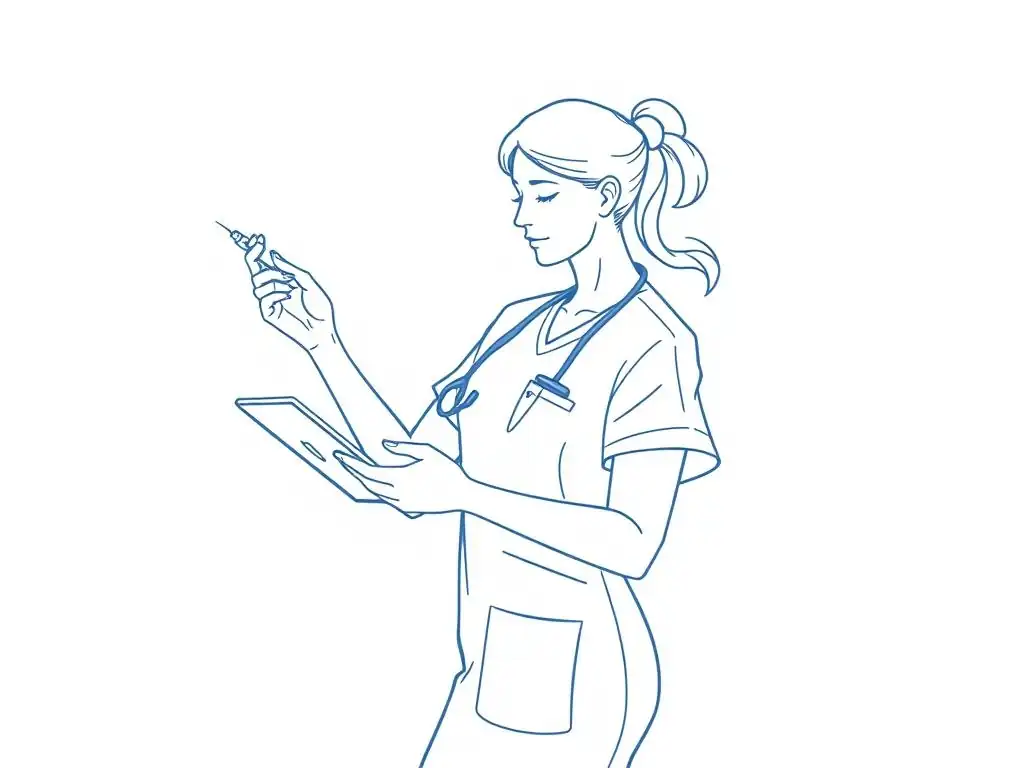
Nurses face demanding schedules and high patient loads, making efficient workflow crucial for both productivity and patient safety. Implementing effective time management strategies for nurses is paramount to mitigating burnout and ensuring quality care. This section details practical approaches to streamline your nursing workflow, focusing on maximizing efficiency and minimizing wasted time. Effective nurse time management strategies are not just about working faster; they're about working smarter.
Optimizing Patient Charting: Digital Tools and Techniques
Digital tools are revolutionizing patient charting, offering significant time-saving opportunities. Instead of manually filling out paper charts, Electronic Health Records (EHRs) allow for quicker data entry and retrieval. However, the efficiency gains depend on mastering the system. Many nurses find that using keyboard shortcuts and mastering the EHR's search functions drastically reduces charting time. For example, learning the shortcut for "copy and paste" can save several minutes per patient, accumulating to substantial time savings over a shift.
Furthermore, utilizing voice-to-text features, where available, can significantly accelerate documentation. While accuracy needs to be double-checked, the speed increase can be substantial, particularly for detailed notes or lengthy assessments. This is a key component of effective nurse time management strategies, allowing for more patient interaction and less desk time. Consider participating in EHR training to fully leverage its features. Regular practice and familiarization are key to maximizing efficiency. Remember, even small improvements in charting speed can add up to significant gains over the course of a week, month, or year.
Reducing Medication Errors: Double-Checking and Workflow Optimization
Medication errors are a serious concern in healthcare. Implementing robust double-checking protocols and optimizing medication workflows are critical for patient safety and efficient nurse time management. A systematic approach, such as utilizing barcode scanning technology, can significantly minimize the risk of errors. This technology verifies medication against the patient's identification, reducing the chance of administering the wrong drug or dosage.
Beyond technology, meticulous workflow optimization is vital. For example, dedicating a specific time slot for medication administration, minimizing interruptions during this period, can enhance accuracy and reduce stress. Creating a checklist for each medication administration step also helps ensure that all necessary procedures are followed consistently, reducing the likelihood of errors. This methodical approach is a cornerstone of effective nurse time management strategies, as it prevents time-consuming corrections and potential adverse events. The time saved by preventing errors far outweighs the time invested in implementing these strategies.
Improving Communication: Clear and Concise Interactions with Colleagues
Effective communication is the backbone of efficient teamwork. Clear and concise interactions with colleagues save valuable time and prevent misunderstandings. Utilizing standardized communication tools, such as shift reports with concise summaries of patient status, ensures everyone is on the same page. This reduces the need for repeated clarifications and improves overall workflow.
Adopting a proactive communication style is also crucial. Addressing potential issues promptly, rather than letting them fester, prevents them from escalating into larger time-consuming problems. For instance, immediately notifying the physician of a concerning change in a patient's condition, instead of waiting, can prevent delays in treatment and improve patient outcomes.
This proactive approach is a crucial aspect of efficient nurse time management strategies, as it minimizes reactive problem-solving and maintains a smooth workflow. Regular team meetings to discuss workflow improvements and address communication challenges can further enhance efficiency and teamwork. Investing time in clear communication ultimately saves far more time in the long run.
Minimizing Stress and Burnout: Self-Care for Nurses
Nurses face immense pressure daily, juggling demanding patient needs, complex medical procedures, and emotional burdens. This relentless pace often contributes to high stress levels and burnout, significantly impacting both professional performance and personal well-being. Implementing effective self-care strategies is crucial for nurse time management strategies and overall health. Ignoring self-care is a recipe for disaster; prioritizing it is a cornerstone of sustainable productivity.
Stress Management Techniques for Nurses: Mindfulness and Relaxation
Mindfulness and relaxation techniques are powerful tools in a nurse's arsenal against stress. These practices help regulate the body's stress response, promoting calmness and reducing anxiety. Studies show that even short mindfulness exercises can significantly lower cortisol levels – the primary stress hormone.
For example, a 10-minute guided meditation session during a lunch break can drastically improve focus and reduce feelings of overwhelm. Similarly, deep breathing exercises, progressive muscle relaxation, and yoga can be easily incorporated into daily routines, offering respite from the demanding nature of the job. Practicing these techniques regularly can lead to improved sleep quality, enhanced emotional regulation, and increased resilience to workplace stressors.
The benefits extend beyond stress reduction; they also contribute to improved patient care by enhancing focus and reducing errors stemming from fatigue and stress. Remember, taking care of yourself isn't selfish; it's essential for providing optimal patient care. Consider incorporating these techniques into your daily routine:
- Mindfulness Meditation: Even 5 minutes a day can make a difference.
- Deep Breathing Exercises: Practice box breathing (inhale for 4, hold for 4, exhale for 4, hold for 4).
- Progressive Muscle Relaxation: Systematically tense and release muscle groups to relieve tension.
- Yoga: Combines physical postures, breathing techniques, and meditation for relaxation and stress reduction.
Setting Realistic Expectations: Avoiding Overcommitment
Overcommitment is a major contributor to nurse burnout. The desire to provide exceptional care often leads nurses to take on more than they can realistically handle. Learning to say "no" to additional tasks or responsibilities when feeling overwhelmed is a vital skill. Effective nurse time management strategies involve setting realistic expectations and prioritizing tasks. This may involve delegating tasks where appropriate, utilizing available resources effectively, and learning to prioritize based on urgency and importance. For instance, instead of accepting every overtime shift, nurses should assess their energy levels and capacity. Prioritizing tasks using methods like the Eisenhower Matrix (urgent/important) can significantly improve efficiency and reduce feelings of being overwhelmed. This proactive approach helps nurses maintain a sustainable workload, preventing burnout and promoting long-term job satisfaction. Data shows that nurses who consistently overcommit experience significantly higher rates of burnout and lower job satisfaction compared to those who manage their workload effectively.
Prioritizing Self-Care: Maintaining Work-Life Balance
Maintaining a healthy work-life balance is paramount for preventing burnout. This involves consciously scheduling time for personal activities and interests outside of work. This could include spending time with loved ones, pursuing hobbies, exercising regularly, or simply engaging in activities that promote relaxation and rejuvenation.
Engaging in activities that promote physical and mental well-being is not a luxury but a necessity for nurses. A balanced lifestyle contributes to improved overall health, increased energy levels, and a more positive outlook. For example, scheduling regular exercise, even short walks during breaks, can significantly improve mood and reduce stress.
Adequate sleep is also crucial; aiming for 7-8 hours of quality sleep each night is essential for optimal physical and cognitive function. Remember, effective nurse time management strategies are not just about managing your time at work; they’re about managing your entire life to prevent burnout and maintain a fulfilling career and personal life. Prioritizing self-care isn't just beneficial; it's essential for long-term success and well-being in the demanding nursing profession.
Technology for Nurse Productivity: Utilizing Digital Tools
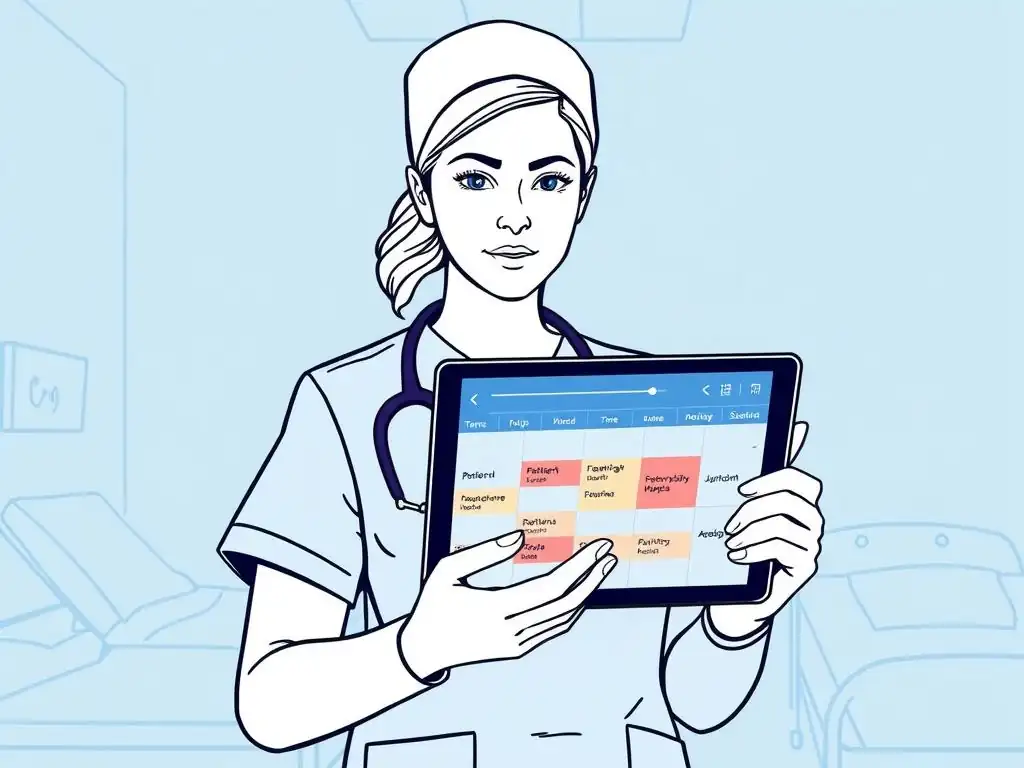
Nurses face relentless pressure to manage multiple patients, complex medical information, and demanding administrative tasks. Effective time management is crucial, and leveraging technology is no longer a luxury but a necessity for maintaining both efficiency and patient care quality. This section delves into specific technological tools and strategies to optimize a nurse's workflow, directly addressing the challenges posed by demanding schedules and complex patient needs, thus improving their overall "Nurse time management strategies."
Electronic Health Records (EHR) Efficiency: Mastering the System
Electronic Health Records (EHRs) are now ubiquitous in healthcare, yet their efficient use remains a significant challenge for many nurses. Mastering the EHR system is paramount for efficient patient care and minimizing wasted time. This involves more than just data entry; it's about understanding the system's functionalities to streamline various processes.
Many nurses struggle with the sheer volume of clicks and data entry required within EHR systems. This can lead to significant time loss, particularly during peak hours. Strategies to improve EHR efficiency include:
- Keyboard shortcuts: Learning and utilizing keyboard shortcuts can dramatically reduce the time spent navigating menus and inputting data. Most EHR systems have extensive shortcut options; familiarizing oneself with these is a crucial time-saving measure. For example, learning the shortcuts for charting vital signs, medication administration, and progress notes can save several minutes per patient, accumulating significant time savings over a shift.
- Template utilization: Pre-designed templates for common procedures and assessments can drastically reduce repetitive typing. Creating and utilizing personalized templates for frequently performed tasks, such as wound care or medication reconciliation, can significantly improve efficiency.
- Prioritization and batching: Rather than charting for each patient individually, group similar tasks together. For example, chart all vital signs at once, then move on to medication administration, and finally, progress notes. This batching approach minimizes context switching and improves focus, leading to greater speed and accuracy.
- Regular system updates: Staying abreast of system updates and new features is vital. New functionalities may offer improved workflows and time-saving tools. Active participation in training sessions and reviewing system updates can significantly enhance EHR proficiency.
Mobile Apps for Nurses: Scheduling, Communication, and Task Management
The proliferation of mobile apps offers nurses powerful tools for improved time management and communication. These apps can address various aspects of nursing, from scheduling and communication to task management and clinical decision support.
The use of apps for scheduling allows nurses to efficiently manage their shifts, track time off requests, and coordinate with colleagues. Communication apps facilitate quick and efficient information exchange between nurses, doctors, and other healthcare professionals. Task management apps enable nurses to create to-do lists, prioritize tasks, and track their progress, ensuring that nothing falls through the cracks. Examples of such apps are numerous and choosing the right one depends on individual preferences and workflow.
| App Category | Example App Features | Benefits |
|---|---|---|
| Scheduling | Shift swapping, time-off requests, availability tracking | Reduced scheduling conflicts, improved work-life balance |
| Communication | Secure messaging, group chats, quick alerts | Faster communication, improved coordination among healthcare professionals |
| Task Management | To-do lists, prioritization, progress tracking | Improved organization, reduced workload stress, enhanced time management |
| Clinical Decision Support | Drug interaction checkers, diagnosis support tools | Reduced medical errors, improved patient safety, faster clinical decision making |
Choosing the right apps requires careful consideration of their features and integration with existing systems. It is crucial to ensure that the selected apps comply with HIPAA regulations and maintain patient privacy.
Utilizing Nursing-Specific Software: Streamlining Administrative Tasks
Beyond EHRs and mobile apps, numerous nursing-specific software solutions are designed to streamline administrative tasks, reducing paperwork and freeing up valuable time for direct patient care. These tools can handle tasks such as medication reconciliation, discharge planning, and progress note generation. The effective use of these dedicated software solutions directly improves "Nurse time management strategies" by minimizing the time spent on administrative burdens.
Many of these specialized software packages offer features such as automated report generation, reducing manual data entry. Furthermore, they often integrate directly with EHR systems, minimizing data duplication and improving accuracy. The implementation of such software should be accompanied by thorough training to ensure that nurses can effectively utilize its features and maximize its benefits. Careful selection of software that integrates with existing systems is crucial to avoid creating further workflow complexities. The ultimate goal is to simplify administrative tasks, not to add another layer of complexity.
Improving Patient Care Through Efficient Time Management
Nurses face immense pressure to deliver high-quality care while managing demanding workloads. Effective nurse time management strategies are not just about completing tasks quickly; they're about optimizing workflows to improve patient outcomes and reduce burnout. This section explores key techniques for achieving this crucial balance. Mastering these strategies can significantly impact a nurse's daily experience and the quality of care provided. The core principle is to prioritize tasks strategically, ensuring the most critical needs are addressed first, thus maximizing efficiency and minimizing wasted time. This proactive approach to nurse time management directly translates to better patient care.
Faster Patient Assessments: Techniques for Efficient Data Collection
Efficient data collection during patient assessments is paramount for effective nurse time management. Rushing this process, however, can lead to missed vital signs or overlooked symptoms, potentially impacting patient safety. The key is to develop a streamlined assessment process. This involves utilizing standardized forms and checklists, ensuring you gather all necessary information without redundancy.
Consider using a mnemonic device to guide your assessment, such as the mnemonic "SAMPLE" (Symptoms, Allergies, Medications, Past medical history, Last meal, Events leading to the illness). This structured approach helps ensure a comprehensive yet concise assessment. Furthermore, prioritize the most critical information first. For example, assessing airway, breathing, and circulation (ABCs) should always take precedence.
Prioritizing tasks and using technology can also significantly improve assessment efficiency. Electronic health records (EHRs) allow for quicker documentation and easier access to past medical histories. Integrating technology effectively into your workflow can free up valuable time and reduce paperwork burdens. Think of it as a form of nurse time management that directly benefits both the nurse and the patient.
Reduced Wait Times: Optimizing Patient Flow
Minimizing patient wait times is a critical aspect of effective nurse time management strategies. Long waits can lead to increased anxiety and dissatisfaction among patients, negatively impacting their overall experience. Optimizing patient flow requires a proactive approach to scheduling, prioritization, and communication.
Implementing a well-organized system for managing patient flow is crucial. This might involve color-coded charts, a clear triage system, or even utilizing a digital queuing system. Effective communication with the medical team, including doctors and other nurses, is also vital. This ensures smooth handoffs and minimizes delays. Proactive communication prevents bottlenecks and ensures a continuous flow of patients. Clear and concise communication also reduces unnecessary interruptions and allows for focused care.
Consider analyzing your unit's workflow to identify potential bottlenecks. Are there specific times of day when wait times are particularly long? Are there any repetitive tasks that can be streamlined? By identifying and addressing these issues, you can significantly reduce wait times and improve patient satisfaction. The goal is to create a smooth and efficient patient flow process, which is a fundamental element of effective nurse time management.
Improved Patient Outcomes: The Impact of Efficient Nursing Practices
Efficient nursing practices directly contribute to improved patient outcomes. By optimizing time management, nurses can dedicate more time to direct patient care, leading to better monitoring, more thorough assessments, and more effective interventions. This translates to fewer medical errors, quicker recovery times, and ultimately, improved patient satisfaction.
Data shows a clear correlation between efficient nursing practices and improved patient outcomes. Studies have demonstrated that nurses who effectively manage their time are more likely to adhere to best practices, resulting in better patient safety and reduced complications. This is not just anecdotal; it's supported by evidence-based research highlighting the importance of nurse time management strategies in achieving positive patient outcomes.
Moreover, efficient nurse time management contributes to reduced nurse burnout. By streamlining workflows and minimizing unnecessary tasks, nurses can reduce stress and improve their overall well-being. This, in turn, positively affects the quality of care they provide. A well-rested and less stressed nurse is a more effective and compassionate caregiver. Reduced burnout is a significant, often overlooked, benefit of effective nurse time management, leading to improved job satisfaction and better patient care. This is a win-win scenario for both the nurse and the patient.
Advanced Nurse Time Management Strategies: Long-Term Planning
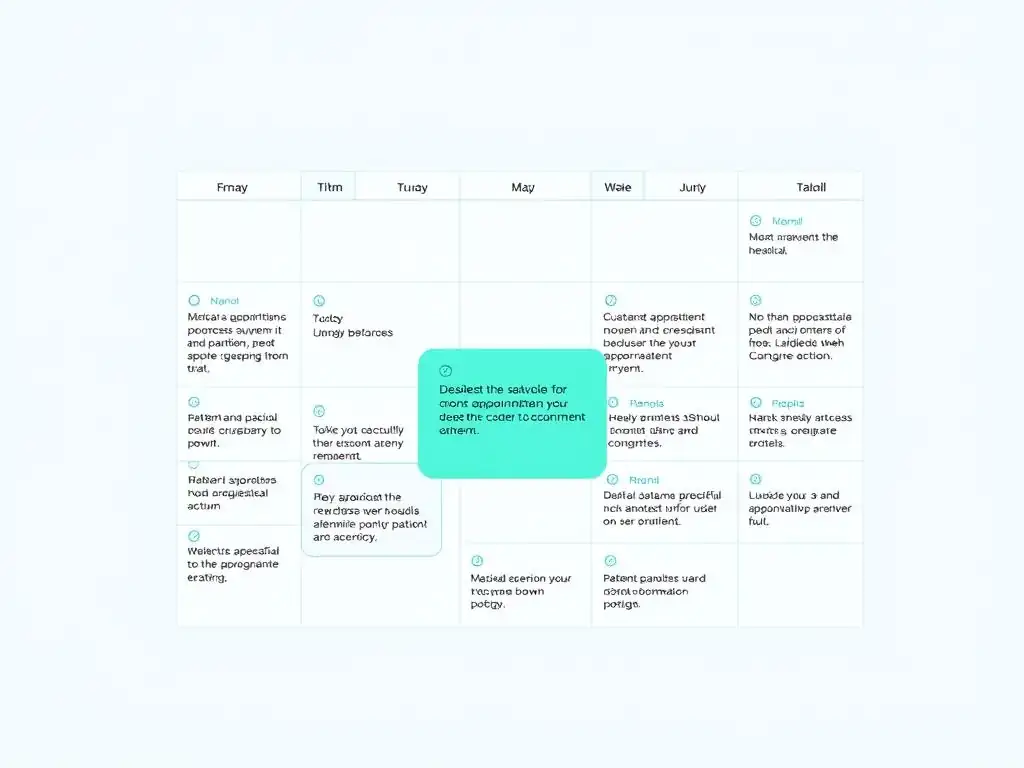
Effective nurse time management isn't just about squeezing more tasks into a shift; it's about strategic planning that minimizes stress and maximizes patient care. This involves looking beyond the immediate demands of the day and focusing on long-term strategies that promote sustainable efficiency. Mastering these advanced techniques can significantly improve your professional life and overall well-being. This section delves into crucial long-term planning aspects specific to the nursing profession, enhancing your ability to manage your time effectively.
Goal Setting for Nurses: Defining Short-Term and Long-Term Objectives
Setting clear, measurable, achievable, relevant, and time-bound (SMART) goals is fundamental to effective time management. For nurses, this translates to defining both short-term and long-term objectives. Short-term goals might include mastering a new procedure within a month or improving patient interaction techniques within a week. These provide immediate wins and build momentum.
Long-term goals, on the other hand, could involve specializing in a particular area of nursing, pursuing advanced certifications, or improving leadership skills over several years. These provide a roadmap for career progression and professional fulfillment. Consider using a goal-setting framework like the Eisenhower Matrix (urgent/important) to prioritize tasks effectively. For example, an urgent task might be administering immediate medication, while an important but not urgent task could be planning a patient's discharge strategy. This prioritization ensures that critical tasks are addressed promptly, preventing time-wasting due to poor organization.
Here's an example of how a nurse might structure their goals:
| Goal Category | Specific Goal | Timeframe | Measurement |
|---|---|---|---|
| Short-Term (1 Month) | Master IV insertion technique | 1 Month | Successful IV insertion on 10 patients |
| Short-Term (1 Week) | Improve patient communication skills | 1 Week | Positive feedback from 5 patients |
| Long-Term (1 Year) | Obtain Certified Emergency Nurse certification | 1 Year | Successful completion of certification exam |
| Long-Term (5 Years) | Become a Nurse Manager | 5 Years | Promotion to a management position |
Regularly reviewing and adjusting these goals is crucial. Life and work circumstances change, requiring flexibility in your approach to time management. This iterative process ensures that your goals remain relevant and achievable.
Continuous Improvement: Reflecting on Daily Practices and Identifying Areas for Optimization
Continuous improvement is essential for sustained efficiency. This involves regularly reflecting on your daily practices to identify areas for optimization. Take time at the end of each shift or week to analyze your workflow. What worked well? What could be improved? Did you experience any unexpected delays or bottlenecks? Analyzing these aspects allows you to refine your strategies consistently. Consider keeping a journal to track your progress and identify recurring issues.
For example, if you consistently run behind schedule during medication rounds, analyze why. Is it due to inefficient charting, difficulties locating supplies, or inadequate communication with colleagues? Identifying the root cause allows you to implement targeted improvements. This might involve streamlining your charting process, optimizing supply storage, or implementing clearer communication protocols.
The key here is to be self-aware, honest about weaknesses, and proactive in seeking solutions. The process of continuous improvement is an ongoing journey, not a destination. Small, incremental improvements accumulate over time, leading to significant gains in efficiency. Using data-driven analysis, tracking your time spent on different tasks, can reveal areas ripe for optimization.
Professional Development: Staying Updated on Best Practices for Efficient Nursing
Staying updated on the latest best practices in nursing is crucial for improving efficiency. New technologies, techniques, and methodologies constantly emerge, impacting workflow and patient care. Investing in professional development ensures you remain at the forefront of your field, equipped with the skills and knowledge to optimize your time effectively.
This could involve attending conferences, workshops, or online courses focused on time management and efficiency in nursing. It also includes staying abreast of new technologies used in patient care, such as electronic health records (EHR) systems and automated medication dispensing systems. Mastering these technologies can significantly streamline your workflow. Furthermore, actively seeking mentorship from experienced nurses can provide invaluable insights into effective time management strategies.
Networking with colleagues and sharing best practices can also foster a culture of continuous improvement within your team. Professional development is an investment in your career and well-being, contributing to both your personal and professional success. It's a continuous process that ensures you remain a highly effective and efficient nurse.
Frequently Asked Questions
How can nurses improve their time management skills?
Effective time management for nurses involves prioritization, delegation, and efficient workflow. Utilize tools like to-do lists and time blocking to maximize your day.
What are some common time-wasting activities nurses should avoid?
Avoid unnecessary paperwork delays, prolonged charting, and inefficient communication. Streamlining processes and using technology can significantly reduce wasted time.
What role does technology play in nurse time management?
Electronic health records (EHRs) and mobile devices can significantly improve efficiency. Using apps for scheduling, communication, and task management can optimize workflows.
How can nurses effectively prioritize tasks during a busy shift?
Use the ABC method (prioritizing tasks by urgency and importance). Focus on critical tasks first, and delegate less urgent tasks when possible. Learn to say no to non-essential requests.
Prioritize self-care, including sufficient sleep, breaks, and healthy eating. Learn stress-management techniques like mindfulness and meditation to avoid burnout caused by time pressure.
Final Reflection: Nurturing the Healer Within: Time Management and the Nurse's Calling
The relentless pace of modern healthcare demands efficient strategies, and for nurses, effective time management isn't just about ticking boxes; it's about preserving the quality of care and safeguarding their own well-being. The pressure to do more with less is a pervasive reality, impacting patient outcomes and the emotional resilience of nursing professionals. This necessitates a shift from simply managing time to strategically nurturing the capacity to provide compassionate, high-quality care.
The impact of burnout on the nursing profession is undeniable, and the strategies discussed throughout this article—from prioritizing tasks to utilizing technology effectively—are crucial not only for improving efficiency but also for fostering a sustainable and fulfilling career. The best way to find yourself is to lose yourself in the service of others.
- Mahatma Gandhi. This quote, while seemingly simple, speaks volumes about the selflessness inherent in nursing, and effective time management allows nurses to truly embody this spirit without sacrificing their own well-being. The ongoing struggle for better working conditions and improved nurse-to-patient ratios highlights the critical need for these strategies to become ingrained in nursing practice.
You, the dedicated nurse, are the heart of patient care. Consider how the strategies outlined in this article can be integrated into your daily practice. Experiment with different techniques, find what works best for you, and remember that prioritizing self-care is not selfish; it's essential for sustaining your passion and providing the best possible care to your patients. Embrace the power of mindful time management, not just as a tool for efficiency, but as a pathway to a more fulfilling and rewarding career in nursing.
Unlock Your Nursing Potential: Actionable Steps to Enhanced Efficiency
Thank you for exploring essential productivity strategies for nurses! We hope you gained valuable insights into optimizing your workflow and improving patient care. Let's put that knowledge into practice.
- Implement a new time-saving technique: Choose a strategy from the article that addresses your biggest challenges, such as improving medication documentation, streamlining communication, or optimizing your daily schedule. Integrate it into your routine this week.
- Share your key takeaway: What tip or strategy resonated most with you? Discuss it with a colleague; a simple conversation can spark new ideas and foster mutual support.
- Continue your learning: Deepen your understanding of nursing productivity by exploring resources from professional organizations or attending relevant webinars.
Ready to experience a more fulfilling and efficient nursing career? What's the first step you'll take to boost your productivity today?