
Organize Your Kitchen Like a Chef: Professional Tips for Home Cooks

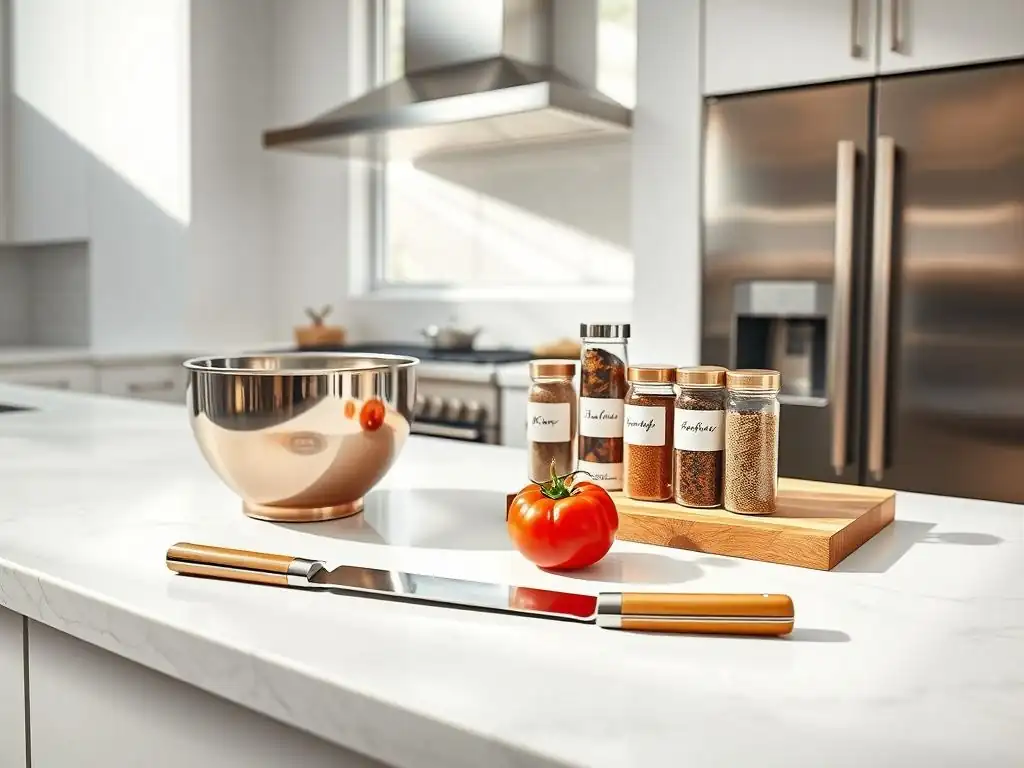
Ready to transform your kitchen from chaotic clutter to a culinary masterpiece? At UltimateLifeHacks, we're dedicated to providing you with the practical tips and tricks you need to conquer daily life. This week, we're diving into the art of organization with our expert guide on how to Organize Your Kitchen Like a Chef. Discover professional secrets to maximize your space, streamline your workflow, and unlock a whole new level of culinary efficiency. Prepare to be amazed by how much time and energy you'll save – let's get started!
- Decluttering Your Kitchen for Optimal Efficiency
- Designing a Chef-Inspired Kitchen Layout
- Implementing Professional Kitchen Organization Systems
- Maintaining Your Organized Kitchen: Long-Term Strategies
- Chef-Approved Kitchen Organization Tools and Resources
- Frequently Asked Questions
- Final Reflection: The Transformative Power of an Organized Kitchen
- Unleash Your Inner Chef: Organize and Conquer Your Kitchen!
Decluttering Your Kitchen for Optimal Efficiency
Organizing your kitchen like a chef isn't just about aesthetics; it's about maximizing efficiency and minimizing wasted time. A well-organized kitchen is the cornerstone of a smooth cooking process, allowing for quicker meal preparation and a more enjoyable culinary experience. This article will guide you through a chef-inspired approach to kitchen organization, focusing on decluttering, strategic storage, and streamlining your tools.
We'll explore practical tips and techniques to transform your kitchen from a chaotic mess into a highly functional and inspiring workspace, helping you save time and improve your overall cooking efficiency. This comprehensive guide will cover everything from purging unused items to optimizing pantry storage, ultimately helping you achieve the organized kitchen you've always dreamed of – a space that reflects the professional standards of a top chef.
Purging Unused Items: Identifying and Removing Unnecessary Kitchenware
The first step to organizing your kitchen like a chef is ruthless decluttering. Begin by emptying your cabinets and drawers completely. This allows you to assess what you truly need and use regularly. Many of us accumulate kitchenware over time – gadgets we used once and haven't touched since, duplicate utensils, chipped plates, and mismatched containers. It's time to say goodbye!
Here's a helpful checklist to guide your purging process:
- Unused Appliances: That bread maker you used twice? The pasta machine gathering dust? Consider donating or selling these items if they don't serve a regular purpose.
- Duplicate Items: Do you really need three potato peelers or four spatulas? Keep only the best-quality and most frequently used items.
- Broken or Chipped Dishes: Discard anything that's broken, chipped, or stained beyond repair. Using damaged dishes can be a safety hazard.
- Expired Food Items: Check expiration dates on all pantry staples and spices. Dispose of anything that's past its prime. This prevents food waste and maintains a clean and safe cooking environment.
Consider using a three-box system: one for items to keep, one for donation, and one for discarding. This visual separation makes the process more manageable and less overwhelming. Remember, a clutter-free space fosters a more efficient workflow. The goal is to retain only what you actively use and love.
Organizing Pantry Staples: FIFO Method and Smart Storage Solutions
Once you've decluttered, focus on organizing your pantry staples. Employing the FIFO (First In, First Out) method is crucial for minimizing food waste. This simply means placing newer items behind older ones, ensuring that older items are used first. This is especially important for perishable goods.
To optimize pantry storage, consider the following:
- Clear Containers: Transferring dry goods into clear, airtight containers allows for easy visibility and prevents spills. Labeling each container with the contents and date is highly recommended.
- Vertical Storage: Utilize vertical space with stackable shelves, drawers, and pull-out baskets. This maximizes storage capacity and keeps everything easily accessible.
- Lazy Susans: These rotating trays are perfect for maximizing corner space and easy access to items stored in the back of shelves.
- Tiered Organizers: These organizers create additional shelving space within cabinets, allowing for better organization and efficient use of space.
Remember, a well-organized pantry not only looks great but also simplifies meal planning and reduces food waste. It’s a chef's secret to always having the right ingredients on hand. The feeling of a neat and tidy pantry is incredibly satisfying! 🎉
Streamlining Utensils and Gadgets: A Chef's Approach to Essential Tools
Finally, let's tackle the organization of utensils and gadgets. Professional chefs prioritize functionality and efficiency. They don't clutter their workspace with unnecessary tools. Apply this same principle to your kitchen.
Start by categorizing your utensils:
- Cooking Utensils: Spoons, spatulas, whisks, tongs – keep these frequently used items within easy reach. A utensil crock or drawer organizer is an excellent solution.
- Baking Utensils: Measuring cups, measuring spoons, rolling pins – store these together in a dedicated drawer or cabinet.
- Knives: Proper knife storage is essential for safety and longevity. Invest in a knife block or magnetic strip to keep your knives sharp and readily accessible.
Remember, less is more. Keep only the essential tools you use regularly. Donate or sell any duplicates or rarely used gadgets. A streamlined collection of high-quality tools is far more effective than a cluttered drawer full of mediocre utensils. A chef's kitchen is characterized by its efficiency and the quality of its essential tools, not by the quantity of gadgets. This principle will help you achieve a similar level of organization and efficiency in your own kitchen.
Designing a Chef-Inspired Kitchen Layout
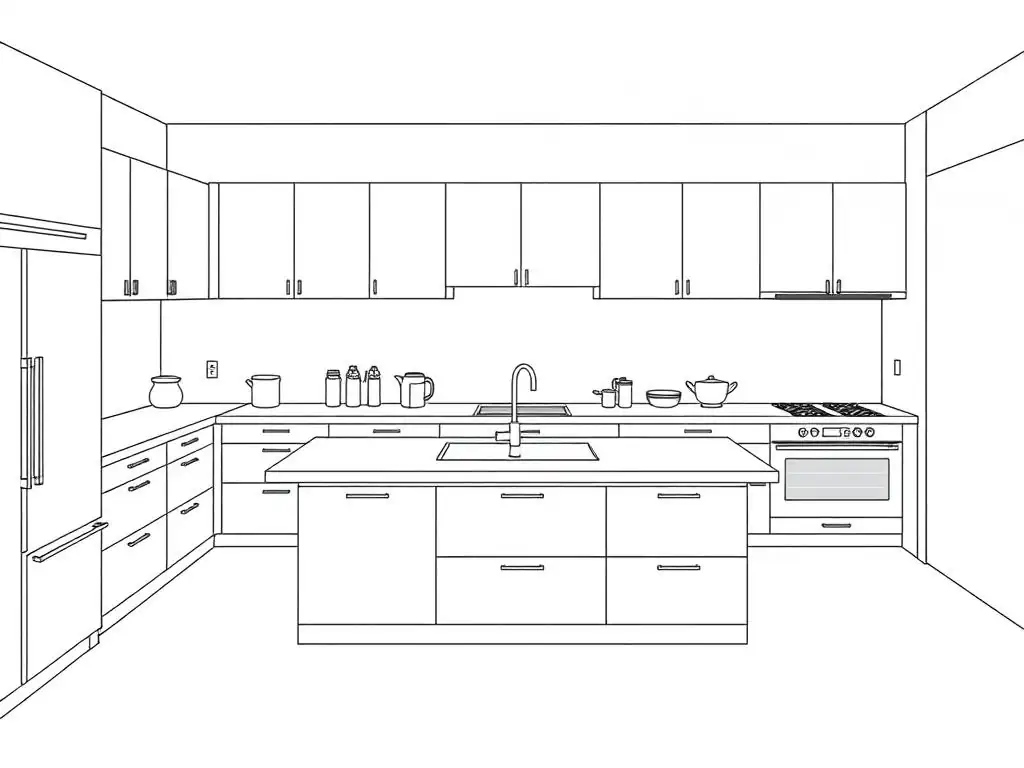
This section focuses on creating a kitchen layout that mirrors the efficiency and organization found in professional kitchens. A well-designed layout is paramount for optimizing workflow and minimizing wasted time. Think of it as creating a culinary assembly line—each step seamlessly flowing into the next. This isn't just about aesthetics; it's about improving your cooking experience and reducing kitchen stress.
Maximizing Counter Space: Strategic Placement of Appliances and Tools
Counter space is a chef's most valuable real estate. Clutter significantly impacts efficiency. To maximize this space, consider these strategies:
- Prioritize frequently used appliances: Keep your everyday appliances – blender, coffee maker, toaster – readily accessible but tucked away when not in use. Consider a designated appliance garage or a pull-out shelf for less frequently used items. This prevents them from monopolizing valuable counter space.
- Strategic placement of tools: Organize tools based on their function. For example, place measuring cups and spoons near the baking area, while keeping spatulas and whisks closer to the stovetop. A magnetic strip on the backsplash can be a fantastic solution for frequently used knives, keeping them both accessible and safe.
- Declutter regularly: Conduct a regular purge of unused or infrequently used gadgets. A streamlined countertop significantly enhances your cooking experience and improves workflow. A good rule of thumb is to only keep tools you use at least once a month.
- Multi-functional tools: Invest in multi-functional tools to reduce the number of individual items you need to store. For example, a vegetable peeler that also juliennes vegetables saves both counter space and drawer space.
| Appliance/Tool Category | Placement Suggestion |
|---|---|
| Frequently Used Appliances (e.g., Blender, Toaster) | Easily accessible, potentially on a pull-out shelf when not in use |
| Cooking Utensils (e.g., Spatulas, Whisks) | Near the stovetop |
| Baking Tools (e.g., Measuring Cups, Spoons) | Near the oven or baking area |
| Knives | Magnetic strip on the backsplash or in a dedicated knife block |
Optimizing Cabinet Organization: Utilizing Vertical Space and Drawer Dividers
Cabinet organization is crucial for maintaining a chef-like kitchen. Efficient use of vertical space and strategic organization within drawers are key.
- Vertical space maximization: Utilize shelf risers and pull-out shelves to double or even triple your storage capacity. This prevents items from getting lost in the back of the cabinet.
- Drawer dividers: Drawer dividers are essential for keeping utensils, cutlery, and other small items organized and easily accessible. This prevents them from cluttering up drawers and makes it easier to find what you need quickly.
- Cabinet organization systems: Consider pull-out pantry systems or specialized cabinet organizers designed for specific items like spices or plates. These systems can drastically improve the usability of your cabinets.
- Uniform containers: Using uniform containers for storing dry goods not only looks neat, but also makes it easier to see at a glance what you have and how much you have left.
This approach ensures that you can quickly locate items, minimizing the time spent searching and maximizing your cooking efficiency. Think about organizing your cabinets by usage frequency; items you use daily should be easily accessible, while less frequently used items can be stored higher or further back.
Creating a Dedicated Prep Zone: Setting up Your Mise en Place Station
A dedicated prep zone is essential for any serious home cook, mirroring the professional chef's "mise en place" approach. This involves prepping all ingredients before you begin cooking.
- Central location: Locate your prep zone centrally within your kitchen, ideally near the stovetop and sink. This minimizes movement between prepping and cooking.
- Designated cutting board: Have a designated cutting board for each type of food (e.g., one for meat, one for vegetables) to maintain hygiene and prevent cross-contamination.
- Ingredient bowls: Use a variety of small bowls to hold prepped ingredients. This keeps everything organized and readily available, speeding up the cooking process significantly. Labeling bowls can be helpful for complex recipes.
- Waste disposal: Keep a small trash can or compost bin nearby to dispose of scraps efficiently. This prevents clutter and keeps your prep zone clean.
The mise en place method minimizes stress during the cooking process, allowing you to focus on the actual cooking rather than scrambling to find ingredients. It's a game-changer for both efficiency and reducing cooking time. A well-organized prep zone transforms cooking from a chaotic scramble into a smooth, efficient process. 🥂
Implementing Professional Kitchen Organization Systems
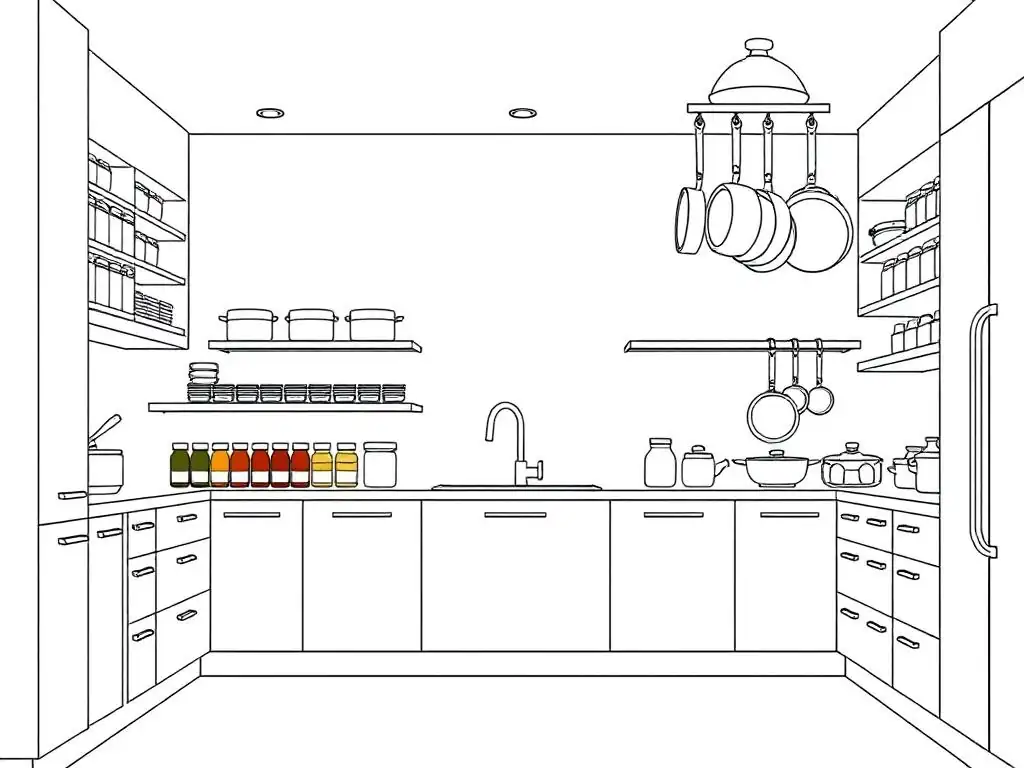
This section delves into specific, proven methods employed by professional chefs to maintain organized and efficient kitchen spaces. These strategies, while seemingly simple, significantly impact workflow, reduce cooking time, and minimize frustration. Adapting these techniques to your home kitchen can transform your cooking experience, making it more enjoyable and productive. We'll explore three key systems: zoning, clear containers, and comprehensive labeling.
The "Zone" Method: Grouping Similar Items for Easy Access
The "zone" method is a cornerstone of professional kitchen organization. It involves strategically grouping similar items based on their frequency of use and proximity to where they're needed. Imagine your kitchen as a series of interconnected work zones. For example:
- Cooking Zone: This area should house frequently used cooking utensils (spatulas, whisks, tongs), pots, pans, and cooking oils. Ideally, it's located near the stovetop and oven.
- Prep Zone: This zone centers around your cutting board and should include knives, vegetable peelers, and other prep tools. Proximity to the sink is beneficial for easy cleanup.
- Baking Zone: If you bake frequently, designate a specific area for baking sheets, mixing bowls, measuring cups, and other baking essentials. This might be near your oven or a countertop dedicated to baking.
- Storage Zone: This encompasses less frequently used items, stored neatly and efficiently in cabinets and drawers. Proper storage solutions, like drawer dividers and shelf risers, are crucial here.
By implementing the zone method, you eliminate unnecessary steps and wasted time searching for utensils and ingredients. This is especially crucial during busy weeknights when efficiency is key. Think of it as minimizing “search time” – a significant time-saver for busy home cooks. Consider creating a visual map of your kitchen zones to ensure consistent organization. This simple step can make a huge difference in your workflow.
Utilizing Clear Containers: Maintaining Visual Order and Inventory
Clear containers are a chef's best friend. They offer several advantages over opaque containers and haphazard storage:
- Visual Inventory: At a glance, you can see exactly what you have and how much is left. This prevents buying duplicates and minimizes food waste. This is particularly useful for staples like grains, pasta, and spices.
- Pest Control: Airtight containers protect food from pests, ensuring freshness and preventing infestations.
- Stackability: Uniform containers maximize storage space, allowing for efficient use of vertical space in cabinets and pantries.
- Improved Aesthetics: Neatly organized, clear containers instantly enhance the overall look of your kitchen, creating a more calming and inviting space.
When choosing containers, prioritize airtight seals and durable materials. Consider uniform sizes for optimal stackability. Labeling (discussed in the next section) is crucial for maximizing the benefits of clear containers. For example, using uniform clear jars for spices not only looks professional but also makes finding the right spice a breeze.
Labeling Everything: Clear Identification for Efficient Workflow
Thorough labeling is the final piece of the puzzle. It elevates the organization system from merely tidy to truly efficient. Labels should be clear, concise, and easily readable. Consider these points:
- Content: Clearly state the contents of each container (e.g., "Brown Sugar," "All-Purpose Flour," "Dried Basil").
- Dates: For perishable items, include the purchase date or expiration date. This helps you use older items first, reducing waste.
- Quantity: For bulk items, consider noting the quantity (e.g., "1 kg Quinoa," "2 lbs Coffee Beans").
- Method: Use waterproof labels and a permanent marker for durability. Consider a label maker for a more professional look.
Proper labeling minimizes the time spent searching for specific items. It streamlines your cooking process and minimizes decision fatigue. Think of it as creating a visual inventory system that works for you, 24/7. This simple yet powerful technique significantly boosts kitchen efficiency and reduces stress. Imagine the ease of finding that specific spice you need without rummaging through a cluttered spice rack!
Maintaining Your Organized Kitchen: Long-Term Strategies
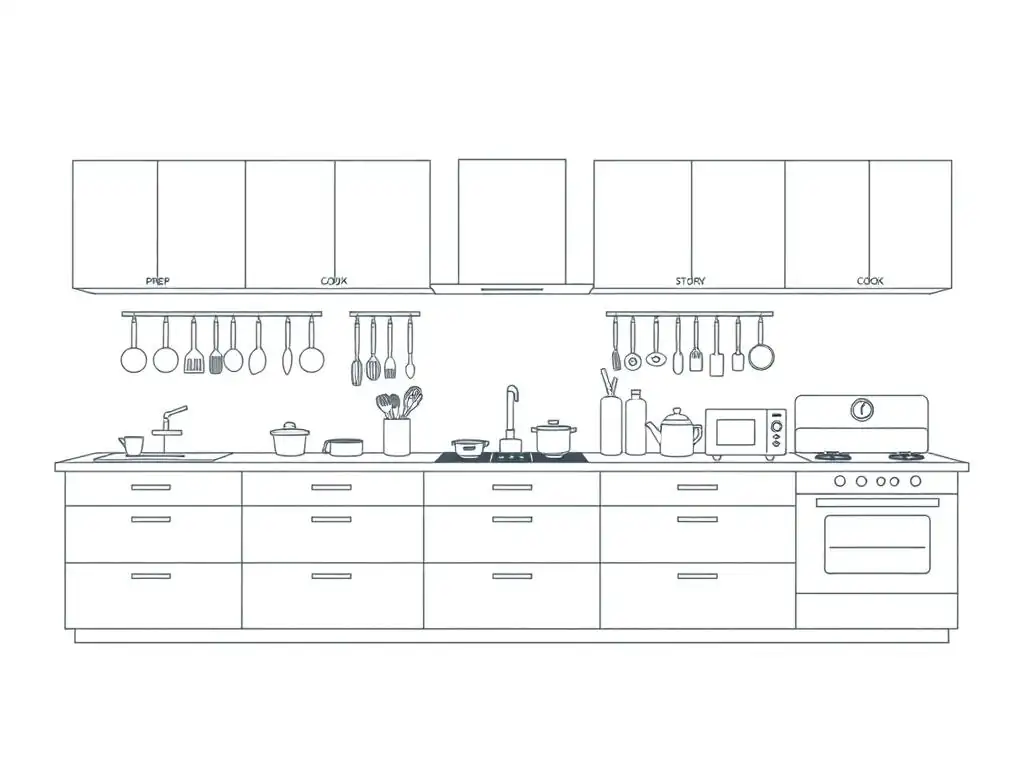
Maintaining a chef-like organized kitchen isn't a one-time event; it's an ongoing process requiring consistent effort and smart strategies. Think of it as a marathon, not a sprint. The initial organization is crucial, but long-term maintenance ensures your kitchen remains a haven of efficiency and culinary creativity, not a chaotic obstacle course. This section focuses on the strategies you need to employ to keep your kitchen sparkling and functional in the long run, allowing you to truly organize your kitchen like a chef.
Regular Purging and Decluttering Schedule: Preventing Clutter Build-Up
Clutter is the enemy of efficiency. A disorganized kitchen, even if initially well-organized, can quickly become cluttered with unused gadgets, expired spices, and duplicate items. Implementing a regular purging and decluttering schedule is paramount to preventing this build-up. Don't aim for a massive overhaul every month; instead, schedule smaller, more manageable decluttering sessions.
Consider these options:
- Weekly Quick Clean: Spend 15-20 minutes each week going through a specific area of your kitchen – one shelf in the pantry, a drawer of utensils, the spice rack. Discard expired items, donate unused tools, and wipe down surfaces.
- Monthly Deep Clean: Once a month, dedicate a more significant amount of time (1-2 hours) to a more thorough decluttering of a larger section of your kitchen. This could involve completely emptying and reorganizing a cabinet or tackling a specific appliance area.
- Seasonal Purge: Twice a year (spring and fall), conduct a more comprehensive purge of your entire kitchen. This is the perfect opportunity to reassess your cooking habits, get rid of seldom-used items, and refresh your space.
Remember the 80/20 rule: 80% of your cooking uses only 20% of your kitchen tools and ingredients. Focus on identifying and retaining those essential items. Consider using a labeling system to track expiration dates and usage frequency, aiding in your decluttering efforts. This proactive approach will significantly contribute to keeping your kitchen organized like a professional chef's.
Implementing a Daily Cleaning Routine: Maintaining a Spotless Workspace
A daily cleaning routine is the backbone of a consistently organized kitchen. It's about preventing small messes from becoming overwhelming projects. This doesn't mean spending hours scrubbing; rather, it's about incorporating quick cleaning tasks into your daily routine.
Here's a suggested daily cleaning schedule:
- After each meal: Wipe down countertops, wash dishes, and clear away any stray crumbs or spills. This takes only a few minutes but prevents grime from accumulating.
- Before bed: Quickly sweep or vacuum the floor, wipe down the sink, and ensure all appliances are clean and put away.
- "One-minute clean ups": Throughout the day, take a minute to address small messes as they happen. This could be wiping a spill, putting away a stray item, or quickly washing a dirty pan.
This consistent approach to daily cleaning will dramatically reduce the time and effort required for larger cleaning sessions. A clean kitchen is a happy kitchen, and a clean kitchen contributes directly to maintaining that chef-level organization. This is crucial for efficient workflow and a positive cooking experience.
Utilizing Smart Storage Solutions: Adaptive Strategies for Ongoing Organization
Smart storage solutions are key to maintaining long-term kitchen organization. While the initial organization is important, it's the ongoing adaptation of storage strategies that truly keeps your kitchen optimized. This includes regularly reassessing your storage methods and making adjustments as your needs and habits evolve.
Consider these adaptive strategies:
| Storage Solution | Benefit | Example |
|---|---|---|
| Drawer dividers | Maximizes space, keeps items separated | Dividers for utensils, spices, etc. |
| Stackable containers | Saves space, creates a uniform look | Clear containers for pantry items |
| Lazy Susans | Improves accessibility in corner cabinets | For spices, oils, or frequently used items |
| Vertical storage solutions | Maximizes vertical space | Narrow shelves, hanging organizers |
| Wall-mounted organizers | Frees up counter space | For cutting boards, spice racks, etc. |
Regularly evaluate your storage solutions. Are they still efficient? Do you need to adjust the placement of items? Do you need to add more storage solutions? Adapting your storage as your needs change is essential for maintaining a chef-organized kitchen. This ongoing process ensures your kitchen remains functional and efficient, allowing you to focus on what matters most: cooking delicious meals! Remember, an organized kitchen is a productive kitchen, and a productive kitchen is the hallmark of a true culinary enthusiast.
Chef-Approved Kitchen Organization Tools and Resources
This section dives into the specific tools and resources that professional chefs utilize to maintain organized and efficient kitchens. We'll explore essential storage containers, innovative drawer organizers, and smart labeling systems – all crucial components for achieving chef-level kitchen organization. Mastering these elements will significantly improve your workflow and reduce time spent searching for ingredients or utensils. Efficient kitchen organization is not just about aesthetics; it's about optimizing your cooking process and maximizing your culinary potential. Let's get started!
Essential Storage Containers: Recommendations for Durable and Efficient Options
Choosing the right storage containers is paramount for a well-organized kitchen. Avoid flimsy, mismatched containers that take up unnecessary space and lack durability. Instead, invest in a cohesive set of high-quality containers made from durable materials like BPA-free plastic or tempered glass. Consider these recommendations:
- Airtight containers: These are crucial for preserving the freshness and quality of your ingredients, preventing spills, and maintaining a clean pantry. Look for containers with secure lids and strong seals. Airtight storage is especially important for items prone to spoilage, such as grains, nuts, and dried fruits. Consider sizes ranging from small spice containers to large containers for storing pasta or flour.
- Stackable containers: Maximize vertical space by opting for stackable containers. This allows you to store more items in the same footprint, reducing clutter and improving the overall organization of your pantry or refrigerator. Look for containers with smooth edges and a consistent size and shape for optimal stacking.
- Clear containers: Clear containers allow for easy identification of contents without having to open each one. This saves significant time and effort when searching for specific ingredients. This visual accessibility is a key element of efficient kitchen organization, mimicking the professional approach of chefs who need quick access to ingredients during service.
- Labeling Compatibility: Choose containers that are easily labeled. Smooth surfaces are ideal for sticker labels, while some containers even come with built-in labeling spaces. This ties in perfectly with the importance of a well-implemented labeling system, which we will discuss further below.
Innovative Drawer Organizers: Optimizing Drawer Space and Functionality
Kitchen drawers often become chaotic dumping grounds. However, with the right organizers, you can transform cluttered drawers into efficient, functional spaces. Here are some innovative drawer organizer solutions:
- Adjustable dividers: These are highly versatile and adaptable to various drawer sizes and utensil shapes. They allow you to customize the drawer layout according to your specific needs, optimizing the space for cutlery, spatulas, whisks, and other kitchen tools. This ensures every item has its designated place and prevents them from shifting and cluttering the drawer.
- Drawer inserts: These are often made from bamboo, plastic, or wood and provide a complete compartmentalization of the drawer. They are particularly useful for organizing smaller items like spices, measuring spoons, or small gadgets. Their dedicated compartments keep everything neat and easily accessible.
- Roll-out trays: These trays slide out from the drawer, making it easy to access items at the back without having to rummage through the entire drawer. This is a significant time saver, particularly helpful for frequently used items.
- Utensil organizers: Specifically designed for cutlery and utensils, these organizers offer dedicated slots for each item, preventing them from shifting and tangling. They provide a clean, organized look and ensure easy access to specific utensils.
Smart Labeling Systems: Clear, Concise, and Easy-to-Read Labels
A well-implemented labeling system is the cornerstone of any organized kitchen. Clear, concise labels prevent confusion and significantly reduce the time spent searching for ingredients. Consider these strategies:
- Consistent format: Maintain a consistent labeling format throughout your kitchen. Use a uniform font size, style, and color scheme for a cohesive and professional look. This ensures easy readability and a visually appealing organization system.
- Detailed information: Include not only the name of the item but also relevant information such as quantity, purchase date (for perishables), and expiration date. This helps you track inventory and avoid food waste.
- Durable labels: Use waterproof and durable labels that can withstand the rigors of a busy kitchen. Avoid labels that are easily smudged or ripped. Consider using permanent marker on waterproof labels for extra durability.
- Visual cues: For visually appealing and effective labeling, consider incorporating visual cues such as images or color-coding. This is especially helpful for identifying similar items or items with varying degrees of spice level. This system is often used in professional kitchens to quickly identify ingredients at a glance.
The implementation of these chef-approved strategies will significantly improve the organization of your kitchen, leading to increased efficiency and a more enjoyable cooking experience. Remember, a well-organized kitchen is a happy kitchen! 🍝🔪🥦
Frequently Asked Questions
How can I organize my kitchen like a professional chef?
To organize your kitchen like a chef, prioritize frequently used items within easy reach. Declutter ruthlessly, removing anything unused or broken. Group similar items together for efficient workflow.
What are the essential tools for an organized chef's kitchen?
Essential tools include high-quality knives, a sturdy cutting board, various sized mixing bowls, measuring cups and spoons, and adequate storage containers. Consider your cooking style when selecting items.
How do I maximize storage space in a small kitchen?
Maximize space by using vertical storage solutions, such as shelves and drawers. Employ stackable containers and utilize the space inside cabinet doors. Consider under-sink organizers to efficiently utilize often-wasted space.
What's the best way to organize my pantry for optimal efficiency?
Organize your pantry by food category (e.g., grains, canned goods, snacks). Use clear containers to see contents easily and keep everything fresh and accessible. Rotate stock, using older items before newer ones.
How can I maintain a consistently organized kitchen?
Regular decluttering (at least weekly) is key. Put things away immediately after use and allocate specific storage locations for everything. A consistent cleaning schedule also prevents clutter buildup.
Final Reflection: The Transformative Power of an Organized Kitchen
A well-organized kitchen isn't just about aesthetics; it's the cornerstone of efficient cooking and a joyful culinary experience. The impact of a thoughtfully planned workspace extends far beyond mere tidiness, influencing everything from meal preparation time to overall kitchen enjoyment. It's a fundamental shift that unlocks creativity and reduces stress in a space often considered the heart of the home.
The principles of professional kitchen organization, explored throughout this article, are more than just tips and tricks; they represent a philosophy of mindful efficiency. They reflect a deeper understanding of workflow and the importance of respecting the tools of our craft. This resonates deeply with me, as I've personally experienced the transformative power of a streamlined kitchen. The kitchen is the heart of the home, and a well-organized kitchen is a happy kitchen.
This simple truth holds immense weight, impacting not only our cooking but also our overall well-being.
Now, consider your own kitchen. What small changes can you implement today to bring a touch of professional organization into your space? Perhaps it's decluttering a single drawer, investing in a better storage solution, or simply taking a few minutes each day to put things back in their place. Embrace the journey towards a more efficient and inspiring kitchen; the rewards – both culinary and emotional – are well worth the effort. Start small, build momentum, and discover the joy of cooking in a space that truly supports your culinary aspirations.
Unleash Your Inner Chef: Organize and Conquer Your Kitchen!
Thank you for exploring these chef-inspired kitchen organization tips! We hope you feel empowered to create a more efficient and enjoyable cooking space. Now, let's put that knowledge into action:
- Declutter a single drawer or shelf today. Focusing on a small area allows you to quickly experience the benefits of improved organization, motivating you to tackle the rest of your kitchen.
- Share your transformation on social media! Inspire others by posting before-and-after photos and tagging #UltimateLifeHacksKitchen to showcase your newly organized culinary haven.
- Donate unwanted items. Giving away unused kitchen tools and gadgets frees up space and brings joy to others.
Ready to transform your kitchen into a culinary masterpiece? Which area will you tackle first?